

Iceland · Wildlife
Wildlife Watching in Iceland
Find puffin colonies, whale watching bays, seal beaches, reindeer in the Eastfjords and Arctic fox sanctuaries across Iceland.
Must-Visit
Iceland's Most Iconic Wildlife Sites
From the world's largest puffin colony at Látrabjarg to seal beaches on Snæfellsnes — these are Iceland's unmissable wildlife destinations.
 Puffins
Látrabjarg Sea Cliff & Puffins
Europe's largest seabird cliff and Iceland's westernmost point, Látrabjarg offers dramatic basalt walls teeming with millions of nesting birds, including puffins.
View Site Puffins
Hafnarhólmi
One of Iceland's easiest places to watch Atlantic puffins at close range, with viewing platforms at the harbour in Borgarfjörður Eystri.
View Site Seals
SealsYtri Tunga Seal Beach
Witness playful seals basking on a golden sandy beach on Iceland's Snæfellsnes Peninsula.
View Site Whales
Skjálfandi
Sheltered bay beside Húsavík renowned for whale watching, seabirds and mountain-backed sea views.
View Site Reindeer
Eastfjords Reindeer
East Iceland is the only place in Iceland where reindeer roam wild.
View Site Seals
SealsIllugastaðir
One of Iceland's best seal-watching stops, with a coastal trail, viewing shelter and important local history.
View SiteBook a Tour
Wildlife Tours & Experiences
Book guided puffin tours, whale watching cruises, birdwatching excursions and wildlife safaris with Iceland's top operators.
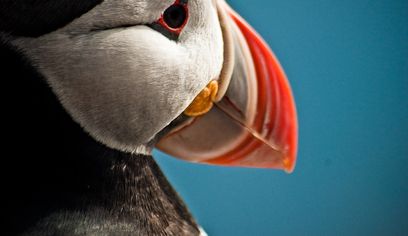
Horses & Puffins (Elfin Tour)
From 27,980 ISK
Book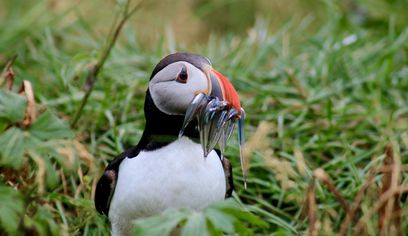
Reykjavík Classic Puffin Watching
From 8,300 ISK
Book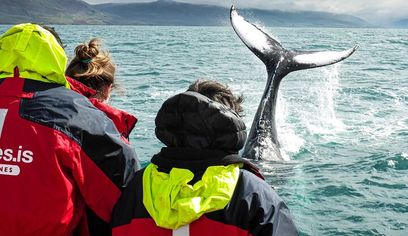
100% Whale Watching
From 12,700 ISK
Book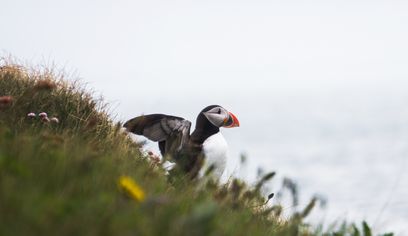
Your Vestmannaeyjar, Puffin and Volcano Tour
From 32,990 ISK
Book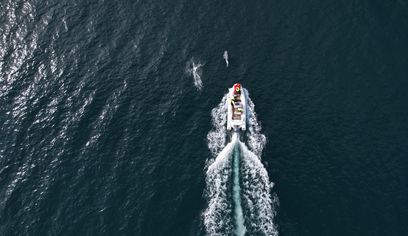
Viking Wildlife RIB Adventure
From 35,000 ISK
Book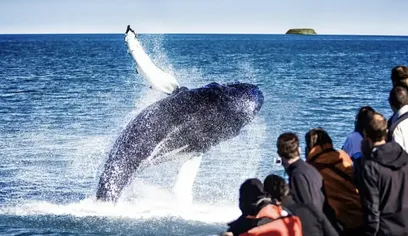
Private Nature Lovers Tour from Akureyri
From 298,766 ISK
BookInteractive Map
Find Wildlife Sites on the Map
Filter by species — 30 mapped locations across Iceland.
Seasonal Guide
When to See Iceland's Wildlife
Iceland's wildlife calendar changes dramatically by season. Use this guide to plan your visit around the species you most want to see.
Spring
🐦 Puffins Return
Atlantic puffins arrive at breeding colonies from late April. Arctic fox cubs are born. Migratory birds flood the wetlands and sea cliffs.
Summer
🐋 Peak Season
All species are active. Puffin colonies are at maximum size. Whale watching is most productive. Seabird chicks fledge in July–August.
Autumn
🦌 Reindeer Descend
Reindeer herds move to lower ground in the Eastfjords. Migratory birds pass through on their way south. Puffins depart for winter by mid-August.
Winter
🦭 Seal Season
Grey seals give birth on beaches in December–January. Reindeer are visible against snow in East Iceland. Snowy owls appear in open uplands.
Responsible Watching
Responsible Wildlife Watching
Iceland's wildlife is wild. Keep a respectful distance, follow the rules below, and you will have a far better experience — and the animals will too.
Keep Your Distance
Stay at least 25–50 metres from all wild animals. Seals will abandon pups if humans approach too closely. Puffins will flee burrows if disturbed during nesting.
Never Feed Wildlife
Feeding wild animals causes dependency on humans, disrupts natural feeding behaviour and can spread disease. This applies to puffins, foxes, reindeer and all other species.
Avoid Nesting Sites
Do not approach active seabird nesting colonies. During late June and July, chicks are in burrows and at cliff edges. Stay on marked paths and view from a distance.
Quiet Approach
Move slowly and speak quietly near wildlife. Sudden movements and loud noise cause unnecessary stress, particularly for seals with young pups and nesting seabirds.
No Drones Near Wildlife
Drone flights are prohibited near wildlife colonies. The sound and movement of drones causes extreme stress and can cause birds to abandon nests and seals to stampede.
Leave No Trace
Remove all litter. Never leave food scraps near wildlife areas. Do not trample vegetation near nesting sites. Follow marked paths in fragile coastal habitats.
Wildlife Safety
- Coastal cliffs: Puffin colonies at Látrabjarg, Hafnarberg and other sea cliffs have unfenced edges. Stay well back from all cliff edges.
- Boat safety: Whale watching boats operate in open ocean with significant swell. Follow all crew instructions and wear provided life jackets.
- Seal beaches: Seals are wild animals and will bite if cornered. Never attempt to touch or pet seals. Adult seals protecting pups can move surprisingly fast.
Discover
Browse All Wildlife Sites
Explore all 30 wildlife viewing sites grouped by region.
North Iceland11 sites


East Iceland3 sites

Westfjords3 sites


Snæfellsnes3 sites


Capital Region2 sites


Reykjavík1 site

Reykjanes4 sites


Highlands1 site

Wildlife Watching FAQ
When is the best time to see puffins in Iceland?
Puffins arrive in Iceland between late April and early May and leave again in August. Peak season is June and July, when colonies at Látrabjarg, Borgarfjörður Eystri and Stórhöfði are most active. By mid-August most puffins have returned to sea for winter.
Where can I see whales in Iceland?
Húsavík in North Iceland is Iceland's whale-watching capital — Skjálfandi Bay hosts humpback whales, minke whales, blue whales and white-beaked dolphins. Whale-watching boats operate daily from Húsavík, Akureyri and Reykjavík. The best season is May to September.
Where can I see seals in Iceland?
The most accessible seal beaches are Ytri Tunga on Snæfellsnes, Illugastaðir on the Vatnsnes Peninsula, and the Hvammstangi area in Northwest Iceland. Harbour seals (landselur) are present year-round at these sites. Keep at least 50 metres away to avoid disturbing them.
Are there reindeer in Iceland?
Yes — Iceland has a population of around 3,000–4,000 reindeer, found exclusively in the Eastfjords. They roam the highland plains and fjord valleys between Vopnafjörður and Djúpivogur. Autumn is the easiest time to spot them as herds move to lower ground before winter.
Can I see Arctic foxes in Iceland?
Arctic foxes (melrakkinn) are Iceland's only native land mammal. The best place to see them is Hornstrandir Nature Reserve in the Westfjords — they have lost their fear of humans there. The Arctic Fox Centre in Súðavík also keeps rescued foxes year-round. Summer is the best season for sightings.
What wildlife can I see in Iceland in winter?
Winter is excellent for seal watching — grey seals give birth on beaches in December and January. Reindeer are visible against the snow in the Eastfjords. Snowy owls and ptarmigan are present in highland and coastal areas. Whale-watching boats operate year-round from Húsavík and Reykjavík.