
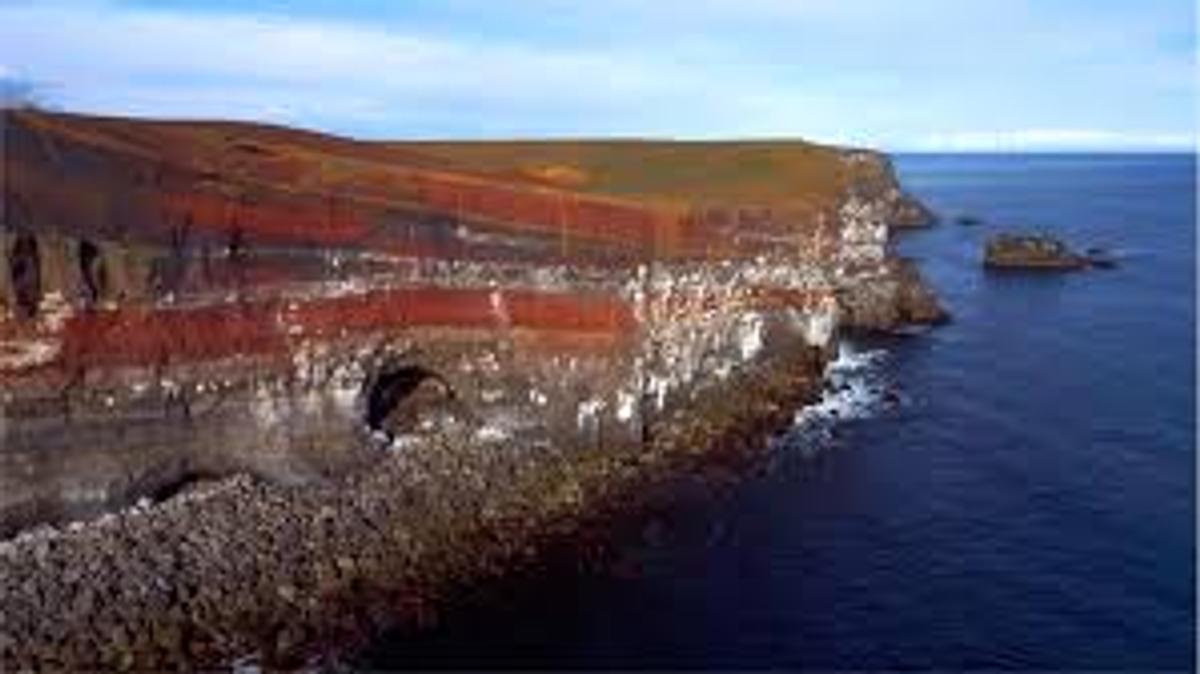
Krýsuvíkurberg
Dramatic 50-meter cliffs on the Reykjanes Peninsula, home to 57,000 pairs of seabirds.
About
About Krýsuvíkurberg
Dramatic 50-meter cliffs on the Reykjanes Peninsula, home to 57,000 pairs of seabirds.
Experience one of Iceland's largest and most visually stunning seabird colonies amidst dramatic coastal geology.
Tours Near Krýsuvíkurberg

South Coast Tour - Black Sand Beach, Plane wreck, Skogafoss, Seljalandsfoss guided in Chinese冰岛南岸黑沙滩飞机残骸中文一日团
Magic Iceland Travel · 10 hours 30 minutes
DT 322 Private Superjeep South Coast & Eyjafjallajökull Volcano Sights
Superjeep · 8 hours
South Coast Waterfalls, Glacier & Black Sand Beach Tour
BusTravel Iceland · 10 hours
South Coast Small Group Tour: Waterfalls, Glacier & Black Sand Beach
BusTravel Iceland · 10 hours
Photos
Gallery
Background
History & Background
The formation of Krýsuvíkurberg is a story written in lava and time, characteristic of the Reykjanes Peninsula's volcanic origins. These cliffs are composed of successive layers of basaltic lava flows and tephra (volcanic ash) from ancient eruptions, which have been uplifted and then sculpted by millennia of relentless ocean erosion. The distinct red layers, visible in the cliff face, are likely palagonite, formed when hot lava interacts with water, oxidizing the iron content. The darker bands represent basalt, while lighter sections could be weathered tuff or interglacial sediments. Ecologically, Krýsuvíkurberg has long served as a vital breeding ground for numerous seabird species. Its sheer, inaccessible faces offer protection from land predators, making it an ideal, albeit precarious, nursery for tens of thousands of birds each summer. This natural sanctuary highlights the delicate balance between Iceland's geological forces and its vibrant wildlife, creating a continuous cycle of life on the edge of the wild Atlantic.
Perched on the rugged southwestern edge of the Reykjanes Peninsula, Krýsuvíkurberg is a geological and ornithological marvel that commands attention. Rising dramatically 50 meters from the churning Atlantic, these cliffs are a visual feast, showcasing distinct horizontal layers of red volcanic ash, dark basalt, and lighter sedimentary rock, a testament to Iceland's fiery past and the relentless power of erosion. From late spring through summer, Krýsuvíkurberg transforms into one of Iceland's most significant seabird colonies, hosting an astonishing 57,000 pairs of nesting birds. The air is thick with the calls and movements of guillemots, razorbills, kittiwakes, puffins, black guillemots, fulmars, and cormorants, all vying for space on the precarious ledges. Birdwatchers will find themselves captivated by the sheer volume and diversity of avian life. Beyond the birds, the waters off Krýsuvíkurberg are known whale-watching grounds. Keep a keen eye on the horizon for glimpses of various cetaceans that frequent the nutrient-rich waters between these cliffs and Vogastapi. A visit here is not just about wildlife; it's an immersive experience into the raw, untamed beauty of Iceland's coastline, where geological drama meets vibrant ecological activity. The stark contrast of the colourful cliffs against the deep blue sea provides incredible photographic opportunities, especially on a clear day when the light illuminates the intricate rock formations.
Folklore
Story & Folklore
The wind whips your hair as you stand on the edge of Krýsuvíkurberg, the sheer scale of the cliffs humbling. Below, the ocean, a deep, restless blue, crashes against the layered rock – streaks of fiery red, charcoal black, and stark white telling tales of ancient eruptions. The air vibrates with the cries of thousands upon thousands of seabirds, a living, breathing symphony. Guillemots, razorbills, kittiwakes, and puffins dart and dive, their lives playing out in a frantic ballet against the dramatic backdrop. You spot a fulmar gliding effortlessly on the updraft, its wings barely moving. Looking out to the horizon, the vastness of the Atlantic stretches before you, holding the promise of whales passing by. It's a raw, untamed beauty, a powerful reminder of nature's enduring grandeur.
Did You Know?
The distinct red, black, and white layers of Krýsuvíkurberg cliffs reveal millions of years of volcanic history and erosion, creating a truly unique geological masterpiece.
Explore
Hidden Gems Nearby
The Sea Cave at the Base
Visible from above, this impressive sea cave has been carved by centuries of wave action. While inaccessible by land, its dark archway adds a mysterious element to the cliff's grandeur.
Offers a dramatic visual detail and photographic subject, highlighting the power of the ocean.
Whale Watching Spot
The waters off Krýsuvíkurberg are part of a known whale migration route. Bring binoculars and scan the horizon for minke whales, humpbacks, or even orcas.
Provides an additional wildlife viewing opportunity beyond the birds.
Layered Rock Formations
Take time to observe the intricate geological layers of the cliffs. The distinct red, black, and white bands tell a fascinating story of volcanic eruptions and glacial periods.
A unique geological feature that is visually striking and educational.
Help
Frequently Asked Questions
Location
Location
Discover
Explore Nearby
Places within 5.0 km
Loading nearby places…
0 places found within 5.0 km
Plan full itinerary →Explore More