

Iceland · Scenic Places
Best Viewpoints in Iceland
Discover panoramic lookouts, dramatic coastal viewpoints and unforgettable photo stops across Iceland.
Must-See
Iceland's Most Iconic Viewpoints
From the famous Kirkjufellsfoss waterfall viewpoint to the remote sea cliffs of Hornbjarg — these are the viewpoints that define Iceland's wild landscape.
 Snæfellsnes
Kirkjufellsfoss
Experience Kirkjufellsfoss, Iceland's iconic waterfall, dramatically framed by the majestic Kirkjufell mountain.
View Details Westfjords
Hornbjarg
Hornbjarg is a towering sea cliff in Hornstrandir, rising more than 500 metres above the ocean and supporting major seabird colonies.
View Details South Iceland
Eyjafjallajökull Viewpoint
A Ring Road viewpoint toward Eyjafjallajökull, the glacier-covered volcano whose 2010 eruption disrupted air travel across Europe.
View Details South Iceland
Ingólfshöfði
A remote nature reserve on the southeast coast, rich in puffins and seabirds and linked to Iceland's first settler, Ingólfur Arnarson.
View Details South Iceland
Stórhöfði
The 121 m southern headland of Heimaey, famous for exposed ocean views, seabird colonies and long-running weather observations.
View Details North Iceland
Hafragilsfoss
Experience the raw power of Hafragilsfoss, a magnificent cascade in North Iceland.
View Details North Iceland
Vitinn í Grímsey
Experience the vibrant orange lighthouse on Grímsey, Iceland's Arctic Circle island, offering stunning coastal views.
View Details Golden Circle
Þingvallavatn Lake Viewpoint
Panoramic viewpoint overlooking Iceland's largest natural lake and Þingvellir National Park.
View Details Westfjords
Hornstrandir crest
A remote high viewpoint in Hornstrandir with sweeping views across steep mountains, fjords and the Arctic coastline.
View Details Highlands
Frostastaðavatn
Highland lake near Landmannalaugar, surrounded by lava fields and colourful Fjallabak mountains.
View DetailsInteractive Map
Explore Viewpoints Across Iceland
All 113 viewpoints plotted on the map. Filter by region to explore your route.
Practical Tips
Photography & Practical Tips
Golden Hour
Iceland's low sun angle creates golden light for extended periods around sunrise and sunset. In summer, the midnight sun means warm directional light from 10 pm to 2 am.
Weather Visibility
Clear days after storms offer the sharpest views. Fog and low cloud can completely obscure mountain viewpoints. Check en.vedur.is for forecast and webcams before driving far.
Winter Daylight
In December–January the sun rises after 11 am and sets before 4 pm. Plan viewpoint stops around midday. Roads can be icy — use winter tyres and check road.is.
Parking & Access
Many popular viewpoints have designated parking areas. Avoid parking on roadside shoulders of busy roads. Some viewpoints require a short walk from the nearest car park.
Elevation & Exposure
Higher viewpoints on mountain roads can be significantly colder and windier than at sea level. Bring layers even in summer. Check if road conditions match your vehicle type.
Coastal Safety
Atlantic waves at coastal viewpoints can be unpredictable. Never turn your back to the ocean. Stay behind safety barriers where they exist and give cliff edges a safe margin.
Safety at Viewpoints
Not all viewpoints are roadside-accessible. Some involve cliff edges, exposed ridges, mountain trails or Highland roads (F-roads). Always stay on marked paths at cliff-edge viewpoints, check F-road status before entering the Highlands, and tell someone your route if visiting remote areas. Download the 112 Iceland app and register your travel plan at safetravel.is.
Discover
Viewpoints by Region
Browse all 113 viewpoints grouped by region.
South Iceland7 viewpoints


North Iceland11 viewpoints


East Iceland8 viewpoints


West Iceland6 viewpoints


Westfjords6 viewpoints


Highlands4 viewpoints


Reykjanes7 viewpoints


Capital Region54 viewpoints

Berliner Bär

Hamarinn

Ingibjörg H. Bjarnason

Jon Sigurdsson

Jötnar

Kona á bæn

Leifur Eiríksson

Maður og kona.
- Merki Reykjavíkurborgar
- Móðurást
- Pallas Athena
- Partnership
- Piltur og stúlka
- Pomona
- Preasens historicum
- Reykjavíkurvarðan
- Rætur
- Saltfiskstöflun
- Sellóspilarinn
- Skessan í Grænuborg
- Skuggar
- Skyggnst bak við tunglið
- Spring
- Sr. Friðrik og drengurinn
- Stríð og flótti
- Stóð
- Stúlkumynd
- Stúpa
- Systur
- Sólarauga
- The Little Mermaid
- The Shore Piece
- The Unknown Bureaucrat
- The black cone, monument to civil disobedience
- The wave of ages
- Thor wrestling with age
- Trúarbrögðin
- Táknatréð
- Tómas Guðmundsson
- Undir friðar og landnámssól
- Upphaf
- Vatnsberinn
- Víkingurinn
- World Within Worlds
- propeller shield
- Á heimleið
- Ölduspil
- Úr álögum
- Útlagar (Outlaws)
- Útsýnisskífa
- Þorsteinn Erlingsson
- Þvottakona
- Þúfa
- Mentor
Reykjavík1 viewpoint

Guided Experiences
Scenic & Photography Experiences
Guided scenic tours that take you to Iceland's most dramatic landscapes and photography locations.
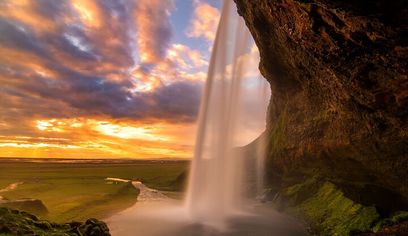 10 hours
South Coast day tour in a small group
EastWest
From
20,990 ISK
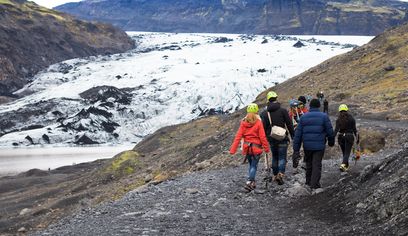 12 hours
South Coast & Glacier Hike Minibus Tour
Troll Expeditions
From
22,394 ISK
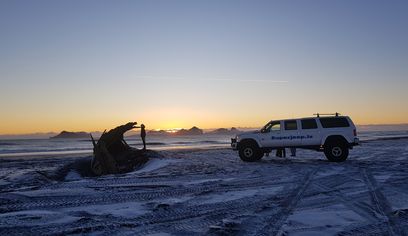 8 hours
DT 402 Private Monster Truck South Coast & Eyjafjallajökull Volcano Sights
Superjeep
From
423,200 ISK
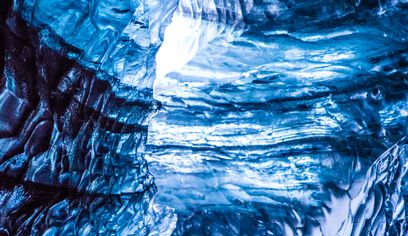 11 hours
DT 02 South Coast and Katla Ice Cave
Superjeep
From
77,800 ISK
 10 hours
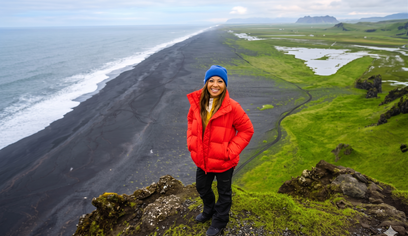
South Coast | Private Tour | Photo Package included
Icelandic Roamers
From
240,000 ISK
 10 hours
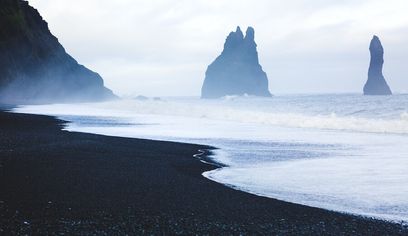
Private Sightseeing Tour to South coast and Black Sand Beach 6 PAX
Elite-Chauffeur
From
259,900 ISK
Frequently Asked Questions
What are the best viewpoints in Iceland?
Kirkjufellsfoss on Snæfellsnes, the Eyjafjallajökull viewpoint on the Ring Road, Hornbjarg in the Westfjords, Stórhöfði on Heimaey, and Þingvallavatn overlook in the Golden Circle are among the most iconic. Each offers a completely different landscape — waterfall, glacier, sea cliff, headland and rift valley.
Are Iceland viewpoints easy to reach?
It depends entirely on the location. Many Ring Road viewpoints are roadside and accessible by any car. Others require short walks of 10–30 minutes, while remote viewpoints in the Westfjords or Highlands may require a 4WD vehicle and several hours of hiking. Always check road conditions at road.is before driving.
What are the best viewpoints on the Ring Road?
The Ring Road (Route 1) passes several spectacular viewpoints: the Eyjafjallajökull glacier viewpoint near Selfoss, Ingólfshöfði promontory off the South Coast, and the Gerpir headland near Reyðarfjörður in East Iceland. Hafragilsfoss canyon viewpoint is a short detour off the Ring Road near Dettifoss.
Are Iceland viewpoints accessible in winter?
Many are, but conditions vary significantly. Roadside viewpoints along the Ring Road are generally accessible year-round, though ice and reduced daylight add complexity. Highland viewpoints are typically closed October–May. Always drive with proper winter tyres and check weather forecasts at en.vedur.is.
Do I need a 4x4 to reach Iceland viewpoints?
Most popular viewpoints are accessible in a standard 2WD car. However, some in the Westfjords, Highlands (F-roads) and remote East Iceland peninsulas require a 4WD or high-clearance vehicle. Never drive a rental vehicle on F-roads unless it is specifically authorised for that purpose.
When is the best time to photograph Iceland viewpoints?
The golden hour around sunrise and sunset produces dramatic light. In summer, the midnight sun means golden light lasts hours around 10pm–2am. In winter, the sun stays low all day creating soft directional light, and there is potential for Northern Lights after dark. Clear weather after storms often produces the sharpest visibility.