
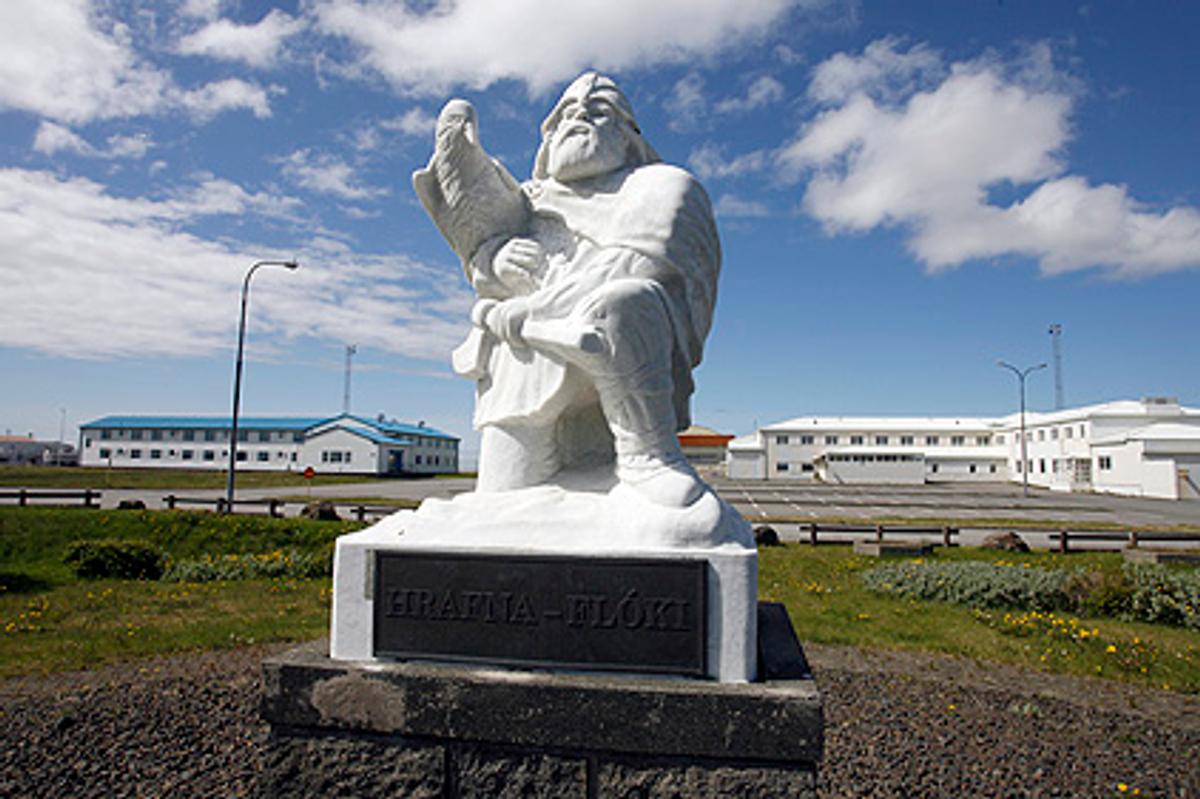
Hrafna-Flóki
Discover the striking white statue of Hrafna-Flóki, the legendary Viking navigator, in Reykjanes.
About
About Hrafna-Flóki
Discover the striking white statue of Hrafna-Flóki, the legendary Viking navigator, in Reykjanes.
Connect with Iceland's foundational Norse history through this compelling tribute to an early explorer.
Tours Near Hrafna-Flóki
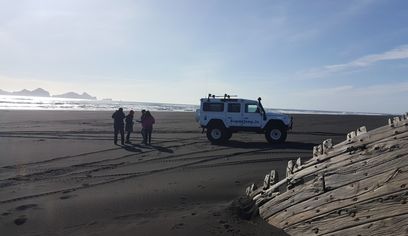
DT 322 Private Superjeep South Coast & Eyjafjallajökull Volcano Sights
Superjeep · 8 hours

South Coast Waterfalls, Glacier & Black Sand Beach Tour
BusTravel Iceland · 10 hours
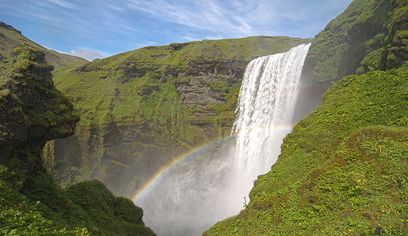
South Coast Small Group Tour: Waterfalls, Glacier & Black Sand Beach
BusTravel Iceland · 10 hours
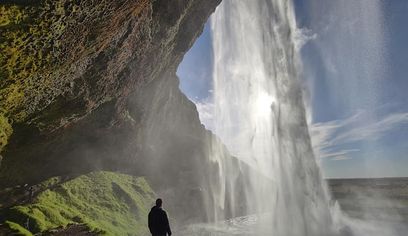
South Coast Waterfalls, Black Beach and Glacier Adventure | Small Group Day Tour
Nicetravel · 11 hours
Photos
Gallery
Background
History & Background
Hrafna-Flóki Vilgerðarson is a pivotal figure in Iceland's sagas, known for being the first Norseman to intentionally sail to the island in the 9th century. His journey is detailed in the Landnámabók (Book of Settlements), which chronicles the settlement of Iceland. Flóki earned his moniker "Raven-Flóki" because of his unique navigational method: he brought three ravens with him from the Faroe Islands. Upon releasing them, the first flew back to the Faroes, the second returned to the ship, but the third flew ahead, leading him to Iceland. His expedition led him to a fjord he named Vatnsfjörður (Water Fjord) in the Westfjords. However, a harsh winter and poor preparation meant his livestock perished, and he departed the following summer, giving the land the name "Ísland" (Iceland) due to the ice he saw in the fjords. Despite his initial struggles, his account encouraged others to follow, cementing his place as a key figure in the island's discovery and settlement. The statue in Reykjanes commemorates this legendary explorer, serving as a constant reminder of the courage and ingenuity of the early settlers who braved the unknown North Atlantic.
The Hrafna-Flóki statue in Reykjanes is more than just a public artwork; it's a tangible link to Iceland's foundational history. This prominent white sculpture depicts Flóki Vilgerðarson, often referred to as "Raven-Flóki," a legendary figure from the 9th century credited as the first Norseman to intentionally navigate to Iceland. The statue, with its detailed depiction of Flóki holding a raven, beautifully illustrates the famous saga of his journey. He famously used three ravens to help him find land; the first flew back, the second flew to sea, but the third flew forward, indicating land was near. This pioneering spirit is celebrated in the artwork, which stands on a dark, rough-hewn stone base, featuring a plaque with his name. Visitors to this viewpoint are invited to pause and reflect on the incredible navigational feats of the Vikings and the early settlement of this dramatic island nation. The statue is set against a backdrop of modern Icelandic architecture and the vast, open skies characteristic of the Reykjanes peninsula, offering a compelling contrast between ancient heritage and contemporary life. It serves as an excellent starting point for understanding the rich cultural tapestry of Iceland. While there are no elaborate facilities, the statue itself is the main attraction, offering a powerful visual narrative. It's an accessible spot for a quick but meaningful stop on any Reykjanes itinerary, providing a moment of historical contemplation amidst the region's stunning geological wonders.
Folklore
Story & Folklore
Perched on a dark stone base against the bright Icelandic sky, the striking white statue of Hrafna-Flóki commands attention in Reykjanes. With a flowing beard and resolute gaze, the figure holds a raven, a powerful symbol of his legendary journey. It was Flóki Vilgerðarson who, in the 9th century, became the first Norseman to intentionally sail to Iceland, guided by three ravens he brought from the Faroe Islands. This artwork beautifully encapsulates the spirit of the Viking age, an era of intrepid exploration and reliance on nature's signs. Standing here, you can almost feel the chill of the North Atlantic and hear the flap of raven wings carrying a hopeful explorer towards an unknown land. The statue serves as a poignant reminder of Iceland's unique settlement story, a tale woven with courage, ingenuity, and a deep connection to the wild.
Did You Know?
Hrafna-Flóki earned his nickname "Raven-Flóki" because he used three ravens to guide his ship to Iceland, releasing them one by one.
Explore
Hidden Gems Nearby
Reykjanes Geopark Interpretive Signage
While at the statue, take a moment to seek out any nearby informational signs. These often provide fascinating context on the Reykjanes Geopark's unique geological features and how they intertwine with Iceland's settlement history. It helps to envision the landscape Flóki himself would have encountered.
This signage enhances your understanding of both the region's natural wonders and Flóki's historical journey.
Panoramic Views of Reykjanes
The statue's location often offers expansive vistas across the Reykjanes peninsula. Take a moment to scan the horizon, appreciating the dramatic lava fields, the distant ocean, and the vast, open skies. It provides a powerful visual connection to the wild, untamed land that Hrafna-Flóki discovered.
It allows visitors to connect the historical narrative of exploration with the powerful, raw beauty of the Icelandic landscape.
Help
Frequently Asked Questions
Location
Location
Discover
Explore Nearby
Places from our database within 5.0 km — all data from Sanity
Loading nearby places…
0 places found within 5.0 km
Plan full itinerary →Explore More