
Iceland's Iconic Peaks
Iceland's
Mountains
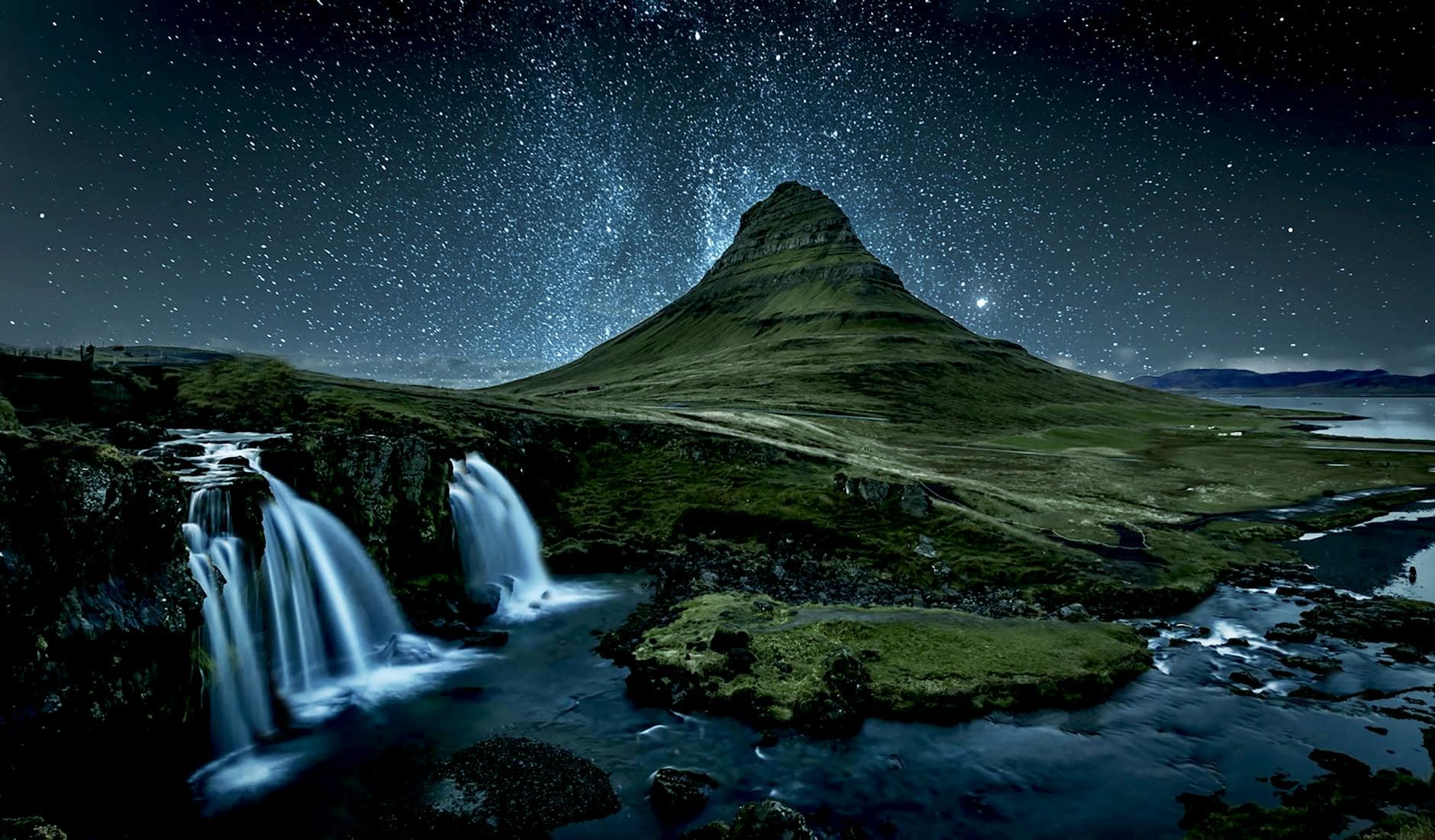
From the iconic cone of Kirkjufell to the remote table mountain of Herðubreið — Iceland's mountains offer some of the world's most dramatic hiking and photography.
100+
Named peaks
914 m
Mount Esja height
All year
Year-round hiking
5 regions
Mountain areas
Iceland's mountains are shaped by volcanic forces, glacial erosion and tectonic activity — creating peaks that range from perfectly symmetrical volcanic cones to dramatic flat-topped tuyas and jagged rhyolite ridges painted in vivid colours.
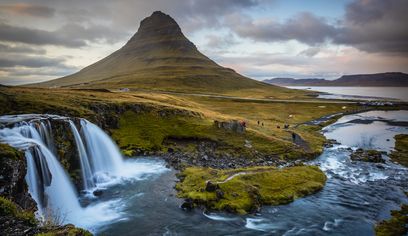
The most famous is Kirkjufell on the Snæfellsnes Peninsula — the most photographed mountain in Iceland. But nearly every region has its own iconic peak that defines the local landscape.
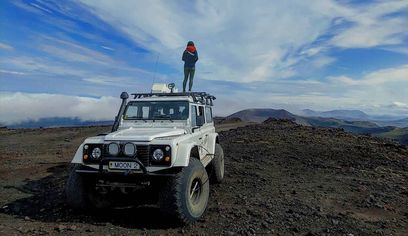
Many of Iceland's mountains can be hiked by fit visitors without technical climbing experience. Mount Esja near Reykjavík is one of the most popular hiking destinations in the country. Highland mountains require 4WD access and summer-only visits.
Featured Mountains in Iceland
Iceland's Most Iconic Mountains
From volcanic cones to glacial peaks — hiking, photography and dramatic landscapes.
Kirkjufell
Iceland's Most Photographed Mountain
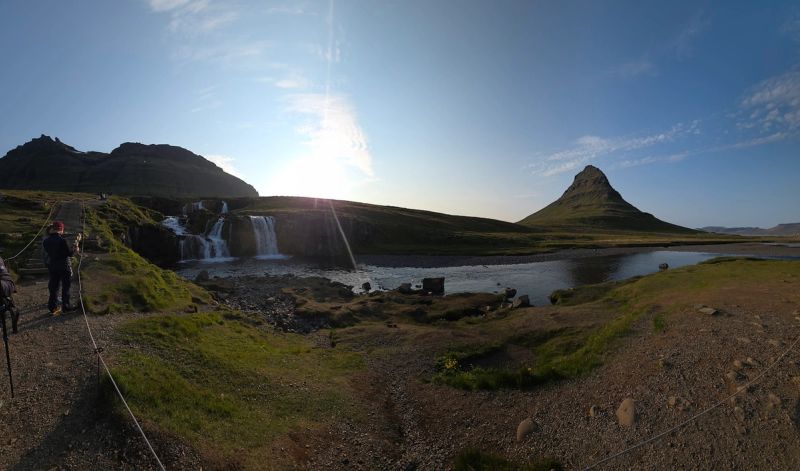
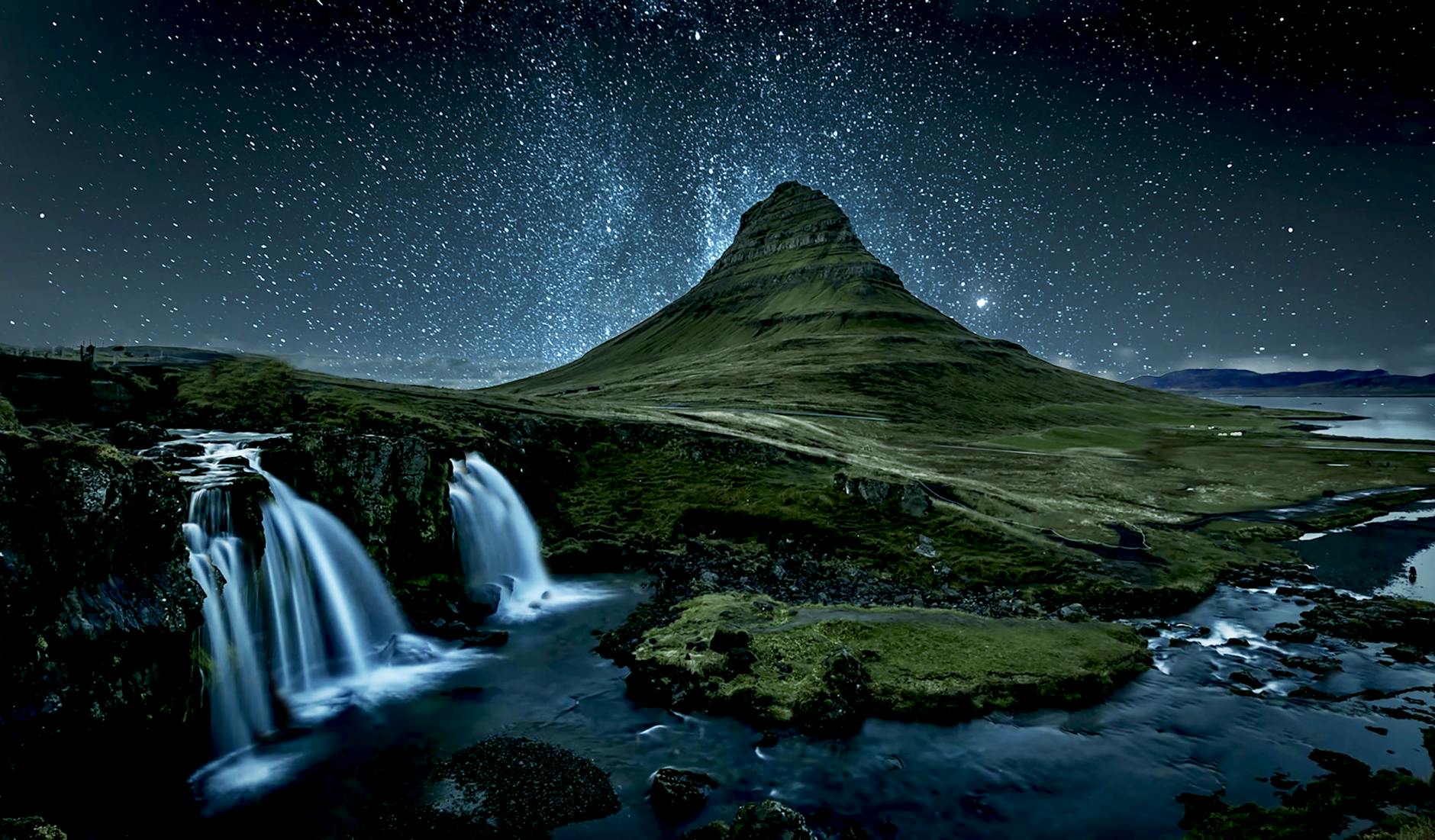
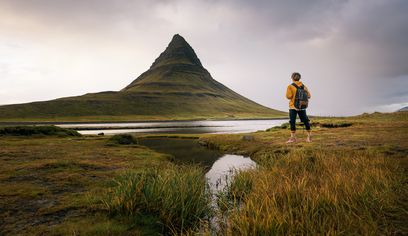
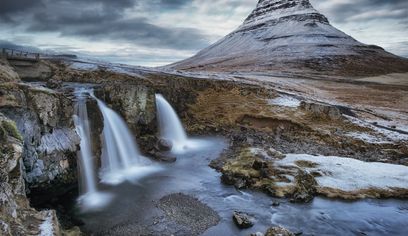
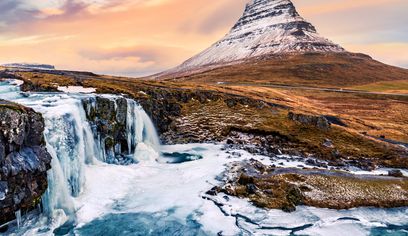
Kirkjufell (Church Mountain) rises 463m above the Snæfellsnes Peninsula, creating one of Iceland's most iconic silhouettes. Its distinctive cone shape and nearby waterfall Kirkjufellsfoss make it the most photographed mountain in Iceland.

Mount Esja
Reykjavík's Backyard Mountain
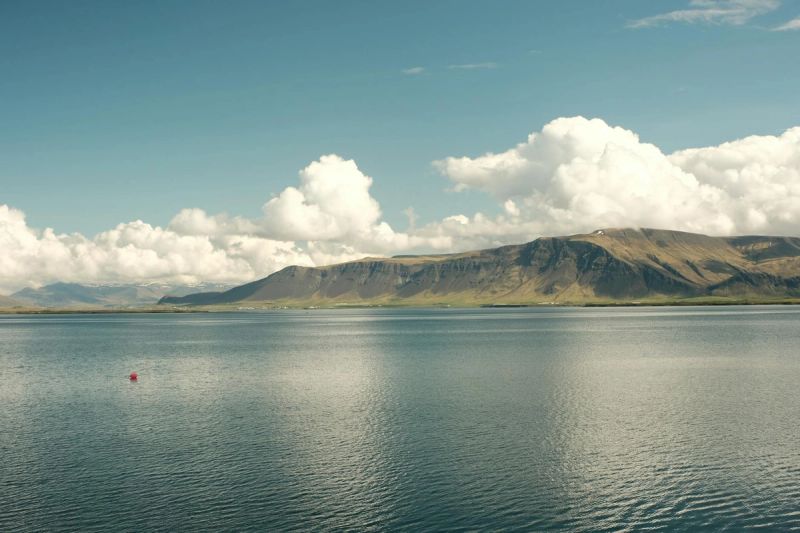
Esja dominates Reykjavík's skyline at 914m. Multiple hiking trails lead to various peaks, with the most popular route taking 2-3 hours to reach Þverfellshorn (780m). The views over Reykjavík and Faxaflói Bay are spectacular.
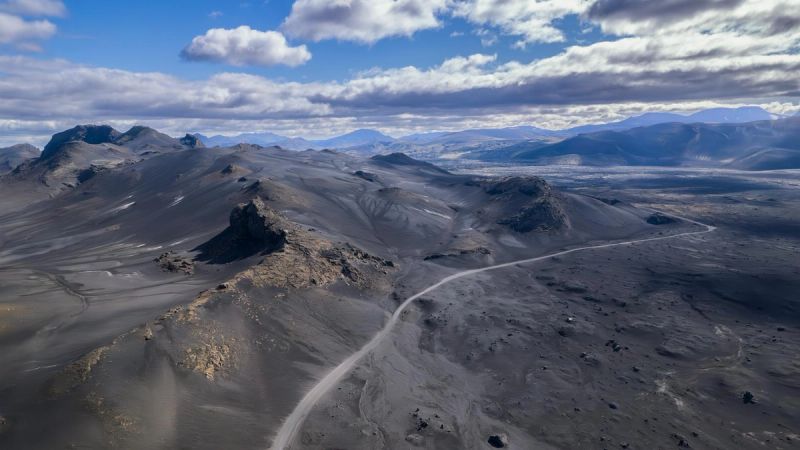
Mount Hekla
Gateway to Hell
Hekla (1,491m) is one of Iceland's most active and notorious volcanoes, erupting over 20 times since 874. In medieval times, Europeans believed it was the entrance to Hell. The 4-hour summit hike requires experience and good conditions.
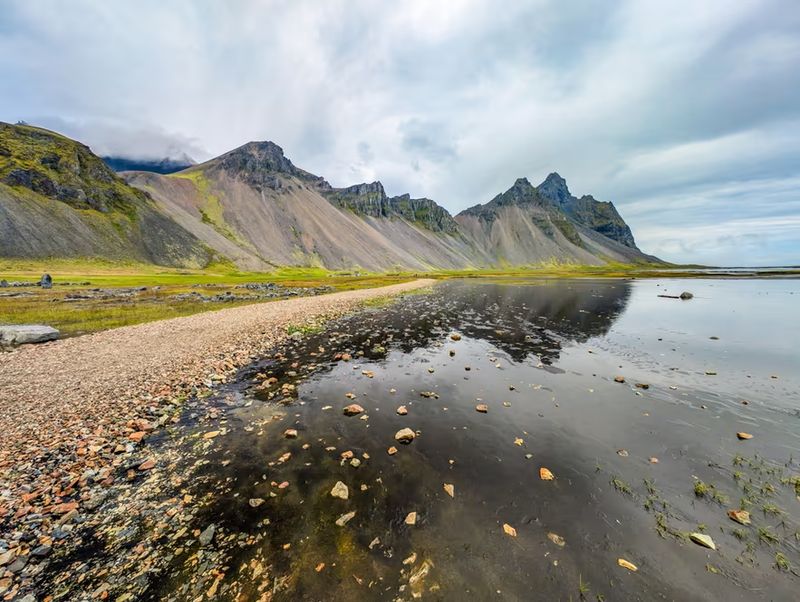
Vestrahorn
Batman Mountain
Vestrahorn's jagged 454m peaks create one of Iceland's most dramatic mountain profiles. Its nickname "Batman Mountain" comes from its distinctive silhouette. The black sand beach of Stokksnes provides perfect reflections.
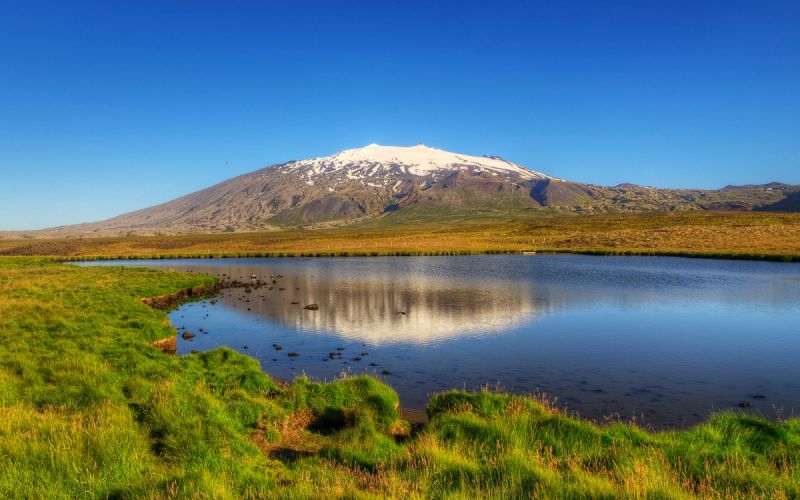
Snæfellsjökull
Journey to the Center of the Earth
This 1,446m glacier-capped stratovolcano towers over the Snæfellsnes Peninsula. Jules Verne chose it as the starting point for "Journey to the Center of the Earth." On clear days, it's visible from Reykjavík, 120km away.
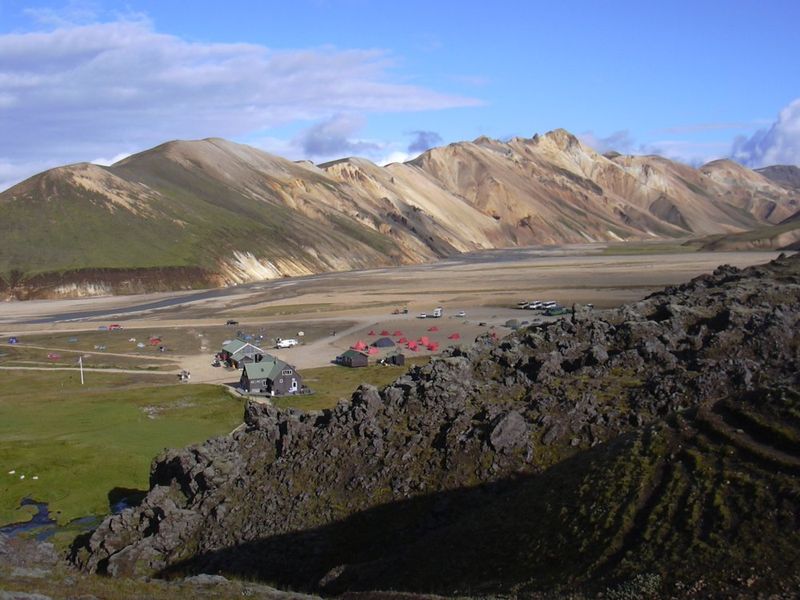
Landmannalaugar
Rhyolite Rainbow Mountains
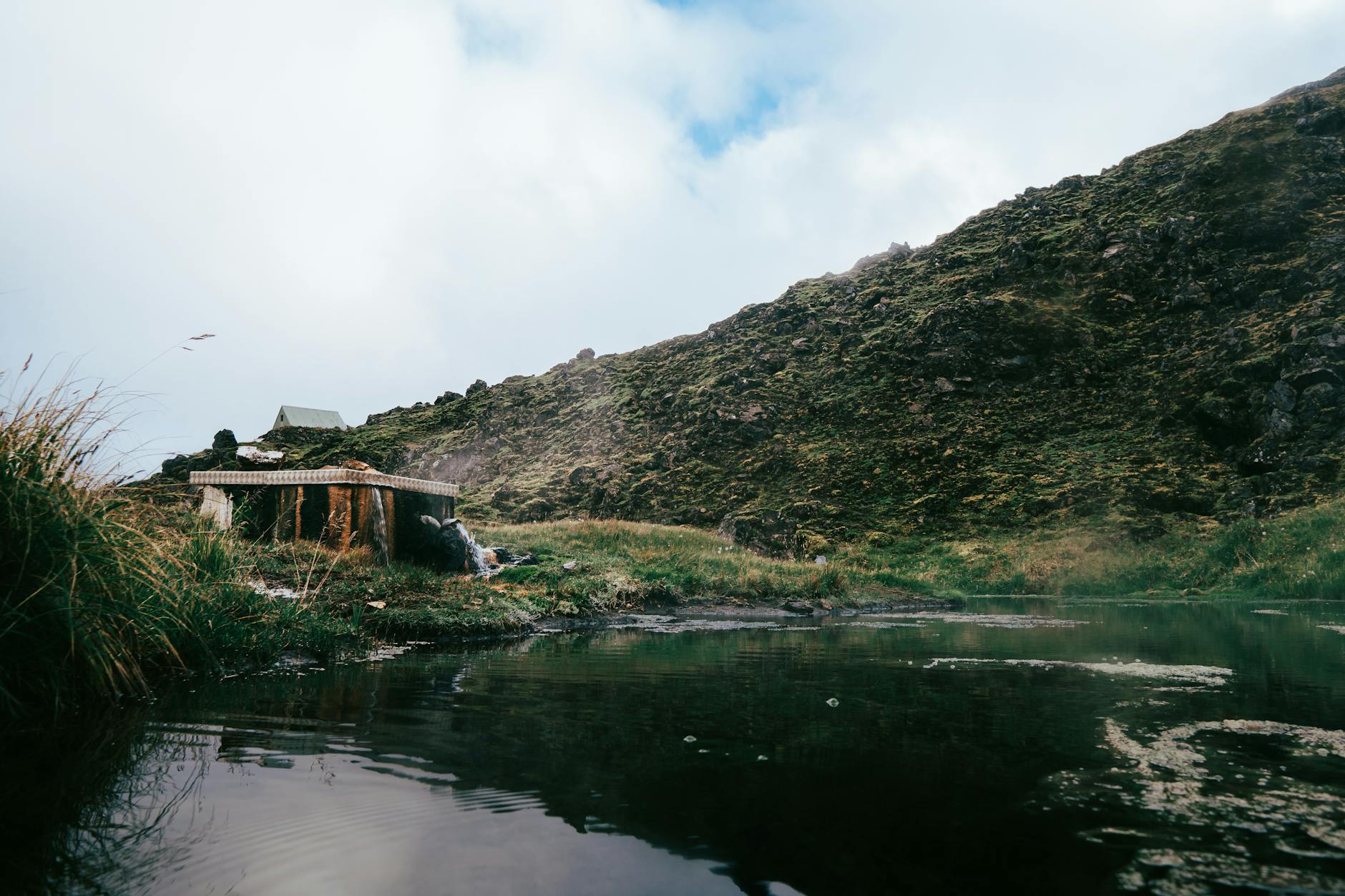
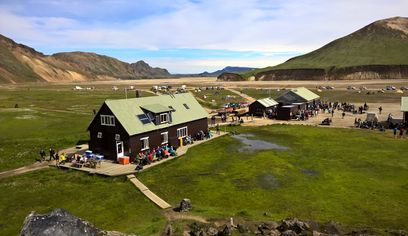
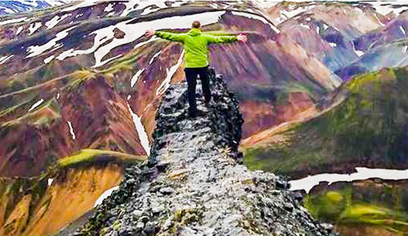
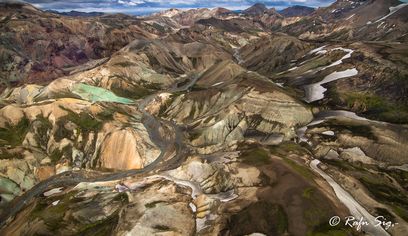
Landmannalaugar's mountains showcase rhyolite geology in incredible colors - pink, green, yellow, blue, and black. This highland area at 600m elevation is the starting point for the famous Laugavegur hiking trail.
Herðubreið
Queen of Icelandic Mountains
Herðubreið (1,682m) is a magnificent table mountain formed by subglacial volcanic eruptions. Rising from the Ódáðahraun lava desert, its flat-topped peak and steep sides create a surreal, otherworldly landscape.
Askja & Víti
Volcanic Caldera Lake
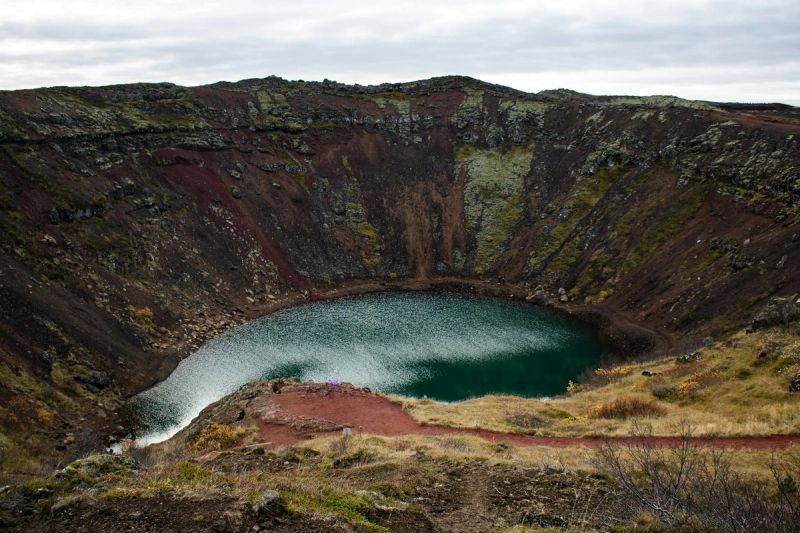
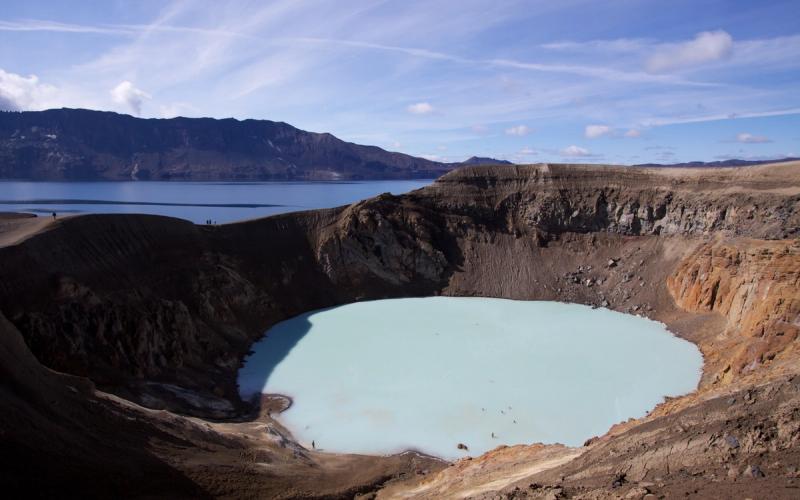
Askja is a massive volcanic caldera in the remote Dyngjufjöll mountains. Within it lies Víti, a warm blue crater lake where you can swim, and Öskjuvatn, one of Iceland's deepest lakes at 220m.
Mælifell
Green Pyramid in Black Desert
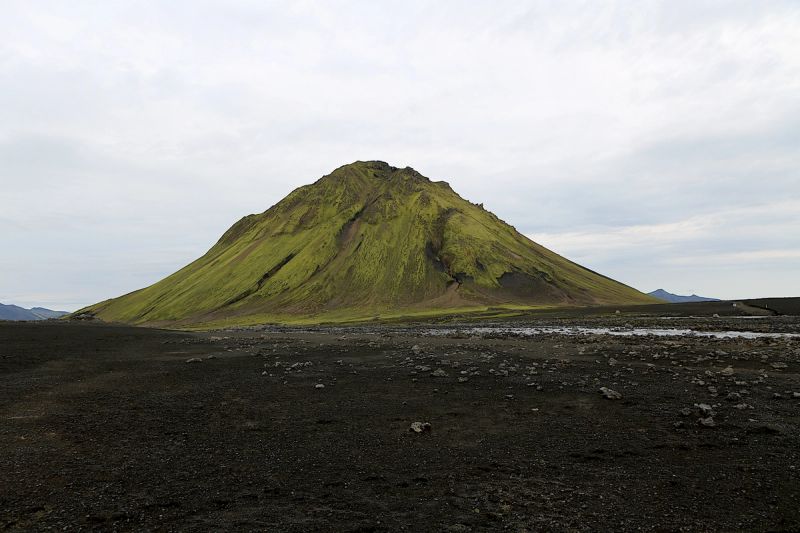
Mælifell is a perfect pyramid-shaped volcanic cone covered in vibrant green moss, rising 200m from the black Mýrdalssandur desert. The contrast between green mountain and black sand creates surreal photos.
Eyjafjallajökull
The One Nobody Can Pronounce
Eyjafjallajökull (1,651m) became world-famous in 2010 when its eruption created massive flight disruptions. The glacier-capped stratovolcano overlooks the south coast, with waterfalls Seljalandsfoss and Skógafoss at its feet.
Þórsmörk
Thor's Forest
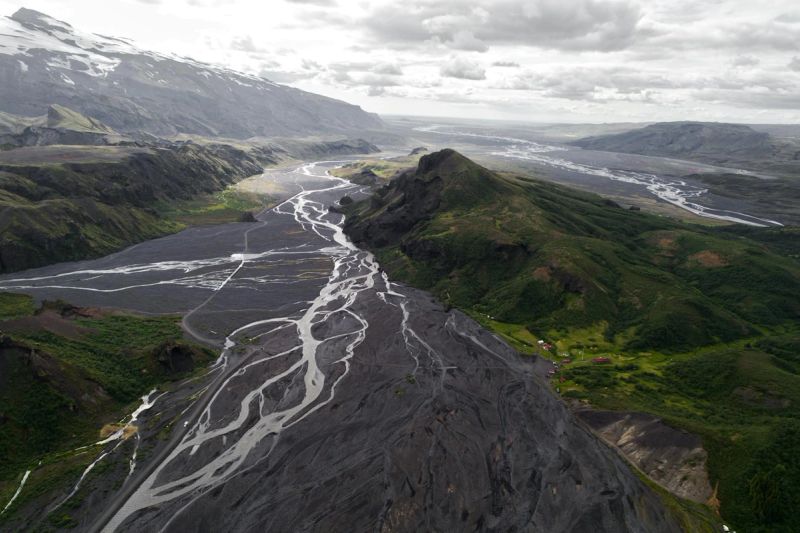
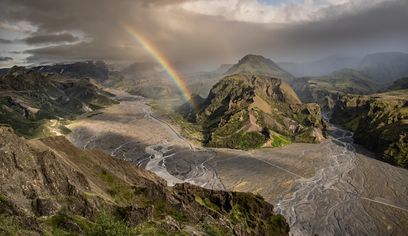
Þórsmörk is a mountain valley between three glaciers: Eyjafjallajökull, Mýrdalsjökull, and Tindfjallajökull. Protected from harsh winds, it's one of Iceland's most lush areas with birch forests and incredible hiking.
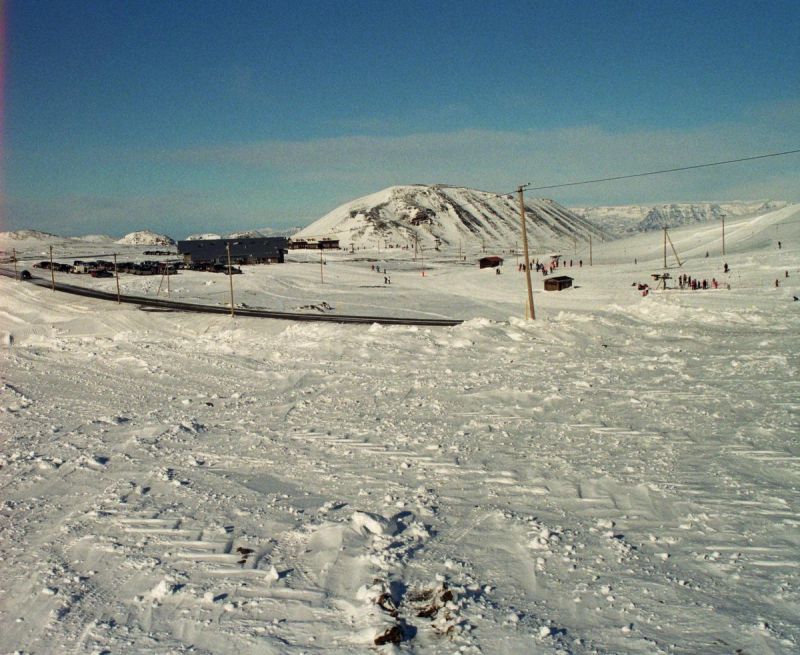
Bláfjöll
Blue Mountains
Mountain and ski area in the Capital Region's volcanic uplands.
All Mountains in Iceland
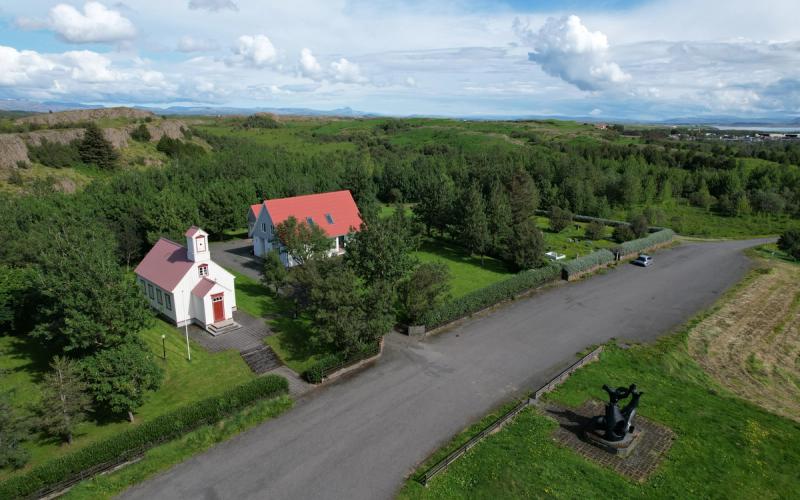
Borg á Mýrum
west-iceland
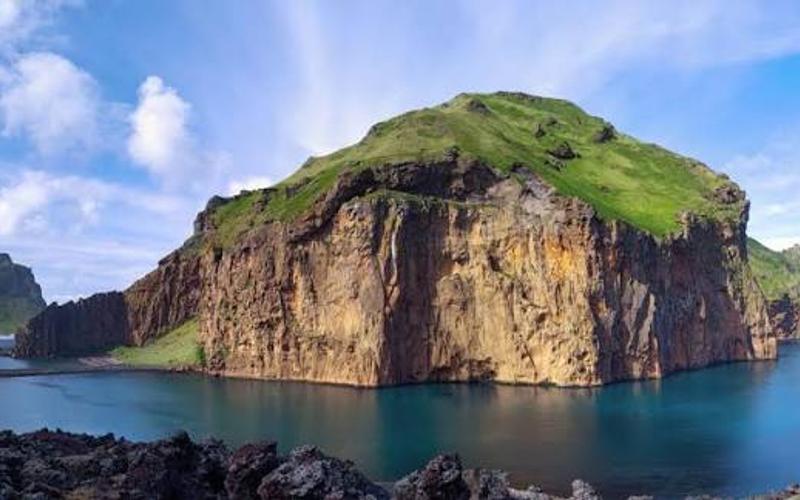
Heimaklettur
south-iceland
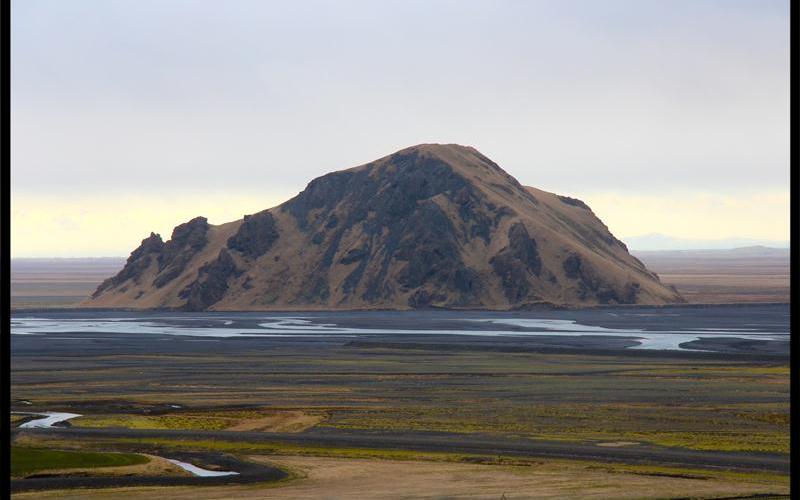
Stóri-Dímon
south-iceland
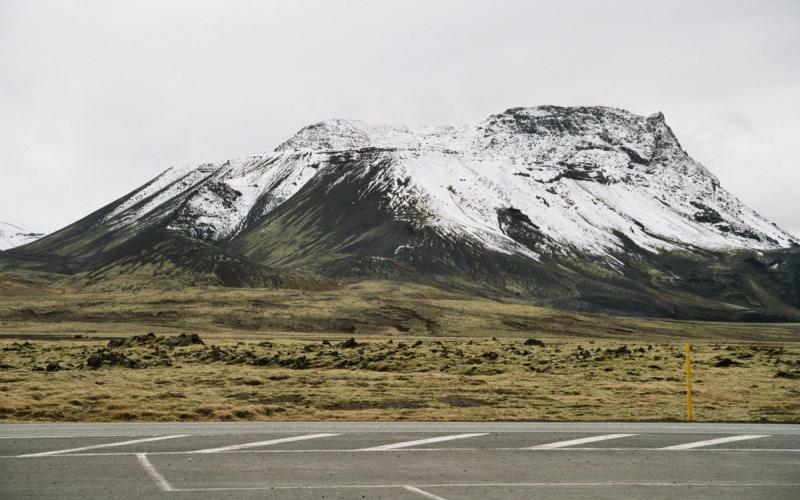
Vífilsfell - hringsjá
capital-region
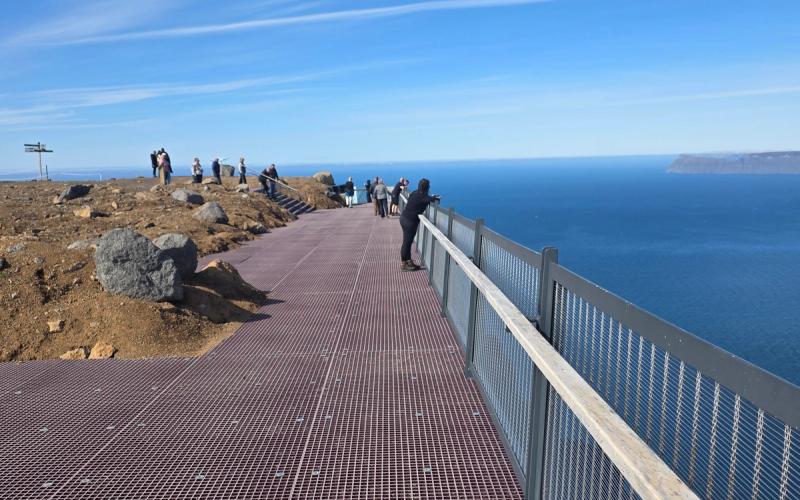
Bolafjall
westfjords
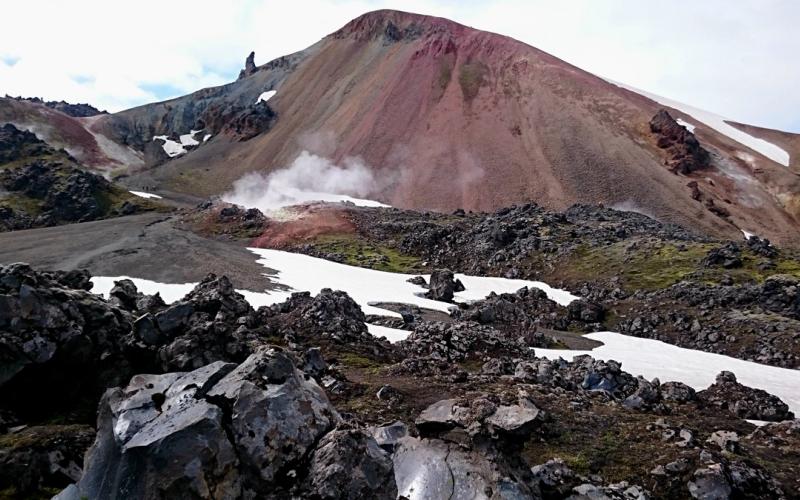
Brennisteinsalda Mountain
highlands
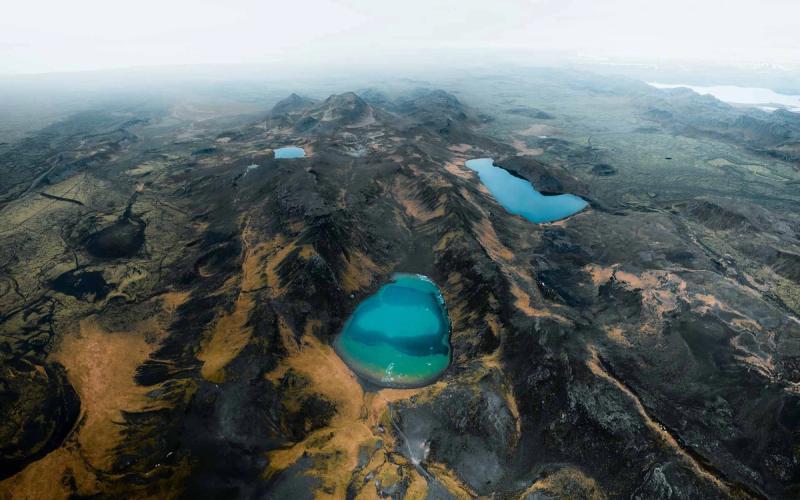
Grænavatnseggjar
reykjanes
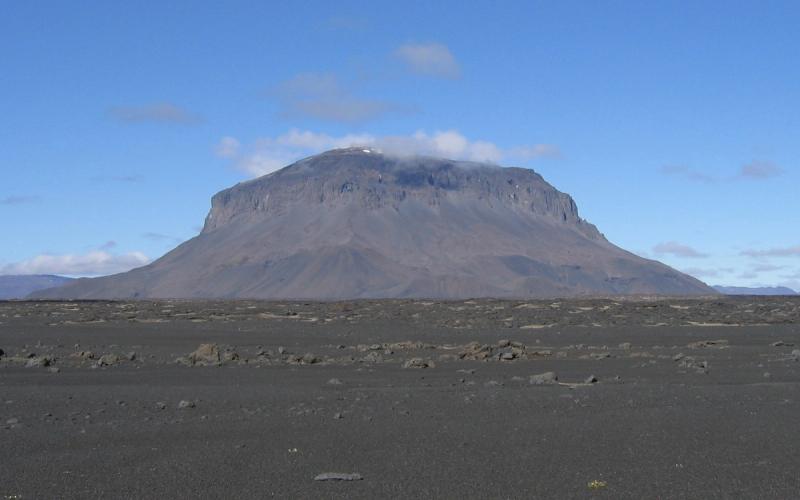
Herðubreið - Queen of Mountains
highlands
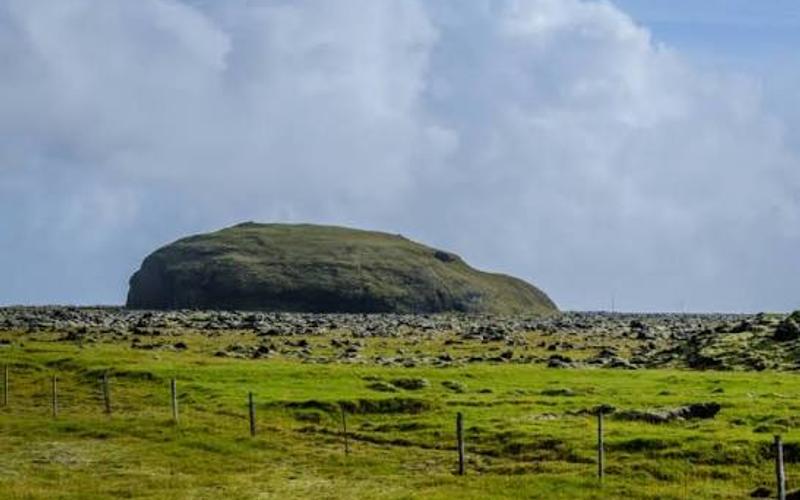
Orustuhóll
south-iceland
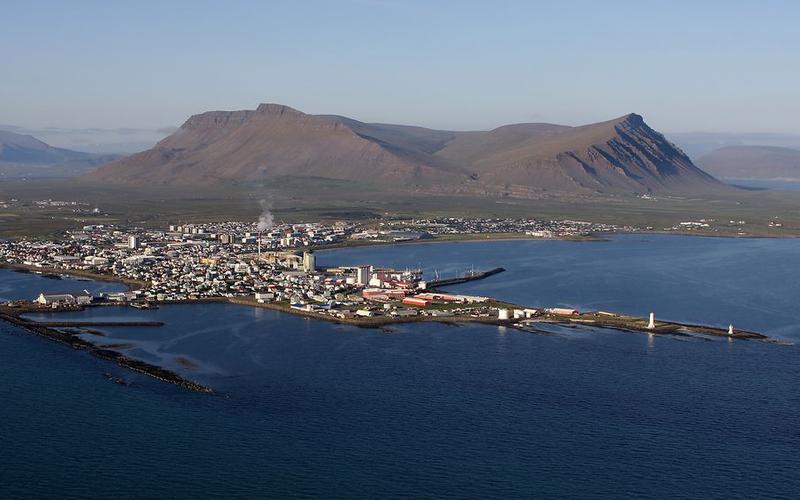
Akrafjall
west-iceland
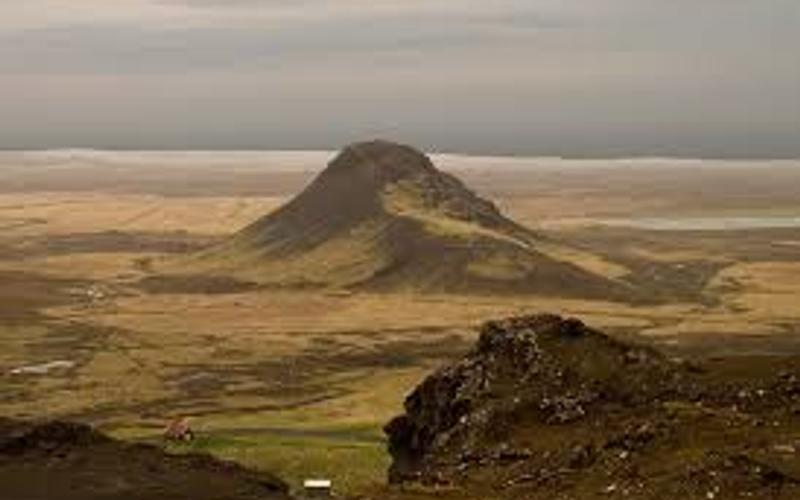
Arnarfell
reykjanes
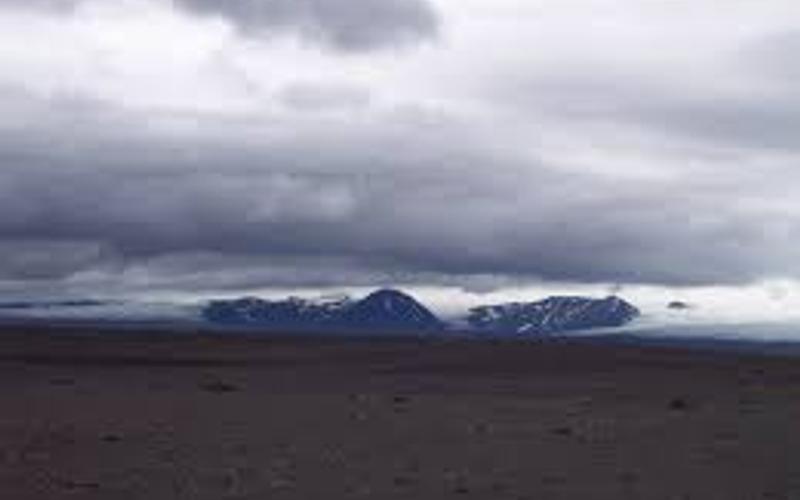
Arnarfell hið mikla
highlands
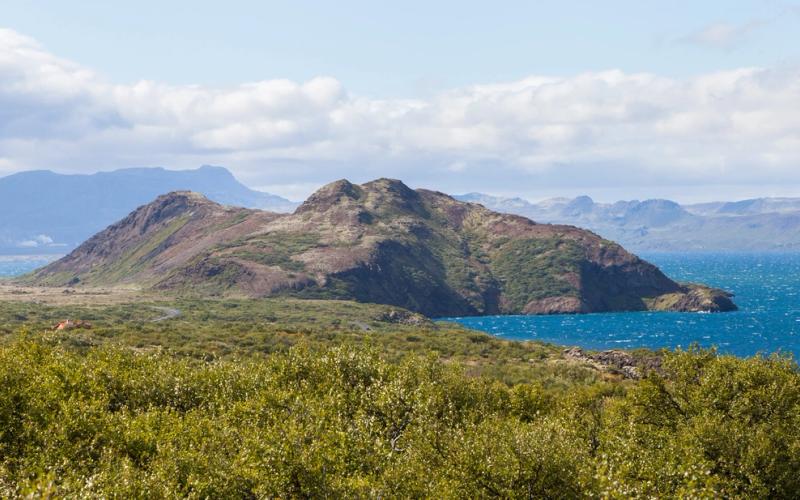
Arnarfell Þingvellir
south-iceland
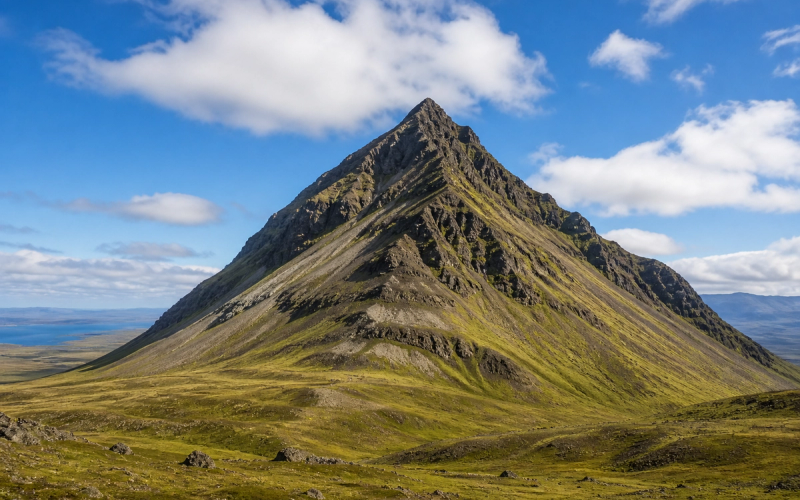
Axlir
north-iceland
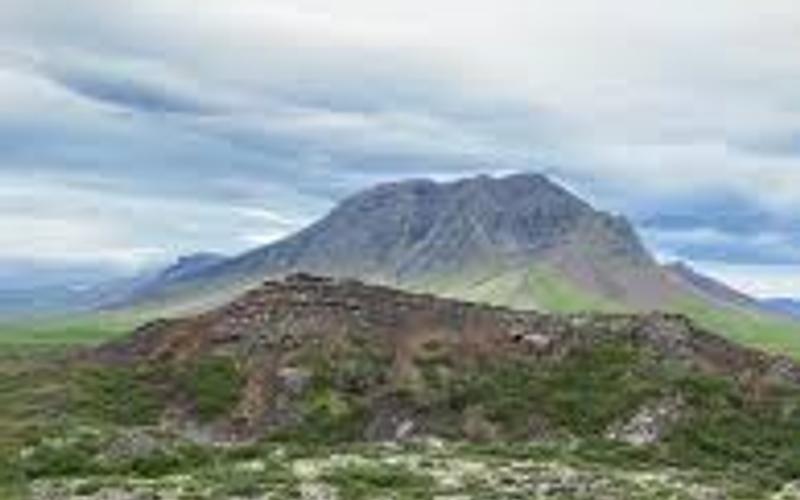
Barnaborgir
west-iceland
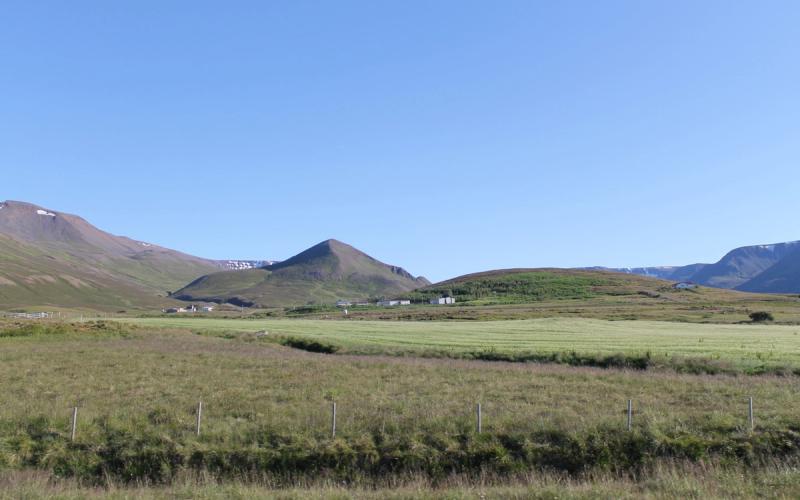
Barð
north-iceland
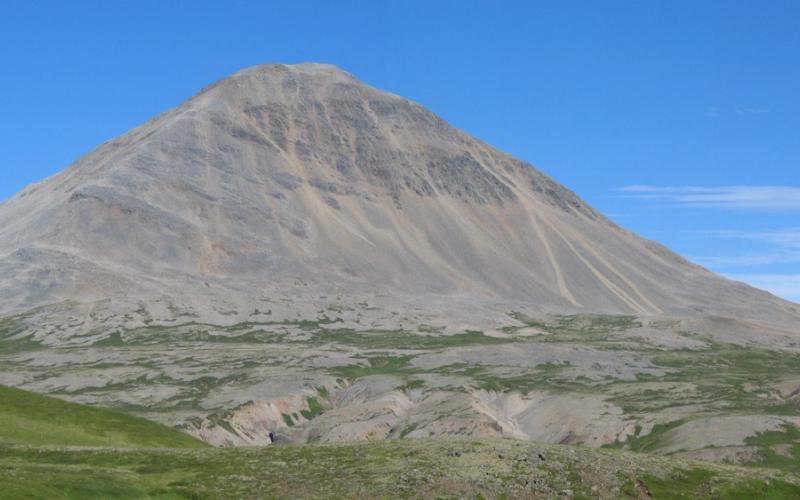
Baula
west-iceland
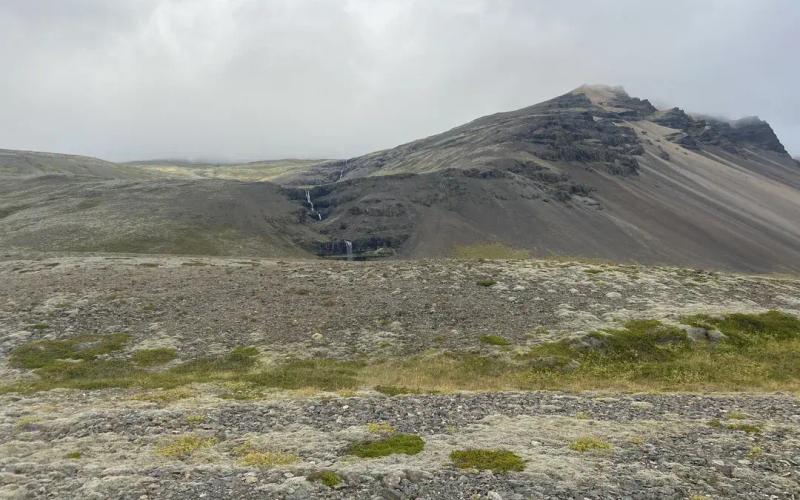
Bergárheiði
east-iceland
Berunestindur
east-iceland
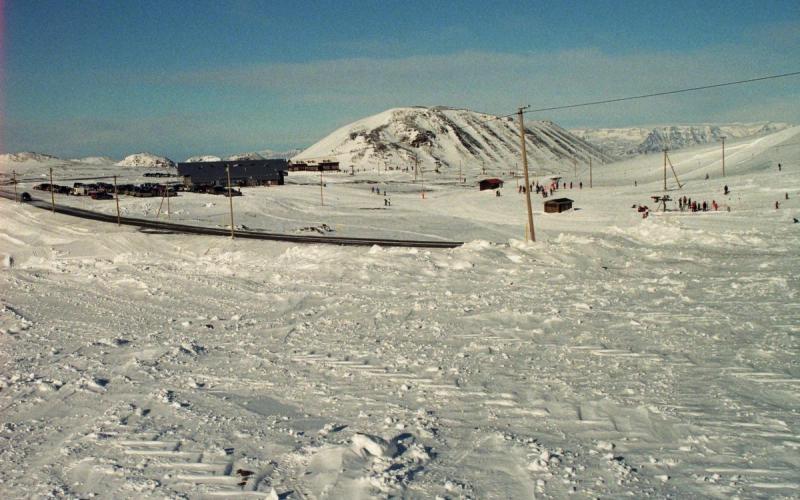
Bláfjöll
capital-region
Borgir
north-iceland
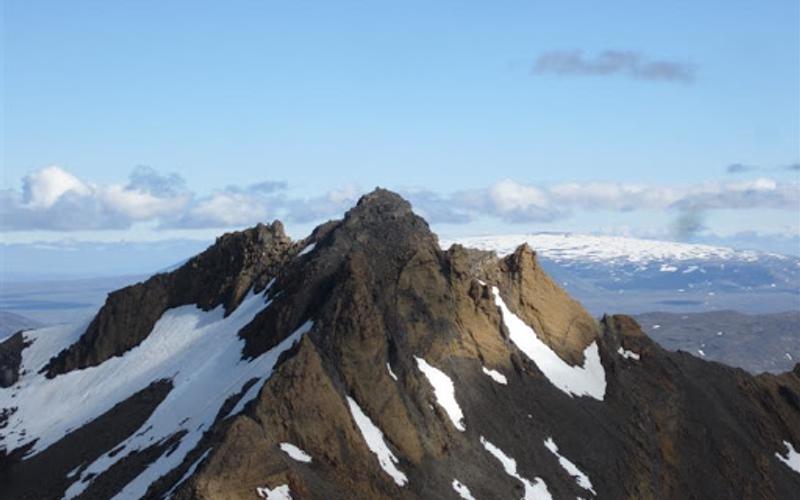
Botnssúlur
west-iceland
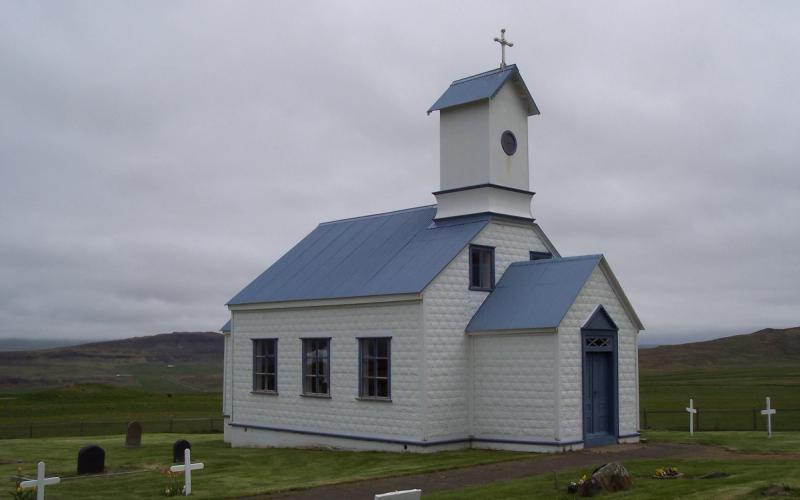
Breiðabólstaðarfjall
west-iceland
Brennisteinsfjöll
reykjanes
Búrfell
south-iceland
Drápuhlíðarfjall
snaefellsnes
Dyngjufjöll
highlands
Dyngjufjöll ytri
highlands
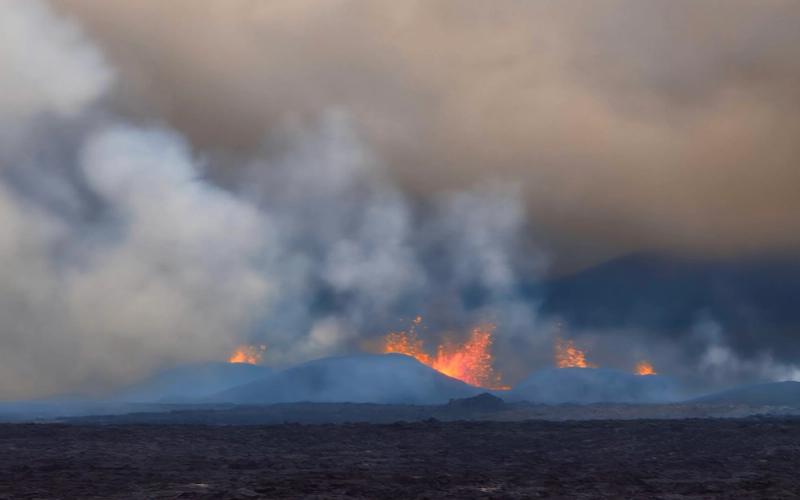
Eruption Site Sundhnúkagígar 2025
reykjanes
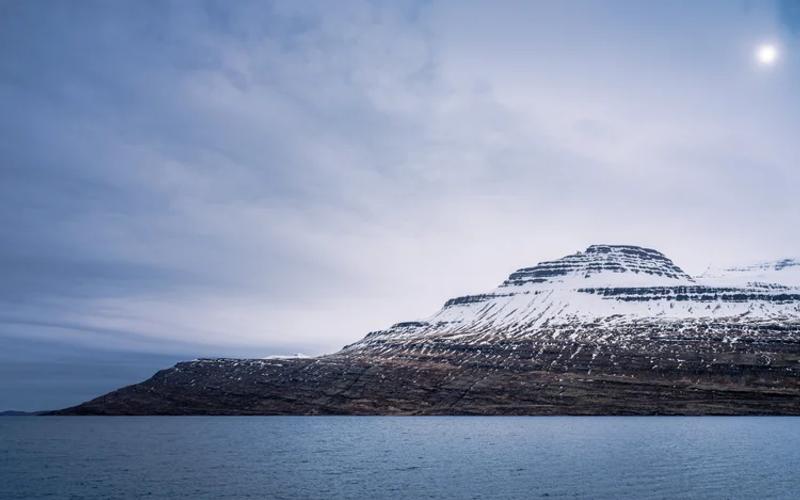
Eyrarfjall
snaefellsnes
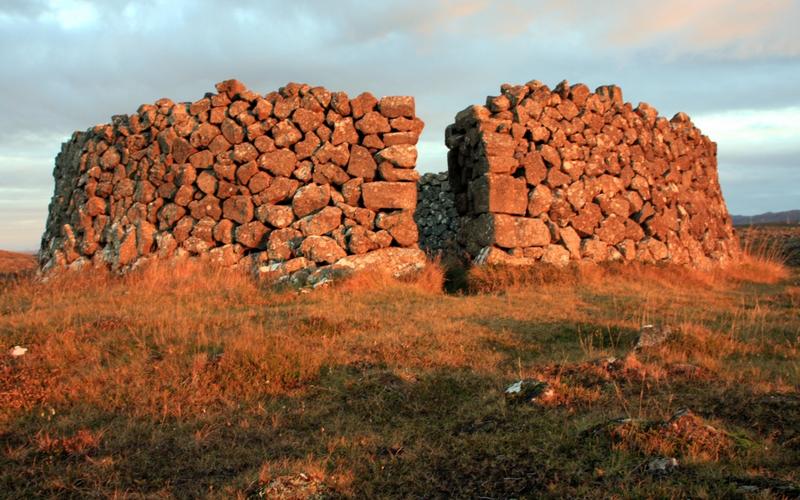
Fjárhólaborg
highlands
Geitahlíð
reykjanes
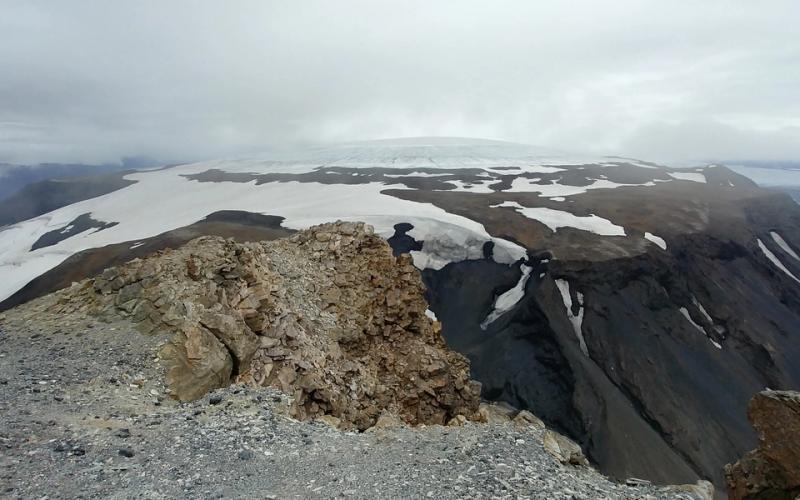
Geitlandsjökull
west-iceland
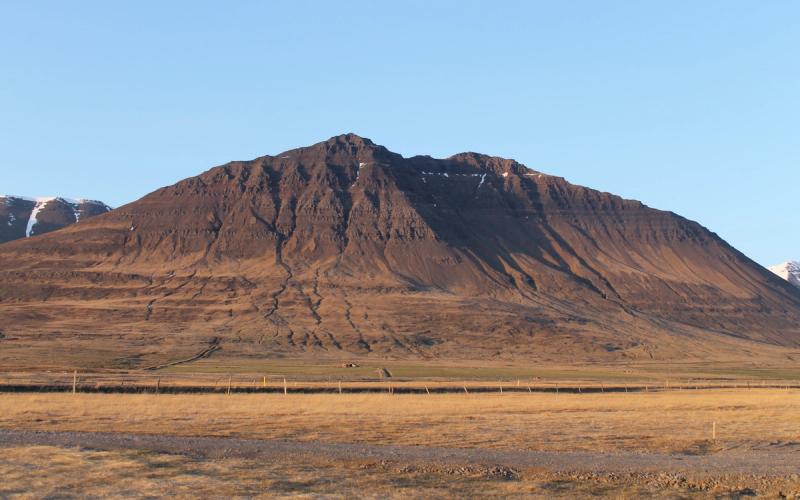
Glóðafeykir
north-iceland
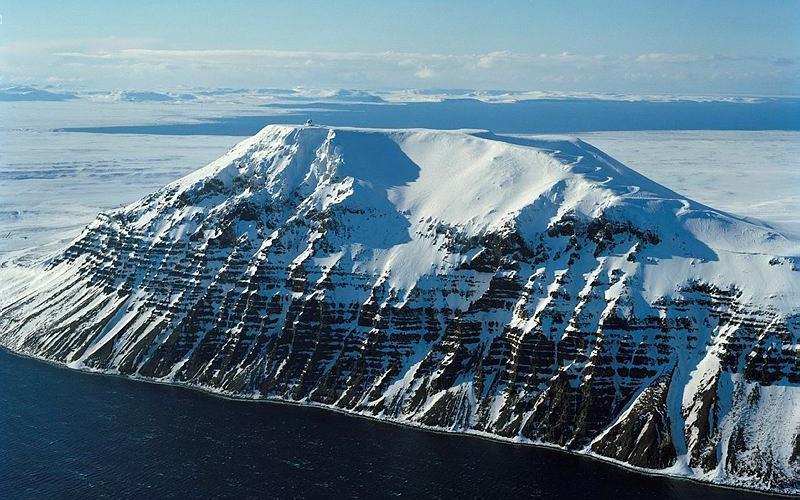
Gunnólfsvíkurfjall
north-iceland
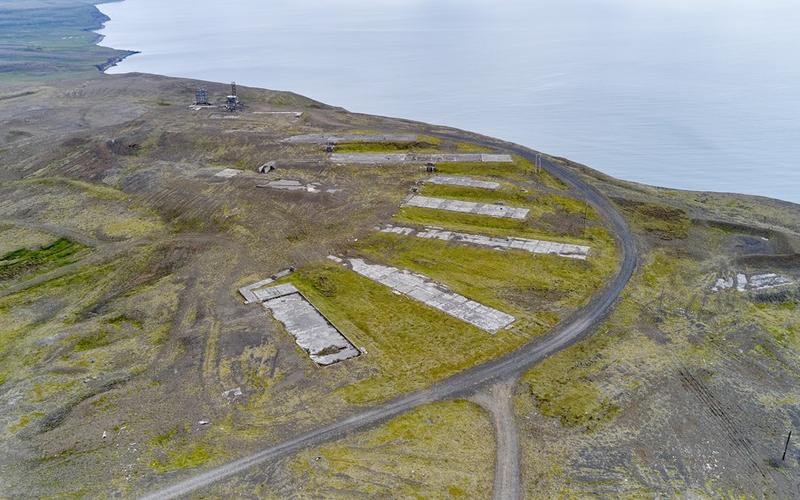
Heiðarfjall
north-iceland
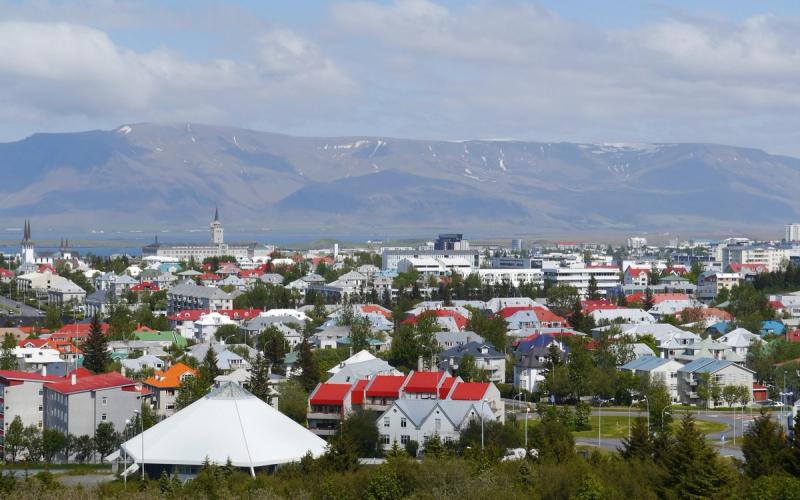
Hlíðar
capital-region
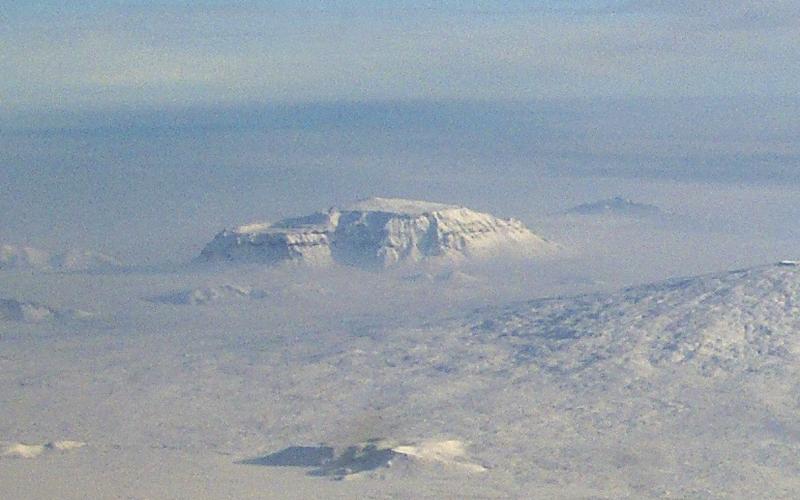
Hlöðufell
west-iceland
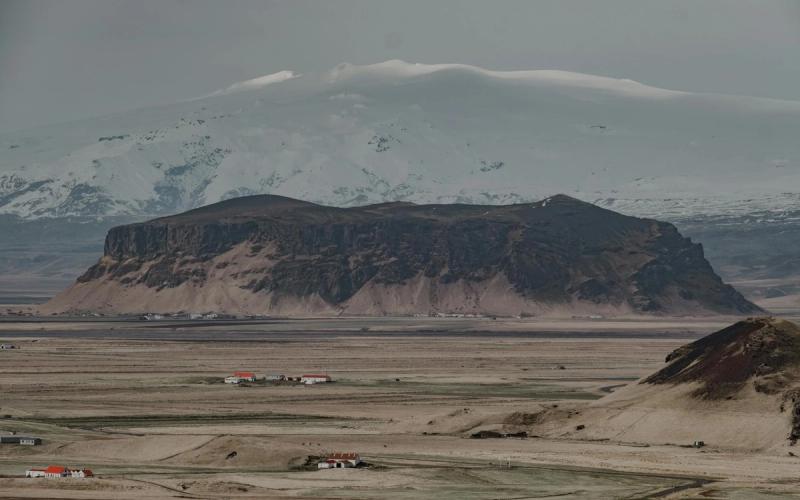
Hnoðraholt
capital-region
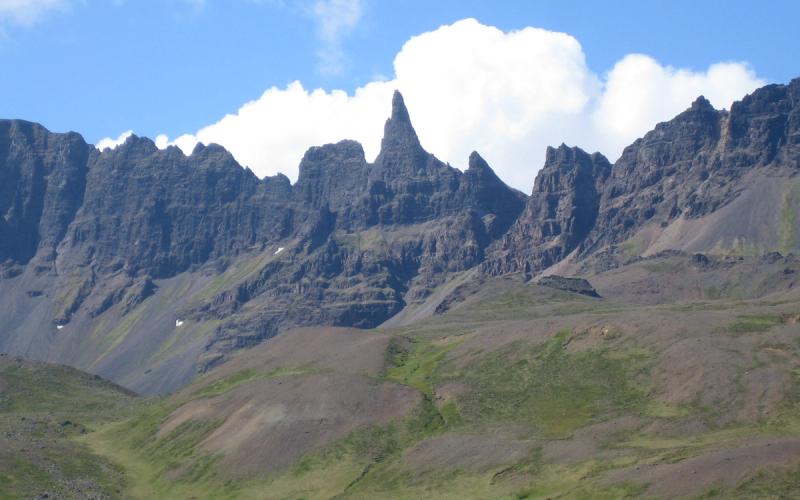
Hraundrangi
north-iceland
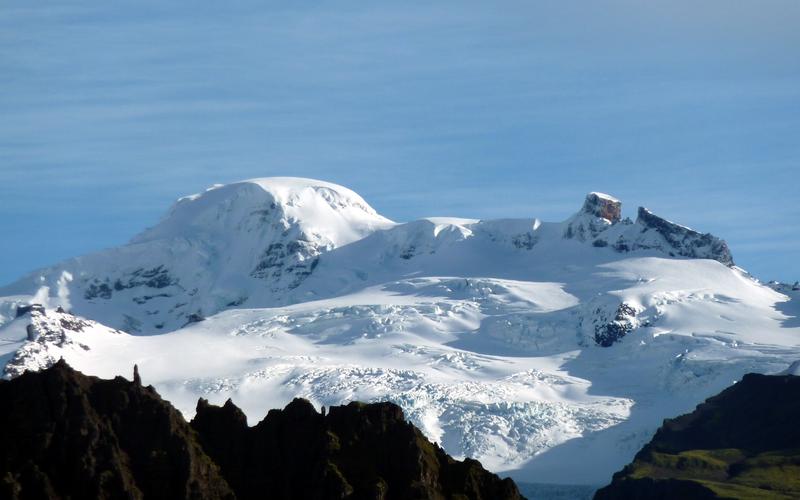
Hvannadalshnúkur
south-iceland
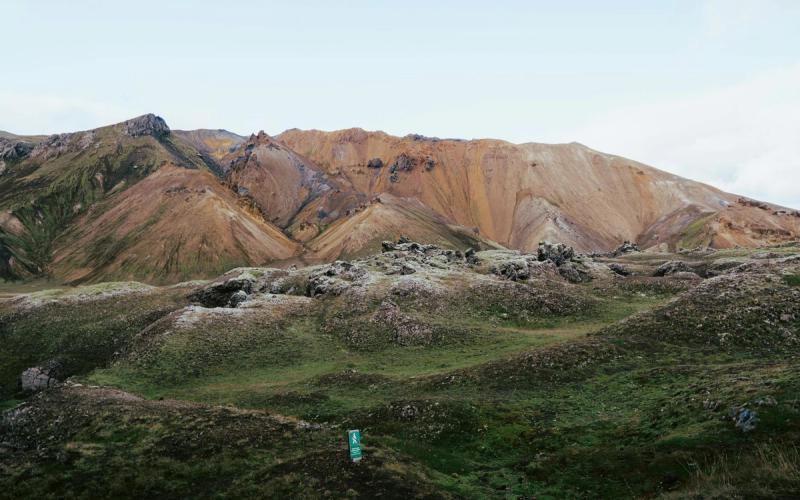
Hvarfshólar
capital-region
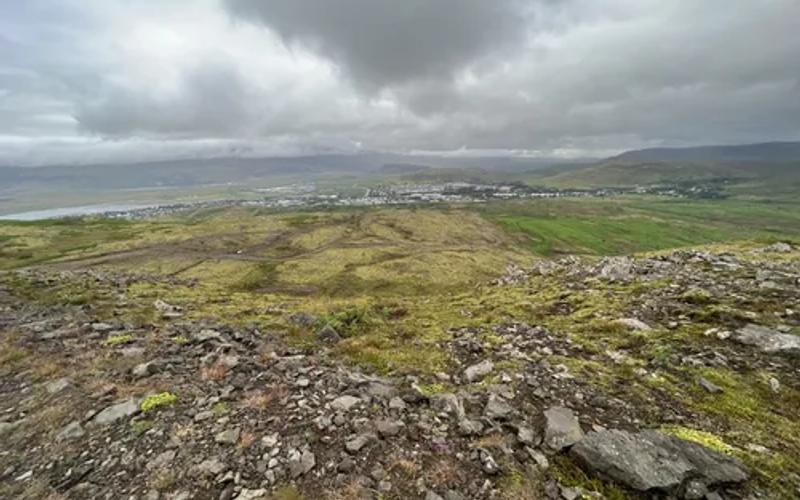
Hákinn
capital-region
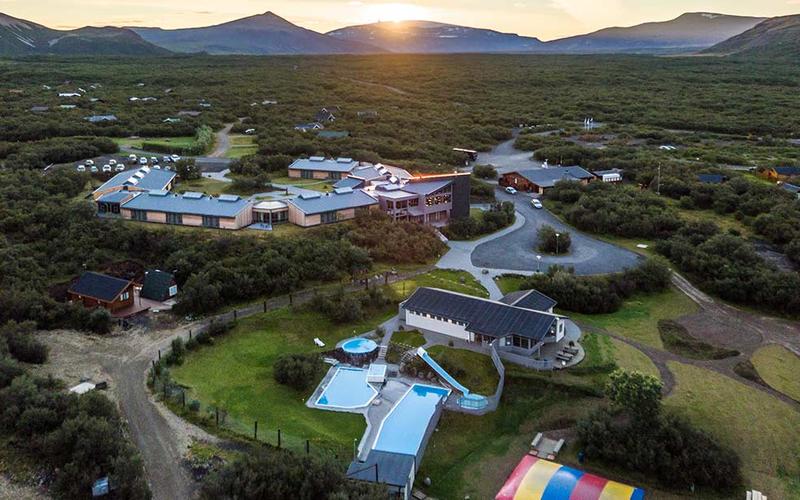
Húsfell
capital-region
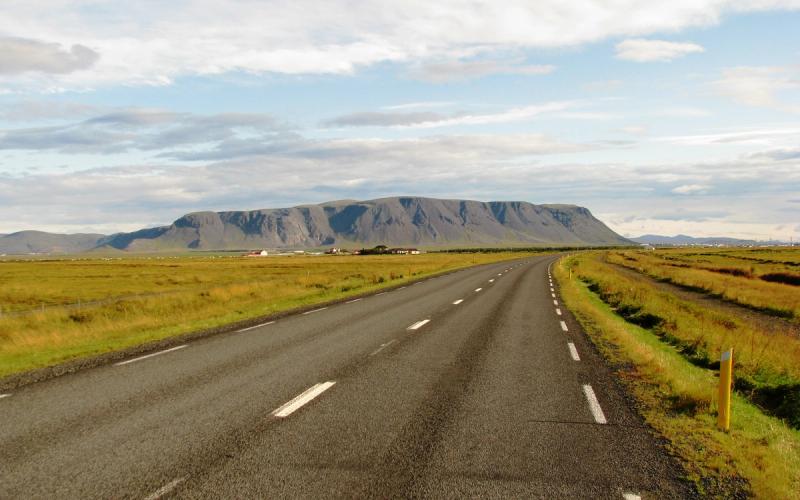
Ingólfsfjall
south-iceland
Kringla
highlands
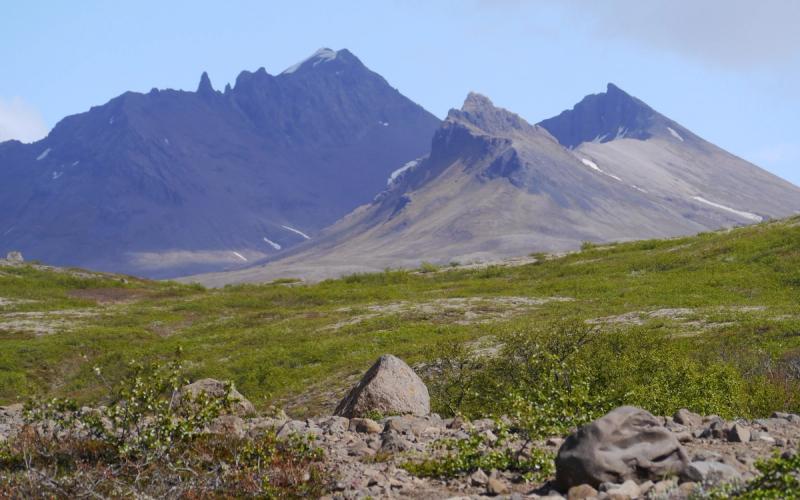
Kristínartindar
south-iceland
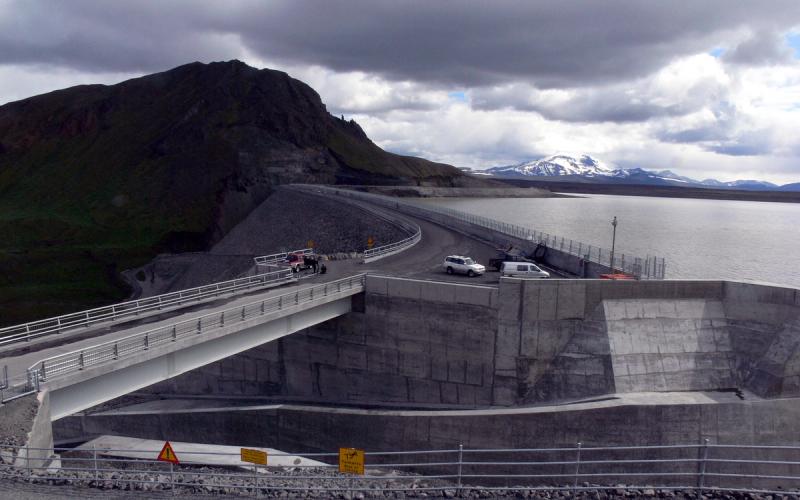
Kárahnjúkar
highlands
Lali
capital-region
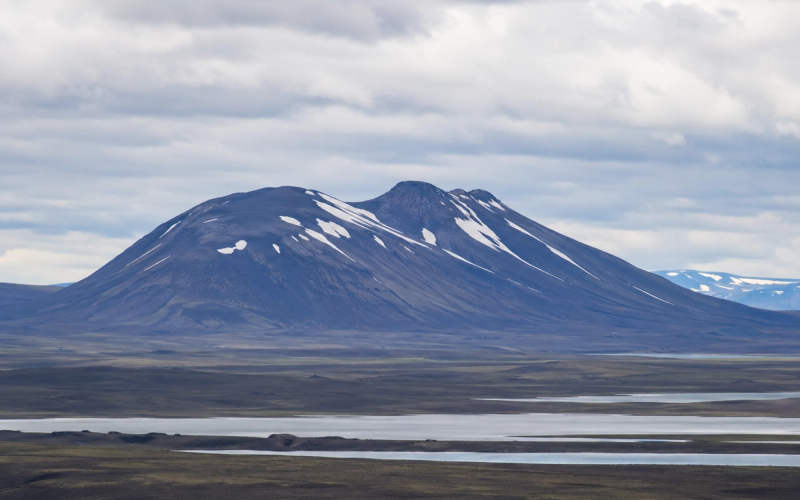
Laugafellshnjúkur
highlands
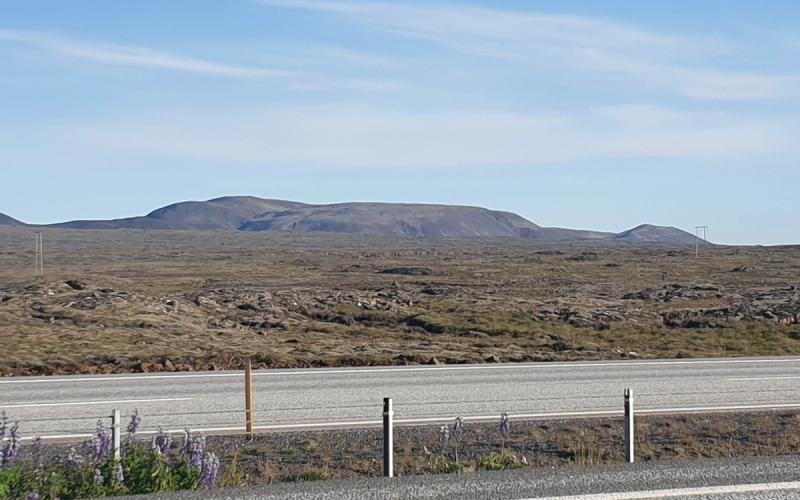
Litli-Hrútur
reykjanes
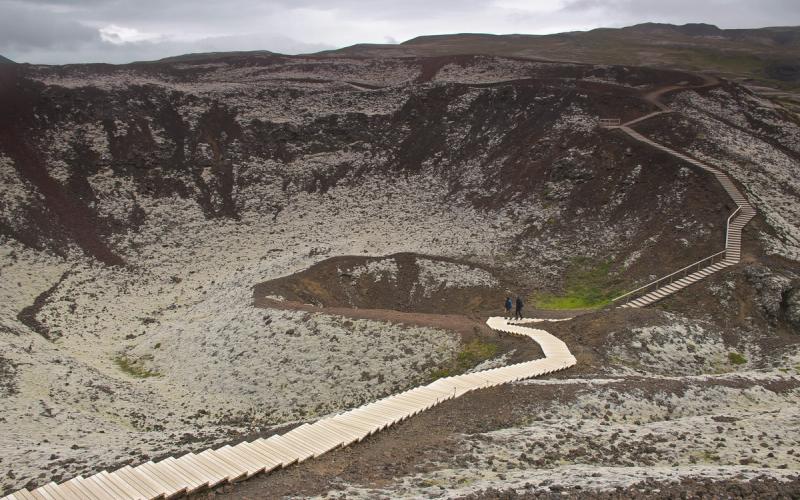
Ljósufjöll
snaefellsnes
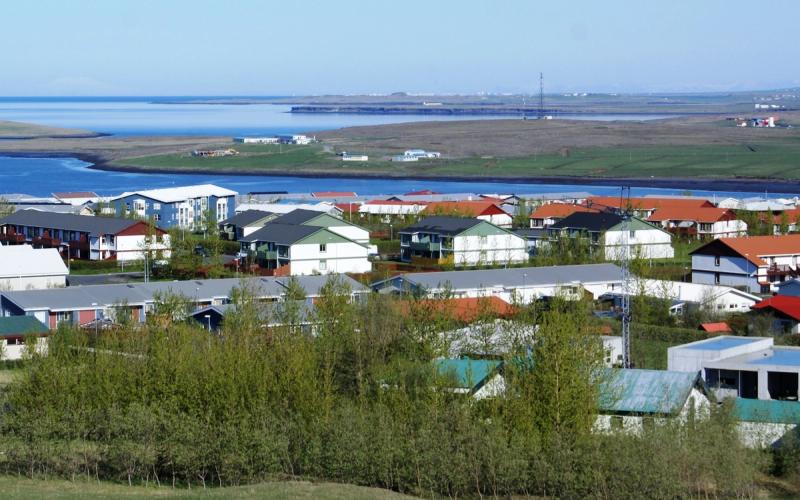
Mosfell
capital-region
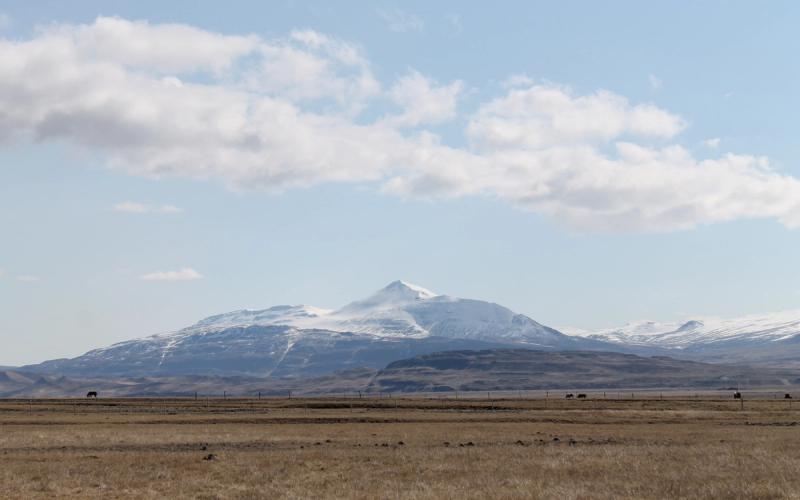
Mælifellshnjúkur
north-iceland
Nónhæð
capital-region
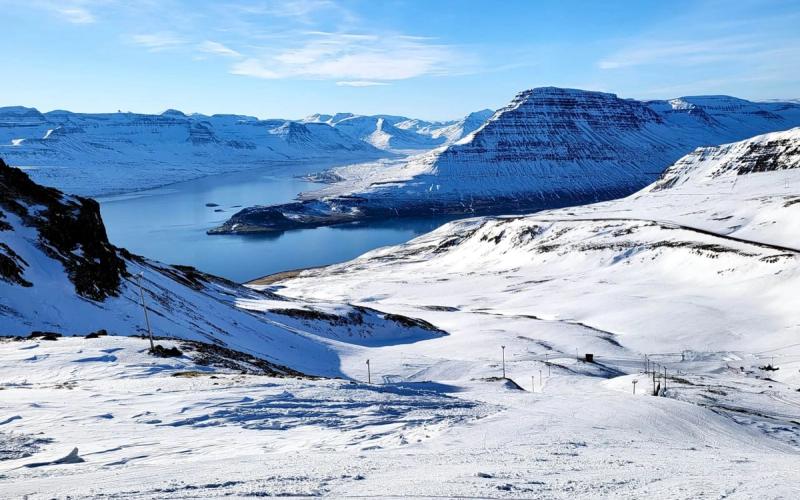
Oddsskarð
east-iceland
Reykjafell
capital-region
Reynisfjall
south-iceland
Sandahlíð
capital-region
Skálafell
reykjanes
Smalaholt
capital-region
Stapi
west-iceland
Stóra-Björnsfell
west-iceland
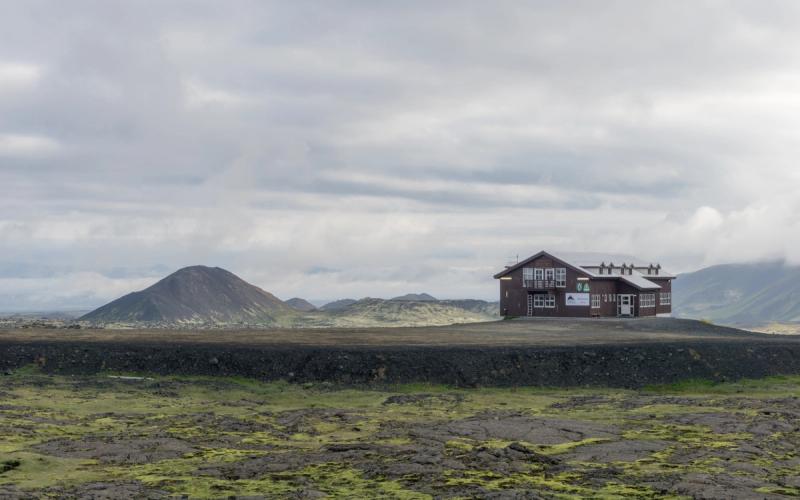
Stóra-Kóngsfell
capital-region
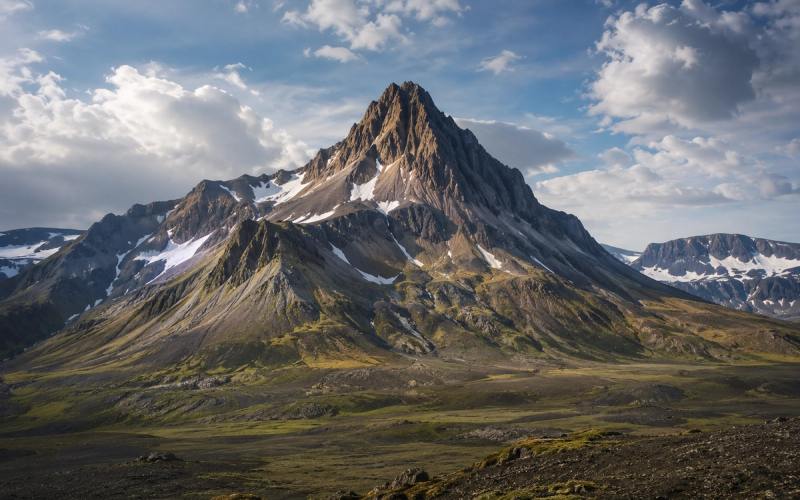
Stóribróðir
north-iceland
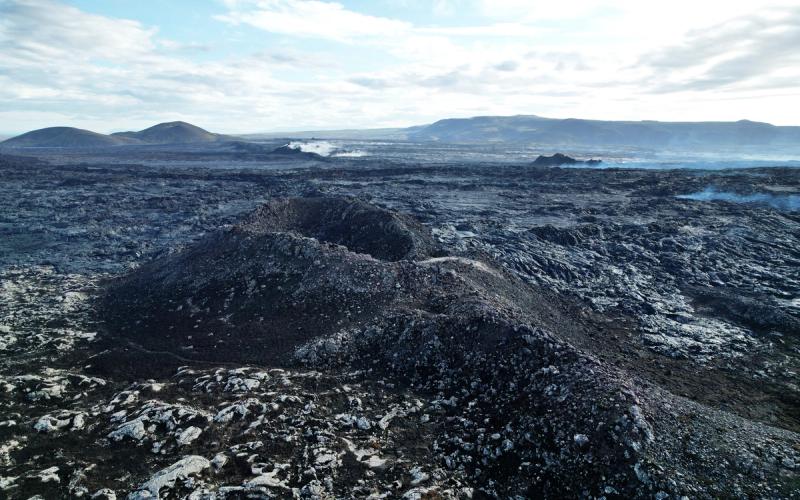
Sundhnúkur
reykjanes
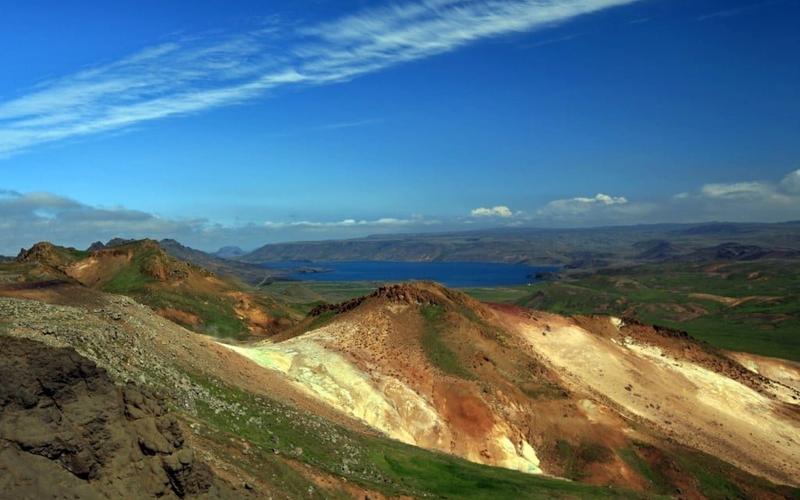
Sveifluháls
reykjanes
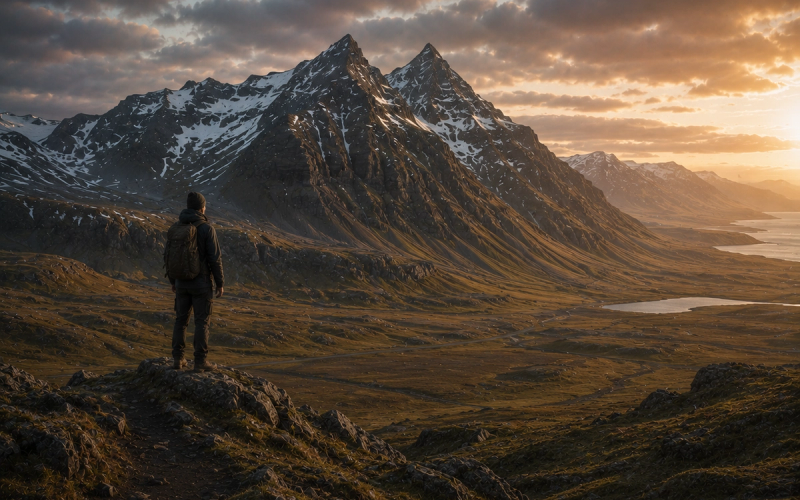
Systur 01
north-iceland
Systur 02
north-iceland
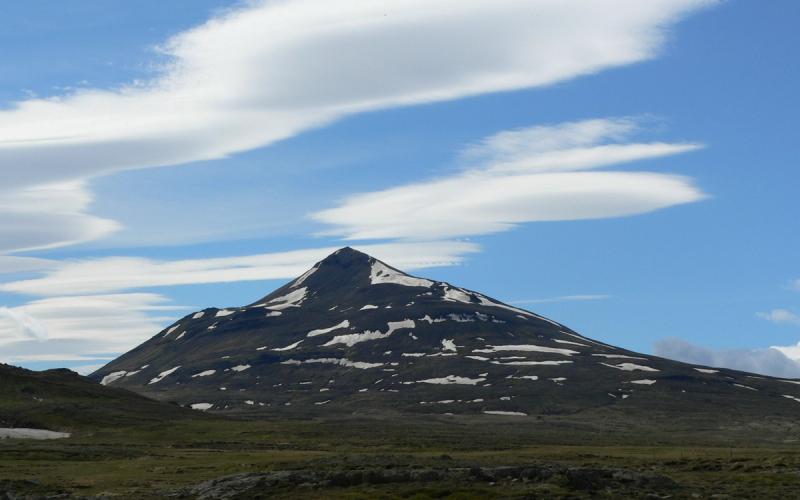
Súlur
north-iceland
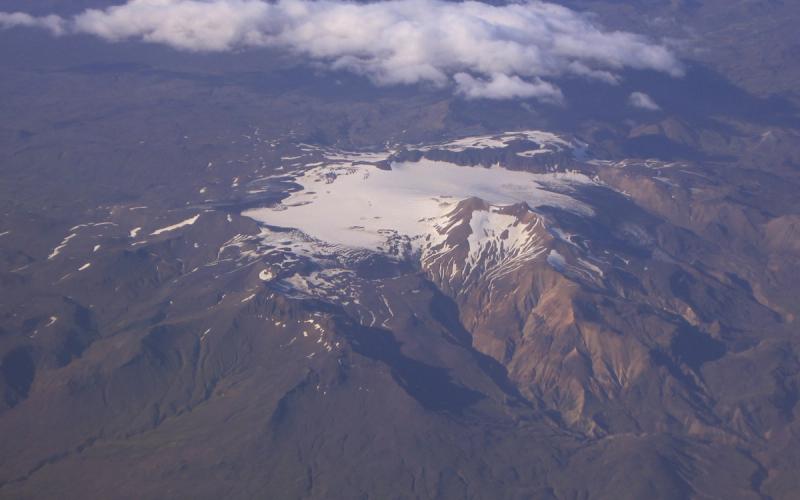
Tindfjöll
highlands
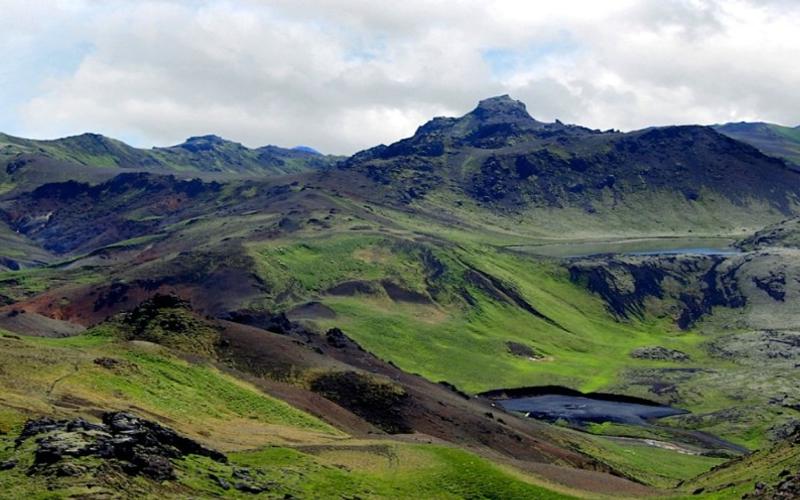
Trölladyngja
highlands
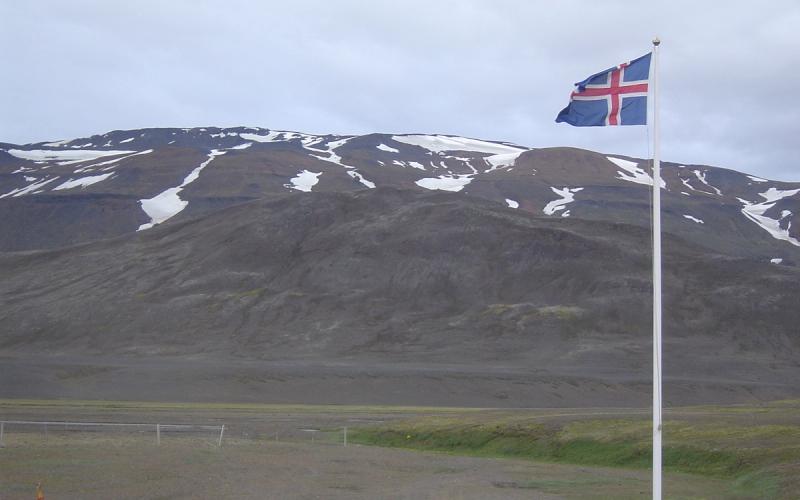
Tungnafellsjökull
highlands
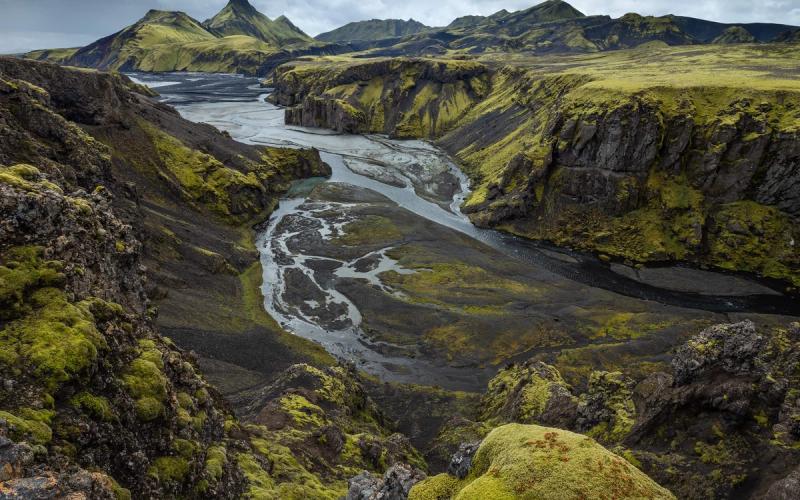
Uxatindar
highlands
Vatnsendahæð
capital-region
Vatnshlíð
capital-region
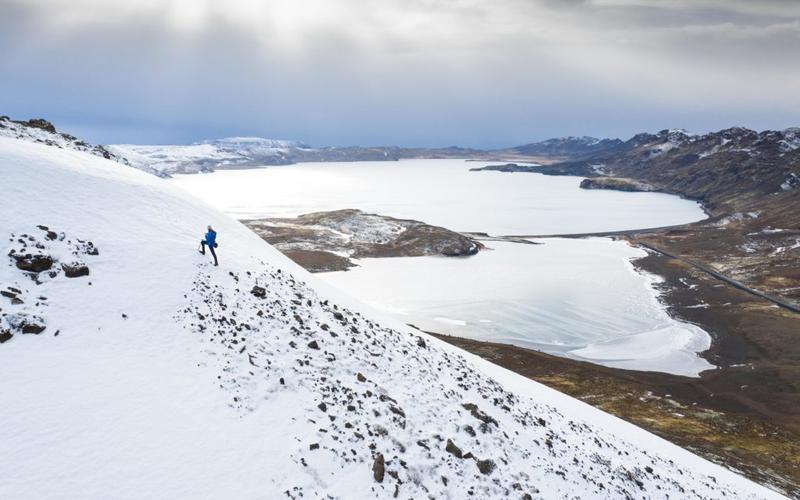
Vatnshlíðarhorn
reykjanes
Vífilsfell
capital-region
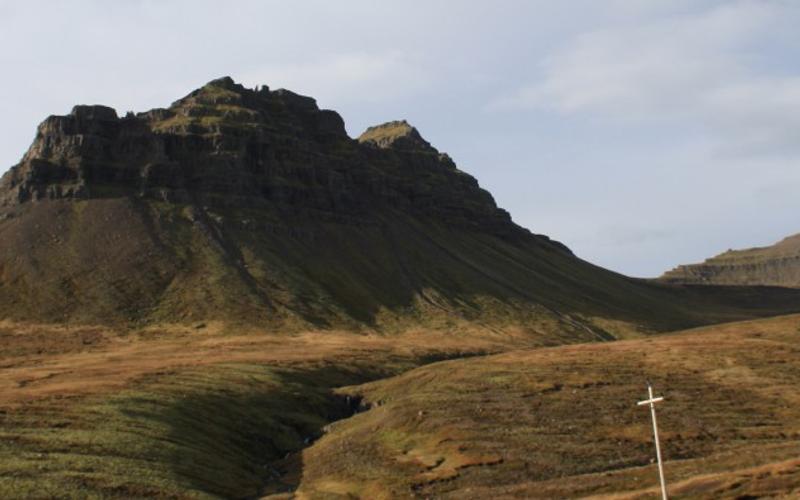
Álftafell
east-iceland
Ásfjall
capital-region
Æsustaðafjall
capital-region
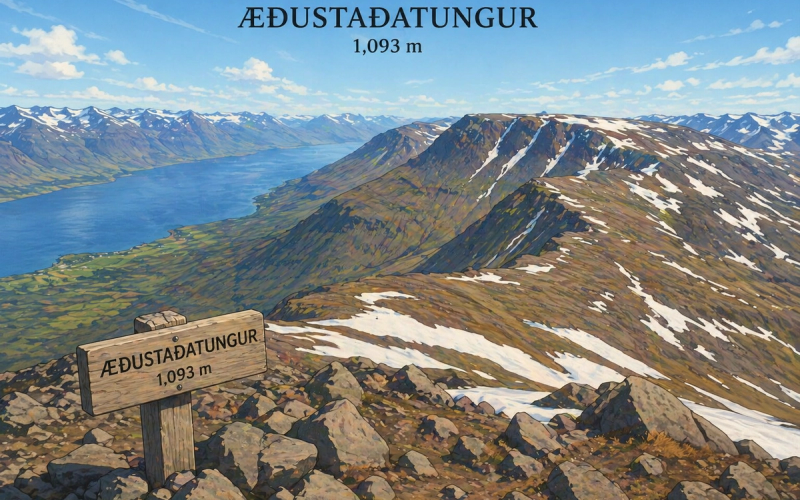
Æðustaðatungur
north-iceland
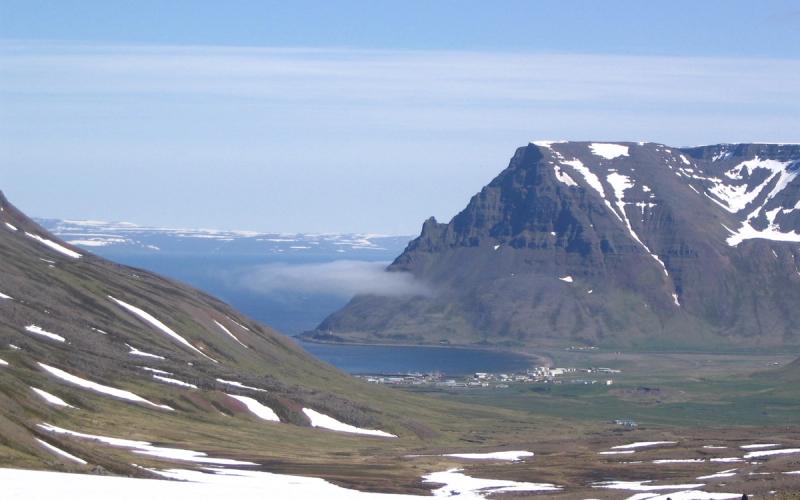
Óshyrna
westfjords
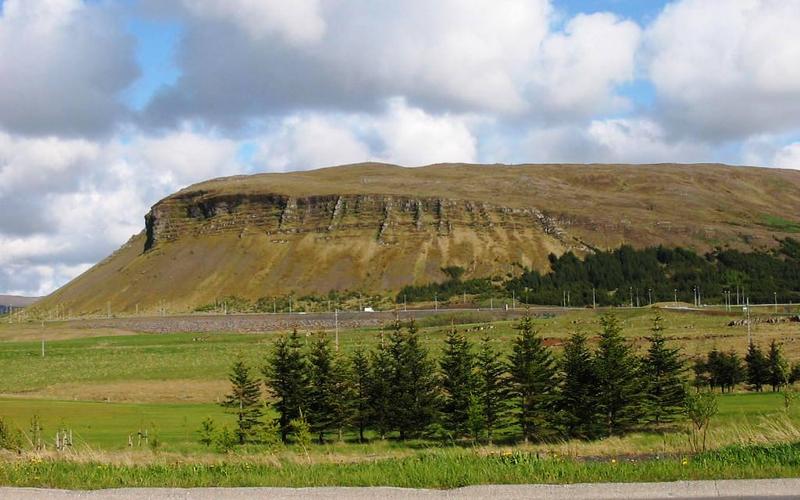
Úlfarsfell
capital-region
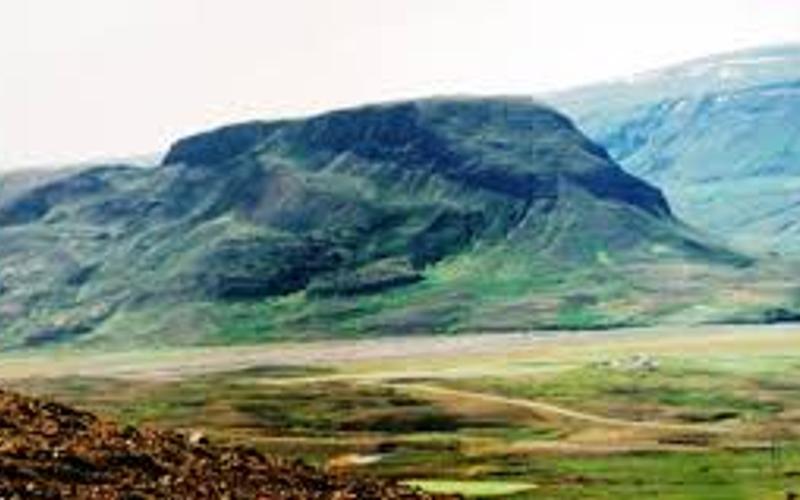
Þingmúli
east-iceland
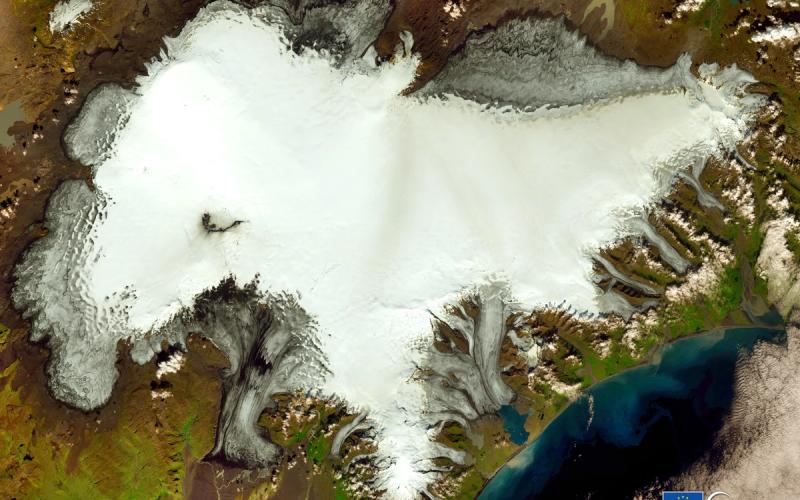
Þórðarhyrna
highlands
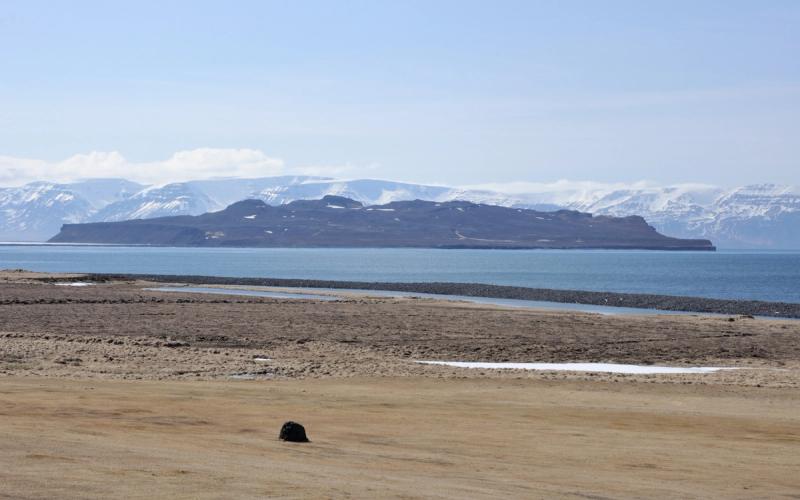
Þórðarhöfði
north-iceland
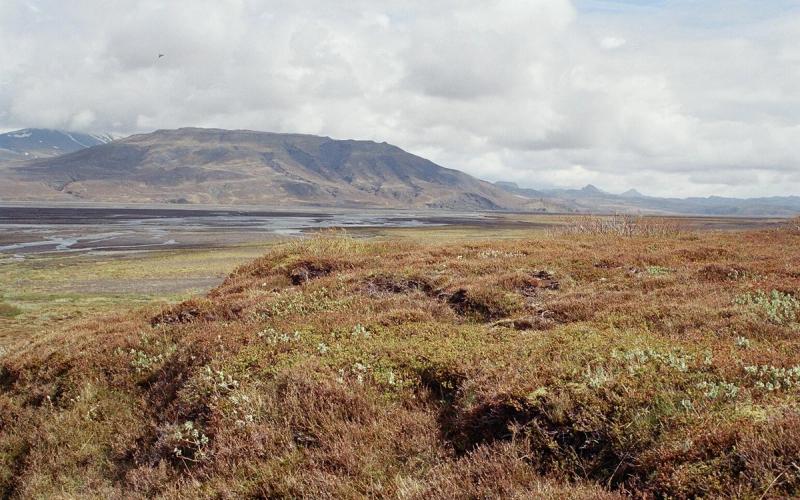
Þórólfsfell
west-iceland
Mountain & Hiking Tours
Guided hikes to Kirkjufell, Esja, Vestrahorn and Iceland's most dramatic peaks
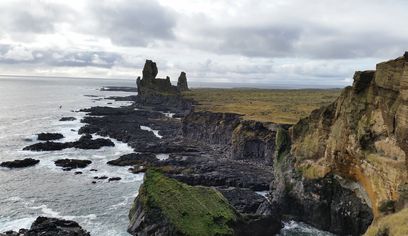 9 hours 30 minutes
DT 305 Private Snæfellsnes Peninsula
Superjeep
From
299,500 ISK
 11 hours
Snæfellsnes Peninsula in a small group tour with home-cooked meal included
EastWest
From
28,990 ISK
 7 hours
Þórsmörk Day Hike - Private Tour
Southcoast Adventure
From
250,000 ISK
 10 hours
Into the Highlands: Private Landmannalaugar Day Tour – Now Available for Summer 2025
Daytrips / TA Sport Travel
From
275,000 ISK
 11 hours
Snæfellsnes Peninsula Tour
BusTravel Iceland
From
17,490 ISK
 12 hours
Snaefellsnes Peninsula Minibus Tour
Troll Expeditions
From
17,605 ISK
 11 hours
Landmannalaugar Super Jeep from Reykjavik
Gravel Travel
From
46,125 ISK
 9 hours
Landmannalaugar & Hekla Volcano Private Adventure
Moonwalker
From
280,000 ISK
 8 hours
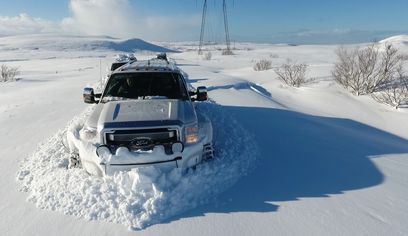
DT 404 Private Monster Truck Landmannalaugar and Hekla Volcano
Superjeep
From
423,200 ISK
 4 hours
Essential Iceland
Nordurflug/Norðurflug Helicopter Tours
From
225,900 ISK
 12 hours
PRIVATE Snæfellsnes & Vatnshellir Lava Cave tour
Travelling Iceland
From
289,000 ISK
 11 hours
Private Snæfellsnes Peninsula Explorer
Glaciers and Waterfalls
From
250,000 ISK
Frequently Asked Questions
What is the highest mountain in Iceland?
Hvannadalshnúkur at 2,110 m is Iceland's highest peak, located on the rim of Öræfajökull volcano in Vatnajökull National Park. Ascending it requires a guided glacier tour and is best done in May–July.
What is the most famous mountain in Iceland?
Kirkjufell on the Snæfellsnes Peninsula is Iceland's most photographed mountain — a distinctive arrowhead-shaped peak beside the waterfall Kirkjufellsfoss. It became internationally known after appearing in Game of Thrones.
Can beginners hike mountains in Iceland?
Yes — Mt. Esja near Reykjavík and Skálafell in East Iceland are excellent for beginners. Many peaks require no technical climbing skills. Always bring layers, waterproofs and check the weather forecast before setting out, as conditions can change quickly.
Do I need a guide to climb Iceland's mountains?
Most accessible mountains can be hiked independently with proper gear and navigation skills. Technical routes on glaciated peaks like Hvannadalshnúkur require certified guides. Always register your hike at safetravel.is and check road conditions.
When is the best time to hike Iceland's mountains?
June to September is prime hiking season when F-roads and highland trails are open. July and August offer the most reliable weather. Spring (May) and autumn (October) suit experienced hikers who prefer fewer crowds and dramatic light.
🌌 See the Northern Lights
Track real-time aurora activity and plan your Northern Lights trip with AuroraVision.