
Hekla
Hekla is one of Iceland's most active volcanoes — a stratovolcano that has erupted over 20 times since 874 AD and was known in medieval Europe as the 'Gateway t…
About
About Hekla
Hekla is one of Iceland's most active volcanoes — a stratovolcano that has erupted over 20 times since 874 AD and was known in medieval Europe as the 'Gateway to Hell'.
See one of Iceland's most historically active volcanoes and the extensive lava landscapes surrounding it.
Tours Near Hekla
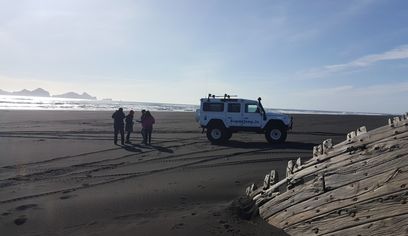
DT 322 Private Superjeep South Coast & Eyjafjallajökull Volcano Sights
Superjeep · 8 hours
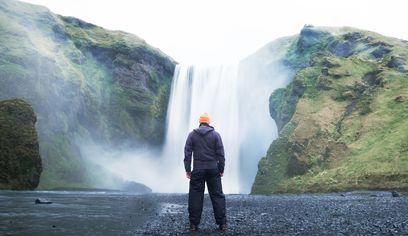
South Coast Waterfalls, Glacier & Black Sand Beach Tour
BusTravel Iceland · 10 hours
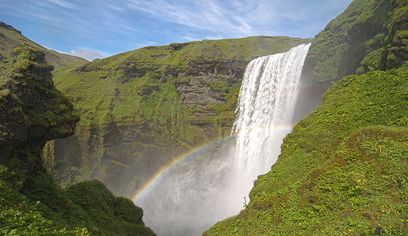
South Coast Small Group Tour: Waterfalls, Glacier & Black Sand Beach
BusTravel Iceland · 10 hours
South Coast Waterfalls, Black Beach and Glacier Adventure | Small Group Day Tour
Nicetravel · 11 hours
Photos
Gallery
Background
History & Background
In medieval Europe, Hekla was believed to be the entrance to Hell, and accounts described screaming souls visible in the smoke. For centuries it was considered one of the most feared volcanoes on Earth. The mountain erupts frequently — with eruptions in 1947, 1970, 1980, 1991, and 2000. Volcanologists warn that Hekla is overdue for another eruption and give very little warning time — as little as 30 minutes — before it erupts.
Hekla stands where the South Iceland Seismic Zone meets the Eastern Volcanic Zone. Historical eruptions are recorded repeatedly from 1104 through the most recent eruption in 2000. The mountain is monitored as an active volcano. Anyone planning to hike in the area should check current Icelandic Meteorological Office and Civil Protection information before departure rather than relying on historical eruption intervals.
Folklore
Story & Folklore
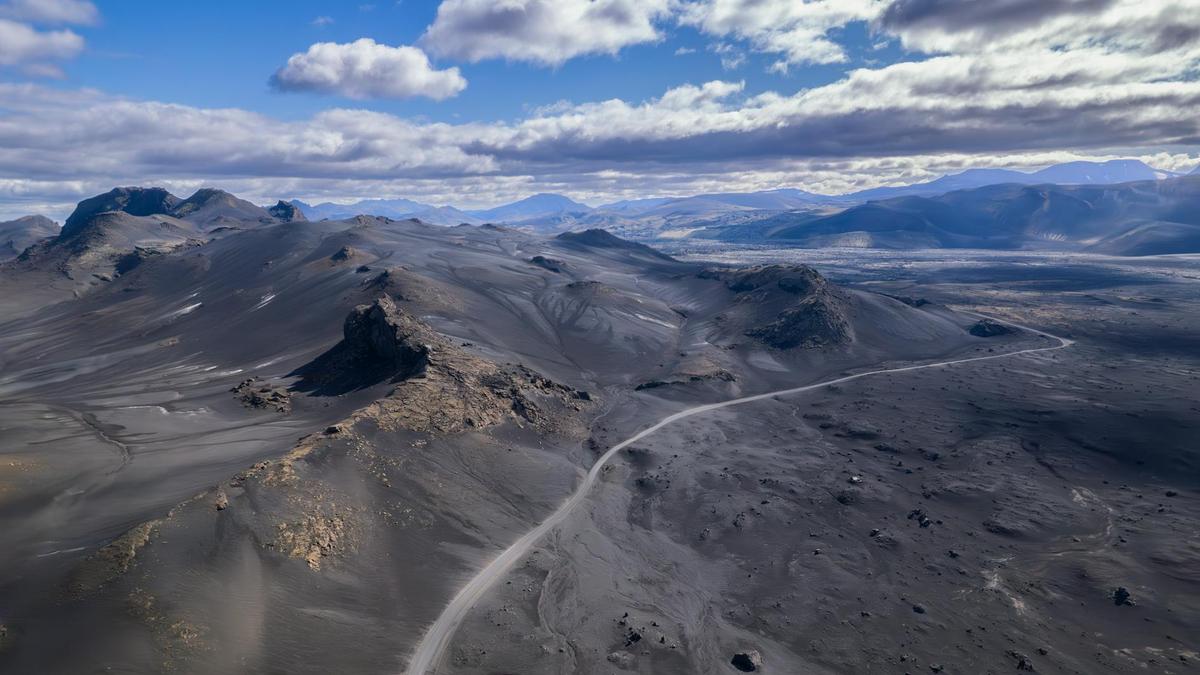
For centuries, the formidable Hekla has commanded respect and fear, earning its medieval moniker as the 'Gateway to Hell.' Imagine the awe and terror of early settlers witnessing its fiery eruptions, believing it to be a direct portal to the underworld. This 1,491-meter stratovolcano has erupted over 20 times since Iceland's settlement, each event adding new layers of dark tephra to its already dramatic slopes. The image perfectly captures this desolate beauty, with a winding road cutting through the dark, ash-covered landscape, flanked by rugged peaks sculpted by ancient flows. The clouds overhead seem to mirror the mountain's brooding presence, a constant reminder of its volatile nature. Though serene now, Hekla remains a powerful, active force, a testament to Iceland's untamed heart, always poised for its next dramatic act.
Did You Know?
Recorded historical eruptions of Hekla include 1104, 1947, 1970, 1980, 1981, 1991 and 2000.
Explore
Hidden Gems Nearby
Lava Formations Close-Up
Look carefully at the lava formations near Hekla — each tells a story of how it cooled.
Rope lava, pillow lava, and columnar basalt each formed under different conditions, creating a geological textbook in stone.
Moss & Lichens
The moss and lichen growing on the volcanic rock are some of the first life to colonize new lava fields.
Some of these organisms grow less than 1cm per year, meaning the patches you see may be decades or centuries old.
Sunset Colors
The volcanic rock takes on incredible red and gold hues during sunset.
The iron-rich minerals in the lava glow in warm light, creating a photographer's paradise.
Help
Frequently Asked Questions
Location
Location
Discover
Explore Nearby
Places from our database within 5.0 km — all data from Sanity
Loading nearby places…
0 places found within 5.0 km
Plan full itinerary →Explore More