
🌋 Eldur og ís
Iceland's
Volcanoes
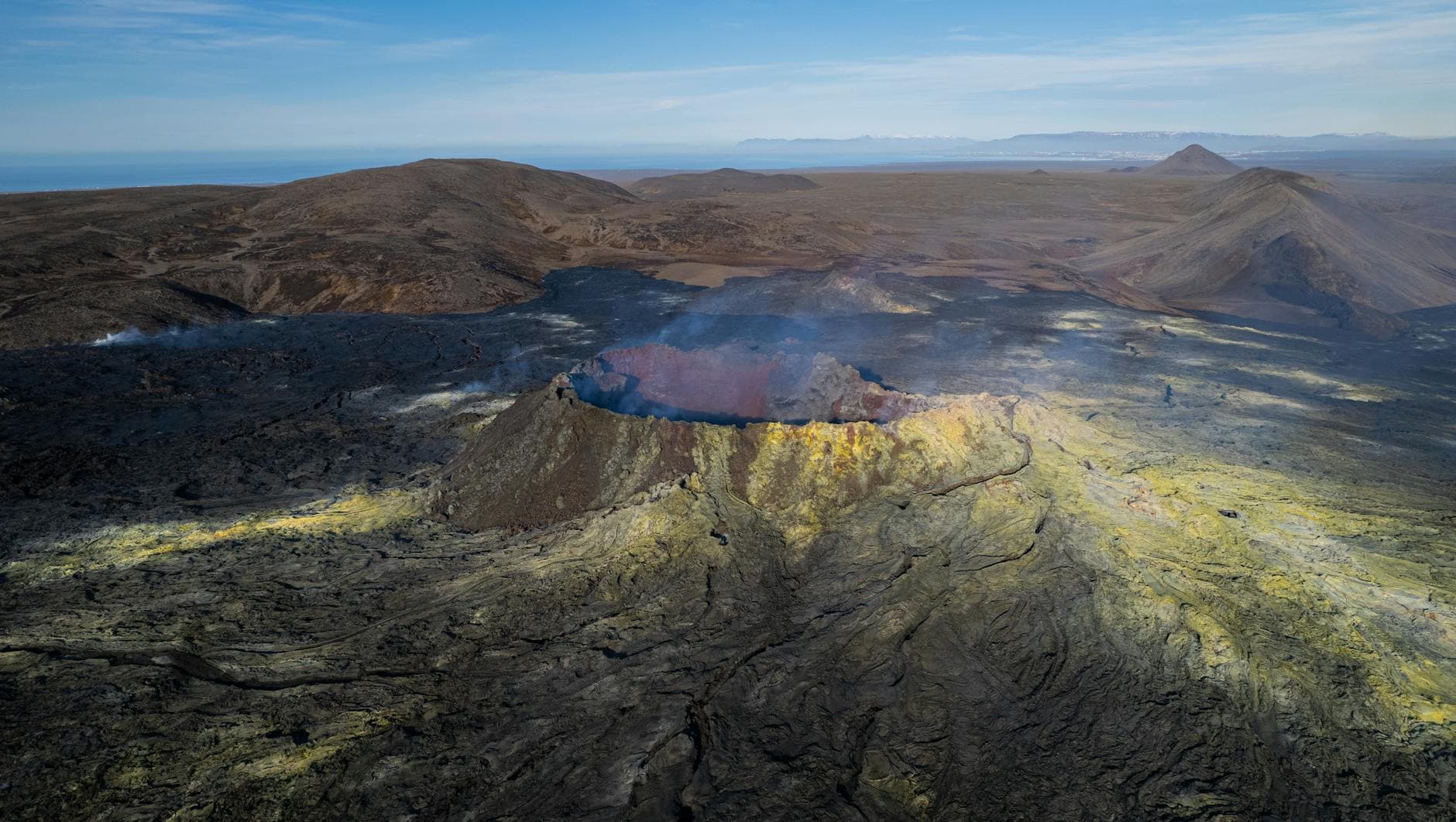
Iceland has 130+ volcanoes and around 30 active volcanic systems. From world-famous Eyjafjallajökull to the legendary Hekla — Iceland's volcanoes are among the most powerful on Earth.
130+
Total volcanoes
30
Active systems
20+
Hekla eruptions
112
Emergency number
Eldfjallavaldur Íslands
Iceland sits on the Mid-Atlantic Ridge where tectonic plates diverge, creating one of the most volcanically active regions on Earth. Around 30 volcanic systems are considered active, producing eruptions approximately every 3–4 years on average. Volcanic activity shapes Iceland's landscape — from black sand beaches created by explosive eruptions to vast lava fields that cover large parts of the country.
The country is home to more than 130 volcanoes and around 30 active volcanic systems. These volcanoes have created Iceland's dramatic landscapes — vast lava fields, black sand deserts, geothermal areas, and glacial valleys carved by volcanic floods.
Many of Iceland's most famous volcanoes are subglacial — hidden beneath massive glaciers like Vatnajökull and Mýrdalsjökull. When these volcanoes erupt, they melt enormous volumes of ice, creating sudden catastrophic floods called jökulhlaups.
Eruptions in Iceland can affect the entire world. The 2010 Eyjafjallajökull eruption disrupted European air travel for weeks, while the 1783 Laki eruption caused famines and crop failures across Europe.
Iceland's Volcanoes
Frægustu eldfjöll Íslands
Ítarleg handbók um stórkostlegustu eldstöðvakerfi Íslands — með sögu, aðgengi og öryggisupplýsingum
Fire and Ice: Subglacial Volcanoes
Many of Iceland's most powerful volcanoes lie hidden beneath massive glaciers. When these volcanoes erupt, they melt enormous quantities of ice, creating catastrophic glacial floods called jökulhlaups that rush towards the sea. Katla, Grímsvötn, and Bárðarbunga are examples of dangerous subglacial volcanoes that produce both explosive eruptions and devastating floods.
Recent Eruptions and Volcanic Tourism
Iceland has experienced several major eruptions in recent decades. The 2010 Eyjafjallajökull eruption disrupted air travel across Europe. The 2021–2023 Fagradalsfjall eruptions on the Reykjanes Peninsula attracted thousands of visitors to witness glowing lava flows up close. These accessible eruptions created a new form of volcanic tourism, allowing people to safely hike to active lava fields.
Best Time to Visit Volcanic Sites
Year-round access is available to most coastal volcanic sites like Eyjafjallajökull, Hekla (from a distance), and Krafla. Highland volcanoes like Askja, Laki, and Bárðarbunga are only accessible in summer (July–September) when F-roads open. Active eruptions can occur at any time — check safetravel.is for current volcanic activity and safety warnings before visiting any volcanic area.

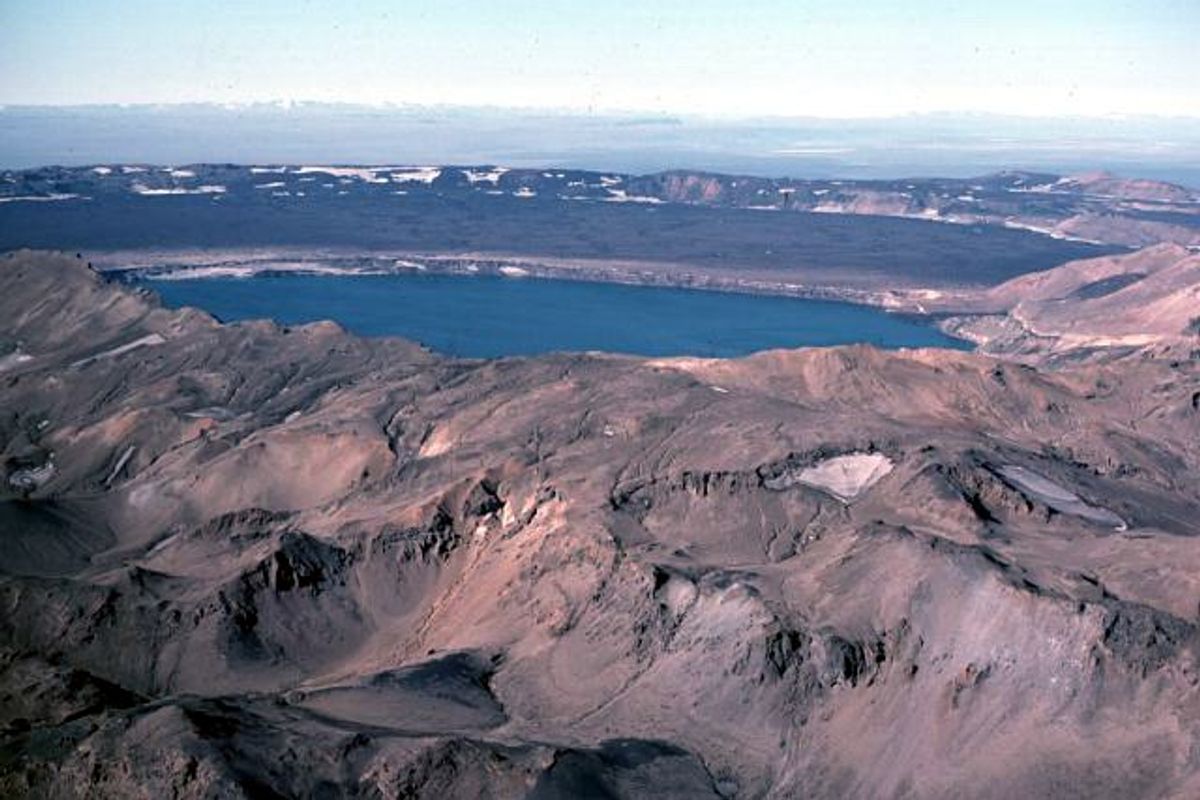
Askja og Víti
Explore Askja Caldera, a remote highland volcano featuring a massive caldera and the milky-blue Víti Crater Lake.
Ferðastu til Askju og Vítis, framúrskarandi jarðfræðilegs undurs í afskekktum miðhálöndum Íslands. Þessi öfluga hálendiseldstöð státar af risastórri öskju og heillandi, mjólkurbláu jarðhitavatni Vítis, sem eitt sinn var æfingasvæði fyrir geimfara NASA.

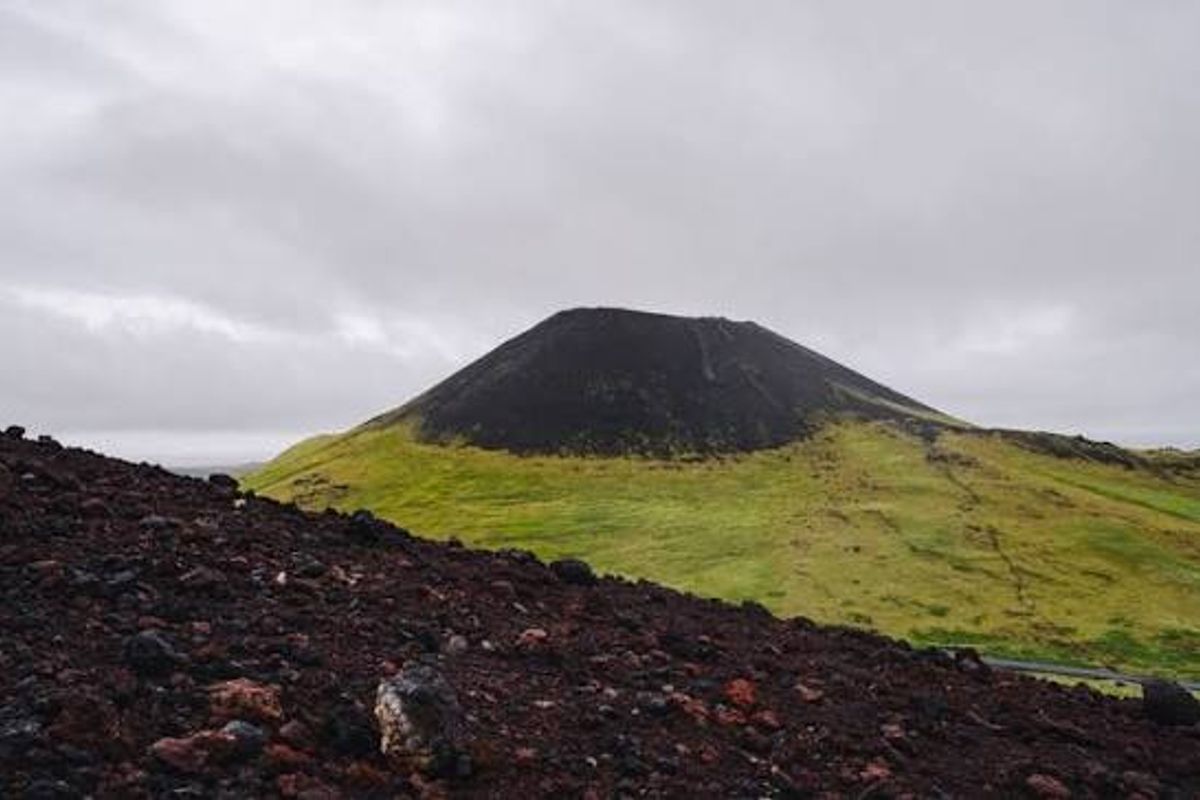
Eldfell
The young volcanic cone above Heimaey, created during the 1973 eruption that transformed Vestmannaeyjar.
Eldfell is the volcanic cone created during the 1973 eruption on Heimaey in the Westman Islands. The eruption began beside the town, forced almost the entire population to evacuate and continued for about six months, leaving a new mountain and extensive lava field on the island.

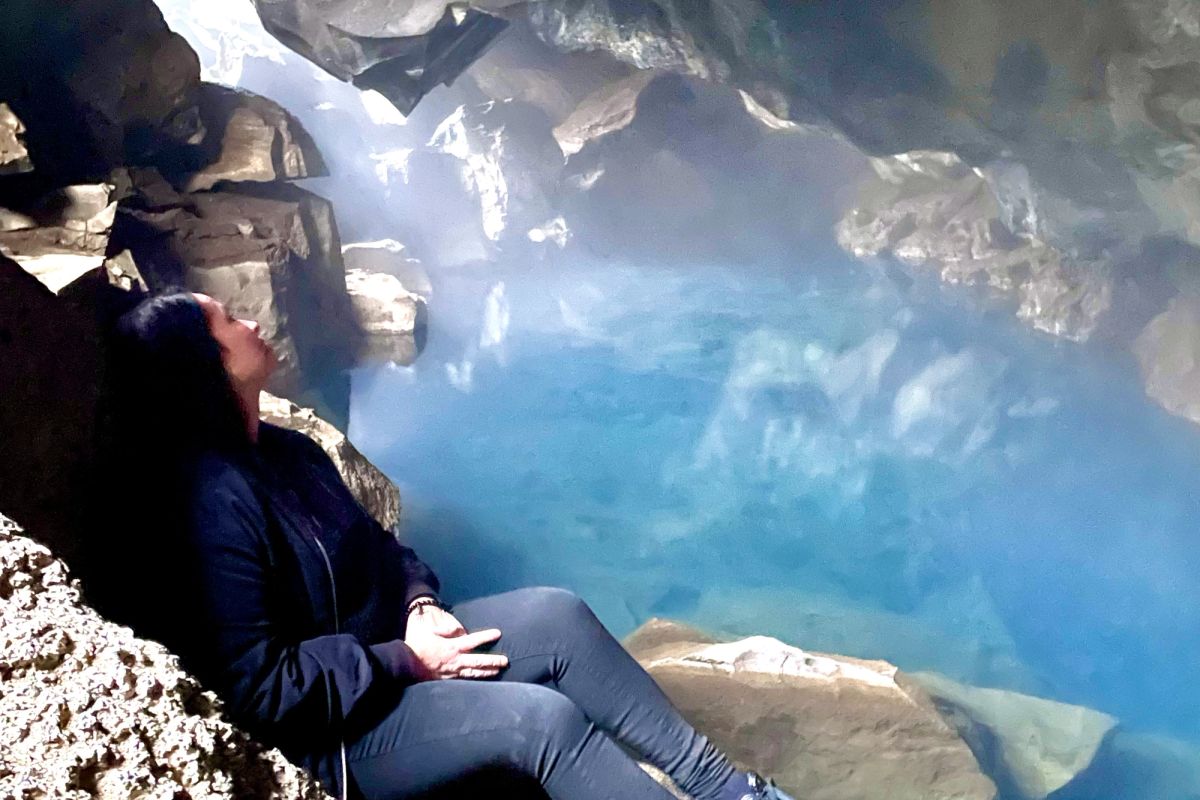
Grjótagjá
Step into Grjótagjá, a geothermal cave with an electric-blue hot spring pool, famously featured in Game of Thrones.
Kannaðu Grjótagjá, jarðhitasvæði staðsett nálægt Mývatni á Norðurlandi. Þessi litli, heillandi hellir geymir rafmagnsljómandi heita lindarlaug, sem er fræg fyrir að hafa verið í Game of Thrones.

Krafla Eldstöð og Víti Gígur
Walk the rim of Krafla, an active volcanic system featuring the stunning turquoise Víti crater lake.
Ferðastu til Norðurlands og uppgötvaðu Krafla eldstöðina og heillandi Víti gíginn. Þetta virka eldstöðvakerfi, norðaustur af Mývatni, státar af líflegu blágrænu gígvatni sem myndaðist í eldgosum á áttunda áratugnum og býður upp á einstakt tækifæri til að ganga á brún raunverulegrar eldfjalls.

Þríhnúkagígur
Descend into Þríhnúkagígur’s volcanic chamber on a seasonal guided tour involving a 3 km hike each way.
Þríhnúkagígur, sem þýðir 'Gígur þriggja tinda', er sofandi eldfjall á Bláfjallasvæðinu í Kópavogi. Það er þekkt fyrir óvenju stóra kvikuhólf sitt, sem er eitt af fáum í heiminum sem hægt er að heimsækja. Farðu niður í þetta jarðfræðilega undur til að sjá ótrúlega litagleði og bergmyndanir.
Öll eldfjallsvæði á Íslandi
73 volcanic areas in our database
Askja og Víti
Highlands
Eldfell
South Iceland
Grjótagjá
North Iceland
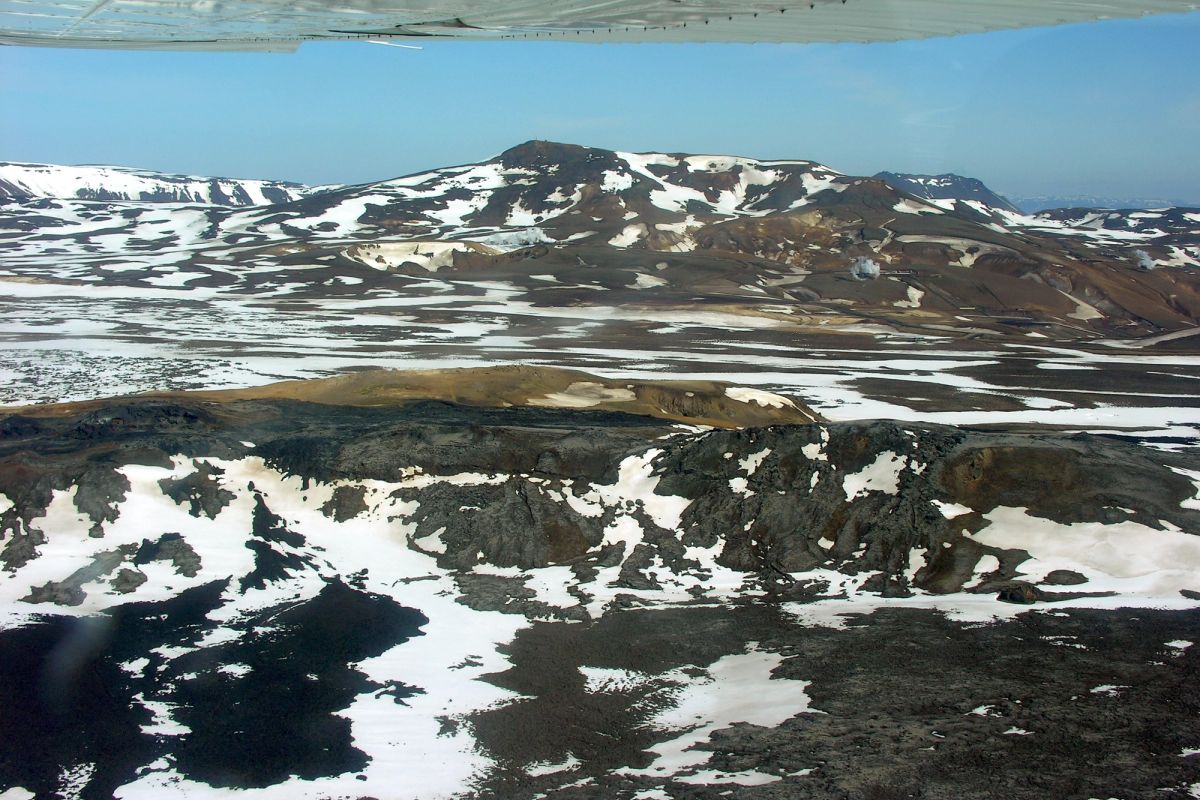
Krafla Eldstöð og Víti Gígur
North Iceland
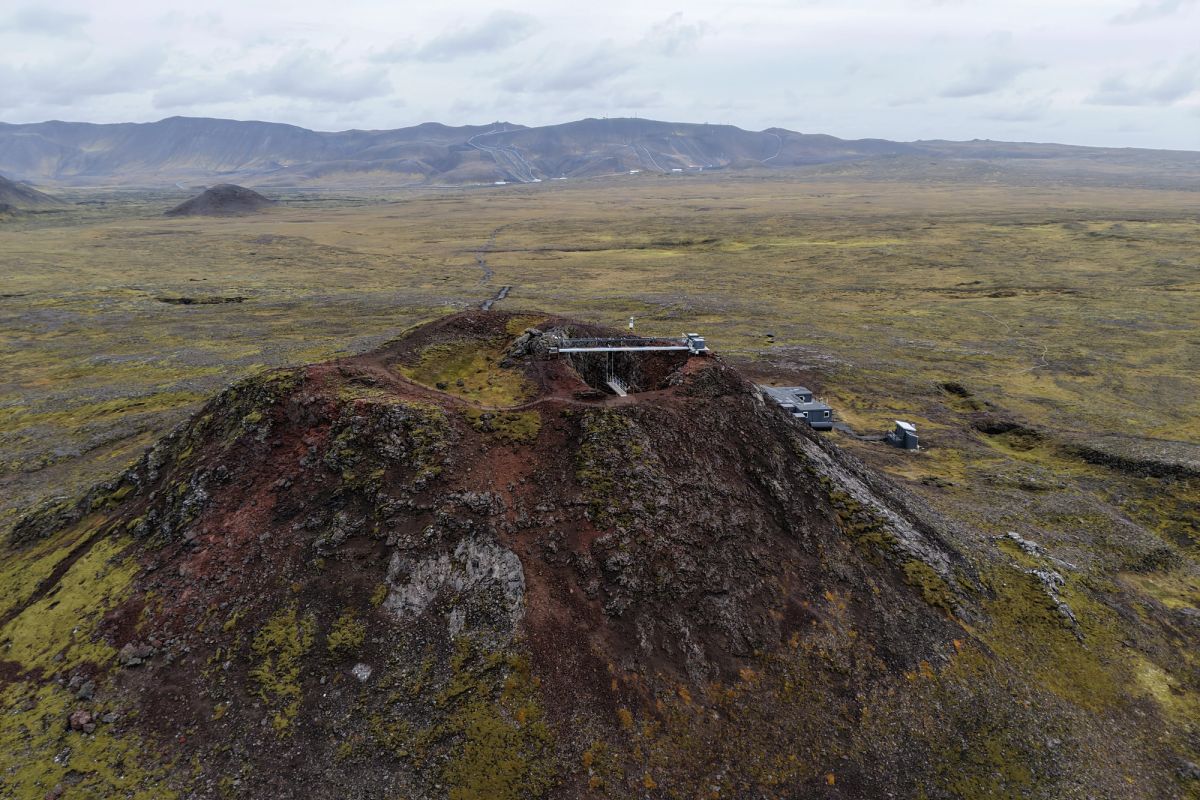
Þríhnúkagígur
South Iceland
 Caldera
Askja Caldera
North Iceland
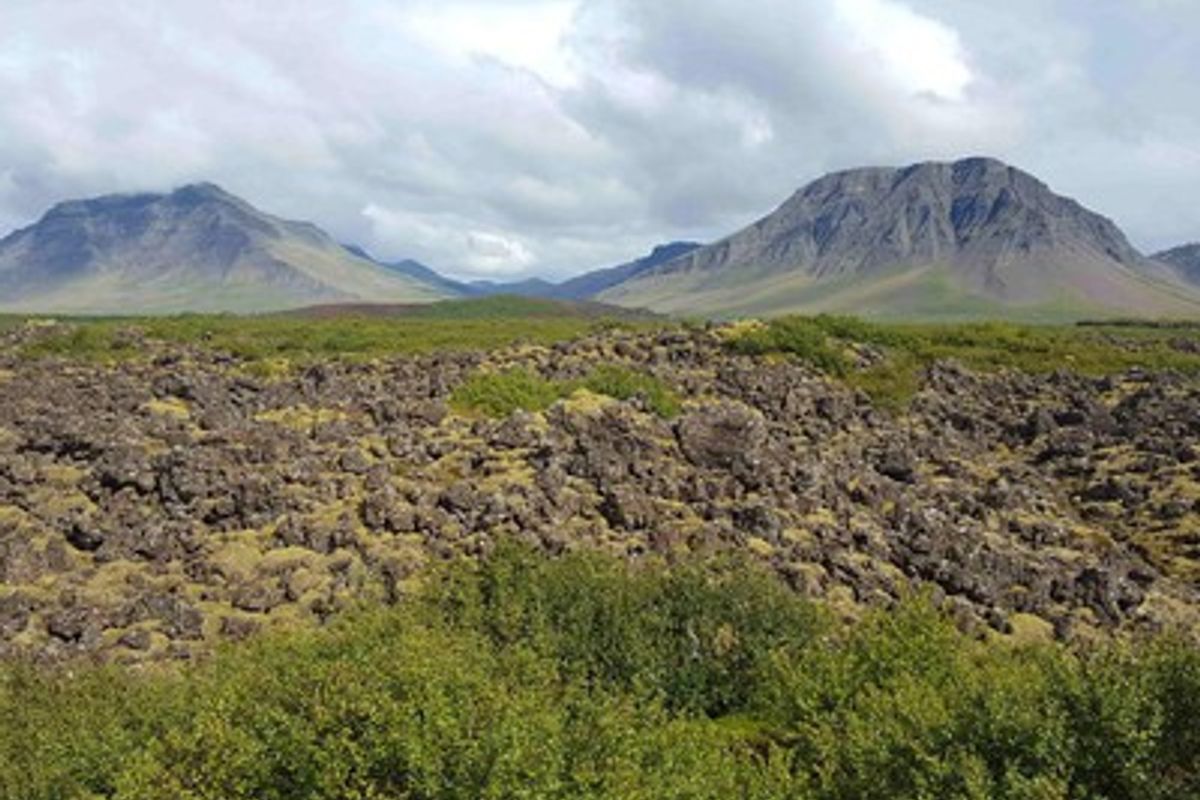
Barnaborgarhraun
West Iceland
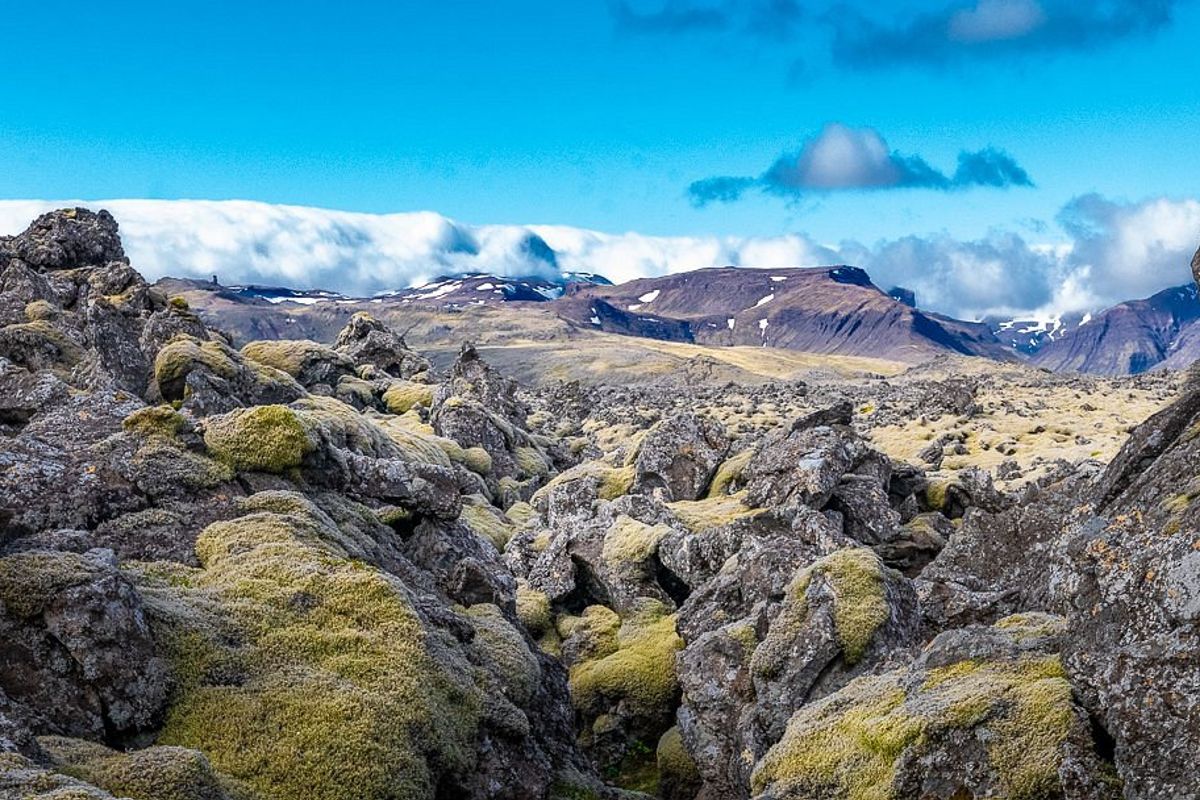
Berserkjahraun
West Iceland
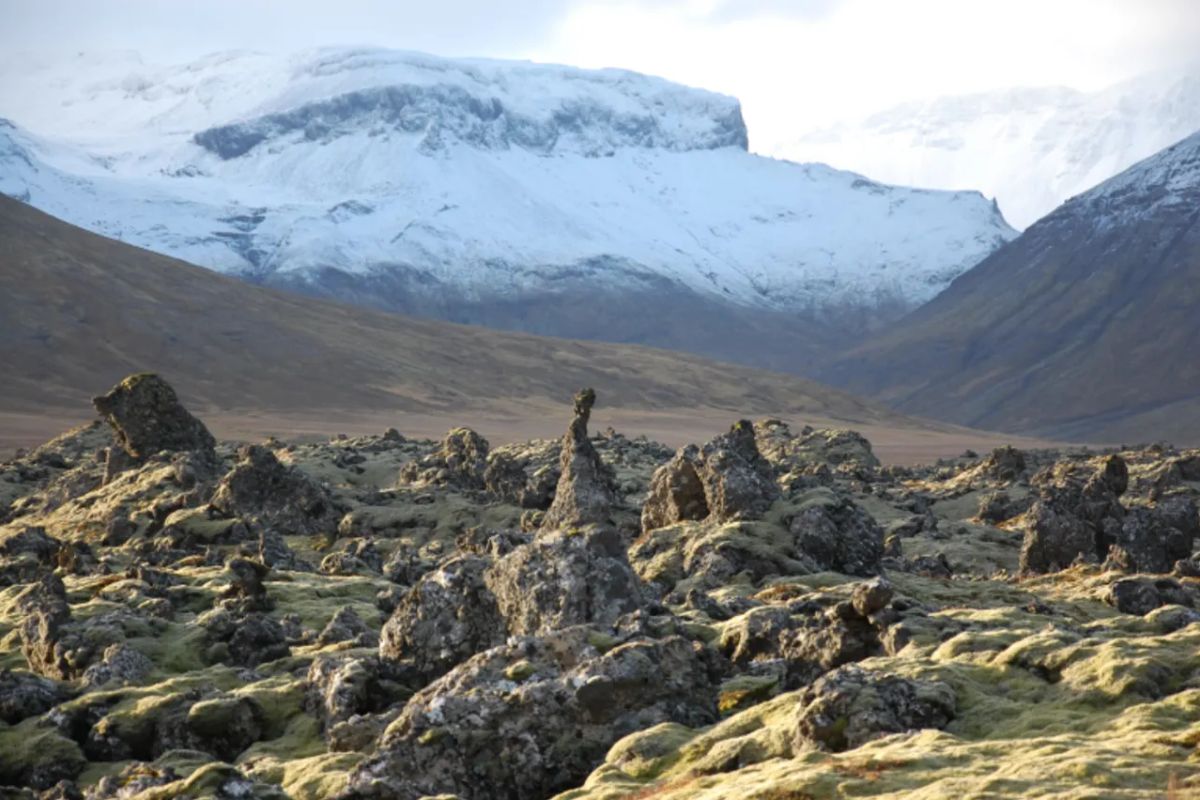
Berserkjahraun
West Iceland
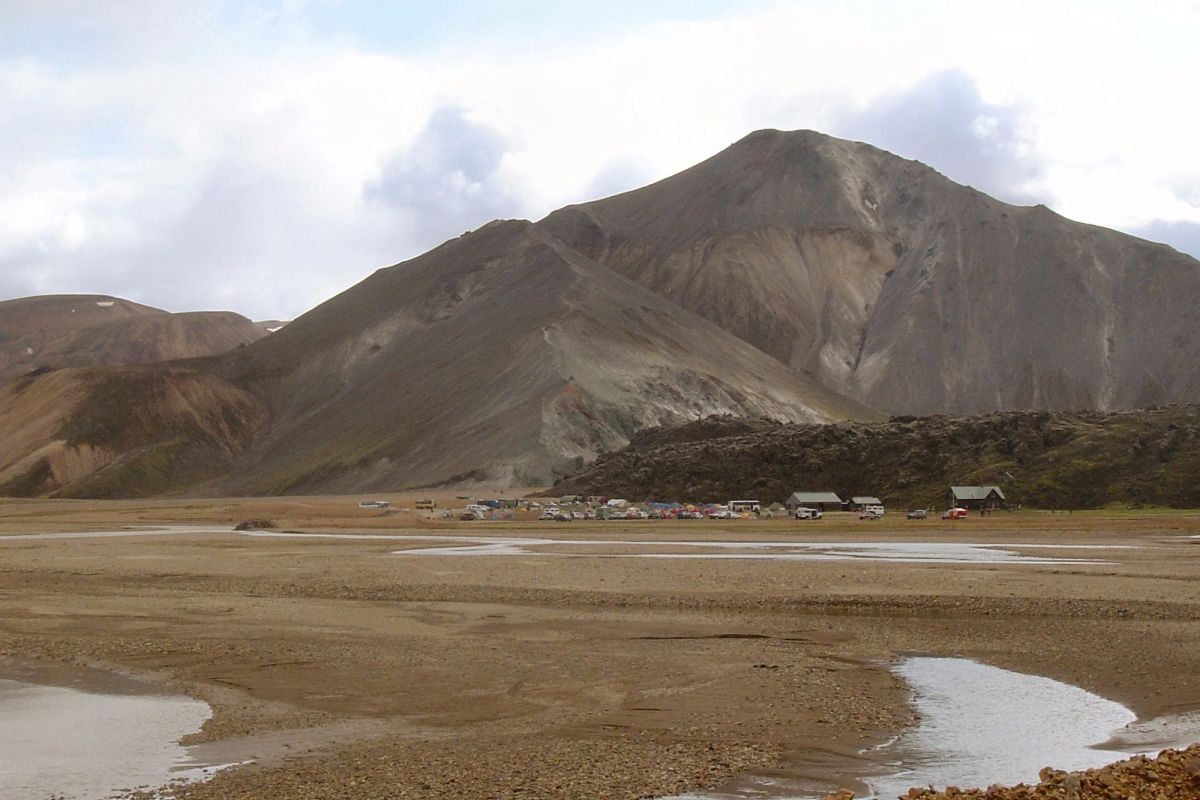
Bláhnjúkur
Highlands
Borgarland
Westfjords
 Subglacial Volcano
Bárðarbunga
Highlands
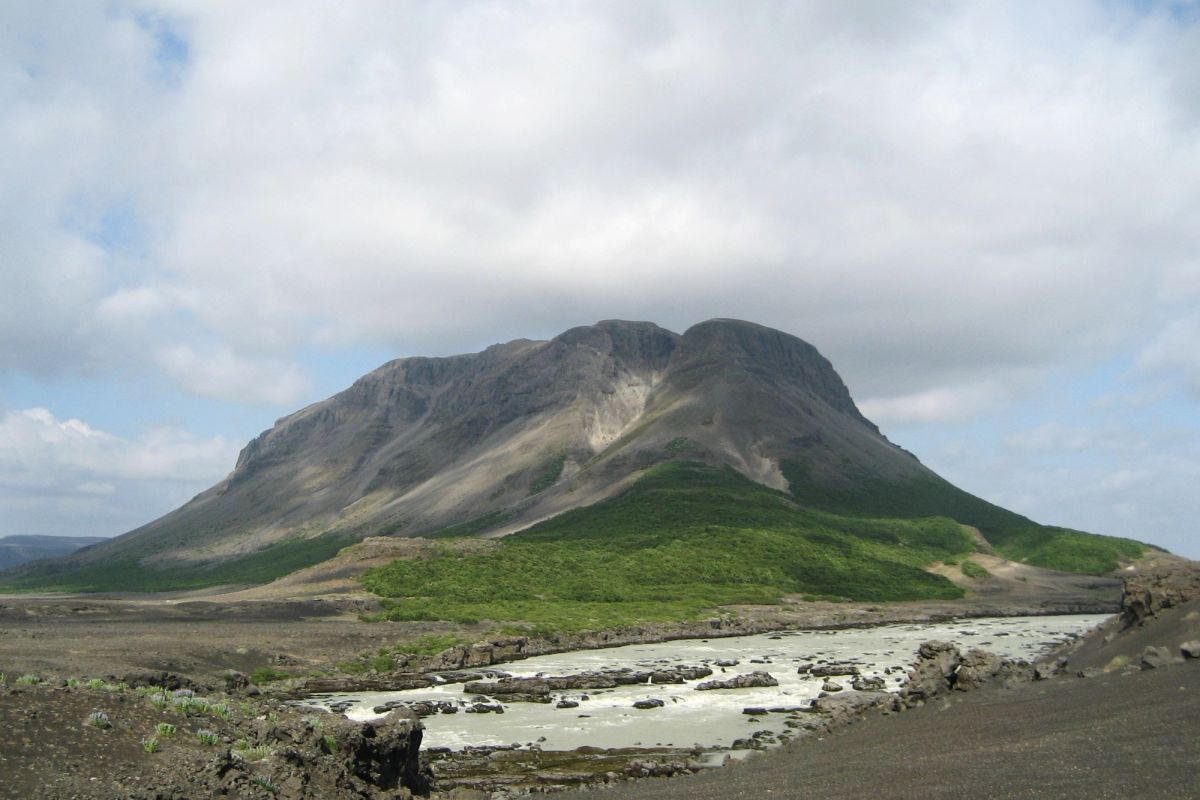
Búrfell og Búrfellsgjá
South Iceland
Búðahraun
West Iceland
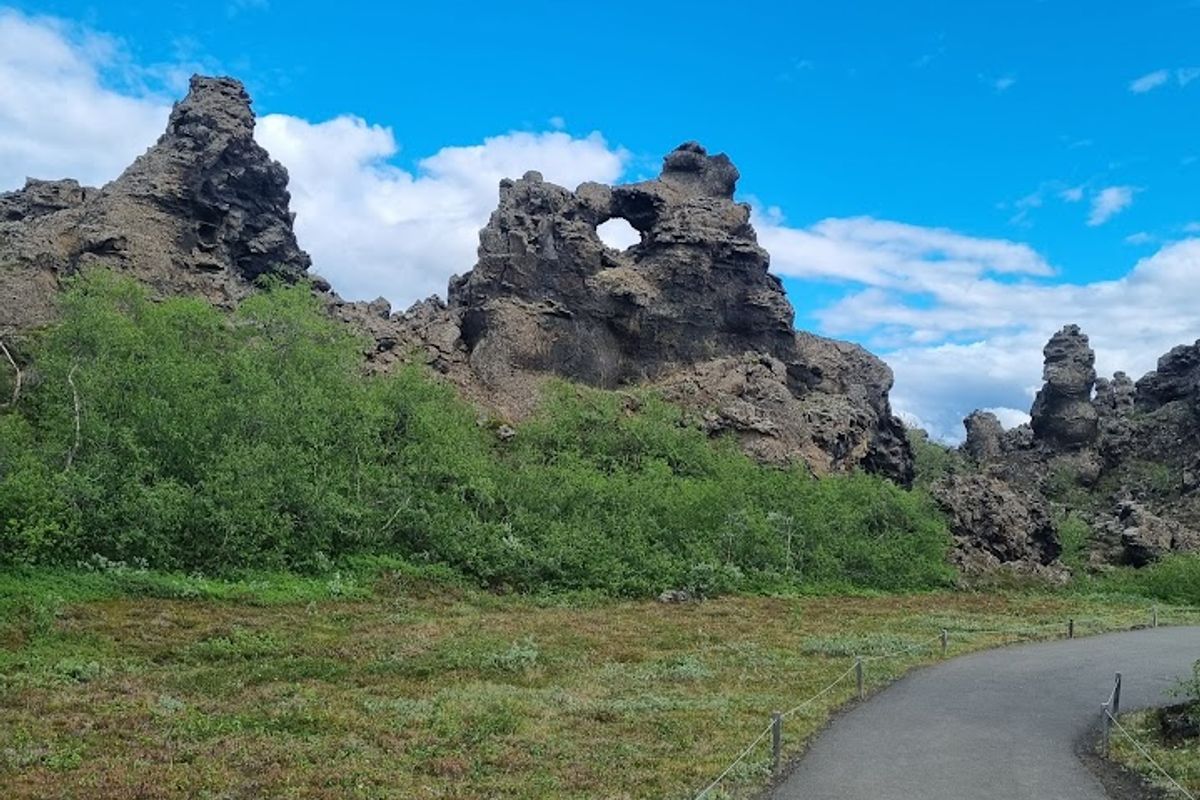
Dimmuborgir
North Iceland
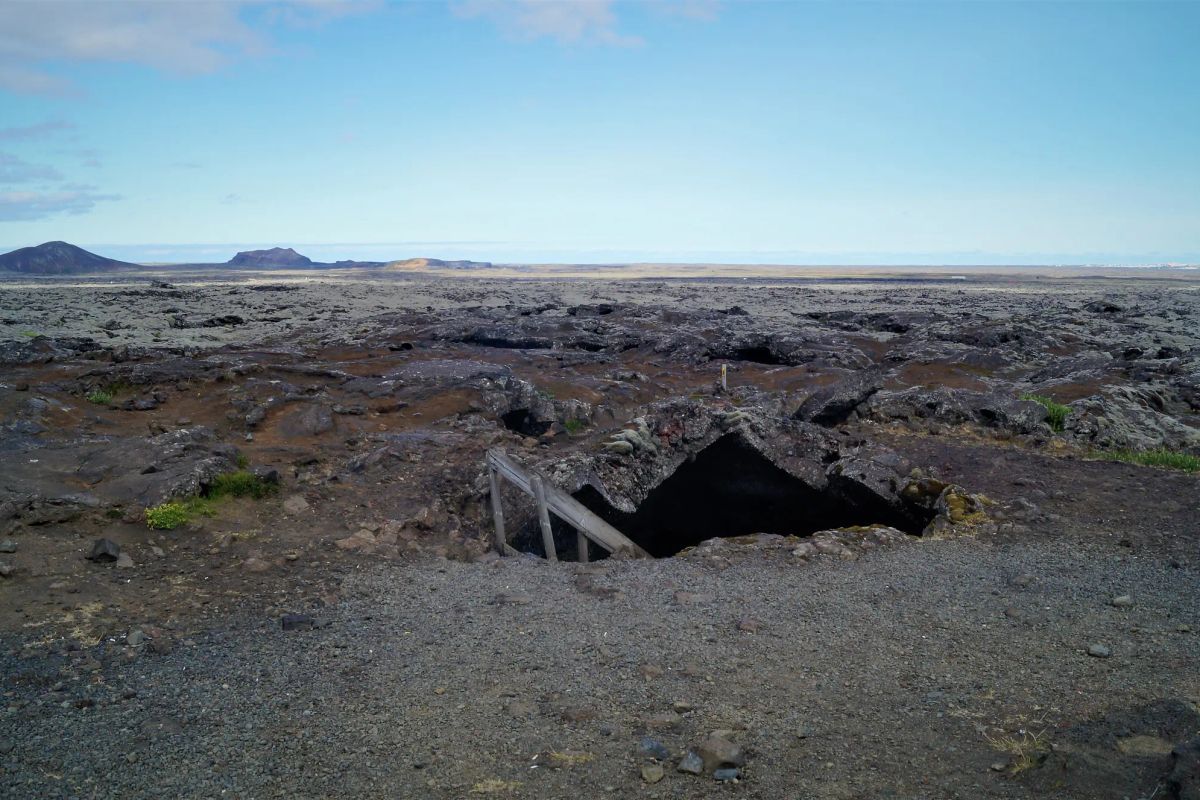
Dollan, Arnarseturshraun
Reykjanes Peninsula
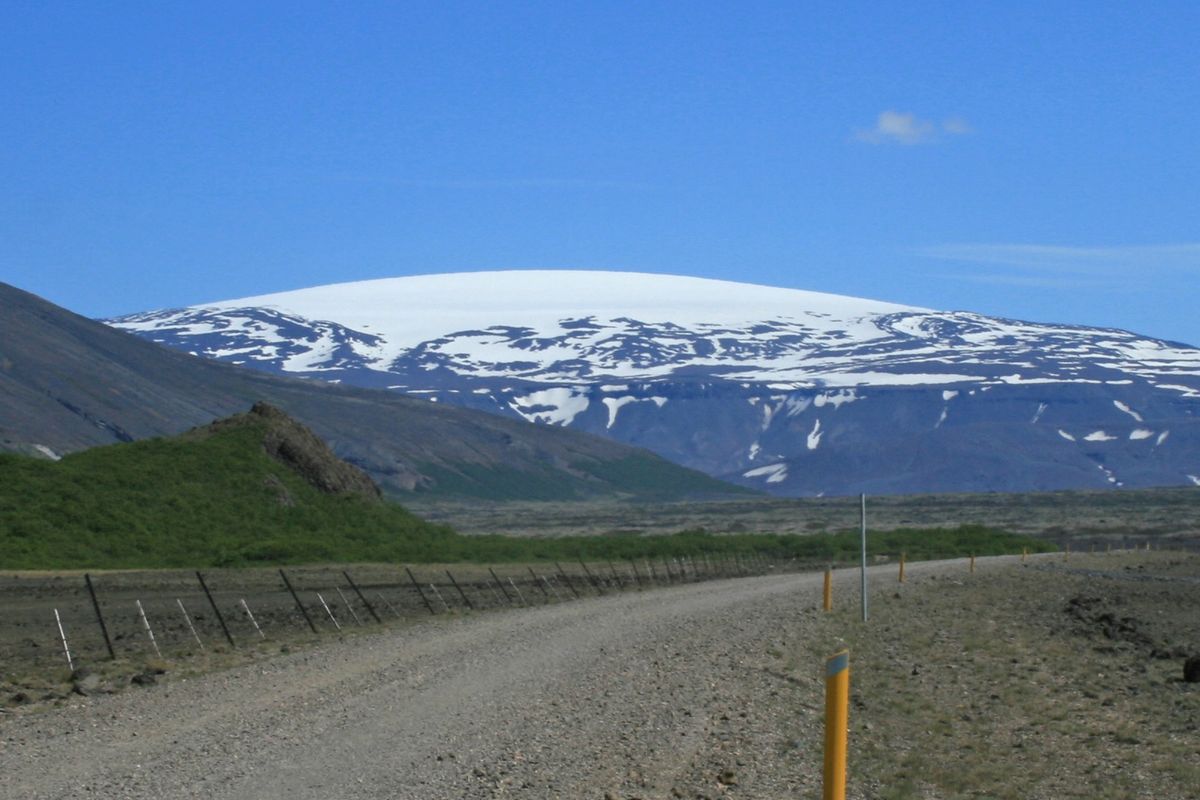
Eiríksjökull
West Iceland
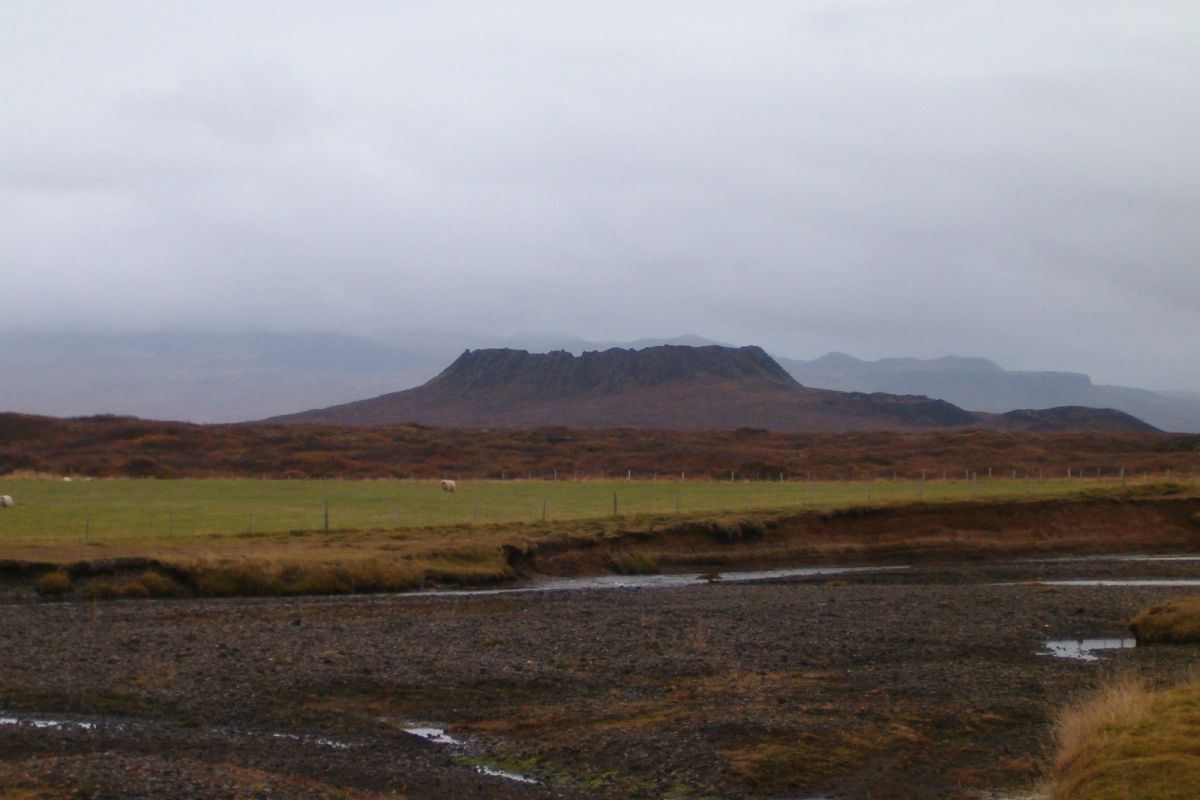
Eldborg
West Iceland
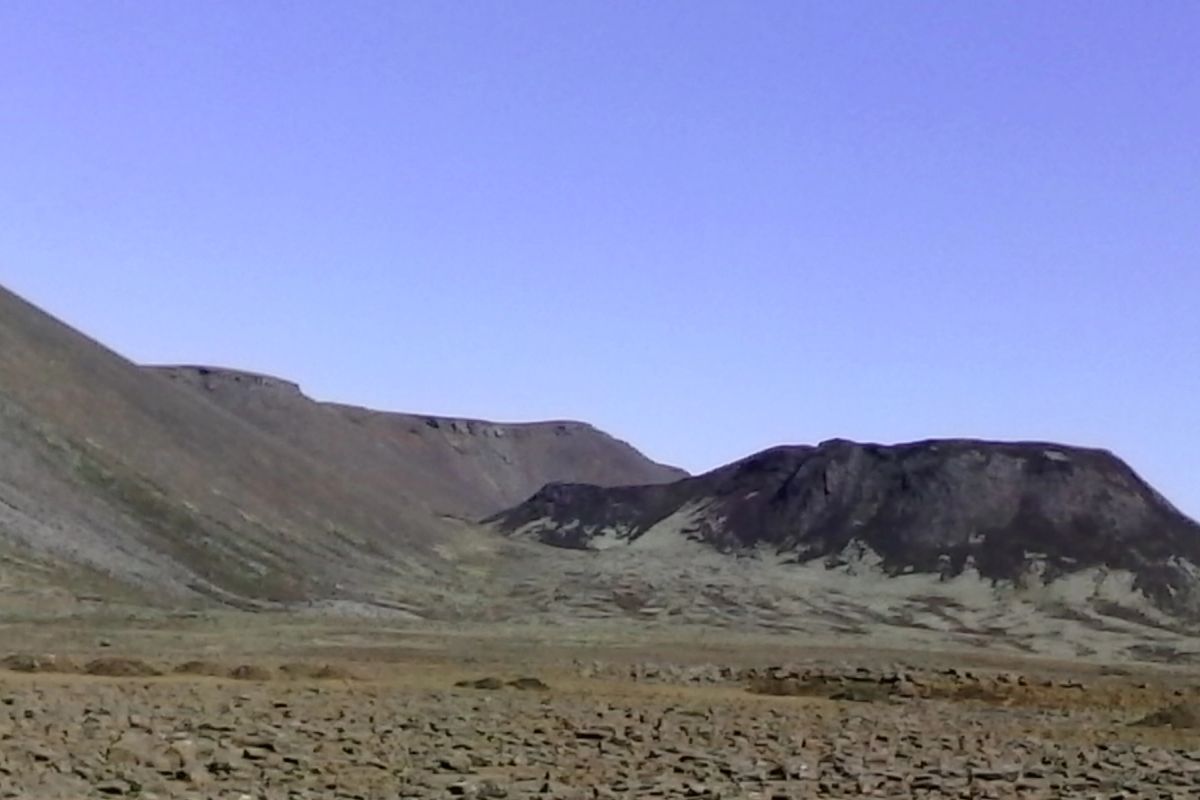
Eldborg í Hnappadal
West Iceland
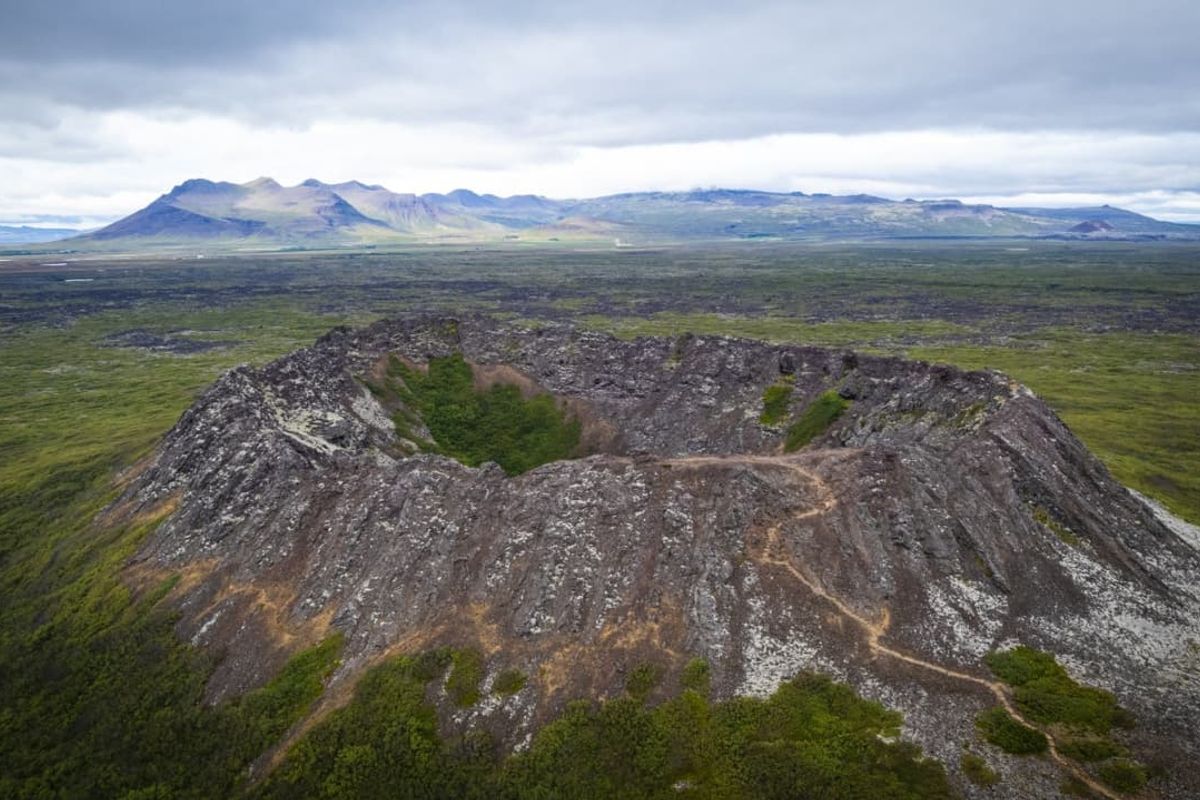
Eldborg at Höskuldarvellir
Reykjanes Peninsula
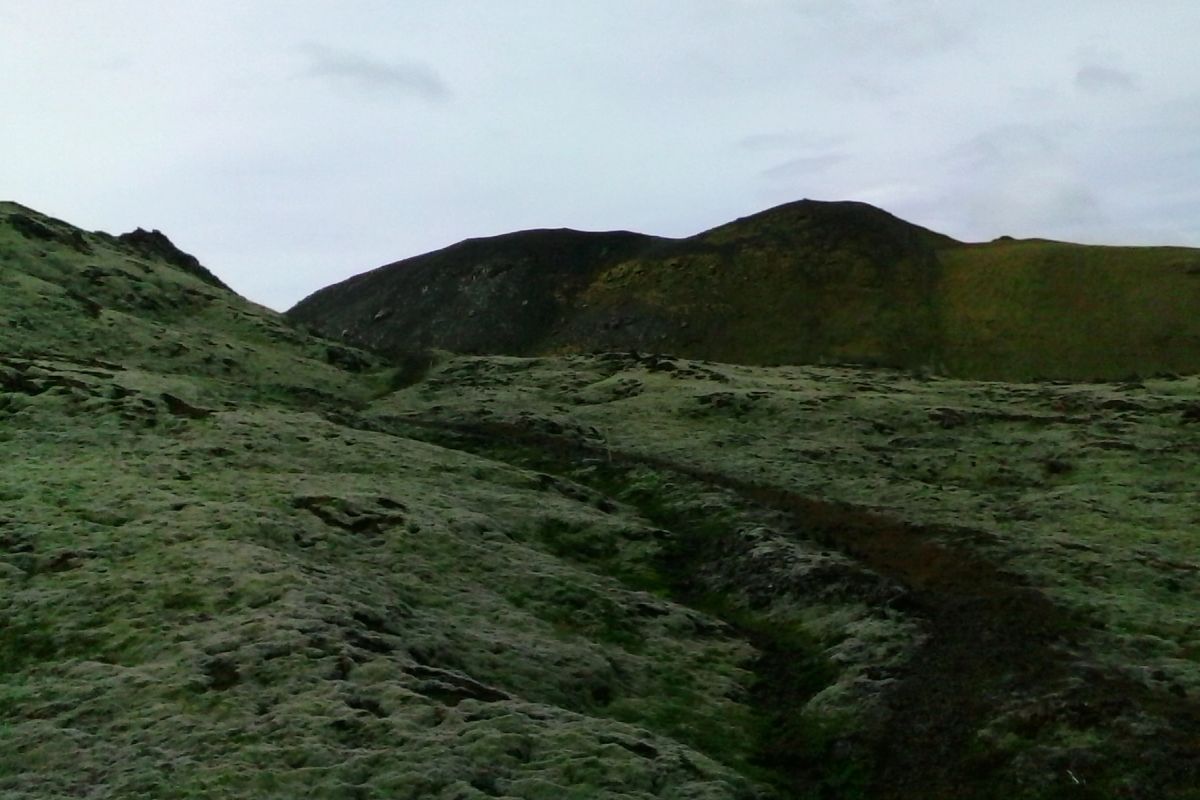
Eldborg í Bláfjöllum
South Iceland
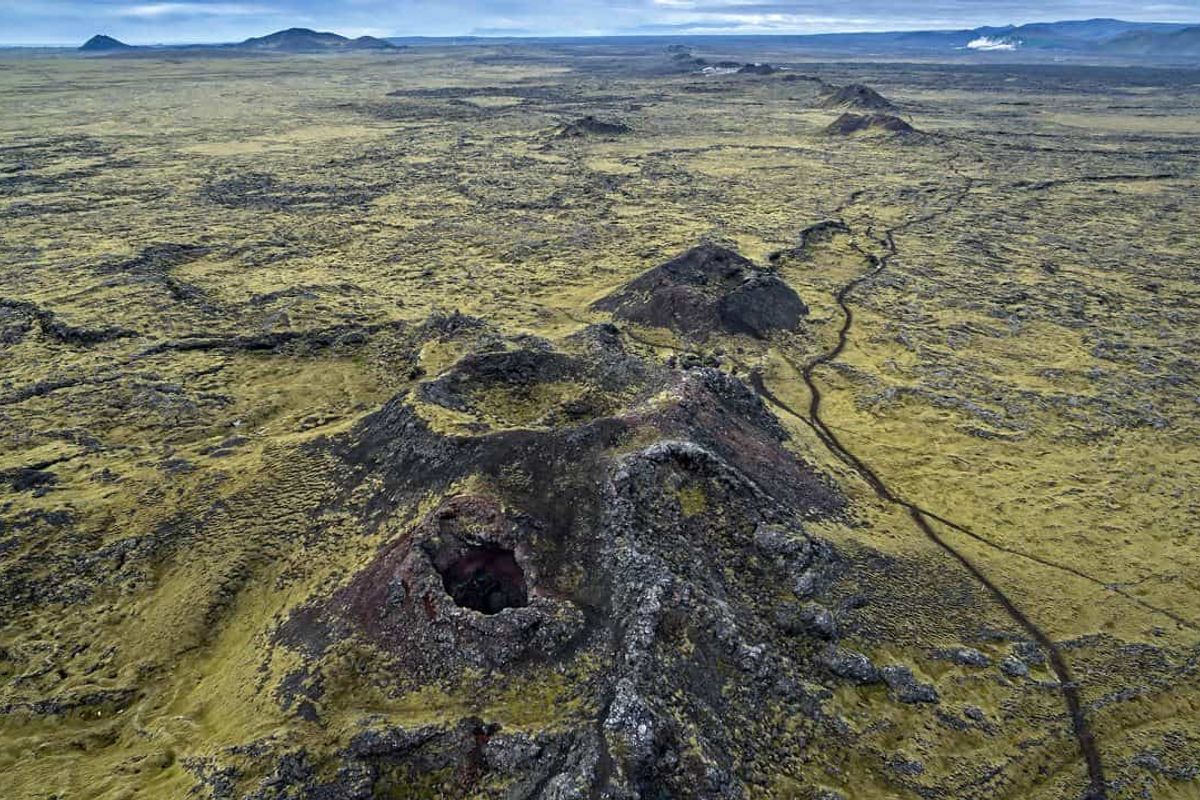
Eldvörp Hraunröð
Reykjanes Peninsula
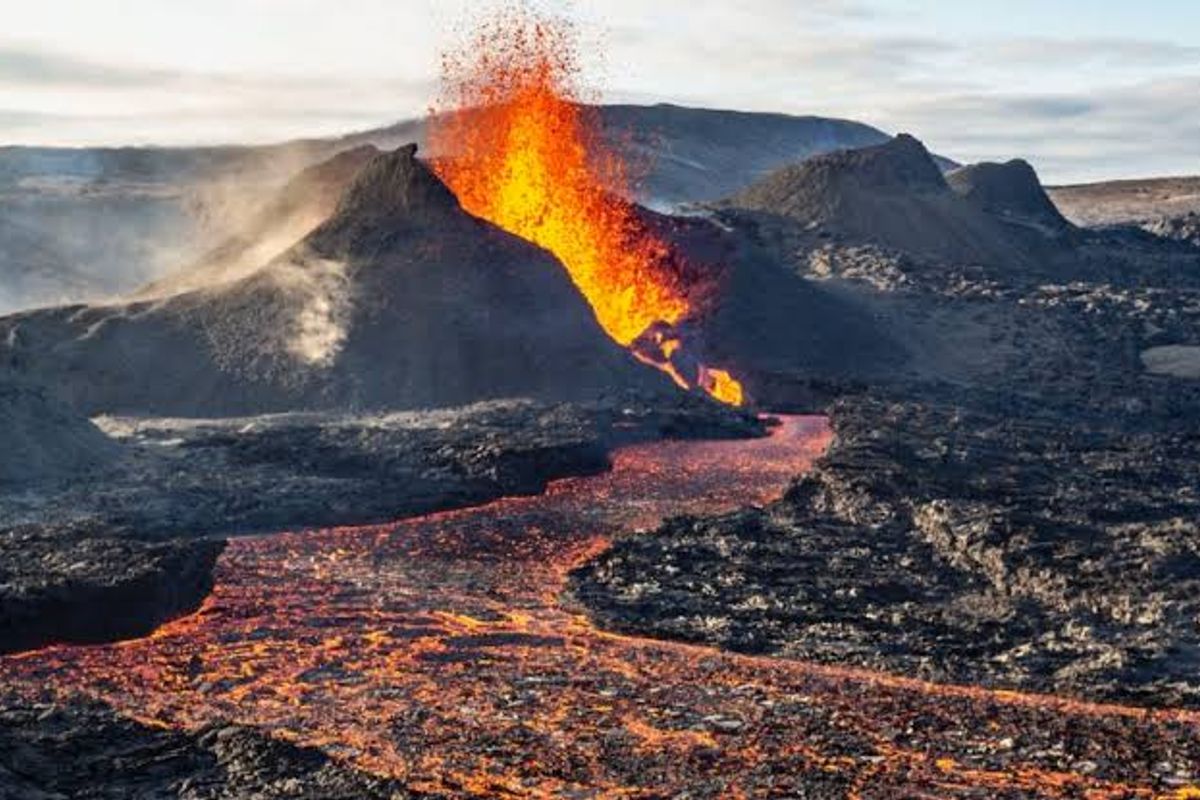
Fagradalsfjall eldgosagígurinn
Reykjanes Peninsula
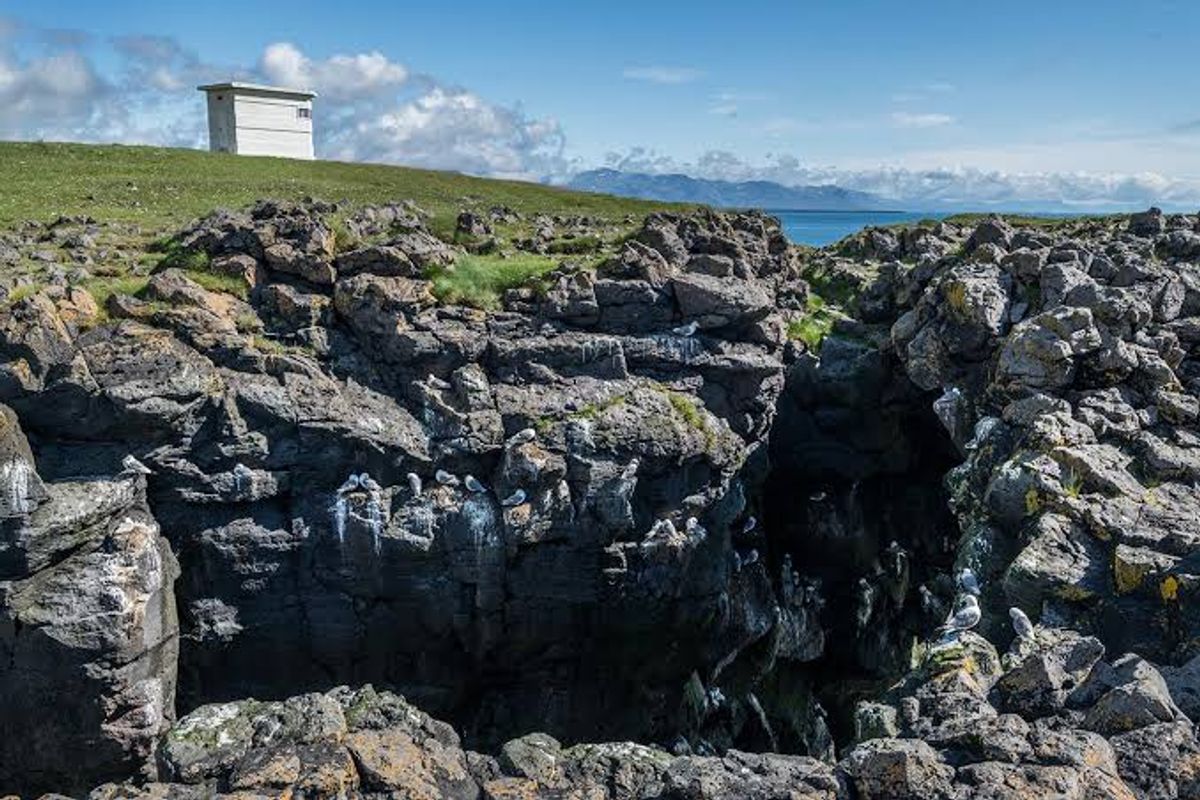
Eystrigjá
West Iceland
 Shield Volcano
Fagradalsfjall
Reykjanes Peninsula
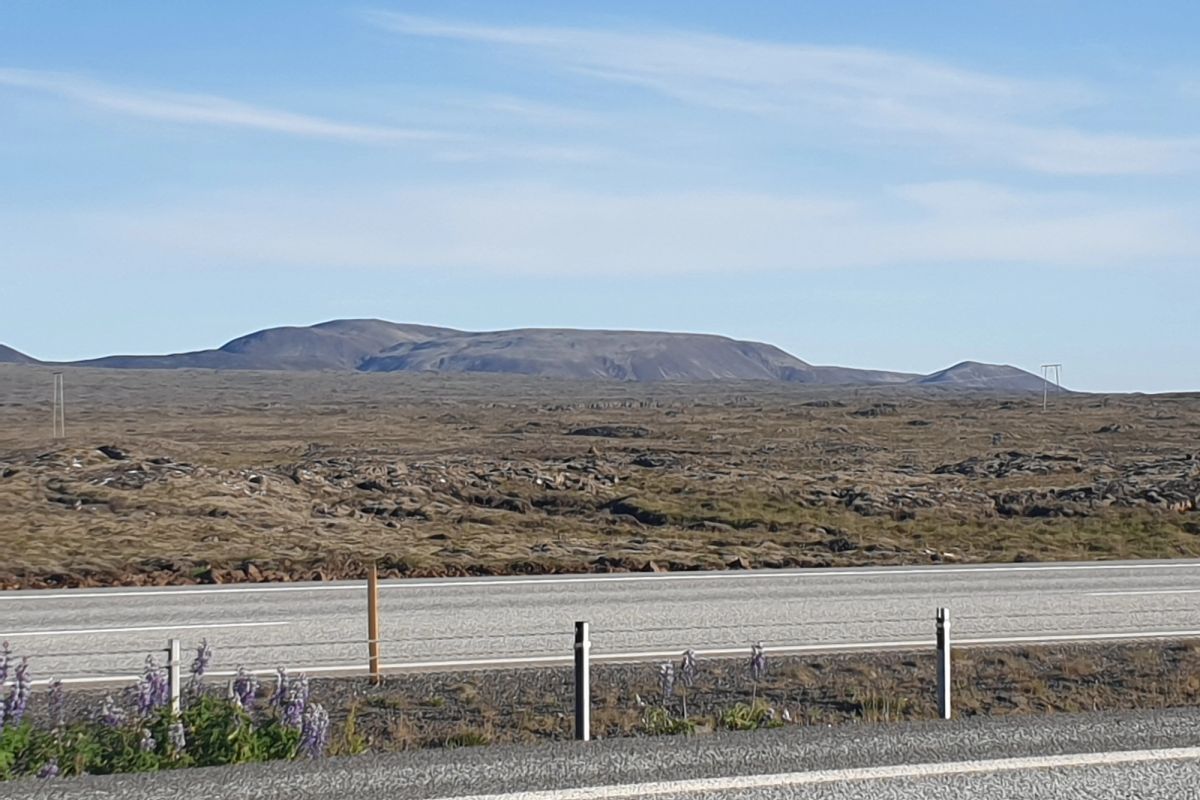
Fagradalsfjall Volcanic Eruption Site
Reykjanes Peninsula
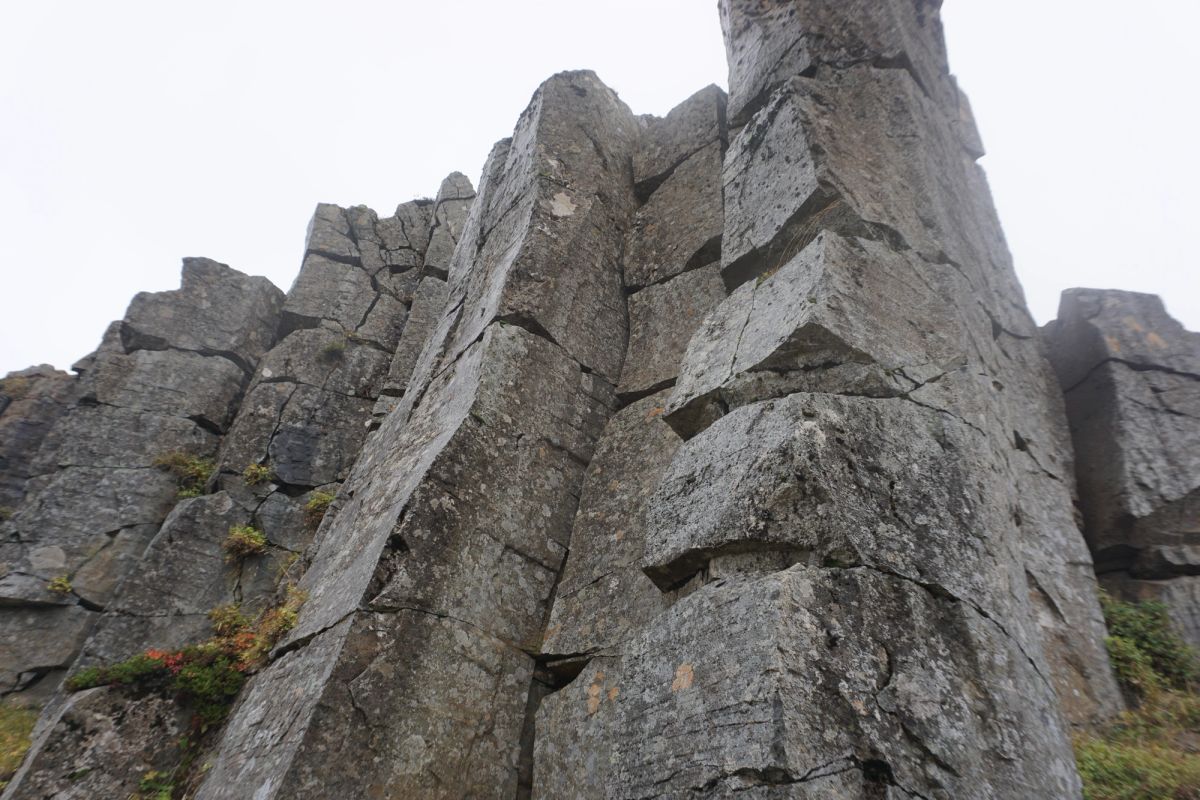
Gerðuberg Basalt Columns
West Iceland
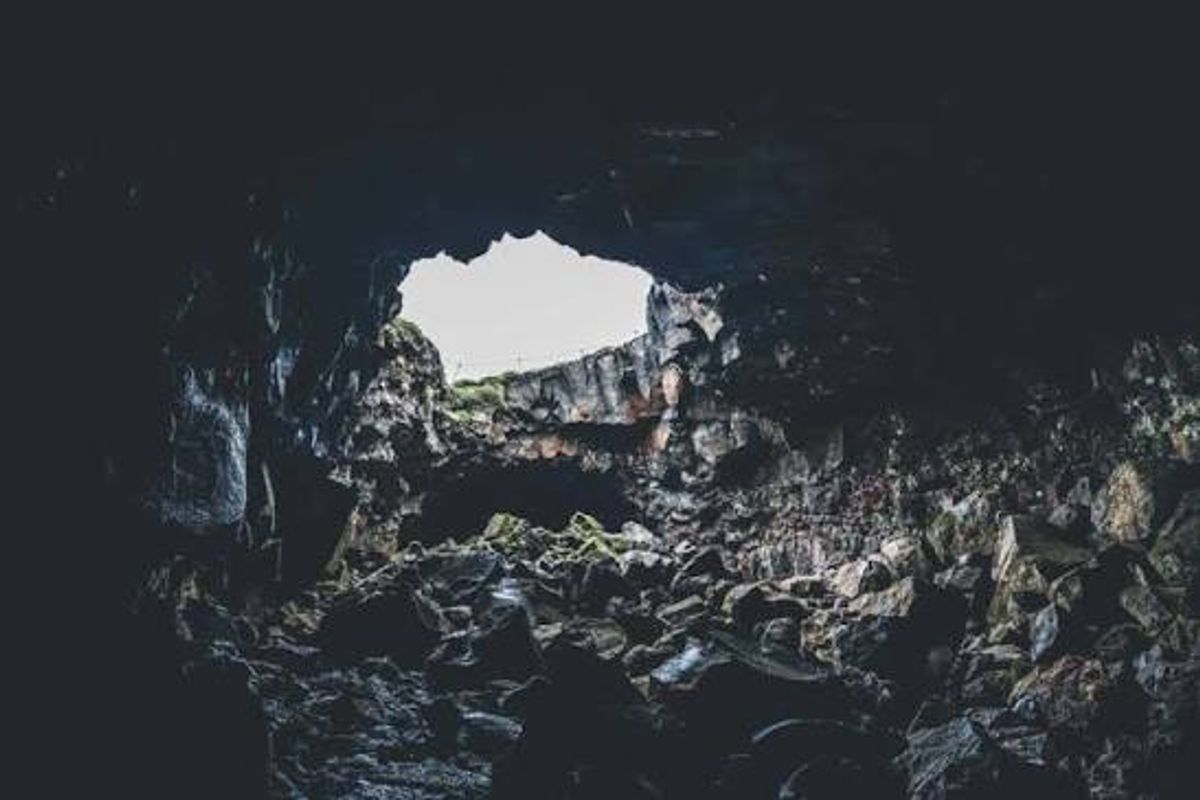
Gjábakkahellir Hraunhellir — Þingvellir
South Iceland
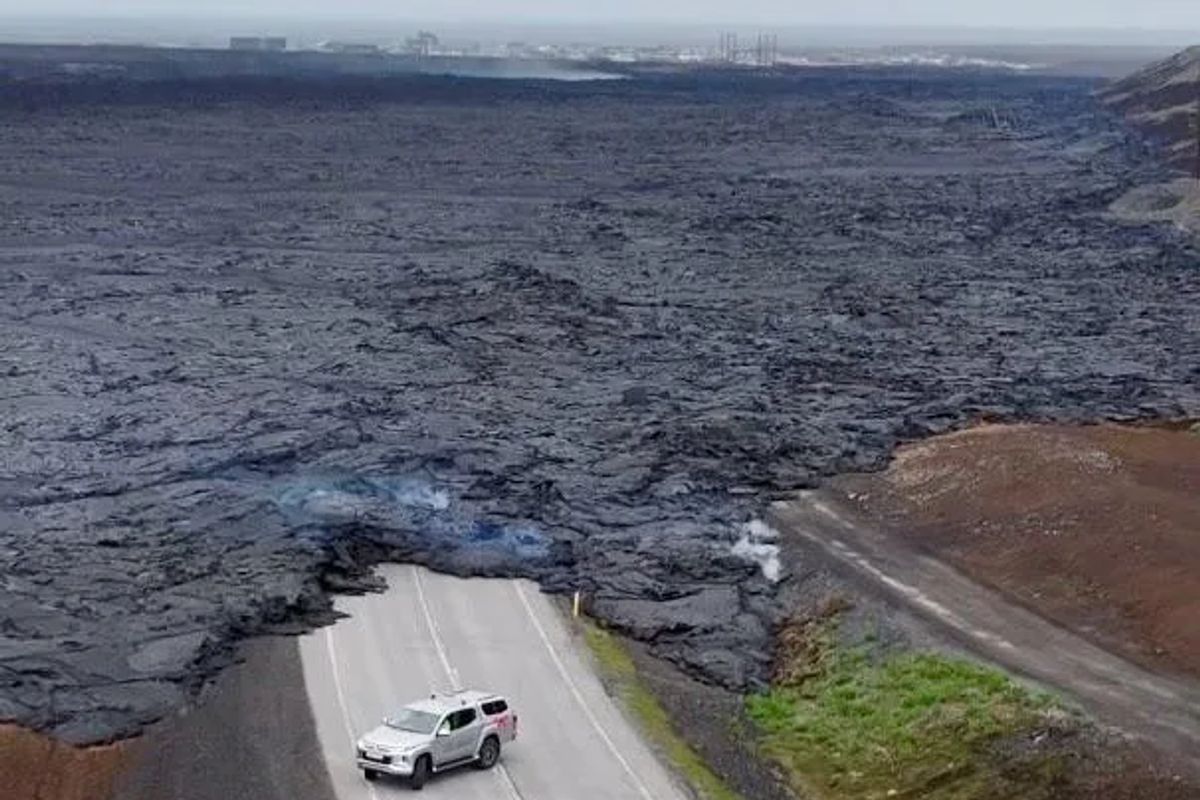
Grindavík & Sunken Road
Reykjanes Peninsula
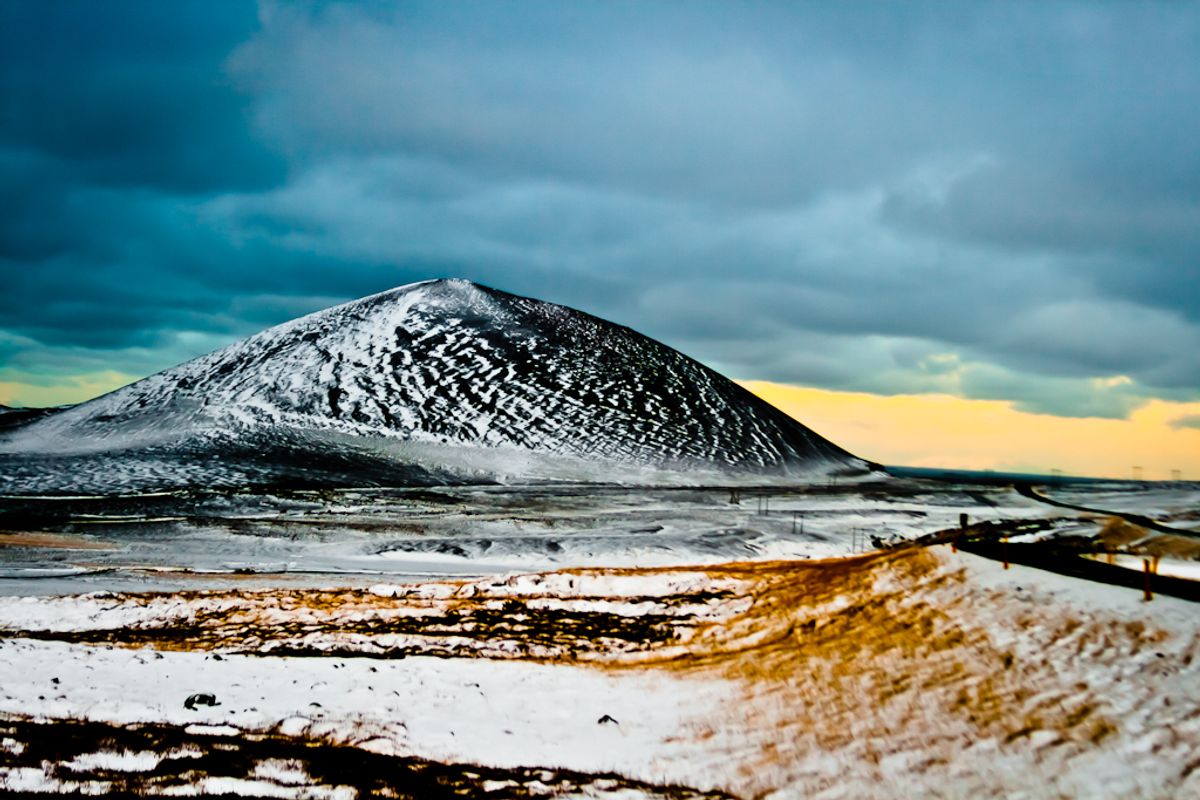
Gráakúla
West Iceland
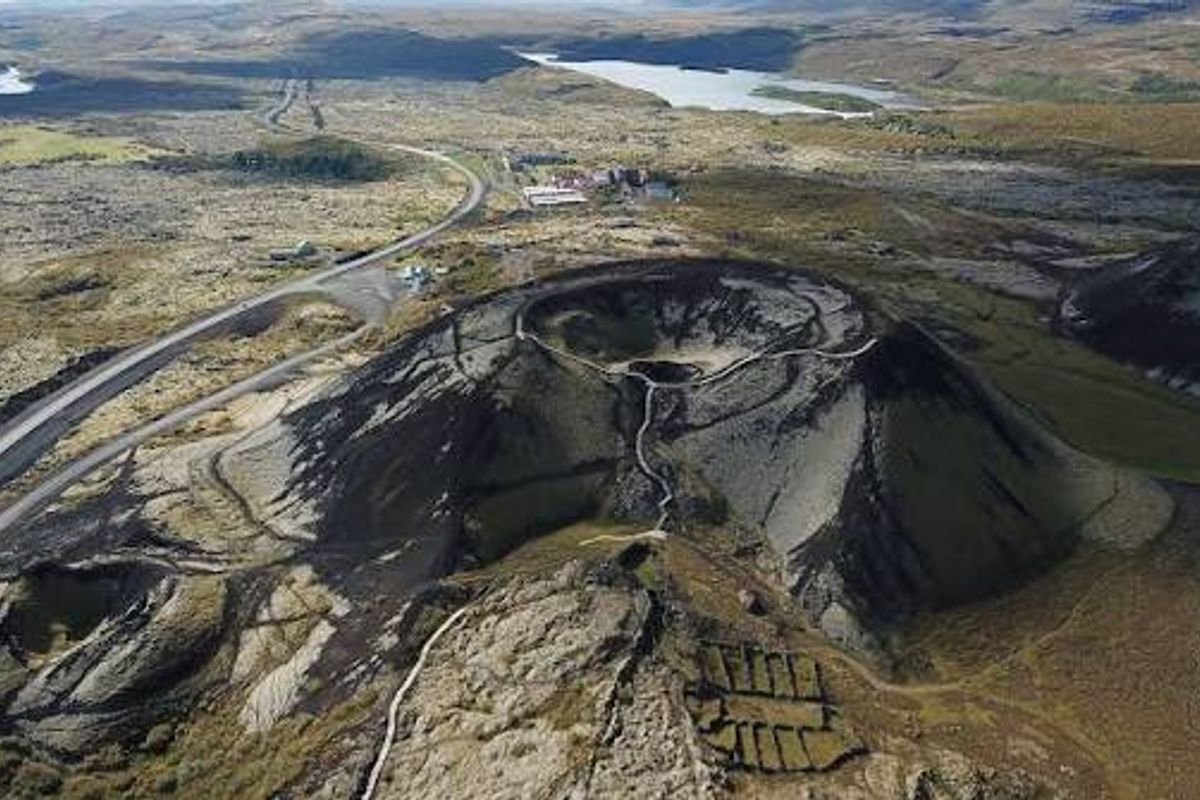
Grábrók
West Iceland
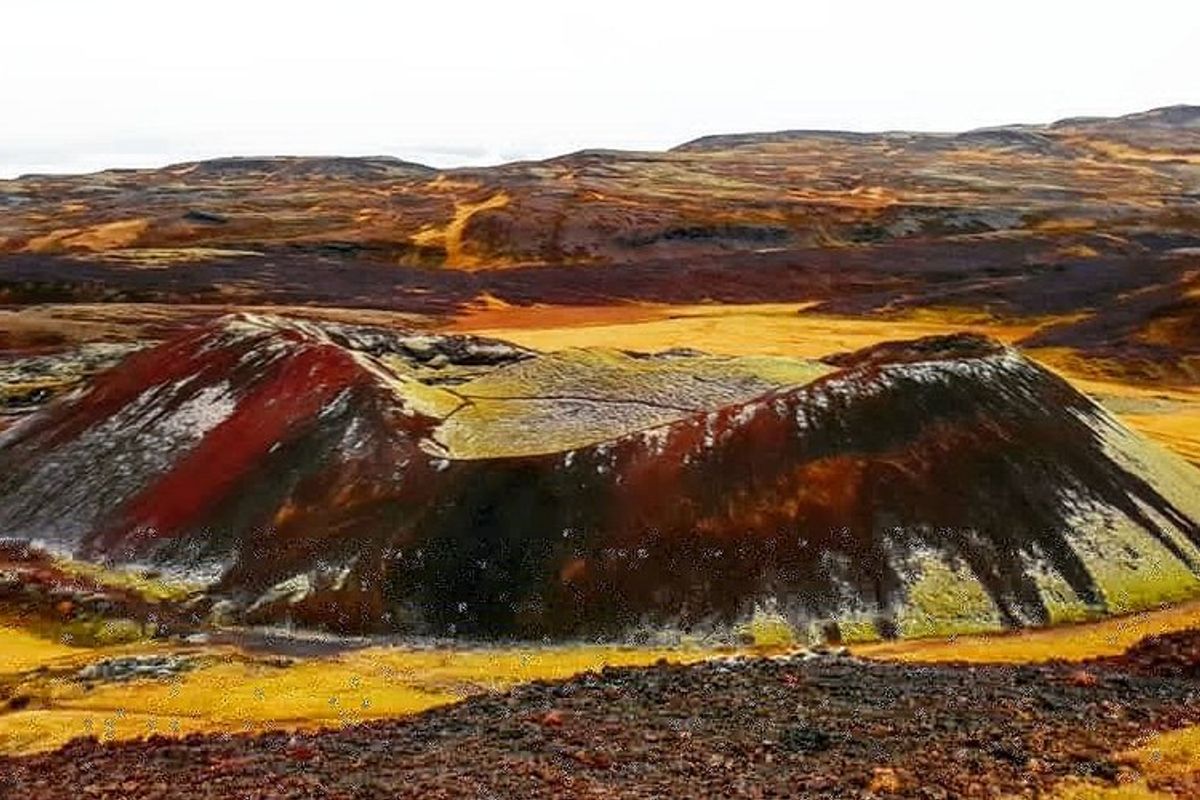
Grábrók Volcanic Crater
West Iceland
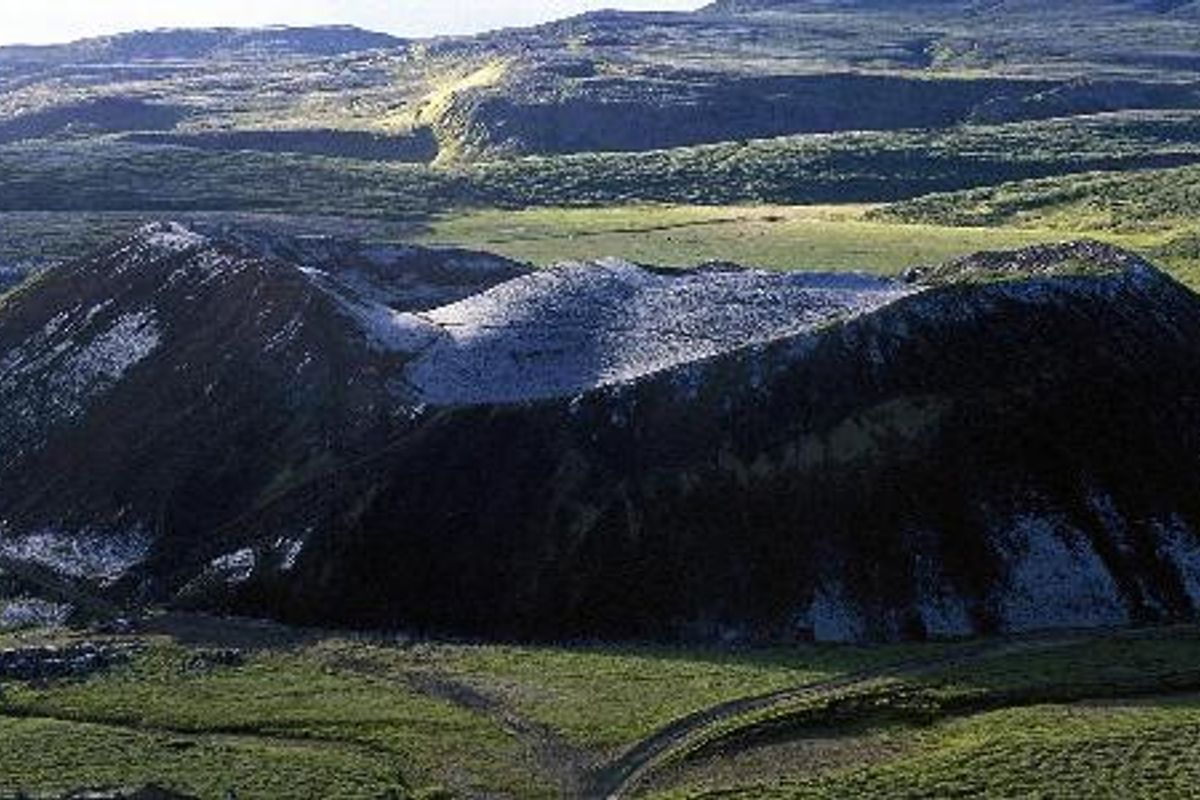
Grábrókarfell
West Iceland
 Subglacial Volcano
Grímsvötn
Highlands
 Stratovolcano
Hekla
South Iceland
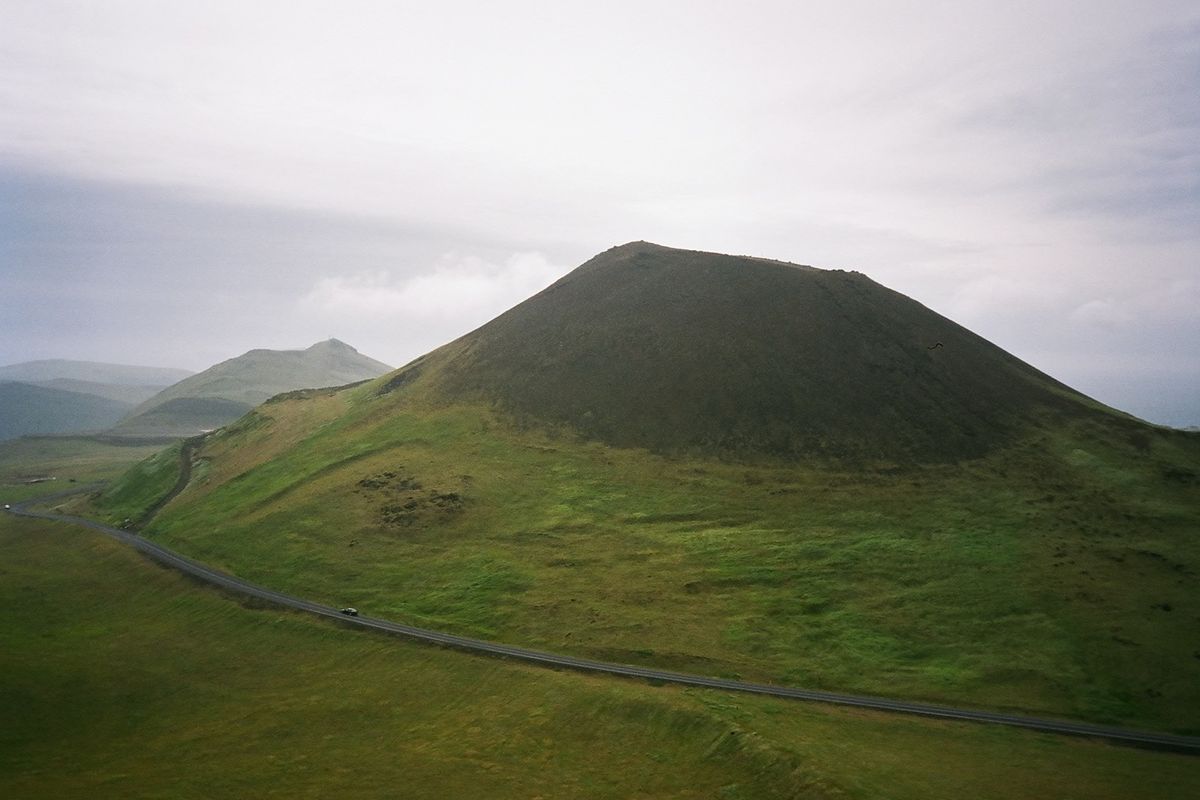
Helgafell
South Iceland
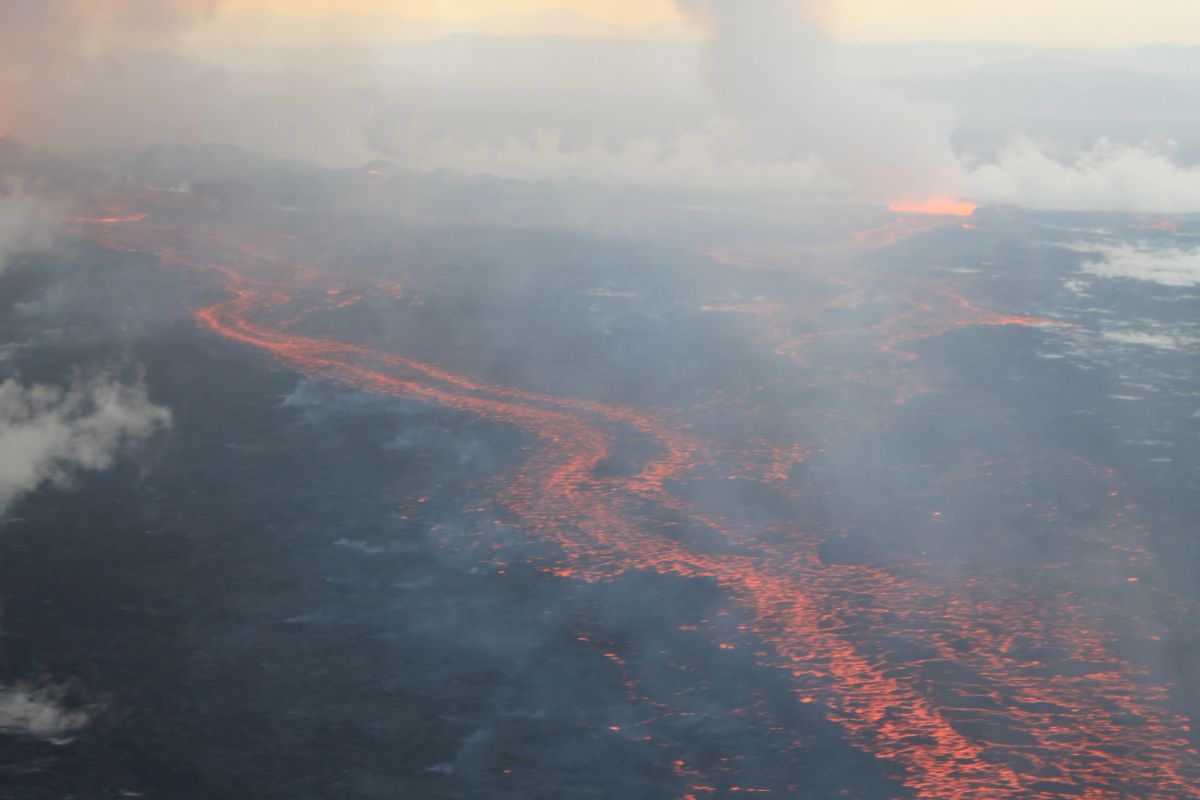
Holuhraun
Highlands
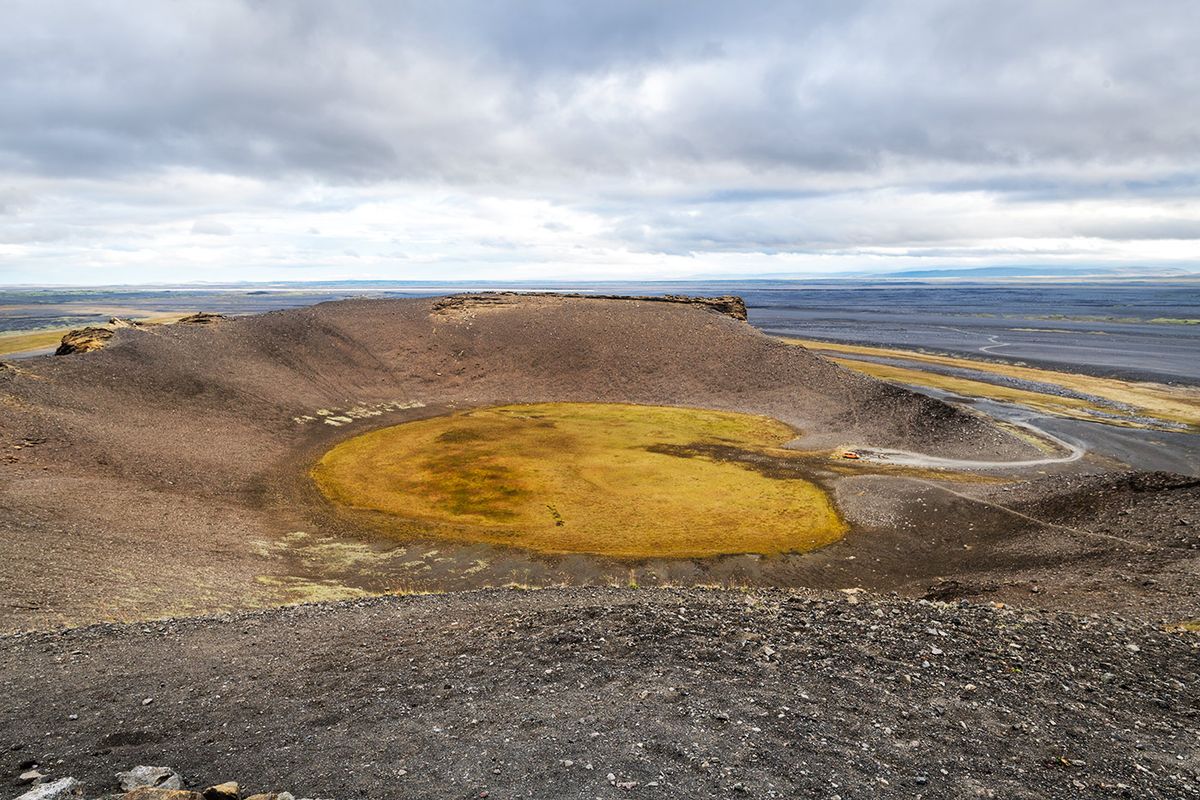
Hrossaborg
North Iceland
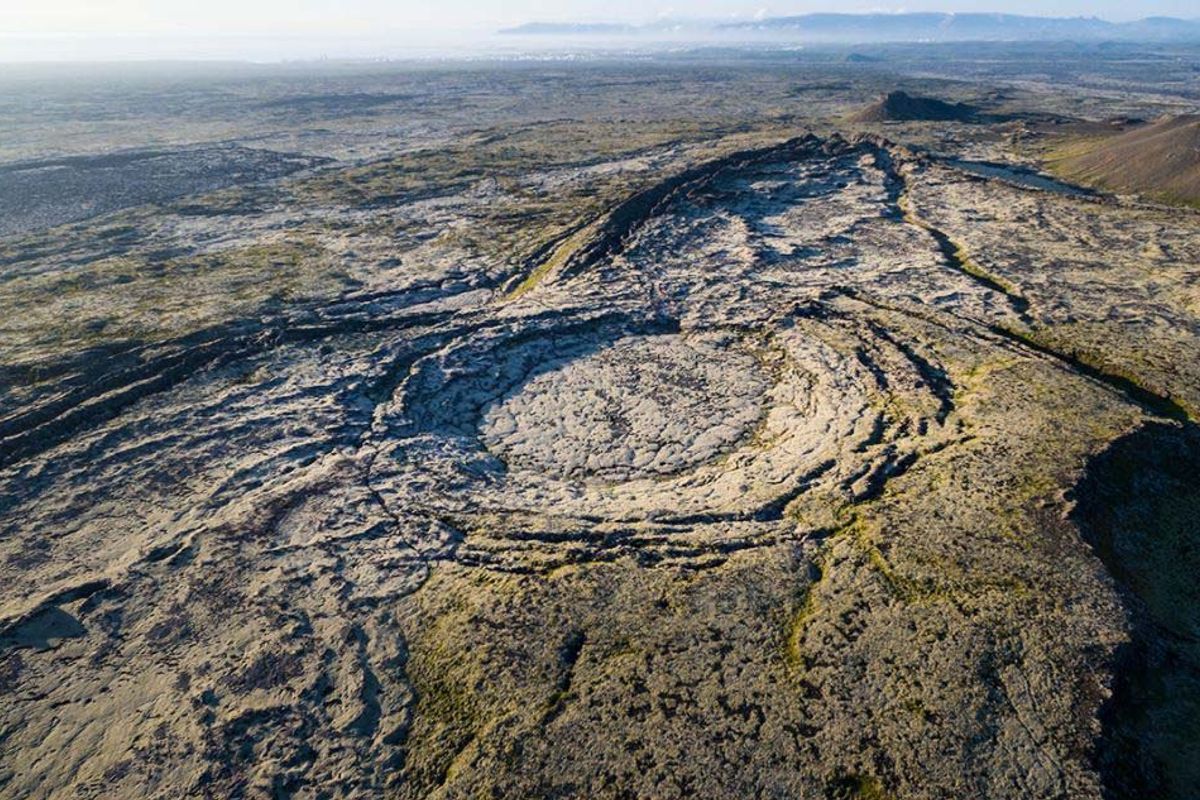
Hrútagjárdyngja
Reykjanes Peninsula
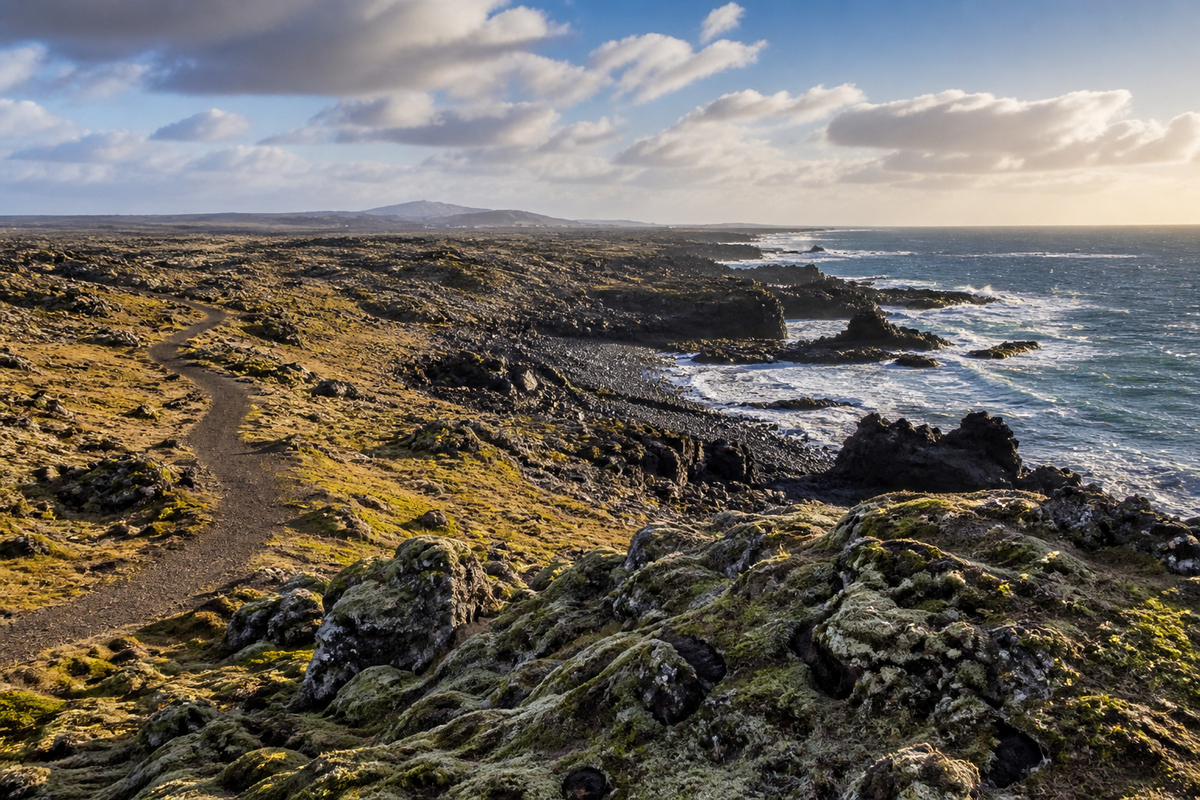
Hvassahraun
Reykjanes Peninsula
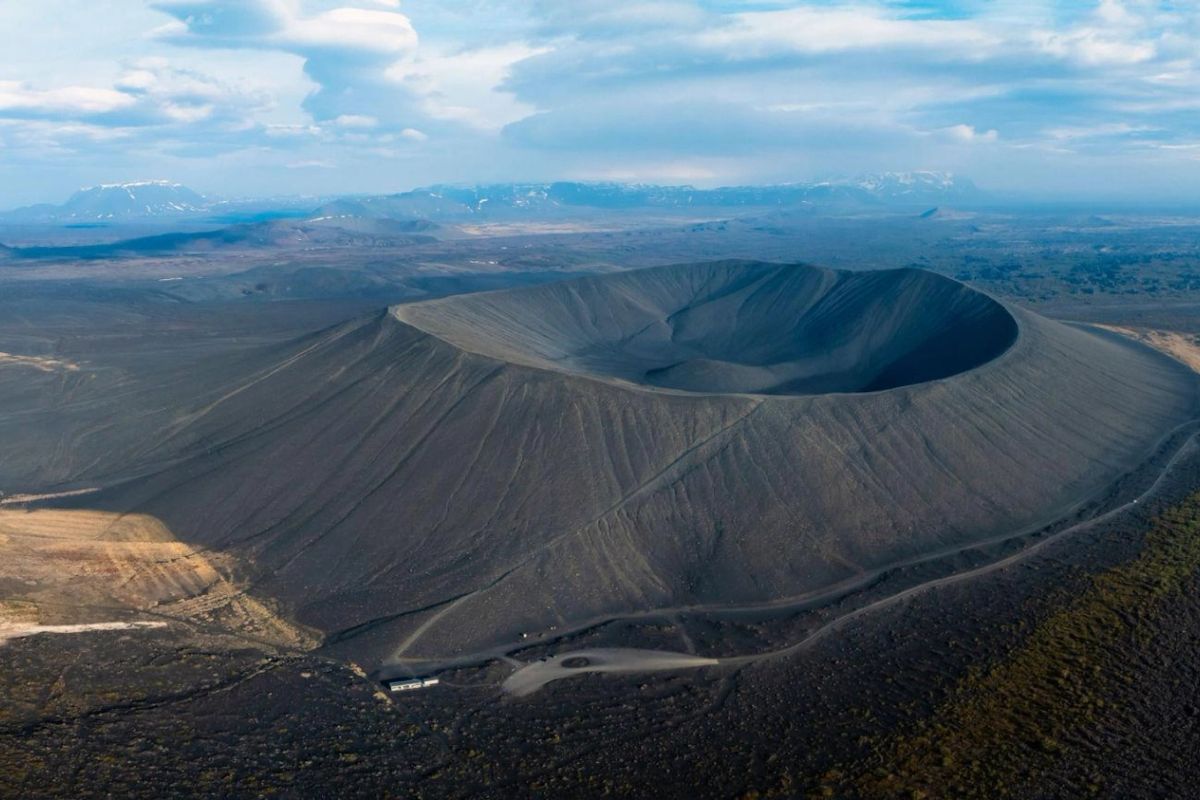
Hverfjall Tephra Ring
North Iceland
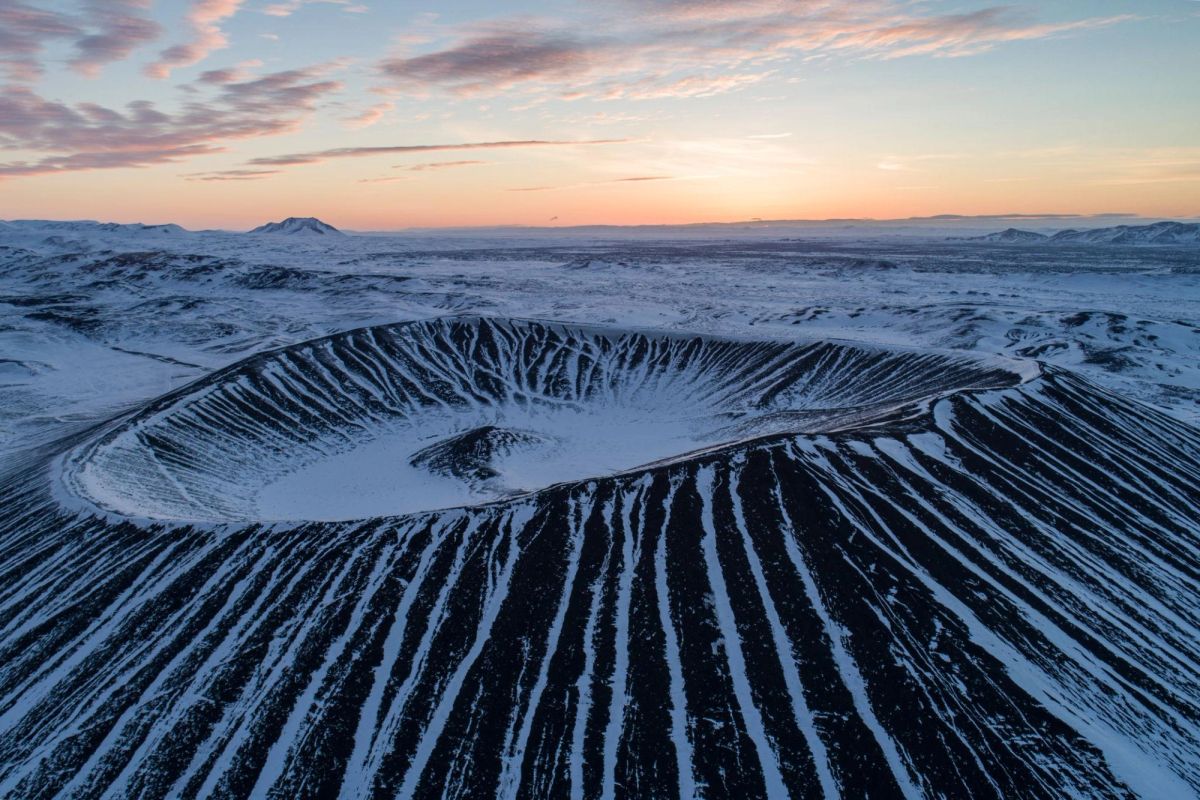
Hverfjall Volcanic Crater
North Iceland
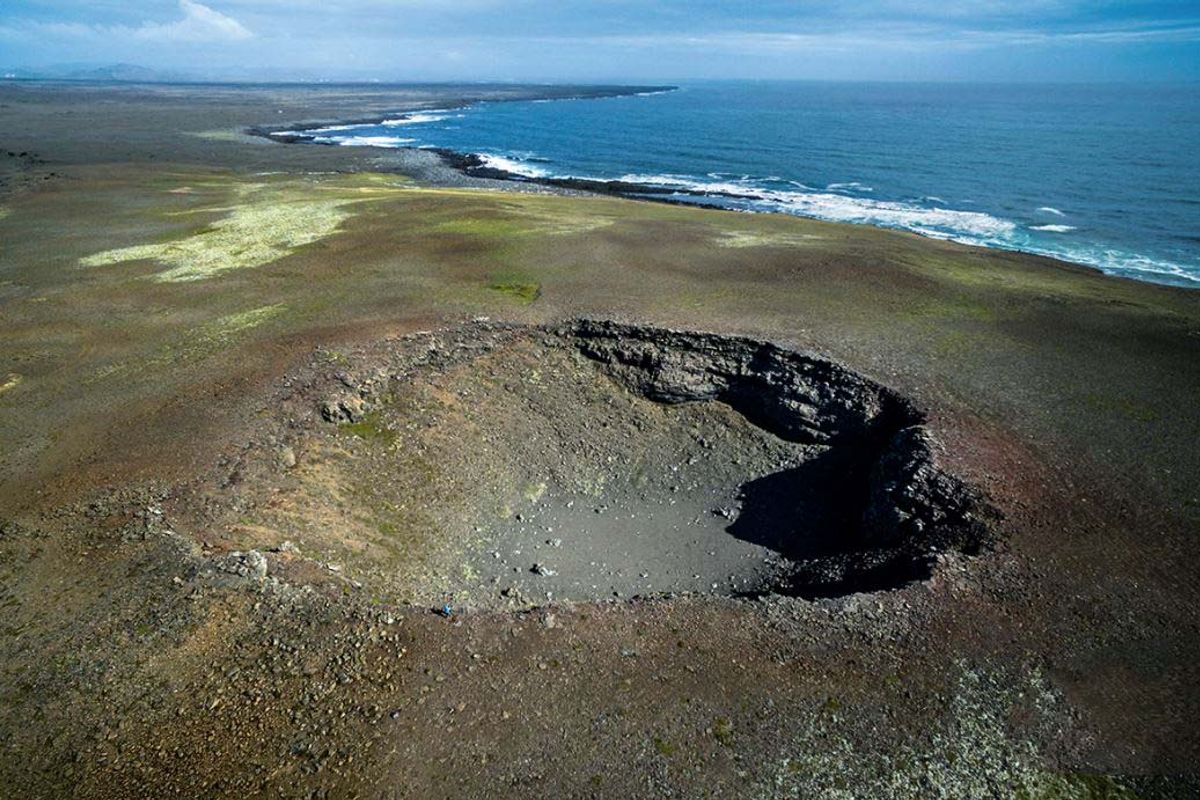
Háleyjabunga
Reykjanes Peninsula
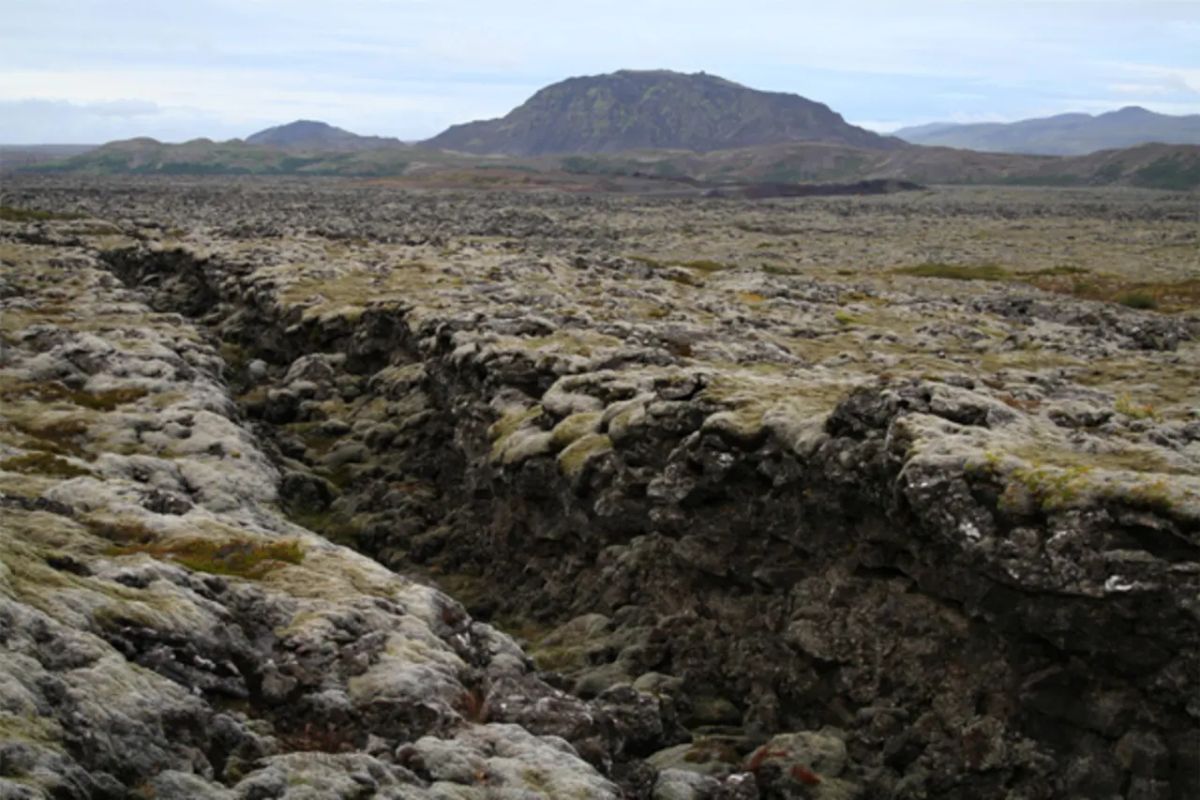
Kapelluhraun
South Iceland
 Subglacial Volcano
Katla
South Iceland
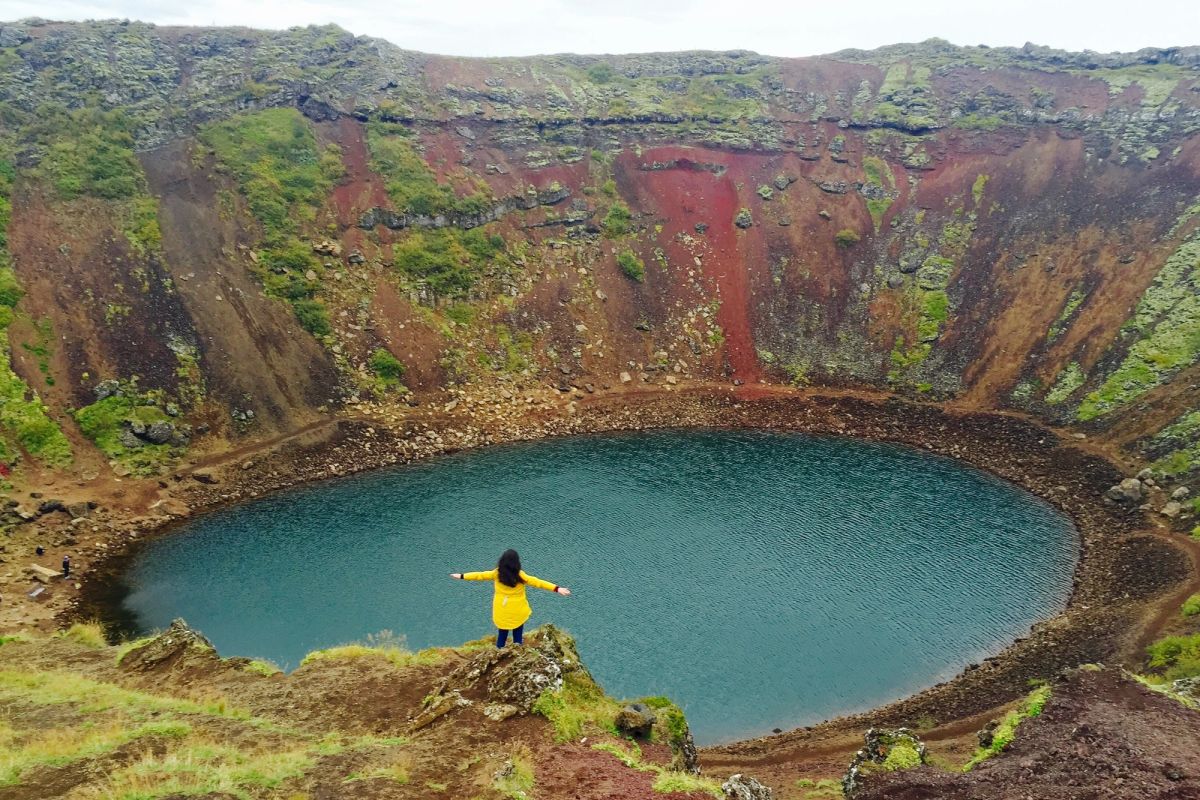
Kerið Crater Lake
South Iceland
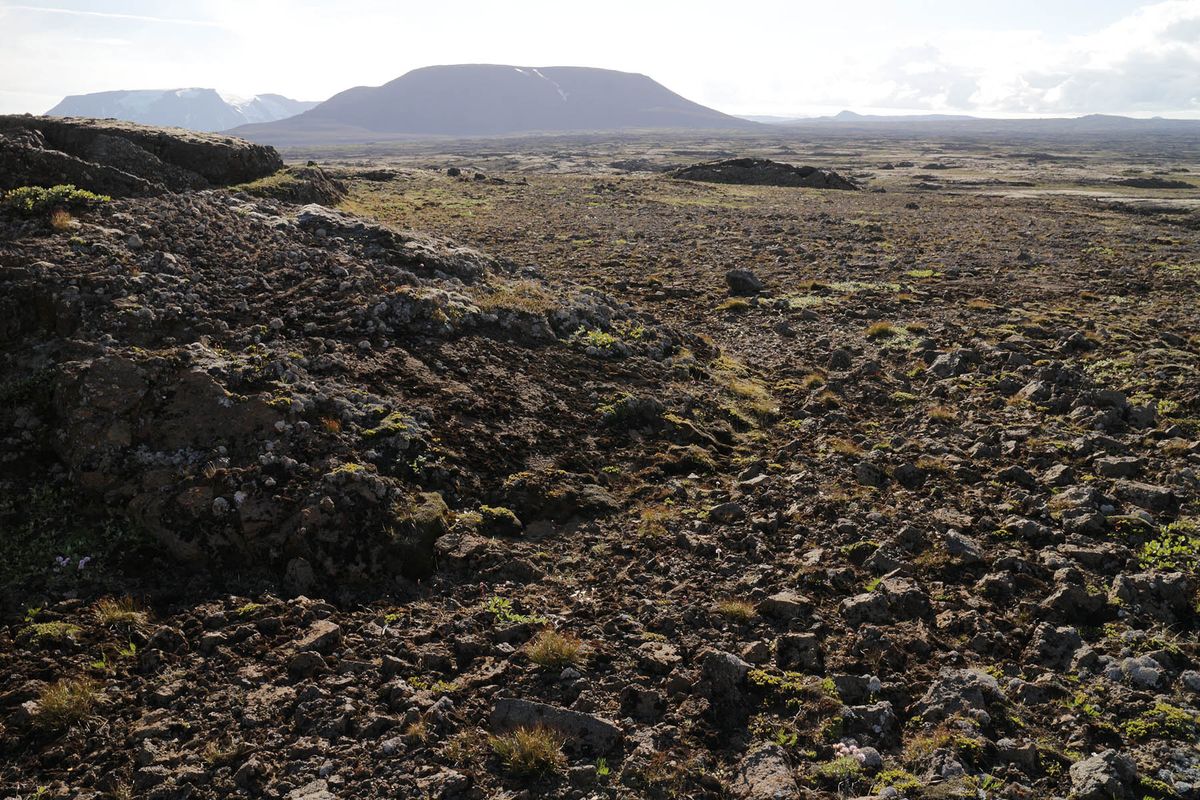
Kjalhraun
Highlands
 Caldera
Krafla
North Iceland
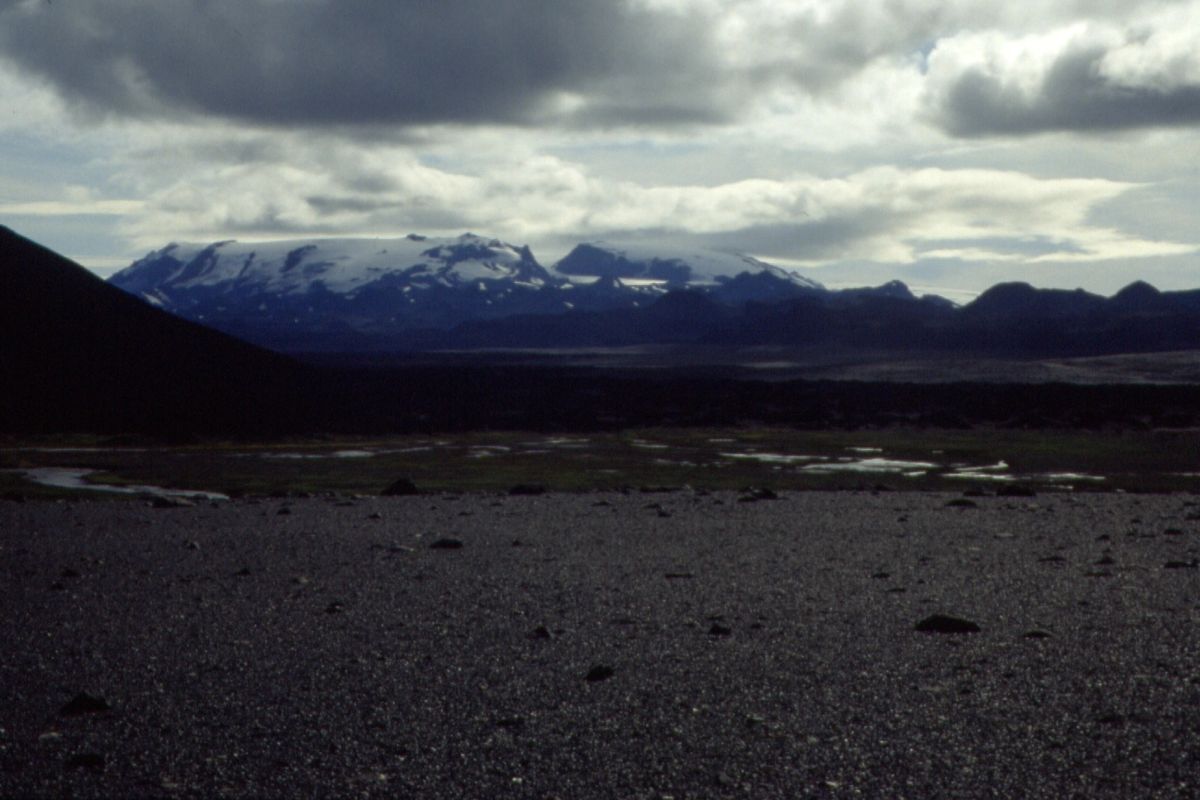
Kverkfjöll
Highlands
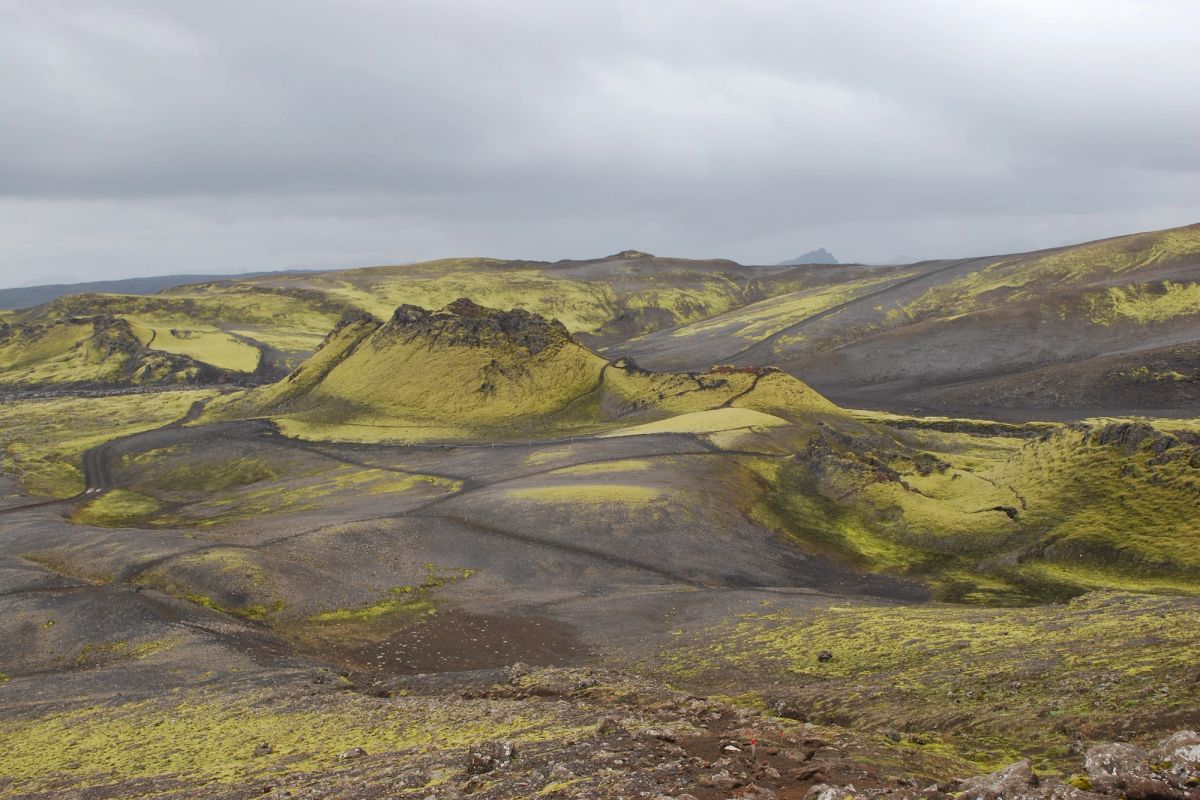
Lakagígar
South Iceland
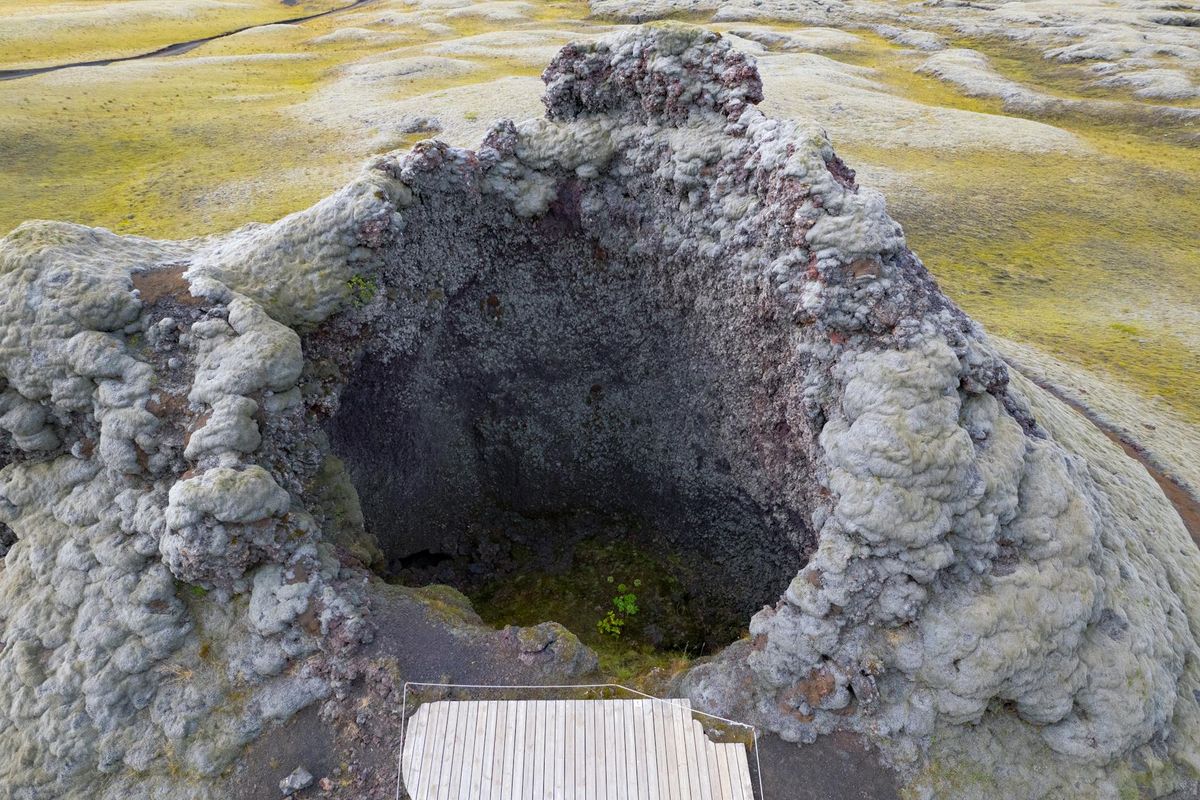
Lakagígar (Laki Craters)
Highlands
Laki
Highlands
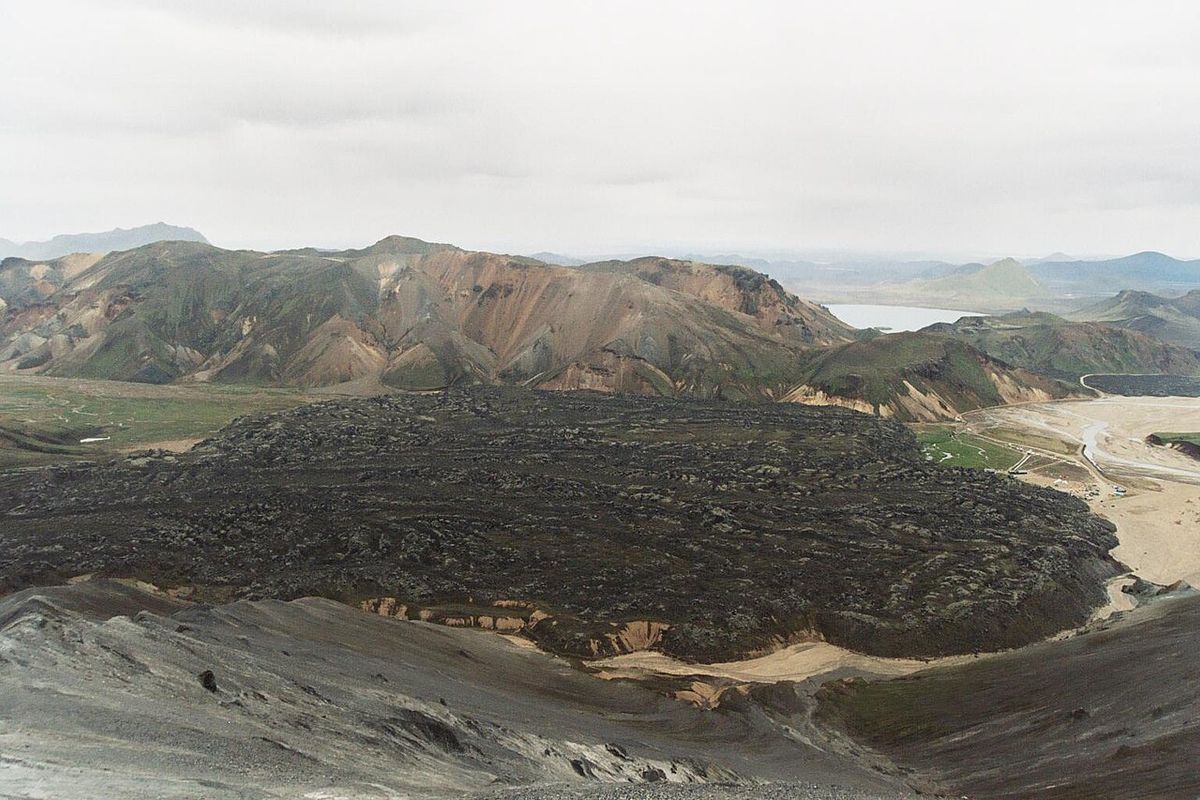
Laugahraun
Highlands
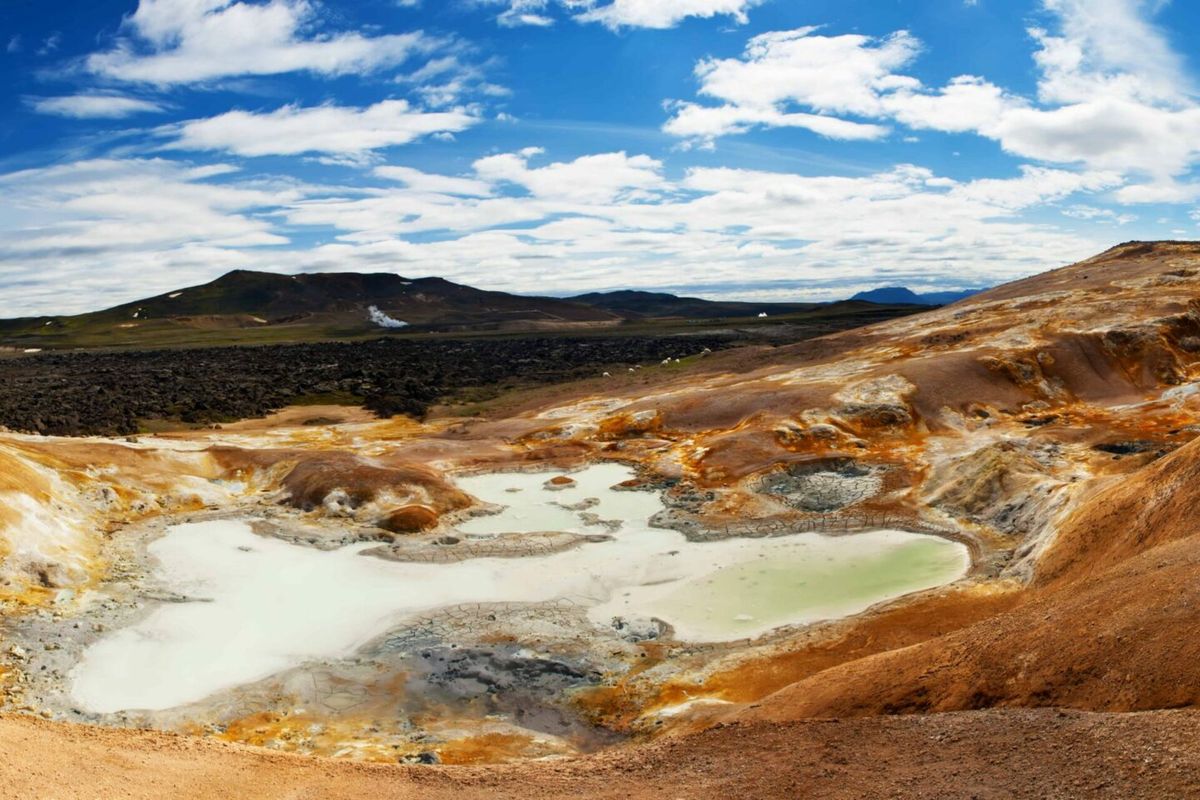
Leirhnjúkur
North Iceland
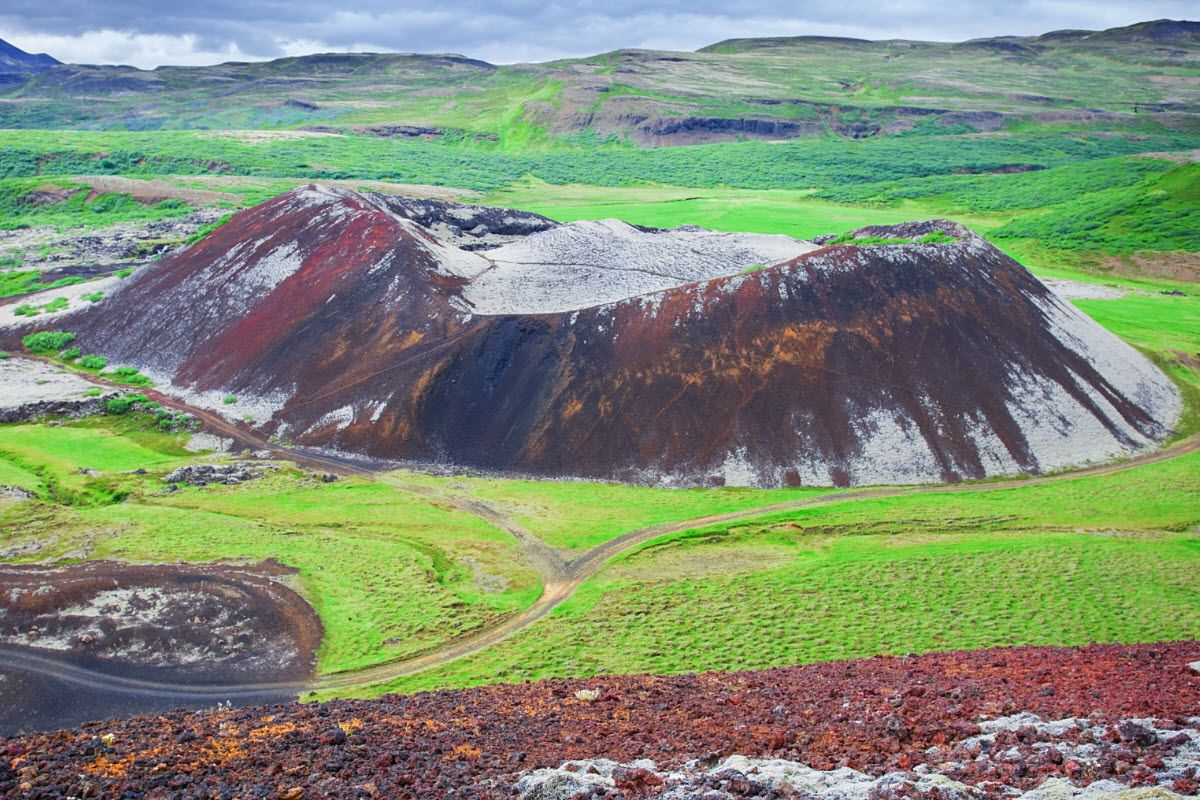
Litla Grábrók
West Iceland
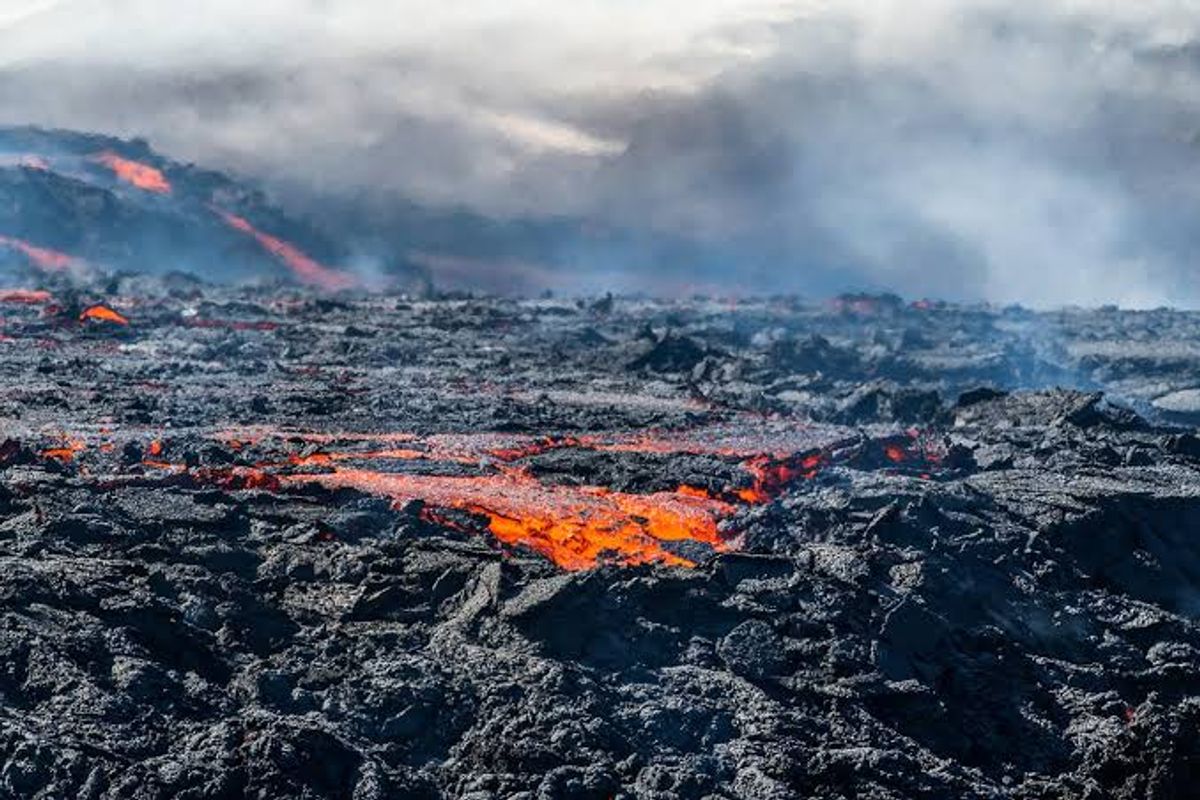
Gossprunga við Litla-Hrút 2023
Reykjanes Peninsula
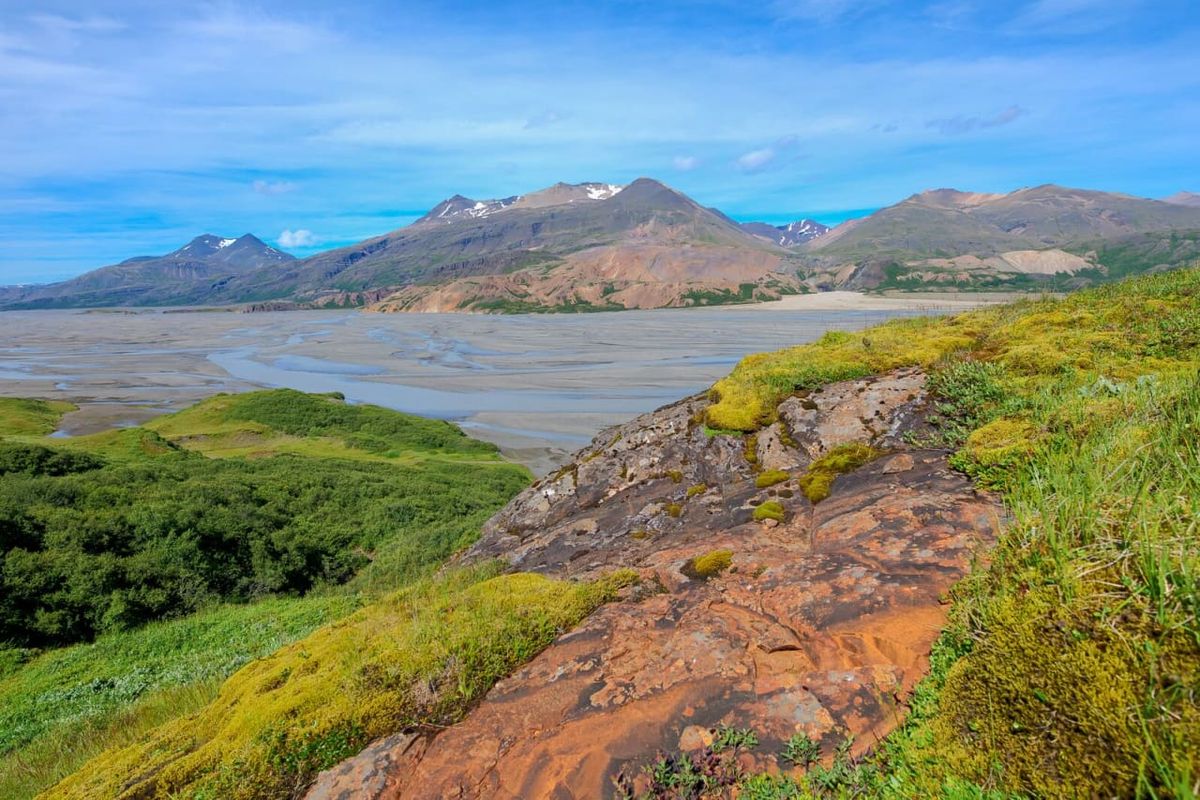
Lónsöræfi
East Iceland
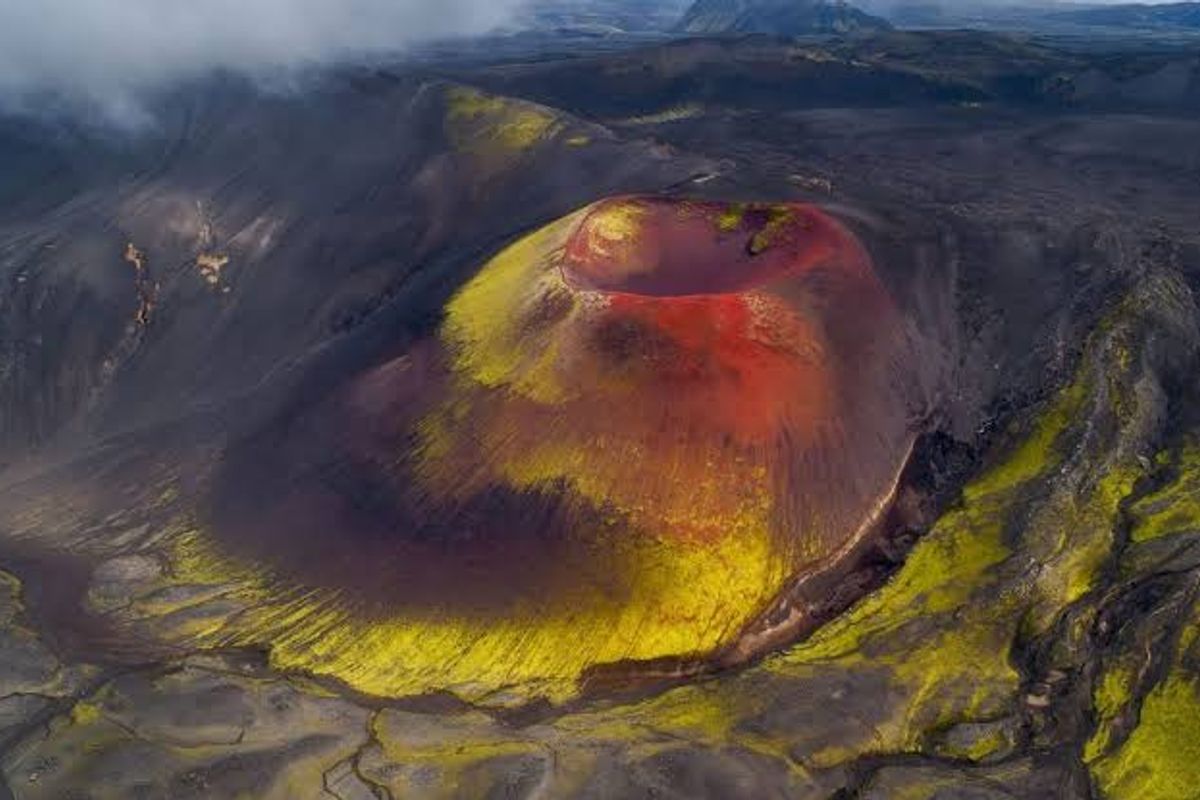
Rauðaskál
South Iceland
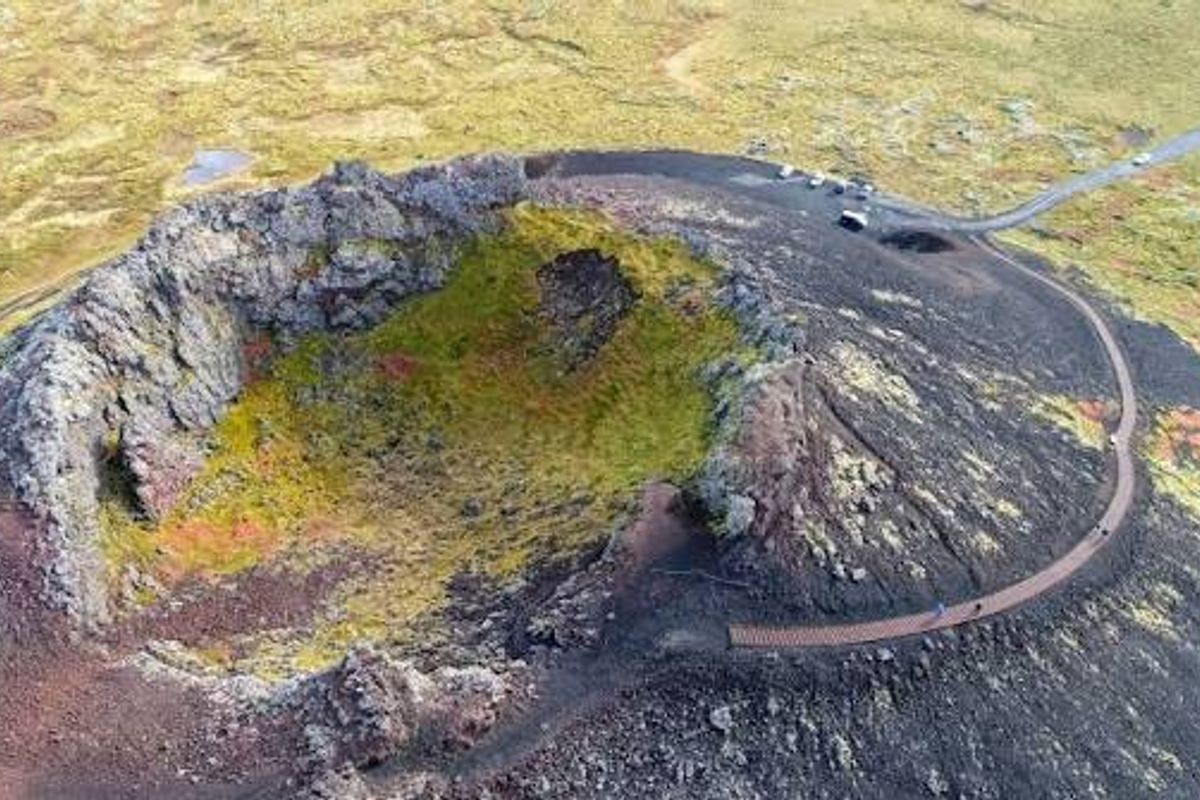
Saxhólar
West Iceland
Saxhóll
West Iceland
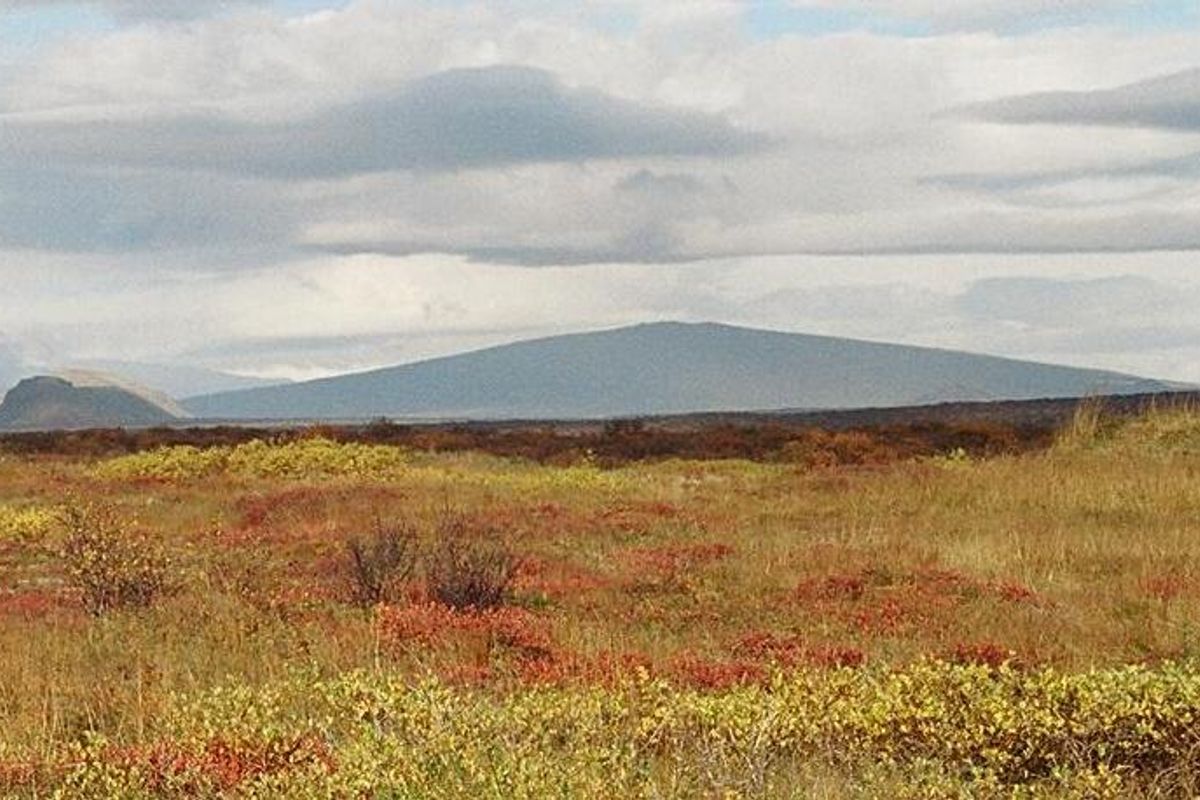
Skjaldbreiður
West Iceland
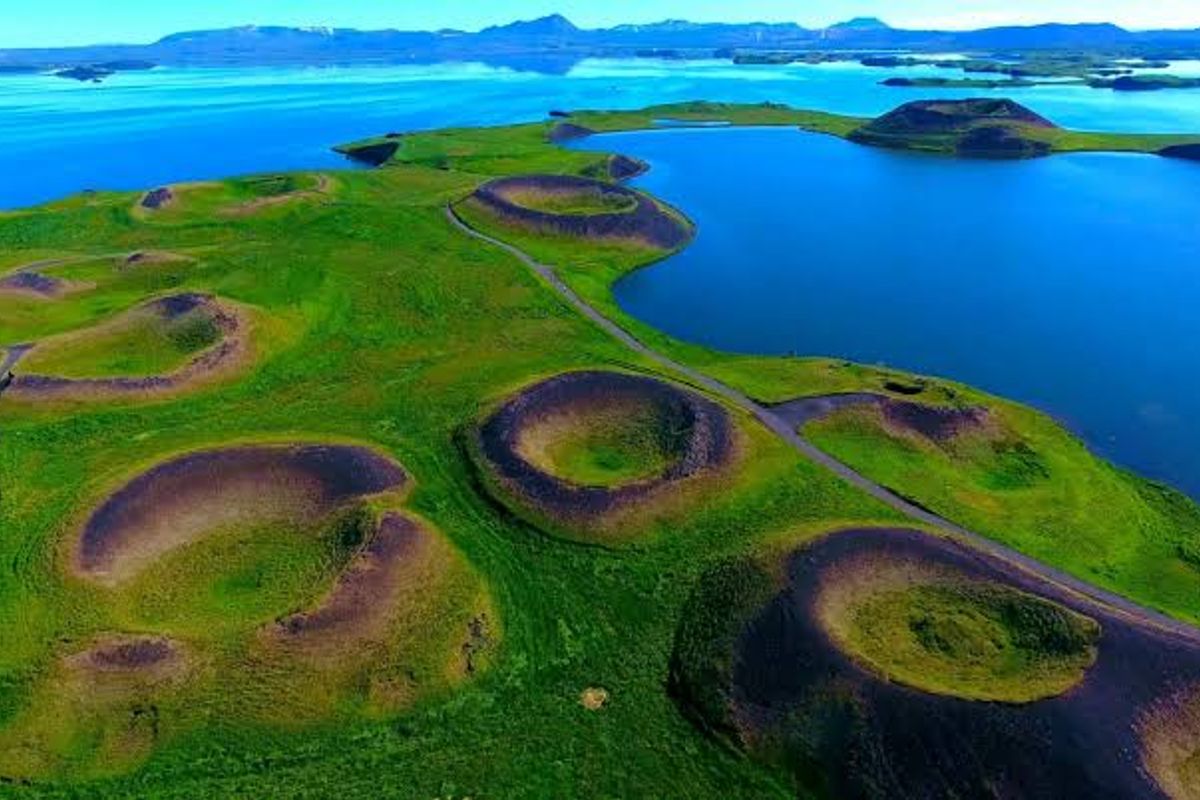
Skútustaðagígar
North Iceland
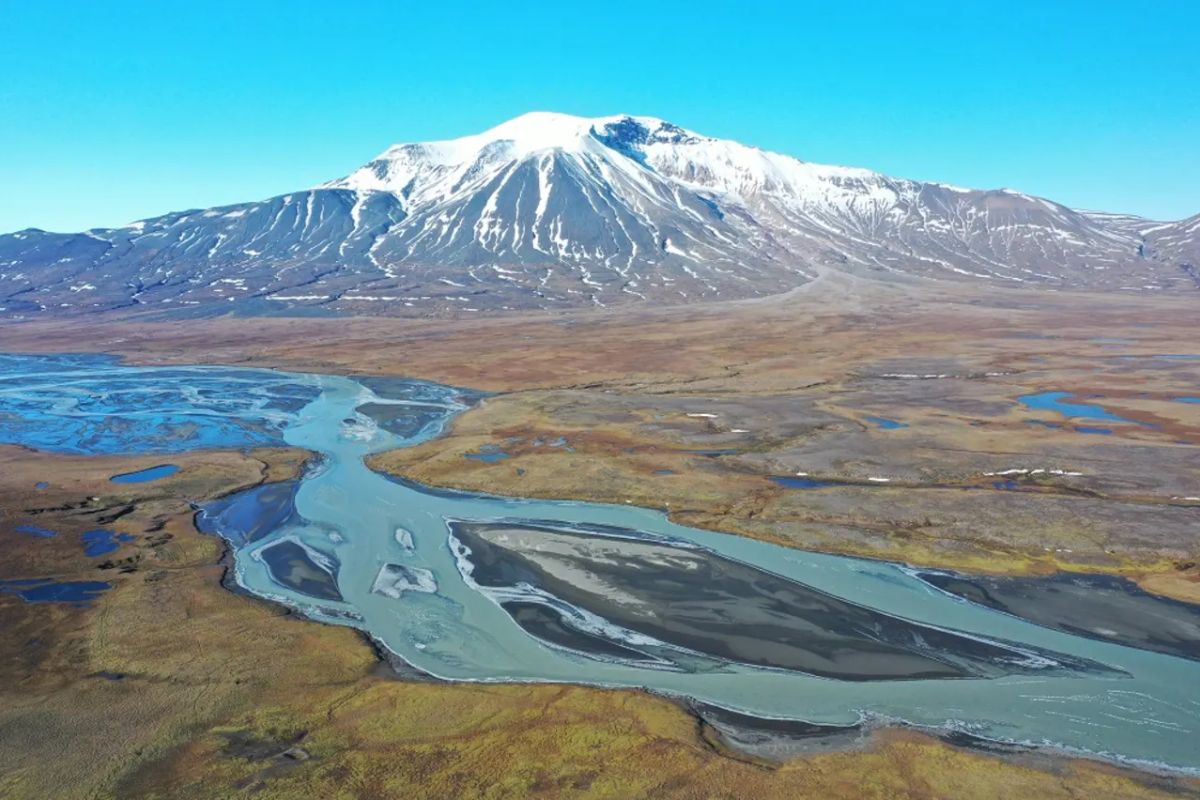
Snæfell
Highlands
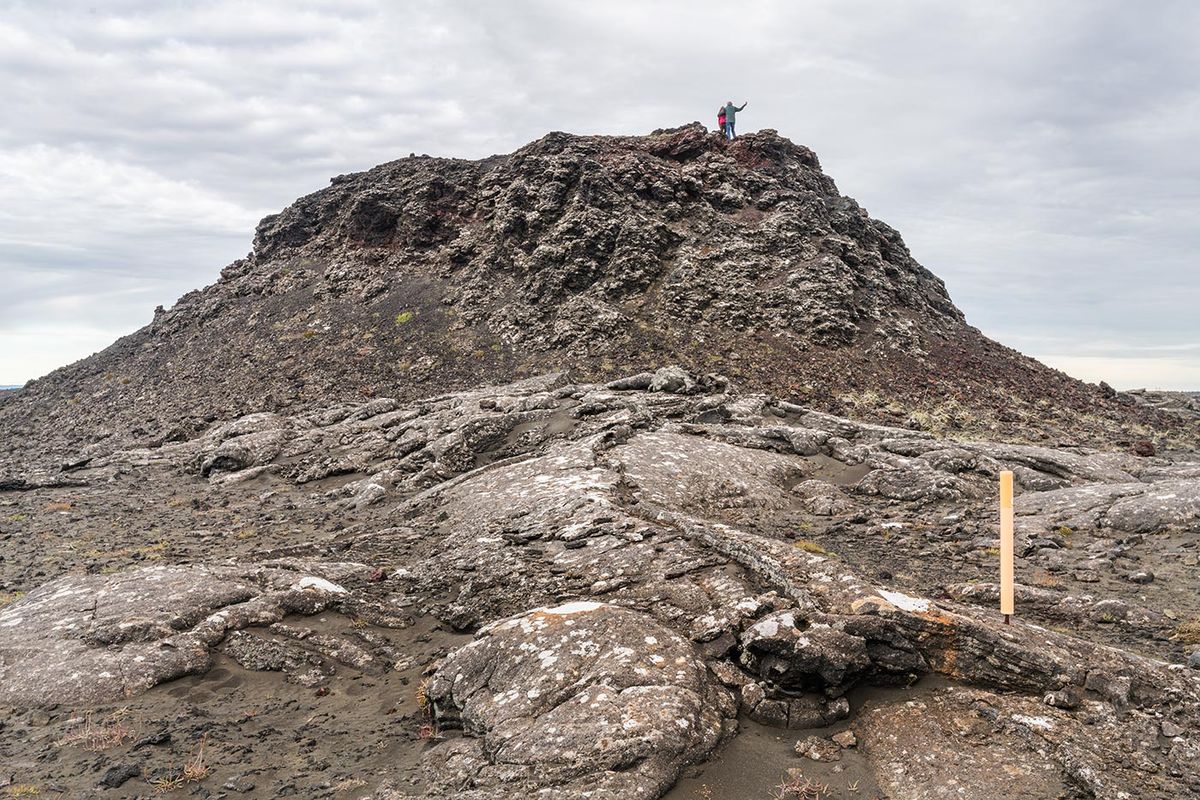
Stampar gígaröð
Reykjanes Peninsula
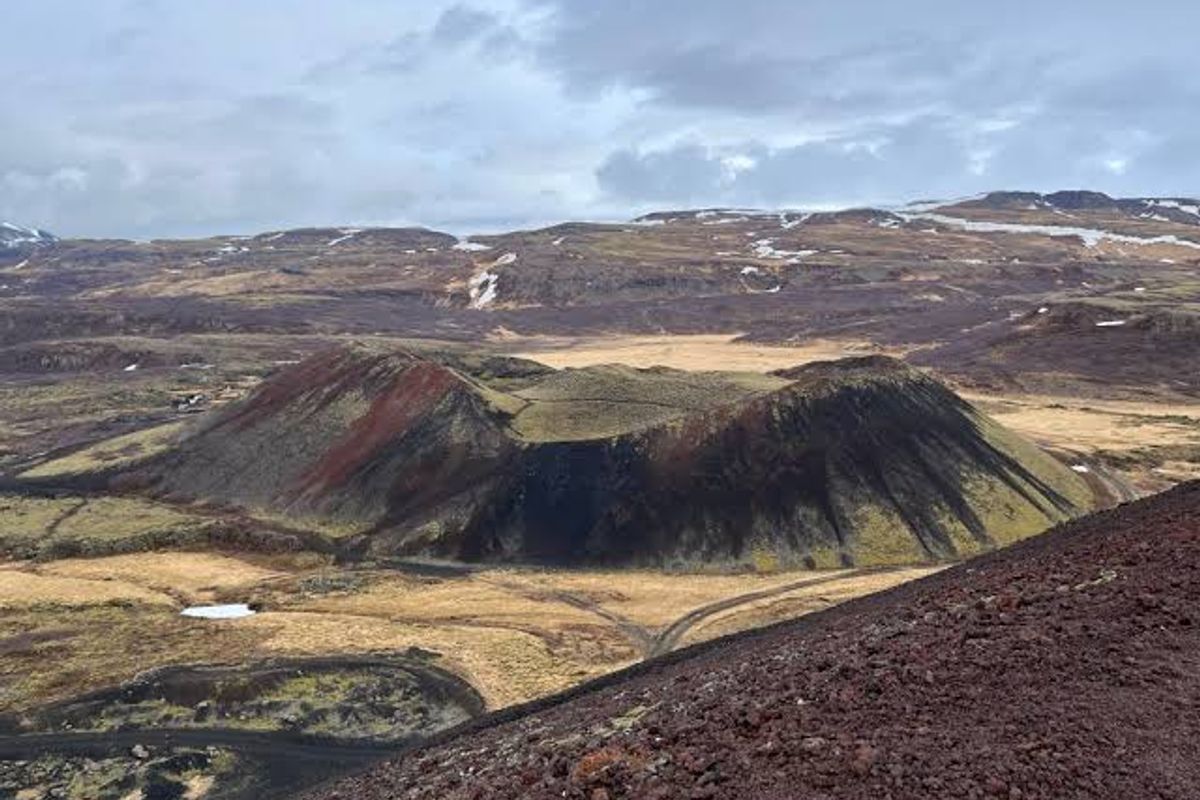
Stóra Grábrók
West Iceland
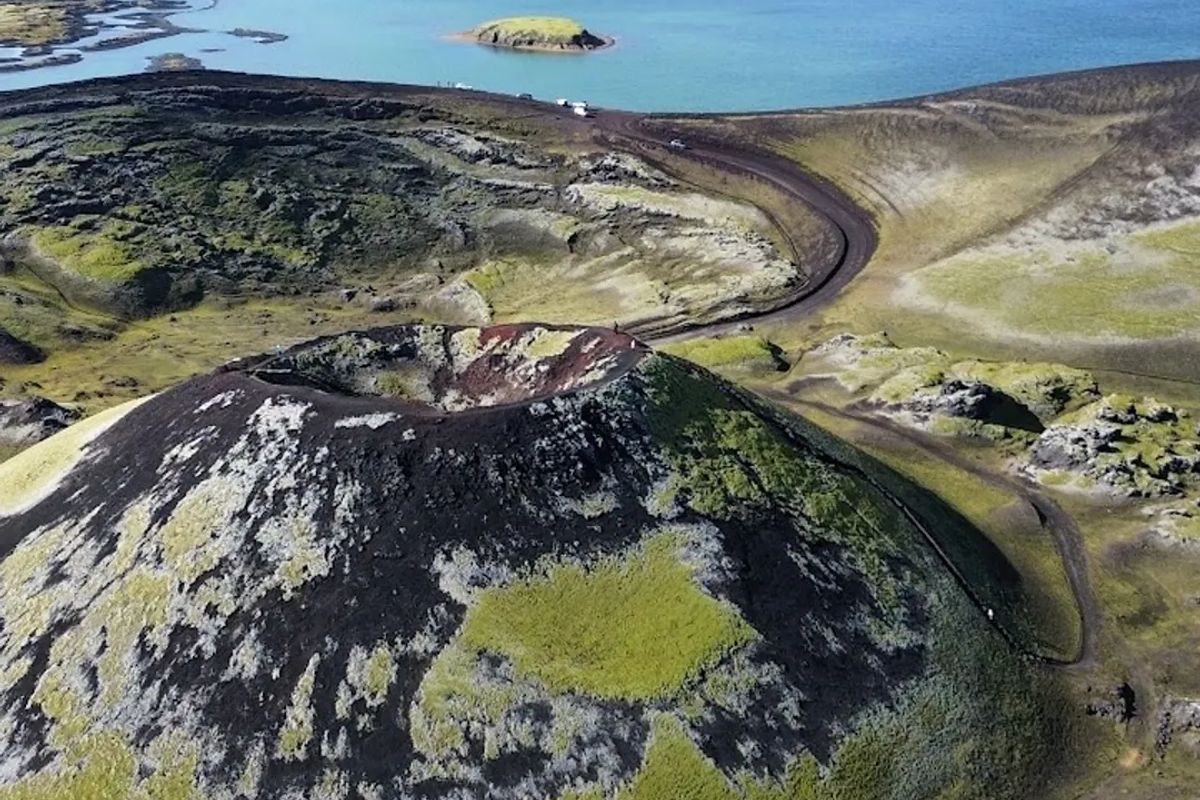
Stútur
Highlands
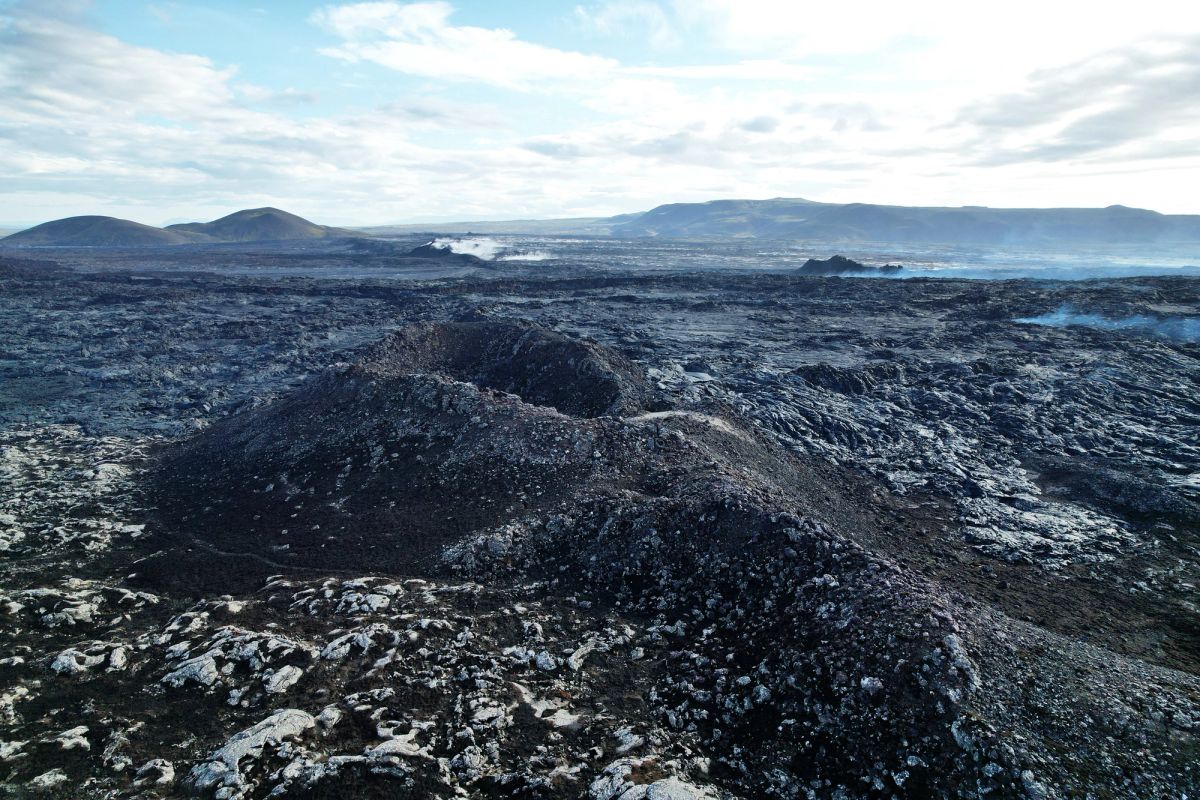
Gos í Sundhnúksgígum 2023
Reykjanes Peninsula
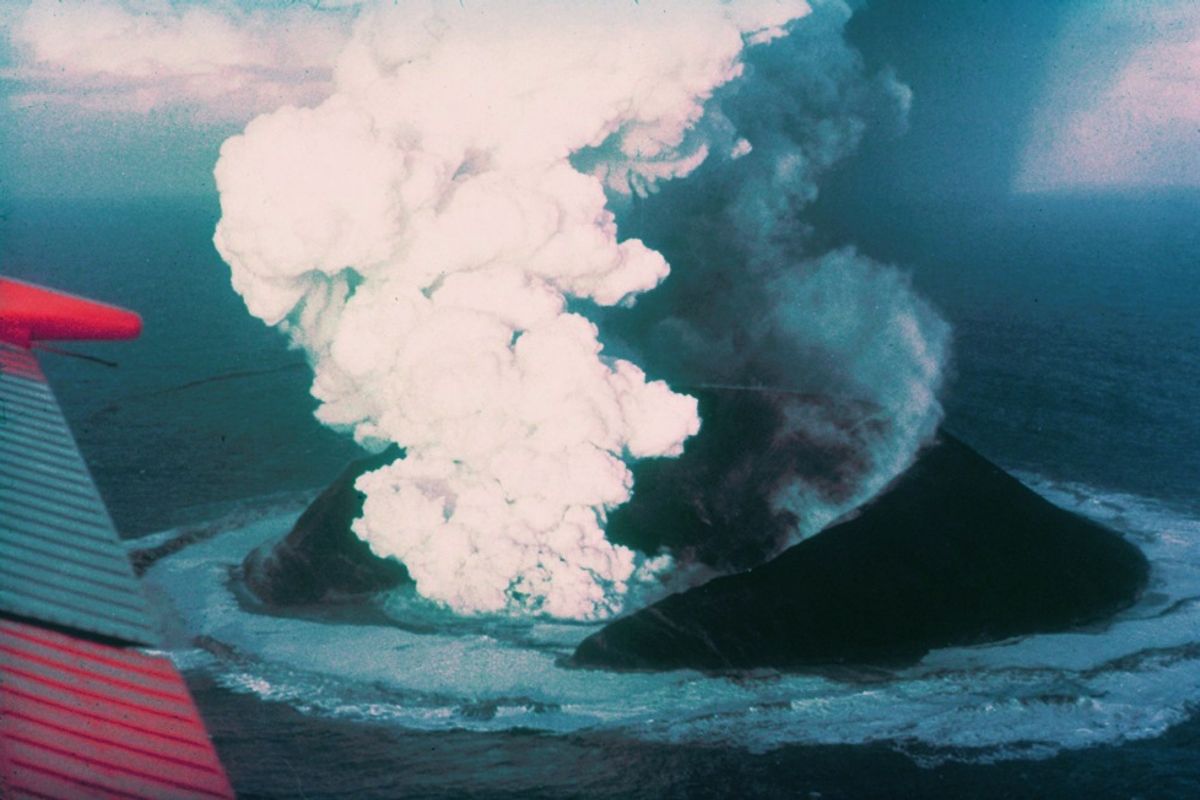
Surtsey
South Iceland
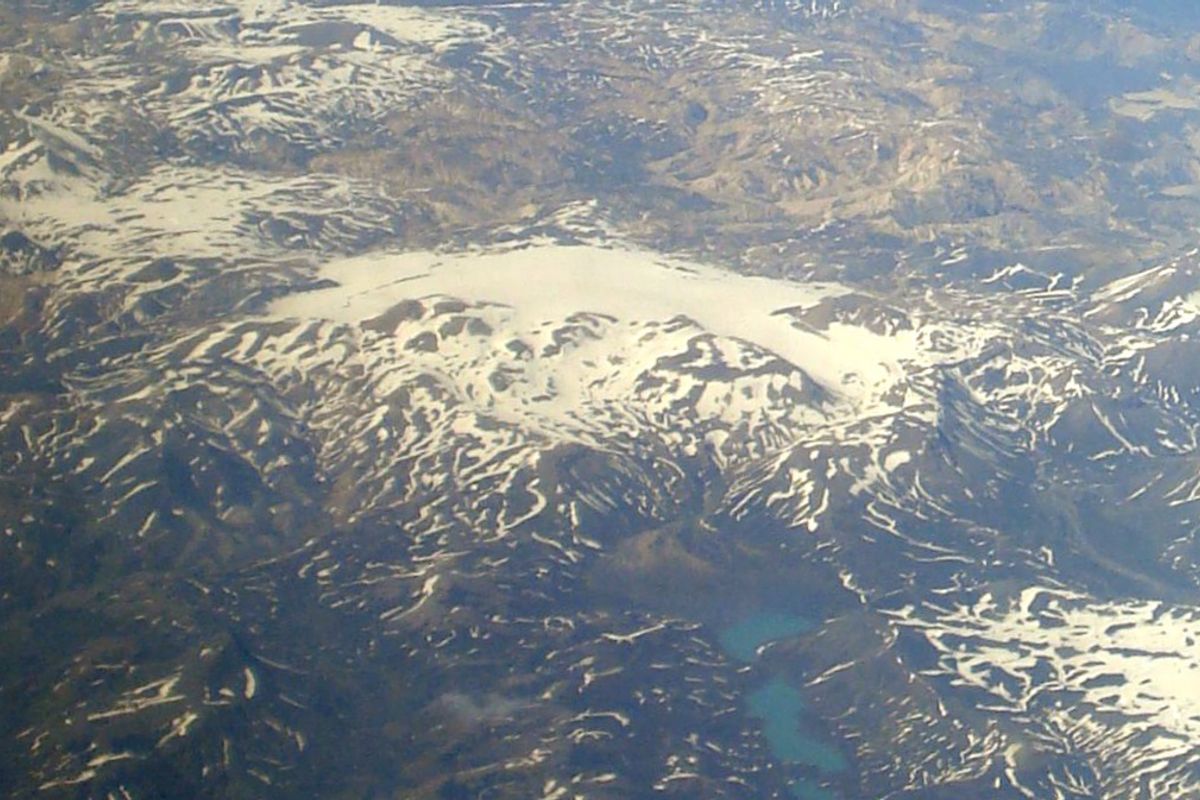
Torfajökull
Highlands
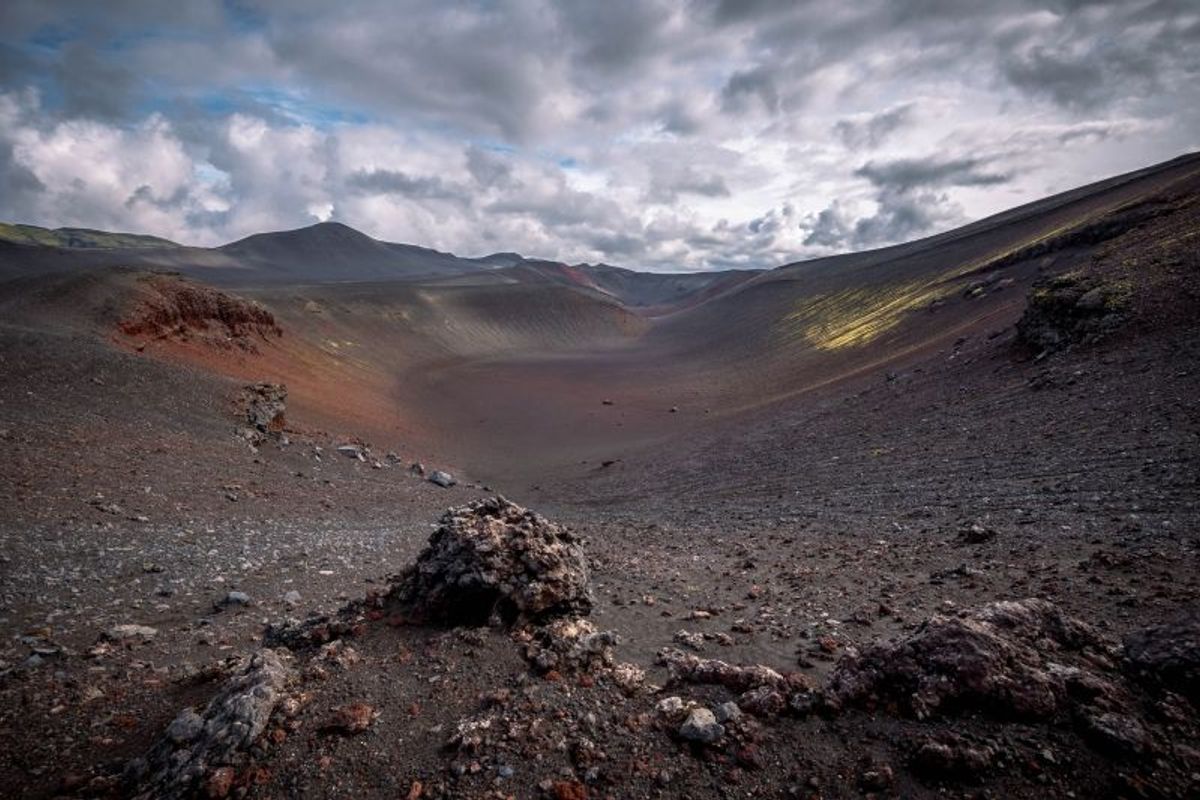
Valagjá
Highlands
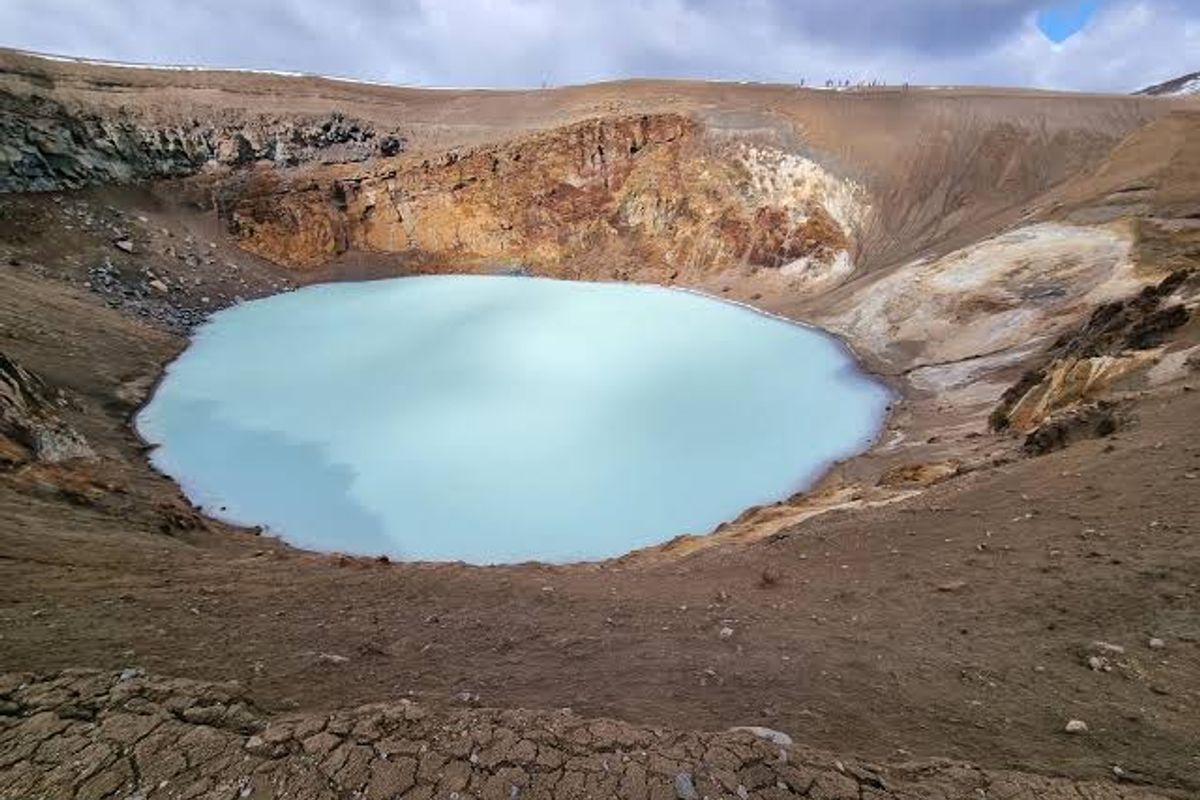
Víkraborgir
Highlands
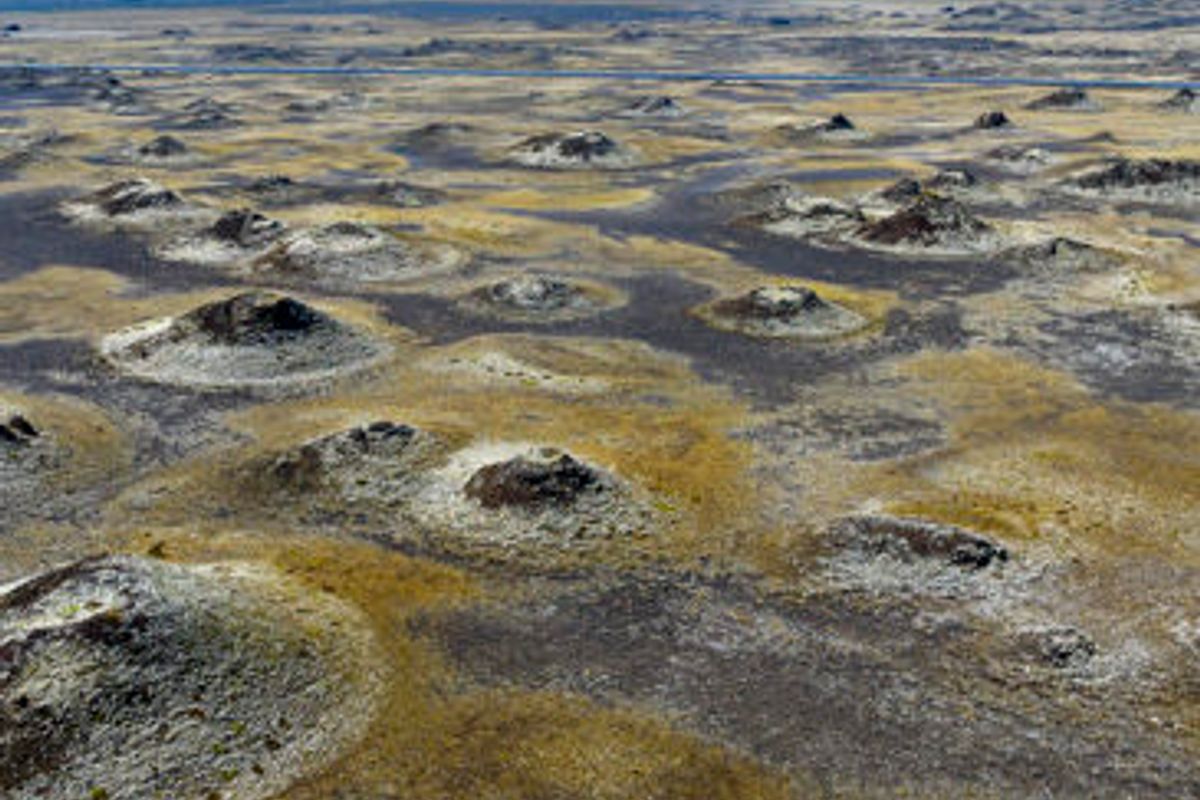
Álftaversgígar
South Iceland
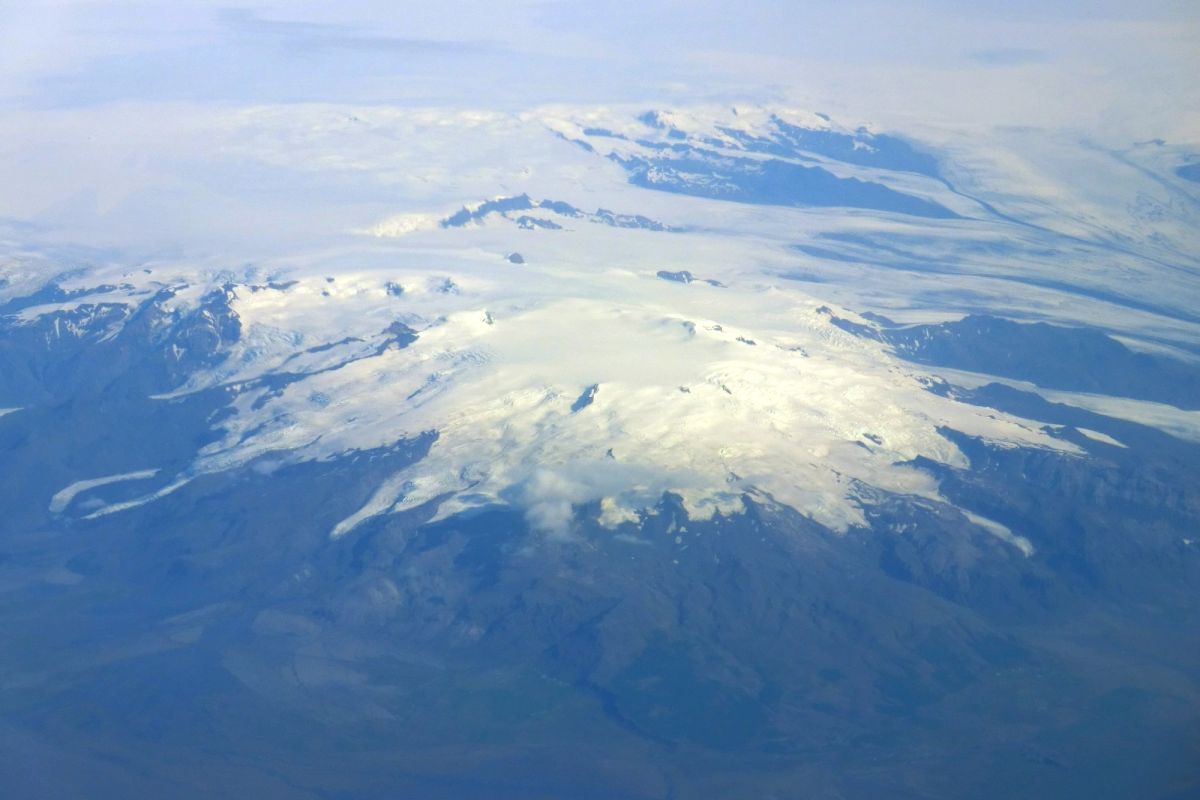
Öræfajökull
South Iceland
 10 hours
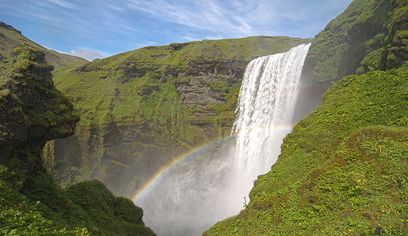
South Coast Small Group Tour: Waterfalls, Glacier & Black Sand Beach
BusTravel Iceland
Frá
17,990 ISK
 8 hours
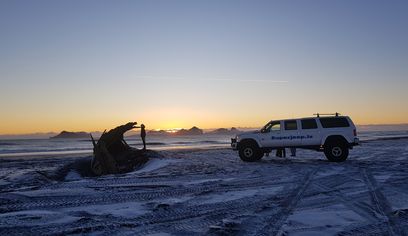
DT 402 Private Monster Truck South Coast & Eyjafjallajökull Volcano Sights
Superjeep
Frá
423,200 ISK
 10 hours
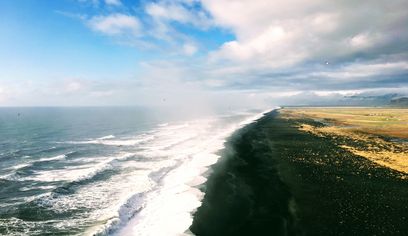
Private South Coast tour
EastWest
Frá
220,000 ISK
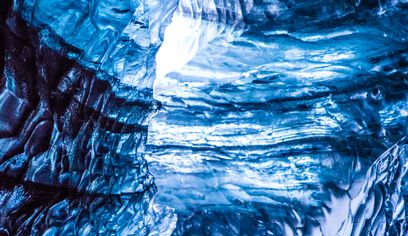 11 hours
DT 02 South Coast and Katla Ice Cave
Superjeep
Frá
85,580 ISK
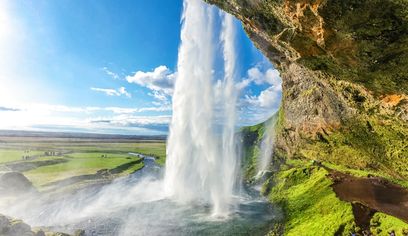 11 hours
Private Premium South Coast Small Group Tour
Iceland Horizon - Saga Travel - GeoIceland
Frá
299,900 ISK
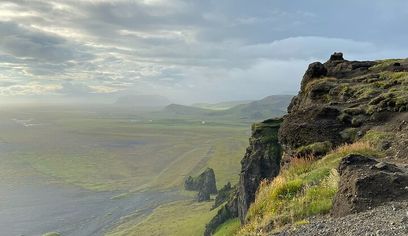 14 hours
4x4 South Coast and Diamond Beach Tour (Private 1-4 Pax)
Crystal Cave Tours
Frá
265,351 ISK
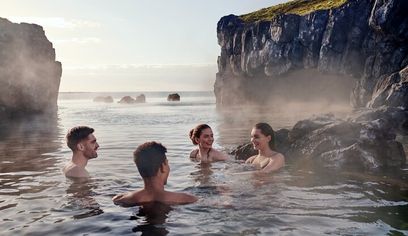 13 hours
South Coast & Sky Lagoon Saman Pass Tour
BusTravel Iceland
Frá
29,990 ISK
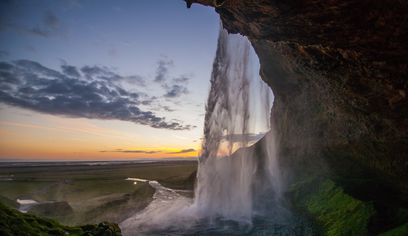 10 hours
Private South Coast Tour
David The Guide
Frá
199,900 ISK
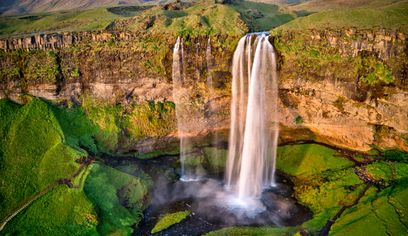 10 hours
Private Bespoke South Coast Tour
Your Friend in Reykjavik
Frá
254,900 ISK
Eldfjallahætta á Íslandi
Check Before You Go
- •Always check safetravel.is for volcanic activity warnings
- •Monitor Icelandic Met Office (vedur.is) for eruption updates
- •Never ignore closed roads or barriers — volcanic areas change rapidly
- •Follow guidance from local authorities and emergency services
Near Active Lava
- •Keep at least 50–100 metres from active lava flows
- •Fresh lava remains dangerously hot for months or years
- •Volcanic gases can be deadly — respect gas warnings
- •Never walk on thin lava crusts — the lava beneath may still be molten
- •Wear sturdy hiking boots — sharp lava tears through regular shoes
Emergency Preparedness
- •Bring a charged phone but expect no signal in remote areas
- •Tell someone your plans before visiting remote volcanic areas
- •Emergency number in Iceland: 112
- •Download offline maps — GPS works even without mobile signal
- •Bring extra food, water and warm layers for highland volcano trips
Algengar Spurningar
How many volcanoes are there in Iceland?
Iceland has approximately 130 volcanoes and around 30 active volcanic systems. About 13 of these have erupted since Norse settlement in the 9th century AD.
Which is the most active volcano in Iceland?
Grímsvötn beneath Vatnajökull glacier is Iceland's most frequently erupting volcano, with eruptions approximately every 5–10 years. Hekla in South Iceland is also highly active with more than 20 recorded eruptions.
Can you visit volcanoes in Iceland?
Yes — many volcanic areas are accessible. Krafla near Mývatn, the Reykjanes Peninsula lava fields, and Snæfellsjökull are all accessible. Remote highland volcanoes like Askja and Laki require 4WD and are only accessible in summer.
Is it safe to visit volcanoes in Iceland?
Yes, when following safety guidelines. Check safetravel.is for volcanic activity warnings. Never cross barriers or approach fresh lava. Stay on marked trails and follow local guidance. Guided tours are recommended for active volcanic areas.
Which volcano caused the 2010 ash cloud?
Eyjafjallajökull volcano erupted in April 2010, creating an ash cloud that disrupted air travel across Europe for weeks. The eruption melted part of the glacier covering the volcano, creating dramatic floods.
Explore More Iceland Nature
Leiðsögðar upplifanir
Ferðir og dagferðir á Íslandi
Gullni hringurinn, norðurljósaferðir, hvalaskoðun, jöklagöngur, hraunhellirferðir og fleira. Skoðaðu Ísland á þinn hátt.
See the Northern Lights
Track real-time aurora activity and plan your Northern Lights trip with AuroraVision.
Find Hotels in Iceland
From cozy Reykjavík guesthouses to remote Highland lodges — thousands of properties with free cancellation and best price guarantee.
Ferðir og upplifanir
Uppgötvaðu Íslandsferðir
Leiðsögðar upplifanir
Ferðir og dagferðir á Íslandi
Gullni hringurinn, norðurljósaferðir, hvalaskoðun, jöklagöngur, hraunhellirferðir og fleira. Skoðaðu Ísland á þinn hátt.