
Dimmuborgir
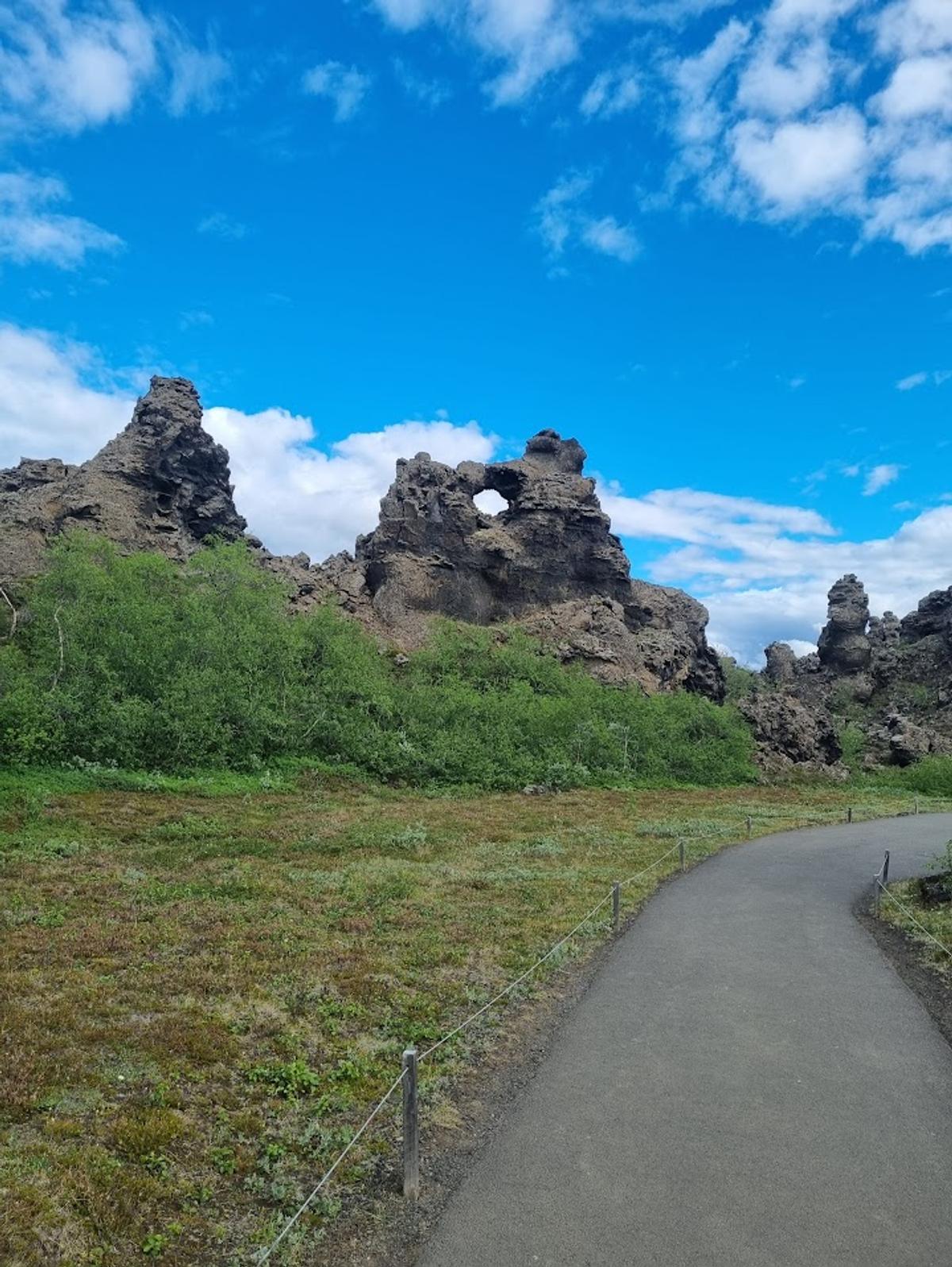
Dimmuborgir, sem þýðir "Dökkir Kastalar" eða "Dökkar Borgir" á íslensku, er sláandi svæði af óvenjulegum hraunmyndunum staðsett austan við Mývatn. Kannaðu þetta…
Stuttlega
Heimsóknartími
1-2 hours to explore the marked trails.
Besta árstíð
Daylight hours, all year for unique light and conditions.
Leiðarvísir
Located east of Lake Mývatn, accessible by road via Route 1 and then local roads.
GPS
65.5912, -16.9123
Um
Um Dimmuborgir
Dimmuborgir, sem þýðir "Dökkir Kastalar" eða "Dökkar Borgir" á íslensku, er sláandi svæði af óvenjulegum hraunmyndunum staðsett austan við Mývatn. Kannaðu þetta stórbrotna svæði forns hrauns, sem líkist hruninni dökkri borg undir lifandi himni.
Witness the otherworldly, intricate lava sculptures of Dimmuborgir, a geological marvel unlike any other.
Ferðir nálægt Dimmuborgir
Lake Mývatn Shore Excursion from Akureyri Port - German
Iceland Horizon - Saga Travel - GeoIceland · 6 hours
Dettifoss Waterfall, Ásbyrgi and Lake Mývatn - Shore Excursion from Húsavík
BusTravel Iceland · 5 hours 30 minutes
(RS) Northern Lights Classic Tour from Akureyri
Imagine Iceland Travel · 2 hours 30 minutes
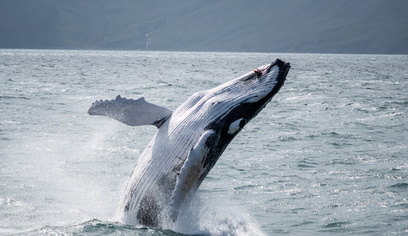
Húsavík: Small-Family Run, Responsible Whale Watching
Friends of Moby Dick · 3 hours
Myndir
Myndavefur
Bakgrunnur
Saga og bakgrunnur
Saga Dimmuborga er djúpstæð jarðfræðileg frásögn, fædd úr eldheitum djúpum fornnar eldvirkni. Þessar stórkostlegu myndanir eru leifar mikils goss sem átti sér stað fyrir um 2.300 árum, upprunnið frá gígarröð sem kallast Lúdentarborgir. Í þessum öfluga atburði myndaðist stórt hraunvatn á svæðinu. Hinar einstöku myndanir Dimmuborga komu fram þegar þetta víðfeðma hraunvatn kólnaði. Þegar bráðna bergið flæddi yfir votlendi, soðnaði vatn sem var fast undir hrauninu og myndaði gufuvasa. Afleiðandi gufuopur urðu til þess að hraunið storknaði í kringum þau og myndaði holar súlur og hólf. Þegar yfirborðsskorpa hraunvatnsins loksins hrundi, skildi það eftir sig þessar stórbrotnu, háu mannvirki – „Dökku Kastlana“ eða „Dökku Borgirnar“ sem heilla gesti í dag. Þetta náttúrulega ferli skapaði flókið net súlna, hella og bogaganga, sem stendur sem vitnisburður um kraftmikla jarðfræðilega fortíð Íslands.
Dimmuborgir, sem heitir svo vel „Dökkir Kastlar“ eða „Dökkar Borgir“ á íslensku, býður upp á eitt af einstæðustu og stórbrotnum landslagum Íslands. Staðsett stórkostlega austan við rólega Mývatn í Norðurlandi, er þetta sláandi svæði þekkt fyrir óvenjulegar hraunmyndanir sínar. Þessar fornu jarðfræðilegu mannvirki skapa sannarlega heimsendalegt umhverfi, oft lýst sem hruninni dökkri borg undir víðáttumiklum, síbreytilegum íslenskum himni. Gestir Dimmuborga geta farið í nokkrar vel merktar gönguleiðir sem liggja í gegnum þetta náttúrulega völundarhús. Þegar þú kannar, muntu rekast á heillandi úrval af hraunmyndum, bogum og hellum, hver um sig mótaður af kröftum öflugs eldgoss fyrir árþúsundum. Myndanirnar eru afleiðing hraunvatns sem kólnaði ójafnt, og skildi eftir sig þessar holu mannvirki þegar yfirborðsskorpan hrundi. Þetta ferli skapaði hina einstöku „kastala“ og „borgir“ sem gefa Dimmuborgum hið heillandi nafn. Þetta er staður þar sem ímyndunarafl flýgur, þar sem þú auðkennir form og myndir innan náttúrulegs bergsins. Fyrir utan jarðfræðileg undur sín, býður Dimmuborgir upp á íhugun um gríðarlegan kraft náttúrunnar. Þetta er paradís ljósmyndara, sem býður upp á stórkostlegar andstæður milli dökks hrauns, græns mosa og himinsins fyrir ofan. Klæðist í lögum og notið trausta skófatnað, þar sem stígar geta verið ójafnir. Gefðu þér nægan tíma til að reika og gleypa djúpa fegurð og jarðfræðilega þýðingu þessarar merkilegu íslensku fjársjóðs.
Þjóðsögur
Saga og þjóðsögur
Undir víðáttumiklum íslenskum himni hvísla Dimmuborgir sögur af fornum eldi og jörðu. Þegar þú stígur inn í þetta völundarhús rísa háir hraunmyndir og hellar í kringum þig og mynda flókna, hljóða borg úr steini. Loftið suðar af jarðfræðilegri sögu, hver brengluð myndun vitnisburður um hráan, skapandi kraft náttúrunnar. Það er eins og risastór virki, mótað úr bráðnum hjarta jarðar, hafi hrunið hér og skilið eftir tignarlegar, dökkar rústir. „Dökku Kastlarnir“ standa þrjóskulega, skuggar þeirra teygja sig langa þegar sólin sest og mála hið einstaka landslag í dularfullum og undursamlegum litum. Gestir reika um þetta steingerða ríki, kanna falin göng og stórbrotna boga, agndofa yfir stærð og listfengi þessara náttúrulegu höggmynda. Þetta er djúpstæð ferð inn í eldfjallasál Íslands, þar sem jörðin sjálf segir sína epísku sögu.
Visstu að?
Dimmuborgir translates to "Dark Castles" or "Dark Cities" in Icelandic, perfectly capturing its imposing, ancient appearance.
Staðbundin þjóðsaga
The Evocative Name of Dimmuborgir
While specific local legends are not detailed in the provided research, the striking appearance of Dimmuborgir, with its towering formations resembling "Dark Castles" or "Dark Cities," has naturally inspired awe and imagination through the ages. Its name alone conjures images of ancient, mysterious realms.
Menning
Sögur og þjóðsögur
Íslenskar sögur og þjóðsögur frá þessum slóðum
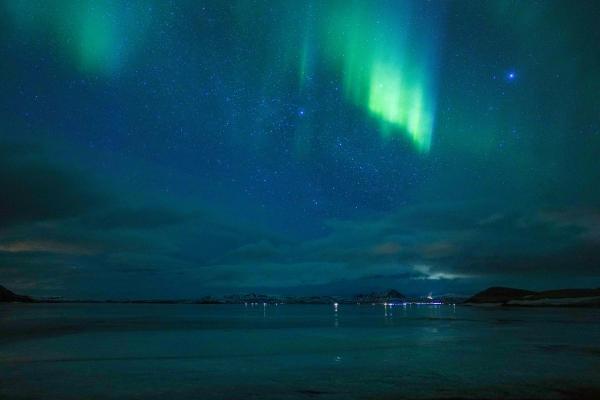
Mývatn
Mývatn: A lake of fire, ice, and mythical beings.
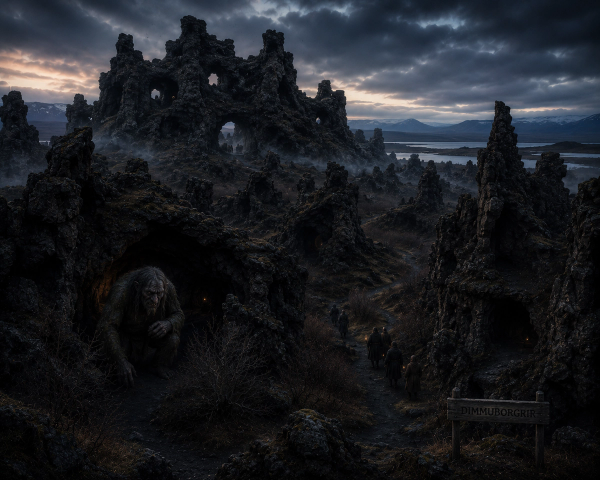
Dimmuborgir – The Dark Fortress of North Iceland
Discover Dimmuborgir, a volcanic wonderland where legends of trolls and the devil still echo.
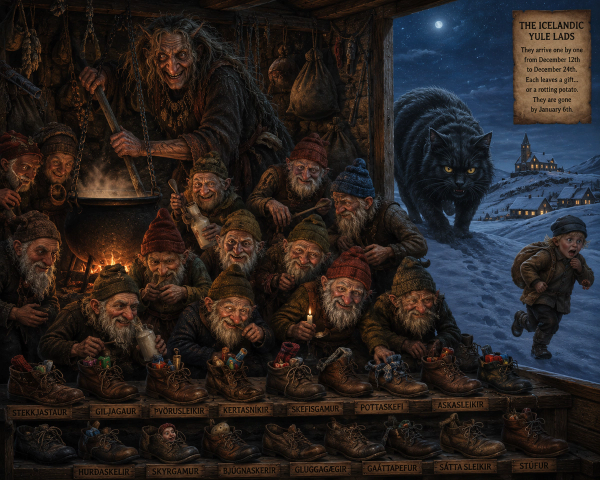
Grýla, the Yule Lads & the Yule Cat
Beware Grýla! The Yule Lads & their terrifying feline nemesis.
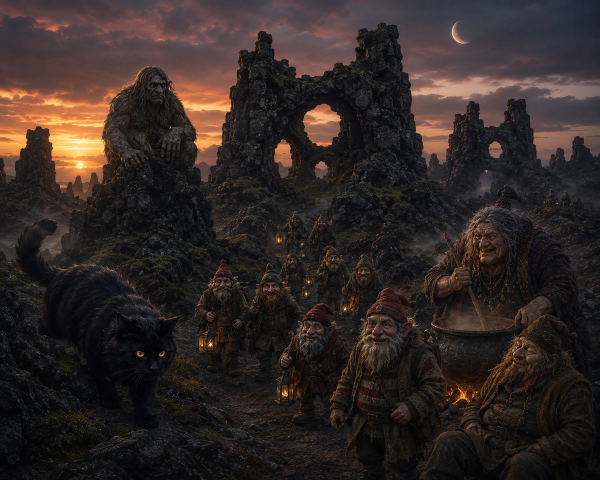
Dimmuborgir – City of Trolls
Explore Dimmuborgir, where volcanic rock formations become a mystical city for trolls.
Kanna
Falin gimsteinar í nágrenninu
Lava Formations Close-Up
Look carefully at the lava formations near Dimmuborgir — each tells a story of how it cooled.
Rope lava, pillow lava, and columnar basalt each formed under different conditions, creating a geological textbook in stone.
Moss & Lichens
The moss and lichen growing on the volcanic rock are some of the first life to colonize new lava fields.
Some of these organisms grow less than 1cm per year, meaning the patches you see may be decades or centuries old.
Sunset Colors
The volcanic rock takes on incredible red and gold hues during sunset.
The iron-rich minerals in the lava glow in warm light, creating a photographer's paradise.
Hjálp
Algengar spurningar
Staðsetning
Staðsetning
Discover
Explore Nearby
Places from our database within 5.0 km — all data from Sanity
Loading nearby places…
0 places found within 5.0 km
Plan full itinerary →Kanna meira