2°C
Iceland · Höfuðborgarsvæðið
Höfuðborgarsvæðið
Reykjavík, the Northern Lights & Iceland's cultural heart
Iceland · Höfuðborgarsvæðið
Reykjavík, the Northern Lights & Iceland's cultural heart
Höfuðborgarsvæðið at a glance
Overview
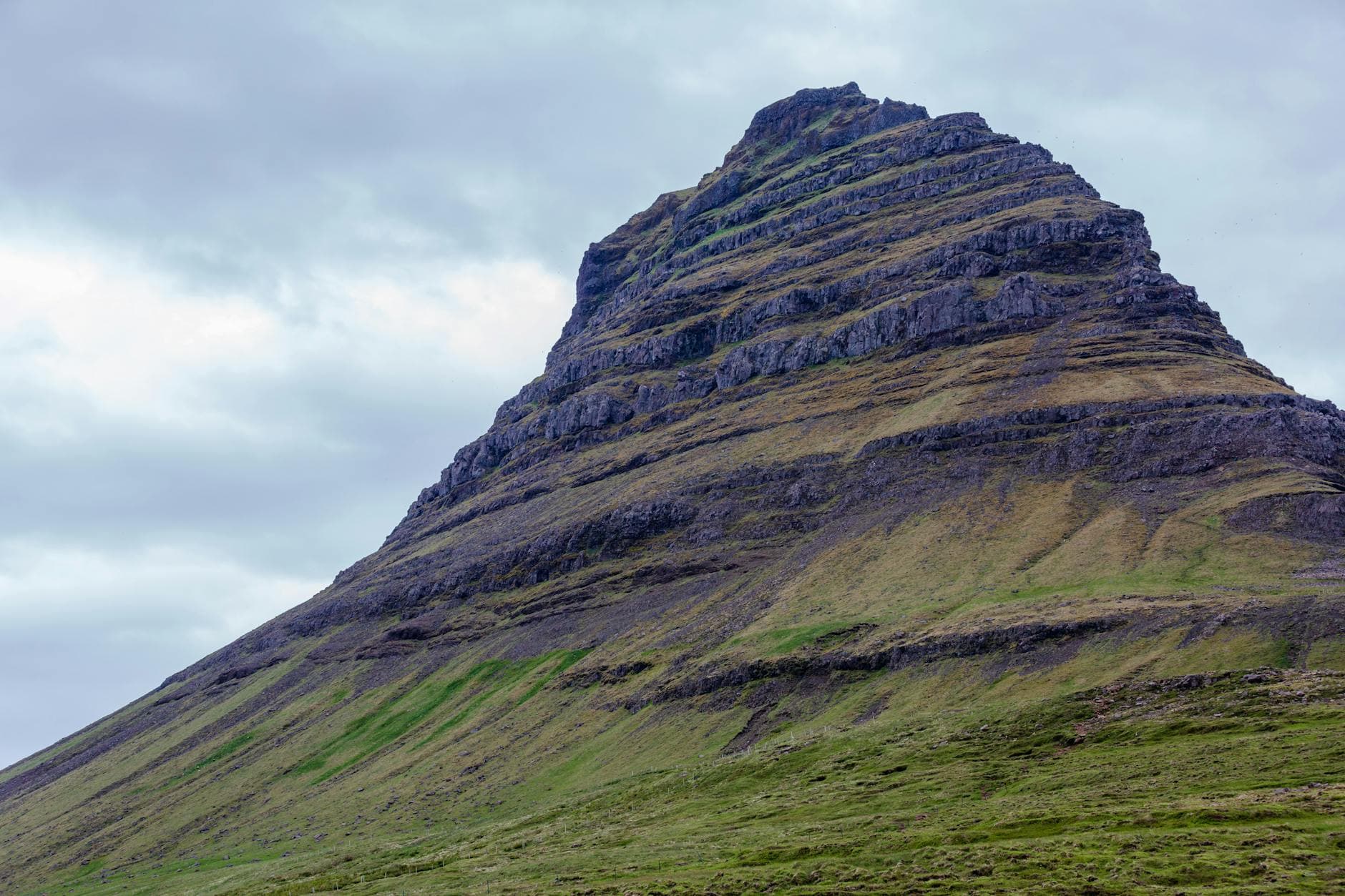
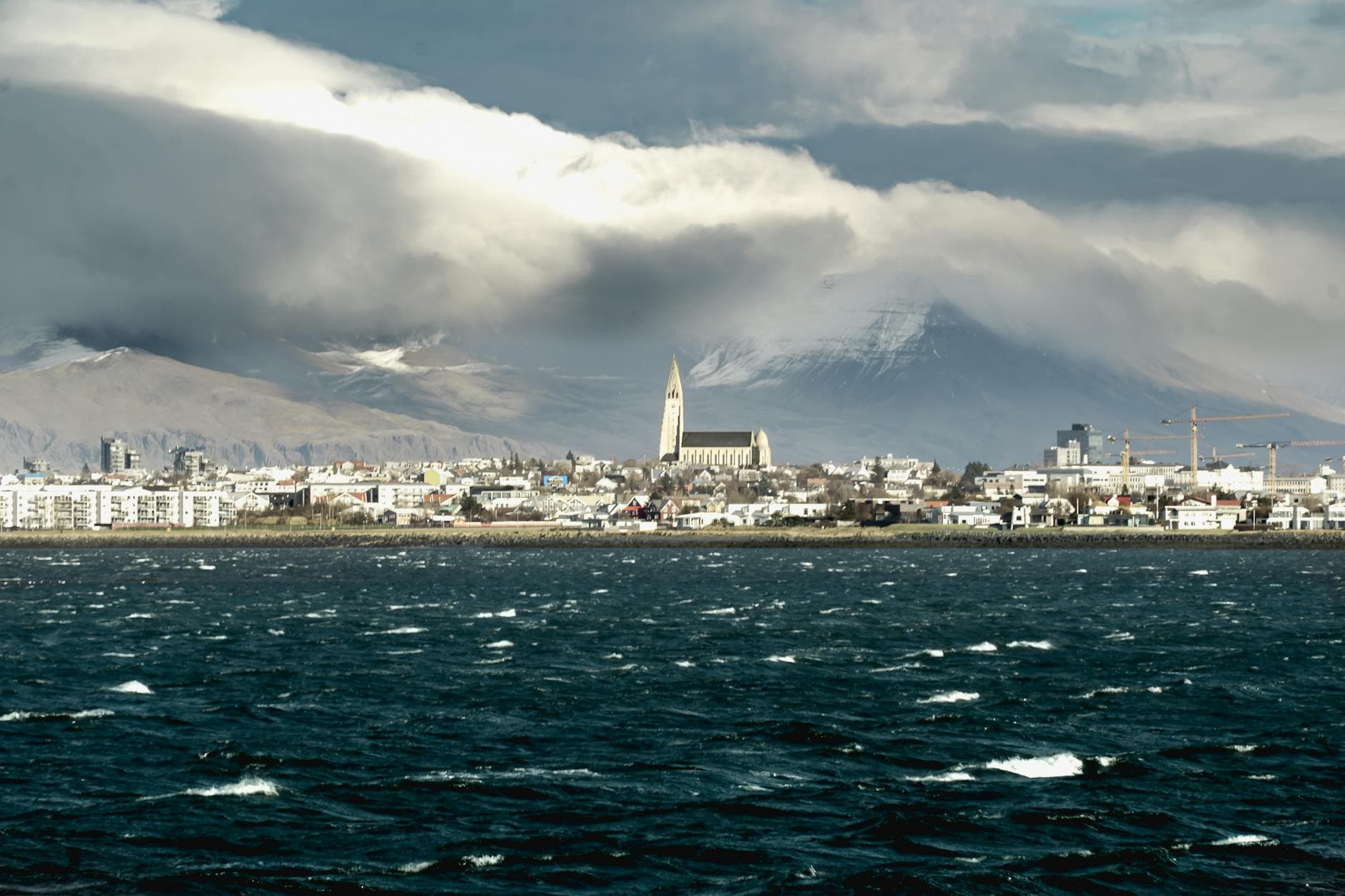
Iceland's Capital Region (Höfuðborgarsvæðið) sits on the southwest coast, wrapped around Faxaflói bay and backed by the flat-topped Mount Esja. It is made up of Reykjavík — the world's northernmost capital — and five neighbouring municipalities: Seltjarnarnes, Kópavogur, Garðabær, Hafnarfjörður and Mosfellsbær. Together they form one continuous urban area, home to roughly two-thirds of Iceland's population, yet it still feels small and low-rise, heated almost entirely by geothermal water and ringed by sea, lava and mountains.
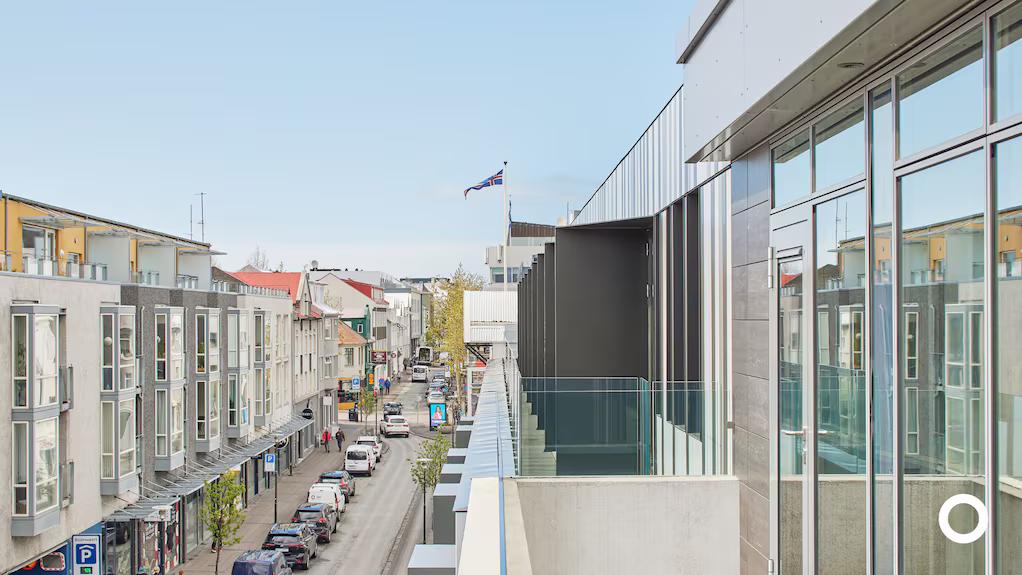
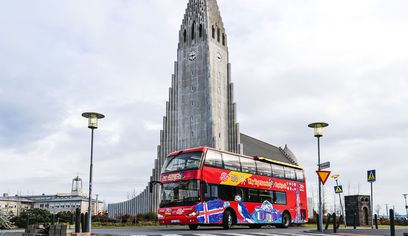
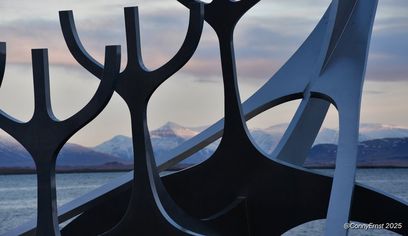
Reykjavík is the cultural and commercial centre. The old centre, 101 Reykjavík, packs the main sights, museums, restaurants and nightlife into a flat grid you can cross on foot in twenty minutes — from Hallgrímskirkja down Laugavegur to the Old Harbour and the waterfront Sun Voyager sculpture. The neighbouring towns blend into it, each with its own character: Seltjarnarnes ends at the Grótta lighthouse, Hafnarfjörður has a lava-set old harbour and a tradition of elf folklore, and Mosfellsbær opens into green valleys at the foot of the mountains.
The region works well without a car for a city-focused trip, and it earns its place as a base. Keflavík Airport is about 45 minutes away by road, and from here you can reach the Golden Circle, the South Coast, Reykjanes and the Blue Lagoon on day trips and be back the same night. Most visitors give it two or three nights — enough for the museums and geothermal pools, a Northern Lights attempt in winter, and an excursion or two into the wider southwest.
Explore
The distinct areas and municipalities worth knowing.

The heart of the region: the walkable 101 centre with Laugavegur's shops, cafés and nightlife, the main museums, Harpa and the Old Harbour, plus the Laugardalur valley with its big pool and park.
Explore
A small peninsula west of the centre, ending at the Grótta lighthouse, tidal flats and one of the best aurora spots in the area.

Iceland's second-largest municipality, just south of Reykjavík, with the Gerðarsafn art museum, a science centre and a large geothermal pool.

A quieter, family-friendly municipality that includes the Álftanes peninsula and Bessastaðir, the President's residence, with coastal paths and the Museum of Design and Applied Art (Hönnunarsafn).

A lava-set harbour town south of the city, known for old wooden houses, Viking-themed events and a strong tradition of elf and hidden-people folklore.

A green valley municipality on the way out of town, with the old Álafoss wool mill, Halldór Laxness's house at Gljúfrasteinn in Mosfellsdalur, and trails up Helgafell toward the mountains.
Verður að sjá
Helstu kennileiti Íslands á Höfuðborgarsvæðið
Kanna
Sýnir 120 best skráðu af 364 stöðum á korti — síaðu eftir flokki og smelltu á pin.
Plan
Walk the centre — Hallgrímskirkja, Laugavegur, Harpa and the Old Harbour — and end the day in a neighbourhood pool. Enough for a feel of the city, not the wider region.
Add museums, a long pool session and a coastal or valley walk, plus one day trip such as the Golden Circle or Reykjanes.
Explore Hafnarfjörður, Mosfellsbær and the coast, and take two or three day trips without changing hotels every night.
Spend some nights on the South Coast, in West Iceland or on Reykjanes instead of making very long out-and-back drives.
Logistics
The 101 centre is small and flat — walking is the easiest way to see the main sights.
The yellow Strætó buses cover the whole Capital Region; buy tickets or a pass in the Klappið app. There is no metro or tram.
Strætó routes and ticketsYou don't need a car in the city, but you'll want one for day trips. Downtown parking is paid by zone (P1–P4) via meters or the Parka app; it's free in the outer suburbs.
Road conditionsKeflavík Airport is about 45 minutes away; the Flybus and Airport Direct coaches run to the city and there is no train. Reykjavík's small domestic airport serves Akureyri and other towns.
Keflavík AirportShared paths run along much of the coast and through the green valleys, and bikes and e-scooters are easy to rent for short hops. The wind is the main challenge.
Where to Stay
Which part of the region suits your trip — areas, not hotel picks.

Best for: food halls, museums and whale-watching departures
The harbour front is a short walk from the centre, with food halls, museums and the whale-watching piers close by.

Best for: families, pools and a quieter base
A green valley east of the centre with the city's largest pool, the family park and zoo, and bus links into town.

Culture & History
Reykjavík grew from a Viking-age farmstead into Iceland's capital, and the old centre still tells that story: the Settlement Exhibition's 10th-century longhouse ruins, the parliament house on Austurvöllur square and the harbour that built the modern city. Harpa concert hall and the city's art museums show the contemporary side, while Hallgrímskirkja crowns the skyline.
Beyond Reykjavík, Hafnarfjörður has its own old harbour town and museums, and Bessastaðir on the Álftanes peninsula in Garðabær is the official residence of the President of Iceland.
Safnaleiðir
Eat & Experience
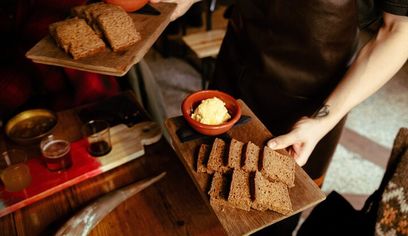
Reykjavík eats far better than a city its size should. The classic cheap meal is the Icelandic hot dog (pylsa) — the harbour-side stand Bæjarins Beztu has served them since 1937 — but the city also has ambitious New Nordic kitchens built on lamb, seafood, skyr and foraged ingredients. Seafood is a safe bet almost anywhere, and the Grandi district by the Old Harbour has become a food hub of fishmongers, bakeries and casual restaurants.
Café culture runs deep, fuelled by long dark winters and a serious third-wave coffee scene along Laugavegur and its side streets. Nightlife is famously late and compact: bars stay quiet until midnight and fill afterwards, mostly within a few downtown blocks, built around a rúntur (bar crawl) rather than clubs. Beyond food, the capital's real texture is cultural — the museums, Harpa's concert programme, design shops and a music scene that punches far above its weight.
Food halls — at Hlemmur, on Grandi and in the old post office downtown — are an easy, mid-priced way to eat, and weekday lunch specials help keep costs down in an expensive city. Outside the centre, Hafnarfjörður's harbour and the neighbourhoods of Kópavogur have quieter, more local restaurants.
Höfnin og hvalir
Reykjavík Old Harbour is a lively waterfront district where Iceland’s maritime heritage meets cafés, restaurants, museums and ocean excursions. The harbour’s development in 1913–1917 helped reshape the city’s fishing and trading infrastructure, and it remains an active port area today.
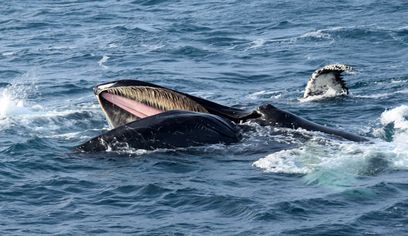
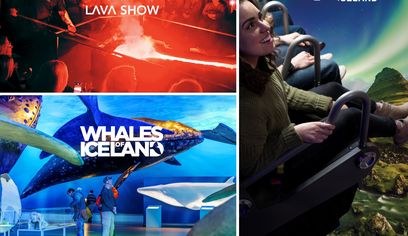
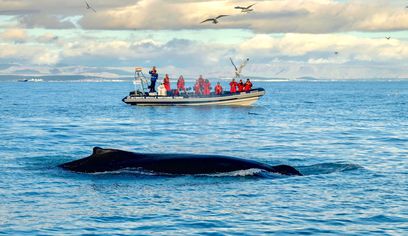
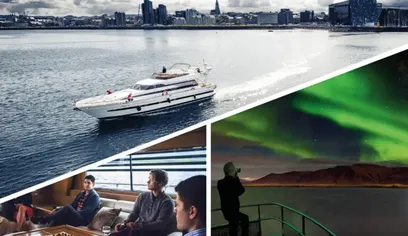
Popular activities include walking along the waterfront, watching working boats and booking **whale-watching cruises** departing into Faxaflói Bay. Nearby Grandi houses the Reykjavík Maritime Museum, Whales of Iceland, FlyOver Iceland and other visitor attractions. Each ticketed venue or tour has its own schedule and prices.
The **public harbour promenade is free to visit** and has no single opening time. Commercial activities, museums, restaurants and tour departures operate independently. Allow one to two hours for a general stroll, more for a museum or boat trip.
The harbour has active quays and water edges: obey signage and barriers, avoid restricted workspaces, and watch your footing in rain, snow or strong wind. Harpa and central Reykjavík are nearby on foot, making the Old Harbour a convenient addition to a city walking route.
Safnaleiðir
Season by Season
After Dark
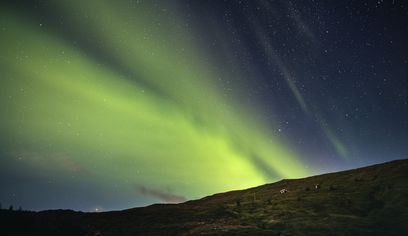
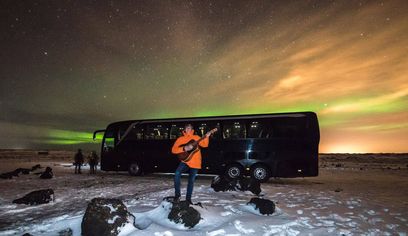
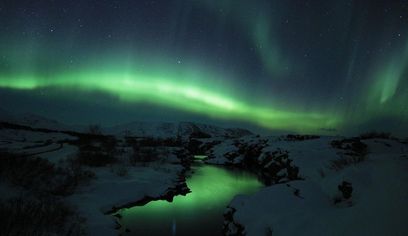
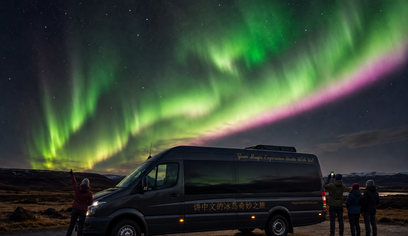
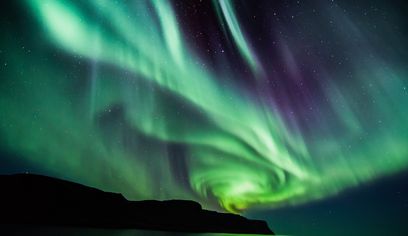
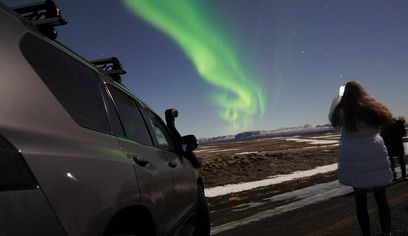
Reykjavík is a realistic base for the aurora, but the city's own lights work against you. The Northern Lights need three things at once: darkness (roughly September to April), a clear sky, and enough solar activity — in the bright summer months they simply cannot be seen. On a promising winter night, head away from the streetlights: the Grótta lighthouse on Seltjarnarnes, the Öskjuhlíð/Perlan hill, or a short drive out toward Þingvellir all cut the light pollution. No one can promise a sighting — check the cloud-cover and aurora forecast the same evening and be patient.
Norðurljósastaðir
Beyond
Most visitors stay in the Capital Region and explore southwest Iceland on day trips, returning to the same bed each night. The Golden Circle and Reykjanes fit comfortably in a day; the South Coast as far as Vík is a long but popular day out, and anything further east is better with an overnight stay.
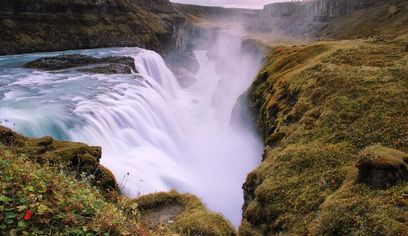
Þingvellir, Geysir and Gullfoss in one classic loop — the most popular day trip from the city.
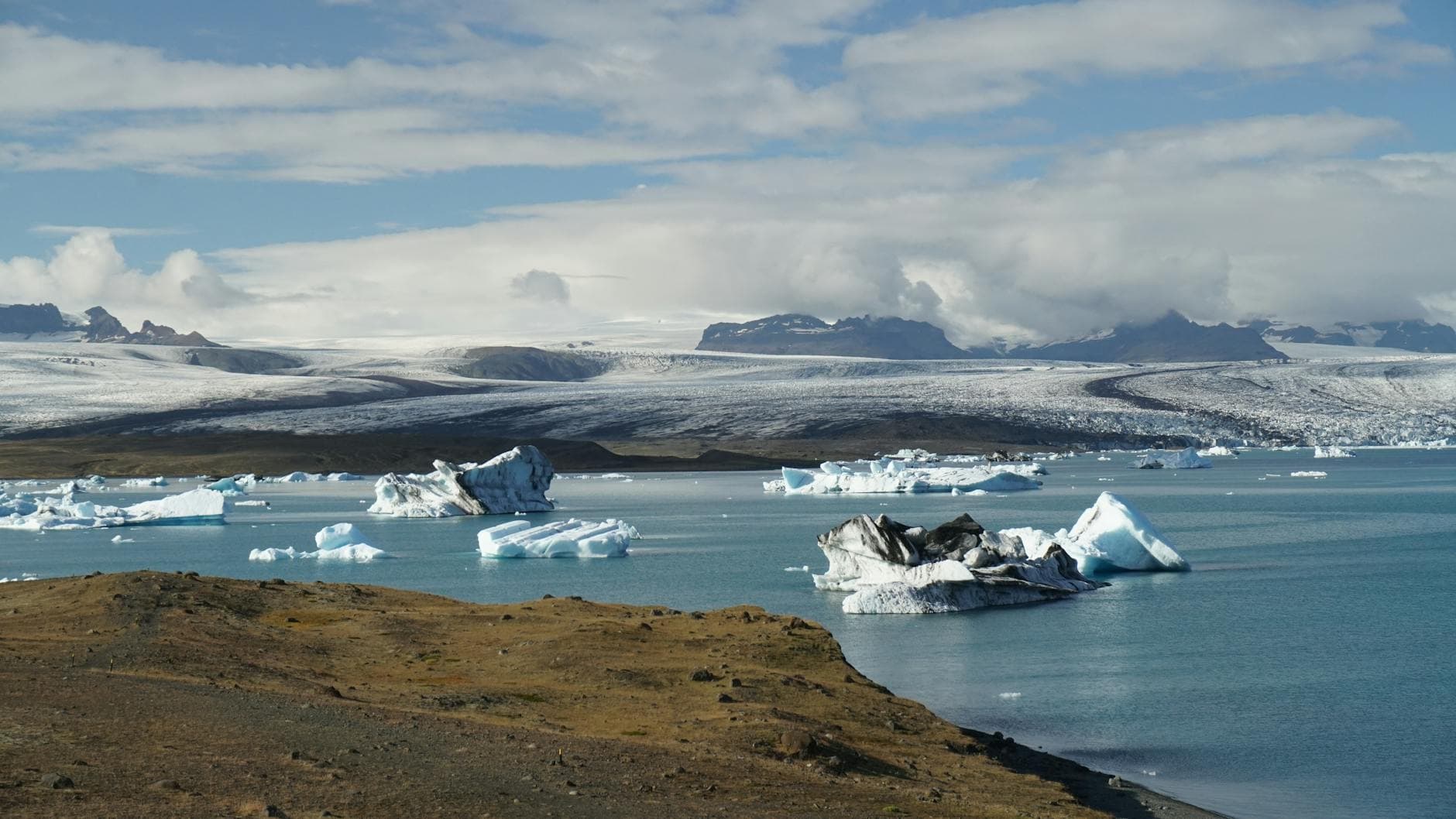
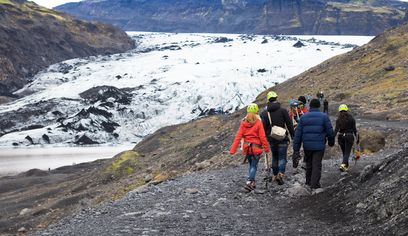
ExploreWaterfalls, black-sand beaches and glaciers along Route 1 — a long but spectacular day.
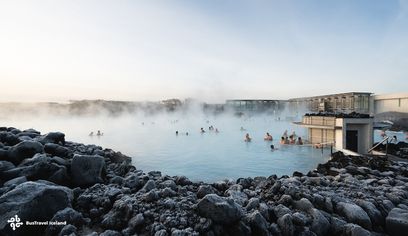
ExploreGeothermal fields, fresh lava and the Blue Lagoon, within 45 minutes on the way to or from the airport.
ExploreBorgarfjörður's hot springs and the Snæfellsnes peninsula — 'Iceland in miniature'.
ExploreVegferðir í Höfuðborgarsvæðið
Prófað af okkur
Eigin leið um Ísland
Eigin leiðarlýsingar með lykilviðkomu, vegalengdum og ráðgjöf — Kannið Höfuðborgarsvæðið á eigin forsendum.
 Easy
Iceland's most iconic day trip
 Easy
A quiet fjord alternative close to Reykjavík
 Easy
Volcanoes, lava and the Blue Lagoon
 Moderate
Iceland's legendary Route 1 — the full circle
 Easy
Iceland in miniature
 Easy
Waterfalls, black beaches and glaciers
Sjálfsakstur gefur þér fulla sveigjanleika. Veldu bílaflokk fyrir veginn á undan og leitaðu að verðum á DiscoverCars.
Leitaðu til að sjá lausa bíla
Ódýrasti kosturinn fyrir bæjarakstur og malbikaða vegi.
Finna bílaLeitaðu til að sjá lausa bíla
Þægilegur í lengri ferðir um hringveginn með farangur.
Finna bílaLeitaðu til að sjá lausa bíla
Meiri veghæð og öruggari akstur.
Finna bílaLeitaðu til að sjá lausa bíla
Fyrir F-vegi á hálendinu og erfiðari vetraraðstæður.
Finna bílaFlokkamyndir fyrir leit eru dæmamyndir frá DiscoverCars, ekki rauntímaframboð. Raunverulegir bílar og verð koma úr þinni eigin leit með dagsetningum. GoIceTravel kann að fá þóknun án aukakostnaðar.
Plan
Ready-made day plans — build them out in the Trip Planner.
The essential city on foot, ending in a neighbourhood pool.
Soak in the neighbourhood geothermal pool.
A second day for the viewpoints, art and old quarters.
Nature exhibition, ice cave and 360° observation deck.
Free open-air Icelandic sculpture.
Wander the oldest timber houses in the centre.
Sunset or aurora at the lighthouse islet (check tides).
Add a full-day excursion into the southwest and return to the city.
Þingvellir, Geysir and Gullfoss — the classic loop from the city.
Waterfalls and black-sand beaches along Route 1 — longer, but spectacular.
Dinner in Grandi or downtown, then a late-night rúntur.
City & Nature
Few capitals put coast, lava and mountains this close to the centre. Within a short walk or bus ride you can follow the shoreline path, climb the wooded Öskjuhlíð hill to Perlan, walk along the salmon river in Elliðaárdalur or take the ferry to Viðey island — check the seasonal timetable. Mount Esja, across the bay, is a popular half-day hike from the edge of town.
On Seltjarnarnes, the Grótta lighthouse stands on a tidal island that can be reached on foot at low tide. Check the tide times before you cross, and note that the island is closed to visitors during the bird-nesting season in late spring and early summer.
Families
Short distances make the region easy with children. Neighbourhood pools — several with slides and shallow areas — are the obvious favourite, and the Family Park and Zoo in Laugardalur introduces Icelandic farm animals. Indoor exhibitions and the city museums are good standbys when the weather turns.
Geothermal
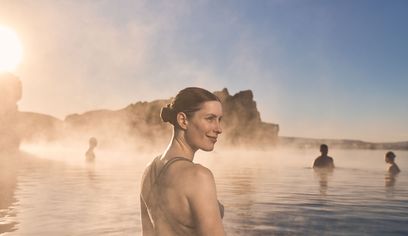
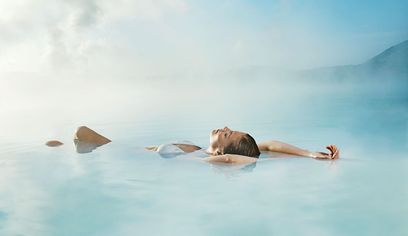
Public geothermal pools are where people in the Capital Region meet — before work, after school and late into the evening, all year round. A typical pool has a lap pool, several hot tubs at different temperatures, a steam room and often a cold plunge, for a fraction of the price of the premium lagoons.
They are easy to fit around bad weather and dark afternoons, and most are family-friendly, with shallow areas and slides at the larger pools.
Off the Beaten Path
Quieter corners most visitors miss.
Know Before You Go
Weather changes fast and the wind is the real factor. A waterproof, windproof shell beats an umbrella year-round.
Public pools are cheap and central to local life — but you must shower without a swimsuit before entering. It's the rule, and it's taken seriously.
Reykjavík's cold tap water is pure — skip bottled water. The hot water smells faintly of sulphur; that's normal and harmless.
Downtown parking is paid in zones P1–P4 during the day. Use the Parka app or meters; outer neighbourhoods are free.
Iceland is almost cashless — cards work for buses, parking, cafés and market stalls. You rarely need cash.
A car is a hassle in the compact centre. Rent one for the Golden Circle or South Coast, not for getting around the city.
Reykjavík is one of Europe's more expensive capitals. Food halls, lunch specials, supermarkets and public pools keep costs down — and the tap water is free.
Museums, pools and shops often keep shorter hours at weekends and on public holidays, and some smaller places close early in winter.
Núverandi veður
overcast
5 m/s vindur
Fara dýpra
Ítarlegar handbækur til að skipuleggja ferð á Höfuðborgarsvæðið
 Handbók
Things to do, restaurants, museums and nightlife in the capital.
Lesa handbók HandbókÞingvellir, Geysir and Gullfoss in one classic day loop.
Lesa handbók Handbók
When, where and how to catch the aurora near Reykjavík.
Lesa handbók Handbók
Iceland's geothermal spas and where to soak.
Lesa handbók Handbók
Höfði House, Hólavallagarður cemetery and the capital's ghost folklore.
Lesa handbókGott að vita
Allt sem þú þarft að vita um Höfuðborgarsvæðið
Two to three days covers the city itself plus a Golden Circle day trip and the Blue Lagoon or Sky Lagoon. It's also the ideal base for the whole southwest of Iceland.
Yes — the downtown core (101 Reykjavík) is compact and flat. Most attractions, restaurants and bars are within a 20-minute walk of Hallgrímskirkja.
Sometimes, on clear dark nights September–April, but city light pollution weakens them. Drive 20–30 minutes out — Grótta lighthouse or Þingvellir — for the best chance.
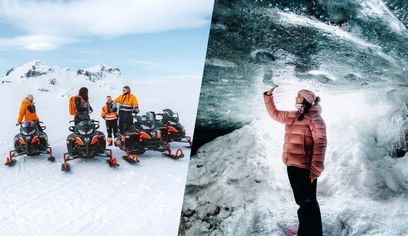
Northern Lights hunting, geothermal pools, museums, the Christmas markets, ice-cave and glacier day tours, and the famously lively bar scene.
The Flybus and Airport Direct coaches run to the city (~45 min), or rent a car at the airport. There is no train.
Yes, among the priciest cities in Europe. Save money with public pools instead of lagoons, tap water instead of bottled, and lunch specials instead of dinner.
101 Reykjavík (downtown) for nightlife and walkability; Laugavegur for shopping; the Old Harbour for whale-watching departures and seafood.
Not for the city itself. You'll want one — or day tours — to reach the Golden Circle, Reykjanes and the South Coast.
A ~230 km loop from Reykjavík taking in Þingvellir National Park, the Geysir hot springs and Gullfoss waterfall. Allow a full day; most tours depart the capital.
June–August for the midnight sun and warmest weather; September–March for Northern Lights and lower prices. The city is a true year-round destination.
Halda áfram að kanna
Auðveldar framlengar frá Höfuðborgarsvæðið
Allt sem þú þarft á einum stað
Byrjaðu ævintýrið
Skipuleggðu ferð þína með gervigreind, bókaðu ferðir, finndu hótel — allt á einum stað.
Uppgötvaðu Ísland
Borg, matur og menning
Á sjónum
Eftir myrkur
Norðurljósin sjást aðeins í heiðskíru veðri og nægri sólvirkni — margir ferðaþjónustuaðilar bjóða nýja ferð án endurgjalds ef þau sjást ekki.
Dagferðir
Gullni hringurinn, Suðurströnd, Norðurljós og jöklaleiðangrar — allt með brottför frá höfuðborginni.
Norðurljósaspá
Athugaðu líkur á norðurljósum í kvöld
Uppgötvaðu Ísland
Discover whale watching, city walks, food tours, Northern Lights trips, Golden Circle day tours and more â with live availability and direct booking.
 2 hours
EC Iceland
Frá
16,349 ISK
 2 hours 30 minutes
Buggy Iceland ehf.
Frá
36,900 ISK
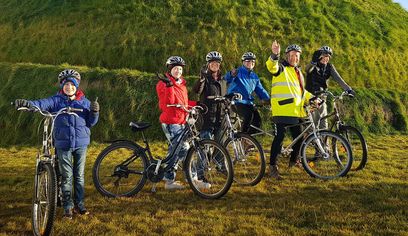 2 hours 30 minutes
Reykjavik Bike Tours
Frá
11,500 ISK
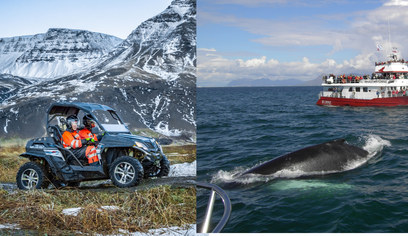 8 hours
Safari Quads
Frá
45,000 ISK
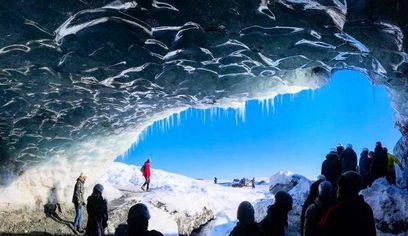 2 days
Nicetravel
Frá
84,900 ISK
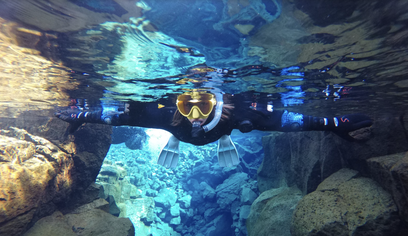 6 hours
Troll Expeditions
Frá
27,859 ISK
 2 hours
Special Tours
Frá
24,490 ISK
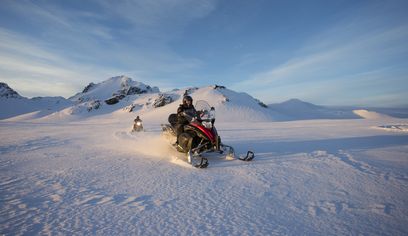 10 hours
Mountaineers of Iceland
Frá
56,900 ISK
 3 hours
Reykjavik Wayfinder
Frá
35,919 ISK
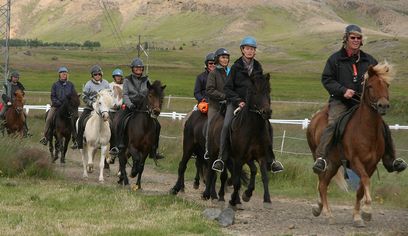 9 hours 30 minutes
Reykjavik Excursions by Icelandia
Frá
31,999 ISK
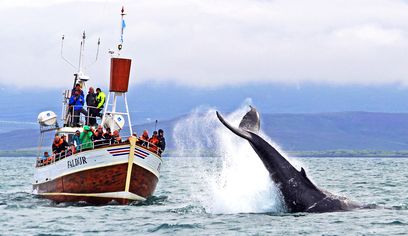 3 hours
Gentle Giants
Frá
12,490 ISK
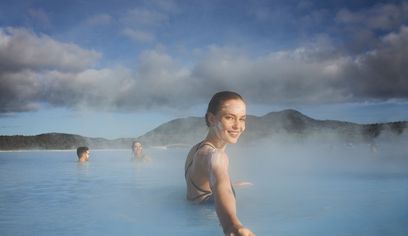 4 hours
Reykjavik Excursions by Icelandia
Frá
26,999 ISK
Best for: coastal walks and quiet evenings
Residential and close to the sea, with the Grótta lighthouse and darker skies nearby. The centre is a short bus ride or a longer walk away.

Best for: travellers with a car
Kópavogur, Hafnarfjörður, Garðabær and Mosfellsbær often offer more space and easier parking, with quick access to lava fields, lakes and the roads out of town. Plan on driving or taking the bus into central Reykjavík.
Rainy Days
Wind and rain are part of any Icelandic trip, and the Capital Region copes with them better than anywhere else in the country. Swap outdoor plans for museums and exhibitions, a long soak in a geothermal pool — pools stay open in rain and snow — or an afternoon in the food halls and cafés around the centre. Indoor shows and exhibitions about volcanoes and glaciers bring the landscape inside.
If a tour is cancelled because of wind or storms, operators normally offer to rebook or refund, so keep a flexible day in your plans.
Tours provided by TourDesk â real-time availability, verified Iceland operators.
Tours provided by TourDesk â real-time availability, verified Iceland operators.
Tours provided by TourDesk â real-time availability, verified Iceland operators.
Tours provided by TourDesk â real-time availability, verified Iceland operators.
Tours provided by TourDesk â real-time availability, verified Iceland operators.
Tours provided by TourDesk â real-time availability, verified Iceland operators.