
Hafravatn — The Quiet Lake at Reykjavík's Edge
Hafravatn er fallegt lítið vatn í hæðunum sunnan við Reykjavík, umkringt Heiðmörk náttúruverndarsvæðinu. Vatnið er vinsælt til veiða (silungur og bleikja), kaja…
Stuttlega
Heimsóknartími
Allow time for a suitable public roadside or walking viewpoint rather than a fixed, serviced visit.
Besta árstíð
Daylight in favourable weather; no guaranteed activity or winter ice access.
Leiðarvísir
Eastern Reykjavík/Mosfellsbær area via Hafravatnsvegur. Shoreline public access varies; check property and signs.
GPS
64.1306, -21.6621
Um
Um Hafravatn — The Quiet Lake at Reykjavík's Edge
Hafravatn er fallegt lítið vatn í hæðunum sunnan við Reykjavík, umkringt Heiðmörk náttúruverndarsvæðinu. Vatnið er vinsælt til veiða (silungur og bleikja), kajakróðurs, göngu og fuglaskoðunar. Hæðirnar í kring bjóða upp á útsýni yfir Reykjavík að sjónum, og stígarnir í gegnum birkilundinn og hraunið í Heiðmörk ná yfir tugi kílómetra. Hafravatn er staðurinn þangað sem Reykvíkingar fara til að komast í burtu frá borginni án þess að fara frá borginni.
Ferðir nálægt Hafravatn — The Quiet Lake at Reykjavík's Edge
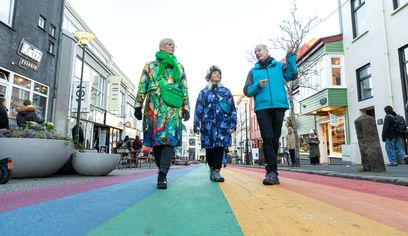
Private Reykjavik LGBTQ+ City Walk
Your Friend in Reykjavik · 3 hours
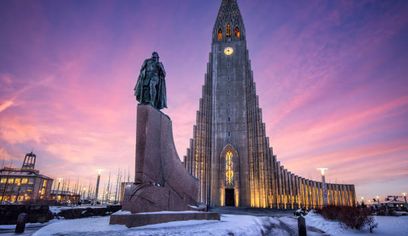
Private Reykjavik City Tour
Icelimo Luxurytravel · 4 hours
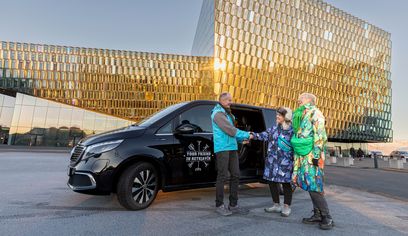
Private 3 hour Reykjavik Driving Tour
Your Friend in Reykjavik · 3 hours
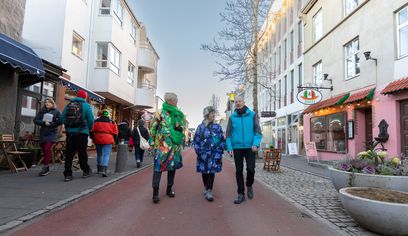
Private Reykjavik Shopping & Sightseeing Walking Tour
Your Friend in Reykjavik · 3 hours
Myndir
Myndavefur
Videos
Hafravatn — The Quiet Lake at Reykjavík's Edge — Videos
Hafravatn
Bakgrunnur
Saga og bakgrunnur
The Heiðmörk reserve was established in the 1950s under the direction of Reykjavík's city council, which began an ambitious tree-planting programme to green the barren lava landscape around the capital. Over 70 years, the planting has transformed the area from bare lava to genuine woodland. The lakes were stocked with fish as part of a broader programme to create recreational facilities for the expanding city.
**Hafravatn** is a small lake at the eastern edge of the Capital Region, near Mosfellsbær. It is reached in the Hafravatnsvegur area and drains toward the Úlfarsá river system. The older description incorrectly placed it in Heiðmörk beside Reykjavík’s southern lakes. The map point lies around **64.1306° N, 21.6621° W**, close to independent mapped lake coordinates. The lake is an outdoor natural site, not a ticketed attraction with guaranteed access or staffed services. Fishing, boating and other activities can be subject to local rules or private rights. Do not step onto ice without official safety confirmation.
Þjóðsögur
Saga og þjóðsögur
Hafravatn is a freshwater lake on the eastern outskirts of Reykjavík, with a landscape of hills, residential property and countryside routes around it. Visitors can enjoy views and birdlife from legal public approaches, but some shores may cross private land. The old GoIceTravel article invented specific crowded car parks, lake depths, kayaking arrangements and a connection to the Heiðmörk reserve; those claims are not reliable here.
Staðbundin þjóðsaga
Reykjavík's Green Lung
Fifty years of tree-planting in the barren lava around Hafravatn has created something that should have been impossible — a genuine forest in one of the most treeless countries on Earth.
Staðsetning
Staðsetning
Discover
Explore Nearby
Places within 5.0 km
Loading nearby places…
0 places found within 5.0 km
Plan full itinerary →Kanna meira