7°C
Capital Region at a glance
Capital Region at a glance
Overview
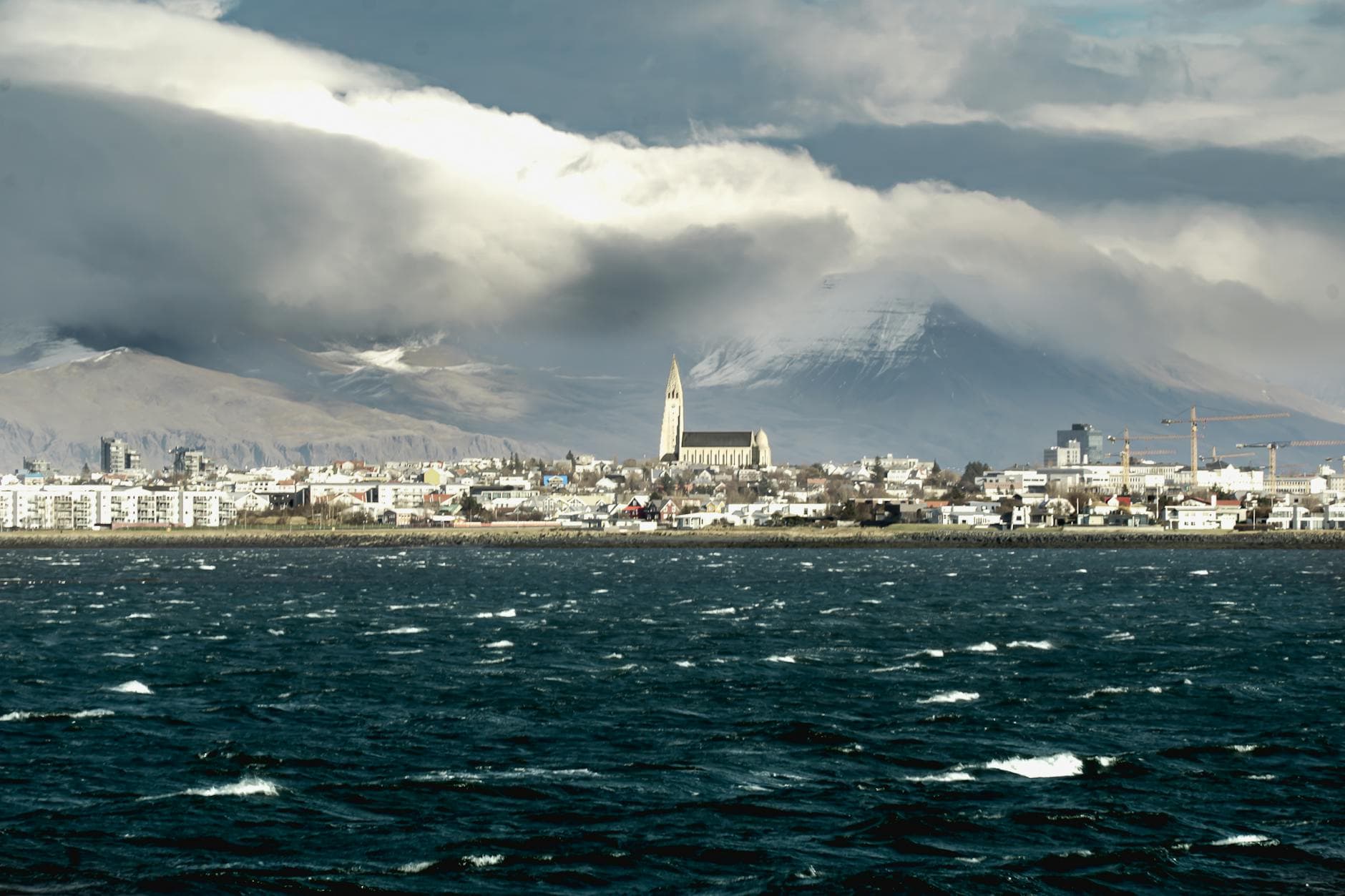
Iceland's Capital Region (Höfuðborgarsvæðið) sits on the southwest coast, wrapped around Faxaflói bay and backed by the flat-topped Mount Esja. It is made up of Reykjavík — the world's northernmost capital — and five neighbouring municipalities: Seltjarnarnes, Kópavogur, Garðabær, Hafnarfjörður and Mosfellsbær. Together they form one continuous urban area, home to roughly two-thirds of Iceland's population, yet it still feels small and low-rise, heated almost entirely by geothermal water and ringed by sea, lava and mountains.
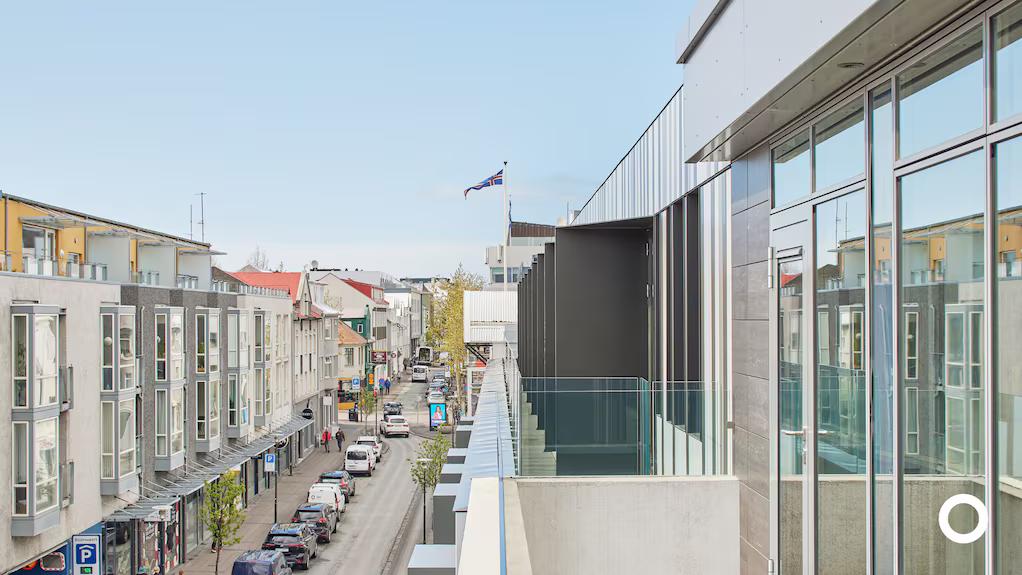
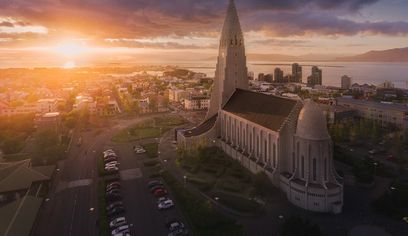
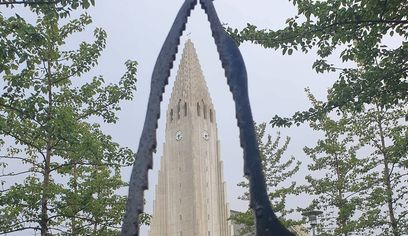
Reykjavík is the cultural and commercial centre. The old centre, 101 Reykjavík, packs the main sights, museums, restaurants and nightlife into a flat grid you can cross on foot in twenty minutes — from Hallgrímskirkja down Laugavegur to the Old Harbour and the waterfront Sun Voyager sculpture. The neighbouring towns blend into it, each with its own character: Seltjarnarnes ends at the Grótta lighthouse, Hafnarfjörður has a lava-set old harbour and a tradition of elf folklore, and Mosfellsbær opens into green valleys at the foot of the mountains.
The region works well without a car for a city-focused trip, and it earns its place as a base. Keflavík Airport is about 45 minutes away by road, and from here you can reach the Golden Circle, the South Coast, Reykjanes and the Blue Lagoon on day trips and be back the same night. Most visitors give it two or three nights — enough for the museums and geothermal pools, a Northern Lights attempt in winter, and an excursion or two into the wider southwest.
Explore
The distinct areas and municipalities worth knowing.
The heart of the region: the walkable 101 centre with Laugavegur's shops, cafés and nightlife, the main museums, Harpa and the Old Harbour, plus the Laugardalur valley with its big pool and park.
ExploreA small peninsula west of the centre, ending at the Grótta lighthouse, tidal flats and one of the best aurora spots in the area.
Iceland's second-largest municipality, just south of Reykjavík, with the Gerðarsafn art museum, a science centre and a large geothermal pool.
A quieter, family-friendly municipality that includes the Álftanes peninsula and Bessastaðir, the President's residence, with coastal paths and the Museum of Design and Applied Art (Hönnunarsafn).
A lava-set harbour town south of the city, known for old wooden houses, Viking-themed events and a strong tradition of elf and hidden-people folklore.
A green valley municipality on the way out of town, with the old Álafoss wool mill, Halldór Laxness's house at Gljúfrasteinn in Mosfellsdalur, and trails up Helgafell toward the mountains.
必見
Capital Regionのアイスランド最も象徴的なスポット
探索
地図上の373か所のうち、情報が充実した120か所を表示中——カテゴリで絞り込みピンをタップ。
Plan
Walk the centre — Hallgrímskirkja, Laugavegur, Harpa and the Old Harbour — and end the day in a neighbourhood pool. Enough for a feel of the city, not the wider region.
Add museums, a long pool session and a coastal or valley walk, plus one day trip such as the Golden Circle or Reykjanes.
Explore Hafnarfjörður, Mosfellsbær and the coast, and take two or three day trips without changing hotels every night.
Spend some nights on the South Coast, in West Iceland or on Reykjanes instead of making very long out-and-back drives.
Logistics
The 101 centre is small and flat — walking is the easiest way to see the main sights.
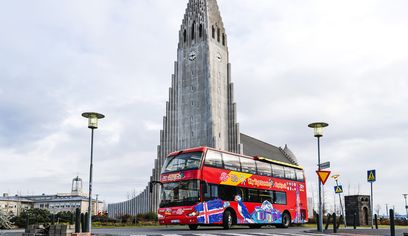
The yellow Strætó buses cover the whole Capital Region; buy tickets or a pass in the Klappið app. There is no metro or tram.
Strætó routes and ticketsYou don't need a car in the city, but you'll want one for day trips. Downtown parking is paid by zone (P1–P4) via meters or the Parka app; it's free in the outer suburbs.
Road conditionsKeflavík Airport is about 45 minutes away; the Flybus and Airport Direct coaches run to the city and there is no train. Reykjavík's small domestic airport serves Akureyri and other towns.
Keflavík AirportShared paths run along much of the coast and through the green valleys, and bikes and e-scooters are easy to rent for short hops. The wind is the main challenge.
Where to Stay
Which part of the region suits your trip — areas, not hotel picks.
Best for: food halls, museums and whale-watching departures
The harbour front is a short walk from the centre, with food halls, museums and the whale-watching piers close by.
Best for: families, pools and a quieter base
A green valley east of the centre with the city's largest pool, the family park and zoo, and bus links into town.
Best for: coastal walks and quiet evenings
Residential and close to the sea, with the Grótta lighthouse and darker skies nearby. The centre is a short bus ride or a longer walk away.
Best for: travellers with a car
Kópavogur, Hafnarfjörður, Garðabær and Mosfellsbær often offer more space and easier parking, with quick access to lava fields, lakes and the roads out of town. Plan on driving or taking the bus into central Reykjavík.
Culture & History
Reykjavík grew from a Viking-age farmstead into Iceland's capital, and the old centre still tells that story: the Settlement Exhibition's 10th-century longhouse ruins, the parliament house on Austurvöllur square and the harbour that built the modern city. Harpa concert hall and the city's art museums show the contemporary side, while Hallgrímskirkja crowns the skyline.
Beyond Reykjavík, Hafnarfjörður has its own old harbour town and museums, and Bessastaðir on the Álftanes peninsula in Garðabær is the official residence of the President of Iceland.
博物館めぐりルート
Eat & Experience
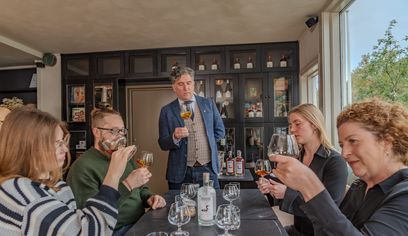
Reykjavík eats far better than a city its size should. The classic cheap meal is the Icelandic hot dog (pylsa) — the harbour-side stand Bæjarins Beztu has served them since 1937 — but the city also has ambitious New Nordic kitchens built on lamb, seafood, skyr and foraged ingredients. Seafood is a safe bet almost anywhere, and the Grandi district by the Old Harbour has become a food hub of fishmongers, bakeries and casual restaurants.
Café culture runs deep, fuelled by long dark winters and a serious third-wave coffee scene along Laugavegur and its side streets. Nightlife is famously late and compact: bars stay quiet until midnight and fill afterwards, mostly within a few downtown blocks, built around a rúntur (bar crawl) rather than clubs. Beyond food, the capital's real texture is cultural — the museums, Harpa's concert programme, design shops and a music scene that punches far above its weight.
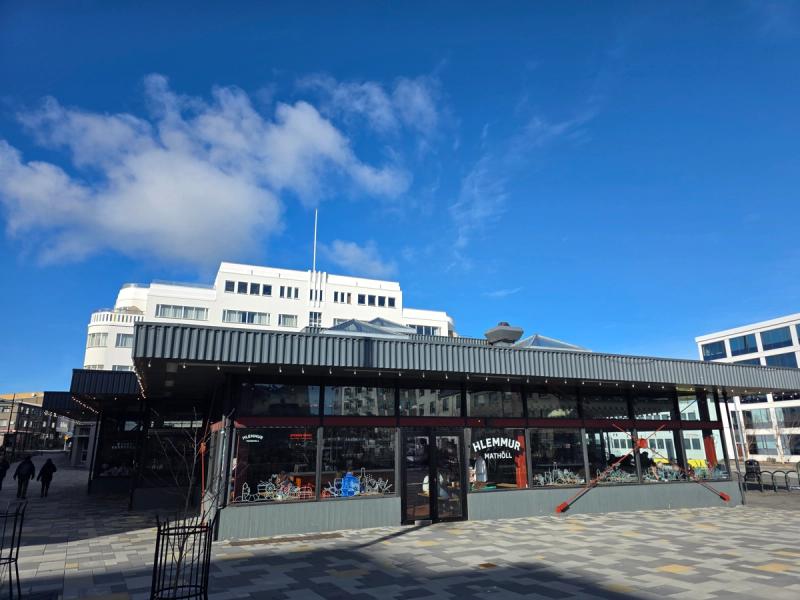
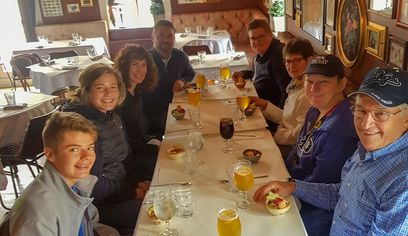
Food halls — at Hlemmur, on Grandi and in the old post office downtown — are an easy, mid-priced way to eat, and weekday lunch specials help keep costs down in an expensive city. Outside the centre, Hafnarfjörður's harbour and the neighbourhoods of Kópavogur have quieter, more local restaurants.
港とホエールウォッチング
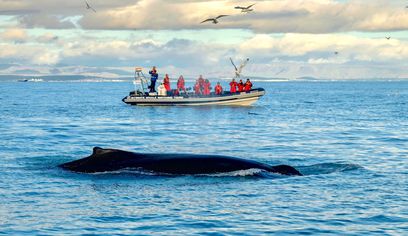
Reykjavik Old Harbour is one of the most charming waterfront areas in the capital of Iceland. Located just a short walk from the city center, the harbor offers a mix of history, culture, and modern attractions.
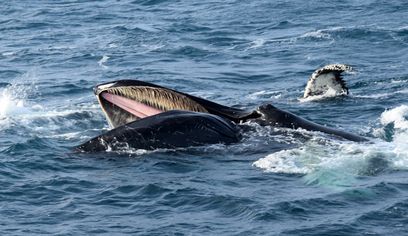
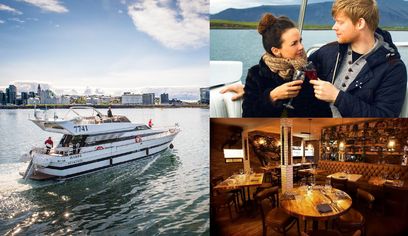
Originally developed as the main fishing harbor of Reykjavik, the area has gradually transformed into a vibrant destination for locals and travelers. Visitors can explore seafood restaurants, cafés, museums, art galleries, and tour operators offering whale watching and sea excursions.
The harbor is also a great place for walking and photography, with colorful fishing boats, ocean views, and the mountains across Faxaflói Bay creating a beautiful backdrop.
博物館めぐりルート
Season by Season
After Dark
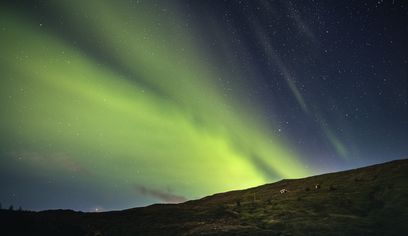
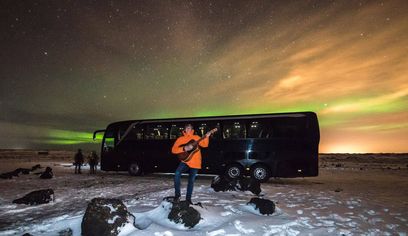
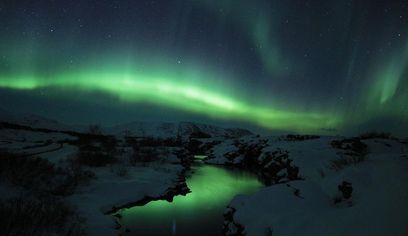
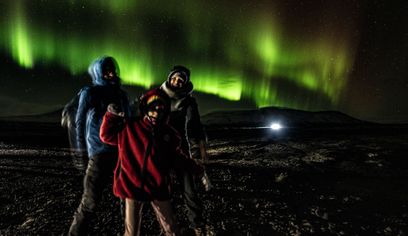
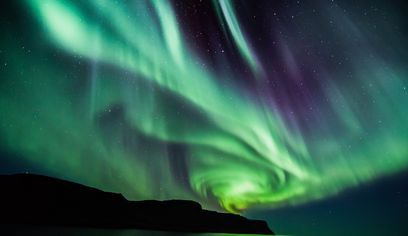
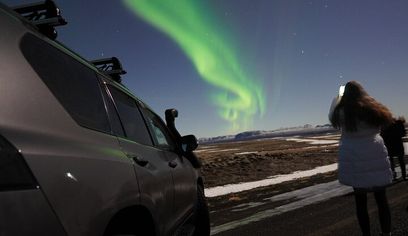
Reykjavík is a realistic base for the aurora, but the city's own lights work against you. The Northern Lights need three things at once: darkness (roughly September to April), a clear sky, and enough solar activity — in the bright summer months they simply cannot be seen. On a promising winter night, head away from the streetlights: the Grótta lighthouse on Seltjarnarnes, the Öskjuhlíð/Perlan hill, or a short drive out toward Þingvellir all cut the light pollution. No one can promise a sighting — check the cloud-cover and aurora forecast the same evening and be patient.
オーロラ観賞スポット
Beyond
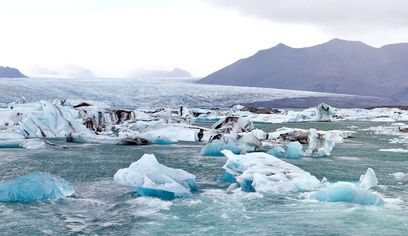
Most visitors stay in the Capital Region and explore southwest Iceland on day trips, returning to the same bed each night. The Golden Circle and Reykjanes fit comfortably in a day; the South Coast as far as Vík is a long but popular day out, and anything further east is better with an overnight stay.
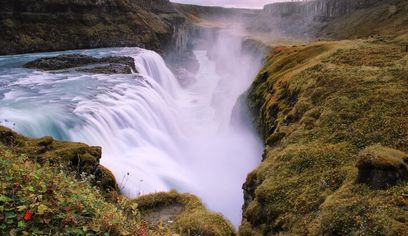
Þingvellir, Geysir and Gullfoss in one classic loop — the most popular day trip from the city.
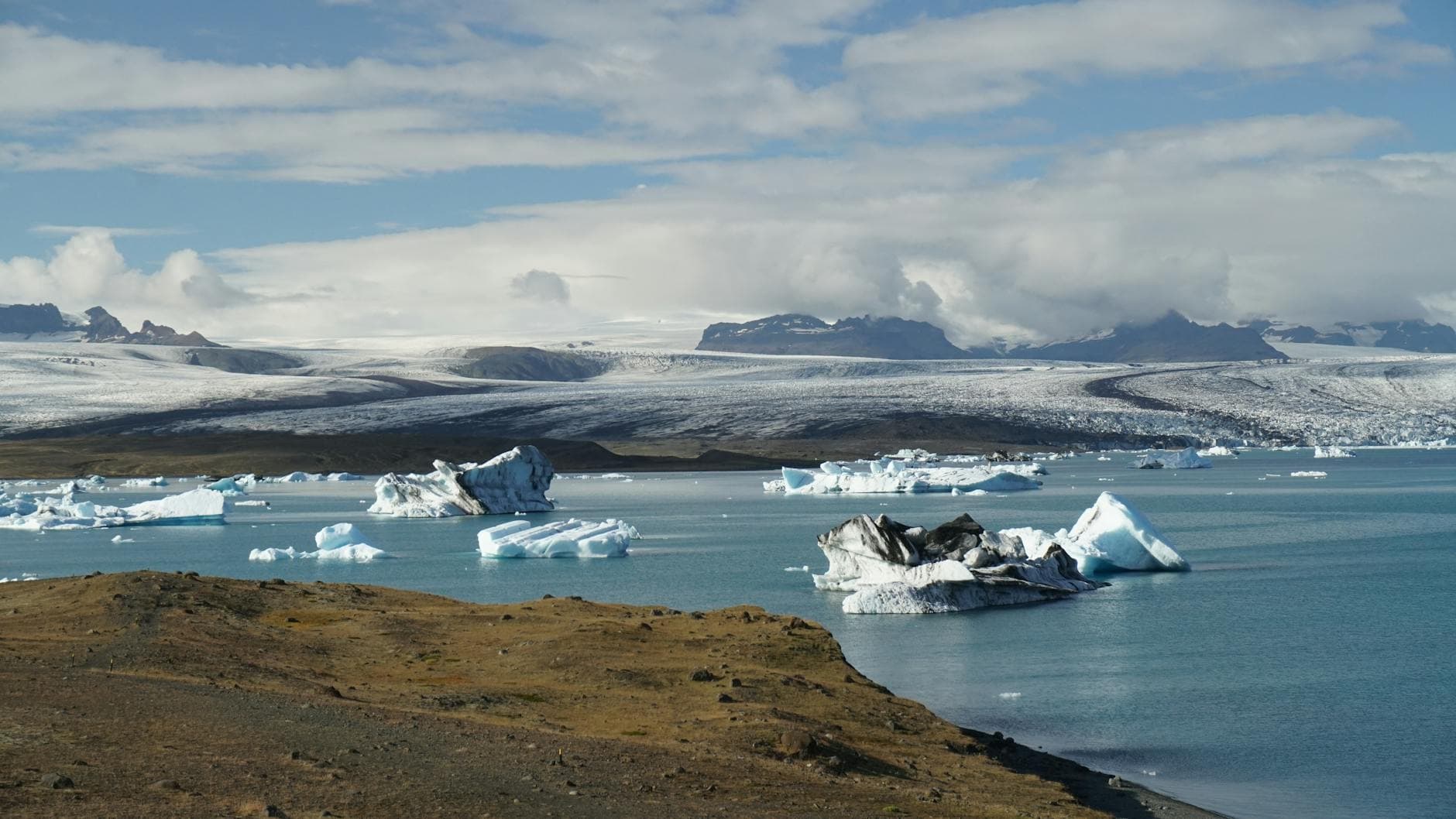
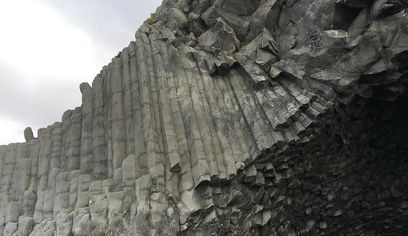
ExploreWaterfalls, black-sand beaches and glaciers along Route 1 — a long but spectacular day.
ExploreGeothermal fields, fresh lava and the Blue Lagoon, within 45 minutes on the way to or from the airport.
ExploreBorgarfjörður's hot springs and the Snæfellsnes peninsula — 'Iceland in miniature'.
ExploreCapital Regionのロードトリップルート
アイスランド自由旅行
主要な立ち寄りスポット、距離、ヒントが記載された自由旅行ガイド — Capital Regionを自分のペースで探索しましょう。
 Easy
EasyIceland's most iconic day trip
 Easy
EasyA quiet fjord alternative close to Reykjavík
 Easy
EasyVolcanoes, lava and the Blue Lagoon
 Moderate
Iceland's legendary Route 1 — the full circle
 Easy
EasyIceland in miniature
 Easy
EasyWaterfalls, black beaches and glaciers
Plan
Ready-made day plans — build them out in the Trip Planner.
The essential city on foot, ending in a neighbourhood pool.
Soak in the neighbourhood geothermal pool.
A second day for the viewpoints, art and old quarters.
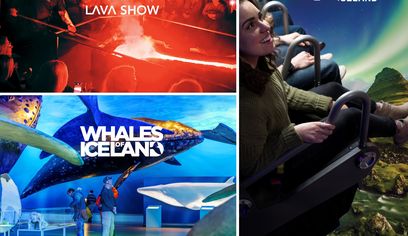
Nature exhibition, ice cave and 360° observation deck.
Free open-air Icelandic sculpture.
Wander the oldest timber houses in the centre.
Sunset or aurora at the lighthouse islet (check tides).
Add a full-day excursion into the southwest and return to the city.
Þingvellir, Geysir and Gullfoss — the classic loop from the city.
Waterfalls and black-sand beaches along Route 1 — longer, but spectacular.
Dinner in Grandi or downtown, then a late-night rúntur.
City & Nature
Few capitals put coast, lava and mountains this close to the centre. Within a short walk or bus ride you can follow the shoreline path, climb the wooded Öskjuhlíð hill to Perlan, walk along the salmon river in Elliðaárdalur or take the ferry to Viðey island — check the seasonal timetable. Mount Esja, across the bay, is a popular half-day hike from the edge of town.
On Seltjarnarnes, the Grótta lighthouse stands on a tidal island that can be reached on foot at low tide. Check the tide times before you cross, and note that the island is closed to visitors during the bird-nesting season in late spring and early summer.
Families
Short distances make the region easy with children. Neighbourhood pools — several with slides and shallow areas — are the obvious favourite, and the Family Park and Zoo in Laugardalur introduces Icelandic farm animals. Indoor exhibitions and the city museums are good standbys when the weather turns.
Geothermal
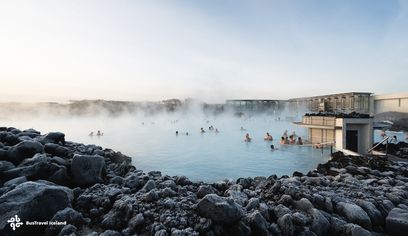
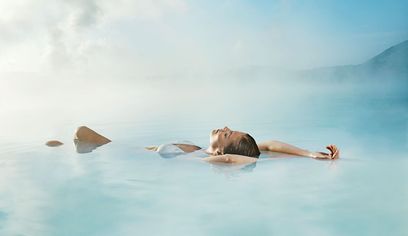
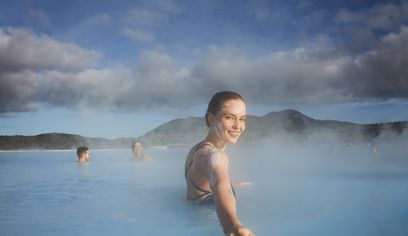
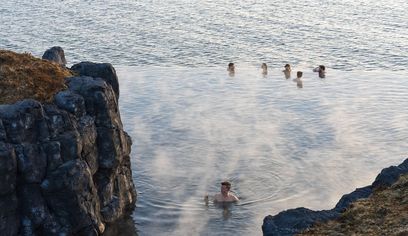
Public geothermal pools are where people in the Capital Region meet — before work, after school and late into the evening, all year round. A typical pool has a lap pool, several hot tubs at different temperatures, a steam room and often a cold plunge, for a fraction of the price of the premium lagoons.
They are easy to fit around bad weather and dark afternoons, and most are family-friendly, with shallow areas and slides at the larger pools.
Off the Beaten Path
Quieter corners most visitors miss.
Know Before You Go
Weather changes fast and the wind is the real factor. A waterproof, windproof shell beats an umbrella year-round.
Public pools are cheap and central to local life — but you must shower without a swimsuit before entering. It's the rule, and it's taken seriously.
Reykjavík's cold tap water is pure — skip bottled water. The hot water smells faintly of sulphur; that's normal and harmless.
Downtown parking is paid in zones P1–P4 during the day. Use the Parka app or meters; outer neighbourhoods are free.
Iceland is almost cashless — cards work for buses, parking, cafés and market stalls. You rarely need cash.
A car is a hassle in the compact centre. Rent one for the Golden Circle or South Coast, not for getting around the city.
Reykjavík is one of Europe's more expensive capitals. Food halls, lunch specials, supermarkets and public pools keep costs down — and the tap water is free.
Museums, pools and shops often keep shorter hours at weekends and on public holidays, and some smaller places close early in winter.
現在の天気
overcast
風速4m/s
さらに深く
Capital Regionの旅を計画するための詳細ガイド
 ガイド
ガイドThings to do, restaurants, museums and nightlife in the capital.
ガイドを読む ガイドÞingvellir, Geysir and Gullfoss in one classic day loop.
ガイドを読む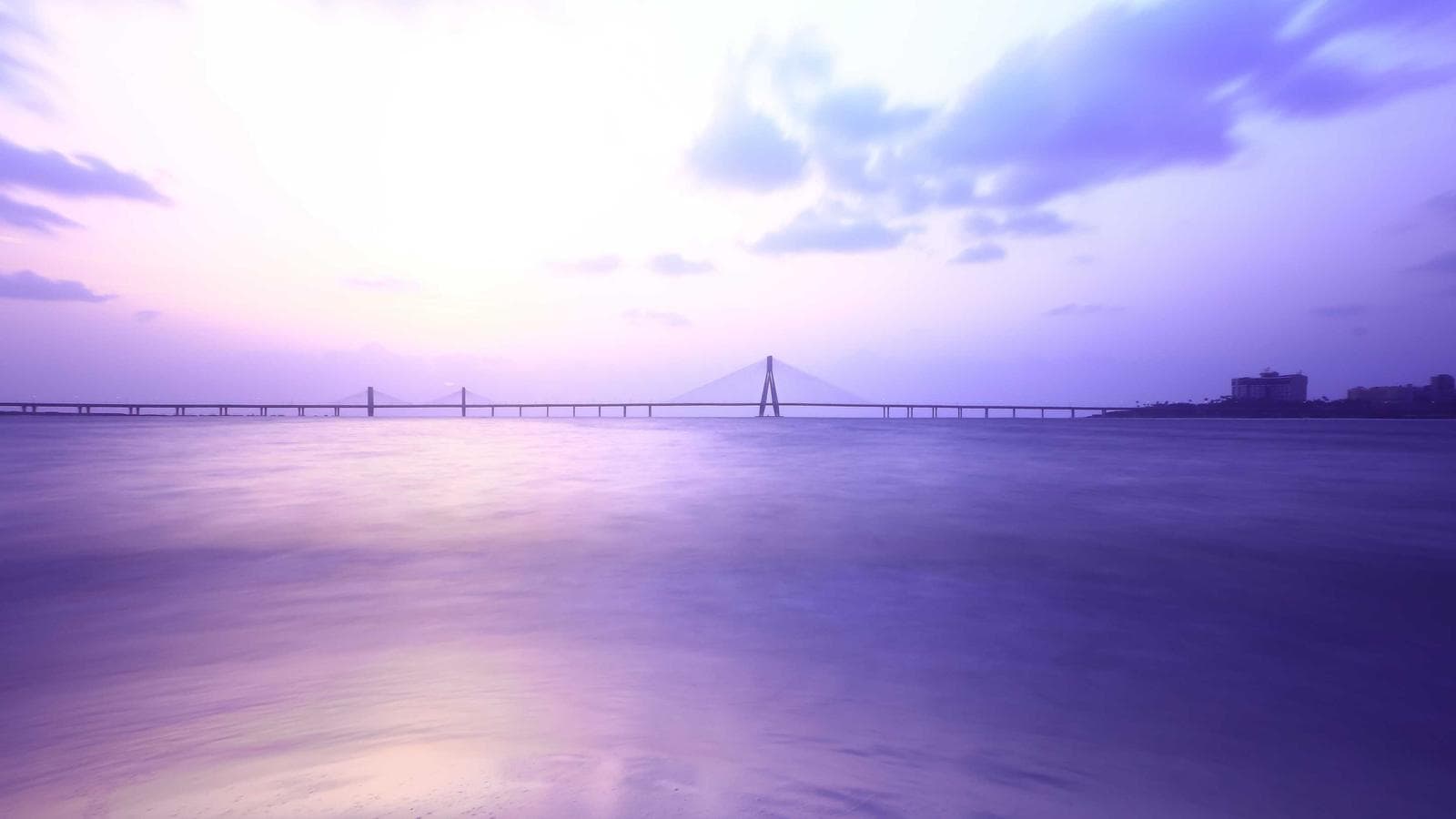 ガイド
ガイドWhen, where and how to catch the aurora near Reykjavík.
ガイドを読む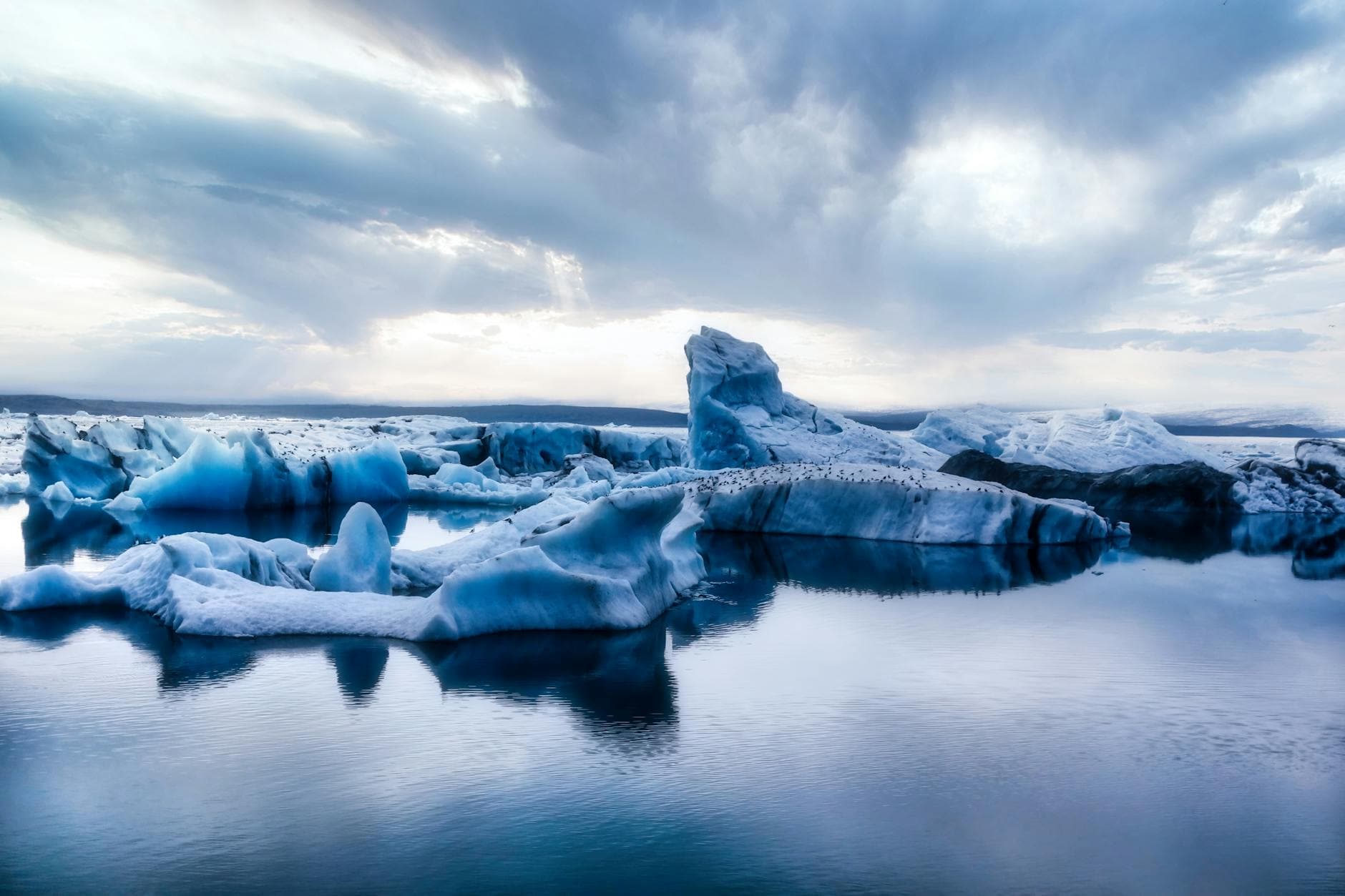 ガイド
ガイドIceland's geothermal spas and where to soak.
ガイドを読む ガイド
ガイドHöfði House, Hólavallagarður cemetery and the capital's ghost folklore.
ガイドを読む知っておきたい
Capital Regionについて知っておくべきこと
Two to three days covers the city itself plus a Golden Circle day trip and the Blue Lagoon or Sky Lagoon. It's also the ideal base for the whole southwest of Iceland.
Yes — the downtown core (101 Reykjavík) is compact and flat. Most attractions, restaurants and bars are within a 20-minute walk of Hallgrímskirkja.
Sometimes, on clear dark nights September–April, but city light pollution weakens them. Drive 20–30 minutes out — Grótta lighthouse or Þingvellir — for the best chance.
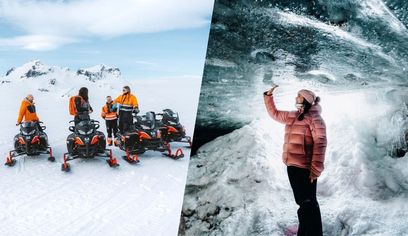
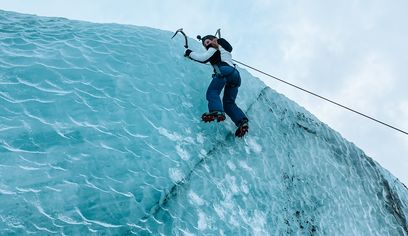
Northern Lights hunting, geothermal pools, museums, the Christmas markets, ice-cave and glacier day tours, and the famously lively bar scene.
The Flybus and Airport Direct coaches run to the city (~45 min), or rent a car at the airport. There is no train.
Yes, among the priciest cities in Europe. Save money with public pools instead of lagoons, tap water instead of bottled, and lunch specials instead of dinner.
101 Reykjavík (downtown) for nightlife and walkability; Laugavegur for shopping; the Old Harbour for whale-watching departures and seafood.
Not for the city itself. You'll want one — or day tours — to reach the Golden Circle, Reykjanes and the South Coast.
A ~230 km loop from Reykjavík taking in Þingvellir National Park, the Geysir hot springs and Gullfoss waterfall. Allow a full day; most tours depart the capital.
June–August for the midnight sun and warmest weather; September–March for Northern Lights and lower prices. The city is a true year-round destination.
さらに探索
Capital Regionからの簡単な延長コース
アイスランドを発見
海のアクティビティ
夜のツアー
オーロラは晴天と太陽活動次第です。見られなかった場合に無料で再参加できるツアーも多くあります。
日帰りツアー
ゴールデンサークル、サウスコースト、オーロラ、氷河ツアー — すべて首都発。
オーロラリアルタイム予報
今夜のオーロラ出現確率を確認
アイスランドを発見
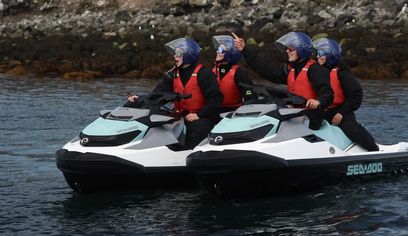
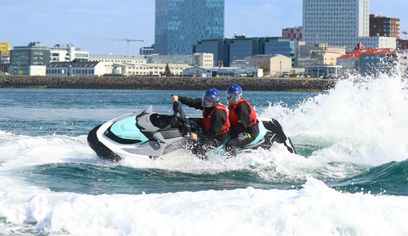
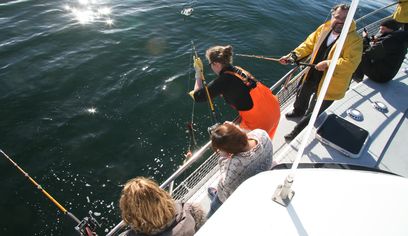
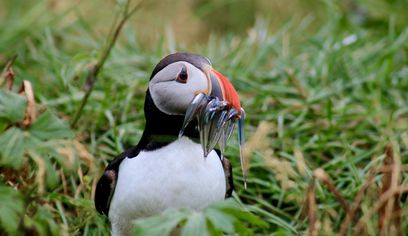
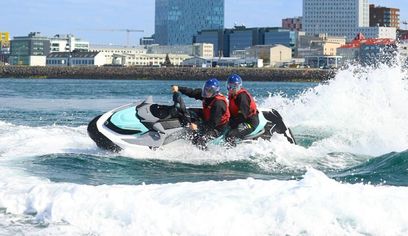
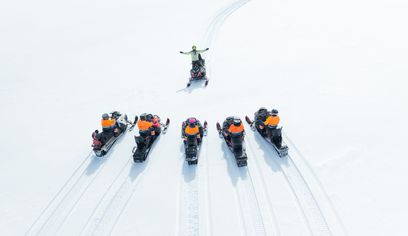
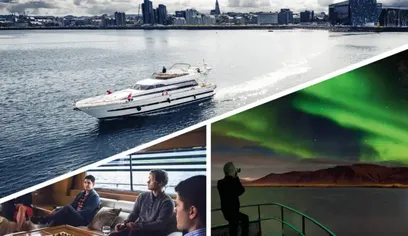
Discover whale watching, city walks, food tours, Northern Lights trips, Golden Circle day tours and more â with live availability and direct booking.
 2 hours 30 minutes
Reykjavik Bike Tours
から
11,500 ISK
 2 hours 30 minutes
Buggy Iceland ehf.
から
36,900 ISK
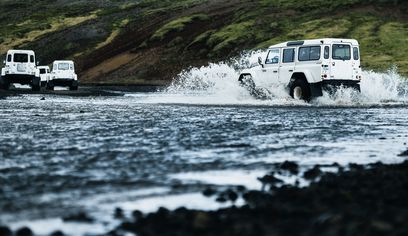 2 hours
 Volcano Trails
から
75,000 ISK
 2 days
 Reykjavik City Card
から
8,500 ISK
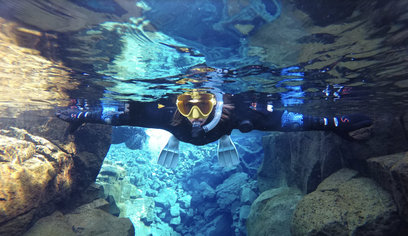 6 hours
 Troll Expeditions
から
27,998 ISK
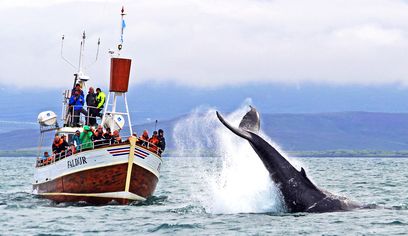 3 hours
 Gentle Giants
から
12,490 ISK
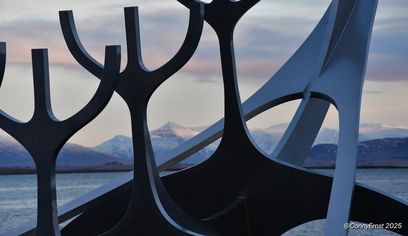 2 hours
 Reykjavik Wayfinder
から
42,656 ISK
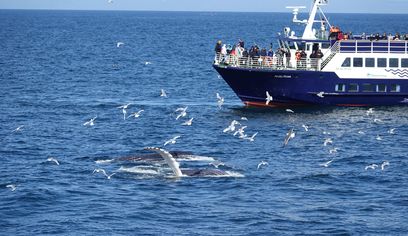 3 hours 30 minutes
Sea Trips Reykjavík
から
12,490 ISK
 4 hours 30 minutes
Hvammsvík Hot Springs
から
16,999 ISK
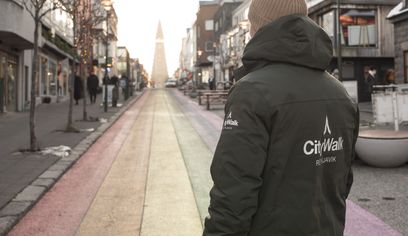 2 hours 30 minutes
CityWalk Reykjavik
から
48,000 ISK
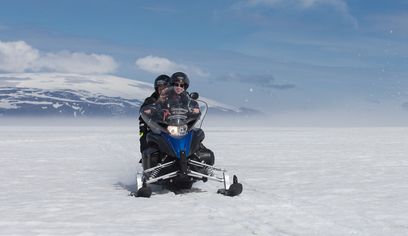 10 hours
 Reykjavik Excursions by Icelandia
から
38,999 ISK
 2 hours 30 minutes
Reykjavik Excursions by Icelandia
から
17,499 ISK
Rainy Days
Wind and rain are part of any Icelandic trip, and the Capital Region copes with them better than anywhere else in the country. Swap outdoor plans for museums and exhibitions, a long soak in a geothermal pool — pools stay open in rain and snow — or an afternoon in the food halls and cafés around the centre. Indoor shows and exhibitions about volcanoes and glaciers bring the landscape inside.
If a tour is cancelled because of wind or storms, operators normally offer to rebook or refund, so keep a flexible day in your plans.
Tours provided by TourDesk â real-time availability, verified Iceland operators.
Tours provided by TourDesk â real-time availability, verified Iceland operators.
Tours provided by TourDesk â real-time availability, verified Iceland operators.
Tours provided by TourDesk â real-time availability, verified Iceland operators.
Tours provided by TourDesk â real-time availability, verified Iceland operators.
Tours provided by TourDesk â real-time availability, verified Iceland operators.