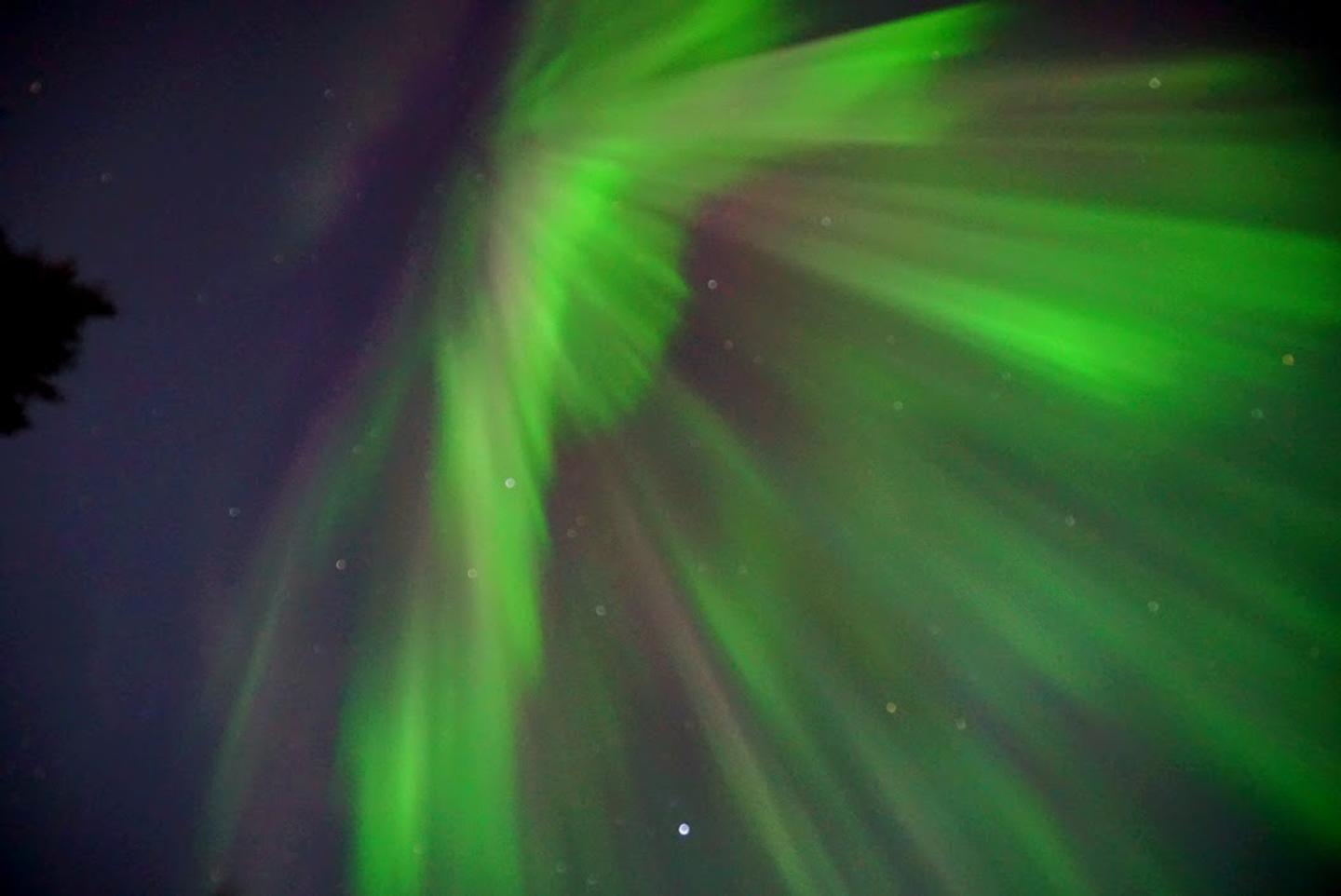


GoIceTravel
アイスランドを探索観光スポットBuild Tripオーロラ予報(リアルタイム)

Language

Northern Lights
🌌Aurora Season Sep–Apr

Northern Lights
in Iceland

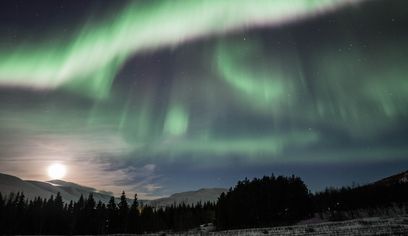
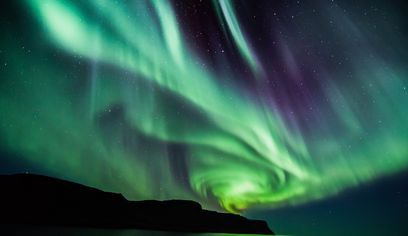
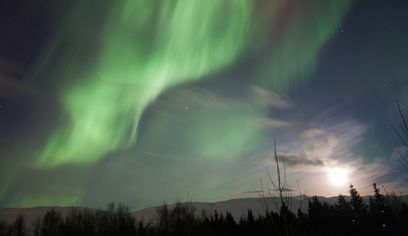
When to go, where to look, how to read aurora forecasts — and how to photograph Iceland's Aurora Borealis in winter.

6+

Locations

6

Top Aurora Locations

Sep–Apr

Aurora Season

KP2+

Visible from Iceland

21:00–02:00

Peak Hours

6+
Locations
6
Top Aurora Locations
Sep–Apr
Aurora Season
KP2+
Visible from Iceland
21:00–02:00
Peak Hours

Explore

Interactive Map

Aurora viewing locations across Iceland — minimal light pollution and dramatic foregrounds

Loading map…

Aurora Viewing Spots

Top Aurora Locations

Iceland's finest spots for dark skies and dramatic foregrounds
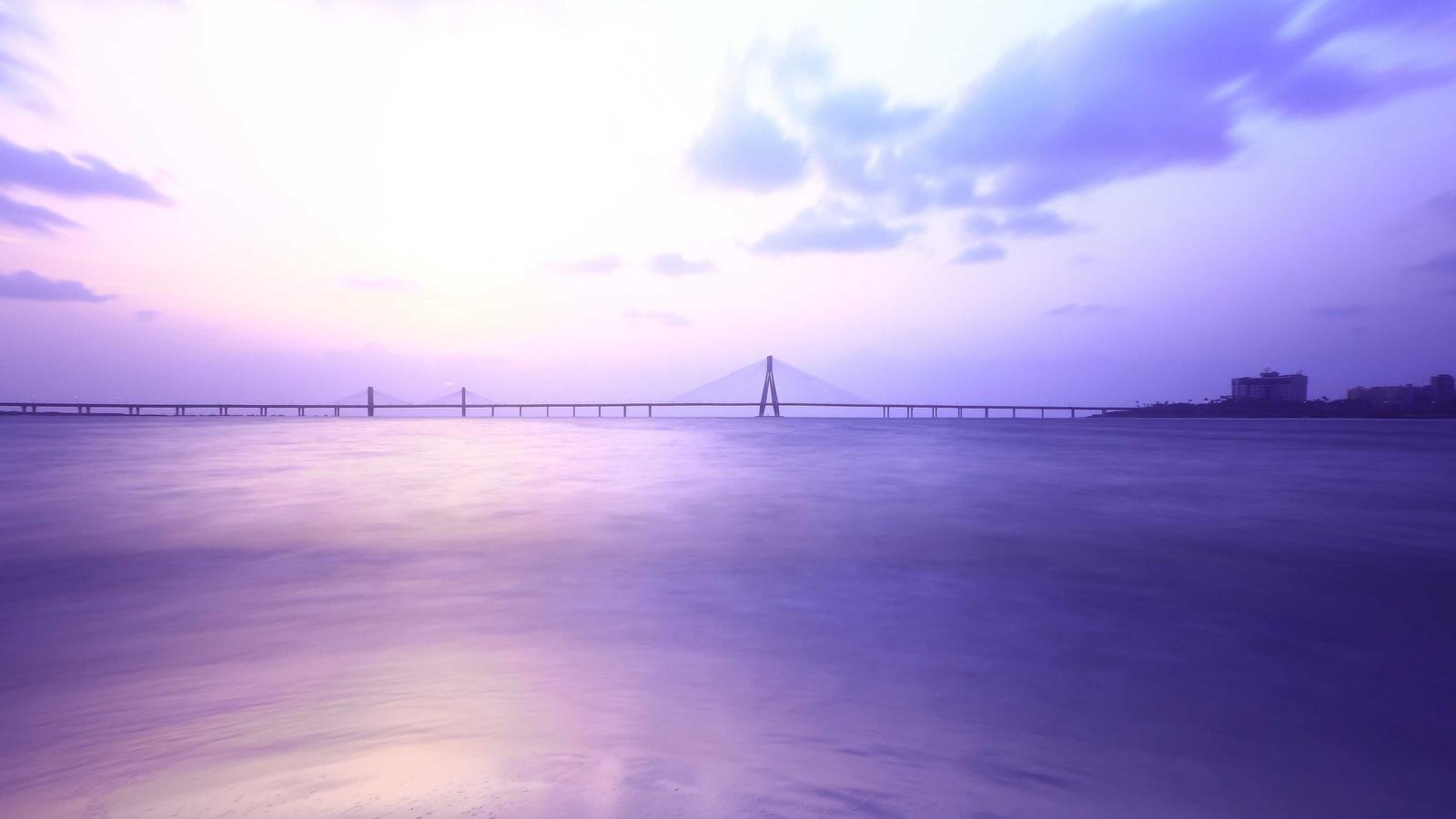
Þingvellir National Park
Easy Access

Þingvellir National Park

Southwest Iceland

UNESCO World Heritage Site — minimal light pollution, dramatic rift valley and Öxará river as foreground. 50 km from Reykjavík.
50 km from ReykjavíkMinimal light pollutionUNESCO Site
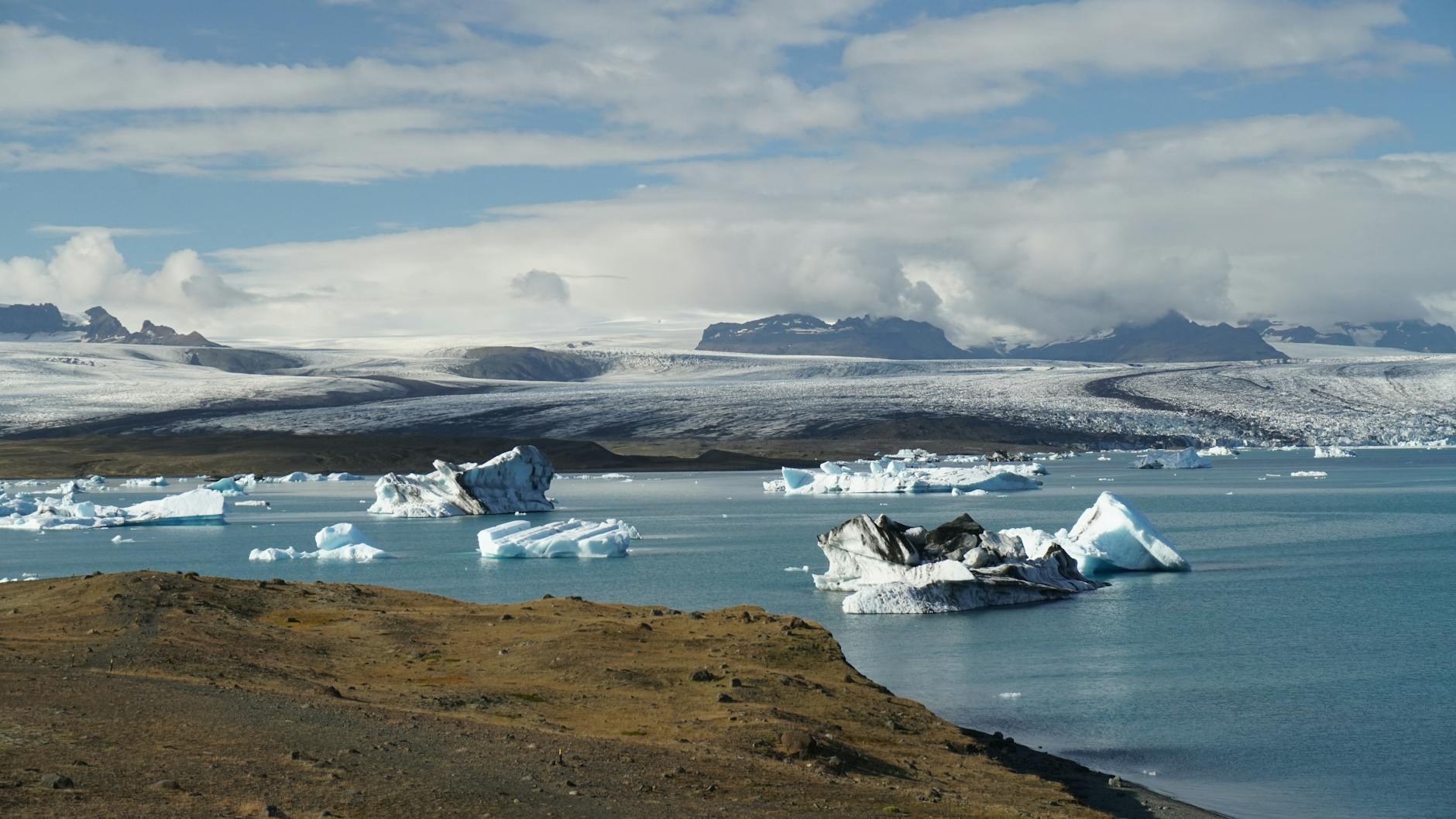
Jökulsárlón Glacier Lagoon
Best Photography

Jökulsárlón Glacier Lagoon

Southeast Iceland

Floating blue icebergs reflect the aurora — one of the world's most iconic photography compositions. Accessible year-round.
Iceberg reflectionsZero light pollutionYear-round
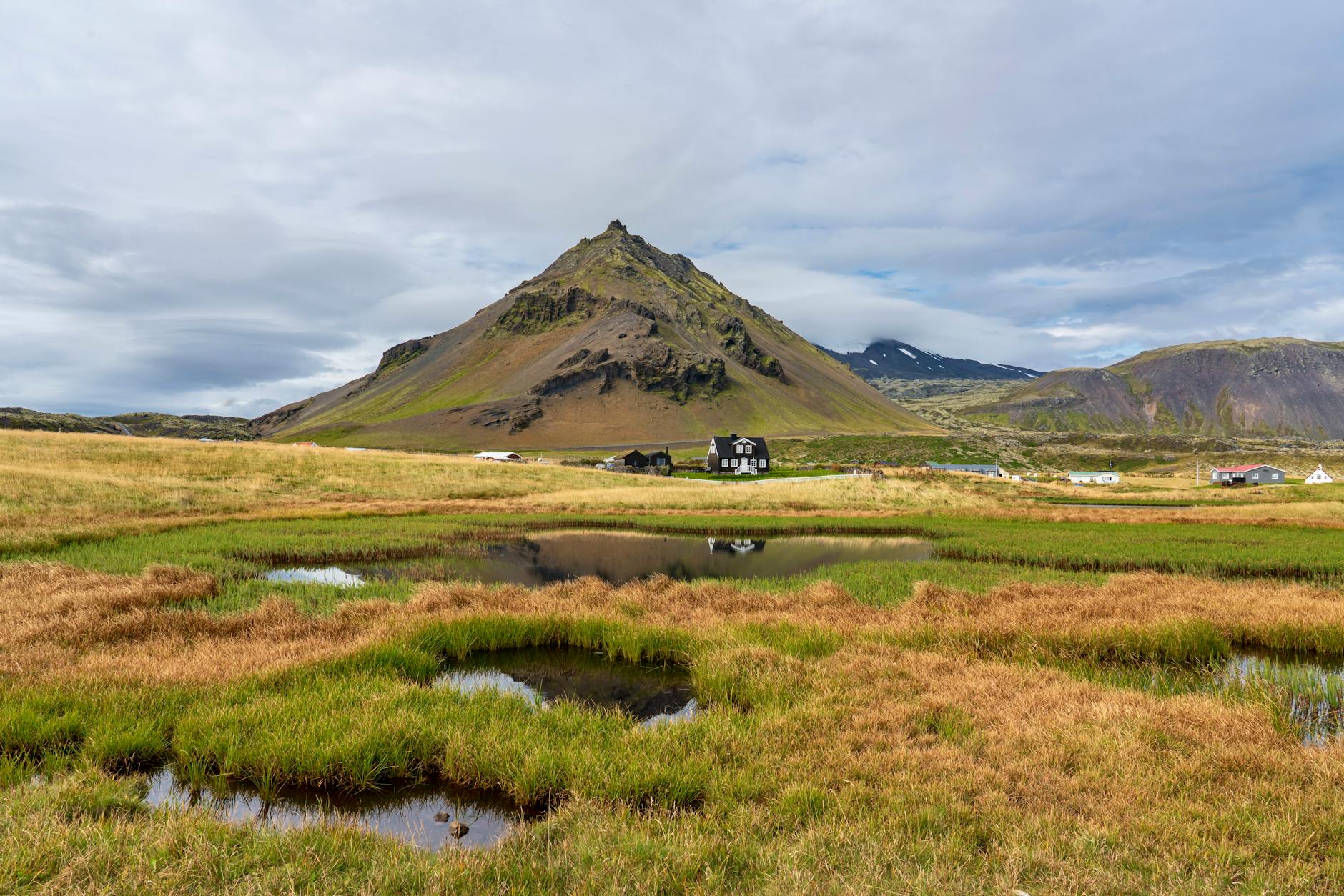
Snæfellsnes Peninsula
Best Foregrounds

Snæfellsnes Peninsula

West Iceland

Kirkjufell mountain, lava fields and dramatic coastlines create perfect foreground variety. Very low light pollution throughout.
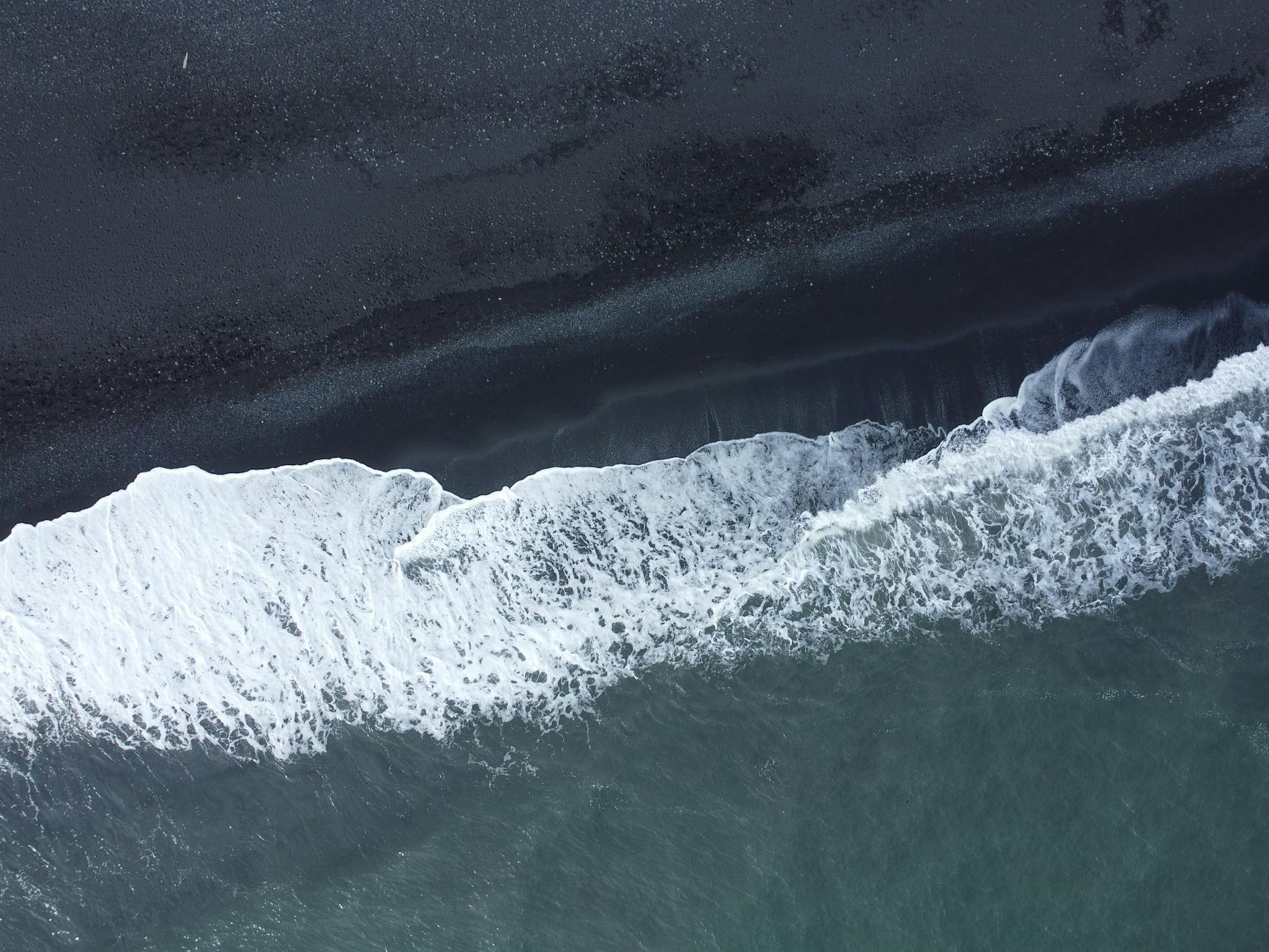
Kirkjufell mountainLava fieldsLow light pollution
Vík & South Coast Beaches
Ocean Views

Vík & South Coast Beaches

South Iceland

Black sand beaches and Reynisdrangar sea stacks face north over the Atlantic — perfect for watching aurora over the ocean.
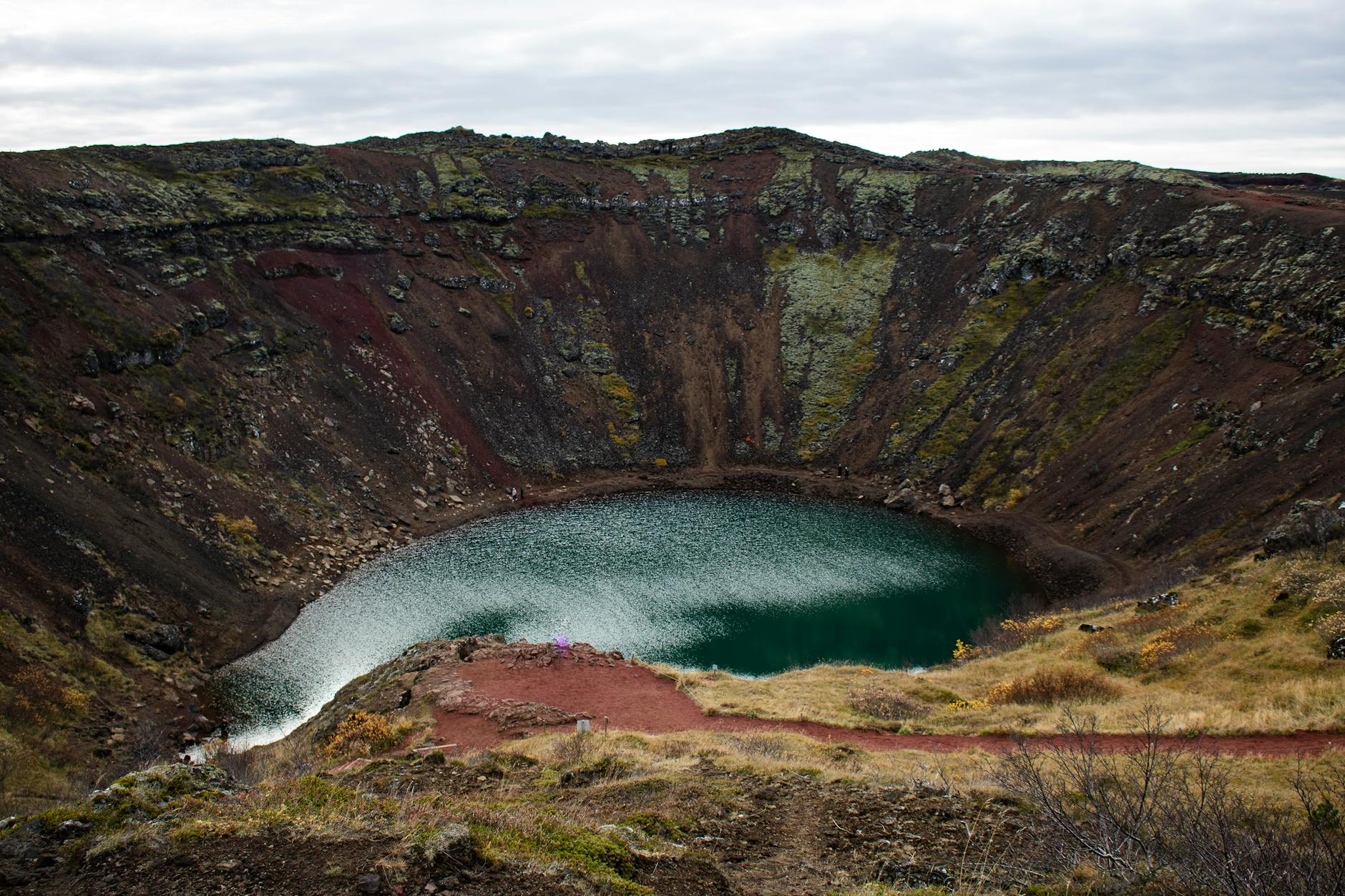
Black sand beachSea stacksNorth-facing
Lake Mývatn & North Iceland
Arctic Proximity

Lake Mývatn & North Iceland

North Iceland

The Arctic Circle proximity and geothermal landscapes of Mývatn give a unique backdrop. Akureyri is Iceland's unofficial aurora capital.
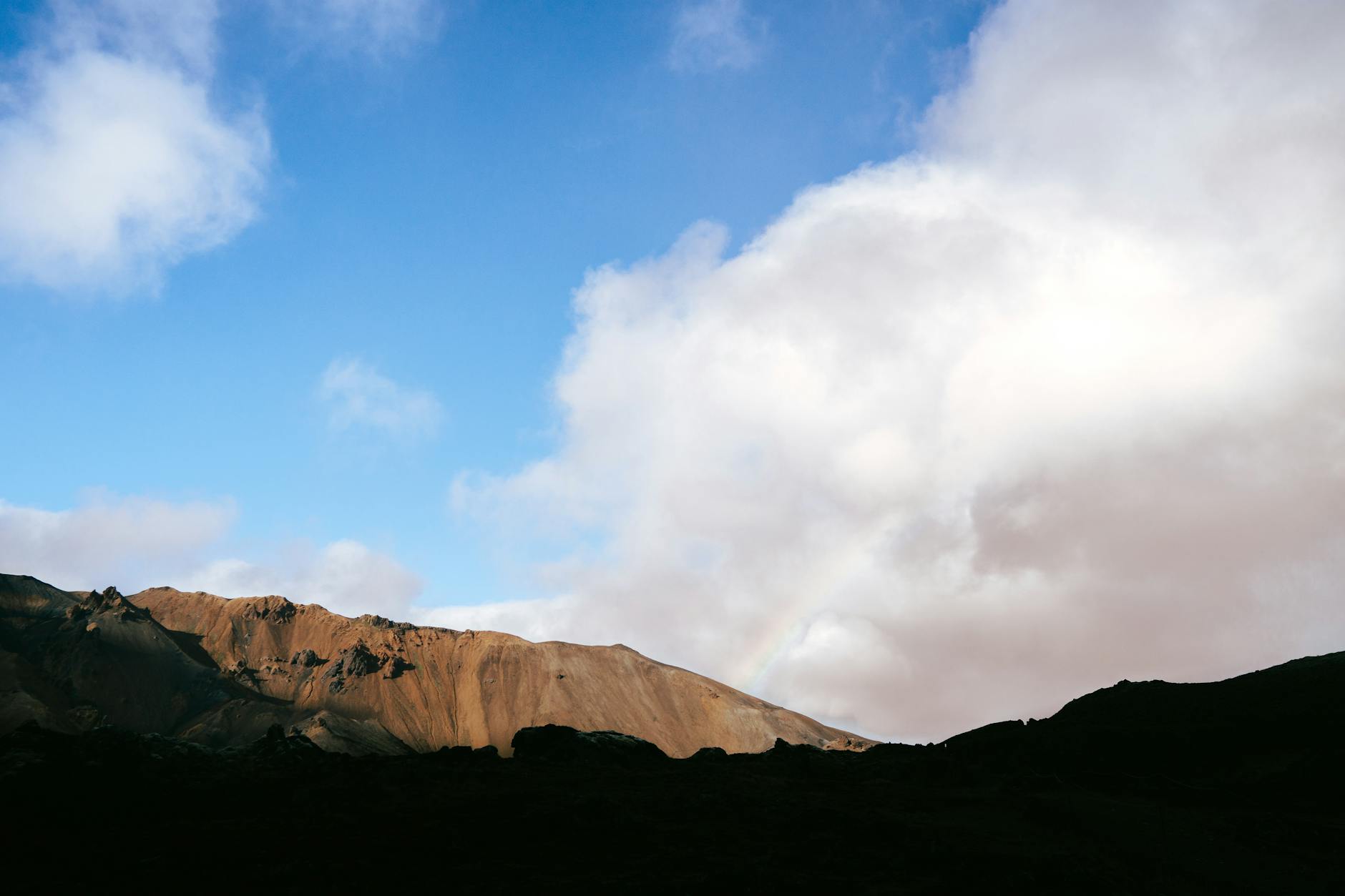
Near Arctic CircleGeothermal settingLow light pollution
Landmannalaugar
Most Remote

Landmannalaugar

South Highlands

Remote highland location with zero light pollution — aurora above the coloured rhyolite mountains. Accessible in September only.
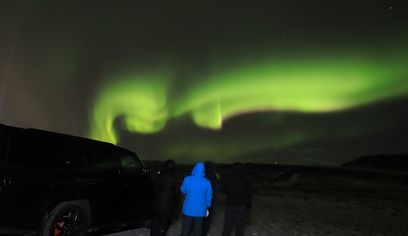
Zero light pollutionRhyolite mountainsSeptember only

Plan

Suggested Itineraries

Pre-planned routes across Iceland

🌙

Reykjavík Aurora Weekend

2–3 nights

Base yourself in Reykjavík. Night 1: Þingvellir. Night 2: drive south toward Vík. Check AuroraVision each evening and chase the clear patches.

Reykjavík baseEasy2–3 nights
🚗

Ring Road Aurora Hunt

7 nights

Drive the Ring Road from October to February. Every night brings new dark-sky locations — Jökulsárlón, Mývatn, and Akureyri are unmissable.

All RegionsRing Road7 nights
🏔️

North Iceland Dark Sky

3 nights

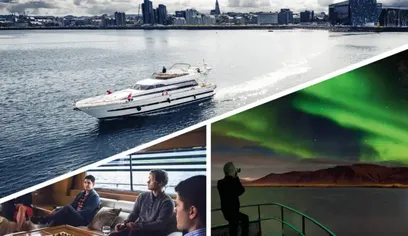
Base in Akureyri. Mývatn night 1, GeoSea aurora from the water night 2, Goðafoss waterfall foreground night 3.

North Iceland3 nightsPhotography
📸

Aurora Photography Trip

5–7 nights

Þingvellir → Jökulsárlón icebergs → Kirkjufell → Goðafoss → Mývatn. Hit all the iconic foregrounds across two weeks in October.

PhotographyOctoberFull loop

Book

Guided Northern Lights Tours

Evening minibus tours from Reykjavík chasing clear skies — some offer a free repeat if conditions are poor

Private Jökulsárlón Glacier Lagoon 2 Day Tour & Glacier Hike
2 days

Private Jökulsárlón Glacier Lagoon 2 Day Tour & Glacier Hike

5.0(160)
From $7240Book
Private 2-Day Glacier Lagoon, Ice Cave and Northern Lights
2 days

Private 2-Day Glacier Lagoon, Ice Cave and Northern Lights

5.0(111)
From $7400Book
Glacier Adventure at Sólheimajökull Private Tour
5h

Glacier Adventure at Sólheimajökull Private Tour

5.0(88)
From $378.51Book
Reykjavik Private Northern Lights Tour with Pro Photographer
3h

Reykjavik Private Northern Lights Tour with Pro Photographer

5.0(85)
From $1618.86Book
Reykjanes Peninsula Private Day Tour - up to 9 passengers
6h

Reykjanes Peninsula Private Day Tour - up to 9 passengers

5.0(81)
From $20500Book
Iceland: Diamond Beach Glacier Lagoon Black Sand Beach 冰岛冰河湖中文一日团
15h

Iceland: Diamond Beach Glacier Lagoon Black Sand Beach 冰岛冰河湖中文一日团

5.0(64)
From $188.51Book

Timing

When Can You See the Northern Lights?

Aurora season runs September through April. Iceland's Midnight Sun makes viewing impossible in summer — the sky never gets dark enough.

January

Excellent

~17h dark

Longest nights of the year. Cold and clear spells give outstanding viewing.

February

Excellent

~15h dark

Still very dark. Strong solar activity common. Great for photography.

March

Good

~12h dark

Spring equinox boosts geomagnetic activity. Aurora still very possible.

April

Possible

~9h dark

Nights getting shorter. Still worth trying, especially early April.

May

Unlikely

~5h dark

Twilight makes faint displays invisible. Not recommended.

June

Impossible

Midnight Sun

Sky never gets dark enough. No aurora viewing.

July

Impossible

Midnight Sun

Sky never gets dark enough. No aurora viewing.

August

Unlikely

~6h dark

Dark skies begin to return late August. Occasional strong display possible.

September

Good

~11h dark

Season begins. Autumn equinox boosts activity. Mild weather is a bonus.

October

Excellent

~14h dark

One of the best months — long nights, frequent clear spells, high activity.

November

Excellent

~16h dark

Very long nights. Snow-covered landscapes make dramatic foregrounds.

December

Excellent

~18h dark

Darkest month. Maximum viewing window. Weather can be stormy — check forecasts.

October–February offers the best combination of long nights and frequent clear spells.

🔭

AuroraVision

Check Aurora Conditions Before You Go

The two most important factors are clear skies and solar activity — AuroraVision tracks both.

🌌

Aurora forecast

Real-time activity level

☁️

Cloud cover maps

Find the clear patches

📊

Visibility score

Combined forecast in one number

Forecasts

Understanding the KP Index

Unlike destinations further south, Iceland can see visible aurora at KP2–3. You don't need a geomagnetic storm — just a clear sky.

KPActivityVisible from Iceland
0–1QuietFaint band, far north only
2LowFaint glow, northern horizon
3ModerateVisible arc, starts moving
4ActiveCurtains and bands, some colour
5StormFull display, green and purple
6–7StrongDramatic full-sky show
8+SevereRare full-sky spectacular

☁️ Cloud Cover Matters Most

Even a KP7 storm is invisible through thick cloud. Many visitors miss displays not because of low solar activity but because they stood in the wrong location. Cloud maps help you find clear patches — often just 50–100 km away.

📊 Visibility Score

AuroraVision combines aurora activity and cloud cover into a single visibility score — making it easy to compare locations across Iceland at a glance. Aim for scores of 5+ before heading out.

Photography

How to Photograph the Northern Lights

Aurora photography rewards preparation. Here's everything you need for successful shots — from camera settings to composition.

📷

Shoot in RAW

RAW files capture far more dynamic range — critical for post-processing dark skies and bright aurora.

🔭

Wide-angle lens

A wide aperture (f/1.4–f/2.8) captures more light. Ultra-wide focal lengths (14–24mm) fit more sky.

📐

Use a tripod

Any exposure over 1 second needs a tripod. Carry a wireless shutter release to avoid camera shake.

🎛️

ISO 800–3200

Start at ISO 1600. Increase if the aurora is faint, decrease if it's bright and fast-moving.

⏱️

2–20s exposures

Fast aurora: 2–5s to freeze movement. Static arc: 15–20s to collect more light.

🎯

Manual focus to infinity

Autofocus fails in the dark. Switch to manual and focus on a distant star or bright light.

🌄

Add foreground

Waterfalls, icebergs, mountains or farmhouses make aurora images memorable, not just snapshots.

🔋

Bring spare batteries

Cold drains batteries fast. Carry at least 2 spares and keep them warm in a pocket.

Preparation

What to Wear for Aurora Hunting

Aurora hunting means standing still outdoors for 1–3 hours. Wind chill makes temperatures feel much colder than the forecast value. Overdressing is never a mistake.

Thermal base layer (top + bottom)
Thick fleece or mid-layer
Waterproof outer jacket
Waterproof trousers
Insulated gloves
Wool hat or balaclava
Wool or thermal socks
Waterproof boots
Neck gaiter or scarf
Hand warmers (disposable)
Headtorch (red mode)
Thermos with hot drink

Help

Frequently Asked Questions

🤖

Plan Your Aurora Adventure

Add aurora viewing spots to your trip — get AI-powered routing, drive times and a complete night-by-night itinerary.

Open Trip Planner