

Iceland Travel Guide
Iceland in
February
Everything you need to know before visiting Iceland in February, including weather, daylight, Northern Lights, ice caves, winter driving, the best places to visit and essential travel tips.
Iceland in February
February is one of the most rewarding months to visit Iceland, offering an exceptional combination of dramatic winter landscapes, exciting outdoor adventures and excellent opportunities to witness the Northern Lights. While many travellers immediately think of snow and freezing temperatures, Iceland in February is far more diverse than its northern latitude might suggest. Thanks to the warming influence of the North Atlantic Current, coastal regions remain comparatively mild, creating ideal conditions for exploring glaciers, waterfalls, black sand beaches and geothermal hot springs without experiencing the extreme cold often associated with Arctic destinations.
For visitors seeking authentic winter experiences, February is considered one of the very best months to travel. Crystal-blue natural ice caves are still accessible beneath Europe's largest glacier, snow-covered mountains create breathtaking scenery across the country, and the long evenings continue to provide excellent conditions for Aurora Borealis hunting. At the same time, the increasing daylight hours allow travellers to enjoy significantly more sightseeing compared with the darkest weeks of December and January.
One of the greatest advantages of travelling during February is the balance it offers between adventure and accessibility. Many of Iceland's most famous attractions remain open throughout the winter season, including the Golden Circle, South Coast, Snæfellsnes Peninsula and Reykjavík. Guided glacier hikes, snowmobile excursions, whale watching tours and ice cave adventures run through the season — though departures depend on weather and conditions, and cancellations are common — while geothermal lagoons provide a relaxing way to end an active day outdoors. Visitors can spend the morning exploring frozen waterfalls, enjoy a glacier hike in the afternoon and finish the evening watching colourful ribbons of green light dance across the Arctic sky.
Weather conditions during February can change rapidly, making preparation an important part of every journey. Sunshine, snowfall, strong winds and clear skies may all occur within the same day, creating constantly changing landscapes that photographers and nature enthusiasts find particularly rewarding. Modern weather forecasting, maintained main roads and experienced local tour operators make winter travel very manageable for visitors who remain flexible, check official road and weather updates, and are willing to change plans.
February is also noticeably quieter than Iceland's busy summer season. Popular attractions are less crowded, accommodation is generally easier to book and many visitors appreciate the calmer atmosphere found throughout the country. Whether you're travelling as a couple searching for the perfect Northern Lights experience, an adventurous family looking for unforgettable winter activities or a photographer hoping to capture Iceland's spectacular landscapes, February provides countless opportunities for memorable experiences.
Throughout this guide, you'll discover everything you need to know before visiting Iceland in February. We'll cover weather conditions, daylight hours, driving advice, the best places to visit, recommended winter activities, packing tips, budgeting, suggested itineraries and practical travel advice to help you plan a safe, enjoyable and unforgettable Icelandic winter holiday.
Quick Facts
Average Temperature
-3°C to 3°C (27°F–37°F)
Although February is one of Iceland's coldest months, temperatures are often warmer than many visitors expect. Coastal areas, including Reykjavík, generally remain close to freezing thanks to the warming influence of the North Atlantic Current. Inland regions and higher elevations can experience significantly colder conditions, especially during clear nights.
Daylight
Approximately 7–10 Hours
Daylight increases rapidly throughout February. At the beginning of the month visitors can expect around seven hours of daylight, while by the end of February daylight approaches ten hours. This extra daylight provides more time for sightseeing while preserving long evenings for Northern Lights hunting.
Northern Lights
⭐⭐⭐⭐⭐
Excellent
February is widely regarded as one of the best months of the year to experience the Aurora Borealis. Long nights create good viewing opportunities whenever skies clear — though February weather is often unsettled, and cloud cover decides many nights.
Tourist Crowds
⭐⭐⭐☆☆
Moderate
Winter tourism remains popular, but attractions are significantly quieter than during the summer season. Visitors often enjoy shorter queues, easier hotel availability and a more relaxed atmosphere.
Driving Conditions
Winter Driving Required
Roads can be icy, snowy or affected by strong winds. Main roads are generally maintained well, but visitors should monitor weather forecasts and road conditions before travelling.
Highlands
Closed
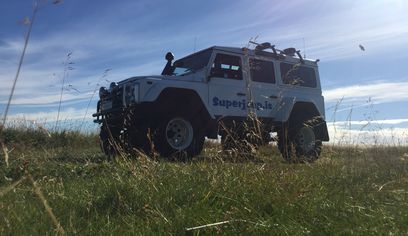
All F-roads leading into the Icelandic Highlands remain closed throughout February. The Highlands are inaccessible except for specialised Super Jeep expeditions.
Best Activities
Best For
Why Visit Iceland in February
February represents one of the most balanced times to experience Iceland's remarkable winter landscapes. While December offers festive charm and the longest nights of the year, and January is still deep winter, February combines many of winter's greatest advantages with noticeably longer daylight hours, making it easier to explore the country without sacrificing opportunities to witness the Northern Lights.
One of the primary reasons visitors choose February is the incredible variety of winter experiences available across Iceland. Rather than focusing on a single attraction, travellers can combine glacier hiking, natural ice cave exploration, whale watching, geothermal bathing, scenic road trips and Aurora hunting into one unforgettable itinerary. Few destinations in the world offer such a diverse range of experiences within relatively short driving distances.
The country's landscapes are particularly striking during February. Snow blankets lava fields, waterfalls become surrounded by intricate ice formations and glaciers display brilliant shades of blue that are rarely seen during warmer months. Iconic destinations including Seljalandsfoss, Skógafoss, Diamond Beach and Jökulsárlón Glacier Lagoon often appear at their most dramatic beneath fresh winter snow.
February is also considered peak season for natural blue ice caves beneath Vatnajökull Glacier. These caves constantly evolve as glaciers move and melt, meaning every winter brings unique formations. Guided tours allow visitors to enter spectacular chambers of crystal-clear blue ice that exist only for a limited period before changing again. For many travellers, exploring a natural ice cave becomes the highlight of their entire Icelandic adventure.
Another major advantage is the excellent balance between daylight and darkness. During midwinter, extremely short days can limit sightseeing opportunities, while by March the nights begin to shorten enough to slightly reduce Aurora viewing opportunities. February sits comfortably between these seasons, allowing visitors to enjoy productive sightseeing during daylight before spending the evening searching for the Northern Lights beneath dark Arctic skies.
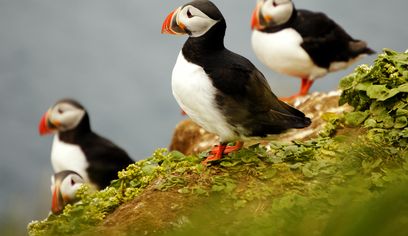
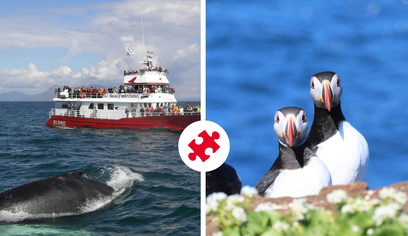
Wildlife enthusiasts also benefit from travelling during February. Some whale watching tours continue on winter schedules, particularly from Reykjavík and Akureyri, where white-beaked dolphins, harbour porpoises and sometimes humpback whales can be seen; orcas are occasionally sighted, especially off Snæfellsnes. Sightings are never guaranteed, and rough seas often cancel departures. Winter birdlife remains active around coastal cliffs and fishing harbours, creating additional opportunities for nature photography.
Photographers frequently describe February as one of Iceland's most rewarding months. The low winter sun produces exceptionally soft light throughout much of the day, extending the golden hour and creating long shadows that add depth to landscapes. Snow-covered mountains, frozen waterfalls and dramatic coastal scenery combine with colourful winter skies to produce extraordinary photographic conditions.
For travellers interested in relaxation as well as adventure, Iceland's geothermal bathing culture becomes even more enjoyable during winter. Sitting in naturally heated mineral-rich water while surrounded by snow-covered landscapes creates a uniquely Icelandic experience. Popular destinations such as the Blue Lagoon, Sky Lagoon, Secret Lagoon, Forest Lagoon and Mývatn Nature Baths all offer unforgettable contrasts between warm water and crisp winter air.
Road trips during February require additional preparation, yet many visitors consider them more rewarding than summer travel. Popular driving routes such as the Golden Circle, South Coast and Snæfellsnes Peninsula remain accessible for most of the season, while reduced traffic allows travellers to spend more time appreciating Iceland's scenery. Visitors simply need to remain flexible, monitor weather forecasts and allow extra travel time when winter conditions develop.
Another important benefit is the calmer atmosphere found throughout many attractions. Compared with the peak summer months, visitors often experience quieter viewpoints, less crowded restaurants and easier hotel bookings. This creates a more relaxed pace of travel that many people find particularly enjoyable.
Finally, February offers exceptional value for many international visitors. Although demand for Northern Lights holidays remains strong, accommodation prices often remain lower than during the height of summer, while many winter tour packages provide excellent value by combining multiple activities into a single itinerary.
Whether your dream is standing inside a glowing blue ice cave, watching whales breach against a snowy coastline, relaxing in steaming geothermal waters or witnessing green ribbons of Aurora dancing across the night sky, February provides an extraordinary opportunity to experience Iceland at its winter best.
Featured Attractions
Handpicked places worth visiting on a February trip.

Reynisfjara
south iceland
Iconic black-sand beach near Vík with basalt columns, sea stacks and dangerous sneaker waves.

Gullfoss Upper Viewpoint
south iceland
Two-stage waterfall on the Hvítá river and one of the main stops on the Golden Circle.

Langjökull Glacier
west iceland
Explore Langjökull, Iceland's second-largest glacier, with its unique man-made ice tunnels and vast snowy landscapes.

Bruarfoss Waterfall
south iceland
Blue-water waterfall on the Brúará river, reached by official walking access in the Golden Circle area.

Djupalonssandur Beach
snaefellsnes
Dramatic black pebble beach beneath Snæfellsjökull with shipwreck remains and ancient lifting stones.

Vidgelmir Lava Cave
west iceland
Iceland's largest and most spectacular lava cave with colorful rock formations and guided tours.
Related Regions
Weather in Iceland in February
February is one of Iceland's true winter months, offering a fascinating mix of snowy landscapes, frozen waterfalls, clear blue skies and rapidly changing weather. While visitors often imagine Iceland experiencing constant heavy snow and Arctic temperatures, the reality is far more varied. Iceland's climate is heavily influenced by the North Atlantic Current, which keeps temperatures considerably milder than many locations at the same latitude.
This unique climate creates one of the country's defining characteristics: unpredictable weather. It is not unusual to experience sunshine, snowfall, rain, strong winds and crystal-clear skies all within a single day. Rather than viewing this as a disadvantage, many visitors come to appreciate how quickly Iceland's scenery transforms as weather systems move across the island.
Being prepared for these changing conditions is the key to enjoying a successful February trip. With suitable clothing, flexible travel plans and regular checks of weather and road information, February becomes one of the most rewarding months to explore Iceland.
Reykjavík right now
Average Temperatures
Typical daytime temperatures range between -3°C and 3°C (27°F–37°F) across much of the country. Night-time temperatures commonly fall below freezing, particularly in inland valleys and northern regions, where temperatures can occasionally drop below -10°C (14°F) during cold spells. Coastal areas such as Reykjavík generally remain milder because the surrounding ocean helps regulate temperatures.
| Region | Average Day | Average Night |
|---|---|---|
| Reykjavík | 1°C | -3°C |
| South Coast | 1°C | -2°C |
| Snæfellsnes | 0°C | -3°C |
| North Iceland | -2°C | -8°C |
| East Iceland | -1°C | -6°C |
| Westfjords | -2°C | -7°C |
Although temperatures may appear relatively mild, wind chill often makes it feel significantly colder. A calm day at -2°C can feel comfortable with the correct clothing, whereas strong winds may make temperatures feel closer to -15°C.
Snowfall
Snow is common throughout February, although the amount varies greatly depending on where you travel.
Northern Iceland generally experiences deeper and more consistent snow cover throughout the month. Areas around Akureyri, Mývatn and the Tröllaskagi Peninsula frequently remain blanketed in snow, creating spectacular winter scenery and excellent conditions for winter activities.
Southern Iceland experiences more variable conditions. Snowfall is common, but mild Atlantic air can occasionally bring rain before temperatures drop again overnight, creating icy surfaces. This constant freeze-thaw cycle contributes to Iceland's dramatic winter landscapes, with waterfalls becoming surrounded by impressive ice formations while rivers continue flowing beneath.
Mountain passes and higher elevations receive considerably more snowfall than coastal regions. Visitors planning road trips should be aware that conditions can change rapidly when travelling between different parts of the country.
Wind
Wind is often a more significant factor than temperature during winter in Iceland. Strong winds are common, particularly along the South Coast, on exposed mountain roads and across open lava fields. Gusts exceeding 20–30 metres per second are not unusual during winter storms and can make driving hazardous, especially for high-sided vehicles such as campervans.
- Hold vehicle doors firmly when opening them.
- Avoid parking facing into strong winds.
- Secure loose belongings before leaving the vehicle.
- Wear windproof outer layers.
- Check weather warnings before travelling.
Many first-time visitors underestimate Icelandic wind. Waterproof clothing alone is not enough — good windproof layers are essential for staying comfortable outdoors.
Rain, Snow and Sunshine
February weather is famously unpredictable. A typical day might begin with snowfall, transition to brilliant sunshine around midday and end beneath clear skies perfect for Northern Lights viewing.
These rapid changes are one of Iceland's greatest attractions. Fresh snow transforms familiar landscapes within minutes, while dramatic cloud formations create exceptional opportunities for photography.
What to pack:
Layering is far more effective than wearing one heavy jacket, allowing you to adjust clothing throughout the day as weather conditions change.
Storms
Winter storms occasionally affect Iceland during February.
Most storms pass within one or two days, but they can temporarily close mountain roads or delay certain tours. Iceland's authorities monitor weather conditions closely and issue warnings well in advance, allowing travellers to adjust plans if necessary.
If severe weather is forecast:
- Avoid unnecessary driving.
- Respect road closures.
- Follow local advice.
- Allow flexibility in your itinerary.
- Keep fuel levels high if travelling outside Reykjavík.
Adding an extra day or two to your itinerary provides valuable flexibility if winter weather affects travel plans.
Regional Differences
Reykjavík
- Generally the mildest winter climate.
- Frequent snow showers mixed with sunshine.
- Ideal base for day trips.
South Coast
- Variable weather.
- Frequent snowfall.
- Strong coastal winds.
- Spectacular winter scenery.
Snæfellsnes Peninsula
- Rapidly changing conditions.
- Excellent Northern Lights opportunities.
- Snow-covered volcanic landscapes.
North Iceland
- Colder temperatures.
- More reliable snow cover.
- Excellent skiing.
- Beautiful winter photography.
East Iceland
- Quiet roads.
- Heavy snowfall possible.
- Excellent scenery.
- Ideal for adventurous travellers.
Westfjords
- Remote.
- Winter conditions can be severe.
- Many roads may close temporarily after heavy snowfall.
- Suitable only for experienced winter travellers.
Why February Weather Is Worth It
Although winter weather requires flexibility, it also creates many of Iceland's most unforgettable experiences.
- Frozen waterfalls sparkle beneath low winter sunlight.
- Fresh snow transforms black lava fields into striking monochrome landscapes.
- Crystal-clear air improves visibility for photography.
- Dark evenings provide excellent Aurora viewing opportunities.
- Natural ice caves reach some of their most spectacular conditions.
- Glaciers appear brighter than at any other time of year.
For travellers willing to embrace changing weather, February rewards patience with scenery that simply cannot be experienced during summer.
Daylight Hours
One of February's greatest advantages is the noticeable increase in daylight compared with the beginning of winter. While December offers only a few hours of daylight, February provides significantly more time to explore Iceland's landscapes without reducing your chances of seeing the Northern Lights.
At the beginning of February, sunrise in Reykjavík occurs at approximately 10:10 AM, with sunset around 5:15 PM, giving visitors roughly seven hours of daylight. By the end of the month, sunrise moves to around 8:40 AM and sunset extends to around 6:40 PM — about ten hours of daylight. This rapid increase in daylight makes February one of the most practical winter months for sightseeing.
Unlike summer, when the sun remains relatively high in the sky for long periods, February's low sun angle creates exceptionally soft light throughout the day. This produces long golden-hour conditions, making landscapes appear more dramatic and providing excellent opportunities for photographers.
The combination of increasing daylight and long evenings allows visitors to enjoy full sightseeing days before heading out again after dark to search for the Aurora Borealis. This balance is one of the main reasons February is considered one of Iceland's best overall travel months.
Sunrise
10:09 → 08:40
Sunset
17:15 → 18:42
Hours of light
7h 06m → 10h 02m
Sunrise and Sunset
| Date | Sunrise | Sunset | Daylight |
|---|---|---|---|
| February 1 | 10:09 | 17:15 | 7h 06m |
| February 10 | 09:40 | 17:45 | 8h 05m |
| February 20 | 09:07 | 18:17 | 9h 10m |
| February 28 | 08:40 | 18:42 | 10h 02m |
These times vary slightly depending on your location in Iceland. Northern regions generally experience slightly shorter daylight than the south, while eastern and western areas differ because of Iceland's geographic position.
Planning Your Day
Morning
- Leave accommodation shortly after sunrise.
- Begin longer drives early.
- Visit waterfalls before tour buses arrive.
Afternoon
- Explore glaciers, beaches, hiking trails and museums.
- Visit geothermal lagoons before sunset.
Evening
- Enjoy dinner.
- Join a Northern Lights tour.
- Relax in a hot spring.
- Explore Reykjavík nightlife.
Keeping most driving within daylight hours improves safety and allows you to appreciate Iceland's scenery more fully.
Photography
February offers some of the best lighting conditions of the entire year.
- Long golden hours.
- Soft shadows.
- Snow reflecting natural light.
- Colourful sunsets.
- Better contrast around glaciers and waterfalls.
- Dark nights for aurora photography.
Many professional landscape photographers intentionally visit Iceland during February because the lighting creates depth that is difficult to achieve during summer.
Daylight Tips
- ✔ Start driving early.
- ✔ Check weather forecasts before departure.
- ✔ Allow additional travel time during snow.
- ✔ Finish long-distance driving before dark whenever possible.
- ✔ Reserve evenings for Northern Lights activities.
Featured Attractions Map
Featured Winter Tours
Bookable tours available in February — Northern Lights, ice caves, glaciers and more.
Northern Lights in Iceland in February
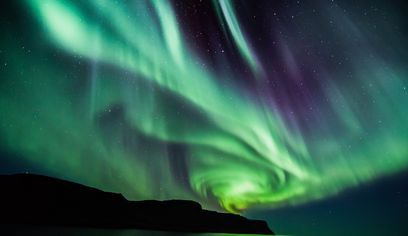
February is widely considered one of the very best months of the year to experience the Northern Lights in Iceland. By this stage of winter, visitors benefit from an ideal combination of long dark evenings, increasing daylight for sightseeing and generally excellent conditions for aurora hunting. For many travellers, witnessing the Aurora Borealis dancing across Iceland's snow-covered landscapes becomes the highlight of their entire trip.
Unlike many natural attractions that can be guaranteed, the Northern Lights are a natural phenomenon that depends on several environmental factors working together. Understanding these conditions will dramatically increase your chances of seeing one of nature's most spectacular displays.
🌌 See the Northern Lights
Track real-time aurora activity and plan your Northern Lights trip with AuroraVision.
What Are the Northern Lights?
The Northern Lights, also known as the Aurora Borealis, are created when electrically charged particles released by the Sun travel through space and collide with gases high in Earth's atmosphere. As these particles interact with oxygen and nitrogen, energy is released as light. Different gases and different altitudes create different colours:
- Green is by far the most common colour and is produced by oxygen at lower altitudes.
- Red auroras occur much higher in the atmosphere and are significantly rarer.
- Purple and violet tones are created by nitrogen.
- Pink edges sometimes appear during periods of intense solar activity.
No two aurora displays are ever identical. Some nights produce faint glowing arcs stretching across the northern horizon, while others fill the entire sky with moving curtains, spirals and waves of brilliant green light.
Why February Is One of the Best Months
Long Darkness
Although daylight is increasing compared with January, nights remain long enough to provide excellent aurora viewing opportunities.
Most successful observations occur between 8:00 PM and 2:00 AM, although displays may appear earlier or later depending on solar activity.
Better Balance
December offers longer nights but very limited daylight for sightseeing. March provides more daylight but noticeably shorter darkness. February sits perfectly between both seasons — visitors can enjoy the activities above during the day before heading out to search for auroras after sunset.
Winter Landscapes
Snow-covered mountains, frozen waterfalls and black lava fields provide incredible foregrounds for aurora photography.
The combination of fresh snow and green auroras creates scenes that have made Iceland famous among photographers worldwide.
The Most Important Factor: Clear Skies
Many visitors believe the KP Index alone determines whether they will see the Northern Lights. This is one of the biggest misconceptions.
Even an extremely strong solar storm cannot be seen if thick clouds cover the sky. Conversely, relatively weak aurora activity can still produce beautiful displays beneath completely clear skies.
Cloud cover is therefore often the single most important factor.
Always prioritise:
- 1 Clear sky
- 2 Darkness
- 3 Solar activity
Understanding the KP Index
The KP Index measures global geomagnetic activity on a scale from 0 to 9.
KP 1–2
Visible across northern Iceland under dark skies.
KP 3–4
Visible throughout much of Iceland.
KP 5+
Strong geomagnetic storm. Potentially spectacular displays.
Iceland lies directly beneath the auroral oval. Unlike countries further south, Iceland often experiences beautiful auroras even when the KP Index remains relatively low — never cancel a Northern Lights tour simply because KP values appear modest.
Solar Wind
The Sun constantly releases charged particles known as the solar wind. Higher wind speeds generally increase the likelihood of strong auroral activity.
300 km/s
Quiet conditions.
500 km/s
Good.
600 km/s+
Excellent.
700 km/s+
Often associated with dramatic displays.
Bz
Bz is one of the most important measurements used by experienced aurora hunters.
When Bz becomes strongly negative, Earth's magnetic field connects more efficiently with incoming solar particles. Negative Bz often produces stronger auroras.
Many experienced photographers pay closer attention to Bz than the KP Index itself.
Best Time of Night
8 PM–10 PM
Good.
10 PM–Midnight
Excellent.
Midnight–2 AM
Often best.
After 2 AM
Still possible.
Displays can begin suddenly and disappear within minutes before returning later. Patience is essential.
Best Places in Iceland
Þingvellir National Park
- Easy access from Reykjavík.
- Wide open skies.
- Excellent foregrounds.
Jökulsárlón Glacier Lagoon
- Floating icebergs beneath dancing auroras create unforgettable reflections.
Diamond Beach
- Black volcanic sand contrasts beautifully with glowing ice and green skies.
Snæfellsnes Peninsula
- Minimal light pollution.
- Mountain scenery.
- Dramatic coastline.
South Coast
- Seljalandsfoss, Skógafoss, Vík and Dyrhólaey all provide spectacular photography opportunities.
North Iceland
- Around Mývatn and Akureyri visitors often experience clear winter skies and excellent aurora conditions.
Westfjords
- For experienced winter travellers seeking complete darkness, the Westfjords provide some of Iceland's least light-polluted skies.
Guided Tour or Self Drive?
Guided Tours
- Local expertise
- Weather knowledge
- Cloud tracking
- No night driving
- Photography assistance
Self Drive
- Maximum flexibility
- More privacy
- Ability to remain longer
- Lower cost for experienced winter drivers
First-time winter visitors often benefit most from joining a guided Northern Lights tour.
What Should You Wear?
Photography Tips
Always include foreground elements such as waterfalls, glaciers, mountains or icebergs to create depth.
Safety
- ✔ Never stop on narrow roads.
- ✔ Use designated parking areas.
- ✔ Avoid standing close to ocean waves.
- ✔ Respect weather warnings.
- ✔ Do not cross safety barriers for photographs.
- ✔ Winter conditions change rapidly, particularly after sunset.
Featured Northern Lights Attractions
Some of Iceland's most reliable aurora-viewing locations.

Þingvellir
golden circle
Þingvellir: A site of profound historical, cultural, and geological significance in Iceland's stunning landscape.
View Attraction →
Jökulsárlón Glacier Lagoon
south iceland
Glacier lagoon where icebergs from Breiðamerkurjökull drift toward the Atlantic.
View Attraction →
Diamond Beach
south iceland
Black-sand beach beside Jökulsárlón where pieces of glacier ice often wash ashore.
View Attraction →
south iceland
Broad 60-metre waterfall by Skógar with viewpoints at the base and above the falls.
View Attraction →
Kirkjufell
snaefellsnes
Kirkjufell, Iceland's iconic 'Church Mountain,' rises majestically over a tranquil river on the Snæfellsnes Peninsula.
View Attraction →
Mývatn
north iceland
View Attraction →Recommended Northern Lights Tours
Guided aurora hunting, photography and Super Jeep tours.
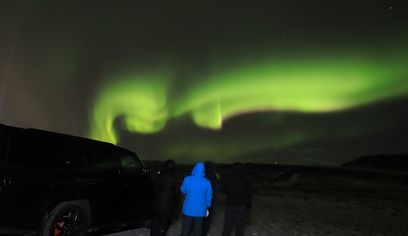 4 hours
LUX 110 Luxury Northern Lights Tour, Aurora Borealis
Superjeep
から
159,900 ISK
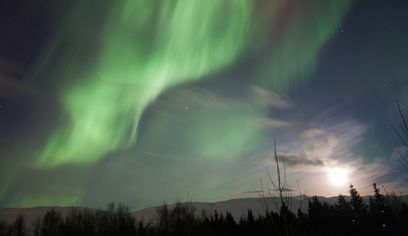 3 hours
Private Northern Lights Tour
Imagine Iceland Travel
から
129,000 ISK
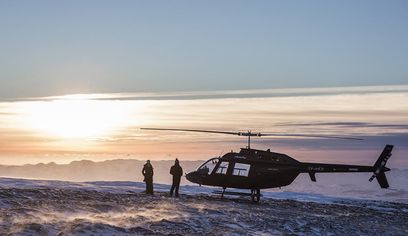 4 hours
Reykjavik by Helicopter & Northern Lights by Boat
Special Tours
から
50,690 ISK
 11 hours 30 minutes
The Golden Circle & Northern Lights - Combo Deal
Reykjavik Excursions by Icelandia
から
20,299 ISK
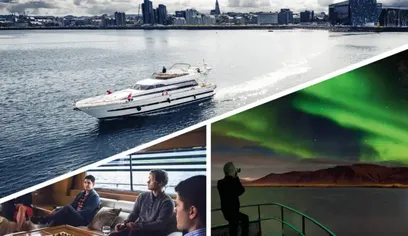 2 hours 30 minutes
Northern Lights Yacht Cruise
Harpa Yachts
から
12,990 ISK
 4 hours
PRIVATE Northern Lights Hunt
Travelling Iceland
から
189,000 ISK
Ice Caves in Iceland in February
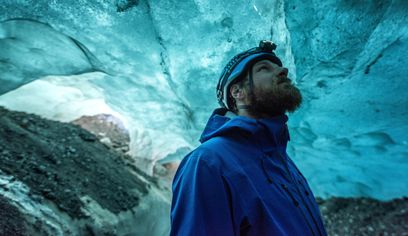
Exploring a natural ice cave is one of the most extraordinary experiences available in Iceland during February. Hidden beneath the country's enormous glaciers, these temporary caves reveal a world of sculpted ice, deep blue chambers, frozen tunnels and constantly changing formations.
February falls directly within the main winter season for natural glacier ice caves, making it one of the best times of year to experience them.
Unlike permanent tourist attractions, natural ice caves are constantly changing. Glaciers move, meltwater creates new tunnels, temperatures fluctuate and sections of ice collapse or reform. A cave that exists during one winter may look completely different the following year — or disappear entirely.
That temporary nature is part of what makes visiting an Icelandic ice cave so remarkable. You are entering a landscape created by moving ice and water that may never exist in exactly the same form again.
Why February Is Excellent for Ice Caves
Natural glacier caves are generally safest to explore during the colder part of the year. During summer, increased meltwater flows through glaciers and makes many natural caves inaccessible or unstable. As temperatures fall during autumn and winter, water levels decrease and guides begin inspecting newly formed caves.
By February, the winter ice-cave season is normally well established. Guides have had time to locate and assess suitable caves, winter temperatures help maintain the structures and the beautiful blue ice associated with Icelandic glacier caves can be particularly impressive.
However, access is never guaranteed. Weather, glacier movement, flooding and safety conditions can change from one day to another — your guide selects a suitable cave based on current safety conditions. Professional glacier guides inspect conditions and may move tours to a different cave when necessary.
That is why travellers should think of an ice-cave booking as an ice-cave experience, rather than expecting one exact cave or chamber shown in a photograph.
Why Is Glacier Ice Blue?
One of the most striking features of Iceland's ice caves is their intense blue colour. Glacier ice has been compressed over many years — as layers of snow accumulate, pressure gradually removes much of the trapped air between individual ice crystals.
Dense glacier ice absorbs longer wavelengths of visible light more effectively while allowing more blue light to travel through the ice. The result can range from pale turquoise to remarkably deep blue.
Lighting conditions also affect what visitors see. Some caves contain translucent ceilings that allow daylight to penetrate the glacier, illuminating the chamber from above. Others are darker tunnels where light enters through a relatively small opening. Fresh snow, cloud cover and the thickness of the ice can all change the appearance of a cave — photographs taken inside the same cave can look dramatically different depending on the day and time.
Vatnajökull — The Classic Ice Cave Experience
Vatnajökull is Europe's largest glacier by volume and covers a vast section of southeast Iceland. The region surrounding Vatnajökull has become internationally famous for natural blue ice caves.
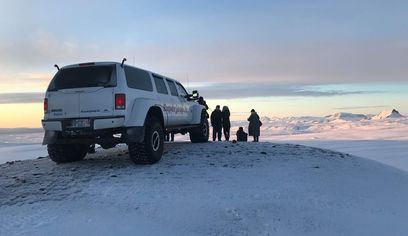
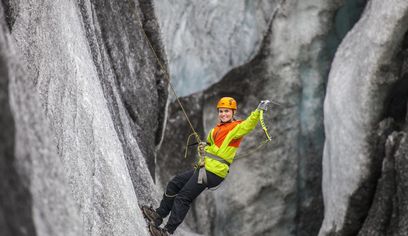
Many tours depart from the area around Jökulsárlón Glacier Lagoon, Skaftafell, Höfn and Vatnajökull National Park. The journey itself is part of the experience — depending on the location of the cave, visitors may travel in specially modified Super Jeeps across rough glacial terrain before continuing on foot with a certified glacier guide. Once on the glacier, helmets and crampons are normally provided before the group approaches the cave.
Katla Ice Cave
The Katla glacier area near Vík offers another very different ice-cave experience. Katla lies beneath Mýrdalsjökull glacier and is associated with one of Iceland's most powerful volcanoes.
The ice in this region often contains visible layers of dark volcanic ash created by past eruptions. Instead of the almost completely blue appearance found in some Vatnajökull caves, Katla can reveal dramatic combinations of black volcanic ash, white snow and blue glacier ice — creating striking striped formations within the glacier.
Another important advantage is location: Vík is considerably closer to Reykjavík than Jökulsárlón, making Katla attractive to travellers who have limited time or who are already exploring Iceland's South Coast. Some Katla experiences also operate across a broader portion of the year, although exact accessibility depends on current glacier and weather conditions.
Conditions permitting, the exact cave depends on current glacier conditions — your guide selects a suitable cave based on current safety conditions, and no specific cave or chamber can ever be guaranteed in advance.
Natural Ice Caves vs Man-Made Ice Tunnels
Natural Ice Cave
- Created naturally by meltwater, glacier movement, temperature changes and seasonal freezing.
- Shape and location change continuously.
- No two seasons are identical.
Man-Made Ice Tunnel
- Excavated intentionally into glacier ice.
- Generally more predictable and accessible throughout a larger portion of the year.
Both can be fascinating, but travellers specifically seeking the famous blue natural caves should confirm exactly what type of experience a tour provides before booking.
Can You Visit an Ice Cave Without a Guide?
Visitors should never enter a natural glacier ice cave independently. Glaciers are moving environments.
- Hidden crevasses
- Falling ice
- Unstable cave ceilings
- Meltwater
- Rapid weather changes
- Difficult glacier terrain
A location that appears safe to an inexperienced visitor may contain hazards that are not visible from the surface. Professional glacier guides understand how to evaluate these conditions and have appropriate safety equipment — a guided tour is therefore not simply a convenient way to find the cave, it is an essential part of safely experiencing this environment.
What Equipment Is Provided?
Travellers should bring appropriate winter clothing regardless of what technical equipment is supplied.
What Should You Wear?
Base Layer
Thermal wool or synthetic clothing. Avoid cotton whenever possible because it retains moisture.
Mid Layer
Fleece or insulated layer.
Outer Layer
Windproof and waterproof jacket.
Trousers
Water-resistant or waterproof outer trousers.
Boots
Sturdy waterproof hiking boots with good ankle support.
How Difficult Are Ice Cave Tours?
Difficulty varies significantly. Some experiences require only a relatively short walk from a Super Jeep. Others involve longer glacier hikes, uneven terrain, steep sections, crampon use and several hours outdoors.
Compare before booking:
Are Ice Caves Suitable for Children?
Some ice cave tours are suitable for children. Minimum ages differ between operators and routes because each cave requires different levels of walking and glacier access.
Families should select tours specifically marked as family-friendly rather than choosing solely by price or photographs. Children also need appropriate winter clothing and footwear.
Ice Cave Photography
For cameras
- Shoot RAW when possible.
- Use a wide-angle lens.
- Increase ISO rather than relying on very long exposures when groups are moving.
- Protect equipment from moisture.
- Bring spare batteries because cold reduces battery performance.
For smartphones
- Modern phones can produce surprisingly good results using night mode.
- Avoid blocking narrow passages while taking photographs.
- Always follow the guide's instructions and allow other visitors to move safely through the cave.
Combine an Ice Cave with Jökulsárlón
A February itinerary can often include:
Morning
Jökulsárlón Glacier Lagoon
Late Morning / Afternoon
Ice Cave Experience
Afternoon
Diamond Beach
Evening
Northern Lights search if conditions are favourable
Staying in Southeast Iceland tonight? Check the live Northern Lights forecast before leaving Jökulsárlón.
Southeast Iceland can provide exceptional dark skies. If your ice-cave tour finishes during the afternoon, check the evening conditions before leaving the area — a clear February night around Jökulsárlón or the surrounding southeast can provide outstanding Northern Lights opportunities because artificial light pollution is extremely limited.
Featured Ice Cave Locations
Glaciers and locations where February ice-cave tours typically depart from.

Vatnajökull Glacier
south iceland
Iceland's largest ice cap, covering much of Southeast Iceland and several active volcanic systems.
View Location →Jökulsárlón Glacier Lagoon
south iceland
Glacier lagoon where icebergs from Breiðamerkurjökull drift toward the Atlantic.
View Location →
Skaftafell Nature Reserve
south iceland
Major hiking and visitor area within Vatnajökull National Park.
View Location →
Mýrdalsjökull
south iceland
Large South Iceland ice cap covering the active Katla volcanic system.
View Location →
Katla Ice Cave
south iceland
Guided ice-cave experience in Kötlujökull, where glacier formations change continuously.
View Location →
Vik
south iceland
Southernmost mainland village in Iceland and a key South Coast service centre.
View Location →Recommended Ice Cave Tours
Guided natural ice cave tours across Vatnajökull, Jökulsárlón and Katla.
 4 hours
Skaftafell Blue Ice Cave & Glacier Hike
Troll Expeditions
から
19,147 ISK
 8 hours
DT 306 Private Superjeep Borgafjörður & Into The Glacier
Superjeep
から
269,400 ISK
 4 hours
Skaftafell Ice Climbing & Glacier Hike
Troll Expeditions
から
31,828 ISK
 5 hours 30 minutes
Ice cave - Adventures dream
Glacier Trips
から
36,900 ISK
 8 hours
DT 406 Private Monster Truck Borgafjörður & Into The Glacier
Superjeep
から
416,100 ISK
 4 hours 30 minutes
Skaftafell Glacier Hike and Ice Climbing
Icelandic Mountain Guides by Icelandia
から
32,999 ISK
Read our first-hand Langjökull ice cave guide for a detailed account of what to expect on Arctic Adventures' glacier tour.
Glacier Hiking in Iceland in February
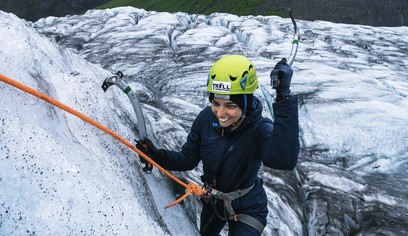
Glacier hiking is one of the most memorable winter activities available in Iceland, and February is an excellent month to experience it. During winter, Iceland's glaciers become especially dramatic, with fresh snow, exposed blue ice, deep crevasses and frozen formations creating landscapes that feel completely different from the warmer months.
Unlike viewing a glacier from a roadside viewpoint, a guided glacier hike allows travellers to step directly onto the ice and explore the glacier from within. The experience combines physical activity, extraordinary scenery and an opportunity to learn how Iceland's glaciers move, change and respond to the climate.
February conditions are particularly rewarding because the colder temperatures often produce firmer surfaces and striking blue ice formations. At the same time, winter weather means glacier hiking should always be done with a qualified guide and appropriate equipment.
Why Go Glacier Hiking in February?
Dramatic Winter Scenery
Snow-covered mountains and white glacier surfaces create exceptional scenery. Fresh snow can soften the landscape while exposed sections of blue ice provide strong contrast.
Fewer Crowds
Compared with summer, winter groups are often smaller and glacier areas can feel more peaceful.
Excellent Photography
Low winter light creates long shadows, softer highlights and richer contrast across the ice.
Combine With Other Winter Experiences:
Where Can You Go Glacier Hiking?
Sólheimajökull
Sólheimajökull is one of Iceland's most accessible glacier tongues and one of the most popular places for guided glacier hiking. It is located between Skógafoss and Vík, making it easy to include in a South Coast road trip.
The glacier is an outlet of Mýrdalsjökull. Many tours from Reykjavík combine Sólheimajökull with major South Coast attractions — because access is relatively straightforward compared with more remote glaciers, it is often a good choice for first-time glacier hikers.
Skaftafell
Skaftafell lies within Vatnajökull National Park and provides access to some of Iceland's most impressive glacier landscapes. Tours here often explore outlet glaciers flowing from Vatnajökull, Europe's largest glacier by volume.
Skaftafell is farther from Reykjavík than Sólheimajökull, so it is best suited to travellers staying overnight on the South Coast or in southeast Iceland. Combining Skaftafell with Jökulsárlón and Diamond Beach creates an excellent winter itinerary.
Vatnajökull
Vatnajökull covers a large portion of southeast Iceland. Some glacier hiking tours in this region include more technical terrain and longer hiking distances than beginner experiences.
Vatnajökull is particularly popular among travellers who want to combine glacier hiking with natural ice caves, Jökulsárlón, Diamond Beach and the rest of southeast Iceland. The scenery can be extraordinary during February.
How Difficult Is Glacier Hiking?
Glacier hiking does not necessarily require mountaineering experience. Many introductory tours are designed for travellers with average fitness. However, the difficulty varies considerably — some beginner tours involve two to three hours on relatively manageable terrain, while more advanced experiences may involve longer hikes, steeper ice and technical equipment. Travellers should always read the tour description carefully before booking.
What Equipment Is Provided?
What Should You Wear?
Base Layer
Thermal wool or synthetic clothing.
Mid Layer
Fleece or insulated jacket.
Outer Layer
Waterproof and windproof shell.
Trousers
Water-resistant hiking trousers.
Boots
Sturdy waterproof hiking boots with ankle support. Some operators may rent boots if necessary, but travellers should confirm before arrival.
Exact equipment depends on the operator and route. Travellers should not assume that winter clothing is included.
Why You Need a Guide
Walking onto a glacier without professional guidance is dangerous. Glaciers contain hazards that may be difficult or impossible to see.
- Crevasses hidden beneath snow
- Unstable ice
- Meltwater channels
- Sudden weather changes
- Falling ice
- Difficult route finding
Professional glacier guides continuously assess current conditions and choose routes based on safety. A safe-looking surface may hide deep crevasses beneath a thin snow bridge — never walk onto a glacier independently unless you have appropriate glacier training and equipment.
Glacier Safety in February
February conditions can change rapidly. Guides may alter routes or cancel tours because of:
This should be viewed as a sign of professional safety standards rather than an inconvenience. Travellers should maintain flexible itineraries and avoid scheduling extremely tight connections immediately after glacier tours.
Glacier Hiking for Families
Some glacier tours accept children, but minimum age requirements vary. Shorter introductory experiences are generally more suitable for families.
Photography on the Glacier
- Use a wide-angle lens.
- Protect batteries from cold.
- Carry spare batteries.
- Use a polarising filter carefully.
- Shoot RAW where possible.
- Avoid stepping away from the group for photographs.
Combine Glacier Hiking with the South Coast
Combine Skaftafell with Jökulsárlón
Northern Lights After a Glacier Hike
Glacier hiking often finishes before darkness. If conditions are promising, visitors staying along the South Coast or in southeast Iceland can use the evening for Northern Lights viewing.
Glacier by Day. Aurora by Night. Check tonight's live Northern Lights conditions before heading out.
Featured Glacier Locations
South Coast and southeast Iceland glacier-hiking areas.

Sólheimajökull
south iceland
Accessible outlet glacier of Mýrdalsjökull with a marked visitor approach from Road 221.
View Location →Skaftafell Nature Reserve
south iceland
Major hiking and visitor area within Vatnajökull National Park.
View Location →Vatnajökull Glacier
south iceland
Iceland's largest ice cap, covering much of Southeast Iceland and several active volcanic systems.
View Location →Mýrdalsjökull
south iceland
Large South Iceland ice cap covering the active Katla volcanic system.
View Location →Jökulsárlón Glacier Lagoon
south iceland
Glacier lagoon where icebergs from Breiðamerkurjökull drift toward the Atlantic.
View Location →Recommended Glacier Hiking Tours
Guided glacier hikes on Sólheimajökull, Skaftafell and Vatnajökull.
4 hoursSkaftafell Blue Ice Cave & Glacier Hike
Troll Expeditions
から
19,147 ISK
8 hoursDT 306 Private Superjeep Borgafjörður & Into The Glacier
Superjeep
から
269,400 ISK
4 hoursSkaftafell Ice Climbing & Glacier Hike
Troll Expeditions
から
31,828 ISK
5 hours 30 minutesIce cave - Adventures dream
Glacier Trips
から
36,900 ISK
8 hoursDT 406 Private Monster Truck Borgafjörður & Into The Glacier
Superjeep
から
416,100 ISK
4 hours 30 minutesSkaftafell Glacier Hike and Ice Climbing
Icelandic Mountain Guides by Icelandia
から
32,999 ISK
Best Snowmobile Tours in Iceland in February
Compare highly rated snowmobile experiences on Langjökull and Mýrdalsjökull.
Read our first-hand snowmobiling on Langjökull guide for a full account of the Mountaineers of Iceland Gullfoss departure.
Whale Watching in Iceland in February
Whale watching may be more strongly associated with Iceland's summer months, but February can still offer rewarding opportunities to see whales and dolphins in Icelandic waters. Winter whale watching has a completely different atmosphere: snow-covered mountains, low Arctic sunlight and dramatically fewer visitors can make the experience feel considerably more remote than during the peak summer season.
The most important difference is that wildlife sightings can never be guaranteed. Whale distribution changes with food availability, ocean conditions and season, and the experience varies considerably between different parts of Iceland.
Travellers should therefore choose the departure location carefully and book with realistic expectations.
Can You See Whales in Iceland in February?
Yes. Several whale and dolphin species can be encountered around Iceland during winter. Potential sightings include:
The species and likelihood of sightings depend heavily on location and current conditions. Winter tours generally operate with fewer passengers than during summer, which can create a more relaxed experience.
However, February weather can also cause cancellations. Travellers should avoid scheduling a whale watching trip immediately before an international flight or another activity that cannot be moved.
Whale Watching from Reykjavík
Reykjavík is the easiest whale watching departure point for most February visitors. Tours depart from the Old Harbour and travel into Faxaflói Bay.
The main advantage is convenience — travellers staying in central Reykjavík can often walk directly to the harbour without needing a rental vehicle.
Particularly useful on:
What might you see from Reykjavík?
Orca Watching Around Snæfellsnes
For travellers particularly interested in orcas, West Iceland can be especially interesting during winter. Waters around the Snæfellsnes Peninsula can attract orcas when food conditions are favourable. Ólafsvík is one of the locations associated with whale watching in this region.
The experience differs significantly from a standard Reykjavík harbour excursion.
Snæfellsnes offers:
However, winter road conditions require considerably more planning.
Visitors should not drive long distances to Snæfellsnes solely because they assume an orca sighting is guaranteed. It is wildlife. Nothing is guaranteed.
Whale Watching in North Iceland
North Iceland is internationally known for whale watching. Akureyri and Eyjafjörður can provide winter opportunities, although tour availability varies seasonally.
The surrounding landscape is spectacular during February. Snow-covered mountains rise directly from the fjord, creating one of Iceland's most dramatic whale watching environments.
Travellers already exploring these areas should check current winter departure schedules rather than assuming tours operate every day.
Reykjavík vs Snæfellsnes vs North Iceland
| Location | Best For | Convenience | Winter Scenery |
|---|---|---|---|
| Reykjavík | First-time visitors | Excellent | Excellent |
| Snæfellsnes | Wildlife-focused road trips | Moderate | Exceptional |
| North Iceland | Longer winter itineraries | Moderate | Exceptional |
What Is a Winter Whale Watching Tour Like?
Most tours begin with a safety briefing before departure. Depending on the vessel, operators may provide:
The crew searches for signs such as:
Exact facilities depend on the vessel. Tours commonly spend several hours on the water. Once wildlife is located, vessels normally approach carefully while following responsible wildlife viewing practices.
What Should You Wear?
Seasickness
The North Atlantic can be rough during winter. Travellers who are susceptible to motion sickness should prepare before departure.
- Eat a light meal beforehand.
- Avoid excessive alcohol before the tour.
- Spend time outside looking toward the horizon.
- Follow operator advice.
If you use motion-sickness medication, follow the medication instructions or advice from a qualified healthcare professional.
Weather Cancellations
Winter whale watching depends heavily on sea and wind conditions. Operators may cancel departures because of:
This is normal during February. Travellers should therefore book earlier in their stay whenever possible — if a tour is cancelled, there may then be time to rebook for another day.
Whale Watching for Families
Whale watching can be an excellent family activity. However, February introduces additional considerations. Parents should check:
Photography Tips
For cameras
- Use a relatively fast shutter speed.
- Continuous autofocus can help with moving subjects.
- Burst shooting can improve the chance of capturing surfacing behaviour.
- Protect equipment from sea spray.
For smartphones
- Avoid excessive digital zoom.
- Use burst or live-photo modes where available.
- Keep the device secured around open decks.
Landscape photographs can be just as impressive as wildlife photographs during February. Snow-covered mountains and low winter light create excellent backgrounds.
Combine Whale Watching with Reykjavík
Whale Watching + Northern Lights
February makes it possible to combine two very different natural experiences on the same day — spend daylight hours searching for whales at sea and use the evening to search for the Aurora Borealis. Before booking two separate activities, check whether the schedule provides enough time between them.
Whales by Day. Northern Lights by Night. Back on land? Check tonight's live aurora conditions before planning your evening.
Featured Whale Watching Locations
Departure points and coastal areas where February whale watching is possible.


Ready to Go Whale Watching?
Best Whale Watching Tours in Iceland in February
Compare available February whale watching tours and choose the departure point that best fits your Iceland itinerary.
 6 hours
Private Whale and puffin tour from Akureyri
Star Travel
から
195,000 ISK
 6 hours
Reykjavík Whales & Puffins
Elding Adventure at Sea
から
20,250 ISK
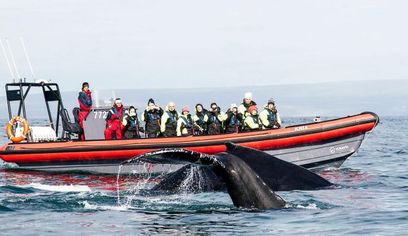 2 hours
Big Whales & Puffins RIB boat tour
Húsavík Adventures
から
21,990 ISK
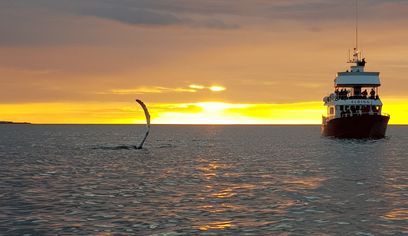 3 hours
Reykjavík Classic Whales in the Midnight Sun
Elding Adventure at Sea
から
14,500 ISK
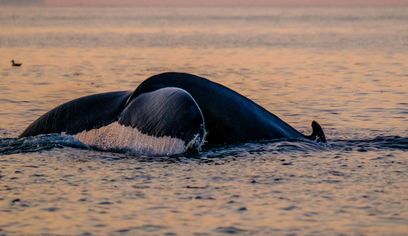 2 hours
Premium Whales & Midnight Sun
Whale Safari
から
24,900 ISK
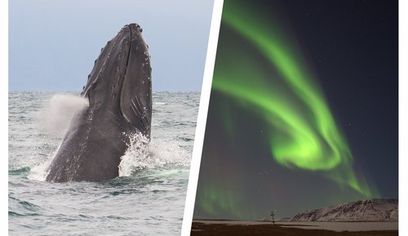 6 hours
Northern lights Combo
Star Travel
から
32,500 ISK
Read our first-hand whale watching guide with Special Tours for a full account of what to expect from Reykjavík Old Harbour.
Where to Stay Near Your Whale Watching Departure
Reykjavík, Snæfellsnes and Akureyri accommodation — see the full hotels section below.
Hot Springs and Geothermal Lagoons in Iceland in February
Few experiences capture the contrast of an Icelandic winter as perfectly as relaxing in warm geothermal water while snow falls around you. February is one of the best times of year to experience Iceland's geothermal bathing culture, whether you choose a world-famous lagoon, a smaller countryside pool or a geothermal spa surrounded by mountains and ocean.
Geothermal bathing is not simply an activity reserved for bad-weather days. It is an important part of Icelandic culture and can be one of the highlights of a winter itinerary.
After a day spent exploring waterfalls, glaciers or snow-covered landscapes, soaking in warm water provides an ideal opportunity to slow down, recover and enjoy a completely different side of Iceland.
February makes the experience particularly atmospheric. Cold air, snow-covered surroundings and steam rising from the water create a setting that simply cannot be recreated during summer.
Why February Is Perfect for Geothermal Bathing
Geothermal lagoons also provide useful flexibility in a winter itinerary. When daylight disappears, sightseeing does not have to end.
An evening lagoon booking can turn the hours after sunset into one of the most memorable parts of the trip.
Blue Lagoon
The Blue Lagoon is Iceland's most internationally recognised geothermal spa. Located on the Reykjanes Peninsula between Reykjavík and Keflavík International Airport, it is particularly convenient for travellers arriving in or departing from Iceland.
The lagoon is famous for its pale blue geothermal water surrounded by dark volcanic lava. During February, snow can cover the surrounding lava fields, creating an especially dramatic contrast.
Visitors generally book timed admission. Because availability can sell out, advance booking is strongly recommended rather than assuming tickets will be available on arrival.
When should you visit the Blue Lagoon?
Arrival Day
This can work well when flight times align with available admission.
Departure Day
This allows travellers to finish their trip with a relaxing experience before flying home. However, leave generous time before the flight.
Dedicated Reykjanes Day
Combine the lagoon with attractions around the Reykjanes Peninsula when road and access conditions allow.
Sky Lagoon
Sky Lagoon is located in the Reykjavík capital area and offers a different experience from the Blue Lagoon. Its oceanfront setting and infinity-style geothermal pool provide views across the North Atlantic.
For visitors staying in Reykjavík, its biggest advantage is convenience — there is no need to dedicate a large part of the day to travelling far outside the city.
Blue Lagoon vs Sky Lagoon
Blue Lagoon
Sky Lagoon
Do not frame one as universally "better." The better choice depends on the traveller's route, schedule and preferred atmosphere.
Secret Lagoon
Secret Lagoon, located at Flúðir, is a natural fit for travellers exploring the Golden Circle. The experience is generally simpler and more traditional than Iceland's large luxury geothermal spas.
Its location makes it particularly convenient for travellers visiting Geysir, Gullfoss, Flúðir and other Golden Circle attractions.
A winter itinerary can combine sightseeing during daylight with geothermal bathing later in the afternoon.
Forest Lagoon
Forest Lagoon is located near Akureyri in North Iceland. The lagoon provides a particularly attractive option for travellers exploring the north during February.
Its setting combines geothermal bathing with views across Eyjafjörður and the surrounding landscape. For visitors staying in Akureyri, it can be incorporated easily into an evening without requiring a long drive.
GeoSea
GeoSea is located in Húsavík and provides geothermal sea bathing overlooking Skjálfandi Bay.
The oceanfront location gives it a distinctive character, particularly during winter when snow-covered mountains surround the bay.
GeoSea can be a strong addition to a North Iceland itinerary for travellers visiting Húsavík or travelling between Akureyri and the Mývatn region.
Mývatn Area Geothermal Bathing
The Mývatn region is one of Iceland's most extraordinary winter destinations. Volcanic landscapes, geothermal areas, frozen lakes and deep snow create an environment very different from Reykjavík and the South Coast.
Geothermal bathing can be an excellent way to finish a day exploring the region.
Public Swimming Pools
Travellers should not overlook Iceland's local swimming pools. Nearly every town has a geothermal swimming facility, often including:
For travellers interested in experiencing everyday Icelandic life rather than only major tourist attractions, local pools can be an excellent and comparatively inexpensive option. Reykjavík alone has several neighbourhood swimming pools used daily by local residents.
Hot Springs vs Commercial Geothermal Lagoons
Commercial Geothermal Lagoon
- Changing rooms
- Showers
- Lockers
- Food or drinks
- Managed water areas
- Pre-booked admission
Natural Hot Spring
Natural hot springs may be considerably more basic and can involve outdoor access without developed infrastructure.
Travellers should never assume that every geothermal water source visible on a map is safe for bathing.
Some geothermal water in Iceland can be dangerously hot.
Only bathe where access and bathing are clearly permitted.
Geothermal Safety
- ✔ Stay on marked paths in geothermal areas.
- ✔ Respect warning signs and barriers.
- ✔ Never test unknown geothermal water by stepping into it.
- ✔ Use recognised bathing locations.
- ✔ Follow staff instructions at commercial lagoons.
What Should You Bring?
Swimsuit
Essential.
Towel
May be included depending on the admission package.
Waterproof Phone Case
Useful if photography is permitted.
Warm Clothing
Essential when leaving the facility during February.
Sandals
Optional depending on the facility.
Shower Etiquette
Icelandic swimming facilities require visitors to shower thoroughly before entering the water. This is standard Icelandic bathing culture.
At public pools, showers are typically taken without swimwear before entering the pool area. Some premium tourist-focused facilities may provide additional privacy options.
Visitors should follow the rules posted at each facility.
Can You See the Northern Lights from a Geothermal Lagoon?
Potentially, yes. But it should never be promised. If the lagoon has dark surroundings, clear skies, low artificial light and aurora activity, visitors may be fortunate enough to see the Northern Lights while bathing.
North Iceland and countryside locations can offer particularly dark surroundings. However, cloud cover remains critical.
Hot Water. Cold Air. Maybe Northern Lights. Check live aurora conditions before your evening lagoon visit or get an alert when viewing conditions improve.
Which Lagoon Fits Your Trip?
Blue Lagoon
Best for: Airport and Reykjanes itineraries.
Sky Lagoon
Best for: Reykjavík city stays.
Secret Lagoon
Best for: Golden Circle itineraries.
Forest Lagoon
Best for: Akureyri and North Iceland.
GeoSea
Best for: Húsavík and North Iceland road trips.
Mývatn Area
Best for: Mývatn winter itineraries.
Which Lagoon Fits Your Trip?
Book a Geothermal Experience
Compare lagoon admission, transfers and winter combination tours that fit your Iceland itinerary.
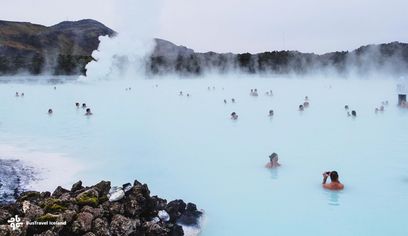 9 hours
Volcano Eruption Site & Blue Lagoon Admission Tour
BusTravel Iceland
から
32,990 ISK
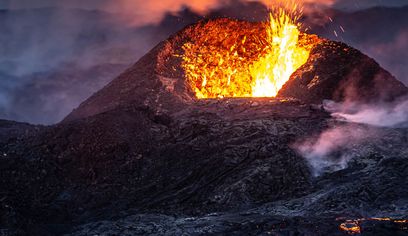 10 hours
Volcano Hike & Blue Lagoon - Private Eco Tour
EV Travel
から
180,000 ISK
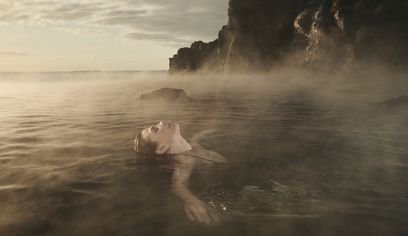 8 hours
Reykjanes Geothermal Tour & Sky Lagoon - Eco Tour
EV Travel
から
180,000 ISK
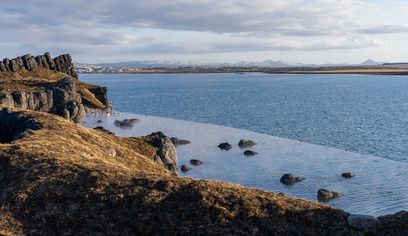 9 hours 30 minutes
Volcanic Wonders with Grindavik Visit & the Sky Lagoon
Reykjavik Excursions by Icelandia
から
32,999 ISK
 8 hours
DT 09 Reykjanes Peninsula & The Blue Lagoon
Superjeep
から
70,800 ISK
 12 hours
Glacier Lagoon Premium
Roam Iceland
から
240,000 ISK
Blue Lagoon Comfort Admission
Standard admission to Iceland's best-known geothermal spa, including a towel, drink and silica mud mask.
Check Availability on Guide to IcelandSky Lagoon Entry Ticket
Admission to Sky Lagoon's ocean-view infinity-edge lagoon near Reykjavík.
Check Availability on Guide to IcelandWhere to Stay Near Geothermal Experiences
Reykjanes/Keflavík, Reykjavík, Golden Circle, Akureyri and Húsavík accommodation — see the full hotels section below.
Festivals and Events in Iceland in February
February may be dominated by glaciers, Northern Lights and snowy landscapes, but Iceland's winter experience is not limited to outdoor adventures. Reykjavík and communities around the country continue to host cultural events, concerts, exhibitions, food experiences and seasonal celebrations throughout the month.
For travellers, these events can add an entirely different dimension to a February itinerary. A day spent exploring waterfalls or glaciers can be followed by live music, Icelandic food, an exhibition or an evening event in Reykjavík.
Events are also particularly useful when Iceland's winter weather changes plans. If strong winds or snowfall make a long road trip impractical, Reykjavík's museums, restaurants, swimming pools, galleries and cultural venues provide plenty of alternatives.
However, event dates and programmes change every year.
Reykjavík Winter Lights Festival
One of the best-known seasonal events associated with Reykjavík in winter is the Winter Lights Festival. The festival celebrates the increasing daylight after Iceland's darkest winter months and traditionally brings together culture, art, light installations and activities around the capital.
For international visitors, it can provide an excellent opportunity to experience Reykjavík as more than simply a base for excursions.
The exact programme, participating venues and dates can change from year to year.
Why the Winter Lights Festival Fits a February Trip
February marks a noticeable transition in Iceland. The darkest part of winter has passed. Every week brings substantially more daylight, yet evenings remain dark enough for Northern Lights viewing.
The Winter Lights Festival reflects this seasonal change. For visitors, it can also provide a useful contrast to Iceland's outdoor attractions.
This combination allows travellers to experience both Icelandic culture and nature on the same day.
Reykjavík's Cultural Scene
Even when no major festival coincides with a visitor's dates, Reykjavík remains Iceland's main centre for cultural events. Throughout winter, visitors may find:
Venues and programmes change continuously. Rather than embedding a static list of individual concerts into this evergreen guide, GoIceTravel directs visitors toward current event information for their actual travel dates.
Harpa Concert Hall
Harpa is one of Reykjavík's most recognisable modern buildings and an important cultural venue. Located beside Reykjavík's Old Harbour, the glass-fronted building hosts concerts, performances, conferences and other events throughout the year.
Even visitors who do not attend a performance often include Harpa while walking through central Reykjavík because of its architecture and harbour location.
In February, an evening performance can fit particularly well after a day of sightseeing.
Museums During February
Museums become especially valuable during winter. They provide both cultural context and a practical indoor alternative when weather conditions deteriorate.
Visitors interested in Icelandic history, art, maritime culture, settlement history or natural science can find numerous options in Reykjavík and around the country.
Museums should not be treated only as "bad weather activities." Understanding Iceland's history, geology and culture can significantly improve a visitor's appreciation of the landscapes they encounter later in the trip.
Icelandic Swimming Pool Culture
Local swimming pools are another important part of Icelandic winter culture. Unlike premium geothermal lagoons designed primarily around a spa experience, municipal swimming pools are part of everyday Icelandic life. Many include:
Visiting a local pool during February can provide travellers with a more everyday Icelandic experience. It is also inexpensive compared with many commercial tourist attractions.
Food and Restaurant Experiences
February is an excellent time to explore Icelandic food. Cold winter evenings naturally suit warm restaurants, cafés and food experiences.
Great dining can also be found in:
Food availability and restaurant opening hours can change seasonally — check a restaurant's current hours before making a special trip.
Þorrablót and Traditional Winter Food
Travellers visiting Iceland during the traditional Þorri season may encounter references to Þorrablót, an Icelandic midwinter tradition associated with traditional foods and social gatherings.
Traditional foods associated with Þorri can include preserved Icelandic dishes that reflect historical methods of food storage. For visitors, this can provide an interesting insight into Iceland's history and food culture.
Þorrablót is an Icelandic cultural tradition with historical significance, not simply a tourist food challenge. If recommending a restaurant or organised experience related to traditional winter food, verify that the experience is genuinely available during the visitor's dates.
Valentine's Day in Iceland
Couples travelling in February may choose to incorporate Valentine's Day into their Iceland itinerary. Iceland's winter environment offers several memorable options for a romantic day:
Alternative experiences:
Availability around popular dates may become limited, particularly for premium restaurants and geothermal experiences. Advance booking is recommended where appropriate.
February for Couples
Even outside Valentine's Day, February is particularly well suited to couples. Popular combinations include:
Family Events
Families visiting Reykjavík during February should check current programmes at:
Individual children's events are not hardcoded into this guide because schedules change frequently.
What to Do When Bad Weather Changes Your Plans
February itineraries should always contain alternatives. If severe weather makes long-distance driving inappropriate, travellers staying in Reykjavík can consider:
The key principle is flexibility. A cancelled road trip does not necessarily mean a wasted day.
Check Conditions Before Evening Events
Travellers attending an evening event may still have an opportunity to see the Northern Lights afterwards. February nights remain long — if skies have cleared and aurora activity is favourable, conditions outside Reykjavík may have improved significantly during the evening.
Heading Back After an Evening in Reykjavík? Check whether the Northern Lights are active before calling it a night.
Featured Reykjavík Attractions
Museums, food and culture to fill a February day in the capital.

Þjóðmenningarhúsið (Culture House)
capital region
Discover Iceland's cultural heart in a stunning historic building in downtown Reykjavík.
View Attraction →
National Gallery of
capital region
Discover a captivating collection of Icelandic art from the 19th century to contemporary masterpieces in Reykjavík.
View Attraction →
Alþingi (Parliament of Iceland)
capital region
The Icelandic Parliament building — the seat of the world's oldest continuously operating legislature, in the heart of Reykjavík.
View Attraction →Experience Reykjavík Beyond the Sights
Discover food, culture and local experiences that fit perfectly into a February city stay.
Stay in Reykjavík
Stay close to restaurants, culture and winter events in the heart of Iceland's capital.
Best Places to Visit in Iceland in February
February transforms Iceland into a winter landscape of snow-covered mountains, frozen waterfalls, glaciers, black sand beaches and long evenings beneath dark Arctic skies.
Many of Iceland's most famous destinations remain accessible during winter, but travelling in February requires a different approach from travelling during summer. Daylight is shorter, weather can change rapidly and some remote roads may become temporarily inaccessible.
The key is not trying to visit everything. Instead, build your itinerary around regions that work well during winter and allow enough flexibility for changing weather conditions.
For most first-time visitors, the strongest February itinerary combines Reykjavík with one or more of:
Travellers with more time can also explore:
The Highlands should not be treated as a normal February self-drive destination.
Reykjavík is much more than Iceland's international gateway. During February, the capital provides an excellent combination of restaurants, museums, geothermal swimming pools, cultural attractions and easy access to winter excursions.
It is also an extremely useful base when weather conditions make longer road trips uncertain. Travellers can spend several nights in Reykjavík while taking guided day trips to the Golden Circle, South Coast, Reykjanes Peninsula or nearby Northern Lights locations.
Morning
- Explore the city.
- Visit museums.
- Walk along the waterfront.
- Visit Hallgrímskirkja.
- Explore the Old Harbour.
Afternoon
- Visit a swimming pool.
- Enjoy Sky Lagoon.
- Join a food or walking tour.
Evening
- Eat in central Reykjavík.
- Attend a cultural event.
- Join a Northern Lights tour.
This makes Reykjavík one of the easiest places in Iceland to enjoy even when weather conditions are unpredictable.


The Golden Circle remains one of Iceland's most popular sightseeing routes during February. Its combination of geological landmarks, waterfalls and geothermal activity makes it ideal for first-time visitors.
The classic route connects three major attractions: Þingvellir National Park, Geysir Geothermal Area and Gullfoss. Because the route begins relatively close to Reykjavík, it can be completed as either a self-drive trip or guided excursion.
Þingvellir National Park
Þingvellir is one of Iceland's most historically and geologically significant locations. The landscape lies within the boundary between the North American and Eurasian tectonic plates.
During February, snow can transform the lava fields and surrounding mountains into a dramatic winter landscape. Paths may be icy — visitors should wear footwear with good grip and remain on maintained routes.
Geysir Geothermal Area
The Geysir geothermal region provides a completely different winter landscape. Steam rises from geothermal features while snow covers the surrounding ground. The active Strokkur geyser regularly erupts, making this one of Iceland's most accessible geothermal attractions.
Visitors must remain behind marked boundaries — geothermal water can be dangerously hot.
Gullfoss
Gullfoss becomes particularly dramatic during winter. Ice forms around the waterfall while enormous quantities of water continue flowing through the canyon.
Viewing areas may become slippery. Visitors should never cross barriers or closed paths for photographs.


Golden Circle + Snowmobiling
This allows visitors to combine Iceland's classic sightseeing route with a genuine winter adventure.
The South Coast is arguably Iceland's strongest winter road-trip region. Within a relatively compact route, travellers can experience waterfalls, glaciers, black sand beaches, volcanoes, snow-covered mountains and small coastal towns.
The main route follows Route 1 east from Reykjavík. For winter travellers, it is usually better to divide the South Coast across multiple days rather than attempting to reach every attraction in one day.
Seljalandsfoss
Seljalandsfoss is one of Iceland's most recognisable waterfalls. During winter, the surrounding landscape can become covered in ice and snow.
The path behind the waterfall may be inaccessible or unsafe depending on conditions. Visitors should respect closures and never attempt to bypass barriers.
Skógafoss
Skógafoss is one of the most powerful waterfalls on the South Coast. Winter ice can form around the cliffs and river, while snow transforms the surrounding landscape.
The area can become extremely slippery because of spray from the waterfall.
Sólheimajökull
Sólheimajökull provides one of the easiest opportunities to experience glacier landscapes along the South Coast, with guided glacier hiking, ice exploration and photography.
Visitors should never walk onto the glacier without appropriate expertise and equipment.
Reynisfjara
Reynisfjara is famous for its black volcanic sand, basalt columns and powerful North Atlantic waves. It is also one of the locations where visitors must take ocean safety extremely seriously.
Sneaker waves can travel considerably farther onto the beach than expected. Always follow current safety information and warning systems — never turn your back on the ocean.
Vík
Vík is the main settlement along this section of the South Coast and an excellent overnight base. Staying overnight rather than immediately returning to Reykjavík allows visitors to travel at a more relaxed pace.
Vík can also provide access to Reynisfjara, the Dyrhólaey area, Katla ice cave experiences, Mýrdalsjökull activities, South Coast tours and Northern Lights opportunities.


Check live Northern Lights conditions before heading outside. The South Coast contains large areas with relatively little artificial light, making it excellent for aurora viewing when skies are clear — visitors staying around Hella, Hvolsvöllur or Vík should check current conditions before heading out.
Staying on the South Coast Tonight?
Travellers with enough time should strongly consider continuing east towards Vatnajökull and Jökulsárlón. Southeast Iceland provides some of the most dramatic winter scenery in the country — Vatnajökull, Skaftafell, Jökulsárlón Glacier Lagoon, Diamond Beach, natural ice caves and glacier hiking.
Jökulsárlón Glacier Lagoon
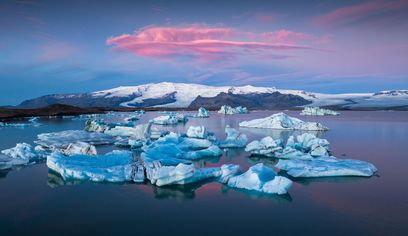
Jökulsárlón is one of Iceland's most extraordinary natural attractions. Icebergs break away from the glacier and slowly move through the lagoon toward the Atlantic Ocean — every visit looks different.
During winter, snow-covered mountains and low sunlight create exceptional photography conditions.
Diamond Beach
Across the road from Jökulsárlón, pieces of glacier ice can wash onto the black volcanic shoreline. The contrast between transparent ice and black sand creates one of Iceland's most recognisable landscapes.
Visitors must still respect ocean conditions — never assume the beach is safe simply because other people are standing close to the water.
Ice Caves
February falls within the main season for natural glacier ice-cave experiences. Visitors staying in southeast Iceland have access to tours around Vatnajökull.
Exact caves vary according to current glacier conditions — always use a professional glacier guide.


Jökulsárlón can become extraordinary beneath the Northern Lights — the region has very limited artificial light. However, clear skies are essential, so check current conditions before waiting outside for hours. Northern Lights may appear when conditions are favourable; they are never guaranteed.
Jökulsárlón After Dark
Snæfellsnes is sometimes described as "Iceland in miniature" because the peninsula contains an unusually diverse collection of landscapes — mountains, lava fields, fishing villages, sea cliffs, black beaches, volcanic landscapes and Snæfellsjökull.
During February, snow can make the peninsula particularly beautiful. However, winter weather can also make travel more challenging than on routes closer to Reykjavík.
Kirkjufell
Kirkjufell is one of Iceland's most photographed mountains. Winter snow and frozen landscapes create striking photography opportunities.
The surrounding area can be slippery — visitors should use designated parking and avoid unsafe roadside stopping.
Arnarstapi
Arnarstapi provides dramatic coastal scenery with cliffs, lava formations and views toward Snæfellsjökull when visibility allows.
Winter waves can be powerful. Remain on marked routes and established viewpoints.
Snæfellsjökull
Snæfellsjökull dominates the western end of the peninsula. Winter access to high-elevation areas should never be assumed.
Visitors can still experience extraordinary views of the glacier and surrounding national park from accessible coastal routes when conditions permit.


Snæfellsnes has very low light pollution outside its settlements, making it an excellent aurora region when skies are clear. Check current conditions before travelling between viewing locations after dark — unnecessary winter night driving solely to chase a forecast is not recommended.
Northern Lights on Snæfellsnes
North Iceland offers a completely different February experience. The region generally has more persistent snow cover than southwest Iceland and provides opportunities for winter landscapes, skiing, whale watching, geothermal bathing, Mývatn, Northern Lights and Akureyri.
For travellers comfortable with winter conditions, the north can be one of the most rewarding parts of Iceland.
Akureyri
Akureyri is Iceland's largest town outside the southwest and an excellent base for exploring North Iceland. February visitors can combine town sightseeing, skiing, Forest Lagoon, Mývatn, whale watching where operating and Northern Lights.
Because of its northern location, snow conditions are often more consistent than around Reykjavík.
Mývatn
The Mývatn region becomes an extraordinary winter landscape. Snow transforms volcanic formations and geothermal scenery into something completely different from summer — Lake Mývatn, geothermal areas, volcanic landscapes, lava formations and geothermal bathing.
Access depends on current road and weather conditions.


North Iceland can provide excellent Northern Lights conditions. Visitors staying around Akureyri or Mývatn should check live conditions and use alerts to know when viewing conditions become favourable.
Aurora Vision — North Iceland
Reykjanes is often overlooked by travellers who drive directly between Keflavík Airport and Reykjavík. The peninsula contains lava landscapes, geothermal areas, coastal scenery, the Blue Lagoon and volcanic landscapes.
Its proximity to Keflavík makes it particularly useful for arrival or departure days.
Reykjanes is an active volcanic region. Access to specific areas can change.
Editorial text alone should never be used to state that a volcanic area is currently open or closed — current official access rules always override tour or editorial information, and visitors should never cross closures or approach active volcanic hazards.
Golden Circle Afternoon Tour
A classic guided day covering Þingvellir, Geysir and Gullfoss with hotel pickup included.
Check Availability on Guide to IcelandSouth Coast Day Tour
A guided day covering Seljalandsfoss, Skógafoss, Vík and Reynisfjara with transfer from Reykjavík.
Check Availability on Guide to IcelandWhich Region Should You Choose?
Reykjavík
Best For
First-time visitors & city breaks
Recommended Stay
2–3 nights
Golden Circle
Best For
Classic Iceland sights
Recommended Stay
Day trip / 1 night
South Coast
Best For
Waterfalls & glaciers
Recommended Stay
1–3 nights
Southeast
Best For
Ice caves & glacier scenery
Recommended Stay
1–2 nights
Snæfellsnes
Best For
Landscapes & photography
Recommended Stay
1–2 nights
North Iceland
Best For
Snow & slower winter travel
Recommended Stay
2–4 nights
Reykjanes
Best For
Arrival/departure & geothermal
Recommended Stay
Half/full day
Treat these as planning guidance, not mandatory itinerary lengths.
Best Things to Do in Iceland in February
February is one of the most varied months for experiencing Iceland. Visitors can explore glaciers during daylight, relax in geothermal water in the afternoon and search for the Northern Lights after sunset. Snow-covered landscapes create opportunities that simply do not exist during summer, while Reykjavík provides culture, food and indoor experiences when winter weather changes outdoor plans.
The challenge is not finding something to do. It is deciding which experiences deserve space in your itinerary.
Instead of trying to include every possible activity, choose experiences based on:
🌌 See the Northern Lights
Track real-time aurora activity and plan your Northern Lights trip with AuroraVision.
Find Your Perfect February Experience
Choose what matters most to you and discover activities that fit your Iceland trip.
Showing all february experiences
See the Northern Lights
February remains one of the strongest months for combining normal daytime sightseeing with long, dark evenings suitable for Northern Lights viewing.
The key is flexibility — do not plan your entire trip around seeing the aurora on one specific evening. If staying for several nights, monitor conditions throughout the trip and take advantage of the first strong opportunity.
Explore a Natural Ice Cave
February falls within the main season for many natural glacier ice-cave experiences. The exact cave depends on current glacier and safety conditions.
For the classic southeast Iceland experience, visitors often travel towards Vatnajökull and Jökulsárlón. Katla-area experiences provide another option closer to Vík. Never enter a cave independently — always use a professional glacier guide.
Walk on a Glacier
Glacier hiking provides a much more intimate experience than simply viewing a glacier from the road. Popular areas include Sólheimajökull, Skaftafell and the Vatnajökull region.
Many introductory tours require no previous glacier experience, although fitness requirements and minimum ages vary.
Ride a Snowmobile Across a Glacier
Langjökull is particularly convenient for combining snowmobiling with the Golden Circle. Mýrdalsjökull can fit naturally into a South Coast itinerary.
Snowmobile products should clearly communicate driver requirements, passenger options, minimum age, duration and pickup information.
Drive the Golden Circle
The Golden Circle combines several of Iceland's most famous attractions in a relatively accessible route — Þingvellir, Geysir and Gullfoss.
February combinations can include Golden Circle + Snowmobiling, Golden Circle + Secret Lagoon, Golden Circle + Geothermal Experience or Golden Circle + Northern Lights. Do not overpack the day when winter conditions or limited daylight make the itinerary unrealistic.
Explore the South Coast
The South Coast contains one of Iceland's strongest concentrations of major natural attractions — Seljalandsfoss, Skógafoss, Sólheimajökull, Reynisfjara and Vík, with Skaftafell, Jökulsárlón and Diamond Beach reachable for travellers with more time.
A two- or three-day itinerary is often more rewarding in February than attempting the entire region as one extremely long day trip.
Visit Jökulsárlón & Diamond Beach
Jökulsárlón is worth the additional travel time for visitors with enough days in Iceland — the glacier lagoon and nearby Diamond Beach can look extraordinary during February, and the region combines naturally with ice caves, glacier hiking, Skaftafell, Vatnajökull and Northern Lights.
Reykjavík → Jökulsárlón → Reykjavík is not a sensible casual February day trip — winter daylight and weather make an overnight itinerary considerably more realistic.
Relax in Geothermal Water
Geothermal bathing works particularly well during February — Blue Lagoon, Sky Lagoon, Secret Lagoon, Forest Lagoon, GeoSea, Mývatn-area geothermal bathing and local Icelandic swimming pools are all options.
The best choice depends primarily on the traveller's itinerary rather than which lagoon has the strongest brand recognition.
Go Whale Watching
Winter whale watching can provide a completely different experience from summer excursions. Reykjavík is generally the easiest departure point for short-stay visitors, with other opportunities in West or North Iceland depending on current seasonal operations.
Sightings are never guaranteed.
Experience Reykjavík
Reykjavík is not merely somewhere to sleep between excursions. Visitors can explore Hallgrímskirkja, Harpa, the Old Harbour, museums, restaurants, local swimming pools, food experiences, Sky Lagoon and winter cultural events.
Reykjavík also provides an excellent fallback when severe winter weather makes longer journeys inappropriate.
Visit Snæfellsnes
Snæfellsnes offers a remarkable variety of landscapes within one peninsula — Kirkjufell, Arnarstapi, coastal cliffs, fishing villages, lava landscapes and Snæfellsjökull views.
February conditions can be challenging. Check weather and roads before departure rather than treating the peninsula as guaranteed accessible regardless of conditions.
Explore North Iceland
North Iceland can feel significantly more wintry than Reykjavík. Visitors may combine Akureyri, Mývatn, geothermal areas, Forest Lagoon, winter landscapes, whale watching where available and Northern Lights.
Domestic flights may be useful for travellers who want to experience the north without driving the entire Ring Road during winter.
Photograph Iceland's Winter Landscapes
February offers some of the year's most attractive natural light. Potential subjects include frozen waterfalls, blue glacier ice, snow-covered mountains, black beaches, icebergs, sunrise, sunset and the Northern Lights.
The low winter sun can create extended periods of soft light compared with summer.
Experience Icelandic Food
Food can become an important part of a winter itinerary rather than simply something fitted between attractions — fresh seafood, Icelandic lamb, fish soup, skyr, rye bread, local bakeries and modern Icelandic cuisine are all worth exploring.
Food tours can be particularly useful for travellers who want both cultural context and restaurant recommendations.
Visit a Local Swimming Pool
Commercial lagoons are memorable, but Iceland's municipal pools are part of everyday Icelandic life — affordable, relaxing, family friendly and convenient after a cold sightseeing day.
Not every geothermal-intent visitor needs to be sent toward an expensive premium lagoon.
What Kind of Iceland Trip Are You Planning?
A balanced selection across February's most popular activities.
Driving in Iceland in February
Driving in Iceland in February can be an unforgettable part of a winter trip, but it requires far more preparation than driving during summer.
Snow, ice, strong wind, reduced visibility and rapidly changing road conditions can transform an otherwise simple journey into a difficult one. A road that is clear in the morning may become icy or temporarily closed later the same day.
This does not mean visitors should avoid self-driving entirely — many travellers successfully explore Reykjavík, the Golden Circle, South Coast and other well-travelled regions during February. The key is to treat winter driving as a serious part of the itinerary rather than an afterthought.
Before You Drive
Never assume yesterday's road conditions still apply. Before leaving accommodation, check current information from official Icelandic sources.
Road Conditions
Vegagerðin / umferð.is
Weather Forecast
Veðurstofa Íslands
SafeTravel Iceland
Travel alerts & safety
Always check current road and weather conditions before driving.
Weather Can Change Faster Than Your Itinerary
February weather can change significantly within a few hours. A normal-looking forecast may develop into:
Travellers should remain willing to:
A winter itinerary should never depend on reaching one exact destination regardless of conditions.
2WD or 4x4 in February?
A common question is whether visitors need a four-wheel-drive vehicle. There is no single answer for every February trip. A 2WD vehicle may be sufficient for some journeys on well-maintained main roads during favourable conditions — however, a 4x4 can provide greater confidence and traction in winter conditions, particularly when travelling outside Reykjavík or when snow is expected.
4x4 does NOT make a vehicle immune to:
Four-wheel drive can help a vehicle accelerate in difficult conditions. It does not magically improve braking distance on ice.
Winter Tyres
Rental vehicles operating during the winter season should be appropriately equipped for Icelandic conditions.
Travellers should confirm directly with the rental company what tyres and winter equipment are provided — do not assume all rental categories are equipped identically.
Route 1 — The Ring Road
Route 1, commonly known as the Ring Road, connects most inhabited regions around Iceland. Although large parts are maintained throughout winter, that does not mean the entire Ring Road is always equally suitable for inexperienced winter drivers in February.
Conditions vary dramatically by region. Some areas may be clear while mountain passes elsewhere experience snowfall, ice, strong winds, reduced visibility or temporary closure. Visitors should not interpret "Ring Road" as meaning "guaranteed easy road."
Should You Drive the Full Ring Road in February?
A full winter Ring Road trip requires much more flexibility than a summer itinerary. For experienced winter travellers with enough days, it can be rewarding. For first-time Iceland visitors with a short schedule, it may be better to focus on fewer regions.
A February itinerary with only seven days should not automatically be turned into a rushed Ring Road circuit — weather delays can consume an entire day.
Instead, travellers may have a better experience concentrating on:
Driving Notes by Region
Golden Circle Driving
The Golden Circle is one of the most practical self-drive routes for many February visitors — the main attractions are relatively close to Reykjavík and the route is heavily travelled.
However, visitors still need to monitor ice, snow, wind, visibility and smaller connecting roads. Popularity does not make a road immune to winter conditions.
South Coast Driving
The South Coast follows Route 1 east from Reykjavík. The road itself is generally straightforward, but wind can become a major issue because of exposed terrain — strong crosswinds can affect vehicles significantly, and high-sided vehicles such as campervans can be particularly vulnerable.
Reykjavík to Vík
Under good conditions, Reykjavík to Vík is a normal paved-road journey. In February, the actual travel time can increase because of snow, ice, reduced speed, weather, sightseeing stops and short daylight — do not build an itinerary around summer Google Maps timing alone.
Vík to Jökulsárlón
The drive between Vík and Jökulsárlón crosses long stretches of open terrain, and winter conditions can change quickly. Carry enough fuel and avoid assuming every service will be open at every hour.
For most February visitors, spending at least one night in the South Coast or southeast region is considerably more sensible than attempting an extremely long Reykjavík–Jökulsárlón–Reykjavík day.
Snæfellsnes in Winter
Snæfellsnes can be spectacular in February, but weather conditions can vary significantly around the peninsula — mountainous terrain and exposed coastlines make wind and snow important factors. Check current conditions before departure rather than continuing simply because the destination was in the original itinerary.
North Iceland
North Iceland often experiences more consistent snow cover than the southwest. Road maintenance is good on major routes, but travellers should expect true winter driving conditions — domestic flights to Akureyri may provide an alternative to driving north from Reykjavík.
The Westfjords
The Westfjords are dramatically more challenging during winter. Mountain roads, limited daylight, weather and temporary closures can make February travel difficult — the region is better suited to travellers with winter driving experience, flexible schedules, appropriate vehicles and strong weather awareness.
The Highlands Are Not a Normal February Self-Drive Destination
The Icelandic Highlands should not be presented as a normal rental-car destination during February. Highland roads and F-roads are generally closed during winter, and winter Highland travel requires specialised vehicles, expertise and often professional operators.
Visitors interested in Landmannalaugar, Kerlingarfjöll or Highland winter landscapes should consider specialised Super Jeep or expedition-style tours where available.
F-Roads
F-roads are mountain roads leading through Iceland's Highlands. Many are only opened during the summer after snow conditions and road surfaces have been assessed.
February travellers should assume F-road access is unavailable unless authoritative current information explicitly states otherwise. Never use Google Maps alone to determine whether an F-road is accessible.
Winter Driving Hazards
Black Ice
Black ice is one of the most dangerous winter road hazards — it can be difficult to see because the road may appear merely wet. Risk increases when temperatures are near freezing, water refreezes overnight, shaded sections remain cold or weather changes quickly.
Drive smoothly, avoid sudden acceleration, braking or steering movements, and increase following distance substantially.
Braking Distance
Stopping distance increases dramatically on snow and ice. A vehicle travelling at the legal speed limit may still be travelling too fast for current conditions — the speed limit is a maximum under suitable conditions, not a target speed. Slow down whenever road grip or visibility decreases.
Strong Wind
Wind deserves its own winter-driving strategy. Before travelling, check wind conditions along the entire route rather than only at the destination.
Strong crosswinds can push vehicles sideways, make steering difficult, create blowing snow, reduce visibility, damage vehicle doors and make walking around exposed attractions difficult.
Vehicle Doors
Strong Icelandic wind can catch a vehicle door suddenly. Hold the door securely when opening it, and where possible, park so the wind does not catch the door from behind — damage caused by wind catching rental-car doors can be extremely expensive.
Whiteouts
Blowing snow can reduce visibility to almost nothing. In a whiteout, the road, sky and landscape may visually blend together.
If severe conditions develop, do not continue simply because GPS shows the route — follow official warnings and seek safe shelter or stop only where doing so is safe. Never stop in the middle of the carriageway.
Headlights & Visibility
Snow, rain, spray and low winter light can reduce visibility considerably. Keep windows clean, mirrors clear, lights clear of snow and use windshield washer fluid suitable for winter conditions.
If unfamiliar with the rental vehicle, learn basic controls before leaving the rental location.
Do Not Rely Only on Google Maps
Google Maps is useful for navigation and estimated routing, but it is not a substitute for Icelandic road-condition information. A road appearing as a route in Google Maps does not mean it is open, safe or suitable for your vehicle — always combine navigation with current Icelandic road information.
Driving at Night
February evenings are long. Whenever possible, complete major sightseeing drives during daylight.
Night driving becomes more challenging because ice is harder to detect, snow reduces contrast, animals may be harder to see, weather changes are more difficult to assess visually and unfamiliar roads feel more demanding. Aurora hunting should not encourage unsafe driving.
Northern Lights and Driving
One of the most dangerous behaviours during aurora season is stopping suddenly when lights appear. Never stop in a traffic lane, park on a blind corner, pull partly onto an unsafe shoulder or drive while looking at the sky.
Find a safe, designated parking area before watching the Aurora.
Before driving long distances in search of the Northern Lights, check current conditions.
Don't Chase Clouds Across Iceland — Check live aurora visibility before deciding whether a winter night drive is worthwhile.
What to Keep in the Car
Fuel
Do not allow the fuel level to become very low during long winter drives. Outside the Reykjavík area, service stations may be farther apart and opening arrangements can differ — planning ahead reduces unnecessary stops or detours during poor weather.
Electric Vehicles
EV travel is possible in Iceland, but February conditions require additional planning. Cold temperatures can reduce practical battery range.
Travellers should plan:
Mobile Phone Coverage
Mobile coverage is strong across many populated areas and major routes but should not be assumed everywhere. Travellers heading into more remote areas should plan accordingly and download necessary route information before departure when appropriate.
Rental Car Insurance
Visitors should understand exactly what their rental agreement covers. Potential issues can include:
Policies differ between rental companies — no single package covers every risk.
Renting a Car vs Guided Tours
Rental Car — Best For
- Flexible travellers
- Experienced winter drivers
- Multi-day road trips
- Independent exploration
Guided Tour — Best For
- Visitors uncomfortable with snow/ice
- No-car city stays
- Short trips
- Activities requiring specialised transport
- Highlands / glacier access
Travellers can also combine both:
Rent a car for several normal sightseeing days
Book professional tours for ice caves, glacier hiking, snowmobiling and winter Highlands
Planning to Self-Drive?
Compare rental vehicles suitable for your Iceland itinerary.
Prefer Not to Drive in Winter?
Explore Iceland with pickup or transportation included.
What to Pack for Iceland in February
Packing correctly can make the difference between enjoying Iceland's winter and spending the entire trip feeling cold, wet or uncomfortable.
February weather is highly variable — you may experience sunshine, snow, wind, rain and freezing conditions within the same day.
The most effective strategy is not to pack one enormous winter coat. Instead, use a layered clothing system that can be adjusted throughout the day.
The Layering System
Base Layer
The base layer sits directly against the skin. Its primary job is to move moisture away from the body and help regulate temperature. Recommended materials: merino wool or synthetic technical fabrics.
Avoid cotton for long outdoor days because it retains moisture and can become uncomfortable when cold. Pack 2–3 thermal tops and 2 thermal leggings.
Mid Layer
The mid layer provides insulation. Good options include fleece, a wool sweater or a lightweight insulated jacket — for particularly cold days, travellers may combine more than one mid layer.
A traditional Icelandic wool sweater can also work well as an insulating layer, although it should normally be protected by a windproof outer shell.
Outer Layer
The outer layer protects against wind, rain and snow — this is especially important in Iceland because wind can make relatively mild temperatures feel dramatically colder.
Pack a waterproof jacket, a windproof shell and water-resistant or waterproof trousers. The jacket should ideally include a hood that can be secured in strong wind.
Gear Notes
Winter Jacket
A warm insulated jacket is highly recommended. However, insulation alone is not enough — a thick jacket that is warm but not wind-resistant may perform poorly in Icelandic conditions.
The ideal setup combines insulation, wind protection and water resistance.
Waterproof Trousers
Many visitors remember to bring a waterproof jacket but overlook trousers. Waterproof or highly water-resistant outer trousers are extremely useful during waterfall visits, snowfall, rain, glacier activities and wind-driven precipitation.
At waterfalls such as Seljalandsfoss and Skógafoss, spray can soak clothing quickly.
Footwear
Footwear is one of the most important packing decisions for February. Recommended: waterproof hiking boots with good grip, ankle support and enough room for warm socks.
Avoid relying exclusively on ordinary trainers or fashion boots — urban pavements, attraction paths and car parks may all become icy.
Traction Aids
Small removable traction devices (microspikes) can be useful on icy paths and pavements.
However, they are not a substitute for crampons required on glaciers, professional glacier equipment or safe judgement. Use traction devices only where appropriate and remove them when walking on surfaces where they are unsuitable.
Socks
Wool or technical hiking socks are ideal. Pack multiple pairs — wet socks can make a cold day significantly less comfortable.
For longer road trips, keeping a dry spare pair in the vehicle can be useful.
Gloves
Pack warm gloves. Ideally consider one warm insulated pair and a thinner pair for photography or phone use.
Touchscreen-compatible gloves can be useful, but warmth matters more than convenience during long periods outdoors.
Swimsuit
This may seem surprising on a winter packing list, but a swimsuit is essential for Iceland. Travellers may visit the Blue Lagoon, Sky Lagoon, Secret Lagoon, Forest Lagoon, GeoSea or local swimming pools.
Geothermal bathing is one of the most enjoyable February experiences.
Camera Equipment
Hat
A warm hat that covers the ears is essential — wind makes exposed ears uncomfortable very quickly. Choose something that fits securely enough not to blow away.
Neck Warmer
A scarf can work, but a neck gaiter is often more practical in strong wind — it can protect the neck, lower face and cheeks from cold air and blowing snow.
Towel
Whether a towel is needed depends on the facility. Some premium lagoons include towels; municipal pools may not. Check before departure rather than packing unnecessarily.
Sunglasses
Winter sunlight can reflect strongly from snow, ice and glaciers. Even during cold weather, sunglasses can be very useful.
Sunscreen
UV exposure does not disappear because it is winter. Snow can reflect sunlight — visitors spending long periods outdoors, particularly on glaciers, may benefit from sunscreen.
Lip Balm & Moisturiser
Cold air, wind and heated indoor environments can dry the skin quickly. Lip balm and moisturiser are small items that can make winter travel more comfortable.
Power Plugs
Iceland uses standard European-style electrical sockets. Visitors from countries using different plug types should bring an appropriate adapter, and check voltage compatibility for any specialised electrical equipment.
Reusable Water Bottle
Icelandic tap water is safe and high quality. A reusable water bottle reduces unnecessary bottled-water purchases — for winter road trips, keep drinking water accessible in the vehicle.
Medication
Bring enough personal medication for the entire trip. Keep essential medication accessible rather than placing everything in checked luggage — travellers with medications requiring special storage should plan accordingly.
Northern Lights Photography Kit
Before travelling to a viewing location, check live conditions — this can prevent spending hours waiting under heavy cloud cover.
Pack Your Camera — But Check the Sky First — Use Aurora Vision to see live aurora and cloud conditions before heading out.
Phone & Power
Daypack
Snacks
What Not to Pack Too Much Of
What to Wear, by Activity
Reykjavík
Reykjavík may feel relatively mild compared with exposed countryside locations, but wind can still make conditions feel significantly colder.
Golden Circle
Expect more exposure than in central Reykjavík — paths around waterfalls and geothermal attractions can be icy.
South Coast
Expect spray at waterfalls, wind and potentially wet conditions at Reynisfjara, and colder conditions at glaciers.
Northern Lights
Aurora watching often involves standing still for long periods, which can feel much colder than daytime sightseeing — add extra insulation.
Ice Caves
Technical equipment such as helmets and crampons is usually provided when required — check the individual tour.
Glacier Hiking
Prioritise mobility, warmth and weather protection. Technical glacier equipment will normally be provided by the guide.
Snowmobiling
Many snowmobile operators provide insulated outer suits — check exactly what the specific product provides before departure.
Whale Watching
The sea can feel much colder than land. Use operator-provided flotation/warm suits where supplied.
Packing for Children
Children can become cold faster than adults. Families should bring extra gloves, extra socks, spare base layers, warm waterproof outer clothing and suitable winter boots.
Children also tend to get wet more easily while playing in snow — keeping dry spare clothing in the vehicle can be extremely useful.
Rental Car Road-Day Bag
Interactive February Packing Checklist
🧥 Clothing
🥾 Footwear
♨️ Geothermal
🔋 Technology
🚗 Road Trip
Photography in Iceland in February
February is one of the most rewarding months for photography in Iceland. Low winter sunlight, snow-covered mountains, frozen waterfalls, blue glacier ice, black beaches and long nights create photographic conditions that are completely different from summer.
The limited daylight may initially seem like a disadvantage, but winter light can actually work in a photographer's favour — the sun remains relatively low in the sky, creating longer periods of soft directional light and extended sunrise and sunset colours.
Visitors do not need professional camera equipment to take memorable photographs. Modern smartphones can perform remarkably well during daylight and increasingly well at night.
Why February Is Special for Photography
The landscape can also change dramatically from one day to another — fresh snowfall may completely transform a familiar location.
Winter Light
The winter sun remains relatively low above the horizon. This can produce:
Rather than photographing only around sunrise and sunset, photographers may find attractive light throughout much of the short winter day. Daylight increases substantially throughout February — sunrise and sunset shift by roughly 90 minutes across the month, so plan around the exact dates of your trip rather than one fixed time.
See exact sunrise/sunset times in the Daylight Hours section →Best February Photography Subjects
Northern Lights Photography
For many photographers, the Aurora Borealis is the main reason to visit Iceland during February. Aurora photography combines several variables: solar activity, cloud cover, location, light pollution, composition, camera settings and timing.
A high KP index alone does not guarantee a good photograph. If the sky is completely cloudy, the Aurora may be active above the clouds but invisible from the ground.
🌌 See the Northern Lights
Track real-time aurora activity and plan your Northern Lights trip with AuroraVision.
Basic Aurora Camera Settings
There is no single perfect setting for Northern Lights photography — aurora brightness and movement can vary dramatically. However, a useful starting point for interchangeable-lens cameras is:
Then adjust based on the actual Aurora.
Shutter Speed
Shutter speed should depend on how quickly the Aurora is moving. For strong, fast-moving Aurora, shorter exposures can preserve structure — for weaker Aurora, longer exposures may capture more light.
Avoid automatically using extremely long exposures — they can turn detailed aurora curtains into a featureless green blur.
Aperture
A wide aperture allows more light to reach the sensor. Fast lenses can be particularly useful for aurora photography — however, composition and focus remain important. If foreground objects are extremely close to the camera, depth of field may become an issue.
ISO
Higher ISO increases image brightness but also increases visible noise. Start with a moderate-to-high ISO appropriate for the camera and adjust based on aurora brightness, lens aperture, shutter speed and camera performance. Do not treat one ISO value as universally correct.
Focusing at Night
Autofocus may struggle in darkness. A common approach: find a distant bright light or star, use autofocus or manual focus to establish sharp focus, switch to manual focus, then check the result using magnified live view.
Do not assume that turning the focus ring completely to the infinity symbol always produces perfect focus.
Use a Tripod
A stable tripod is one of the most useful pieces of equipment for Northern Lights photography. However, Icelandic wind creates an additional challenge.
Keep the tripod stable, avoid extending the centre column unnecessarily and do not leave equipment unattended in strong wind — a lightweight tripod that works perfectly at home may become unstable in Icelandic winter conditions.
Smartphone Aurora Photography
Modern smartphones can capture surprisingly good Northern Lights photographs. Use night mode where available, a stable surface or tripod, the main camera rather than excessive digital zoom, a timer to reduce movement, and longer exposure controls where available.
Keep the phone protected from snow and moisture.
The Aurora May Look Different to the Camera
Cameras can accumulate more light than the human eye during longer exposures. As a result, photographs may show stronger colours than were visible to the naked eye — this is normal.
Visitors should understand that a camera can sometimes detect weak Aurora before it becomes obvious visually.
Aurora Composition
Do not photograph only the sky. Strong aurora images often include a recognisable foreground. Possible Icelandic foregrounds include:
The foreground gives the image scale and a sense of place.
Photography by Location
Jökulsárlón
One of Iceland's strongest winter photography locations — icebergs, glacier, reflections, snow-covered mountains, birds, sunrise, sunset and Northern Lights. Conditions change constantly because the ice moves through the lagoon; no two visits are identical.
Diamond Beach
Pieces of glacier ice against black volcanic sand create extraordinary contrast — wide-angle compositions, detail photographs, longer exposures of moving water and low-angle compositions are all possible.
Photographers must never become so focused on the camera that they ignore the ocean.
Ice Caves
Blue ice, textures, reflections, patterns and light — but space may be limited and other visitors are sharing the experience. Do not delay the group excessively while setting up equipment, and always follow the glacier guide's instructions.
Useful equipment: wide-angle lens, fast lens, spare battery, lens cloth, compact setup. Tripods may not always be practical or permitted — check with the operator.
Glacier Photography
Patterns, crevasses, blue ice, volcanic ash layers, scale and mountain backgrounds. A wide-angle lens is useful for landscapes; a telephoto lens can help isolate glacier details and distant formations.
Never move away from the guide to improve a composition.
Waterfalls (Skógafoss, Seljalandsfoss, Gullfoss)
February can transform Icelandic waterfalls — ice formations may surround flowing water, creating dramatic contrasts. A tripod can allow motion blur in flowing water, but winter introduces ice, wind, water spray and snow.
Protect the camera and lens — a lens cloth is particularly useful. Watch where you place tripod legs on icy surfaces.
Reynisfjara
Black sand, basalt columns, sea stacks, waves, cliffs and winter light — but photography must remain secondary to safety. Never position yourself close to the waterline simply to create a dramatic composition.
Kirkjufell
One of Iceland's most photographed mountains. Winter can provide snow, frozen foregrounds, low sunlight and Northern Lights — use designated parking and safe walking routes, and never stop vehicles on the road for photographs.
Golden Circle
Very different photographic subjects within one day: winter landscapes and geology at Þingvellir, steam and geothermal activity at Geysir, water/ice/canyon landscapes at Gullfoss. Protect equipment from moisture and geothermal steam.
Geothermal Landscapes
Steam rising through cold winter air can create dramatic images — but geothermal environments require caution. Never leave marked paths to improve a camera angle; ground can be unstable and water can be dangerously hot.
Reykjavík at Night
Excellent winter photography after daylight ends — Hallgrímskirkja, Harpa, the Old Harbour, Sun Voyager, city streets, reflections, snow and winter lights. February's long evenings make city photography easy to combine with daytime excursions.
Ocean Safety for Photographers
Reynisfjara and other Icelandic beaches can experience powerful waves. Never turn your back on the ocean for long periods, place a tripod in an unsafe surf zone, walk closer to the water simply because another photographer is there, ignore warning signs, or risk equipment or personal safety for a photograph.
At Reynisfjara, follow the current beach warning system and remain within safe areas.
Lens Condensation
Moving camera equipment rapidly from extreme cold into a warm building can cause condensation. One practical approach is to place the camera inside a closed camera bag before entering a warm environment and allow it to warm gradually. Avoid changing lenses while equipment is covered in moisture.
Batteries in Cold Weather
Cold temperatures reduce battery performance. Carry spare batteries and keep them in a warm inner pocket where practical — a battery that appears depleted in extreme cold may regain some performance after warming.
Memory Cards & Backups
Winter photography can produce large numbers of images, particularly when shooting RAW, aurora bursts, wildlife or time-lapses.
Bring sufficient storage and back up important photographs during the trip where possible — do not keep the only copy of an entire trip on one memory card.
Drone Photography
Iceland is spectacular from the air, but drone use is regulated and location restrictions can apply. Some popular attractions, protected areas and national parks may restrict or prohibit drone operation, and rules can change.
For current drone regulations, check with Samgöngustofa (the Icelandic Transport Authority) and site-specific rules before flying — never assume a location permits drone flight based on older articles or other travellers' photos.
Winter creates additional operational challenges:
Best Aurora Location ≠ Highest KP
The best location is not necessarily the place with the highest theoretical aurora activity. A useful location requires:
This is exactly where Aurora Vision can help travellers make better decisions.
The Photograph Is Never More Important Than Safety
Photography advice must never encourage visitors to:
Best February Photography Locations
Plan your February photo stops — filter by what you want to shoot.
Photography Tours & Experiences
Explore Iceland with guides who understand winter locations, light and photography.
Budget & Cost of Travelling Iceland in February
Iceland is not generally considered a low-cost destination, but a February trip does not need to become unnecessarily expensive. The total cost depends far more on how you travel than on a single average daily figure.
The biggest expenses are usually accommodation, rental car or organised transportation, food, guided activities, geothermal experiences, fuel and flights.
February can also create opportunities for better accommodation availability than the busiest summer period, although prices vary considerably by date, location and demand. Instead of relying on a single "Iceland costs X per day" figure, travellers should build their budget around their actual itinerary.
The biggest variables in what a February trip costs:
Three Useful Budget Styles
Budget
- Guesthouse or hostel accommodation
- Local swimming pools
- Supermarket meals
- Limited restaurant dining
- Free natural attractions
- Carefully selected paid activities
- Public transport / airport bus where practical
- Shared rental-car costs where appropriate
Budget travel does not mean avoiding every paid experience — a traveller may save money on accommodation and food while deliberately spending more on one memorable activity such as an ice cave tour, glacier hike or Northern Lights tour.
Mid-Range
- Comfortable hotel or guesthouse
- Rental car or combination of self-drive and guided tours
- Restaurant meals mixed with supermarket food
- Several paid activities
- One or more geothermal lagoon visits
This is likely to represent the travel style of many international visitors.
Comfort
- Higher-category accommodation
- Premium or larger rental vehicle
- Private or small-group tours
- Frequent restaurant dining
- Premium geothermal experiences
- More flexible booking options
- Potential countryside or boutique accommodation
The goal is not to push every visitor toward the most expensive option — it's to help travellers spend money where it improves their trip.
Accommodation
Accommodation is often one of the largest trip expenses. Prices depend heavily on:
Inventory can be more limited outside the capital, especially around:
Book Accommodation Around the Route
Do not choose accommodation based only on price. In February, location can have significant practical value.
Saving a small amount on a hotel may not be worthwhile if it creates an additional long winter drive, extra fuel cost, night driving or unnecessary backtracking. A more expensive hotel in the correct location can sometimes produce a cheaper and safer overall itinerary.
Compare Hotel Prices
See real-time availability and pricing for your dates.
Food Costs
Food costs can vary dramatically depending on travel style. A traveller eating every meal in a restaurant will spend significantly more than someone combining:
Supermarkets
Supermarkets can help control costs during road trips. Useful purchases include:
Travellers staying in accommodation with cooking facilities can reduce food costs considerably.
Restaurants
Restaurant dining can still be an important part of the Iceland experience. Budget-conscious travellers do not necessarily need to avoid restaurants entirely — a practical approach might be breakfast at accommodation, a simple lunch and a restaurant dinner, preserving part of the Icelandic food experience while controlling overall spending.
Rental Car Costs
Rental-car costs depend on:
Rental Car vs Tours — Cost Is Not the Only Factor
For two or more travellers, sharing a rental car can sometimes make self-driving financially attractive. However, guided tours may provide better value for visitors who do not want to drive in winter, are staying only a few days, need specialised glacier transportation, want pickup from Reykjavík, or are travelling alone.
Consider:
Compare Rental Cars
A 4x4 will generally cost more than a small 2WD vehicle — but the cheapest vehicle should not automatically be recommended if it is poorly suited to the planned route or conditions.
Fuel is an important road-trip expense. The amount depends on vehicle, distance, route, weather and driving conditions — plan ahead rather than assuming a fixed cost for the whole trip.
Paid Activities
Activities can become one of the largest discretionary expenses. February opportunities include:
Visitors do not need to book every activity. A strong itinerary might contain many free natural attractions plus two or three carefully chosen paid experiences.
Where It Is Worth Spending Money
Some activities require professional expertise or specialised access. Examples:
Trying to save money by attempting specialised glacier or Highland activities independently is not an appropriate budget strategy. Safety comes first.
Free and Low-Cost Experiences
Many of Iceland's most famous landscapes do not require an expensive guided experience. Depending on access and current conditions, visitors can experience places such as:
Many natural attractions can be visited without purchasing a tour, although parking or site fees may apply.
Geothermal Bathing on Different Budgets
Budget
Local swimming pool
Mid-Range
Selected geothermal experience
Comfort
Premium lagoon package
Travellers do not need to choose a premium lagoon to experience Icelandic geothermal bathing — the expensive option is not inherently more authentic.
Northern Lights on a Budget
Seeing the Northern Lights does not inherently require purchasing a tour. Travellers with safe transportation, appropriate winter-driving experience, clear conditions and a suitable dark location may view the Aurora independently.
This can help travellers avoid paying for unnecessary repeated excursions or driving aimlessly under cloud cover.
You Don't Need a Tour to Check the Sky — See live aurora and cloud conditions before deciding whether to head out tonight.
Example February Trip Styles
5-Day Budget-Focused Trip
- Reykjavík
- Golden Circle
- South Coast
- Local swimming pool
- One major paid activity
- Self-catering mixed with inexpensive meals
5-Day Mid-Range Trip
- Standard hotel
- Rental car
- Golden Circle
- South Coast
- Glacier activity
- Geothermal lagoon
- Restaurant dinners
5-Day Comfort Trip
- Comfort/boutique hotel
- Higher-category vehicle or guided transport
- Multiple guided experiences
- Premium geothermal experience
- Frequent restaurant dining
Money-Saving Tips
Book the Experiences That Matter Most
Choose two or three priority paid activities rather than booking something expensive every day.
Use Supermarkets
Especially useful for breakfasts, lunches and road-trip snacks.
Try Local Swimming Pools
They can provide a genuine geothermal bathing experience at a much lower cost than premium lagoons.
Share Transport Costs
Couples, families and groups can split rental-car and fuel costs.
Avoid Unnecessary Backtracking
Good route planning saves both fuel and time.
Compare Self-Drive and Tours
The cheapest option depends on group size and itinerary.
Stay Flexible
Do not sacrifice safety simply because a prepaid itinerary says you must reach a destination.
Where Not to Cut Costs
Family Travel in Iceland in February
Iceland can be a fantastic family destination in February, but successful winter travel with children depends on realistic planning.
The goal should not be to fit as much as possible into each day. Family itineraries work best when they include shorter driving days, warm indoor breaks, flexible timing, backup activities and accommodation in practical locations.
What Works Well
Take Seriously
Family itineraries work best when they include:
Is February Good for Families?
Yes, for many families. February can be especially rewarding for children who enjoy:
The key question is not simply "are you travelling with children?" — it is "how old are they, and what kind of travel are they comfortable with?" A February itinerary for a family with teenagers can look very different from one designed for a toddler.
Family Travel by Age
Babies and Toddlers
Prioritise Reykjavík, short sightseeing stops, museums, geothermal pools suitable for young children, easy Golden Circle stops and short driving days. Avoid overly ambitious winter road trips.
Parents should carefully check car-seat requirements, tour minimum ages, pool rules and weather exposure.
Young Children
Potentially suitable activities include the Golden Circle, Reykjavík museums, whale watching where age/weather are suitable, local swimming pools, geothermal experiences with appropriate child policies and short South Coast stops.
Long outdoor glacier activities may not be suitable for every child.
Older Children
May enjoy glacier hiking where operator minimum age allows, ice caves where suitable, snowmobiling as passengers where allowed, whale watching, Northern Lights tours, South Coast trips and geothermal lagoons.
Teenagers
Can often participate in a much broader range of winter activities, depending on individual operator rules — glacier hiking, ice caves, snowmobiling, longer road trips, Northern Lights photography, whale watching and adventure tours.
Never infer eligibility only from age — use current operator requirements.
Reykjavík with Children
Reykjavík is an excellent family base during February. Families should not feel pressured to leave Reykjavík every morning — a slower city day can be very useful after a long South Coast or Golden Circle excursion.
Geothermal Pools for Families
Swimming pools can be one of the easiest winter family activities. They provide warm water, indoor changing facilities, a local Icelandic experience and an activity that does not require long driving.
Policies vary — not every geothermal lagoon is suitable for every age group, so check the specific facility's rules before visiting.
Golden Circle with Children
The Golden Circle works particularly well for many families because the major attractions — Þingvellir, Geysir and Gullfoss — are easy to understand and visually impressive. The route also offers natural breaks between driving and sightseeing.
Do not overload the day with too many additional stops. In February, daylight and road conditions should determine the pace.
South Coast with Children
The South Coast can be excellent for families, but a long Reykjavík-return day can become exhausting. Families may have a better experience staying overnight around Hella, Hvolsvöllur or Vík, depending on the itinerary.
Reynisfjara with Children
Reynisfjara is not a normal beach where children should run freely close to the water. Powerful sneaker waves can reach far up the shore.
Families must follow the current warning system, keep children close, stay well away from dangerous surf and never turn their backs on the ocean for extended periods. The beach can be impressive without approaching the waterline.
Northern Lights with Children
Seeing the Northern Lights can be unforgettable for children, but the experience can involve long periods of waiting outside late at night.
Families should consider:
Worth Waking the Kids? — Check live Northern Lights conditions before heading outside.
Activities with Children
Whale Watching
Whale watching can be an excellent family experience. Before booking, check:
Younger children may find long winter boat trips challenging.
Ice Caves
Some ice-cave tours accept children, while others have higher minimum ages because of terrain or glacier access. There is no universal age at which ice caves become suitable — operator requirements differ, so check minimum age, walking difficulty and duration for the specific tour.
Glacier Hiking
Some introductory glacier hikes accept older children. The correct choice depends on age, fitness, tour difficulty, weather and operator requirements — only treat a glacier product as family suitable when the specific tour's own data supports it.
Snowmobiling
Children may be allowed as passengers on some snowmobile tours. Minimum ages vary, and driving requirements differ from passenger requirements — always check the individual product's rules.
Winter Clothing for Children
Bring accessible spares:
Car Travel with Children
Avoid unrealistic driving days. Children may tolerate a three-hour drive very differently from adults — build stops into the route rather than trying to maximise the number of attractions.
Children must use appropriate restraints in accordance with current Icelandic law.
Rental companies may provide child seats as optional equipment — families should reserve suitable equipment in advance.
Family Accommodation
Restaurants with Children
Bad Weather Family Plan
Every February family itinerary should include alternatives. If winter conditions prevent a road trip, possible Reykjavík-based alternatives include:
Family Safety — Keep Children Close Around:
One Major Experience Per Day
Use "one major experience per day" as a useful planning guideline for younger families:
Day 1
Reykjavík + pool
Day 2
Golden Circle
Day 3
South Coast
Day 4
Easy Reykjavík day + geothermal experience
Day 5
Whale watching or selected guided activity
Families with older children can choose a more active itinerary.
Family costs can rise quickly because of larger rooms, rental vehicle size, meals and activity tickets — but shared transport and accommodation can also reduce per-person costs compared with solo travel. See the Budget section above for the three travel-style breakdown.
Family Experiences in February
Always check the specific product's minimum age and duration before booking with children.
3-Day Iceland in February Itinerary
Three days in Iceland during February is enough time to experience a strong mix of Reykjavík, the Golden Circle, the South Coast and winter activities, but the itinerary needs to remain realistic.
The biggest mistake is trying to drive too far. February brings shorter daylight, winter roads, possible weather delays, strong wind, ice and snow. For a three-day trip, the best approach is to keep Reykjavík as the main base and use one or two carefully selected day trips.
This itinerary is designed for first-time visitors.
Day 1
- Reykjavík
- City exploration
- Geothermal experience
- Northern Lights
Day 2
- Golden Circle
- Optional snowmobiling or geothermal stop
- Northern Lights
Day 3
- South Coast
- Waterfalls
- Black sand beach
- Vík
- Return to Reykjavík
This is a suggested winter itinerary — it must not be treated as a fixed schedule regardless of weather. If severe conditions affect one region, swap Day 2 and Day 3, or replace the road trip with Reykjavík / guided alternatives. Winter plans should remain flexible — check current road and weather conditions each morning.
Day 1
Reykjavík
For most travellers arriving through Keflavík International Airport, Reykjavík is the logical place to begin. Avoid planning an extremely ambitious first day immediately after an overnight flight — use the first day to settle into Iceland, explore the capital and enjoy one high-quality experience.
Morning — Arrive in Iceland
Keflavík International Airport → Reykjavík, by airport bus, rental car or private transfer. If renting a vehicle, allow enough time to collect the car, understand the controls, check winter equipment and familiarise yourself with Icelandic road conditions.
Do not immediately begin a long winter road trip while tired after an overnight flight.
Afternoon — Explore Central Reykjavík
Keep the first afternoon walkable — Hallgrímskirkja, Rainbow Street, Laugavegur, Tjörnin, Harpa, Sun Voyager and the Old Harbour are all realistic on foot.
Late Afternoon / Evening — Geothermal Experience
Two practical choices: Sky Lagoon, or a Reykjavík local swimming pool. Sky Lagoon works well for a premium first-evening experience; a municipal pool works better for lower cost, more local atmosphere and less travel time.
Dinner in Reykjavík
Reykjavík has Iceland's largest concentration of restaurants — seafood, Icelandic, casual and fine dining are all realistic options for a first evening.
Optional: Blue Lagoon on Arrival
If flight time and booking availability work well, the Blue Lagoon may fit between Keflavík Airport and Reykjavík: KEF Airport → Blue Lagoon → Reykjavík.
Do not assume admission is available without booking, and do not schedule a lagoon visit so tightly that flight delays create unnecessary stress.
Tonight's Aurora Plan — If weather and cloud conditions are favourable, the first night is a good opportunity to look for the Northern Lights — don't wait until the final evening of the trip.
Day 2
Golden Circle
The Golden Circle is ideal for the second day because it provides some of Iceland's most famous landmarks within a manageable distance from Reykjavík. Core route: Reykjavík → Þingvellir → Geysir → Gullfoss → optional winter activity → Reykjavík.
Morning — Þingvellir
Begin early enough to maximise daylight. Explore accessible viewpoints, learn about Icelandic history and see the tectonic landscape. Expect snow, ice and cold wind — wear appropriate footwear.
Midday — Geysir
Continue to the geothermal area. Allow time for Strokkur, the geothermal features, a short walking route and a lunch/warm-up break where suitable. Stay behind marked safety boundaries.
Afternoon — Gullfoss
Gullfoss is particularly dramatic in February — ice may form around the canyon and waterfall, and paths can become slippery. Follow current closures and barriers.
Return to Reykjavík
Avoid adding too many optional attractions just because daylight remains. February itineraries should preserve a buffer for weather, road conditions, food, rest and unexpected delays.
Optional A: Snowmobiling
Golden Circle + Langjökull Snowmobiling is one of the strongest premium February combinations, for travellers wanting adventure.
Optional B: Secret Lagoon
Golden Circle + Secret Lagoon suits travellers wanting a slower day — especially couples, families, or those who don't want an adventure activity.
Try Again Tonight? — If the Northern Lights were not visible on Night 1, Night 2 provides another opportunity — check current conditions before choosing whether to travel outside Reykjavík.
Day 3
South Coast
The South Coast provides a very different experience from the Golden Circle. For a three-day trip, keep the route realistic. Recommended core: Reykjavík → Seljalandsfoss → Skógafoss → Reynisfjara → Vík → Reykjavík. This is already a long winter day — do not add Jökulsárlón to the same day.
Morning — Seljalandsfoss
Drive east from Reykjavík. Use designated paths and expect ice — the path behind the waterfall may be closed or unsafe during winter. Do not bypass closures.
Late Morning — Skógafoss
Continue east to Skógafoss. Allow time to view the waterfall, walk safely around the lower area, take photographs and warm up if needed — spray can create extremely icy surfaces.
Afternoon — Reynisfjara
Visit only from safe designated areas — this is critical. Sneaker waves are dangerous; never walk close to the water for photographs. Follow the current warning system.
Vík
Use Vík as a lunch stop, dinner stop, fuel stop or short village visit depending on timing.
Return to Reykjavík
Leave enough buffer for winter driving — use current route/distance/travel-time information rather than a static summer driving estimate.
Optional: Sólheimajökull Glacier Hike
Add only if booked as the day's major activity. Do not attempt to combine a glacier hike, every South Coast stop, long restaurant stops and a late return without considering daylight.
Should You Stay in Vík Instead?
If the traveller has a fourth day or flexible departure plans, staying overnight in Vík can dramatically improve the South Coast experience. For a strict three-day itinerary with an international departure the next morning, Reykjavík may still be more practical.
Final Night — Northern Lights — If conditions are favourable, this may be the last opportunity to see the Aurora. If conditions are poor, do not drive dangerously far simply because it is the final evening.
Self-Drive vs Guided Golden Circle
Self Drive — Best For
- Flexible timing
- Experienced winter drivers
- Independent travel
Guided Tour — Best For
- No-car visitors
- Winter-driving concerns
- Short stays
- Travellers wanting an included activity
3-Day Itinerary Summary
Day 1
- Reykjavík
- Optional Blue Lagoon
- City walk
- Geothermal
- Aurora
Day 2
- Golden Circle
- Þingvellir
- Geysir
- Gullfoss
- Optional snowmobile / Secret Lagoon
- Aurora
Day 3
- South Coast
- Seljalandsfoss
- Skógafoss
- Optional glacier hike
- Reynisfjara
- Vík
- Return Reykjavík
Estimate the Cost of This 3-Day Trip
See the Budget section above to estimate the cost of a trip like this one across Budget, Mid-Range and Comfort travel styles.
5-Day Iceland in February Itinerary
Five days in Iceland during February provides enough time to move beyond Reykjavík and the Golden Circle while still keeping the itinerary realistic for winter conditions.
This itinerary balances Reykjavík, the Golden Circle, the South Coast, glacier experiences, Jökulsárlón, geothermal bathing and Northern Lights without creating excessively long driving days.
The route should remain flexible — weather, road conditions and daylight can require changes.
Day 1
- Arrival
- Reykjavík
- Optional geothermal experience
- Northern Lights
Day 2
- Golden Circle
- Optional snowmobiling or geothermal stop
- Stay Reykjavík or Selfoss area
Day 3
- South Coast
- Seljalandsfoss
- Skógafoss
- Optional glacier hike
- Reynisfjara
- Vík
- Stay Vík
Day 4
- Skaftafell
- Jökulsárlón
- Diamond Beach
- Optional ice cave
- Stay southeast Iceland
Day 5
- Return west
- Selected stops
- Reykjavík / airport planning
- Final Aurora opportunity if staying overnight
This itinerary is not a fixed promise. If official road or weather information indicates that travel is unsafe, change the plan — do not attempt to preserve the original itinerary at all costs. Winter itinerary: stay flexible.
Day 1
Arrival & Reykjavík
Begin with a deliberately easy first day. Travellers often underestimate airport processing, rental-car collection, jet lag, winter driving and weather changes — a slower first day makes the rest of the trip more enjoyable.
Option A: Keflavík → Reykjavík
Travel directly to Reykjavík, check into accommodation and explore central Reykjavík on foot — Hallgrímskirkja, Rainbow Street, Laugavegur, Harpa, Sun Voyager and the Old Harbour are all realistic.
Night 1 — Reykjavík
Prioritise practical accommodation. If travelling without a rental car, prefer locations convenient for tour pickups and walking.
Option B: Blue Lagoon on Arrival
Keflavík Airport → Blue Lagoon → Reykjavík, if timings and current access allow. Do not make the booking too close to flight arrival — use current availability.
First Night in Iceland? Check the Sky — Start checking Aurora conditions from the first night — do not wait until the final night.
Day 2
Golden Circle
Recommended route: Reykjavík → Þingvellir → Geysir → Gullfoss → optional activity → Selfoss / Reykjavík.
Þingvellir
Begin early. February conditions may include snow, ice and wind — use maintained paths and do not add unnecessary hiking to a short winter day unless conditions support it.
Geysir
Allow time for Strokkur, the geothermal area and a warm-up/food stop. Stay within marked safe areas.
Gullfoss
Visit during daylight. Expect icy surfaces and follow closures.
Where to Stay — Night 2
Reykjavík is best for no-car travellers, simple logistics and day tours. Selfoss / Golden Circle area is best for self-drive travellers, reducing backtracking and an earlier South Coast start on Day 3.
Option A: Langjökull Snowmobiling
If Adventure was selected, the strongest premium Day 2 option is Golden Circle + Snowmobiling.
Option B: Secret Lagoon / Geothermal
For a slower day: Golden Circle + geothermal bathing.
Aurora — Night 2 — Check Aurora Vision again. If staying outside Reykjavík, reduced light pollution may improve the viewing environment when skies are clear — visibility is never guaranteed.
Day 3
South Coast to Vík
This is where the road trip becomes more immersive. Recommended core route: Selfoss / Reykjavík → Seljalandsfoss → Skógafoss → optional Sólheimajökull → Reynisfjara → Vík. Stay overnight in Vík.
Seljalandsfoss
Use current safety/access information — the path behind the waterfall should never be assumed open during winter.
Skógafoss
Allow time for safe photography and walking. Spray can create ice.
Reynisfjara
Visit only according to current safety guidance. Keep well away from dangerous waves — families should keep children close.
Vík
Use Vík for your hotel, dinner, fuel and short sightseeing — potentially a Katla experience depending on the selected plan.
Night 3 — Stay in Vík
A five-day February itinerary should not automatically return to Reykjavík after Day 3. Staying in Vík reduces driving, allows more daylight sightseeing, improves access to southeast Iceland and creates another dark-sky Aurora opportunity.
Option: Glacier Hiking
If selected, make it the day's major activity — Sólheimajökull or another relevant product. Do not overload the same day with a glacier hike plus every other stop.
Aurora Vision — Vík — Vík and the surrounding South Coast can offer good dark skies. Check conditions before heading outside — if road or weather conditions are unsafe, stay close to accommodation.
Day 4
Vík to Jökulsárlón / Southeast
One of the strongest days of the itinerary. Suggested route: Vík → Kirkjubæjarklaustur area → Skaftafell → Jökulsárlón → Diamond Beach → stay southeast Iceland. Optional major activity: an ice cave or glacier hiking — do not automatically schedule both.
Skaftafell
If no long glacier activity is booked, use Skaftafell as a scenic stop. If glacier hiking is selected, allow sufficient time and treat it as the main activity.
Jökulsárlón
Allow real time here — do not treat the lagoon as a 10-minute roadside photo stop. Ice conditions change constantly.
Diamond Beach
Visit safely — maintain ocean awareness and never approach waves for photographs.
Night 4 — Southeast Iceland
Potential accommodation areas: the Skaftafell region, the Jökulsárlón vicinity where accommodation exists, Höfn, or other relevant hotel locations — choose based on the actual route.
Option A: Natural Ice Cave
February is a strong month for natural glacier cave experiences. Use professional guided tours only — exact cave selection depends on current conditions.
Option B: Glacier Hiking
If a glacier wasn't hiked on Day 3, Day 4 can include a Skaftafell / Vatnajökull glacier hike instead.
Jökulsárlón After Dark? — Southeast Iceland has limited light pollution — check current aurora and cloud conditions before deciding whether to stay out.
Day 5
Return West
Do not attempt to turn the final day into another huge attraction checklist — the return journey is long. Use selected stops missed previously: a waterfall skipped because of weather, Vík, South Coast viewpoints, the Hveragerði / Selfoss area, or Reykjavík. The exact route depends on where Night 4 accommodation is located.
Final Evening
If staying in Reykjavík or Reykjanes: dinner, a local pool, Sky Lagoon, or simply resting — plus Northern Lights if conditions are strong. Do not force another activity onto an already long return day.
Where to Stay Each Night
Night 1
Reykjavík
Practical, walkable base for the first day.
Night 2
Reykjavík or Selfoss
Selfoss reduces backtracking for a self-drive South Coast start.
Night 3
Vík
Reduces driving and improves access to southeast Iceland the next day.
Night 4
Southeast Iceland (Skaftafell / Jökulsárlón / Höfn area)
Choose based on the actual route and available accommodation.
Night 5 (if applicable)
Reykjavík / Reykjanes
Only if the international flight departs on Day 6.
Flight Safety on Day 5
If the international flight departs on Day 5, this changes the itinerary substantially. Do not stay near Höfn/Jökulsárlón the night immediately before an early Keflavík departure — return west earlier and adjust Night 4 accordingly. Never plan an itinerary that risks missing the flight.
If the flight is on Day 6, Day 5 can be used for the return journey with a final Reykjavík night — this creates considerably more buffer.
Adjust This Itinerary
Family Version
Reduce driving intensity, validate minimum ages, reduce adventure activities, consider an extra Reykjavík/indoor block, and potentially stop at Vík rather than pushing farther when children are very young. The same itinerary does not work identically for every family — see the Family Travel section above.
Adventure Version
Prioritise snowmobiling, glacier hiking and ice caves — but maintain realistic scheduling rather than booking every adventure activity back to back.
Relaxed Version
Remove one major paid adventure activity. Increase geothermal time, Reykjavík time and longer stops, and reduce driving density.
No-Car Version
This exact self-drive itinerary cannot simply be shown unchanged for travellers without a rental car — use guided Golden Circle, South Coast and multi-day South Coast / Southeast tours instead.
5-Day Itinerary Summary
Day 1
- Arrival
- Reykjavík
- Optional Lagoon
- Aurora
Day 2
- Golden Circle
- Optional Snowmobile / Geothermal
- Reykjavík or Selfoss
Day 3
- South Coast
- Waterfalls
- Optional Glacier
- Reynisfjara
- Vík
Day 4
- Skaftafell
- Ice Cave or Glacier
- Jökulsárlón
- Diamond Beach
- Southeast Hotel
Day 5
- Return West
- Selected Stops
- Reykjavík / Flight Planning
Estimate This 5-Day Trip
See the Budget section above to estimate the cost of a trip like this one across Budget, Mid-Range and Comfort travel styles.
7-Day Iceland in February Itinerary
Seven days in Iceland during February gives travellers enough time to experience far more than Reykjavík and the Golden Circle without turning the trip into an exhausting winter driving challenge.
A common mistake is to assume that seven days automatically means driving the entire Ring Road. In summer, a seven-day Ring Road itinerary is already fast-paced — in February, changing weather, snow, ice, wind and short daylight make that approach significantly less forgiving.
For most first-time winter visitors, a better strategy is to choose one of two routes below. Both avoid the unnecessary pressure of forcing a complete Ring Road circuit into one winter week.
Which Route Should You Choose?
Route A — South & West Iceland
Best For
Route B — South Iceland + North Iceland
Best For
Seven Nights = Seven Chances — Aurora conditions change quickly. Monitor each evening instead of relying on one forecast made before your trip — don't panic if Night 1 is cloudy.
Route A — South & West Iceland
This is the route GoIceTravel recommends by default for most first-time February visitors.
Day 1
- Arrival
- Reykjavík
- Optional Blue Lagoon or Sky Lagoon
- Northern Lights
Day 2
- Golden Circle
- Optional snowmobiling or geothermal experience
- Stay Reykjavík or Selfoss
Day 3
- South Coast
- Seljalandsfoss
- Skógafoss
- Optional glacier hike
- Reynisfjara
- Vík
Day 4
- Skaftafell
- Jökulsárlón
- Diamond Beach
- Optional ice cave
- Stay southeast
Day 5
- Return west at a relaxed pace
- South Coast overnight / Reykjavík depending on conditions
Day 6
- Snæfellsnes Peninsula
- Stay Snæfellsnes or Reykjavík
Day 7
- Reykjavík / Reykjanes
- Departure planning
- Final geothermal or cultural experience
Day 1
Arrival & Reykjavík
Keep Day 1 intentionally light: Keflavík Airport → optional Blue Lagoon → Reykjavík. Explore central Reykjavík — Hallgrímskirkja, Rainbow Street, Harpa, Old Harbour, Sun Voyager.
Night 1 — Aurora
If conditions are poor, do not force a long night drive — check current conditions before heading out.
Day 2
Golden Circle
Reykjavík → Þingvellir → Geysir → Gullfoss → optional activity.
For adventure travellers: Golden Circle + Langjökull Snowmobiling. For a slower itinerary: Golden Circle + Secret Lagoon or another geothermal experience.
Night 2
Stay Reykjavík, or Selfoss / Golden Circle area depending on route.
Day 3
South Coast to Vík
Seljalandsfoss → Skógafoss → optional Sólheimajökull glacier hike → Reynisfjara → Vík. Stay overnight in Vík.
Night 3 — South Coast Tonight
Check current cloud and aurora conditions before heading outside.
Day 4
Vík to Southeast Iceland
Vík → Kirkjubæjarklaustur area → Skaftafell → Jökulsárlón → Diamond Beach. Stay in southeast Iceland. Choose one major activity — a natural ice cave or glacier hiking — depending on availability, travel party, fitness, interests and weather. Do not automatically schedule both.
Night 4 — Aurora
Southeast Iceland can offer excellent dark skies. Check conditions before heading out — a sighting is never guaranteed.
Day 5
Return West
This day should intentionally be less intense. Use the return drive to revisit or add selected South Coast stops missed earlier — a waterfall, Vík, Hella, Hvolsvöllur, Hveragerði or Selfoss. The exact route depends on weather and the Night 4 location.
This is partly a winter buffer day: if weather caused delays earlier, use Day 5 to recover the itinerary; if everything ran smoothly, use it as a relaxed return day. This flexibility is one of the major advantages of a seven-day trip.
Night 5
Reykjavík, Selfoss or Hella, depending on Day 6 planning.
Day 6
Snæfellsnes Peninsula
Snæfellsnes provides a completely different landscape from the South Coast — Kirkjufell, Grundarfjörður, Arnarstapi, Hellnar, Búðir, coastal viewpoints and Snæfellsjökull views.
Conditions can change quickly. Do not treat the route as mandatory — if conditions are poor, replace it with Reykjavík, Reykjanes, a geothermal experience, a museum/cultural day or another safe alternative.
Night 6 — Where to Stay
Stay Snæfellsnes if weather and route support it, or return to Reykjavík. Snæfellsnes can provide excellent dark skies when clear — avoid unnecessary night driving between remote sites.
Day 7
Reykjavík / Reykjanes / Departure
The final day should be built around flight time. Possible experiences: Reykjavík city time, a local swimming pool, Sky Lagoon, Blue Lagoon, Reykjanes attractions where currently safe and accessible, shopping, museums and food.
Never plan a fixed Day 7 schedule that risks missing the flight. If flight information is unknown, keep the day flexible.
Route A — Where to Stay Each Night
Night 1
Reykjavík
Night 2
Reykjavík / Selfoss
Night 3
Vík
Night 4
Southeast
Night 5
Reykjavík / South
Night 6
Snæfellsnes / Reykjavík
Route B — South Iceland + North Iceland
This route is for travellers who want more regional variety without attempting the winter Ring Road. The key difference: use a domestic flight between Reykjavík and Akureyri where practical.
Driving Reykjavík to Akureyri in February can be completely reasonable under good conditions, but it can also become a long and demanding winter journey.
A domestic flight can reduce driving, save daylight, allow visitors to experience two very different regions and reduce dependency on northern mountain road conditions. However, flights themselves can be affected by weather — build buffer into the schedule.
Day 1
- Reykjavík
Day 2
- Golden Circle
Day 3
- South Coast
Day 4
- Return Reykjavík / domestic flight preparation
Day 5
- Fly Reykjavík → Akureyri
- Explore Akureyri
- Forest Lagoon
Day 6
- Mývatn / North Iceland
Day 7
- Akureyri
- Fly back to Reykjavík
- Departure depending on international flight schedule
Day 1
Reykjavík
Arrival and city exploration — the same easy first day as Route A.
Day 2
Golden Circle
Þingvellir, Geysir and Gullfoss — the same core route as Route A.
Day 3
South Coast
A South Coast day trip from Reykjavík, kept shorter than Route A's since Route B returns to Reykjavík rather than continuing to the southeast.
Day 4
Return Reykjavík / Flight Preparation
A lighter day to prepare for the domestic flight north — return any rental vehicle if switching to flights and guided transport for the rest of the trip.
Day 5
Fly to Akureyri
After arrival, explore Akureyri — town attractions, restaurants, museums and nearby experiences — then consider Forest Lagoon for a relaxed evening.
Night 5 — Northern Lights Around Akureyri
Check cloud and aurora conditions before leaving town.
Day 6
Mývatn
Weather permitting, a guided or self-drive day around the Mývatn region — Lake Mývatn, geothermal landscapes, volcanic formations and geothermal bathing. Use current road/weather data before departing.
Day 7
Return
Flight timing is critical. If the international departure is also Day 7, do not create a risky same-day connection without adequate buffer — if possible, recommend an overnight in Reykjavík before an early international flight.
Route B — Where to Stay Each Night
Night 1
Reykjavík
Night 2
Reykjavík
Night 3
Vík / South Coast
Night 4
Reykjavík
Night 5
Akureyri
Night 6
Akureyri
Customise This Itinerary
Adventure
Prioritise snowmobiling, glacier hiking and ice caves — but do not schedule every major activity on consecutive exhausting days if the route or weather makes it unrealistic.
Family
Reduce long driving, late Aurora nights and technical activities without age validation. Prioritise the Golden Circle, Reykjavík, pools, whale watching if suitable, and family-friendly attractions.
Photography
Prioritise Jökulsárlón, Diamond Beach, the South Coast, Snæfellsnes, aurora locations and sunrise/sunset timing.
Relaxed
Reduce attraction count. Prioritise geothermal experiences, longer hotel stays, Reykjavík and the South Coast without excessive mileage.
No Car
This exact self-drive itinerary cannot remain unchanged — use a Reykjavík base with guided Golden Circle, guided South Coast / multi-day Southeast tours, and a domestic flight to Akureyri with guided North Iceland experiences for Route B.
For travellers without a rental car, look for guided Golden Circle, multi-day South Coast / Southeast, ice cave, Northern Lights with pickup, Blue Lagoon transfer, Snæfellsnes and Akureyri/Mývatn tours instead of the self-drive route above.
Estimate This 7-Day Trip
See the Budget section above to estimate the cost of a trip like this one across Budget, Mid-Range and Comfort travel styles.
Accommodation
Where to Stay
Hotels, guesthouses and apartments in Iceland — February
Hotels in Reykjavík
Hotels
Luxury Hotels in Reykjavík
Luxury Hotels
Budget Hotels in Reykjavík
Budget Hotels
Family Hotels in Reykjavík
Family Hotels
Spa Hotels in Reykjavík
Spa Hotels
Spa Hotels near Sky Lagoon
Spa Hotels
Apartments in Reykjavík
Apartments
Hotels in Hella
Hotels
Hotels in Hvolsvöllur
Hotels
Hotels in Kirkjubæjarklaustur
Hotels
Hotels in Selfoss
Hotels
Hotels in Vík
Hotels
Luxury Hotels in South Iceland
Luxury Hotels
Budget Hotels in Selfoss
Budget Hotels
Budget Hotels in Vík
Budget Hotels
Family Hotels in South Iceland
Family Hotels
Spa Hotels in South Iceland
Spa Hotels
Apartments in Selfoss
Apartments
Apartments in Vík
Apartments
Guesthouses in South Iceland
Guesthouses
Cabins in South Iceland
Cabins
Hotels.com
Best prices · Free cancellation · 10% off with secret prices
Affiliate links — we may earn a commission at no extra cost to you.
Frequently Asked Questions
Is February a good time to visit Iceland?
+
Yes. February is one of the best months for travellers who want a true winter experience. Visitors can combine Northern Lights, ice caves, glacier hiking, snowmobiling, geothermal bathing, the Golden Circle, the South Coast and Reykjavík with noticeably more daylight than in December or early January. The main disadvantage is winter weather — snow, ice, wind and road closures can affect travel plans, so flexibility is essential.
How cold is Iceland in February?
+
Temperatures in populated coastal areas are often around freezing, but conditions vary considerably by region and weather system. Wind can make the temperature feel much colder than the thermometer suggests. Travellers should prepare for below-freezing temperatures, snow, rain, strong wind and rapid weather changes — use layers rather than relying on one heavy coat.
Does it snow in Iceland in February?
+
Yes. Snow is common during February, although the amount varies significantly across Iceland. North Iceland and higher elevations generally experience more consistent snow cover than Reykjavík and parts of the South Coast, which can alternate between snow, rain and freezing conditions.
How much daylight does Iceland have in February?
+
Daylight increases rapidly throughout February — the beginning of the month has significantly less daylight than the end. This makes February particularly attractive because travellers still have long dark evenings for Northern Lights viewing while gaining more daytime hours for sightseeing. See the Daylight Hours section above for the exact sunrise/sunset progression across the month.
Can you see the Northern Lights in Iceland in February?
+
Yes. February is generally an excellent month for Northern Lights viewing because nights remain dark. However, the Aurora is a natural phenomenon and visibility depends on solar activity, cloud cover, darkness, location and weather — no sighting can be guaranteed. Check live conditions using AuroraVision.is and consider the Aurora Vision app for alerts.
What is the best way to check the Northern Lights forecast?
+
Do not rely only on the KP Index — cloud cover is extremely important. GoIceTravel recommends using AuroraVision.is, which helps travellers assess several relevant conditions together. The Aurora Vision app can also send alerts when viewing conditions improve.
Is February better than January for the Northern Lights?
+
Both months can be excellent. January has longer darkness, while February provides noticeably more daylight for sightseeing while still retaining long winter nights. For many travellers, February provides a better balance between daytime exploration and Aurora opportunities.
Can you see the Northern Lights from Reykjavík?
+
Yes, strong Aurora displays can sometimes be visible from Reykjavík. However, artificial light reduces viewing quality — travellers often have a better experience outside the brightest parts of the city when weather and road conditions allow. Do not drive long distances solely to escape city lights without checking cloud and road conditions first.
Checking Tonight's Aurora? Use AuroraVision.is for live conditions or the Aurora Vision app for alerts.
Are ice caves open in February?
+
February falls within the main season for many natural glacier ice-cave experiences. However, natural ice caves constantly change — access depends on glacier conditions, weather, safety and current cave formation. Professional guides select suitable caves according to current conditions; do not assume one specific cave shown online will always be accessible.
Can I visit an ice cave without a guide?
+
Natural glacier ice caves should not be entered independently by ordinary visitors. Glaciers contain hazards including crevasses, unstable ice, falling ice, meltwater and changing weather. Use a qualified professional glacier guide.
Can you go glacier hiking in February?
+
Yes. Guided glacier hiking is a popular February activity. Common areas include Sólheimajökull, Skaftafell and Vatnajökull-region glaciers. Difficulty and minimum age vary by tour.
Can you go snowmobiling in Iceland in February?
+
Yes. February is a strong month for glacier snowmobiling. Langjökull and Mýrdalsjökull are among the main areas used by visitor tours — check current availability rather than assuming a specific product operates year-round.
Can you go whale watching in February?
+
Yes, winter whale watching can be available. Reykjavík is generally the easiest departure point for short-stay travellers. Opportunities may also exist elsewhere depending on seasonal operations. Wildlife sightings are never guaranteed, and tours can be affected by winter sea conditions.
Is the Blue Lagoon open in February?
+
The Blue Lagoon commonly operates during winter, but availability and access can change. Travellers should check current availability and any current access information before travelling rather than assuming year-round hours apply automatically.
Is Sky Lagoon good in February?
+
Yes, geothermal bathing can be especially enjoyable during winter. Sky Lagoon's location in the Reykjavík capital area makes it convenient for city-based visitors. Advance booking is recommended when demand is high.
Can I drive in Iceland in February?
+
Yes, many visitors drive successfully in February. However, winter driving requires preparation — conditions may include snow, ice, strong wind, poor visibility and temporary closures. Always check current road and weather conditions before departure.
Do I need a 4x4 in Iceland in February?
+
Not every February trip requires a 4x4. A 2WD vehicle can be suitable for some main-road itineraries in good conditions. A 4x4 may provide additional traction and confidence in winter conditions, but it does not eliminate the dangers of ice, wind, excessive speed, poor visibility or road closures. Choose the vehicle according to your route and comfort with winter driving.
Is the Ring Road open in February?
+
Large parts of Route 1 are maintained during winter, but current conditions can vary by region and day. Do not interpret the Ring Road as permanently open and easy throughout February — check current official road information before travelling.
Can I drive the entire Ring Road in February?
+
It is possible for experienced and flexible winter travellers, but it is not the best choice for every visitor. A short February trip should generally focus on fewer regions rather than rushing around the entire Ring Road — weather delays can make a tight winter circuit unrealistic.
Can I drive the Golden Circle in February?
+
Often, yes. The Golden Circle is one of the most practical winter self-drive routes. However, current conditions still matter — check roads, weather and wind before departure.
Can I drive the South Coast in February?
+
Often, yes. Route 1 provides access to major South Coast destinations, but winter weather and particularly strong wind can affect travel. Do not rely solely on Google Maps travel times.
Can I drive to Jökulsárlón in February?
+
The main road to Jökulsárlón is part of Route 1, and visitors often travel there during winter. However, the journey from Reykjavík is long — for most February itineraries, staying overnight on the South Coast or in southeast Iceland is considerably more practical than attempting Reykjavík–Jökulsárlón–Reykjavík in one day. Current road and weather conditions must always be checked.
Are the F-roads open in February?
+
Generally, Highland F-roads are not normal visitor routes during February. They are typically seasonal roads that open during the summer when conditions allow. Travellers should not attempt to access closed Highland roads with ordinary rental vehicles.
Can I visit the Highlands in February?
+
Not as a normal self-drive destination. Winter Highland travel requires specialised vehicles, experience and often professional operators. Visitors interested in winter Highlands experiences should look for suitable Super Jeep or expedition-style products rather than attempting ordinary F-road driving.
Is Reynisfjara safe in February?
+
Reynisfjara can be visited during winter, but the ocean hazard exists year-round. Powerful sneaker waves can travel unexpectedly far up the beach. Visitors must follow the current warning system, stay well away from dangerous surf and never turn their back on the ocean for extended periods.
What should I wear in Iceland in February?
+
Use layers: a thermal base layer, warm mid-layer, insulated jacket, windproof/waterproof outer layer, water-resistant trousers, waterproof winter boots, warm socks, a hat, gloves and a neck warmer. The exact combination depends on activity and weather — see the What to Pack section above for the full breakdown.
Do I need waterproof clothing?
+
Yes, waterproof and wind-resistant clothing is highly useful. February may bring snow, rain, waterfall spray, strong wind and wet snow. Waterproof trousers are often overlooked but can be particularly useful.
Should I bring a swimsuit in February?
+
Yes. A swimsuit is useful throughout the year because Iceland has geothermal lagoons, swimming pools and hot tubs. Many visitors use geothermal bathing as part of a February itinerary.
Do I need microspikes in Iceland in February?
+
Small traction aids can be useful on icy pavements and walking paths. However, they are not a substitute for proper glacier crampons or professional glacier equipment — use traction devices appropriately according to the surface.
Is Iceland expensive in February?
+
Iceland can be expensive, but costs depend greatly on travel style. Major expenses include accommodation, transport, food, tours and geothermal experiences. Using a mix of free natural attractions, selected paid activities, supermarket food, local pools and careful route planning can reduce costs substantially — see the Budget section above rather than relying on one fixed daily-cost estimate.
Is February cheaper than summer?
+
Prices can sometimes be lower than peak summer levels, particularly for some accommodation and travel dates, but this is not guaranteed. Demand varies by date, location, events, accommodation type and activity — always compare current prices rather than relying on seasonal assumptions.
How many days do I need in Iceland in February?
+
For first-time visitors: 3 days covers Reykjavík, the Golden Circle and South Coast highlights. 5 days allows a stronger South Coast trip with Vík and potentially Jökulsárlón. 7 days provides more flexibility and the possibility of Snæfellsnes or North Iceland. Longer trips allow slower winter travel and more weather buffer.
Is three days enough in February?
+
Yes, if expectations are realistic. Focus on Reykjavík, the Golden Circle, the South Coast and one or two premium activities. Do not try to complete the Ring Road.
Is five days enough in February?
+
Five days provides a strong first-time itinerary. Travellers can often include Reykjavík, the Golden Circle, the South Coast, Vík and Jökulsárlón / southeast Iceland, depending on weather.
Is seven days enough in February?
+
Yes. Seven days provides much more flexibility and allows travellers to recover from weather changes. GoIceTravel recommends avoiding a rushed full Ring Road for many first-time winter travellers and instead considering South/West Iceland or a combined South + North itinerary.
Is February good for a family trip?
+
Yes, provided the itinerary is suitable for the children's ages. Families should prioritise shorter driving days, warm indoor breaks, family-compatible tours, pools, Reykjavík, the Golden Circle and flexible plans — and check minimum age requirements for adventure activities.
Are glacier tours suitable for children?
+
Some are, some are not. Minimum age, difficulty and duration vary significantly between operators — use actual tour data rather than assuming every glacier experience is family suitable.
Is Iceland good for couples in February?
+
Yes. February is especially well suited to couples interested in Northern Lights, geothermal lagoons, winter landscapes, boutique accommodation, photography, food and glacier experiences.
Is February good for photography?
+
Yes. February offers low winter sunlight, snow, frozen waterfalls, glaciers, ice caves, long twilight and Northern Lights — it is one of Iceland's strongest months for winter landscape photography.
Can I use a drone in Iceland in February?
+
Weather does not determine whether drone use is legal — drone regulations and site-specific restrictions apply, and some attractions and protected areas restrict drone use. Check current Icelandic aviation rules and specific site regulations before flying. Winter wind, snow and cold also create additional operational risks.
What happens if the weather ruins my itinerary?
+
Change it. A good February itinerary includes flexibility — possible alternatives include swapping Golden Circle and South Coast days, spending a Reykjavík day indoors, visiting museums, using a local pool, visiting a geothermal facility where safe/operational, or moving a tour where booking conditions permit. Never drive into unsafe conditions simply to preserve an itinerary.
Should I book tours in advance?
+
For high-demand experiences, advance booking can be useful — especially natural ice caves, glacier hiking, snowmobiling, premium lagoons and small-group tours. However, winter travellers should understand cancellation/change conditions because weather can affect operations.
Should I rent a car or take tours?
+
Choose according to winter driving experience, group size, trip length, regions, budget and comfort. A rental car provides flexibility; guided tours remove winter-driving responsibility and can provide access to specialised activities. Many travellers combine both approaches.
What is the best February itinerary without a rental car?
+
Use Reykjavík as a base: Day 1 — Reykjavík + geothermal; Day 2 — guided Golden Circle; Day 3 — guided South Coast. For longer trips, use multi-day South Coast tours or domestic flights to reach another region.
Where should I stay in February?
+
That depends on route. Common bases include Reykjavík, the Selfoss / Hella area, Vík, southeast Iceland / Höfn, Akureyri and Snæfellsnes. Staying closer to the next day's attractions can reduce winter driving.
What should I do on my first night?
+
Keep it flexible. Depending on arrival time: explore Reykjavík, visit a geothermal pool, have dinner, check Aurora Vision, and join a Northern Lights tour if conditions and energy levels support it. Avoid planning a long overnight-flight arrival followed immediately by a major winter road trip.
What is the biggest mistake visitors make in February?
+
Trying to travel as though it were summer. Common problems include too many daily stops, long driving days, no weather buffer, following Google Maps without checking road conditions, ignoring wind, waiting until the final night for the Aurora, and packing inadequate clothing. A slower and more flexible February itinerary is usually a better itinerary.
Ready to Book Your February Experiences?
A balanced selection across Northern Lights, ice caves, glacier hiking, snowmobiling, the Golden Circle and the South Coast.
Ready to Plan Your February Trip to Iceland?
You know what February is like. Now turn your ideas into a trip. Choose your dates, save the places you want to visit, compare experiences and build an itinerary that works with Iceland's winter conditions.
Build Your Iceland Trip
Choose Your Dates
Tell us when you're visiting.
Pick Your Places
Save attractions, regions and experiences.
Build Your Route
Organise your days and see realistic driving routes.
Book What You Need
Compare tours, accommodation and transport.
Visiting Iceland for the Northern Lights? — Northern Lights data powered by Aurora Vision — combining live aurora information and cloud conditions to help you decide when it's worth heading outside.
Compare Iceland by Month
Travelling earlier? See Iceland in January.More monthly guides are on the way.
Your Iceland Trip Starts Here
Build your route, save your favourite places and find the experiences that fit your February adventure.