
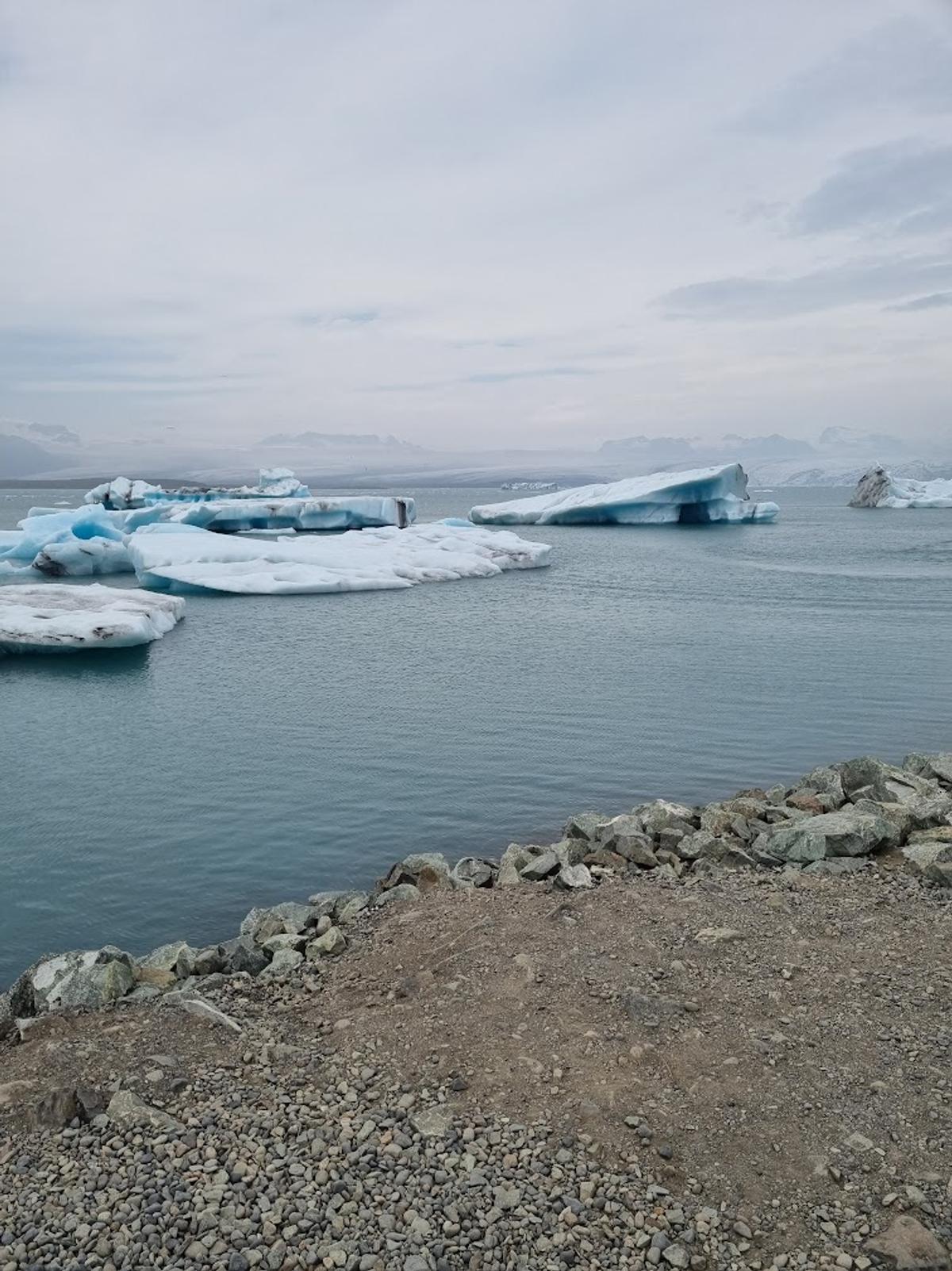
Jökulsárlón Glacier Lagoon
Glacier lagoon where icebergs from Breiðamerkurjökull drift toward the Atlantic.
について
Jökulsárlón Glacier Lagoonについて
Glacier lagoon where icebergs from Breiðamerkurjökull drift toward the Atlantic.
Discover the extraordinary natural beauty of Jökulsárlón Glacier Lagoon, a must-see Icelandic wonder.
Jökulsárlón Glacier Lagoon近くのツアー
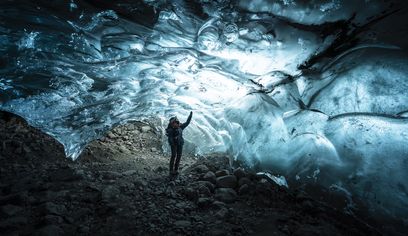
Ice Cave Discovery
Local Guide of Vatnajökull · 6 hours
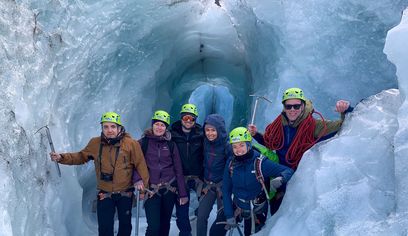
Solheimajokull 4h Moderate Level Glacier Hike
Troll Expeditions · 3 hours
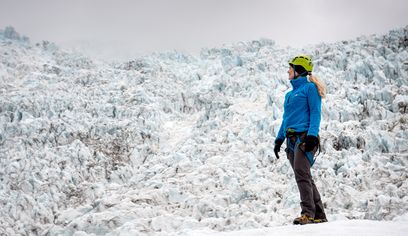
Skaftafell 3 hours Easy Level Glacier Hike
Troll Expeditions · 3 hours
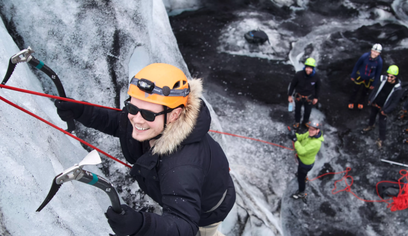
Solheimajokull Ice Climbing & Glacier Hike
Troll Expeditions · 4 hours
写真
ギャラリー
背景
歴史と背景
Jökulsárlón Glacier Lagoon, a prominent glacial lake in South Iceland, has captivated visitors and locals alike throughout Iceland's history. The natural formations here were shaped over thousands of years by the powerful forces of volcanism, glaciation, and erosion, a testament to Iceland's dynamic geology. Early settlers recognized the unique beauty of this place, and it features in various historical accounts and folklore, though its modern form as a large lagoon is relatively recent, emerging more prominently with glacier retreat. Iceland's natural wonders have been described by travelers since the medieval period, with some of the earliest written accounts appearing in the sagas and geographic treatises of the 12th and 13th centuries. These historical records provide glimpses into how these landscapes were perceived and valued by past generations. Today, Jökulsárlón Glacier Lagoon continues to draw visitors from around the world who come to witness the extraordinary landscapes that make Iceland one of the most geologically diverse places on the planet, experiencing a living history shaped by ice and fire.
Jökulsárlón lies between Breiðamerkurjökull and the coast in Southeast Iceland. As the glacier calves and retreats, icebergs enter the lagoon and move gradually toward the ocean. Their size, colour and position change constantly with weather, tides and glacier conditions. Seals are often seen in the lagoon, and managed boat tours operate seasonally. Across Route 1, ice washed onto the black-sand shore creates the site commonly called Diamond Beach. Visitors should follow local safety guidance around water, ice and traffic.
民話
物語と民話
Standing on the rocky, gravelly shore of Jökulsárlón, a sense of profound tranquility washes over you. Before your eyes, an otherworldly scene unfolds: colossal icebergs, some brilliant white, others a deep glacial blue, glide silently across the lagoon's dark, rippled surface. These ancient ice sculptures, calved from the mighty Breiðamerkurjökull glacier, dance slowly towards the open sea, each one a fleeting masterpiece of nature. The air is crisp, carrying the distant rumble of ice shifting and the gentle lapping of water against the shore. Above, an expansive, cloudy sky mirrors the muted tones of the water and ice, creating a harmonious, almost monochromatic palette. It’s a place where time seems to slow, allowing you to fully absorb the raw, majestic power of Iceland's glacial heartland, a truly unforgettable encounter with the wild.
ご存知ですか?
Iceland is one of the youngest landmasses on Earth, with some areas still being actively formed by volcanic eruptions.
探索
近くの隠れた名所
Off-Peak Visit
Visit Jökulsárlón Glacier Lagoon during shoulder season (May or September) for a perfect balance of access and solitude.
You'll experience the site without summer crowds while still having good weather and daylight.
Local Flora
Look for the native Icelandic plants growing in the area — Arctic thyme, moss campion, and various lichens.
These resilient plants have adapted to survive harsh conditions and add subtle beauty to the landscape.
Changing Light
Jökulsárlón Glacier Lagoon looks dramatically different depending on the time of day and weather conditions.
Cloud shadows, rain showers, and low-angle sunlight can transform the landscape within minutes — Iceland's famous "four seasons in one day."
ヘルプ
よくある質問
場所
場所
Discover
Explore Nearby
Places from our database within 5.0 km — all data from Sanity
Loading nearby places…
0 places found within 5.0 km
Plan full itinerary →もっと探索