
Langjökull Glacier
Explore Langjökull, Iceland's second-largest glacier, with its unique man-made ice tunnels and vast snowy landscapes.
概要
訪問時間
3–4 hours for a full tour, including the ice tunnel.
最適な季節:
Year-round for the man-made ice tunnel; Winter (Nov-Apr) for natural ice caves and snowmobiling; Summer (May-Sep) for hiking.
アクセス
Access via guided super jeep or monster truck tours from nearby towns; regular cars may not be suitable for glacier roads.
GPS
64.6335, -20.4922
について
Langjökull Glacierについて
Explore Langjökull, Iceland's second-largest glacier, with its unique man-made ice tunnels and vast snowy landscapes.
Walk deep inside a glacier through the world's only man-made ice tunnel and explore its vast icy expanse.
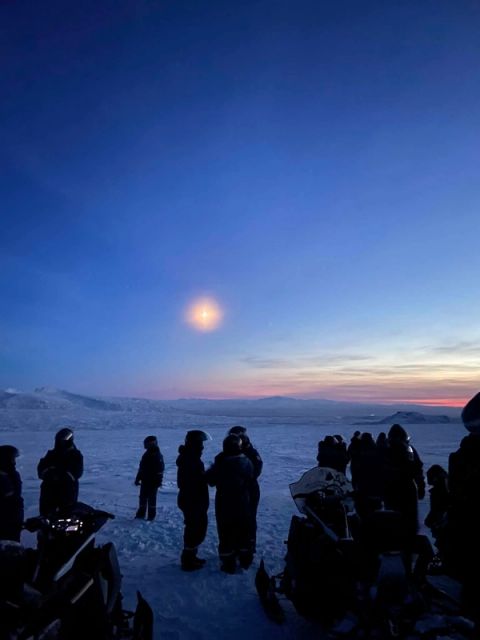
Langjökull Glacier近くのツアー
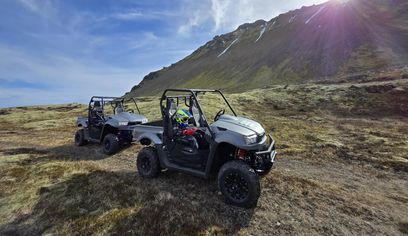
Buggy tours around Snæfellsjökull. 2 hour tour
Glacier Paradise · 2 hours 30 minutes
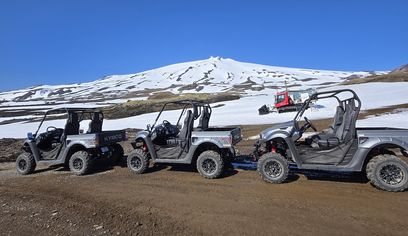
Buggy tours around Snæfellsjökull. 1 hour tour
Glacier Paradise · 1 hour
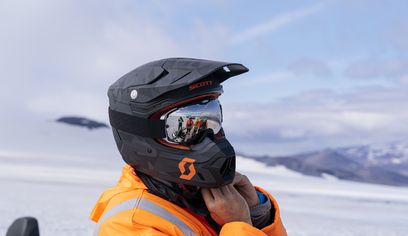
Into The Glacier - With Snowmobiling From Húsafell
Arctic Adventures · 4 hours 30 minutes
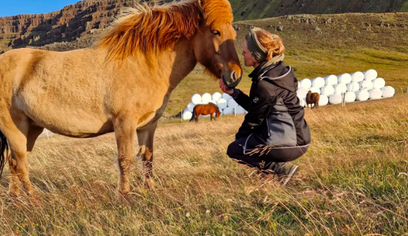
Private Farm Visit & Silver Circle Day Tour in West Iceland
Rest in the West · 12 hours
写真
ギャラリー
背景
歴史と背景
Langjökull's story began roughly 3,500 years ago, slowly accumulating snow and ice to form the immense ice cap we see today. The very layers of its ice are a living historical record, encapsulating centuries of Iceland's environmental past. Within these frozen strata, scientists can discern volcanic ash from ancient eruptions, offering a unique chronological insight into the island's tumultuous geological activity over millennia. Beneath its vast expanse, Langjökull silently covers at least two active volcanic systems. While these systems remain active, they have not erupted since Iceland's settlement, demonstrating a long period of dormancy under the glacier's protective cover. This geological relationship highlights the dynamic interplay between ice and fire that defines much of Iceland's landscape. Furthermore, the glacier plays a crucial role as a hydrological source, feeding the powerful Hvítá river, which in turn sustains two of Iceland's most famous natural attractions: the thundering Gullfoss waterfall and the bubbling geothermal springs of the Great Geysir area.
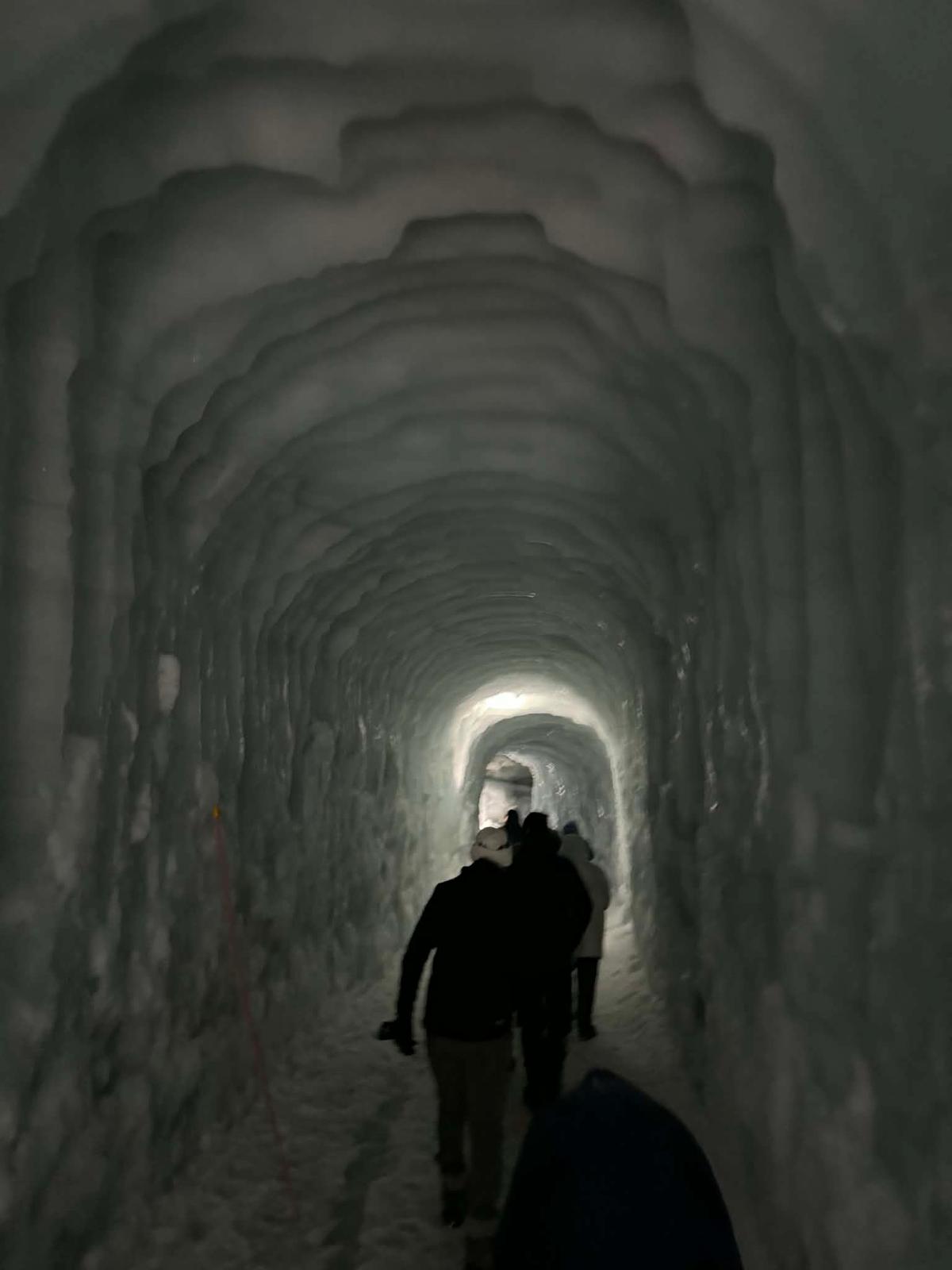
Langjökull, aptly named the 'long glacier,' stands as Iceland's magnificent second-largest ice cap, dominating the western Icelandic Highlands. Spanning an impressive 935 square kilometers, this colossal glacier stretches approximately 50 kilometers in length and 15 to 20 kilometers in width. Its ice can reach astounding depths of up to 580 meters, with its highest point, Baldjökull, soaring to about 1,450 meters above sea level. The glacier's history dates back approximately 3,500 years, with its stratified ice layers serving as a natural archive. Within these layers, scientists discover invaluable historical data, including remnants of ancient volcanic ash, painting a vivid picture of Iceland's geological past. Remarkably, Langjökull conceals at least two active volcanic systems beneath its immense weight, though no eruptions have been recorded since the island's settlement. Beyond its geological significance, Langjökull is a vital hydrological hub, acting as the source for several major rivers, including the mighty Hvítá, which famously feeds the iconic Gullfoss waterfall and the renowned Great Geysir geothermal area. Langjökull is an undisputed magnet for adventurers. Visitors flock here for thrilling snowmobiling expeditions, exhilarating glacier hikes, and comfortable super jeep tours. A standout attraction is 'Into the Glacier,' the world's largest man-made ice tunnel, opened in 2015. This engineering marvel allows year-round exploration deep inside the ice cap, revealing stunning blue ice formations and chambers, much like the illuminated, sculpted tunnel seen in the image where visitors are making their way deeper. During November to April, natural ice caves also form, offering ephemeral, naturally sculpted blue ice wonders. While the man-made tunnel is a year-round spectacle, the optimal time for natural ice cave exploration is strictly winter. Summer months, from May to September, are ideal for glacier hiking. Tragically, Langjökull is confronting a rapid retreat due to climate change, with projections indicating its potential disappearance within the next 50 to 150 years. Witness its grandeur while you can.
民話
物語と民話
Imagine standing atop a colossal sheet of ice, stretching for miles under the vast Icelandic sky. This is Langjökull, Iceland's "long glacier," a majestic force of nature that has shaped the landscape for thousands of years. Its icy embrace holds secrets from ancient volcanic eruptions, preserved within layers stretching almost 600 meters deep. For those seeking adventure, Langjökull is a playground. Super jeeps rumble across its surface, carrying thrill-seekers to the starting points of snowmobiling excursions that zip across the endless white expanse. But the true marvel lies within. The "Into the Glacier" ice tunnel, a feat of engineering, invites you deep into the heart of the ice cap, revealing a world of sculpted blue ice, just like the ethereal tunnel pictured, with people walking further into its luminous depths. In winter, nature crafts its own ephemeral blue ice caves, each a temporary masterpiece. Yet, beneath its rugged beauty, Langjökull faces a poignant struggle. It is shrinking, a stark reminder of our changing climate. Visiting Langjökull is not just an adventure; it's an opportunity to connect with a powerful, ancient wonder that, sadly, future generations may only know from photographs. It's a call to witness its grandeur while it still reigns supreme.
ご存知ですか?
Langjökull, meaning 'long glacier,' conceals at least two active volcanic systems and holds ice up to 580 meters thick, storing millennia of history.
探索
近くの隠れた名所
Natural Ice Caves
Beyond the famous man-made tunnel, Langjökull also forms breathtaking natural blue ice caves during winter. These ephemeral wonders, sculpted by nature, offer a unique and often more intimate experience of the glacier's raw beauty.
They provide a rare, seasonal glimpse into ever-changing natural ice formations, distinct from the permanent man-made structure.
ヘルプ
よくある質問
場所
場所
Discover
Explore Nearby
Places from our database within 5.0 km — all data from Sanity
Loading nearby places…
0 places found within 5.0 km
Plan full itinerary →もっと探索