
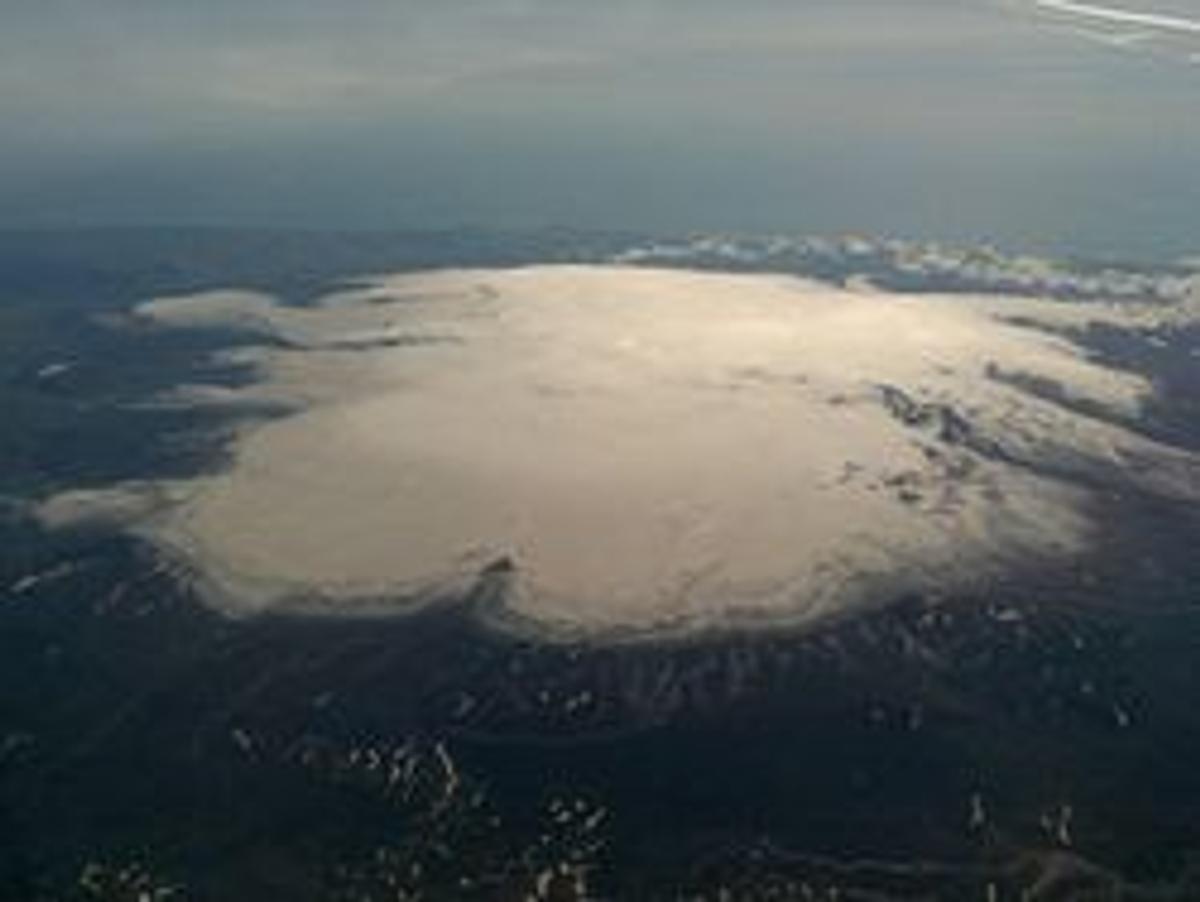
Mýrdalsjökull
Large South Iceland ice cap covering the active Katla volcanic system.
について
Mýrdalsjökullについて
Large South Iceland ice cap covering the active Katla volcanic system.
Experience a major South Iceland glacier landscape and learn how ice and volcanism interact around Katla.
Mýrdalsjökull近くのツアー

South Coast Tour - Black Sand Beach, Plane wreck, Skogafoss, Seljalandsfoss guided in Chinese冰岛南岸黑沙滩飞机残骸中文一日团
Magic Iceland Travel · 10 hours 30 minutes
South Coast Small Group Tour: Waterfalls, Glacier & Black Sand Beach
BusTravel Iceland · 10 hours
Private South Coast tour
EastWest · 10 hours
Private South Coast with Glacier Hike
Glaciers and Waterfalls · 10 hours
写真
ギャラリー
背景
歴史と背景
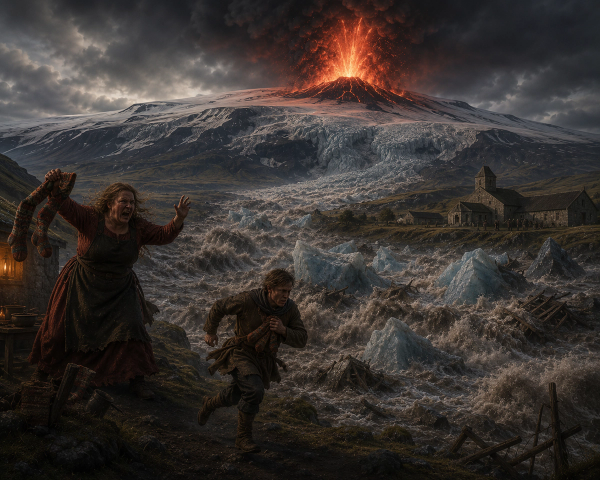
Mýrdalsjökull and Katla have shaped the surrounding landscape through repeated volcanic eruptions, glacial erosion and jökulhlaup floods. Modern monitoring tracks seismic, geothermal and hydrological changes beneath and around the ice cap.
Mýrdalsjökull is one of Iceland's major ice caps and covers the Katla volcanic system north of Vík. The glacier feeds several outlet glaciers and glacial rivers and is an important part of the South Coast landscape. Katla is an active volcano monitored continuously by Icelandic authorities, but it is not accurate to claim that an eruption is 'predicted imminently.' Glacier travel should only be undertaken with suitable equipment and experienced or guided access.
民話
物語と民話
Mýrdalsjökull combines two of Iceland's defining forces: a large glacier and an active volcanic system beneath the ice. Its outlet glaciers, rivers and broad sandur landscapes show the long-term interaction of ice, meltwater and volcanism.
ご存知ですか?
Katla volcano is overdue for eruption
文化
物語と伝説
この地域のアイスランドのサガと民話
探索
近くの隠れた名所
Glacier Sounds
Stop and listen — glaciers make haunting sounds as ice shifts and meltwater flows beneath the surface.
The creaking, groaning, and rushing sounds remind you that glaciers are living, moving rivers of ice.
Ice Colors
Look carefully at the ice — you'll see shades of white, blue, and even black from volcanic ash layers.
The blue color comes from compressed ice that absorbs red light, and ash layers mark historical eruptions.
Glacier Edge Ecology
The area where the glacier meets rock supports a unique micro-ecosystem of hardy organisms.
Pioneer plants and insects colonizing newly exposed land offer a real-time view of ecological succession.
ヘルプ
よくある質問
場所
場所
Discover
Explore Nearby
Places from our database within 5.0 km — all data from Sanity
Loading nearby places…
0 places found within 5.0 km
Plan full itinerary →もっと探索