
Iceland's Natural Wonders
Canyons in Iceland
Iceland is home to some of the most dramatic canyons in the world. These deep valleys were carved by powerful glacial rivers over thousands of years and often feature steep cliffs, waterfalls and unique rock formations.
Iceland's canyons were shaped by immense geological forces — glacial rivers cutting through volcanic rock, explosive jökulhlaup floods, and millennia of erosion. The result is a collection of dramatic gorges ranging from narrow slot canyons to massive horseshoe-shaped valleys kilometers wide.
Many of Iceland's most beautiful canyons can be found along the South Coast, in the Highlands and in North Iceland. Popular canyon destinations include Fjaðrárgljúfur, Stuðlagil Canyon and Ásbyrgi canyon in Vatnajökull National Park.
Some canyons, like Fjaðrárgljúfur, are easily accessible from the Ring Road with well-marked walking paths. Others, like Sigöldugljúfur in the Highlands, require 4WD vehicles and summer-only access. Several canyons allow visitors to walk inside the narrow gorges, offering unique perspectives of towering cliffs and hidden waterfalls.
Planning Tip
Canyons by Region
Featured Canyons in Iceland
From the iconic Fjaðrárgljúfur to the remote Highlands gorges — explore Iceland's most spectacular canyons carved by glacial rivers and volcanic floods.

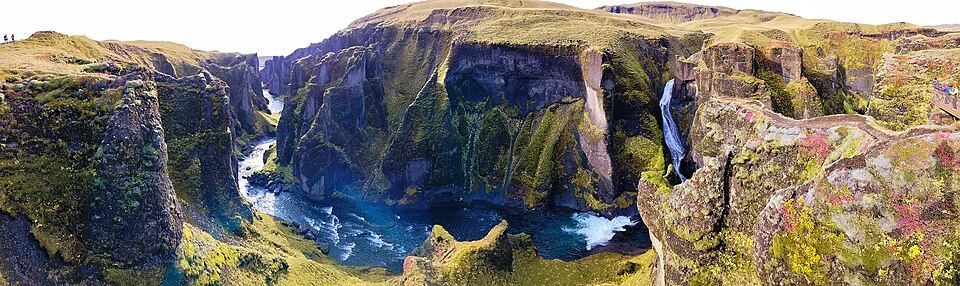
Fjaðrárgljúfur
Iceland's Most Famous Canyon
Fjaðrárgljúfur is a magnificent 2km long and 100m deep canyon carved by glacial meltwater over thousands of years. The Fjaðrá river winds through the serpentine gorge, creating stunning curves and viewpoints along the walking path.
Visitor Tips
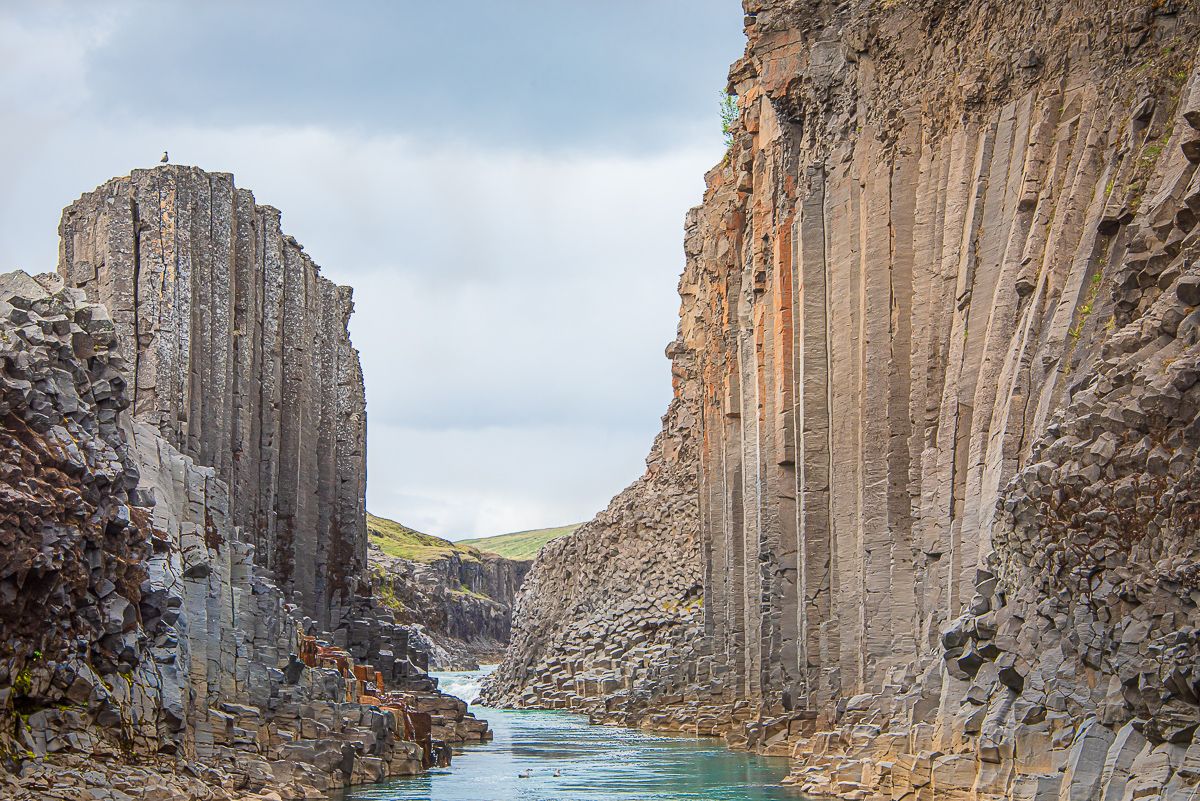
Stuðlagil Canyon
Basalt Column Cathedral
Stuðlagil features towering hexagonal basalt columns revealed when a hydroelectric dam reduced water flow in 2007. The milky turquoise glacial river contrasts dramatically with dark columns, creating one of Iceland's most photogenic spots.
Visitor Tips
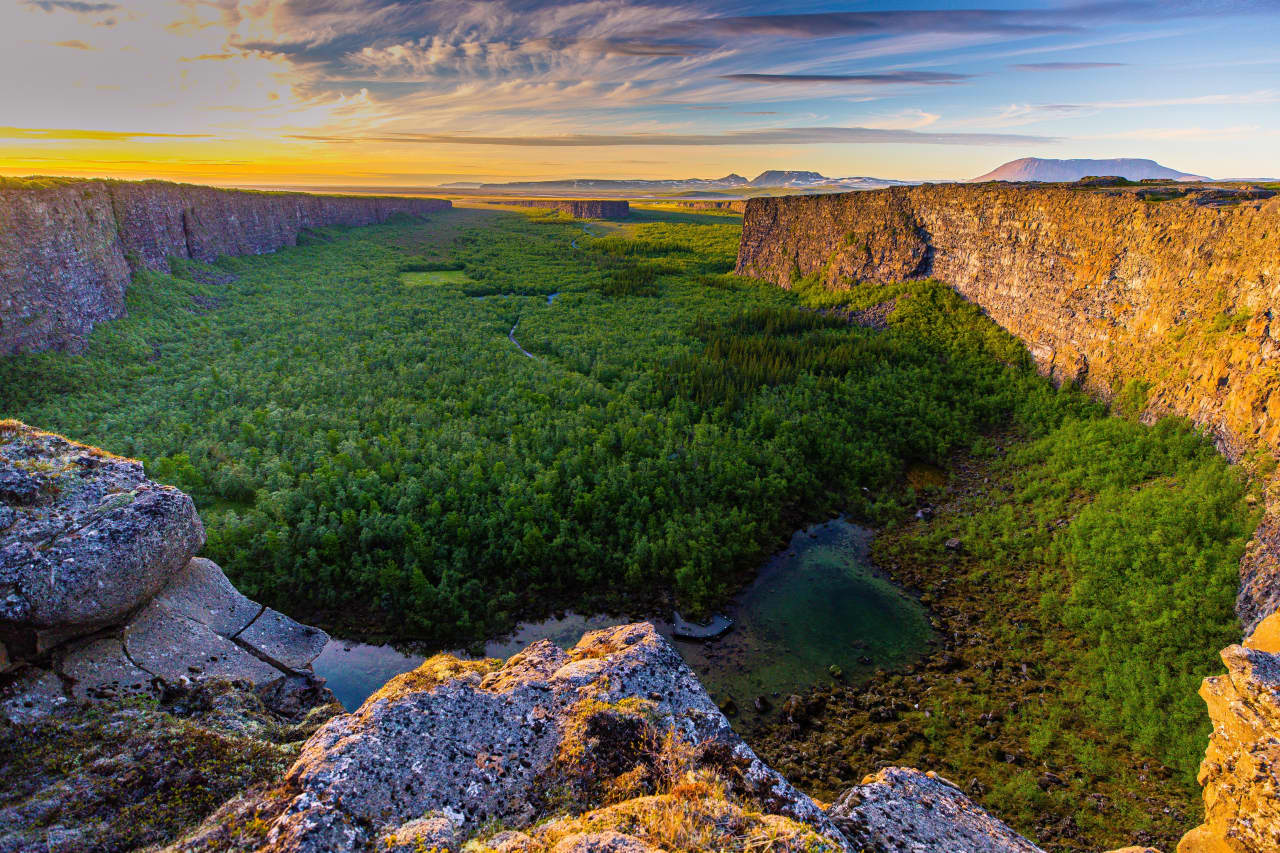
Asbyrgi
Horseshoe Canyon
Ásbyrgi is a horseshoe-shaped glacial canyon in northeast Iceland, stretching 3.5 km long and over 100 metres deep. Norse mythology holds that the god Odin's eight-legged horse Sleipnir created the canyon with a single hoof-print. Today it is a protected nature reserve within Vatnajökull National Park, filled with birch forest, wildflowers and nesting birds.
Visitor Tips
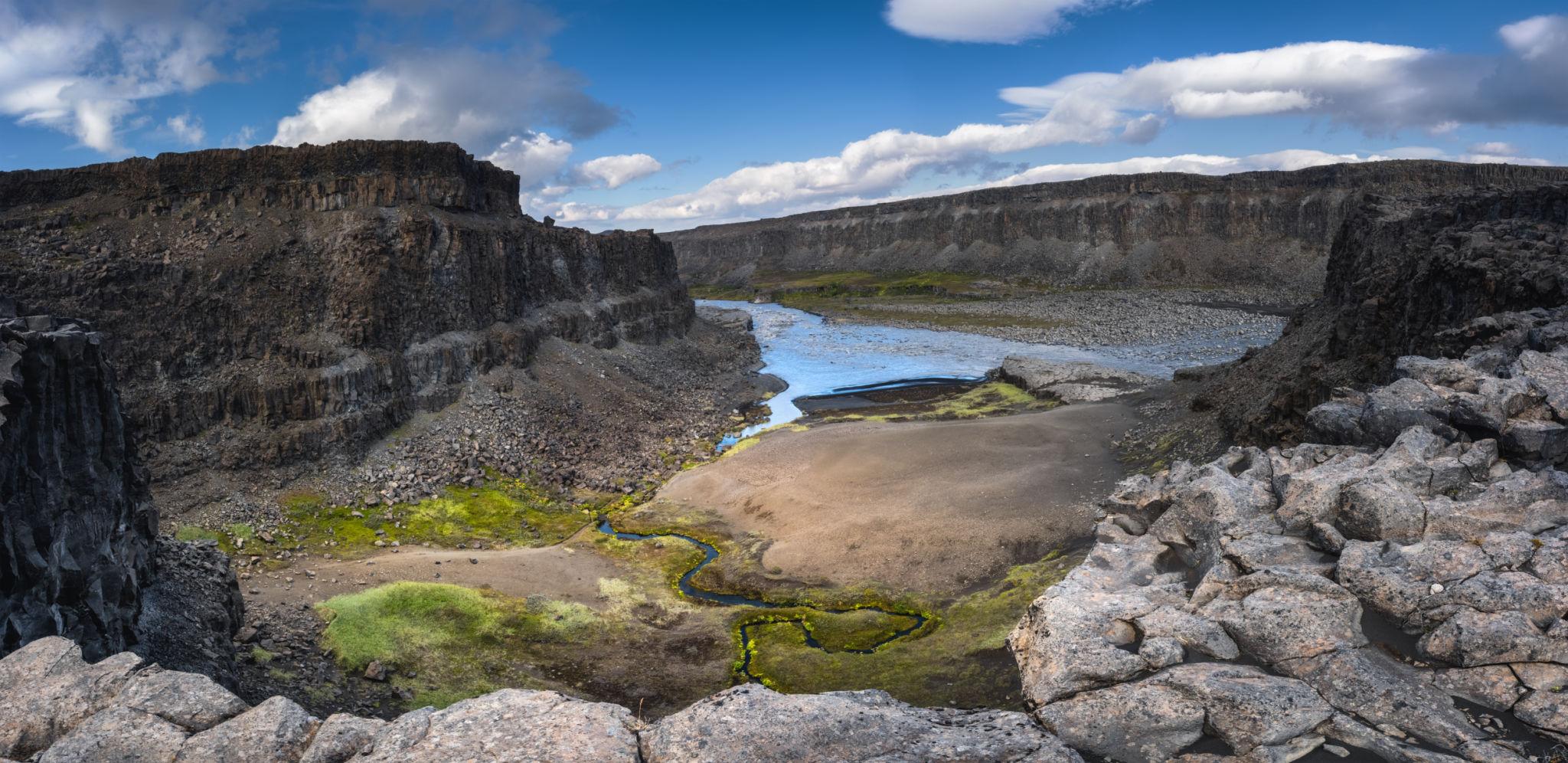
Jökulsárgljúfur
Glacial River Canyon
Jökulsárgljúfur is a 25km canyon carved by the powerful Jökulsá á Fjöllum glacial river. The canyon reaches depths of 120m and width of 500m, containing waterfalls Dettifoss, Selfoss, and Hafrag ilsfoss.
Visitor Tips

Múlagljúfur
Hidden Canyon Paradise
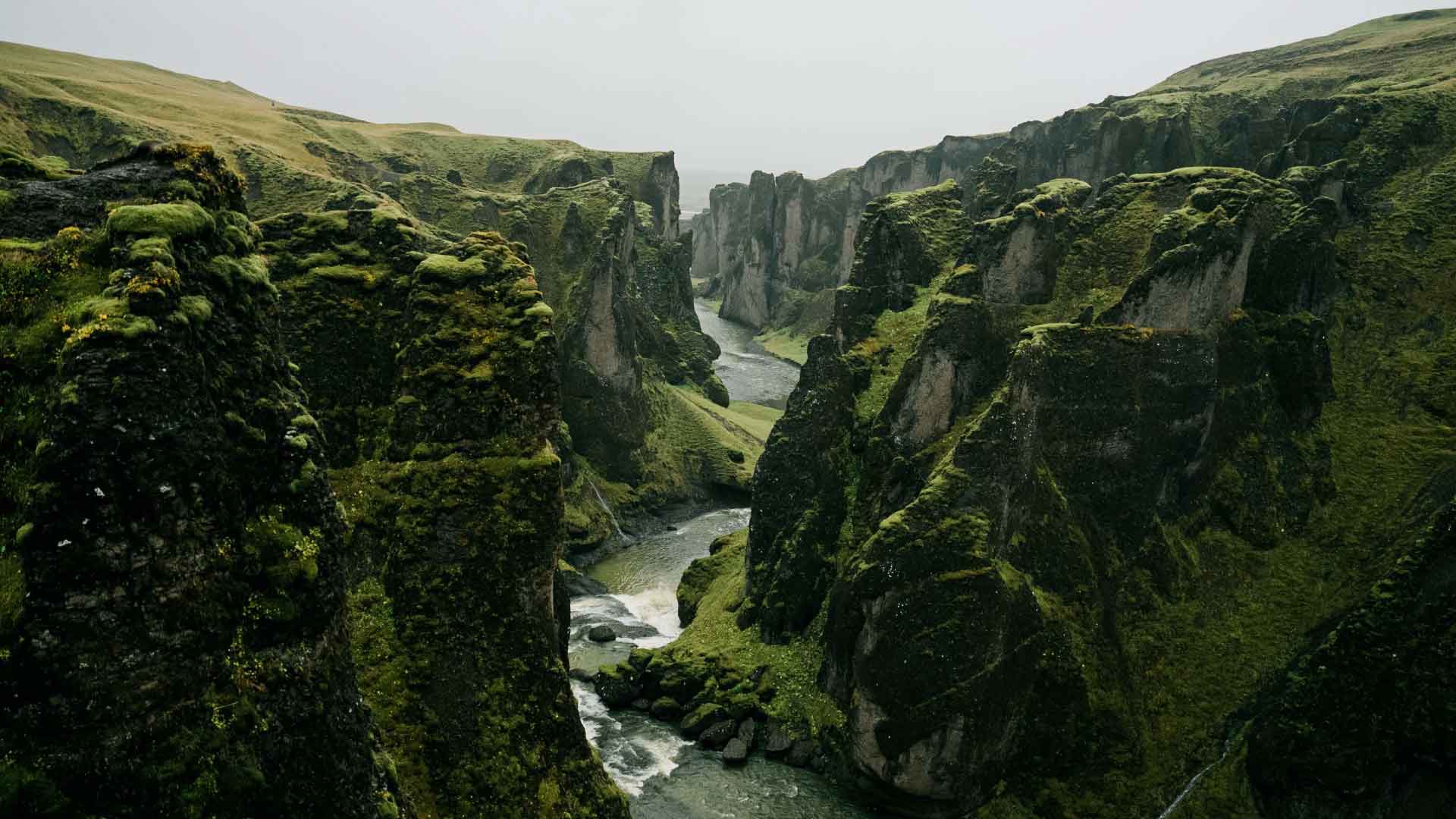
Múlagljúfur is a dramatic canyon below Morsá mountain, featuring multiple waterfalls cascading into a narrow gorge. The highlight is Múlafoss waterfall, but the entire canyon offers spectacular views of water sculpting basalt.
Visitor Tips

Eldgjá
Fire Canyon
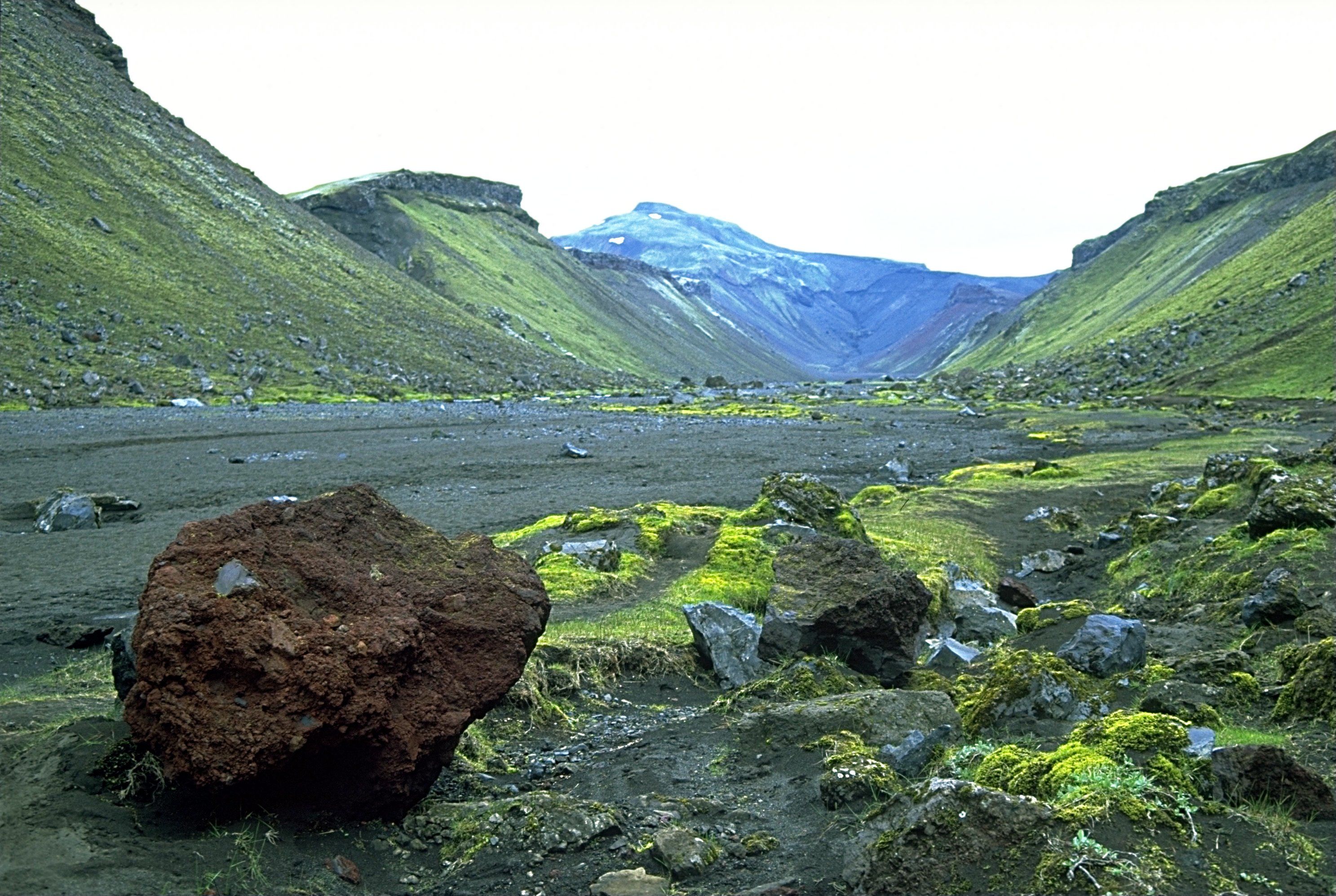
Eldgjá is a volcanic canyon 40km long and 600m wide, created during a massive eruption around 939 AD - one of the largest in human history. Öf ærufoss waterfall drops picturesquely into the canyon.
Visitor Tips
Sigöldugljúfur
Valley of Tears
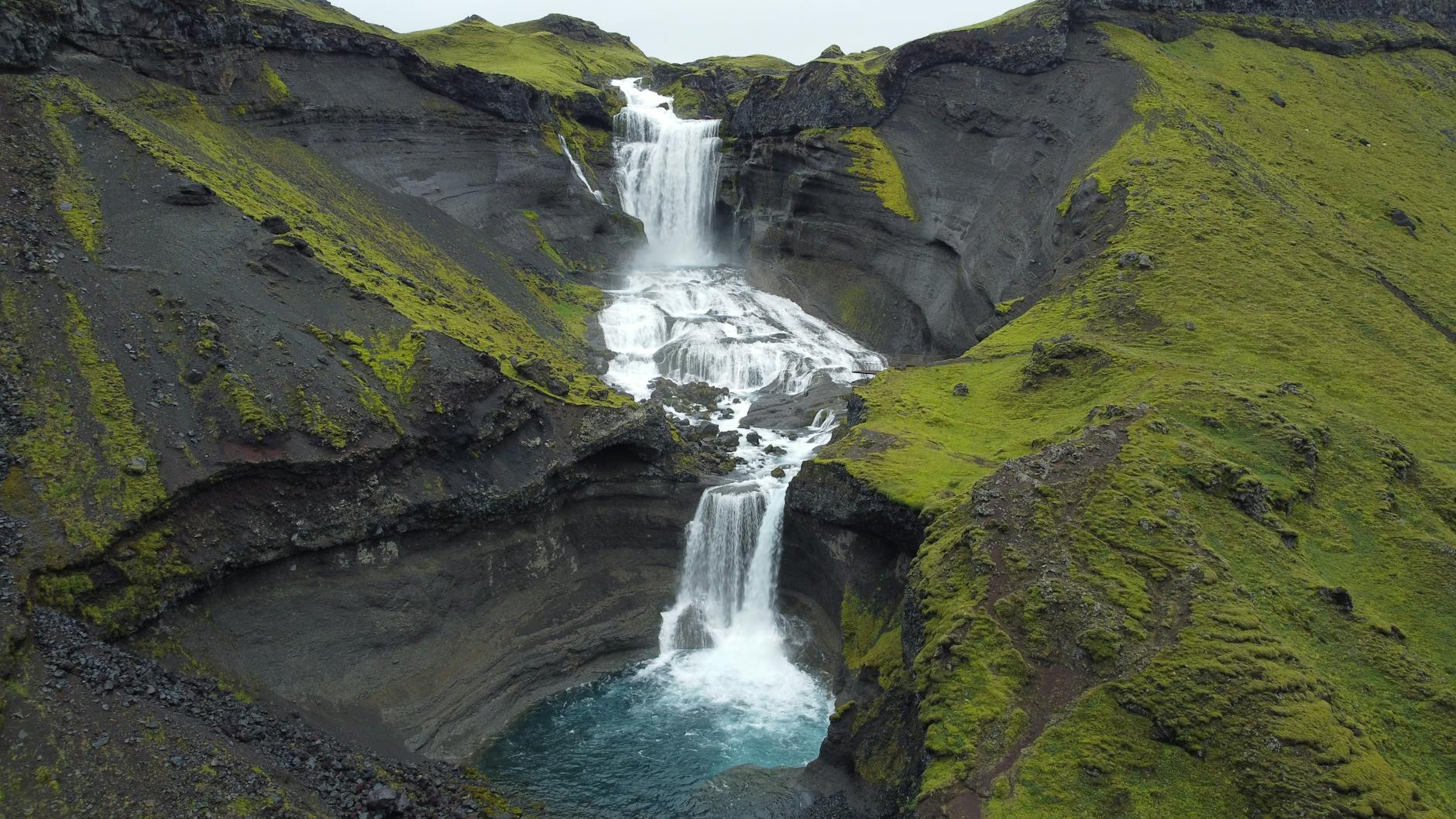
Sigöldugljúfur features over 20 waterfalls cascading into a serpentine canyon. Foss á Síðu is the most prominent, but the entire gorge is a waterfall wonderland. The turquoise water and green moss create magical colors.
Visitor Tips

Rauðfeldsgjá
Hidden Ravine
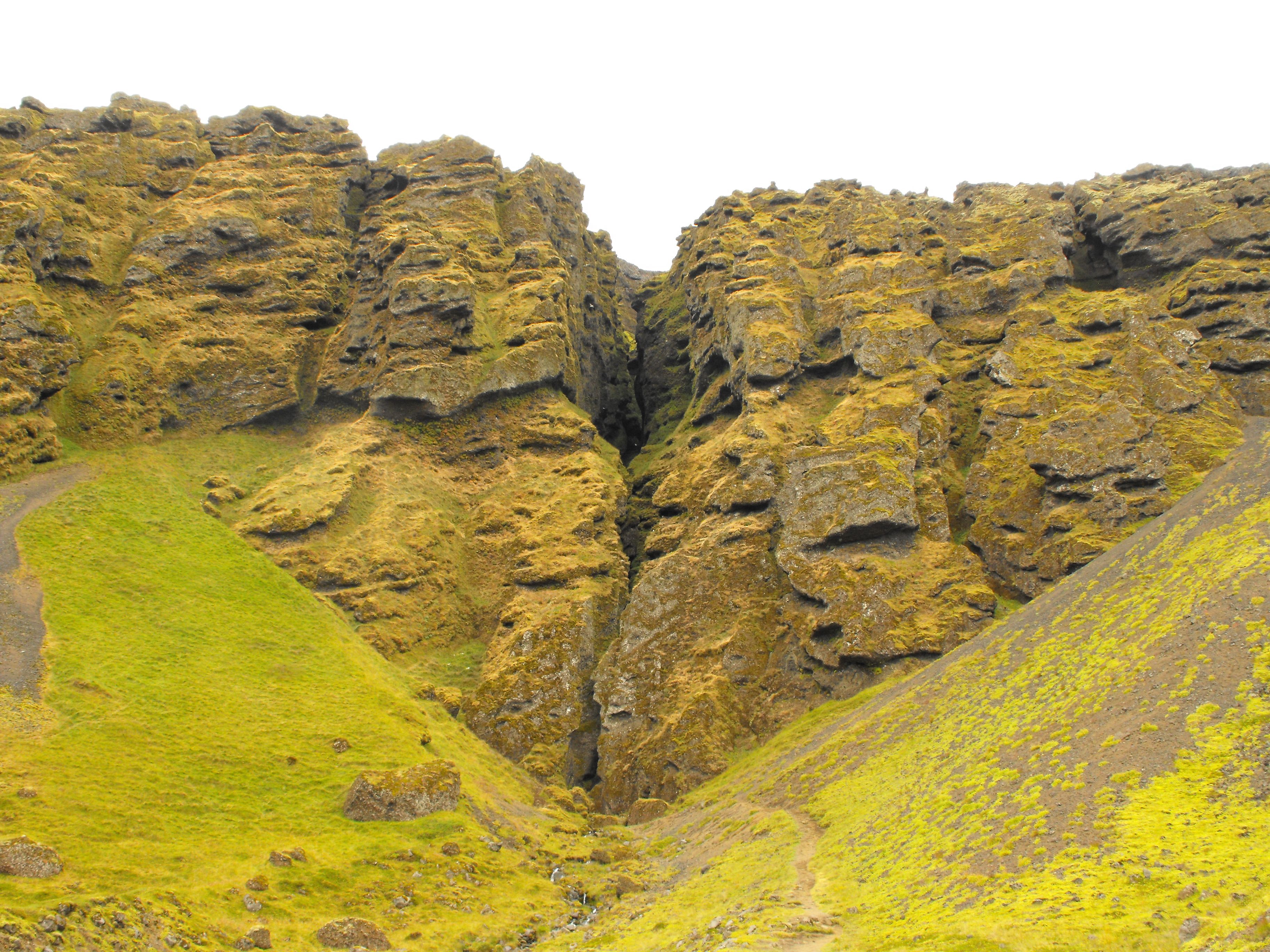
Rauðfeldsgjá is a narrow ravine you can actually walk into, wading through a stream between towering rock walls. According to Bárðar Saga, the outlaw Bárður threw his nephew into this gorge. The setting is dramatic and mysterious.
Visitor Tips

Almannagjá
All-Man Gorge
Almannagjá is a rift valley in Þingvellir National Park where the North American and Eurasian tectonic plates are pulling apart. Iceland's parliament, the Alþingi, met here from 930-1798, making it a UNESCO World Heritage Site.
Visitor Tips
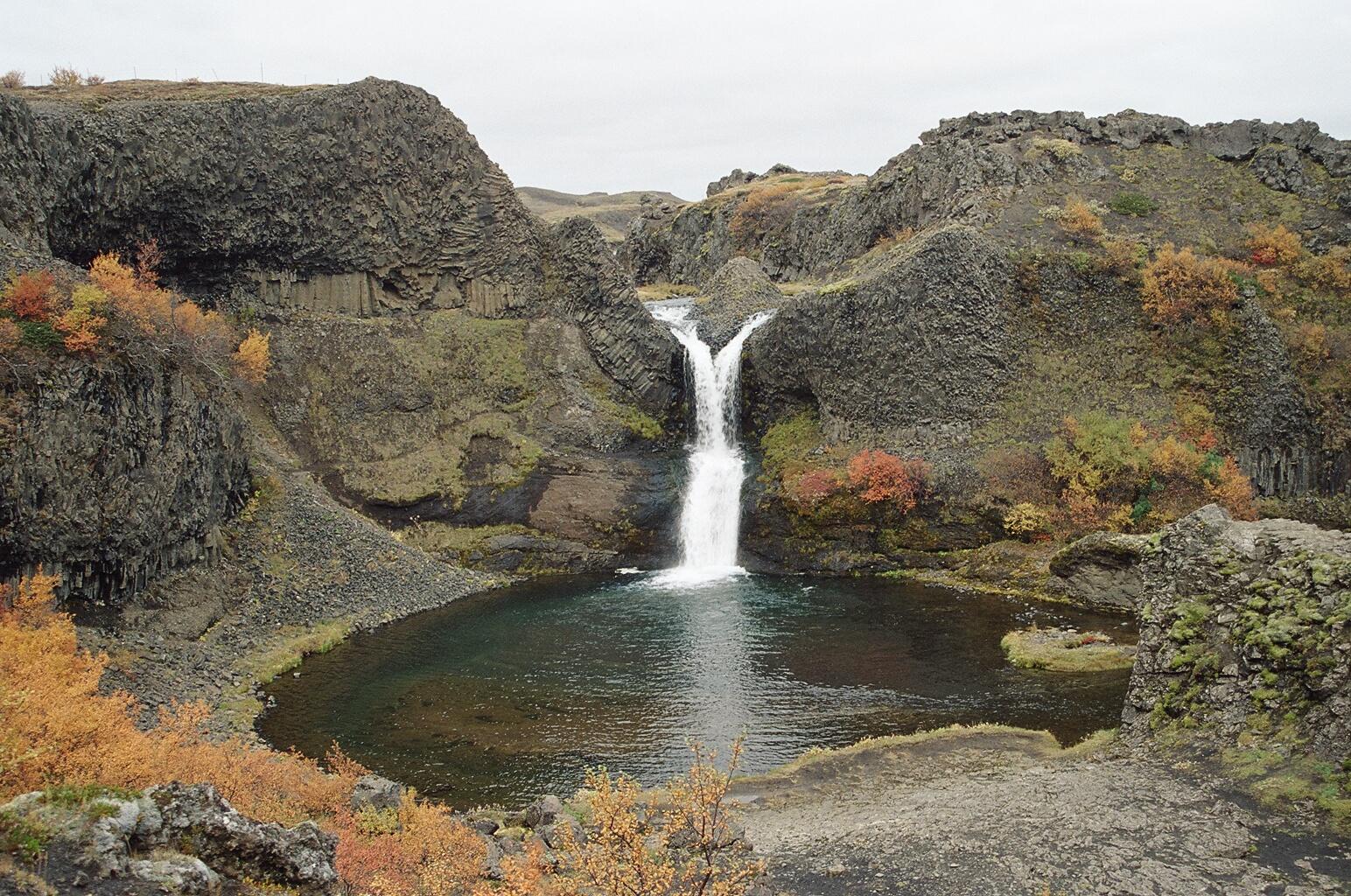
Gjáin
Secret Waterfall Oasis
Gjáin is a hidden ravine featuring multiple waterfalls, lush vegetation, caves, and vivid green moss. The crystal-clear river creates pools and cascades in a fairy-tale setting that feels otherworldly.
Visitor Tips
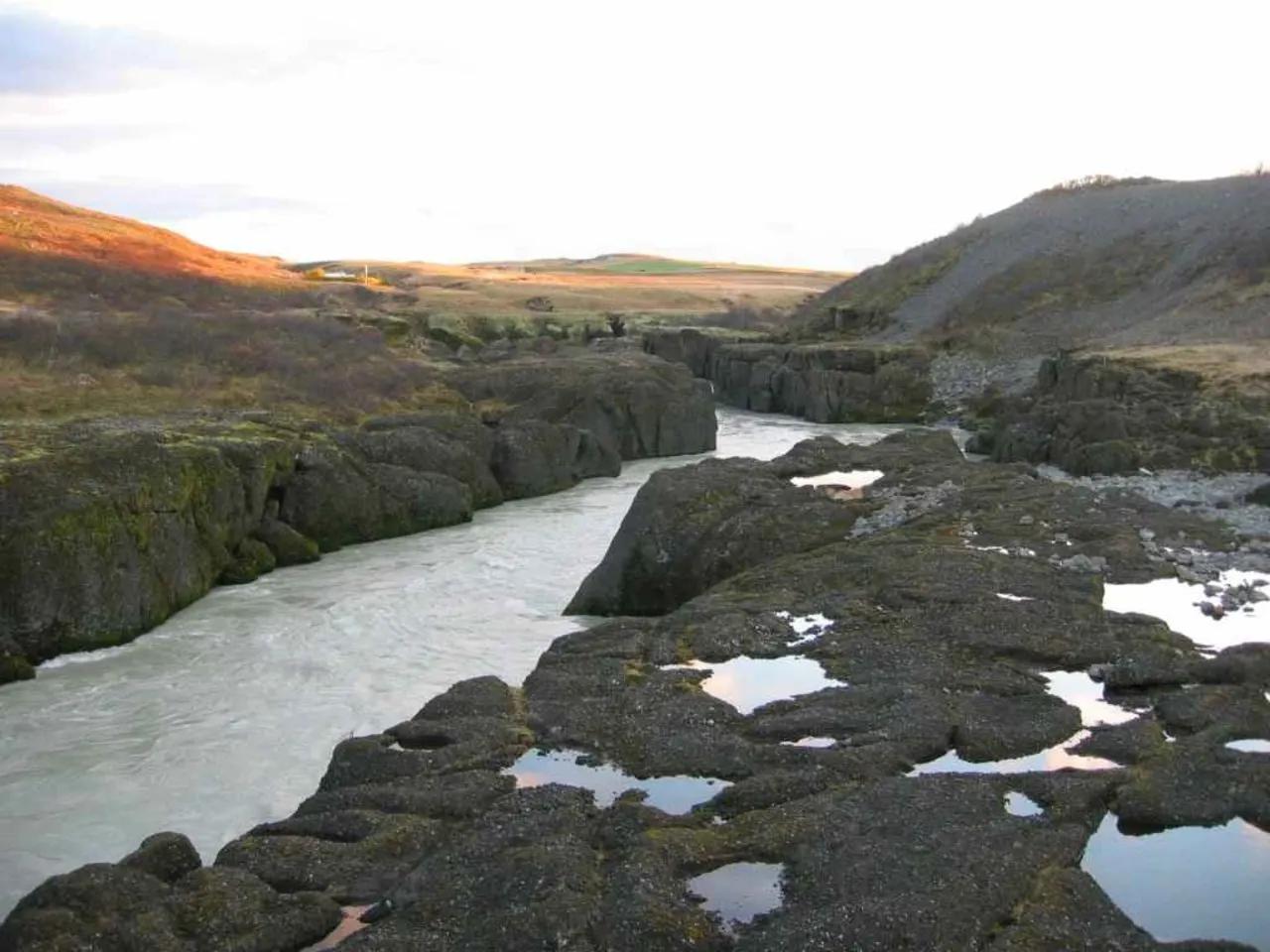
Brúarhlöð
Bridge Gorge
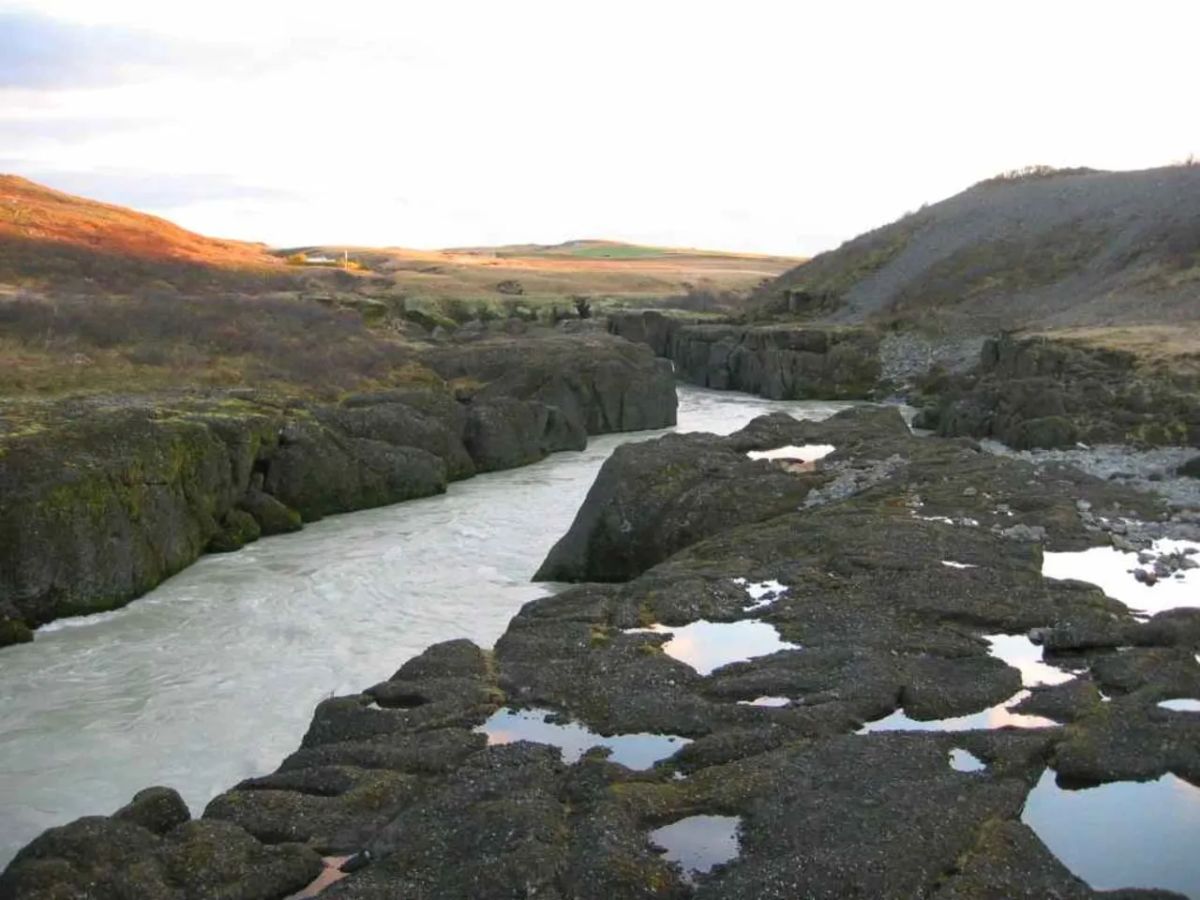
Brúarhlöð is where the powerful glacial river Hvítá (from Langjökull glacier) cuts through ancient lava rock, creating deep pools and rapids. The turquoise-blue water contrasts dramatically with black basalt.
Visitor Tips

Barnafoss
Children's Waterfall
Barnafoss, meaning 'Children's Waterfall,' is a powerful cascade known for its dramatic, turbulent flow through a narrow gorge. The water plunges and churns, creating a captivating spectacle that embodies the raw power of Icelandic nature. Its name is tied to a local legend, adding a poignant layer to its already impressive beauty.
Visitor Tips
All Canyons in Iceland
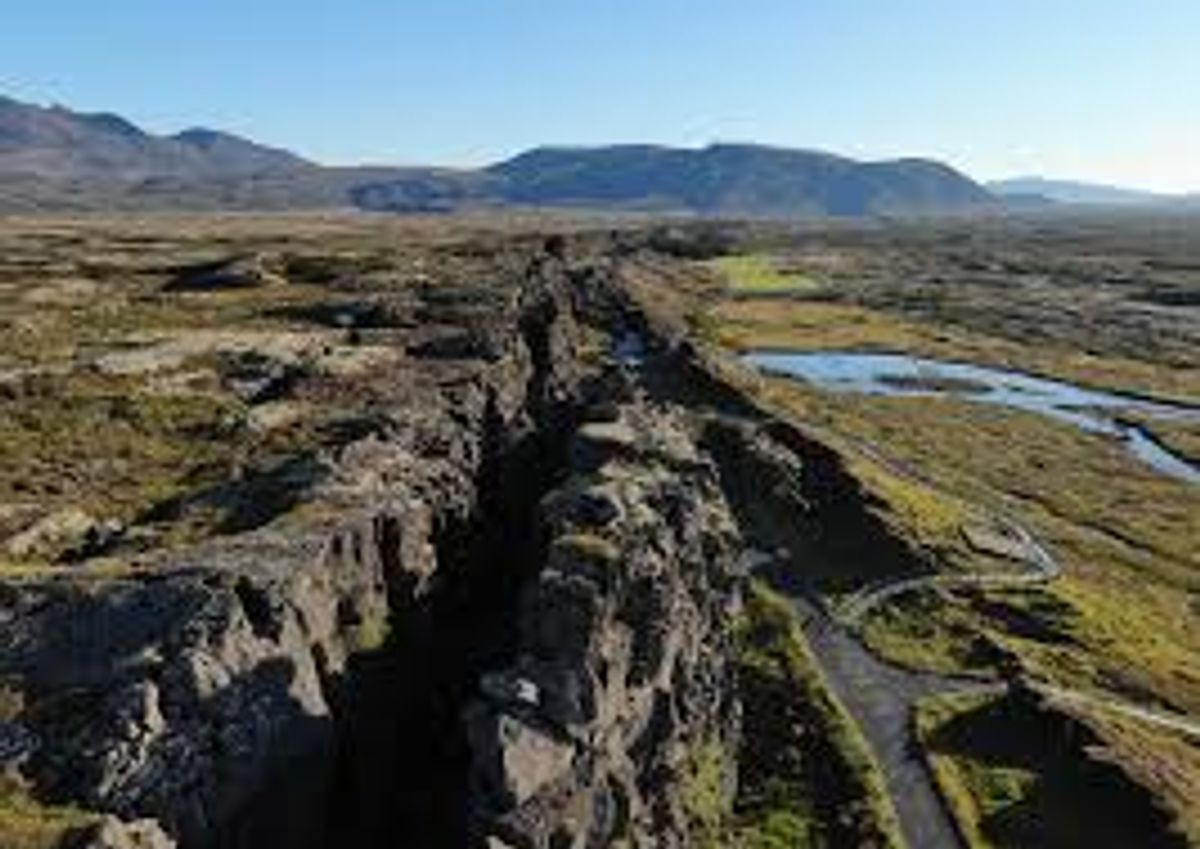
Almannagjá
south-iceland
Almannagjá is a breathtaking geological rift, a dramatic testament to Iceland's active tectonic plates. This ancient lava fissure, part of Þingvellir National Park, holds deep historical significance and is rumored to be a dwelling place for hidden folk.
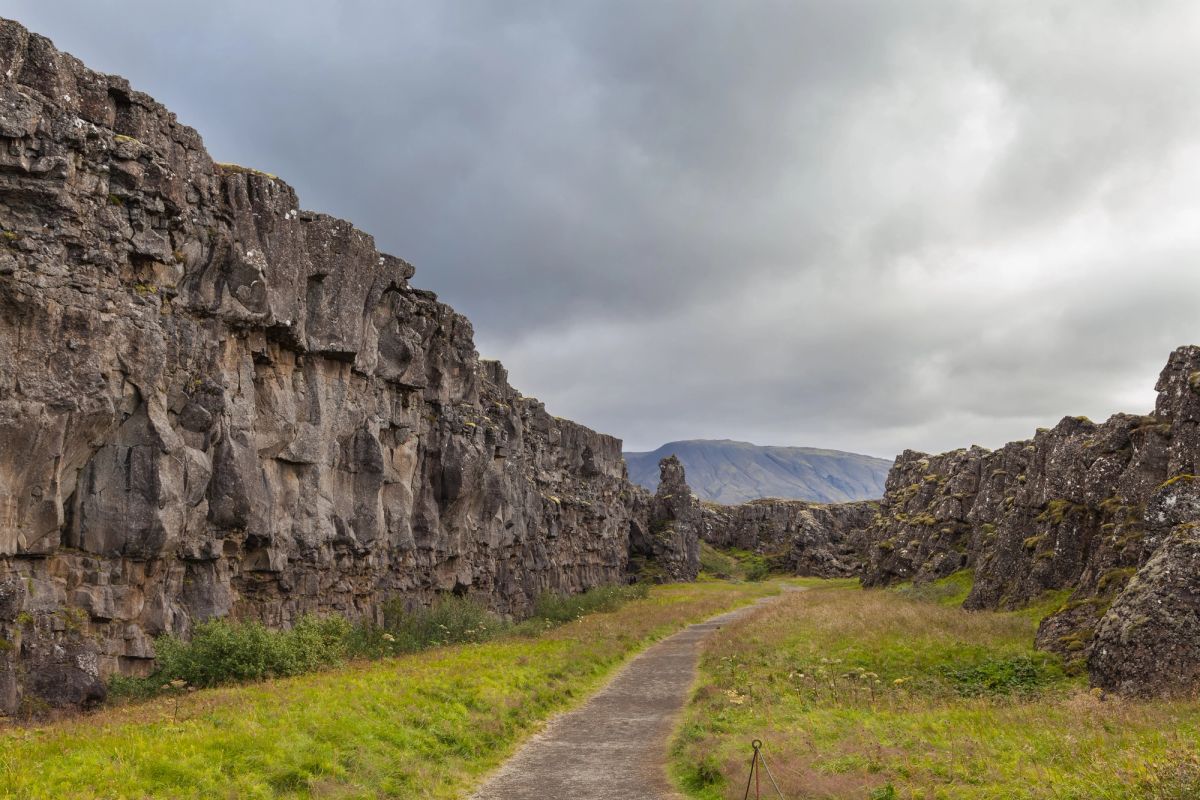
Almannagjá
region-west-iceland
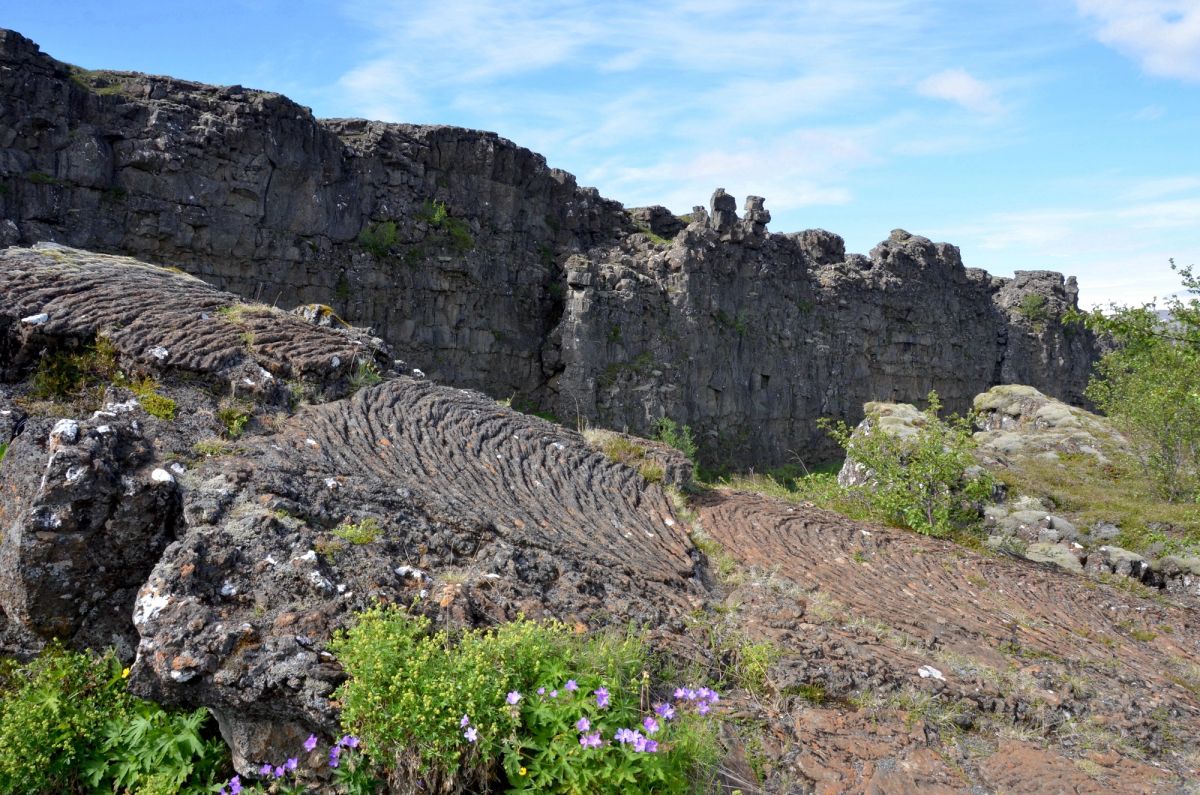
Almannagjá Gorge — Þingvellir Rift
west-iceland
Almannagjá is a massive rift valley gorge in Þingvellir National Park where the North American and Eurasian tectonic plates are visibly pulling apart. A walking path leads through the gorge, offering a unique chance to walk between two continents.
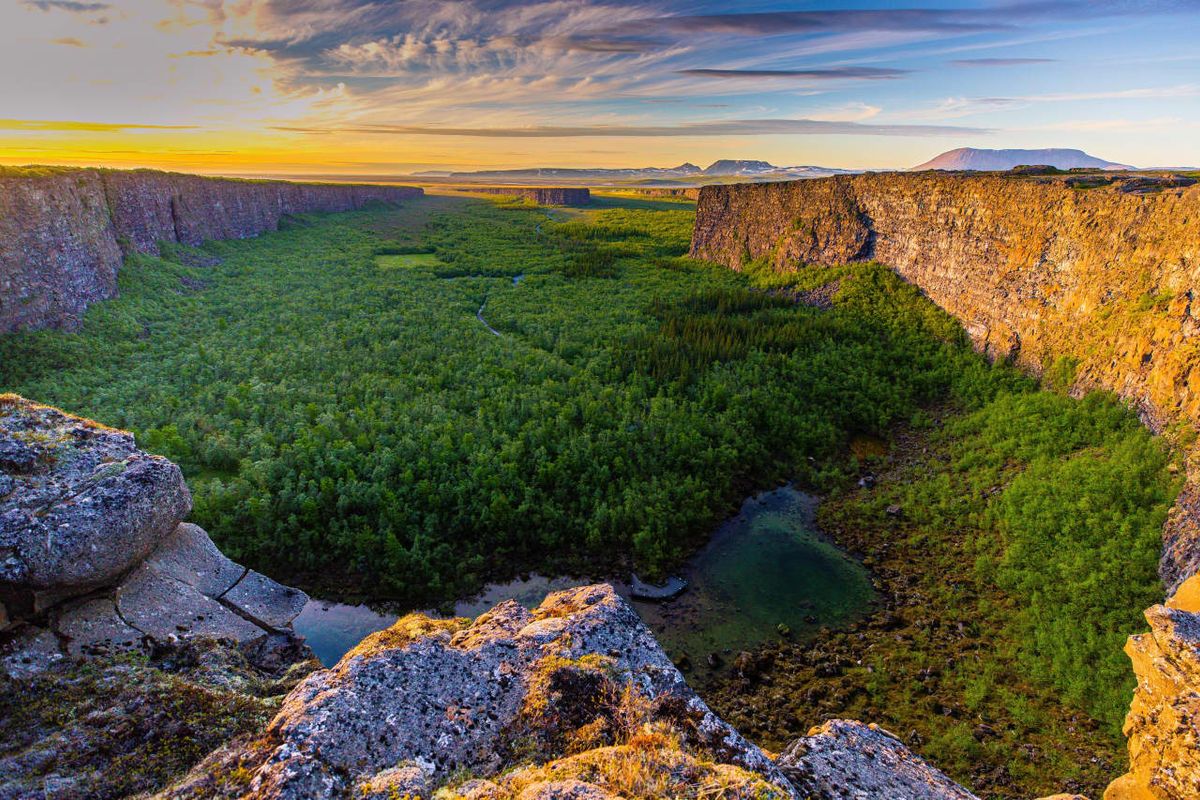
Asbyrgi
north-iceland
Ásbyrgi is a horseshoe-shaped glacial canyon in northeast Iceland, stretching 3.5 km long and over 100 metres deep. Norse mythology holds that the god Odin's eight-legged horse Sleipnir created the canyon with a single hoof-print. Today it is a protected nature reserve within Vatnajökull National Park, filled with birch forest, wildflowers and nesting birds.
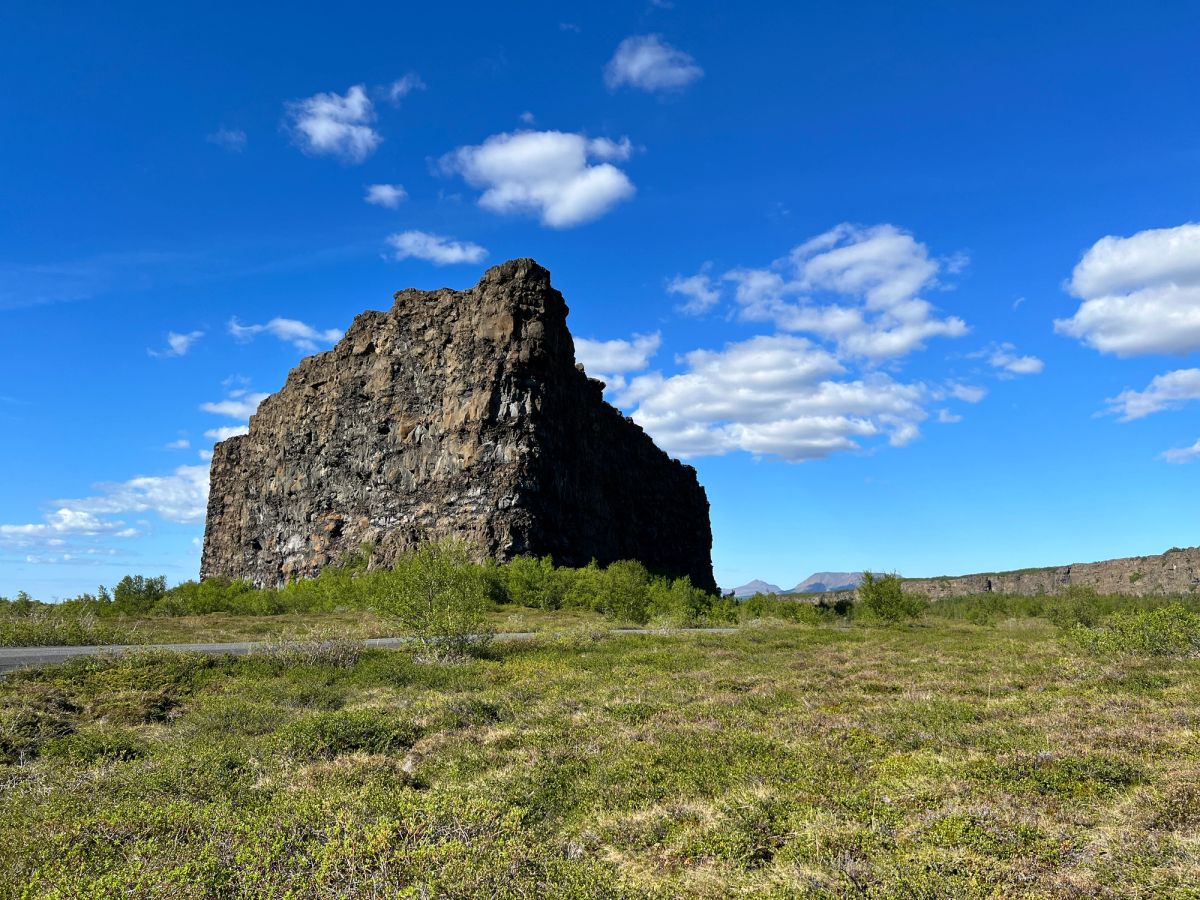
Asbyrgi Canyon Trail
north-iceland
Horseshoe canyon hike surrounded by towering cliffs.
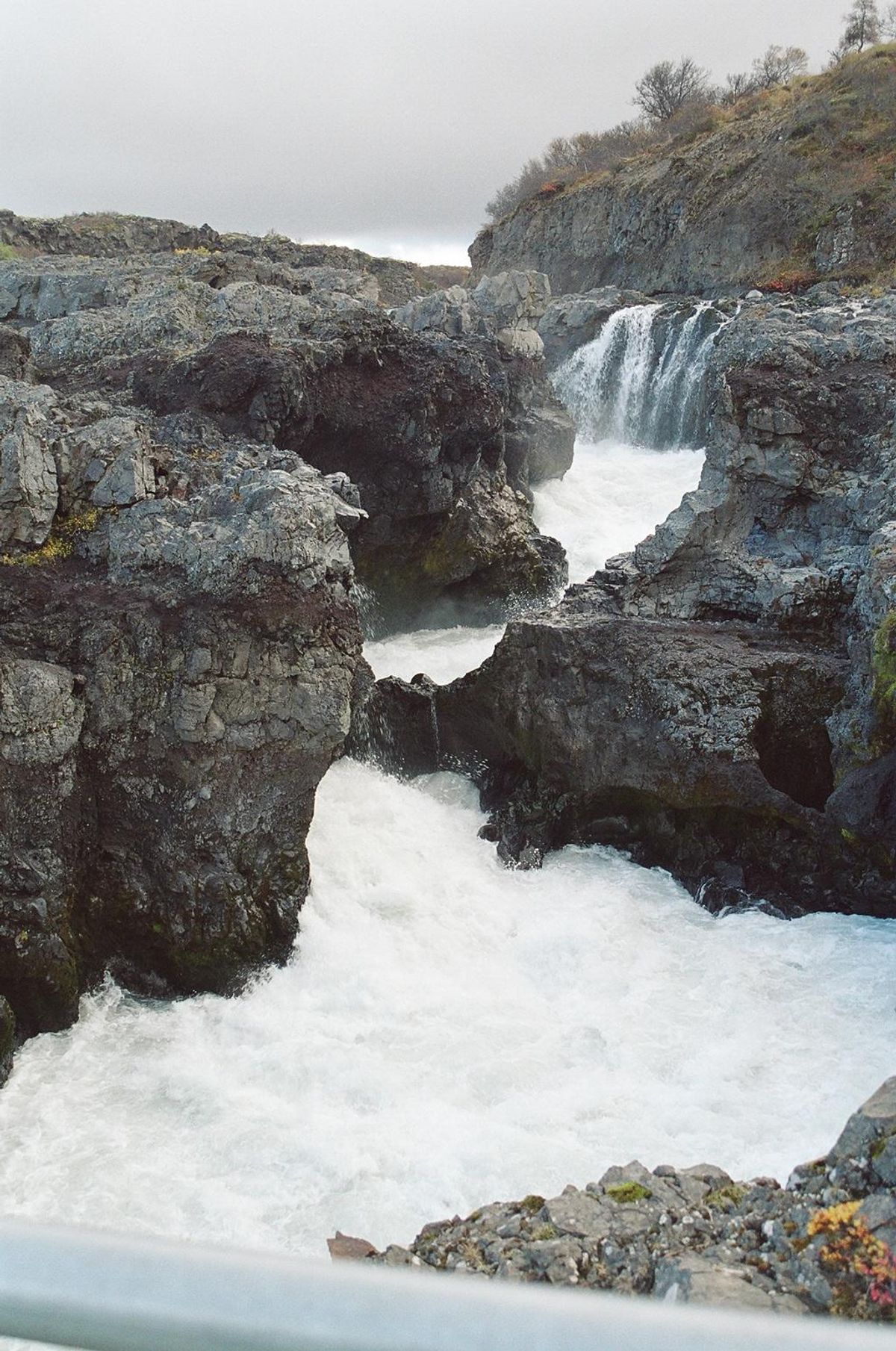
Barnafoss
west-iceland
Barnafoss, meaning 'Children's Waterfall,' is a powerful cascade known for its dramatic, turbulent flow through a narrow gorge. The water plunges and churns, creating a captivating spectacle that embodies the raw power of Icelandic nature. Its name is tied to a local legend, adding a poignant layer to its already impressive beauty.
Bleiksárgljúfur
south-iceland
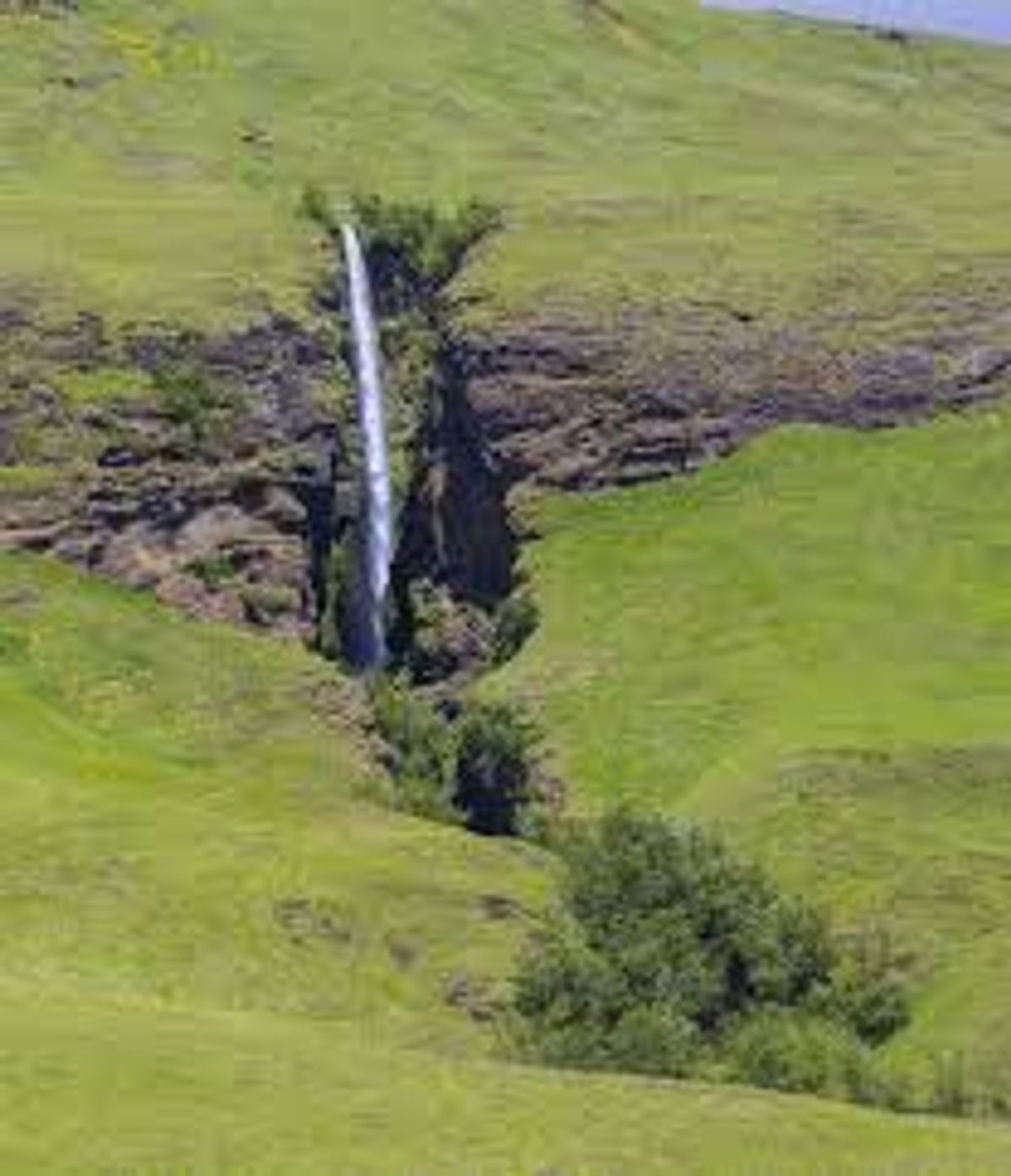
Hidden within the verdant Fljótshlíð valley, Bleiksárgljúfur unveils a graceful, 30-meter waterfall that slices through a dramatic, narrow gorge. The surrounding hills, painted in vivid green as seen in the image, create a striking contrast to the rugged rock face from which the Bleiksá river plunges, offering a serene spot for secluded discovery.
Brúarhlöð Canyon (Golden Circle)
south-iceland
Witness the powerful Hvítá river as it carves Brúarhlöð, a stunning narrow canyon. Here, milky, glacial waters rush between dramatic, dark basalt walls, some adorned with patches of vibrant green moss, creating a striking contrast.
 Bookable Tour
Private Jökulsárlón Glacier Lagoon 2 Day Tour & Glacier Hike
Visiting Icelandic Canyons Safely
Before You Go
- •Check weather and road conditions — many canyons close in bad weather
- •Wear proper hiking boots with good grip — trails can be muddy and steep
- •Bring waterproof clothing — slot canyons often have flowing water
- •Respect trail closures — erosion prevention is critical
While Visiting
- •Stay on marked trails — cliff edges can be unstable
- •Never jump or throw rocks into canyons — people may be below
- •Be aware of sudden weather changes — flash floods can occur
- •Supervise children closely near cliff edges
Photography Tips
- •Bring wide-angle lens for canyon walls and narrow gorges
- •Morning and late afternoon light create dramatic shadows
- •Use polarizing filter to reduce glare from wet rocks
- •Tripod recommended for long exposures of waterfalls in canyons
Frequently Asked Questions
What is the most famous canyon in Iceland?
Fjaðrárgljúfur is arguably Iceland's most famous canyon, gaining worldwide attention after appearing in a Justin Bieber music video in 2015. The 2-kilometre-long canyon near Kirkjubæjarklaustur features dramatic winding cliffs up to 100 meters deep and is easily accessible from the Ring Road.
Can you walk inside Icelandic canyons?
Yes, several Icelandic canyons allow visitors to walk inside. Rauðfeldsgjá on the Snæfellsnes Peninsula is a popular slot canyon where you can wade through shallow water to explore the narrow gorge. However, many canyons have rim trails only to prevent erosion and ensure visitor safety.
When is the best time to visit Iceland's canyons?
Summer (June–August) offers the best access and weather conditions. Some Highland canyons like Sigöldugljúfur are only accessible via F-roads in summer. Spring and autumn can be beautiful but expect muddy trails. Winter visits are possible for accessible canyons but require caution due to ice and snow.
Do I need a 4WD vehicle to visit Iceland's canyons?
It depends on the canyon. Popular sites like Fjaðrárgljúfur, Stuðlagil (east side), Ásbyrgi and Kolugljúfur are accessible via regular 2WD vehicles. Highland canyons like Sigöldugljúfur require 4WD and are only accessible in summer via F-roads. Always check road conditions at road.is before setting out.
Are there any hidden or lesser-known canyons worth visiting?
Yes! Múlagljúfur near Fjallsárlón glacier lagoon is a stunning hidden canyon with minimal crowds. Sigöldugljúfur (Valley of Tears) in the Highlands is remote but incredibly beautiful. Kolugljúfur in North Iceland is easily accessible but often overlooked by tourists rushing between destinations on the Ring Road.
Explore More of Iceland
🌌 See the Northern Lights
Track real-time aurora activity and plan your Northern Lights trip with AuroraVision.