Did you know? Dimmuborgir lava formations are believed to be the home of the Icelandic Yule Lads and their mother Grýla, one of the most famous troll figures in Icelandic folklore.
History of North Iceland
Top Attractions in North Iceland
From Europe's most powerful waterfall to the world's best whale watching

Akureyri
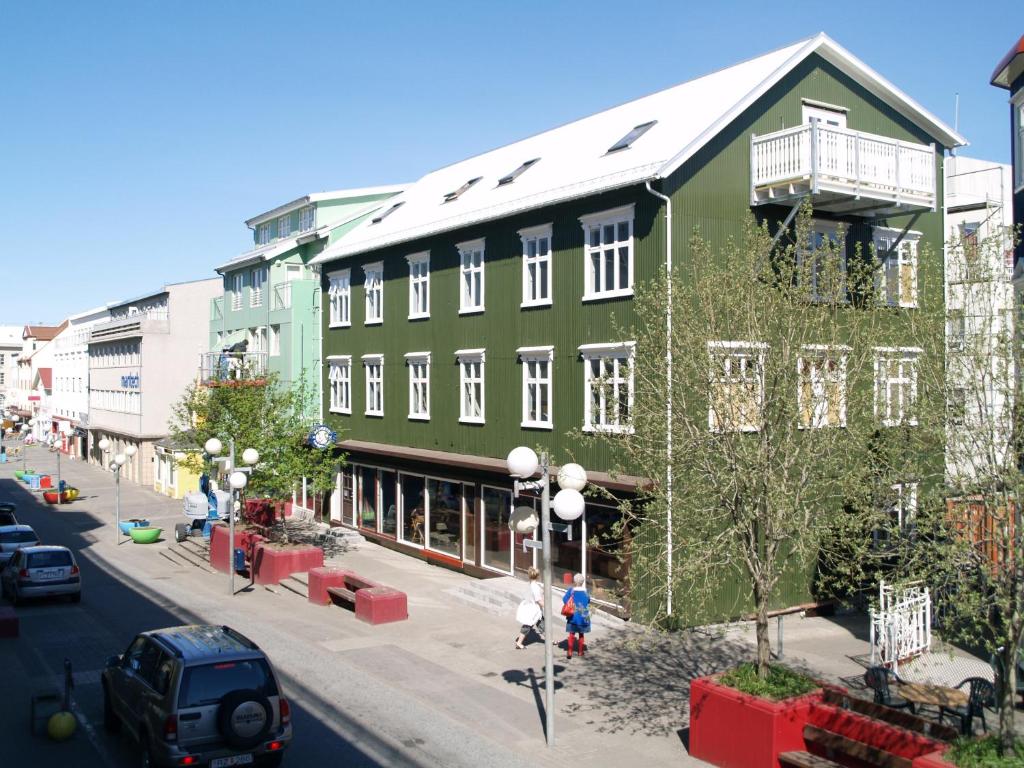
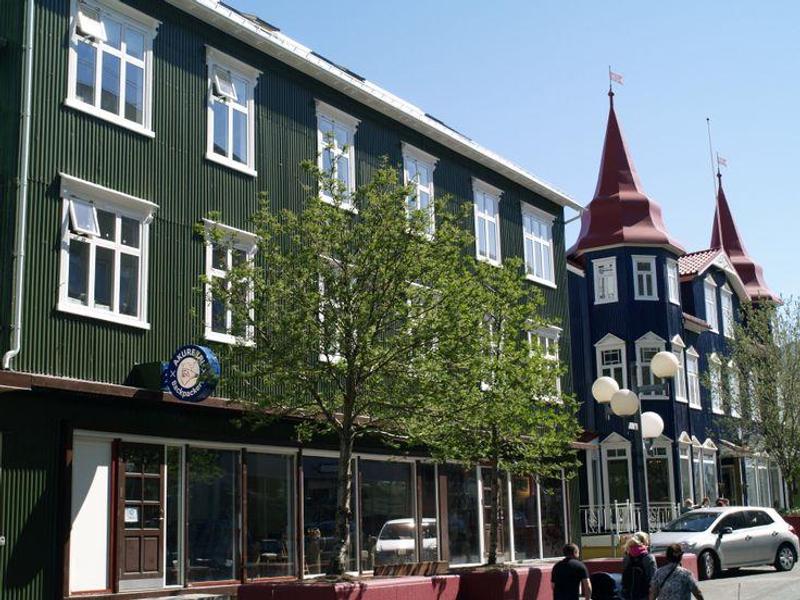
Akureyri is a vibrant neighborhood and destination in North Iceland. Explore the unique character and charm of this area, with its mix of culture, architecture and local life. From colorful buildings to local cafes and shops, this part of Iceland offers an authentic glimpse into daily Icelandic life.
Learn more →Akureyrarkirkja Church
Striking modernist church overlooking Akureyri, designed by Hallgrímskirkja's architect with Art Deco stained glass. The architecture blends traditional Icelandic design with ecclesiastical elements, creating a building that is both culturally significant and visually striking. Churches like this have served as centers of community life in Iceland for centuries, and visiting offers insight into the spiritual and social history of the region.
Learn more →
Akureyri Museum
Akureyri Museum is a cultural attraction in North Iceland. This museum offers visitors fascinating insights into Iceland's rich history and heritage. Explore captivating exhibitions and learn about the country's people, traditions and remarkable story from the age of the Vikings to today.
Learn more →
Cooking lessons
From $299.77
Book Now
Aldeyjarfoss
Aldeyjarfoss is a unique destination and attraction in North Iceland. Discover the natural beauty and cultural richness that make Iceland such a special place to visit. Whether you're seeking adventure, history or simply stunning scenery, this attraction offers something memorable for every visitor.
Learn more →Aldeyjarfoss Waterfall
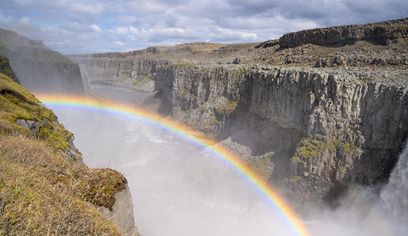
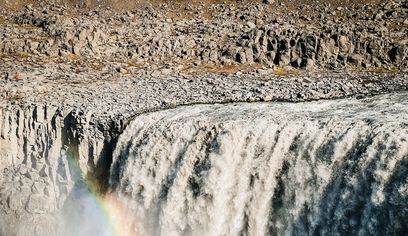
Powerful waterfall surrounded by spectacular hexagonal basalt columns in the Highlands. The surrounding landscape adds to the dramatic setting, making it a rewarding stop for photographers and nature lovers. Visitors can enjoy the sound of cascading water and the mist that catches the light on sunny days, sometimes creating beautiful rainbows.
Learn more →Arctic Henge (Heimskautsgervið)
Arctic Henge is located on a hill near Raufarhöfn village on Iceland's north coast. Key features: - Modern Stonehenge-inspired monument - Stone/concrete pillars aligned with sun's seasonal positions - Based on 72 dwarves from Völuspá (Norse poem) - Unfinished (ongoing construction) Alignment: - Solstices (summer & winter) - Equinoxes (spring & fall) - Midnight sun visible through monument (summer) Atmosphere: - Remote Arctic location - Flat coastal landscape - Dramatic against empty horizon - Few visitors Access: - Raufarhöfn village (Route 85 Arctic Coast Way) - Short drive to monument - Free - Open year-round Best visited: - **Summer solstice** (June 21): Midnight sun aligns with monument - Summer (warmest, best access) Combine with: Raufarhöfn village, Öxarfjörður coast, Melrakkaslétta Visit duration: 30-45 minutes. Nearby: Raufarhöfn (2 km), Kópasker (60 km south).
Learn more →
Asbyrgi
Asbyrgi is a unique destination and attraction in North Iceland. Discover the natural beauty and cultural richness that make Iceland such a special place to visit. Whether you're seeking adventure, history or simply stunning scenery, this attraction offers something memorable for every visitor.
Learn more →Ásbyrgi Canyon — Horseshoe Valley
Massive horseshoe-shaped canyon with vertical cliffs up to 100 metres high, forested valley floor, and legendary Odin's horse myth. The interplay of water, volcanic rock, and time has created a landscape of extraordinary beauty, with columns, overhangs, and formations that make it one of Iceland's most impressive geological features.
Learn more →
Askja Caldera
Askja Caldera is a remarkable volcanic wonder in North Iceland. This dramatic landscape was shaped by powerful volcanic forces over thousands of years. Visitors can witness the raw geological power of Iceland's volcanic heritage through dramatic lava fields, craters and unique rock formations.
Learn more →Askja Caldera & Víti Crater Lake
Remote highland volcano with massive caldera, milky-blue geothermal crater lake, and NASA astronaut training site. The volcanic landscape features unique formations and terrain that tell the story of eruptions past, while serving as a reminder of the dynamic forces beneath our feet.
Learn more →
Icelandic Aviation Museum
Icelandic Aviation Museum is a cultural attraction in North Iceland. This museum offers visitors fascinating insights into Iceland's rich history and heritage. Explore captivating exhibitions and learn about the country's people, traditions and remarkable story from the age of the Vikings to today.
Learn more →Biskupslaug is a natural hot spring located in north-iceland. This geothermal pool offers visitors a chance to relax in warm, mineral-rich waters surrounded by Iceland's stunning natural landscape. Perfect for those seeking an authentic Icelandic bathing experience away from the crowds.
Learn more →Blönduós Town
Blönduós is a town of approximately 850 people in Northwest Iceland, located where the Blanda river flows into Húnaflói bay. The town serves as a service center for the surrounding farming region. Main attractions: - **Icelandic Seal Center**: Museum dedicated to harbor and grey seals, with exhibits on biology, conservation, and Icelandic seal folklore - **Textile Museum**: Showcases Icelandic knitting, weaving, and traditional wool crafts - **Church on the island**: Modern church on a small island in the river, connected by footbridge The town has accommodation, restaurants, fuel, supermarket, and a good swimming pool.
Learn more →Borgarvirki Basalt Fortress
Borgarvirki is located in northwest Iceland near Route 1.
Learn more →Borgarvirki Fortress Rock
Borgarvirki is located in northwest Iceland in Húnaflói region. Key features: - 15-metre-high basalt rock plug - Hexagonal columnar basalt formation - Possible Viking Age fortress (stone walls on summit) - Flat summit with panoramic views Formation: - Volcanic feeder vent (lava channel plug) - Erosion exposed the basalt plug - Hexagonal columns visible Historical mystery: - Stone walls on summit (human-built) - Purpose unknown: fortress? religious site?
Learn more →Dalvík
A fishing town beneath Tröllaskagi Peninsula, gateway to Grímsey and whale watching tours. Whether you're drawn by dramatic landscapes, fascinating history, or unique experiences, this site offers something memorable for every visitor.
Learn more →
Dettifoss
Dettifoss is a stunning waterfall located in North Iceland. This magnificent cascade showcases the raw power and beauty of Iceland's landscape. Fed by glacial meltwater and rainfall, the waterfall is a spectacular sight in all seasons, surrounded by dramatic lava rock formations.
Learn more →Dettifoss East Side Viewpoint
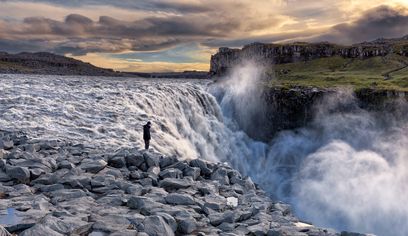
Accessible viewpoint of Europe's most powerful waterfall from paved road on east side of Jökulsá á Fjöllum canyon. The surrounding landscape adds to the dramatic setting, making it a rewarding stop for photographers and nature lovers. Visitors can enjoy the sound of cascading water and the mist that catches the light on sunny days, sometimes creating beautiful rainbows.
Learn more →
Dimmuborgir
Dimmuborgir is a remarkable volcanic wonder in North Iceland. This dramatic landscape was shaped by powerful volcanic forces over thousands of years. Visitors can witness the raw geological power of Iceland's volcanic heritage through dramatic lava fields, craters and unique rock formations.
Learn more →Dimmuborgir — Dark Castles
Dimmuborgir is located on the eastern shore of Lake Mývatn in North Iceland. Key features: - Lava formations resembling castles, towers, arches - Formed ~2,300 years ago from collapsed lava lake - Named formations: Church Cave (Kirkjan), arches, pillars - Network of hiking trails Formation process: - Lava lake formed during eruption - Lava drained from beneath cooled crust - Crust collapsed, forming pillars and caves - Steam vents created chimneys and arches Hiking trails: - Short loop: 800 m (~20 min) - Long loop: 2.4 km (~45-60 min) - Well-marked, gravel/lava paths - Accessible for most fitness levels Folklore: - Home of Yule Lads (13 Icelandic Christmas trolls) - Gate to hell legend (where Satan landed) - Troll church Access: - Route 848 from Route 1 near Mývatn - Large parking area - Visitor center and café - Year-round access - Entry by donation Combine with: Hverir, Grjótagjá, Mývatn Nature Baths, Höfði forest Visit duration: 1-1.
Learn more →Dimmuborgir — Dark Castles Lava Field
Surreal lava formations resembling castles and towers — folklore says it's the home of Iceland's hidden trolls and elves. Shaped by volcanic activity, glacial erosion, and the forces of wind and water over millennia, this natural attraction draws visitors who come to witness landscapes found nowhere else. The area provides excellent opportunities for photography, hiking, and connecting with Iceland's pristine wilderness.
Learn more →Drangsnes
Drangsnes Hot Pots is a natural hot spring located in north-iceland. This geothermal pool offers visitors a chance to relax in warm, mineral-rich waters surrounded by Iceland's stunning natural landscape. Perfect for those seeking an authentic Icelandic bathing experience away from the crowds.
Learn more →
Eyjafjörður
Eyjafjörður is a remarkable natural wonder in North Iceland. This breathtaking natural attraction showcases the diverse and dramatic landscapes that make Iceland one of the world's most unique destinations. From its geological formations to its rich biodiversity, this site offers an unforgettable experience.
Learn more →Húsavík Museum — Culture House
Local history museum in Húsavík with maritime exhibits, folk culture, and natural history collections. Through carefully curated exhibitions, interactive displays, and authentic artifacts, the museum creates an engaging and educational experience. It serves as both a community resource and a destination for travelers seeking deeper understanding of Icelandic culture.
Learn more →
Forest Lagoon
Forest Lagoon is a natural hot spring located in north-iceland. This geothermal pool offers visitors a chance to relax in warm, mineral-rich waters surrounded by Iceland's stunning natural landscape. Perfect for those seeking an authentic Icelandic bathing experience away from the crowds.
Learn more →GeoSea
GeoSea is a unique destination and attraction in North Iceland. Discover the natural beauty and cultural richness that make Iceland such a special place to visit. Whether you're seeking adventure, history or simply stunning scenery, this attraction offers something memorable for every visitor.
Learn more →GeoSea Geothermal Sea Baths
GeoSea is located on cliffs above Húsavík harbor in North Iceland. Key features: - Geothermal seawater pools (not freshwater) - Heated seawater from underground geothermal source - Infinity edge pools overlooking ocean - Cliffside location above Skjálfandi bay Facilities: - 2 large infinity pools - 1 cold plunge pool -Steam bath - Changing rooms and showers - Bar serving drinks Water: - Seawater heated geothermally to ~38-39°C - Natural minerals from seawater - Different feel than freshwater (saltier, buoyant) Views: - Skjálfandi bay (whale-watching waters) - Arctic Ocean - Midnight sun (summer) - Northern lights (winter) - Mountains across bay Access: - Húsavík harbor area - 5-min walk from town center - Year-round operation - Admission: ~5,500-6,500 ISK Combine with: Whale-watching tour, Whale Museum, Húsavík town Visit duration: 1.5-2 hours.
Learn more →Laugarvatn Geothermal Goldfish Pond
Geothermal Goldfish Pond is a natural hot spring located in north-iceland. This geothermal pool offers visitors a chance to relax in warm, mineral-rich waters surrounded by Iceland's stunning natural landscape. Perfect for those seeking an authentic Icelandic bathing experience away from the crowds.
Learn more →Gjorvidalslaug is a natural hot spring located in north-iceland. This geothermal pool offers visitors a chance to relax in warm, mineral-rich waters surrounded by Iceland's stunning natural landscape. Perfect for those seeking an authentic Icelandic bathing experience away from the crowds.
Learn more →Glaumbær Turf Farm Museum
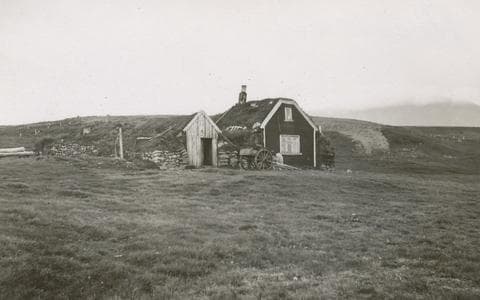
One of Iceland's best-preserved turf farmsteads, showing traditional life from the 18th-19th centuries. From the Viking settlement era through centuries of resilience, places like this serve as tangible links to Iceland's past. The historical significance of this location is enhanced by its setting in the striking Icelandic landscape, creating a meaningful experience for visitors interested in history and culture.
Learn more →
Goðafoss
Goðafoss is a stunning waterfall located in North Iceland. This magnificent cascade showcases the raw power and beauty of Iceland's landscape. Fed by glacial meltwater and rainfall, the waterfall is a spectacular sight in all seasons, surrounded by dramatic lava rock formations.
Learn more →Goðafoss East Bank
Goðafoss East Bank is a unique destination and attraction in North Iceland. Discover the natural beauty and cultural richness that make Iceland such a special place to visit. Whether you're seeking adventure, history or simply stunning scenery, this attraction offers something memorable for every visitor.
Learn more →Goðafoss East Bank
The east bank access point for Goðafoss provides alternative viewing angles and closer water access. Features: - Parking area on east side of Route 1 bridge - Path descends to river level - Closer spray zone - Different photographic angles Access: - Route 1 (Ring Road) - Free parking - 5-minute walk to viewpoint Visit duration: 15–20 minutes.
Learn more →Goðafoss Waterfall
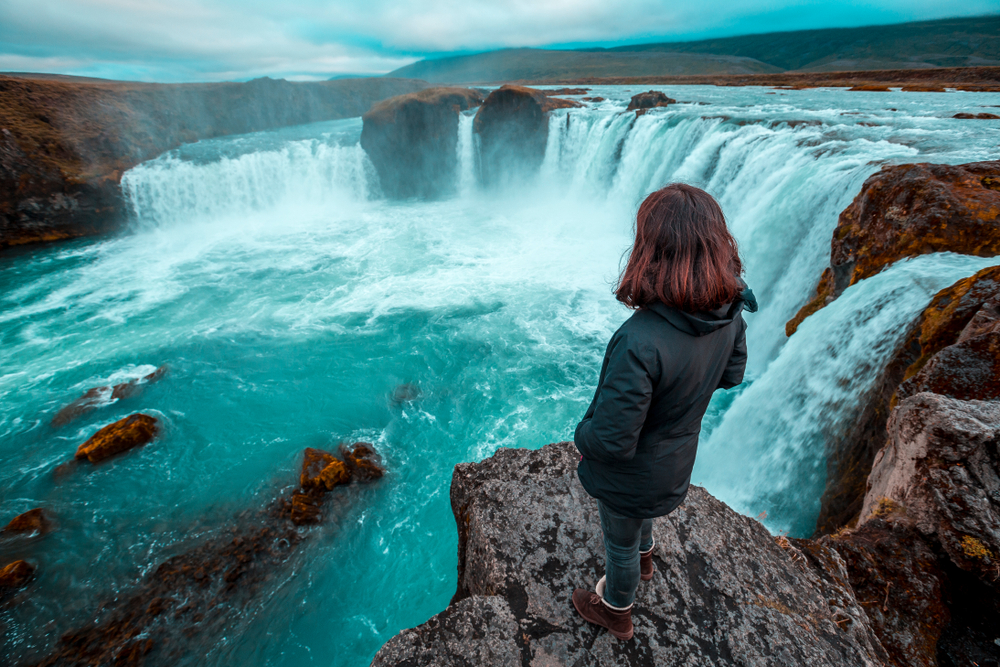
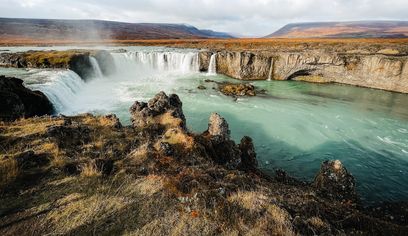
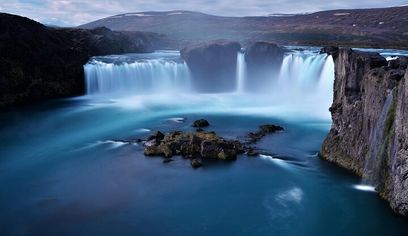
Goðafoss (Waterfall of the Gods) is one of Iceland's most spectacular and historically significant waterfalls. The wide, 12-meter high horseshoe-shaped fall on the Skjálfandafljót river is easily accessible and can be viewed from both sides. According to legend, when Iceland officially adopted Christianity in the year 1000 AD, the lawspeaker threw his pagan Norse god statues into this waterfall, giving it its name.
Learn more →Grafarkirkja Turf Church
Grafarkirkja is located in Skagafjörður valley, North Iceland.
Learn more →
Grettislaug
Grettislaug is a natural hot spring located in north-iceland. This geothermal pool offers visitors a chance to relax in warm, mineral-rich waters surrounded by Iceland's stunning natural landscape. Perfect for those seeking an authentic Icelandic bathing experience away from the crowds.
Learn more →Grettislaug Hot Pot
Grettislaug is located on the western shore of Skagafjörður near Reykir farm in North Iceland. Facilities: - Two concrete hot pots (built modern, natural hot spring water) - Temperature: ~39°C - Open-air, oceanfront location - Changing room - Honesty box payment (~1,000 ISK suggested donation) Legend: - Named after Grettir Ásmundarson (Grettis Saga) - Grettir allegedly swam 7 km from Drangey Island - Used hot spring to warm up after freezing swim - One of Iceland's most famous outlaw heroes Views: - Drangey Island offshore - Skagafjörður bay - Mountains across fjord Access: - Route 744 from Sauðárkrókur - Gravel road to Reykir farm - Short walk to hot pots - Year-round access Combine with: Drangey Island boat tour, Glaumbær turf farm, Hólar cathedral Visit duration: 1 hour (bathing + views). Nearby: Sauðárkrókur town (20 km), Hofsós pool (30 km).
Learn more →Grettislaug Hot Pool
Grettislaug is located on the western shore of Skagafjörður fjord in North Iceland.
Learn more →
Grjótagjá
Grjótagjá is a remarkable volcanic wonder in North Iceland. This dramatic landscape was shaped by powerful volcanic forces over thousands of years. Visitors can witness the raw geological power of Iceland's volcanic heritage through dramatic lava fields, craters and unique rock formations.
Learn more →Grjótagjá Cave
Grjótagjá is located near Mývatn in North Iceland, between Route 1 and Dimmuborgir. Key features: - Small lava cave (rift in tectonic plates) - Natural geothermal pool (bright blue water) - Temperature: ~50°C (too hot for bathing) - Game of Thrones filming location (Season 3) History: - Used for bathing for decades - Krafla eruptions (1975-84) raised water temperature - Bathing now prohibited (too hot, fragile environment) - Cave remains accessible for viewing Access: - Gravel road from Route 1 near Mývatn - 5 min walk from parking - FREE - Ladder/stairs into cave - Open year-round Safety: - DO NOT bathe (prohibited, dangerous temperature) - Cave floor uneven - Low ceiling (watch head) - Can be crowded Combine with: Mývatn Nature Baths, Hverir, Dimmuborgir Visit duration: 15-20 minutes. Nearby: Mývatn (5 km), Hverir (3 km).
Learn more →
Herring Era Museum
Herring Era Museum is a cultural attraction in North Iceland. This museum offers visitors fascinating insights into Iceland's rich history and heritage. Explore captivating exhibitions and learn about the country's people, traditions and remarkable story from the age of the Vikings to today.
Learn more →Heydalur Hot Spring is a natural hot spring located in north-iceland. This geothermal pool offers visitors a chance to relax in warm, mineral-rich waters surrounded by Iceland's stunning natural landscape. Perfect for those seeking an authentic Icelandic bathing experience away from the crowds.
Learn more →
Hlíðarfjall
Hlíðarfjall is a unique destination and attraction in North Iceland. Discover the natural beauty and cultural richness that make Iceland such a special place to visit. Whether you're seeking adventure, history or simply stunning scenery, this attraction offers something memorable for every visitor.
Learn more →
Hljóðaklettar
Hljóðaklettar is a unique destination and attraction in North Iceland. Discover the natural beauty and cultural richness that make Iceland such a special place to visit. Whether you're seeking adventure, history or simply stunning scenery, this attraction offers something memorable for every visitor.
Learn more →Hljóðaklettar (Echo Rocks)
Hljóðaklettar are fascinating columnar basalt formations in Jökulsárgljúfur canyon near Ásbyrgi. The rocks form natural amphitheaters and caves that create remarkable acoustic effects. The area features diverse lava formations including pillars, arches, and twisted columns that demonstrate various lava cooling patterns.
Learn more →Hofsós Swimming Pool
An infinity pool perched above the Arctic Ocean with stunning views across Skagafjörður. The geothermal activity creates a surreal landscape of vivid colors and otherworldly formations. This site demonstrates Iceland's unique position on the Mid-Atlantic Ridge, where tectonic forces bring the planet's interior energy remarkably close to the surface. Visitors can safely observe these powerful natural phenomena along marked paths.
Learn more →Hólar Cathedral & Historical Site
Iceland's second episcopal see from 1106-1798, with a red stone cathedral and rich religious history. From the Viking settlement era through centuries of resilience, places like this serve as tangible links to Iceland's past. The historical significance of this location is enhanced by its setting in the striking Icelandic landscape, creating a meaningful experience for visitors interested in history and culture.
Learn more →Horgshlidarlaug is a natural hot spring located in north-iceland. This geothermal pool offers visitors a chance to relax in warm, mineral-rich waters surrounded by Iceland's stunning natural landscape. Perfect for those seeking an authentic Icelandic bathing experience away from the crowds.
Learn more →
Húsavík
Húsavík is a cultural attraction in North Iceland. This museum offers visitors fascinating insights into Iceland's rich history and heritage. Explore captivating exhibitions and learn about the country's people, traditions and remarkable story from the age of the Vikings to today.
Learn more →Húsavík Whale Watching Capital
Húsavík is widely considered Europe's best whale watching destination, with trips running from the town's picturesque harbour into Skjálfandi Bay where humpback whales, minke whales, and occasionally blue whales are spotted on the majority of tours.
Learn more →Húsavík — Whale Watching Capital
Húsavík is located on Skjálfandi Bay in North Iceland.
Learn more →
Husavík Whale Museum
Husavík Whale Museum is a cultural attraction in North Iceland. This museum offers visitors fascinating insights into Iceland's rich history and heritage. Explore captivating exhibitions and learn about the country's people, traditions and remarkable story from the age of the Vikings to today.
Learn more →Húsavíkurkirkja — Húsavík Wooden Church
Húsavíkurkirkja is located on a hill overlooking Húsavík town and harbor. Key features: - Built 1907 (timber construction) - Cross-shaped floor plan - Green exterior with red roof - White interior - Bell tower Architectural significance: - One of Iceland's most beautiful wooden churches - Neo-Gothic style adapted for timber - Overlooks harbor (prominent in townscape) Active church: - Parish church for Húsavík - Summer classical music concerts - Open for visitors (check hours) Access: - Húsavík town center (hilltop) - Short walk from harbor - Free exterior viewing - Interior open for services/concerts Combine with: Whale Museum, GeoSea baths, whale-watching tour Visit duration: 20-30 minutes (exterior + town views). Nearby: Húsavík harbor (200 m below).
Learn more →Hvammstangi & Icelandic Seal Centre
Hvammstangi is the service centre for the Vatnsnes Peninsula, home to Iceland's Icelandic Seal Centre, which documents and studies the country's two seal species. Ytri-Tunga and Ósar beaches nearby offer excellent opportunities to observe grey and harbour seals in the wild.
Learn more →Hverfjall Tephra Ring
Hverfjall (also spelled Hverfell) is one of the most recognizable landmarks in the Mývatn area — a massive, nearly perfect circle of a tephra crater rising 140 meters above the surrounding landscape. The crater is about 1 km in diameter and was formed by a volcanic explosion approximately 2,500 years ago. A trail leads to the rim, where visitors can walk around the entire circumference with sweeping views of Lake Mývatn, Dimmuborgir, and the Krafla volcanic system.
Learn more →Hverfjall Volcanic Crater
Hverfjall is a massive volcanic crater approximately 1 kilometer in diameter, formed in an explosive eruption about 2,500 years ago. The nearly perfect circular shape and symmetrical rim make it one of the world's finest examples of a tephra cone. A walking path along the crater rim offers spectacular 360-degree views of Lake Mývatn, lava fields, and surrounding volcanoes.
Learn more →
Hverir (Námaskarð) Geothermal Area
Hverir (Námaskarð) Geothermal Area is a unique destination and attraction in North Iceland. Discover the natural beauty and cultural richness that make Iceland such a special place to visit. Whether you're seeking adventure, history or simply stunning scenery, this attraction offers something memorable for every visitor.
Learn more →
Hverir Geothermal Area
Hverir Geothermal Area is a geothermal attraction in North Iceland. Experience Iceland's powerful geothermal energy up close at this remarkable natural site. The area features hot springs, steam vents and mineral-rich waters that showcase the raw volcanic forces beneath Iceland's surface.
Learn more →Hverir/Námaskarð Geothermal Area
Hverir/Námaskarð is located on Route 1 just east of Lake Mývatn in North Iceland. Key features: - Boiling mudpots - Steaming fumaroles - Sulfur deposits (yellow crusts) - Colorful mineral-stained ground (orange, red, yellow) - Steam vents (hissing constantly) - Námafjall mountain backdrop Geology: - Active geothermalarea - Heated by Krafla volcanic system - High-temperature field - Dangerous to step off trails (thin crust, boiling water underneath) Access: - Route 1 (Ring Road) near Mývatn - Large parking area - Boardwalk trails through geothermal field - Free entry - Open year-round Safety: - Stay on marked paths (ground can give way) - Strong sulfur smell (can irritate lungs) - Steam/boiling mud dangerous - No swimming or touching thermal features Combine with: Mývatn Nature Baths, Krafla, Dimmuborgir, Grjótagjá Visit duration: 30-45 minutes. Nearby: Mývatn (5 km), Krafla (10 km).
Learn more →Hverir/Námaskarð Geothermal Area
Alien landscape of boiling mudpots, hissing fumaroles, and colorful sulfur deposits at Mývatn. The geothermal activity creates a surreal landscape of vivid colors and otherworldly formations. This site demonstrates Iceland's unique position on the Mid-Atlantic Ridge, where tectonic forces bring the planet's interior energy remarkably close to the surface. Visitors can safely observe these powerful natural phenomena along marked paths.
Learn more →Hvítserkur Rock Formation
Hvítserkur is a remarkable natural-wonder in Iceland. Hvítserkur — 'White Shirt' — is a 15-metre basalt sea stack on the eastern shore of Húnaflói bay, famously resembling (depending on your imagination) ... Hvítserkur — 'White Shirt' — is a 15-metre basalt sea stack on the eastern shore of Húnaflói bay, famously resembling (depending on your imagination) a drinking dinosaur, elephant or dragon.
Learn more →Hvítserkur Sea Stack
Iconic 15-metre basalt sea stack resembling a drinking dragon or elephant, folklore says it's a petrified troll. Shaped by volcanic activity, glacial erosion, and the forces of wind and water over millennia, this natural attraction draws visitors who come to witness landscapes found nowhere else. The area provides excellent opportunities for photography, hiking, and connecting with Iceland's pristine wilderness.
Learn more →Hvítserkur Sea Stack
Hvítserkur is located on the Vatnsnes Peninsula at Húnaflói bay in Northwest Iceland. Key features: - 15-metre-tall basalt sea stack - Two holes through base (creating 'legs') - White guano streaks (bird droppings give it the 'white shirt' name) - Shaped like dragon/troll drinking - Black sand beach Troll legend: - Caught by sunrise while attacking Þingeyrar monastery - Turned to stone - Frozen forever drinking from the sea Access: - Route 711 on Vatnsnes Peninsula (gravel) - Parking area on cliff top - Stairs down to beach - Close to Route 1 - Year-round access - Free Wildlife: - Seabirds nesting on stack - Seals in bay (common sightings) Photography: - Low tide: Walk around stack - Sunset: Backlit silhouette - Long exposure: Smooth water around stack Combine with: Vatnsnes seal colony, Borgarvirki fortress, Kolugljúfur canyon Visit duration: 30-45 minutes. Nearby: Hvammstangi village (30 km).
Learn more →Hvítserkur Sea Stack
Rising from the waters of Húnaflói Bay, Hvítserkur is one of Iceland's most photogenic rock formations. The 15-meter high basalt stack has been shaped by wind and waves into a form that resembles different creatures depending on the angle - some see a dragon, others an elephant. White bird droppings give it its name, which means 'White Shirt.
Learn more →
Jökulsárgljúfur
Jökulsárgljúfur is a remarkable natural wonder in North Iceland. This breathtaking natural attraction showcases the diverse and dramatic landscapes that make Iceland one of the world's most unique destinations. From its geological formations to its rich biodiversity, this site offers an unforgettable experience.
Learn more →Kálfshamarsvík Rock Formations
This remote cove on the Langanes Peninsula features some of Iceland's most impressive coastal rock formations. Towering basalt cliffs display perfect hexagonal columns, and isolated sea stacks rise from the surf. The area is virtually untouched by tourism, offering a pristine example of Iceland's volcanic coastal geology.
Learn more →Kópasker Village
Kópasker is a small village in Northeast Iceland with a population of approximately 120. Located on the Öxarfjörður coast, the village serves as a gateway to Jökulsárgljúfur Canyon and Ásbyrgi in Vatnajökull National Park. The village economy is based on fishing, fish processing, and tourism services.
Learn more →
Krafla
Krafla is a unique destination and attraction in North Iceland. Discover the natural beauty and cultural richness that make Iceland such a special place to visit. Whether you're seeking adventure, history or simply stunning scenery, this attraction offers something memorable for every visitor.
Learn more →Krafla Volcano & Víti Crater
Krafla is located northeast of Mývatn in North Iceland. Key features: - **Víti crater**: Explosion crater with turquoise lake - **Leirhnjúkur**: Active geothermal area with steam vents, mud pools - **Fresh lava fields**: From Krafla Fires eruptions (1975-84) - **Krafla Power Station**: Geothermal electrical plant Krafla Fires (1975-1984): - 29 eruptions over 9 years - Created new lava fields (Leirhnjúkur, Krafla) - Lava fountains up to 300 m high - Last erupted: 1984 Hiking: - Trail to Víti crater rim (5-10 min walk) - Leirhnjúkur loop trail (2.5 km, ~1 hour) - Black lava fields, steaming vents, sulfur deposits Access: - Gravel road from Route 1 (signed Krafla) - 10 km from Mývatn - Parking at Víti crater and Leirhnjúkur - Free entry - Year-round access Safety: - Stay on marked trails (geothermal hazards) - Steam vents dangerous - No swimming in Víti (too hot, unstable) Combine with: Hverir, Mývatn Nature Baths, Dimmuborgir Visit duration: 1.
Learn more →Krafla Volcano & Víti Crater
Active volcanic system with turquoise crater lake formed during 1970s eruptions — walk the rim of a real volcano. The volcanic landscape features unique formations and terrain that tell the story of eruptions past, while serving as a reminder of the dynamic forces beneath our feet.
Learn more →
Lake Myvatn
Lake Myvatn is a unique destination and attraction in North Iceland. Discover the natural beauty and cultural richness that make Iceland such a special place to visit. Whether you're seeking adventure, history or simply stunning scenery, this attraction offers something memorable for every visitor.
Learn more →Laufás Turf Farm Museum
A beautifully preserved turf farmstead near Akureyri, active from the 17th century until 1930s. From the Viking settlement era through centuries of resilience, places like this serve as tangible links to Iceland's past. The historical significance of this location is enhanced by its setting in the striking Icelandic landscape, creating a meaningful experience for visitors interested in history and culture.
Learn more →Laufás Viewpoint
The Laufás area offers spectacular views over Iceland's longest fjord, Eyjafjörður. The viewpoint provides panoramic vistas of the fjord, surrounding mountains, and the preserved turf farmhouses of Laufás below. The combination of cultural heritage and natural beauty makes this a unique stop.
Learn more →
Leirhnjúkur
Leirhnjúkur is a remarkable volcanic wonder in North Iceland. This dramatic landscape was shaped by powerful volcanic forces over thousands of years. Visitors can witness the raw geological power of Iceland's volcanic heritage through dramatic lava fields, craters and unique rock formations.
Learn more →
Mývatn Nature Baths
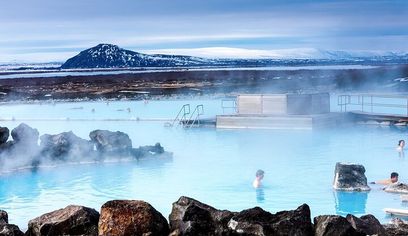
Mývatn Nature Baths is a geothermal attraction in North Iceland. Experience Iceland's powerful geothermal energy up close at this remarkable natural site. The area features hot springs, steam vents and mineral-rich waters that showcase the raw volcanic forces beneath Iceland's surface.
Learn more →Námafjall Geothermal Ridge
Námafjall is a mountain ridge and high-temperature geothermal area on the east side of Lake Mývatn. The Hverir field at its base is one of Iceland's most impressive geothermal displays, with boiling mud pots, hissing steam vents, and vivid yellow sulfur deposits creating a landscape that looks more like Mars than Earth. The area is free to visit but visitors must stay on marked paths as the ground can be scalding.
Learn more →
Námaskarð
Námaskarð is a unique destination and attraction in North Iceland. Discover the natural beauty and cultural richness that make Iceland such a special place to visit. Whether you're seeking adventure, history or simply stunning scenery, this attraction offers something memorable for every visitor.
Learn more →Ólafsfjarðarmúli Tunnel & Ólafsfjörður
For decades, Ólafsfjörður could only be reached by a long detour around the mountains or by boat. In winter, heavy snows frequently cut the town off entirely. In 1991, Iceland opened the Múlagjúfur tunnel — 3.4 km bored straight through the mountain.
Learn more →Öxarfjörður & Arctic Coast Way
Öxarfjörður is located on Iceland's northeast coast along Route 85 (Arctic Coast Way). Key features: - Remote Arctic Circle coastline - Black sand beaches - Seal colonies - Isolated fishing villages - Least-visited region in Iceland Villages: - **Kópasker**: Tiny village (pop. ~120) - **Raufarhöfn**: Most northerly village (Arctic Henge nearby) - **Þórshöfn**: Larger fishing town (pop.
Learn more →Raufarhöfn — Iceland's Northernmost Village
Raufarhöfn is Iceland's northernmost village on the mainland (excluding Grímsey Island), located on Melrakkaslétta peninsula in Northeast Iceland. The population is approximately 180, down from over 400 in its fishing heyday. The village is known for: - **Arctic Henge**: Large stone monument under construction, inspired by Norse mythology, designed as a midnight sun viewing platform - **Proximity to Arctic Circle**: Only 3 km south of 66.
Learn more →
Reykjafjardarlaug is a natural hot spring located in north-iceland. This geothermal pool offers visitors a chance to relax in warm, mineral-rich waters surrounded by Iceland's stunning natural landscape. Perfect for those seeking an authentic Icelandic bathing experience away from the crowds.
Learn more →Reykjanes Geothermal Pool is a natural hot spring located in north-iceland. This geothermal pool offers visitors a chance to relax in warm, mineral-rich waters surrounded by Iceland's stunning natural landscape. Perfect for those seeking an authentic Icelandic bathing experience away from the crowds.
Learn more →RUB23 Restaurant
RUB23 is located in central Akureyri.
Learn more →Sauðárkrókur Town
Sauðárkrókur is the largest town in Skagafjörður, North Iceland, with a population of approximately 2,500. Located on the eastern shore of Skagafjörður, the town serves as the commercial and service center for the surrounding agricultural and fishing region. The economy is based on fishing, fish processing, agriculture (particularly sheep and horse farming), and tourism.
Learn more →
Selfoss Waterfall
Selfoss Waterfall is a stunning waterfall located in North Iceland. This magnificent cascade showcases the raw power and beauty of Iceland's landscape. Fed by glacial meltwater and rainfall, the waterfall is a spectacular sight in all seasons, surrounded by dramatic lava rock formations.
Learn more →Siglufjörður — Herring Capital
Siglufjörður is a charming small town wedged into Iceland's northernmost fjord, famous for its award-winning Herring Era Museum and the dramatic mountain scenery surrounding it. Once the herring capital of the world, today it offers a fascinating window into Iceland's 20th-century fishing boom.
Learn more →Siglufjörður Village
Siglufjörður is located on Iceland's northern coast, accessible via Route 82 and Héðinsfjarðargöng tunnel.
Learn more →
Skútustaðagígar
Skútustaðagígar is a unique destination and attraction in North Iceland. Discover the natural beauty and cultural richness that make Iceland such a special place to visit. Whether you're seeking adventure, history or simply stunning scenery, this attraction offers something memorable for every visitor.
Learn more →Skútustaðagígar Pseudocraters
Skútustaðagígar are remarkable pseudocraters on the southern shore of Lake Mývatn, formed about 2,300 years ago when flowing lava encountered wetlands, causing steam explosions. Unlike true volcanic craters, these weren't formed by eruptions from beneath. A circular walking path allows visitors to explore the crater formations up close.
Learn more →Þingeyrar Church & Historic Site
Þingeyrar is located in Húnavatnssýsla in Northwest Iceland. History: - Iceland's first monastery (founded 1133) - Benedictine order - Medieval center of learning and manuscript production - Many Icelandic sagas written/copied here - Dissolved 1550 (Reformation) Current church: - Built 1877 (stone construction) - Replaced earlier wooden churches on same site - Simple interior - Active parish church Historical significance: - Birthplace of Icelandic literary tradition - Sagas and religious texts produced - Educational center for medieval Iceland Access: - Gravel road from Route 1 (Route 721) - Parking near church - Exterior viewable anytime - Free Combine with: Borgarvirki, Vatnsnes Peninsula, Hvítserkur Visit duration: 20-30 minutes. Nearby: Route 1 (15 km), Blönduós (35 km).
Learn more →Þingeyrar Church & Monastery Ruins
Þingeyrar was the site of Iceland's first Benedictine monastery, established in 1133 and operating until the Reformation in 1551. The monastery was a center of learning and manuscript production. The current stone church was built in 1864 and contains historical artifacts.
Learn more →
Tjörnes
Tjörnes is a remarkable natural wonder in North Iceland. This breathtaking natural attraction showcases the diverse and dramatic landscapes that make Iceland one of the world's most unique destinations. From its geological formations to its rich biodiversity, this site offers an unforgettable experience.
Learn more →Varmahlíð
Skagafjörður valley is to Icelandic horses what Kentucky is to thoroughbreds — this is the heartland of Iceland's beloved breed. Varmahlíð sits at the center of it all, surrounded by horse farms that have bred purebred Icelandic horses for generations. The town is small (population 140), but it serves as the hub for horse riding tours, horse shows, and equestrian culture.
Learn more →Vatnsnes Peninsula Seal Colony
Iceland's best seal-watching location with hundreds of harbor and gray seals along Vatnsnes coast and at Ósar estuary. From seabirds like the iconic Atlantic puffin to marine mammals in surrounding waters, the area supports rich biodiversity that thrives in Iceland's pristine environment.
Learn more →Víðimýrarkirkja Turf Church
Víðimýrarkirkja is one of only six turf churches remaining in Iceland, a beautiful example of traditional Icelandic building techniques. The church was built in 1834 and features typical turf construction with thick grass-covered walls and roof. The interior contains historical artifacts including a 17th-century pulpit.
Learn more →Víðimýri Turf Church
Víðimýri Church is located in Skagafjörður valley in North Iceland on Route 75. Key features: - Built 1834 (on older foundation) - Turf/grass roof with timber gables - One of only 6 remaining turf churches in Iceland - Still consecrated and in use (summer services) - White interior with simple furnishings Constructión: - Turf-covered walls and roof - Timber frame and gables - Stone foundation - Traditional Icelandic church design Status: - National historical monument - Protected building - Active church (services in summer) Access: - Route 75 in Skagafjörður - Parking (small area) - Can view exterior anytime - Interior open summer (small entry fee) Combine with: Glaumbær turf farm (10 km), Hólar cathedral, Hofsós pool Visit duration: 20-30 minutes. Nearby: Varmahlíð (10 km), Glaumbær (10 km).
Learn more →Víðimýri Turf Church
One of Iceland's six remaining turf churches, with a grass roof and 19th-century interior. From the Viking settlement era through centuries of resilience, places like this serve as tangible links to Iceland's past. The historical significance of this location is enhanced by its setting in the striking Icelandic landscape, creating a meaningful experience for visitors interested in history and culture.
Learn more →Vogafós Cowshed Café
Vogafós is located at Mývatn, North Iceland.
Learn more →Hidden Gems
Lesser-known treasures of North Iceland

Aldeyjarfoss Waterfall
Aldeyjarfoss is one of Iceland's most beautiful and underrated waterfalls, hidden in the highlands south of Goðafoss. The 20-meter cascade is framed by spectacular hexagonal basalt columns that look like a giant pipe organ carved into the canyon walls — similar to Svartifoss in Vatnajökull but far less visited. The waterfall sits on the Skjálfandafljót river in a remote area that requires a 4x4 vehicle and a drive inland from Route 1. The F-road (Route F26) leading here is only open in summer and can be rough, but the reward is a pristine waterfall surrounded by black basalt cliffs and white glacial water. The contrast between the dark geometric basalt columns and the foaming white water creates one of Iceland's most photogenic scenes. There's a small parking area and a short trail to viewpoints. Visit on a clear day for the best photo opportunities, and ideally in late afternoon when the sun illuminates the basalt columns.

Grjótagjá Cave & Hot Spring
Grjótagjá is a small lava cave near Lake Mývatn containing a natural hot spring with crystal-clear blue water. The cave was created during volcanic eruptions and sits directly on the Mid-Atlantic Rift — the boundary between the North American and Eurasian tectonic plates, which is slowly tearing Iceland apart. For centuries, locals used Grjótagjá as a natural bathing spot, with the water maintaining a comfortable 40–45°C. However, volcanic activity in the 1970s heated the water to over 60°C, making it too hot for bathing. The temperature has since stabilized around 43–46°C, but bathing is officially discouraged due to unstable conditions and the fragile cave environment. Despite this, Grjótagjá gained international fame when it was featured in Season 3 of Game of Thrones as the cave where Jon Snow and Ygritte's romance began. Today visitors can walk down into the cave and admire the crystal-clear blue water, though swimming is not recommended. The cave is easily accessible from the main road near Mývatn, and there's a smaller sister cave called Stóragjá nearby.

Siglufjörður & Herring Era Museum
Siglufjörður is a remote fishing town of 1,200 people nestled in a narrow fjord surrounded by towering mountains on Iceland's northern coast. From the 1900s through the 1960s, Siglufjörður was Iceland's herring fishing capital and one of the wealthiest towns in the country during the 'herring boom.' Tens of thousands of seasonal workers flooded the town each summer to process the massive herring catches, creating a wild, prosperous atmosphere. When the herring stocks collapsed in the late 1960s, the town's economy crashed. Today, Siglufjörður has reinvented itself as a cultural destination. The award-winning Herring Era Museum (Síldarminjasafn) is Iceland's best industrial museum, with restored processing stations, workers' quarters, and a salting boat that bring the herring era to life. The town is also known for its vibrant folk music festival and as the setting for the BBC crime series 'Trapped.' Two tunnels built in 2010 finally connected Siglufjörður to the rest of Iceland by road year-round, ending decades of winter isolation. The scenic drive along Route 82, with ocean views and mountain passes, is spectacular.
North Iceland Legends & Christianity
North Iceland is where Iceland's most important religious transformation took place. In the year 1000 AD, the lawspeaker Þorgeir Ljósvetningagoði made the historic decision that Iceland would adopt Christianity, ending the pagan era. According to tradition, after returning from the Alþingi (parliament), Þorgeir threw his carved wooden idols of the Norse gods Thor and Óðinn into the waterfall now known as Goðafoss — the 'Waterfall of the Gods.'
The spectacular horseshoe-shaped canyon of Ásbyrgi has its own mythological origin. According to Norse legend, the canyon was created when Sleipnir, the eight-legged horse of the god Óðinn, touched down with one massive hoof while galloping across the sky. The canyon's name means 'Shelter of the Gods,' and Icelandic folklore holds that it is the capital of Iceland's hidden people (elves), who live unseen within its forested walls.
North Iceland is also one of the best places in Iceland to witness the Northern Lights (aurora borealis). In Norse mythology, the lights were believed to be the Bifröst — the rainbow bridge connecting Midgard (Earth) to Asgard (the realm of the gods). Others saw them as the Valkyries riding across the night sky, their armor reflecting moonlight as they carried fallen warriors to Valhalla. Today we know the lights are caused by solar particles colliding with Earth's atmosphere, but their ethereal beauty remains deeply spiritual.
Goðafoss Legend
Where pagan idols were cast into the waterfall during Iceland's conversion to Christianity in 1000 AD.
Ásbyrgi Creation Myth
Canyon created by Óðinn's eight-legged horse Sleipnir's hoof — 'Shelter of the Gods.'
Northern Lights
Aurora borealis seen as Bifröst bridge to Asgard or Valkyries riding to Valhalla.
Haunted North Iceland
North Iceland is home to some of Iceland's oldest and most terrifying ghost stories — from the saga ghosts of Drangey Island to the revenant farm of Möðruvellir.
Drangey Island – Ghosts of the Sagas
📍 Drangey Island, Skagafjörður
A sheer sea cliff where the outlaw Grettir the Strong made his final stand in 1031 AD. Grettir and his brother Illugi were murdered here by their enemies. Ever since, climbers report hearing voices in Old Norse, the ring of weapons, and feeling invisible hands pushing them toward the cliff edge.
A priest who visited in 1643 to 'lay the ghosts' reported hearing footsteps circling his tent all night and finding fresh axe cuts in a driftwood log at dawn.
Möðruvellir – The Haunted Farm
📍 Möðruvellir, Hörgárdalur
One of Iceland's oldest continuously occupied farms, haunted by the afturganga of a drowned farmhand named Þórólfur bægifótur (Twist-Foot). His ghost returned every night, walking through walls, overturning furniture, and terrorizing the household until a visiting priest performed a ritual exorcism.
The only way to stop an Icelandic draug is to dig up the body, physically restrain or dismember it, and rebury it face-down so it cannot find its way back.
What are Draugar?
Unlike European ghosts, Icelandic draugar (revenants) are solid and physical — they have weight, strength, and malevolent intent. They are not frightened by daylight or holy symbols. The dead walk in Iceland not as pale shadows, but as beings stronger than they were in life, driven by unfinished business or unresolved anger.
Explore all of Iceland's haunted places and supernatural legends
👻 View All Ghost StoriesFAQ
How many days do I need for North Iceland?▾
3–5 days to cover the Diamond Circle highlights (Akureyri, Goðafoss, Mývatn, Dettifoss, Ásbyrgi, Húsavík). Add 1–2 extra days if you want to include whale watching, Mývatn Nature Baths, and remote areas like Siglufjörður.
What is the Diamond Circle?▾
The Diamond Circle is a 250 km scenic route in North Iceland connecting Húsavík (whale watching), Lake Mývatn, Dettifoss waterfall, Ásbyrgi canyon, and Jökulsárgljúfur canyon. It takes 1–2 days to complete.
When is the best time for whale watching in Húsavík?▾
June to August is peak whale season — you're almost guaranteed to see humpback whales. Whale watching operates from April to October, with smaller numbers outside summer.
Do I need a 4x4 in North Iceland?▾
For the main Diamond Circle sights, a regular car is fine. A 4x4 is needed for highland F-roads and some remote areas. Some roads to Ásbyrgi may require clearance.
Is Mývatn better than the Blue Lagoon?▾
They're very different experiences. Mývatn Nature Baths are less crowded and cheaper, surrounded by volcanic landscapes rather than lava fields. The Blue Lagoon is more luxurious with more facilities. Both are worth visiting.
Restaurants & Bars
Best places to eat and drink in Akureyri

Rub23
Rub23 is one of the most celebrated restaurants in Akureyri, renowned for creative sushi rolls and fresh North Iceland seafood.
★ View reviews on Tripadvisor
Strikið
Strikið is a rooftop restaurant offering sweeping views over Eyjafjörður fjord alongside a menu of Icelandic and international dishes.
★ View reviews on Tripadvisor
Göt Street Food
Göt Street Food serves creative Icelandic street food with modern flavors — a great spot for a quick and satisfying meal.
★ View reviews on Tripadvisor
R5 Micro Bar
A cozy and welcoming craft beer bar in the heart of Akureyri, with a rotating selection of local and international brews.
★ View reviews on Tripadvisor
Karólína
Karólína is a beloved local bistro in Akureyri serving hearty Icelandic comfort food in a warm, rustic atmosphere.
★ View reviews on Tripadvisor
Greifinn
Greifinn is a classic Akureyri steakhouse and pizzeria popular with families and visitors for its generous portions.
★ View reviews on TripadvisorHaunted Places in North Iceland
North Iceland contains some of the country's most famous supernatural legends — from the Yule Lads and their monstrous mother to outlaw ghosts and canyon mythology born from Norse gods.
Dimmuborgir Lava Fields
Believed to be the home of the Icelandic Yule Lads and their fearsome mother Grýla — a giant troll said to feast on misbehaving children.
Drangey Island
The outlaw Grettir the Strong died on this island after a years-long siege. Unexplained footsteps have been reported by visitors ever since.
Ásbyrgi Canyon
According to Norse mythology, the canyon was formed by the hoofprint of Odin's eight-legged horse Sleipnir as it touched down from the sky.
Hverfjall Crater
Stories describe trolls wandering the surrounding lava desert after dark, searching for travelers who stray too far from the path.
🌌 See the Northern Lights
Track real-time aurora activity and plan your Northern Lights trip with AuroraVision.
✈️ Book with Trip.com
Complete Travel Services
🚐 Getting Around Iceland
Airport Transfers & Sightseeing Rides
Pre-book a private transfer from Keflavík Airport to Reykjavík, or explore Iceland by private sightseeing ride. Fixed prices, professional local drivers, instant confirmation.
⚔️ Viking Heritage
Saga sites and Viking routes in this region
Orustuhóll
Battle Hill of the Sturlung Age Conflicts
Orustuhóll, meaning "Battle Hill," is located near the site of the Battle of Örlygsstaðir in 1238, one of the largest conflicts in Icelandic medieval history. Although slightly later than the Viking Age, the battle reflected the continuing power struggles between chieftain families whose origins traced back to Viking settlement leaders.
💡 Did you know?
The Battle of Örlygsstaðir involved thousands of warriors and marked one of the turning points leading to Iceland coming under Norwegian rule.
Drangey
Last Refuge of Grettir the Strong
Drangey Island was the final refuge of Grettir the Strong, one of Iceland's most legendary outlaw heroes. He lived here for years before being defeated by enemies who climbed the island cliffs.
💡 Did you know?
Climbing Drangey today still follows routes similar to those described in Grettis saga.
Gásir
Northern Iceland Trading Harbor
Gásir was one of the most important medieval trading centres in northern Iceland where merchants from Norway and mainland Europe exchanged goods with Icelandic farmers.
💡 Did you know?
Annual trading markets were held here long before permanent towns existed in North Iceland.
Húsavík
One of Iceland's Earliest Viking Winter Settlements
Explorer Garðar Svavarsson stayed in Húsavík after sailing around Iceland and proving the land was an island during the 9th century.
💡 Did you know?
Garðar's winter stay helped confirm Iceland's geography for early Viking explorers.