GoIceTravel
Explore IcelandAttractions🌌 Live Aurora Forecast
Photo via Unsplash

🏚️Iceland Supernatural

Haunted Places in Iceland

Ghost stories · Legends · Mysterious locations · Trolls turned to stone

Gunnuhver GhostHöfði HouseDeacon of MyrkáDimmuborgirReynisdrangar

Iceland's Ghost Stories and Haunted Locations

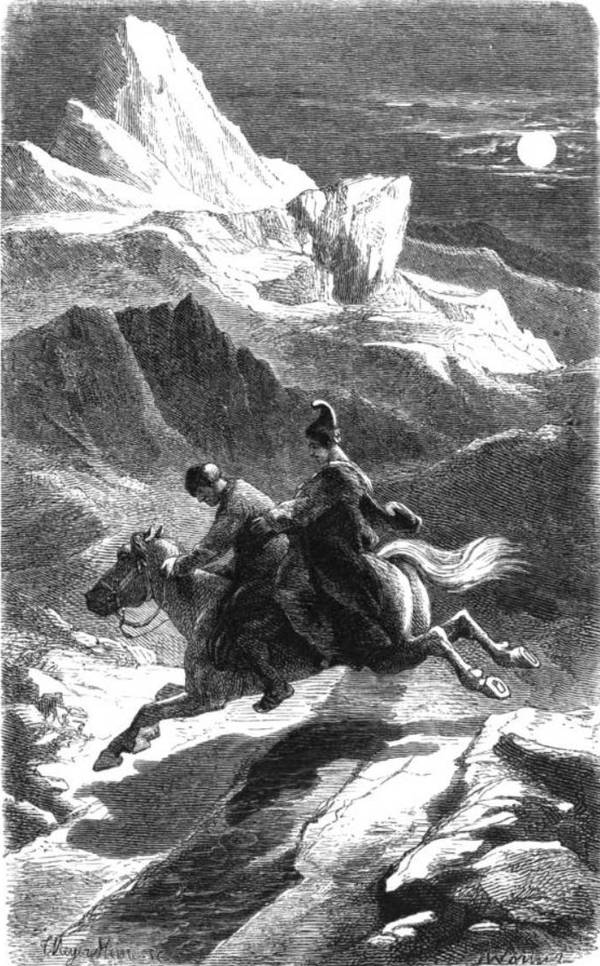
Iceland is famous for its dramatic landscapes of volcanoes, glaciers and lava fields, but the island is also rich with ghost stories and supernatural legends. For centuries, travelers and locals have shared tales about haunted houses, restless spirits, trolls turned to stone and mysterious creatures hidden in the Icelandic wilderness.

Many of these stories come from Icelandic folklore and were passed down through generations during the long dark winters. Some locations are connected to tragic events, others to myths involving trolls, elves and the mysterious hidden people known as Huldufólk.

If you are exploring Iceland and enjoy mysterious places, this guide will show you some of the most famous haunted locations across the country — many of which you can visit today.

Jump to location

🌌 Northern Lights

See the Northern Lights Tonight

Check the real-time aurora forecast and best viewing locations across Iceland — updated every hour.

Famous Haunted Places in Iceland

Eight of Iceland's most famous supernatural locations — all real places you can visit.

Other Haunted Places in Iceland

These locations have been connected to ghost stories, paranormal events and supernatural encounters over the centuries.

🗺️ Haunted Iceland Map

All 20+ haunted places on one interactive map — filter by ghosts 👻, trolls 🗿, elves 🧝, Viking legends ⚔️, cemeteries 🪦 and attractions 🎭.

🗺️Loading haunted map…
👻 Ghosts🗿 Trolls🧝 Elves & Huldufólk⚔️ Viking Legends🪦 Cemeteries🎭 Attractions

Most Haunted Places in Iceland

These locations are among the most famous haunted sites in Icelandic folklore. Many are real places you can visit today — each with stories passed down for centuries.

♨️

Gunnuhver Geothermal Area

Most Famous Ghost
📍 Reykjanes Peninsula

One of Iceland's most famous ghost stories is connected to Gunnuhver. According to legend, a woman named Gunna died after a dispute with a local official. After her burial, she returned as a powerful restless spirit and began haunting the region. A priest eventually trapped her ghost inside the boiling geothermal vents where she is believed to remain today.

🗺️ Open in Google Maps
🏚️

Möðruvellir Farm

Revenant Story
📍 North Iceland

The farm of Möðruvellir is associated with one of Iceland's most persistent revenant stories. A drowned worker named Þórólfur returned after death and walked through the farm every night until a priest performed a ritual to stop the haunting.

🗺️ Open in Google Maps
🏝️

Drangey Island

Outlaw Legend
📍 North Iceland

This isolated sea stack in Skagafjörður is connected to the death of the outlaw Grettir the Strong. Climbers have reported hearing footsteps and voices on the island for centuries.

🗺️ Open in Google Maps
🐉

Lagarfljót Lake

Lake Monster
📍 East Iceland

The mysterious creature known as Lagarfljótsormurinn has been reported in this lake since medieval times. Some consider it Iceland's version of the Loch Ness Monster — sightings continue to this day.

🗺️ Open in Google Maps
🗿

Reynisdrangar Sea Stacks

Trolls Turned Stone
📍 South Coast

According to legend, these sea stacks were trolls dragging a ship to shore before sunrise turned them to stone. The beach of Reynisfjara remains one of the most dramatic and folklore-rich sites on the South Coast.

🗺️ Open in Google Maps
🌋

Dimmuborgir Lava Formations

Home of Yule Lads
📍 North Iceland

These dramatic lava towers near Lake Mývatn are said to be the home of Iceland's Yule Lads and their terrifying mother Grýla. Local legends describe the caves as entrances to the underworld.

🗺️ Open in Google Maps
🧊

Snæfellsjökull Glacier

Mystical Energy
📍 Snæfellsnes

This glacier is believed by many to be one of the world's great energy centres. Jules Verne used it as the entrance to the centre of the Earth in his novel. Locals describe unusual feelings of calm and strangeness near the summit.

🗺️ Open in Google Maps
🌋

Hekla Volcano

Gateway to Hell
📍 South Iceland

In medieval Europe, Hekla was believed to be one of the entrances to Hell. Birds flying near the volcano were thought to be the souls of the damned. Icelandic farmers still treat eruptions with deep respect.

🗺️ Open in Google Maps

Types of Ghost Encounters Reported in Iceland

Travelers across Iceland have reported strange experiences in remote valleys, abandoned farms and coastal cliffs. These experiences are part of Iceland's living folklore tradition.

👣

Footsteps in empty farmhouses

Old turf farms are the most commonly reported sites of unexplained sounds.

🌫️

Figures crossing lava fields at night

Travelers on Iceland's highland roads have reported silhouettes moving across the lava.

🔊

Voices heard near waterfalls

The roar of Iceland's waterfalls has long been associated with spirits calling out.

🏚️

Moving objects in old turf houses

Historical farmhouses across Iceland have stories of objects shifting without explanation.

💡

Unexplained lights in the Highlands

Ball lightning, will-o'-the-wisps and aurora reflections all feed Highland ghost traditions.

🌊

Shapes beneath lake surfaces

Lagarfljót and other lakes have centuries of sighting reports of shapes moving underwater.

These experiences are part of Iceland's living folklore tradition and remain an important part of cultural storytelling today.

Where to Experience Icelandic Ghost Stories Today

Visitors interested in Iceland's supernatural folklore can explore haunted locations across the country. Many are accessible as part of day trips from Reykjavík or along the Ring Road.

Icelandic Folklore: Ghosts, Trolls and Hidden People

Icelandic folklore includes a wide range of supernatural beings — ghosts known as draugar, trolls that roam the mountains at night, and elves known as the hidden people or Huldufólk. These are not simply fairy tales: surveys consistently show that a significant portion of Icelanders believe in the possible existence of hidden people, and road construction projects have been rerouted to avoid disturbing rocks believed to be inhabited by elves.

The draugar of old Norse tradition are particularly frightening — not gentle ghosts but physical undead who rise from their graves to haunt and harm the living. Many of Iceland's ghost stories follow this older tradition, where the restless dead are genuinely dangerous and must be stopped through ritual or force.

Trolls occupy a different category — enormous, slow-moving mountain creatures who turn to stone in sunlight. You can see the results of this transformation all across Iceland: in the sea stacks off Reynisfjara, in the monolithic rocks that dot Icelandic hillsides, in the strange formations of Dimmuborgir. Every rock with a particularly human shape has a story.

Many Icelanders respect these legends and stories are still told about specific rocks, lava fields and mountains where supernatural beings are believed to live. Whether you believe them or not, they give Iceland's landscape an atmosphere unlike anywhere else on earth.

👻

Draugar

Physical undead who rise from graves. Unlike gentle ghosts, draugar are dangerous and must be stopped by ritual or force.

🧝

Huldufólk

The Hidden People — elves living in rocks and lava. Road construction in Iceland has been rerouted to avoid disturbing their homes.

🗿

Trolls

Giant mountain creatures who turn to stone in sunlight. Evidence of their petrification can be seen in rock formations across the country.

⚠️

Visiting Haunted Places in Iceland

Respect private property. Many haunted farms and buildings are on private land. Do not trespass.

Safety first. Abandoned structures are dangerous — collapsing roofs, unstable floors, and harsh weather make these places genuinely hazardous.

Reynisfjara warning. The beach at Reynisdrangar generates massive unpredictable sneaker waves. Never turn your back on the ocean here.

Preserve the sites. Do not vandalize, remove items, or disturb these locations. They are part of Iceland's cultural heritage.

Iceland Ghost Stories and Folklore

Ghost stories have long been part of Icelandic folklore. Many legends tell of restless spirits, trolls turned to stone and mysterious hidden people living inside lava fields and mountains. These stories were not invented for tourists — they were passed down through generations during Iceland's long winter nights, when darkness lasted nearly all day and isolated farms felt cut off from the world.

Visitors exploring Iceland today can discover many places connected to these stories, from haunted houses in Reykjavík to mysterious lava formations in the north. The draugar — Iceland's physical undead — are particularly ancient: they appear in medieval sagas as dangerous creatures who must be physically fought or ritually bound. Many of the places on this map are connected to these saga-age events.

Iceland's troll legends explain the country's most dramatic rock formations. The sea stacks at Reynisdrangar, the lava maze of Dimmuborgir, the monoliths scattered across Snæfellsnes — all were once giants or trolls who miscalculated the sunrise. Even today, locals point to specific rocks and tell you their names.

The Huldufólk, Iceland's hidden people, occupy a category of their own. Unlike ghosts and trolls, they are not considered dangerous. They are simply there — living in rocks, lava formations and hills, parallel to human Iceland. An estimated 54% of Icelanders say they believe in the possible existence of hidden people, and road construction has been rerouted to protect their homes.

Whether you come to Iceland for the Northern Lights, the volcanoes or the ghost stories, the folklore is inescapable. Every landscape has a legend. Every farm has a name that remembers someone who died there. Every rock formation has a story about what it used to be before the sun rose.


Why Iceland Has So Many Ghost Stories

For centuries Icelanders lived on isolated farms surrounded by darkness, volcanic landscapes and extreme winters. Ghost stories became part of everyday life and helped explain events that could not otherwise be understood.

Long winters with only 4–5 hours of daylight meant that strange sounds, flickering lights and unusual shapes were a constant presence. Without electricity, the darkness inside turf houses was total — and outside, the lava fields and mountains were full of shadows that moved.

The sagas gave Icelanders a literary tradition for preserving these stories. Unlike in many cultures where ghost stories faded into fairy tales, Iceland's stories stayed grounded in specific places, specific names and specific events — turning them into a kind of folklore geography that locals still navigate today.

Even today, many Icelanders treat supernatural locations with respect — especially elf rocks, haunted valleys and abandoned farms connected to tragic histories. Road construction projects have been rerouted to protect elf homes. Ancient burial mounds are left undisturbed. The stories are still alive.

Northern Lights & Night Tours

People who explore Iceland's haunted places often chase the aurora too — here are the best night tours.