
Ísland · Náttúrufyrirbæri
Fossar
Íslands
Uppgötvaðu 200+ glæsilegar fossur — frá þrumandi jöklafossagljúfrum til falinna hálendisperla. Gaktu á bak við Seljalandsfoss, skoðaðu kröftugasta foss Evrópu við Dettifoss, og kannaðu fjarlægar bruðarbrunnar.
200+
Named waterfalls
Free
Most free entry
24/7
Year-round access
8
Regions to explore
200+
Fossar
8
Svæði
6
Vegferðir
Ókeypis
Aðgangur allra
Allt árið
Flestar opnar
10
Upplifanir
Discovery
Explore Iceland's Waterfalls
Discover waterfalls across Iceland — select a pin for details.
Verður að sjá
Frægstu fossar Íslands
Fossafossarnir sem skilgreina Ísland

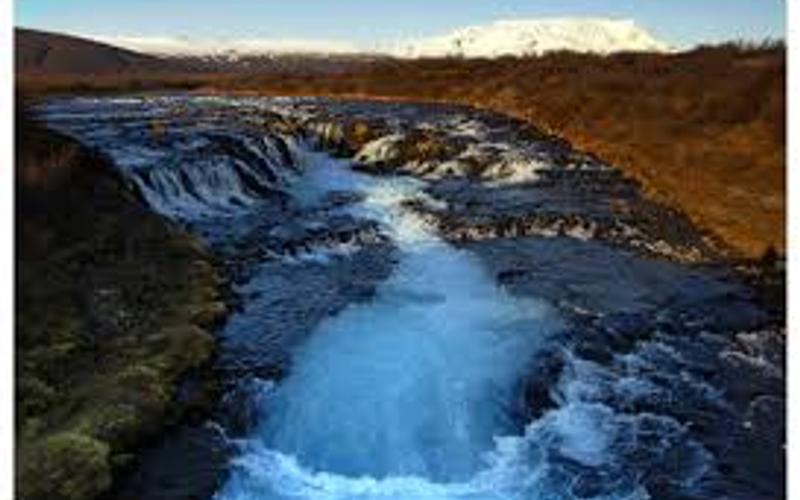
Brúarfoss Waterfall
Blue-water waterfall on the Brúará river, reached by official walking access in the Golden Circle area.


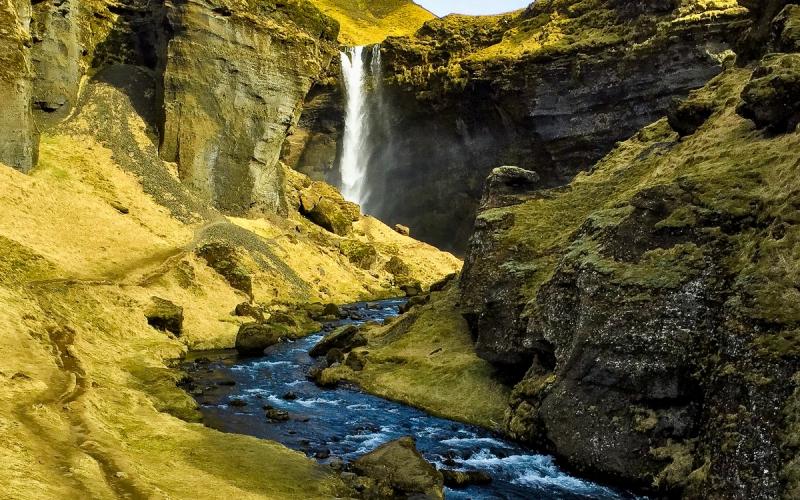
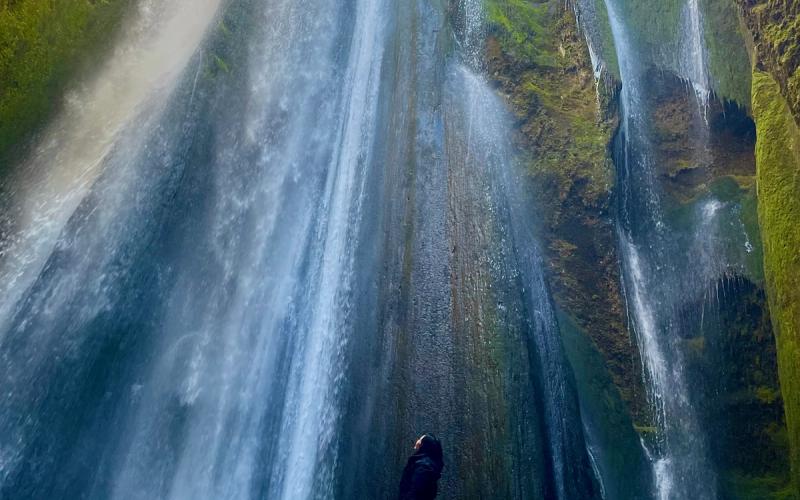
Kvernufoss
30-metre waterfall in a narrow gorge near Skógar, with a path behind the cascade in suitable conditions.

Skógafoss
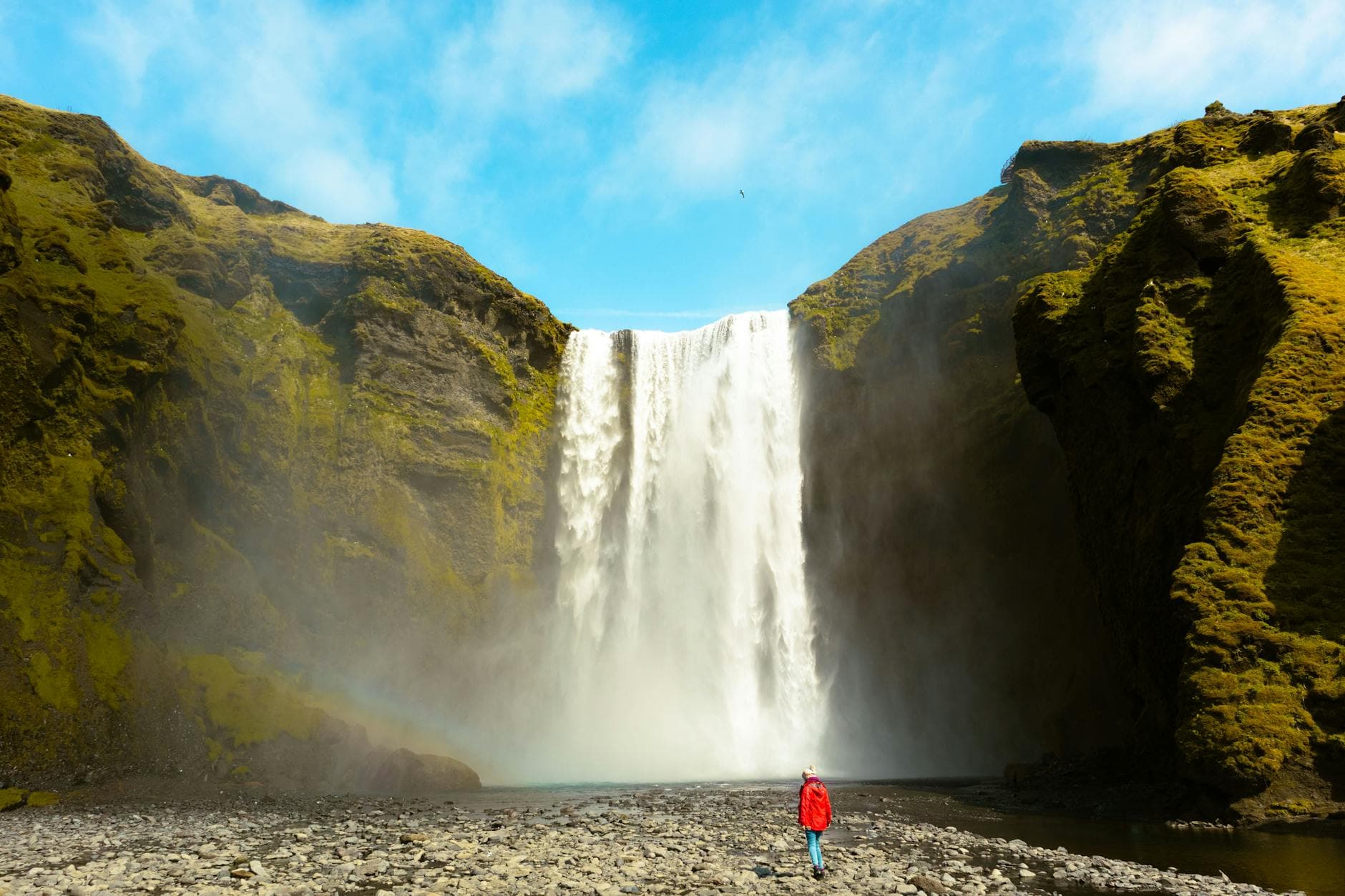
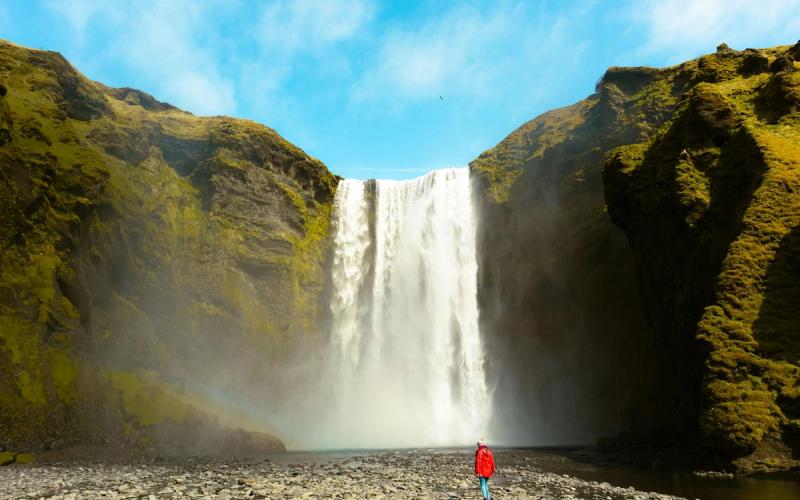
Broad 60-metre waterfall by Skógar with viewpoints at the base and above the falls.

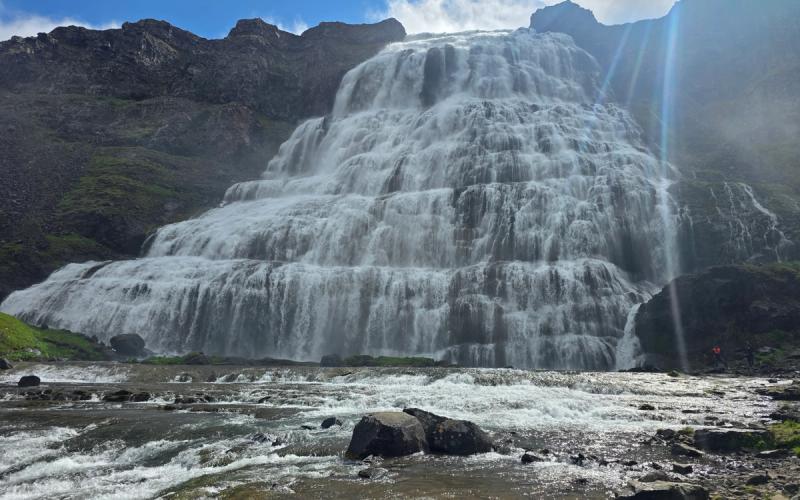
Dynjandi
Dynjandi, also known as Fjallfoss, is the Westfjords' majestic 100-meter tiered waterfall, fanning out like a bridal veil.

Folaldafoss
A powerful cascade tumbling over dark basalt cliffs, Folaldafoss is an Eastfjords' hidden gem.

Seljalandsfoss
60-metre South Coast waterfall with a path behind the cascade when conditions allow.

Gullfoss
Two-stage waterfall on the Hvítá river and one of the main stops on the Golden Circle.
 10 hours 30 minutes
South Coast Tour - Black Sand Beach, Plane wreck, Skogafoss, Seljalandsfoss guided in Chinese冰岛南岸黑沙滩飞机残骸中文一日团
Magic Iceland Travel
Frá
18,480 ISK
 10 hours
Private South Coast tour
EastWest
Frá
220,000 ISK
 10 hours
Private South Coast with Glacier Hike
Glaciers and Waterfalls
Frá
258,000 ISK
 14 hours
4x4 South Coast and Diamond Beach Tour (Private 1-4 Pax)
Crystal Cave Tours
Frá
265,351 ISK
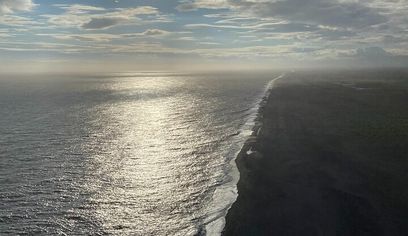 9 hours
Full Day 4x4 South Coast Tour (Private 1-4 Pax)
Crystal Cave Tours
Frá
212,160 ISK
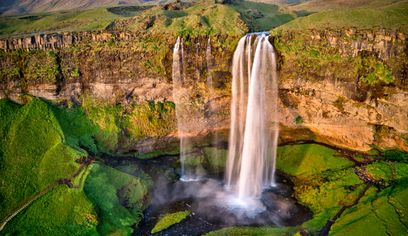 10 hours
Private Bespoke South Coast Tour
Your Friend in Reykjavik
Frá
254,900 ISK
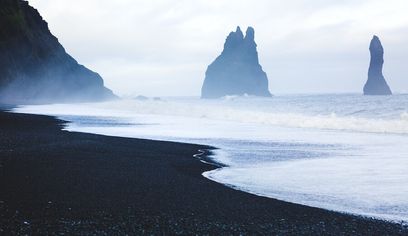 10 hours
Private Sightseeing Tour to South coast and Black Sand Beach 6 PAX
Elite-Chauffeur
Frá
259,900 ISK
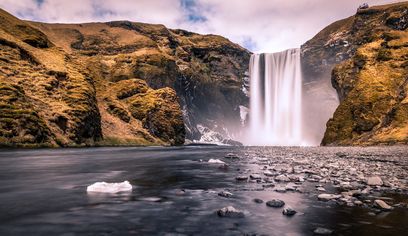 10 hours
South Coast Tales! A Spanish-Language Tour
EastWest
Frá
20,990 ISK
 10 hours
Private South Coast Sightseeing Tour
BT Travel
Frá
219,900 ISK
Waterfall Explorer
124 of 124 waterfalls — search, filter or find falls near you
Browse by Experience
What kind of waterfall are you looking for?
Walk Behind
Waterfalls you can walk behind
2 waterfalls →
Hidden Gems
Off the beaten path — few tourists, pure Iceland
22 waterfalls →
Most Powerful
Raw glacial force — Europe's mightiest falls
20 waterfalls →
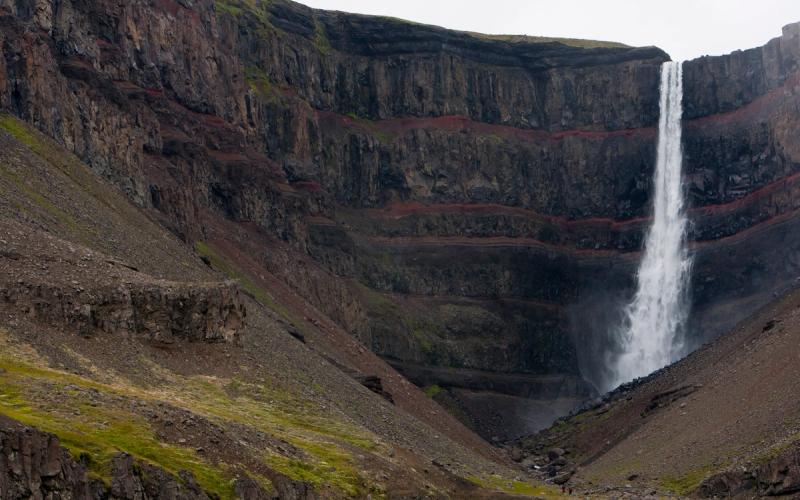
Highest
Iceland's tallest drops
3 waterfalls →
Family Friendly
Easy paths and safe viewpoints for all ages
5 waterfalls →
Easy Access
Steps from the parking lot
7 waterfalls →
Photography
Rainbows, reflections and epic compositions
3 waterfalls →
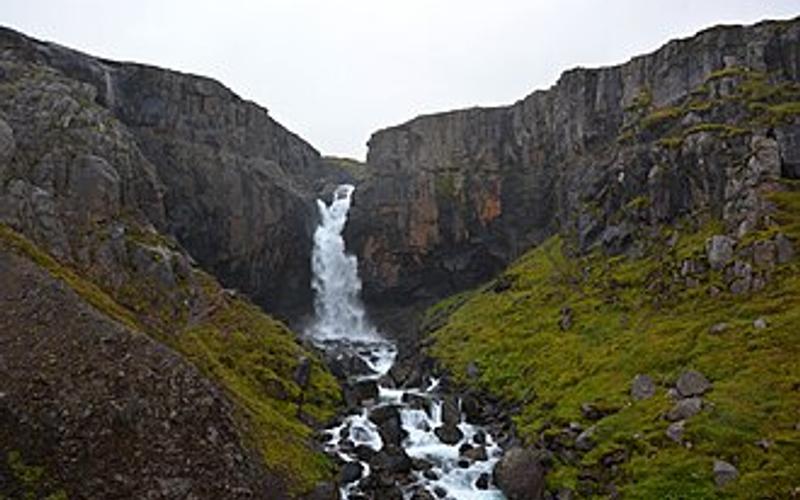
Short Hike
Earn the view — under 2 hours round trip
6 waterfalls →
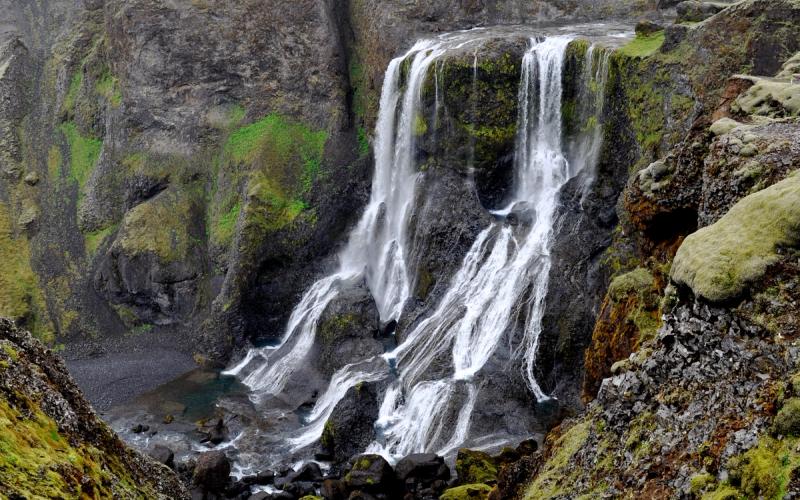
Highlands
Remote falls in the wild interior (4×4 season)
6 waterfalls →
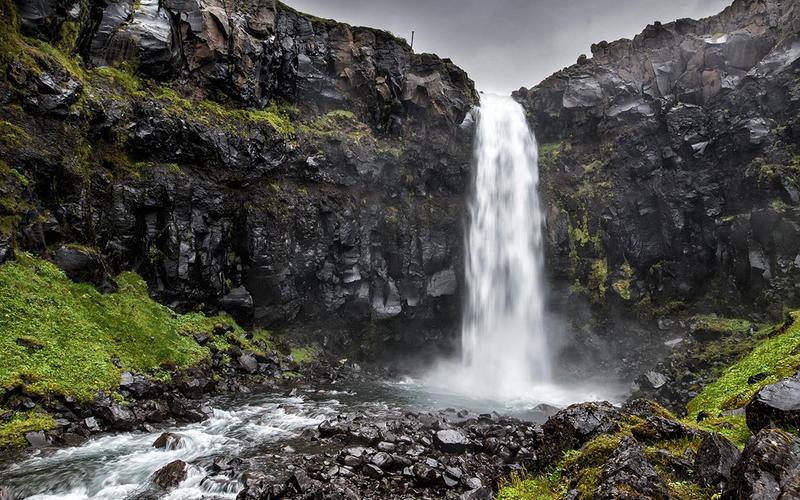
Winter
Frozen curtains and northern lights backdrops
65 waterfalls →
Waterfall Road Trips
Curated routes — one click loads every stop into your Trip Planner
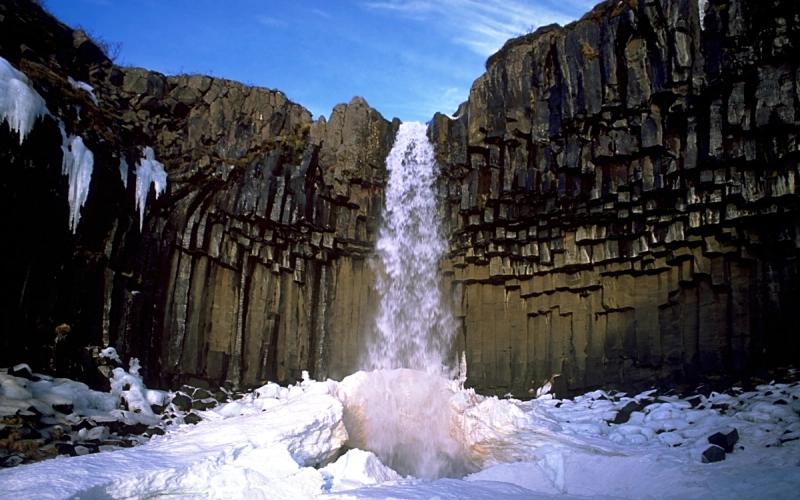
South Coast Waterfall Trail
The classics in one day — walk behind Seljalandsfoss, find hidden Kvernufoss, stand under Skógafoss and hike to Svartifoss.
Skógafoss
Svartifoss
Golden Circle Waterfalls
Gullfoss and the blue wonder Brúarfoss, then detour into Þjórsárdalur for Háifoss and Hjálparfoss.
Brúarfoss Waterfall
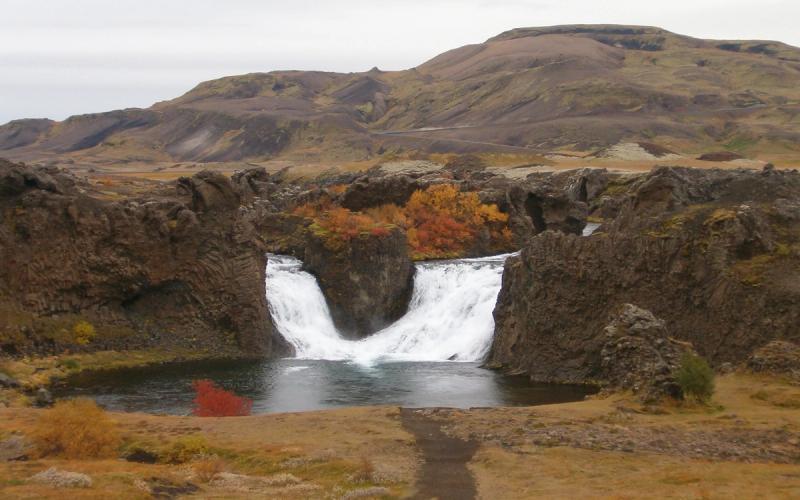
Hjálparfoss
North Iceland Waterfall Route
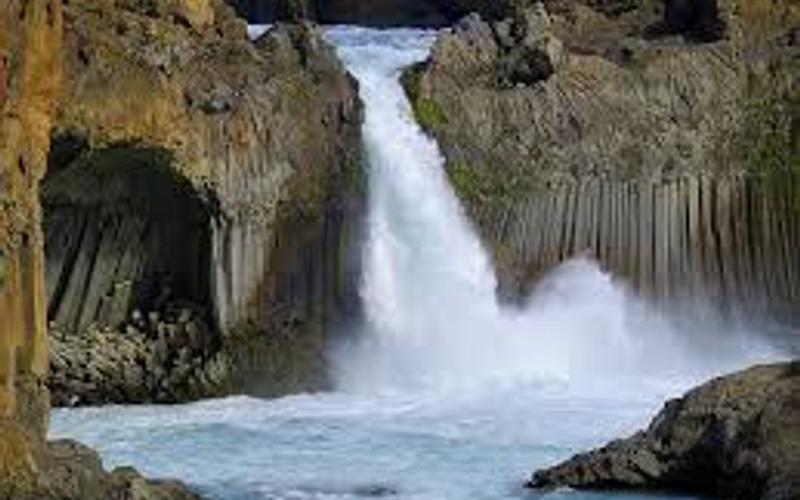
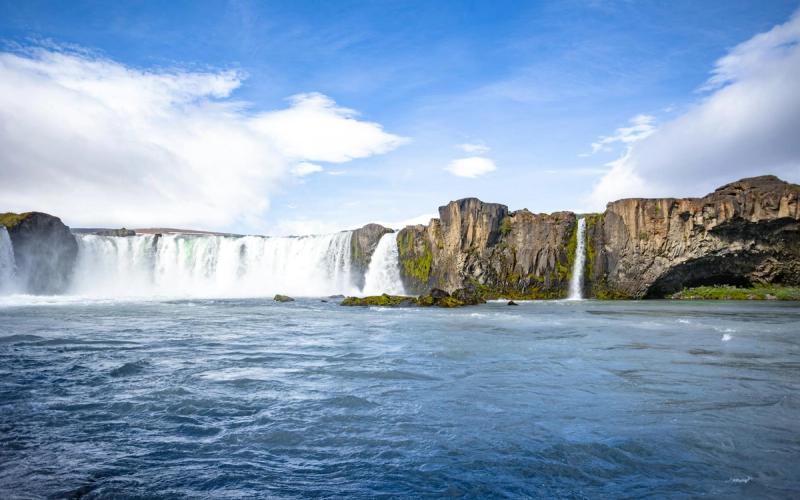
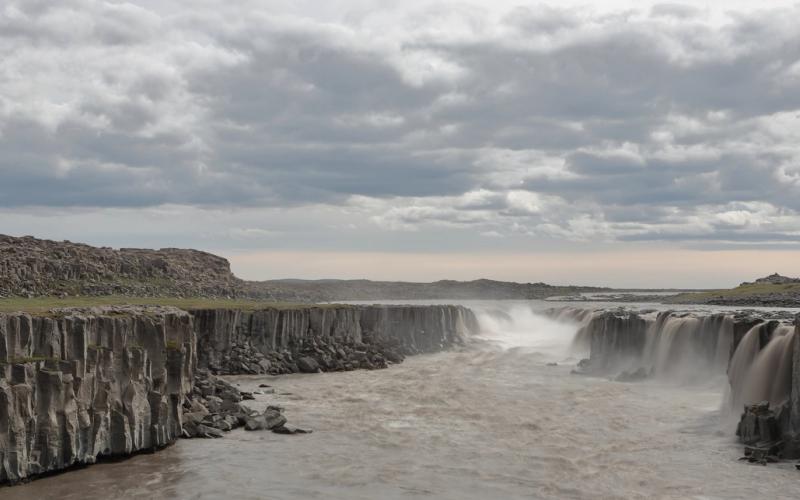
From Goðafoss to the basalt columns of Aldeyjarfoss and Europe's most powerful waterfall, Dettifoss.
Goðafoss
Aldeyjarfoss
Selfoss Waterfall
East Iceland Waterfall Trail
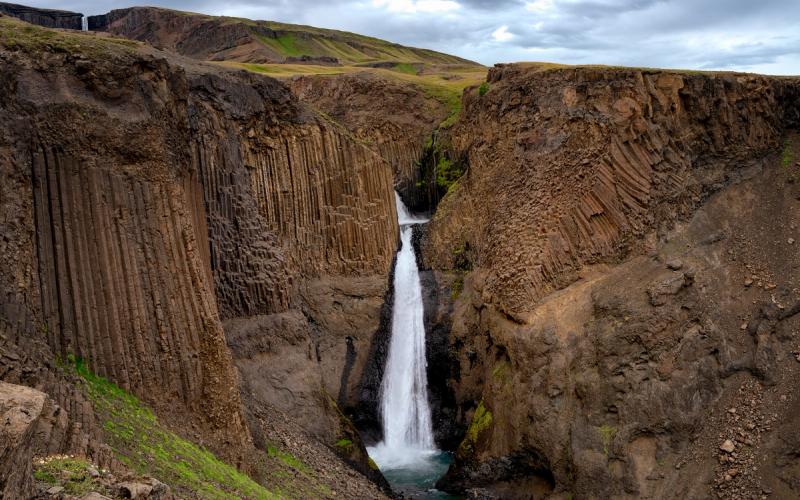
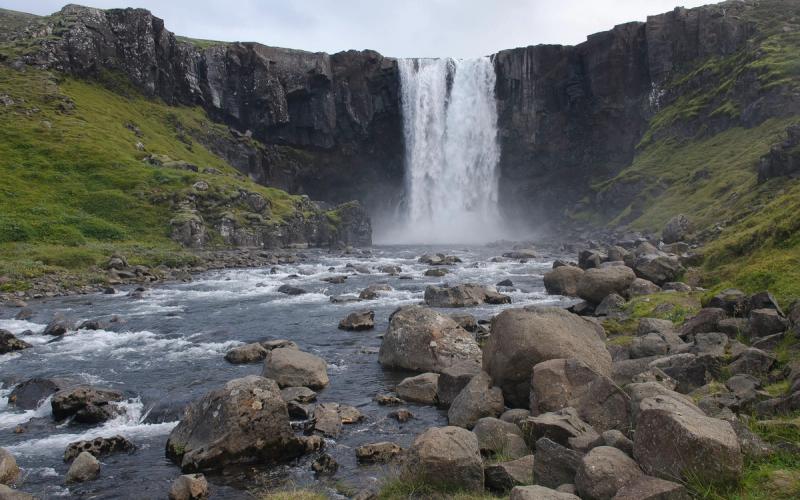
Hike to Hengifoss above the basalt-framed Litlanesfoss, with Fardagafoss and Gufufoss by Seyðisfjörður.
Litlanesfoss Waterfall
Fardagafoss
Gufufoss
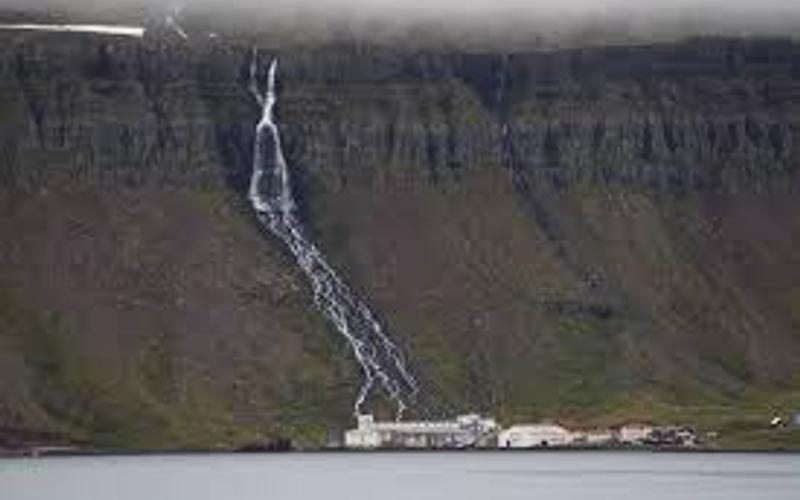
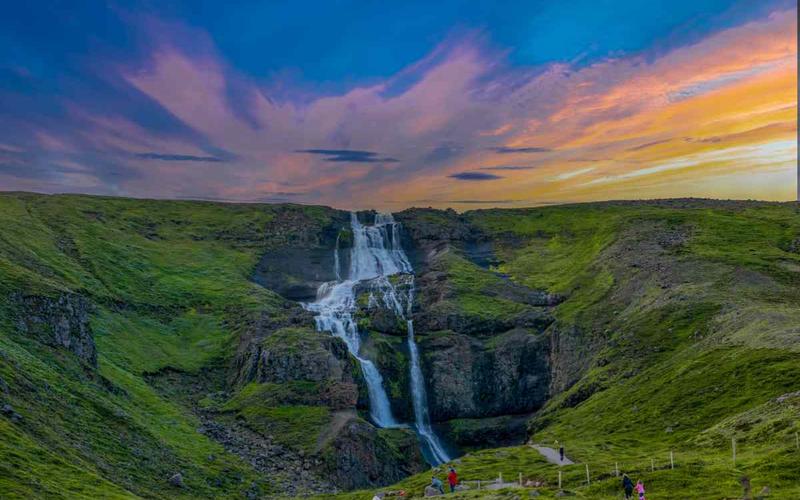
Westfjords Hidden Falls
The bridal-veil giant Dynjandi and the falls almost nobody visits along the Strandir coast.
Dynjandi
Djúpavíkurfoss
Rjúkandi
Kerlingarfoss
Ring Road Waterfalls
The ultimate circle — every must-see waterfall on Route 1, from the south coast to the north.
Skógafoss
Svartifoss
Goðafoss
Hraunfossar
Photography Guide
Where and how to shoot Iceland's waterfalls
Best at Sunrise
Seljalandsfoss faces west but glows at dawn from behind; Skógafoss catches first light on clear mornings with almost no crowds before 8 AM.
Best at Sunset
Kirkjufellsfoss with Kirkjufell mountain is Iceland's most photographed sunset frame. Goðafoss turns gold under the midnight sun in June–July.
Rainbow Spots
Skógafoss throws a double rainbow on sunny days around midday. Gullfoss and Dettifoss mist up rainbows whenever the sun is out.
Drone Friendly
Háifoss, Aldeyjarfoss and Strútsfoss allow dramatic aerials with few people. Always check current rules — drones are banned at crowded falls and in national parks.
Long Exposure Tips
Bring an ND filter (6–10 stops), a tripod and a lens cloth — spray is constant. 0.5–2 s exposures give silky water while keeping texture.
Northern Lights Falls
Goðafoss, Kirkjufellsfoss and Seljalandsfoss are the classic aurora foregrounds — dark skies, easy access and parking beside the falls.
Waterfalls Through the Seasons
Each season transforms the falls completely
Spring (Apr–May)
Snowmelt swells every river — waterfalls are at their most powerful. Fewer tourists, but highland falls like Háifoss remain closed until late May.
Summer (Jun–Aug)
Everything is open, including F-road falls like Aldeyjarfoss. Midnight sun means you can shoot at 1 AM with golden light and empty car parks.
Autumn (Sep–Oct)
Golden birch and moss frame the falls, northern lights return, and the summer crowds vanish. Hengifoss and Glymur hikes are at their prettiest.
Winter (Nov–Mar)
Frozen curtains and blue ice at Gullfoss, Goðafoss and Seljalandsfoss. Stick to south coast and Golden Circle falls — many others are inaccessible.
Leiðsögðar upplifanir
Ferðir og dagferðir á Íslandi
Gullni hringurinn, norðurljósaferðir, hvalaskoðun, jöklagöngur, hraunhellirferðir og fleira. Skoðaðu Ísland á þinn hátt.
Accommodation
Where to Stay for Waterfall Chasing
Hotels and guesthouses on the South Coast — base yourself here for Seljalandsfoss, Skógafoss and Gullfoss
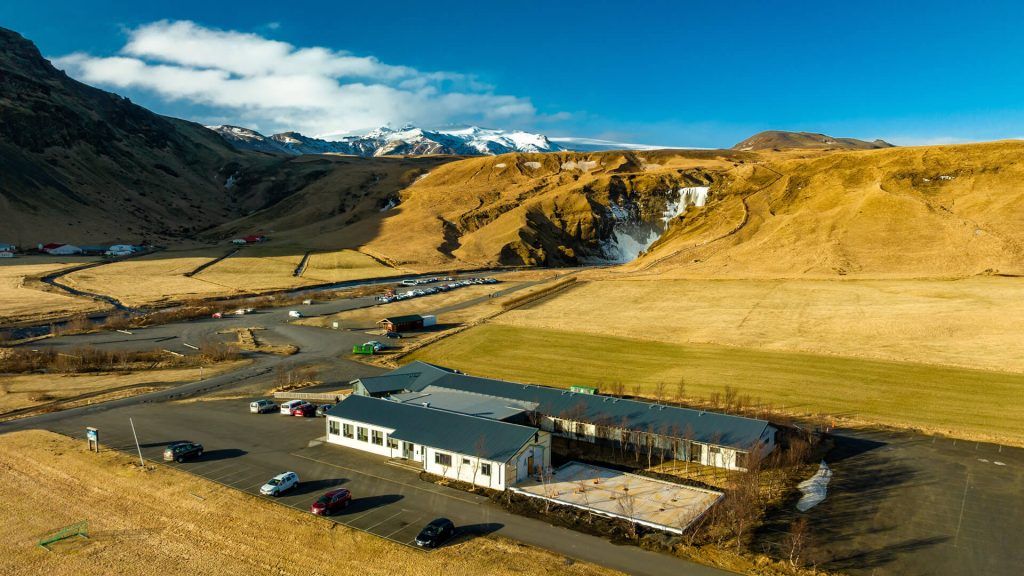 Hotel876 m
Hótel Skógá
Experience Icelandic tranquility at Hótel Skógá, steps from the majestic Skógafoss waterfall.
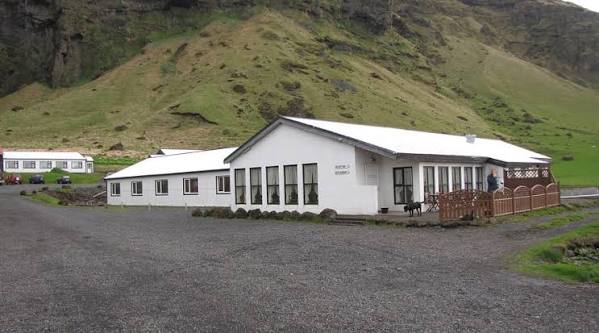 Hotel1.6 km
Hótel Drangshlíð
Experience rustic charm and stunning South Iceland scenery at Hótel Drangshlíð.
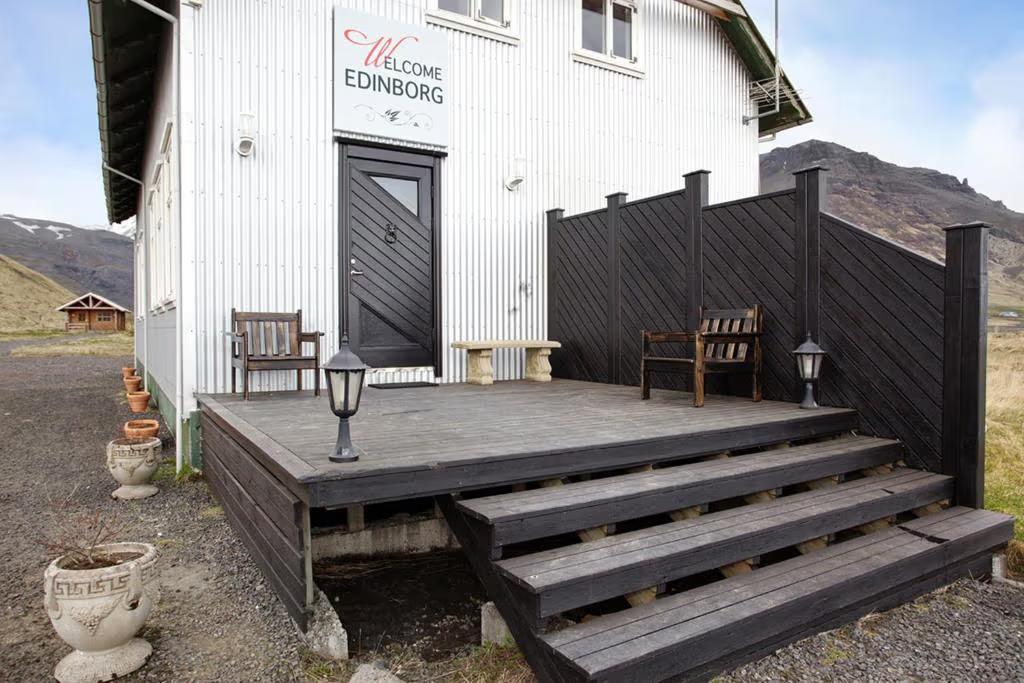 Guesthouse5.8 km
Welcome Edinborg
Charming guesthouse with a rustic wooden deck, nestled amidst the stunning South Iceland landscape.
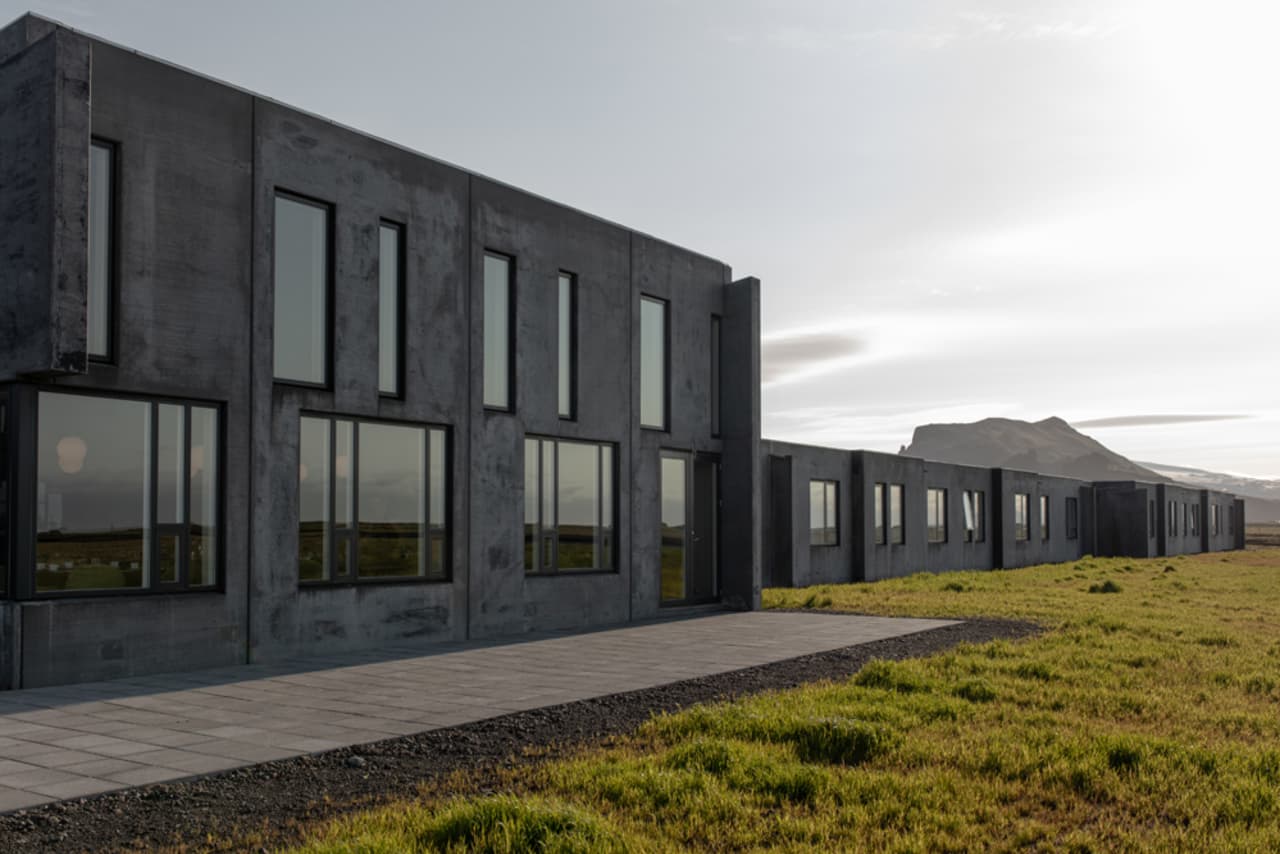 Hotel6.1 km
Umi Hótel
Experience modern design amidst South Iceland's breathtaking landscapes at Umi Hótel.
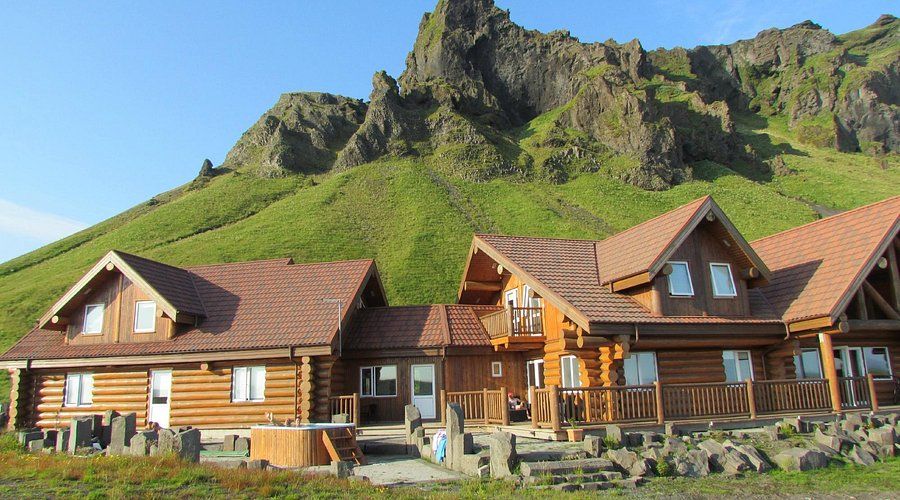 Guesthouse6.4 km
Welcome Lambafell
Experience rustic charm and mountain serenity at Welcome Lambafell, featuring cozy log cabins and an outdoor hot tub amidst stunning South Iceland scenery.
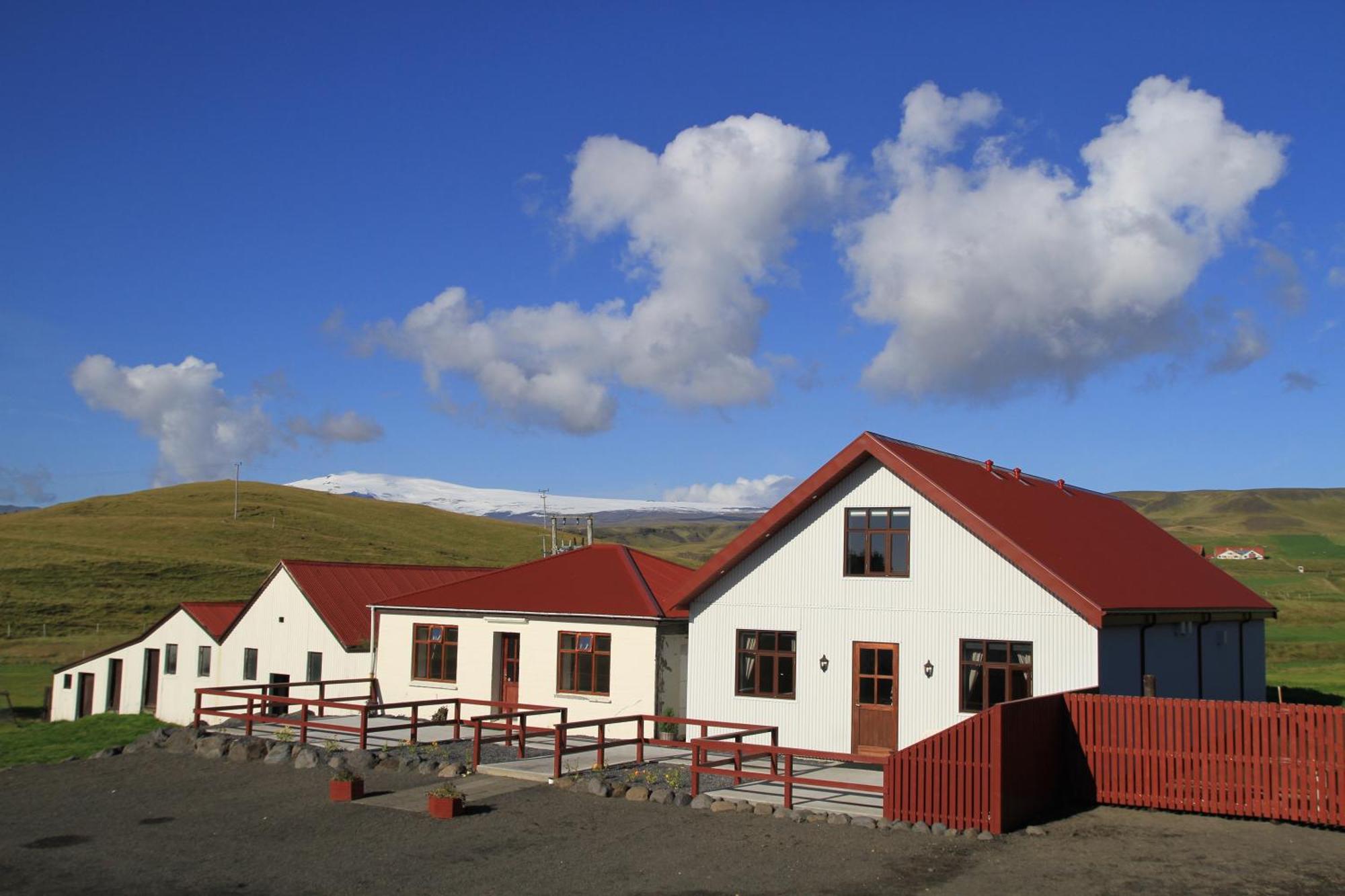 Guesthouse10.9 km
Sólheimahjáleiga
Experience tranquil Icelandic hospitality at Sólheimahjáleiga, nestled amidst green hills with glacier views.
Hjálp
Algengar spurningar
Allt sem þú þarft að vita áður en þú heimsækir fossar Íslands
Hvað er frægasti fossinn á Íslandi?
+
Gullfoss er líklega frægasti fossinn á Íslandi, staðsettur á Gullna hringnum. Seljalandsfoss og Skógafoss á Suðurströndinni eru einnig meðal þeirra sem flestir heimsækja. Hvað varðar stórleika, er Dettifoss á Norðurlandi kröftugasti fossinn í Evrópu.
Má ganga á bak við foss á Íslandi?
+
Já — Seljalandsfoss á Suðurströndinni hefur stíg sem gerir gestum kleift að ganga alveg á bak við fossinn. Hann er opinn mestan hluta ársins nema við íslagðar vetraraðstæður. Taktu vatnsþétta klæðnað þar sem stígurinn verður mjög blautur.
Hvað er hæsti fossinn á Íslandi?
+
Morsárfoss við 228 metra er tæknilega hæstur, en hann er mjög fjarlægur. Glymur við 198 metra er hæsti aðgengilegi fossinn á Íslandi og er vinsæll til göngur. Hengifoss (128m) og Háifoss (122m) eru einnig meðal þeirra hæstu.
Hvaða foss á Íslandi er bestur á veturna?
+
Seljalandsfoss, Skógafoss og Gullfoss eru allir stórbrotlegir á veturna og aðgengilegir allt árið. Seljalandsfoss getur fryst að hluta á mjög köldum vetrum. Kirkjufellsfoss er sérstaklega vinsæll á veturna til norðurljósaljósmyndunar.
Er aðgangur að fossum á Íslandi ókeypis?
+
Flestir fossar á Íslandi eru ókeypis að heimsækja. Sumir, eins og Seljalandsfoss og Skógafoss, hafa greiddar bílastæðar nálægt. Aðgangur að fossunum sjálfum er alltaf ókeypis.
Hvað á ég að taka með mér til að heimsækja fossar?
+
Vatnsþéttan jakka og buxur (sérstaklega fyrir Seljalandsfoss), trausta gönguskó með gripum, myndavél með linsudúk fyrir úða, og hlýjar lög. Á veturna, bættu við broddum á íslagðar leiðir og taktu með auka rafhlöður þar sem kuldinn þræðir þær fljótt.
🌌 See the Northern Lights
Track real-time aurora activity and plan your Northern Lights trip with AuroraVision.
Find Hotels in Iceland
From cozy Reykjavík guesthouses to remote Highland lodges — thousands of properties with free cancellation and best price guarantee.
Ferðir og upplifanir
Uppgötvaðu Íslandsferðir
Leiðsögðar upplifanir
Ferðir og dagferðir á Íslandi
Gullni hringurinn, norðurljósaferðir, hvalaskoðun, jöklagöngur, hraunhellirferðir og fleira. Skoðaðu Ísland á þinn hátt.