
🌋 Fire & Ice
Volcanoes in Iceland
Iceland has 130+ volcanoes and around 30 active volcanic systems. From world-famous Eyjafjallajökull to the legendary Hekla — Iceland's volcanoes are among the most powerful on Earth.
Iceland's Volcanic Power
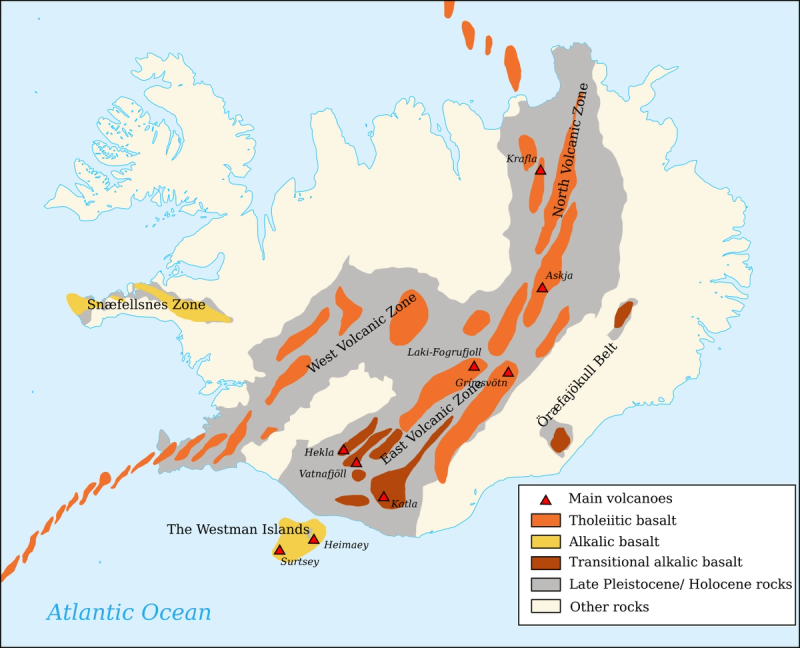
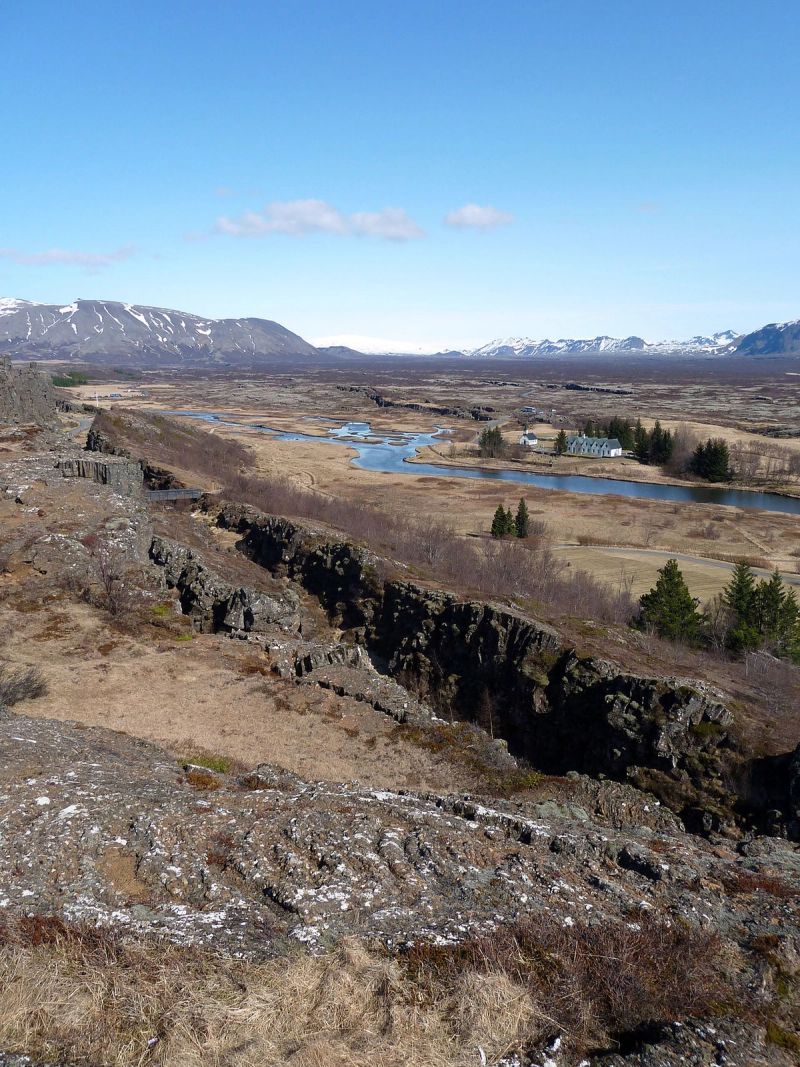
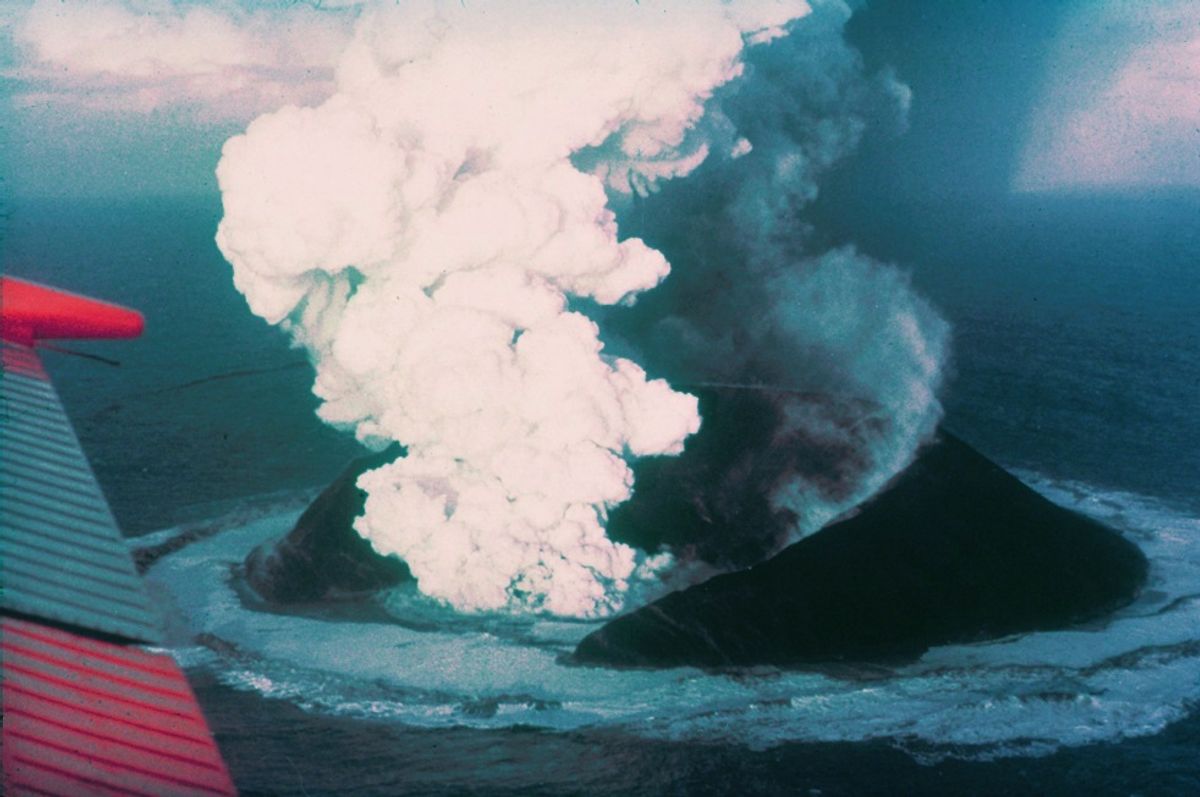
Iceland sits on the Mid-Atlantic Ridge where tectonic plates diverge, creating one of the most volcanically active regions on Earth. Around 30 volcanic systems are considered active, producing eruptions approximately every 3–4 years on average. Volcanic activity shapes Iceland's landscape — from black sand beaches created by explosive eruptions to vast lava fields that cover large parts of the country.
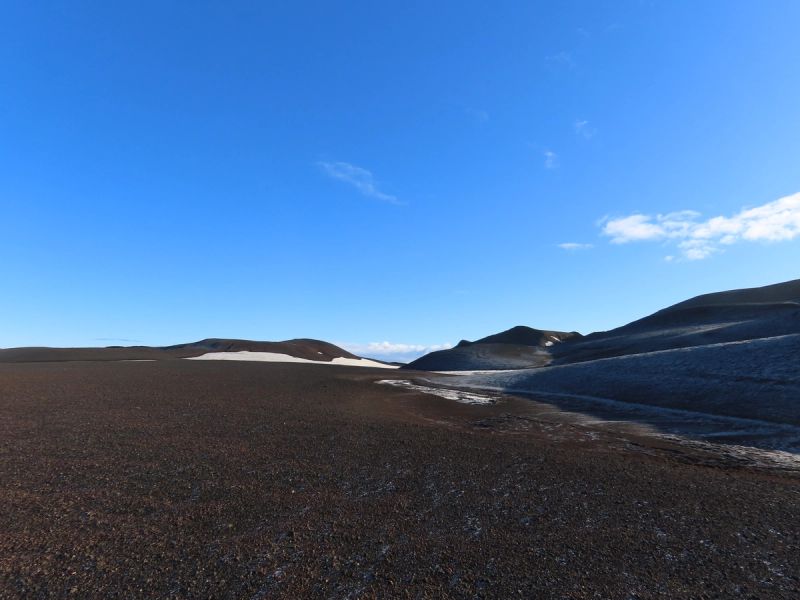
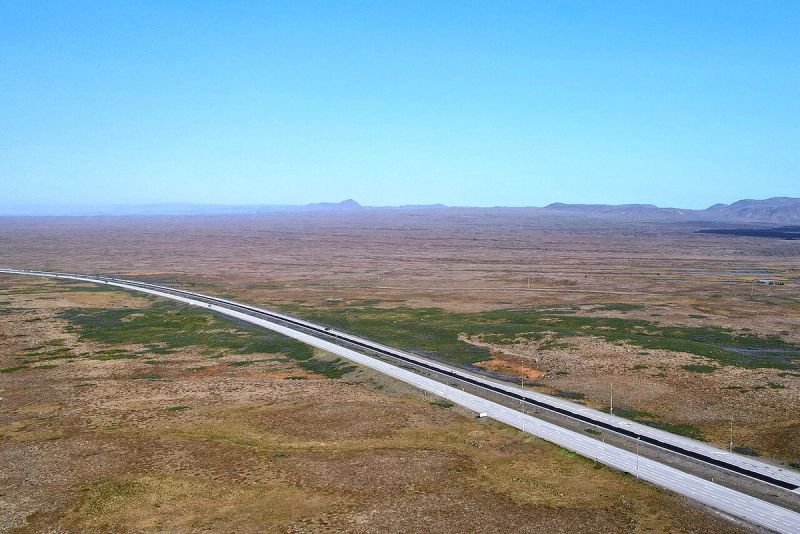
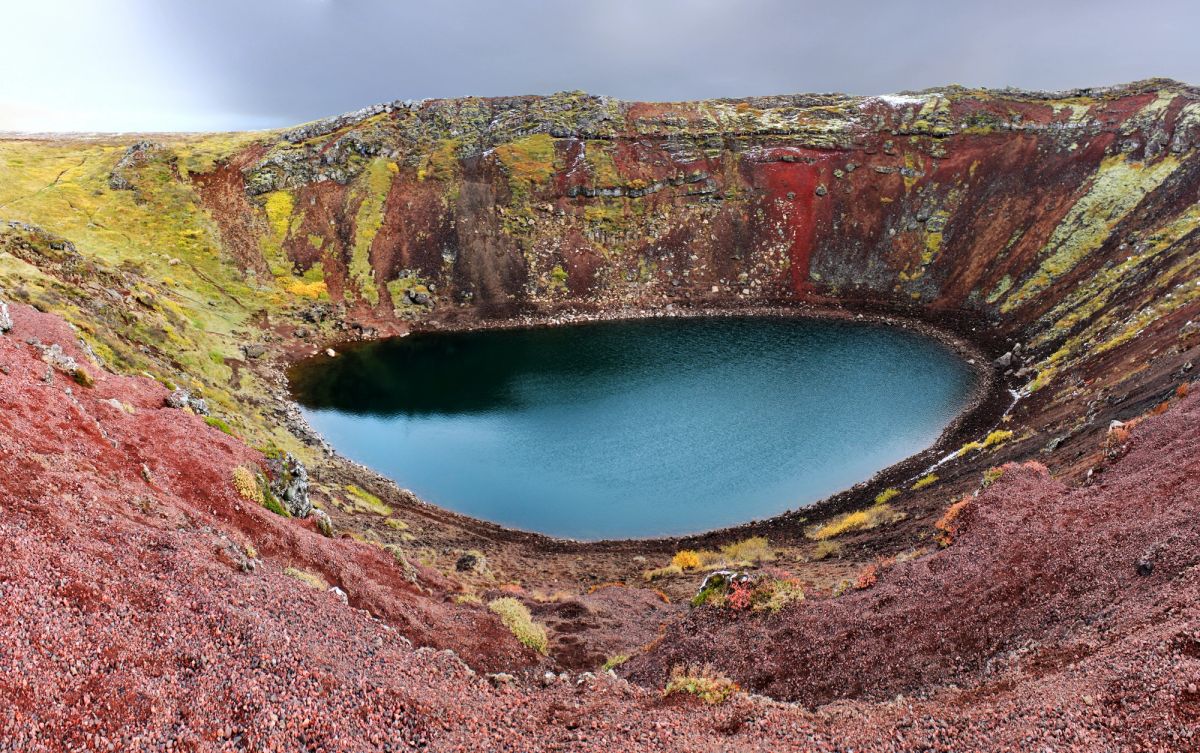
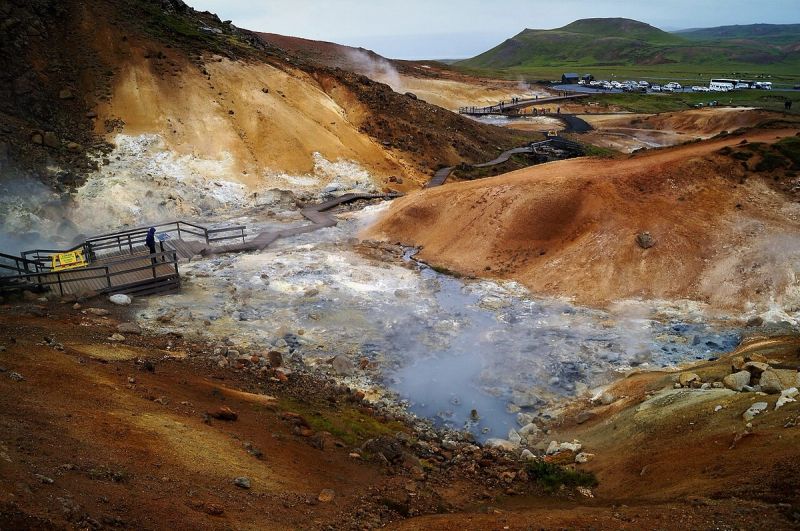
The country is home to more than 130 volcanoes and around 30 active volcanic systems. These volcanoes have created Iceland's dramatic landscapes — vast lava fields, black sand deserts, geothermal areas, and glacial valleys carved by volcanic floods.
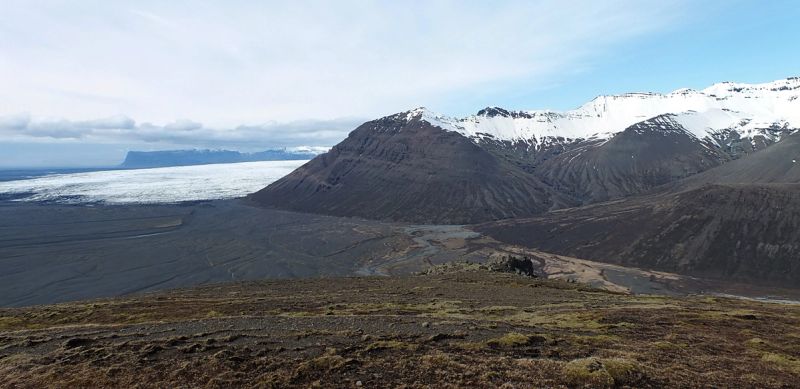
Many of Iceland's most famous volcanoes are subglacial — hidden beneath massive glaciers like Vatnajökull and Mýrdalsjökull. When these volcanoes erupt, they melt enormous volumes of ice, creating sudden catastrophic floods called jökulhlaups.
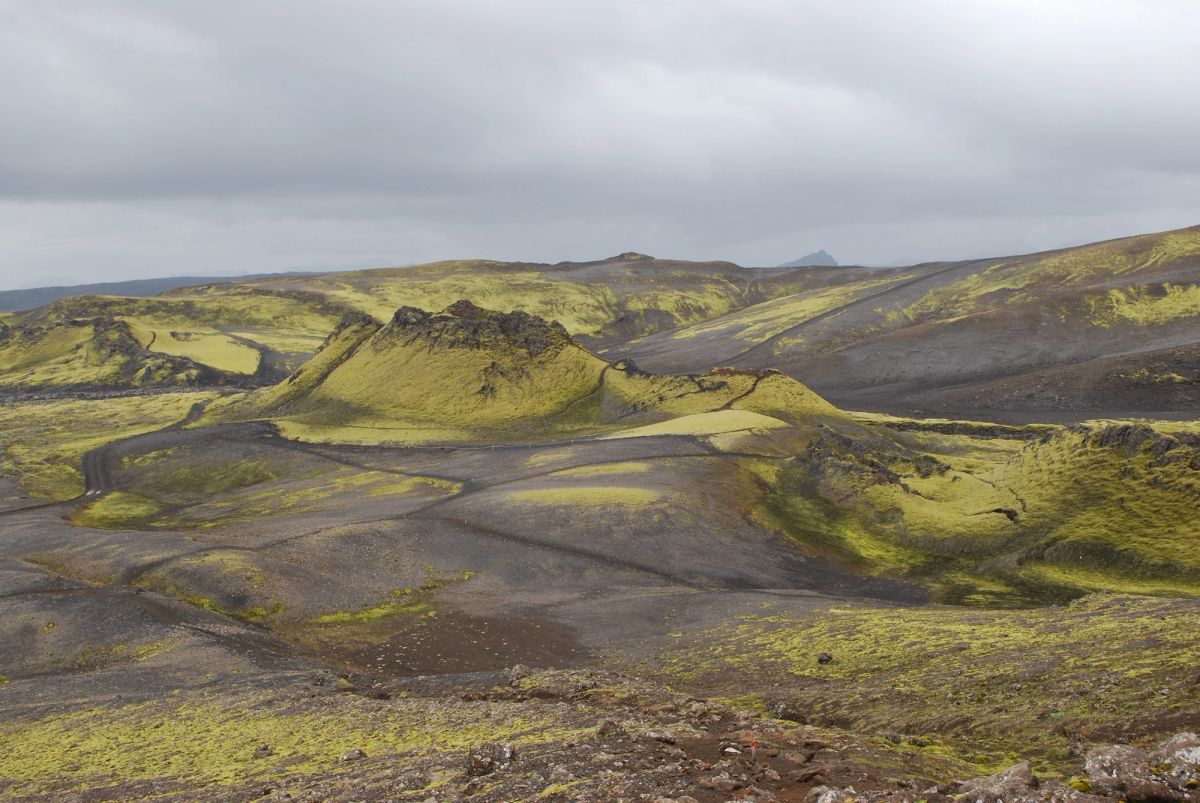
Eruptions in Iceland can affect the entire world. The 2010 Eyjafjallajökull eruption disrupted European air travel for weeks, while the 1783 Laki eruption caused famines and crop failures across Europe and may have contributed to the French Revolution.
Most Famous Volcanoes in Iceland
Detailed guide to Iceland's most dramatic volcanic systems — with history, access and safety information
Fire and Ice: Subglacial Volcanoes
Many of Iceland's most powerful volcanoes lie hidden beneath massive glaciers. When these volcanoes erupt, they melt enormous quantities of ice, creating catastrophic glacial floods called jökulhlaups that rush towards the sea. Katla, Grímsvötn, and Bárðarbunga are examples of dangerous subglacial volcanoes that produce both explosive eruptions and devastating floods.
Recent Eruptions and Volcanic Tourism
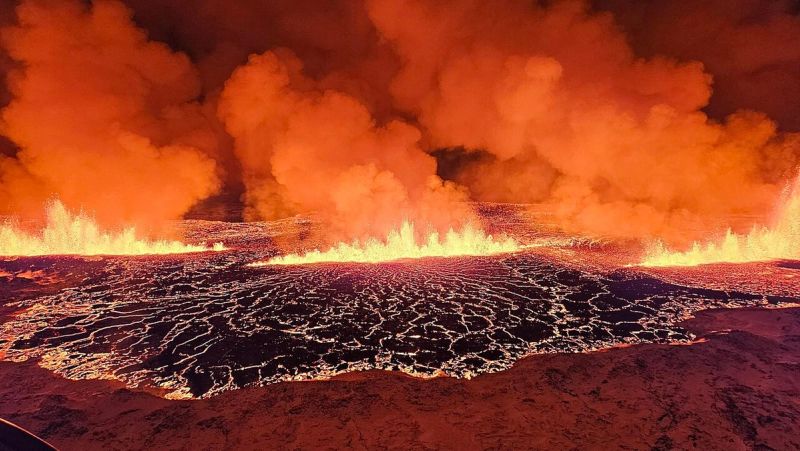
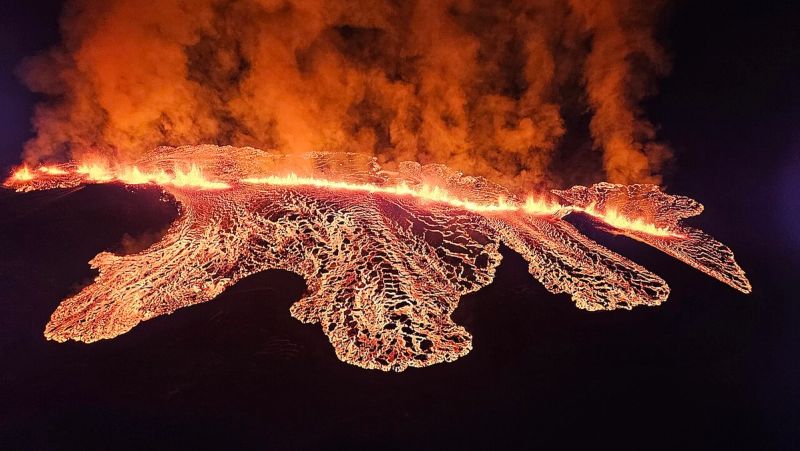
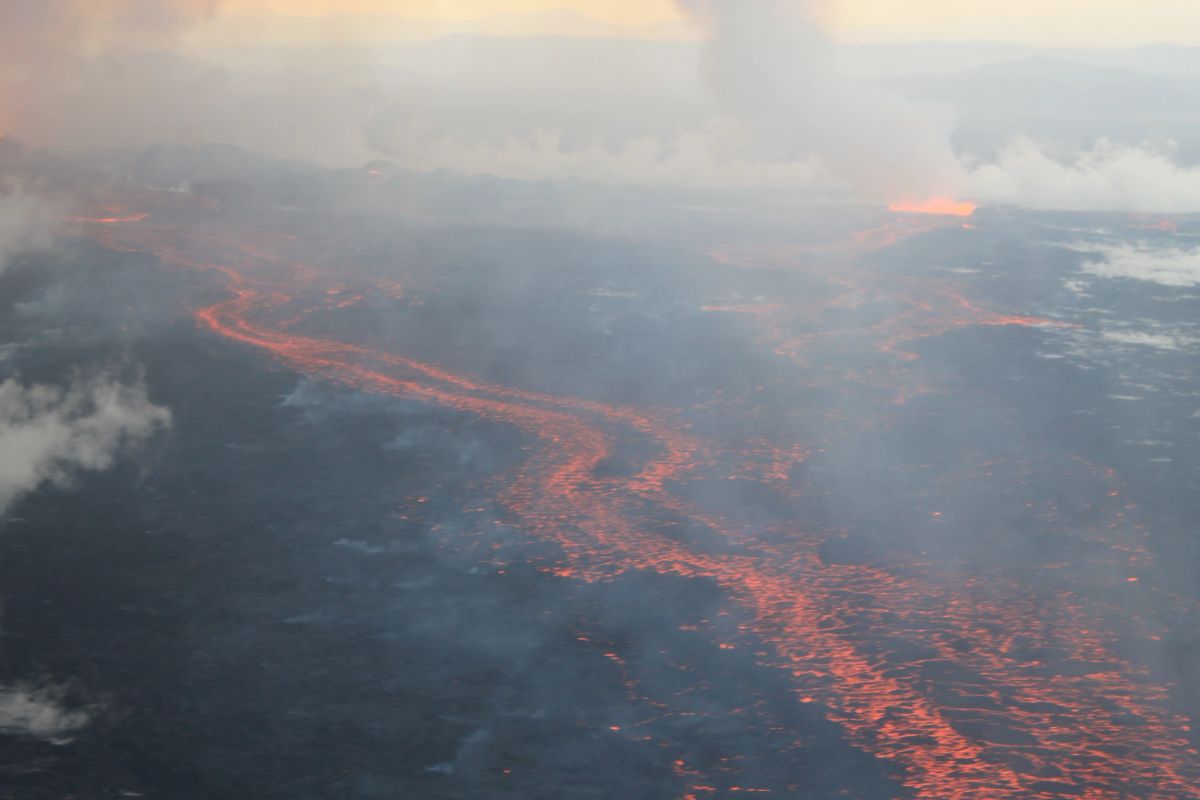
Iceland has experienced several major eruptions in recent decades. The 2010 Eyjafjallajökull eruption disrupted air travel across Europe. The 2021–2023 Fagradalsfjall eruptions on the Reykjanes Peninsula attracted thousands of visitors to witness glowing lava flows up close. These accessible eruptions created a new form of volcanic tourism, allowing people to safely hike to active lava fields.
Best Time to Visit Volcanic Sites
Year-round access is available to most coastal volcanic sites like Eyjafjallajökull, Hekla (from a distance), and Krafla. Highland volcanoes like Askja, Laki, and Bárðarbunga are only accessible in summer (July–September) when F-roads open. Active eruptions can occur at any time — check safetravel.is for current volcanic activity and safety warnings before visiting any volcanic area.


Eyjafjallajökull Volcano
The Volcano that Stopped Europe
Eyjafjallajökull became world famous after its massive eruption in April 2010 disrupted air travel across Europe for weeks, stranding millions of passengers. The name means "Island Mountain Glacier" — the volcano is covered by an ice cap and sits on Iceland's South Coast. Despite the global disruption, the volcano is relatively small by Icelandic standards. The glacier and black sand landscapes surrounding it are now accessible via super jeep tours and hiking.
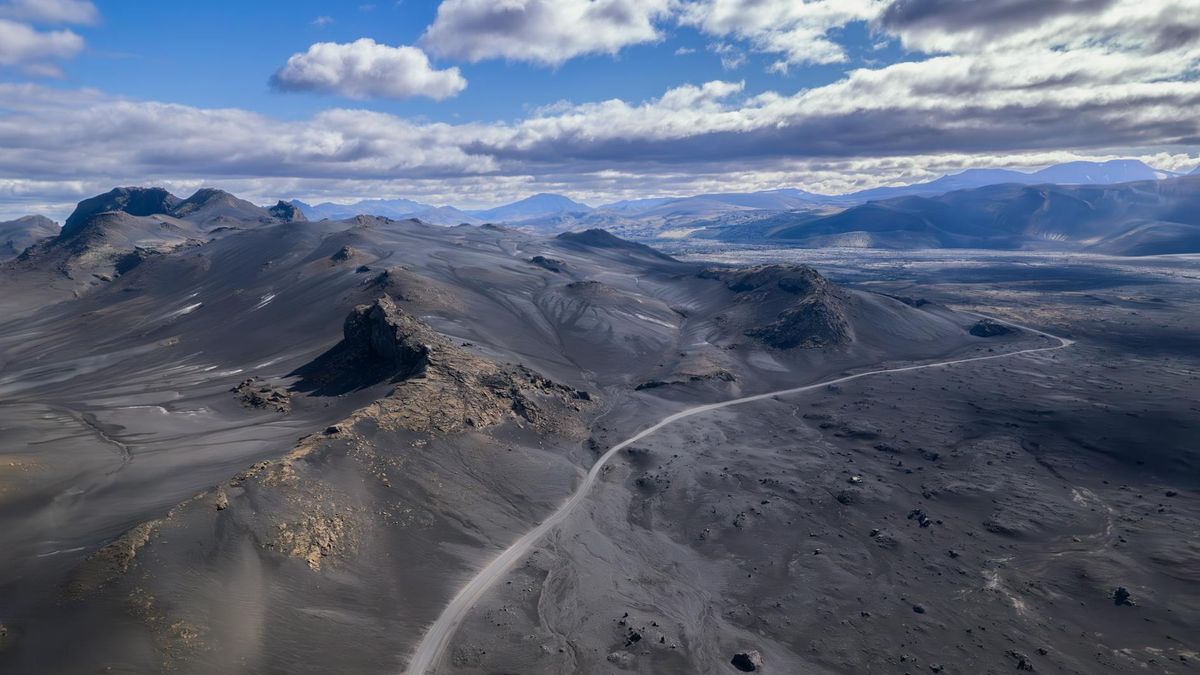

Hekla
One of Iceland's Most Active Volcanoes
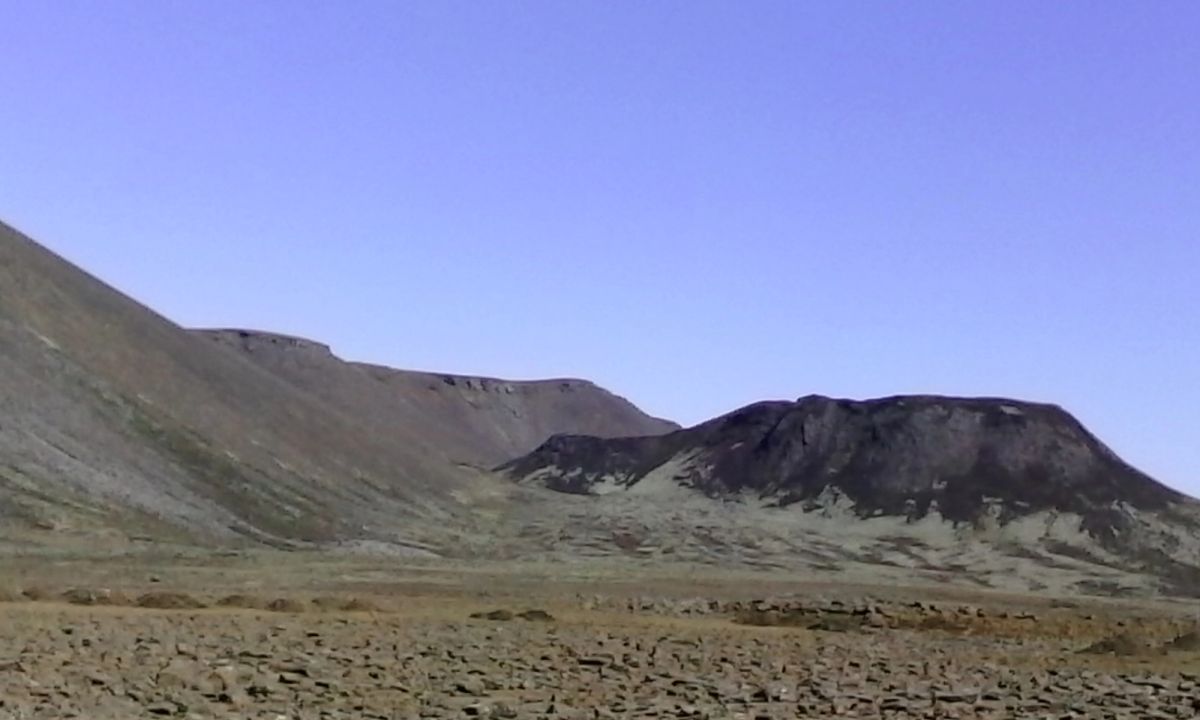
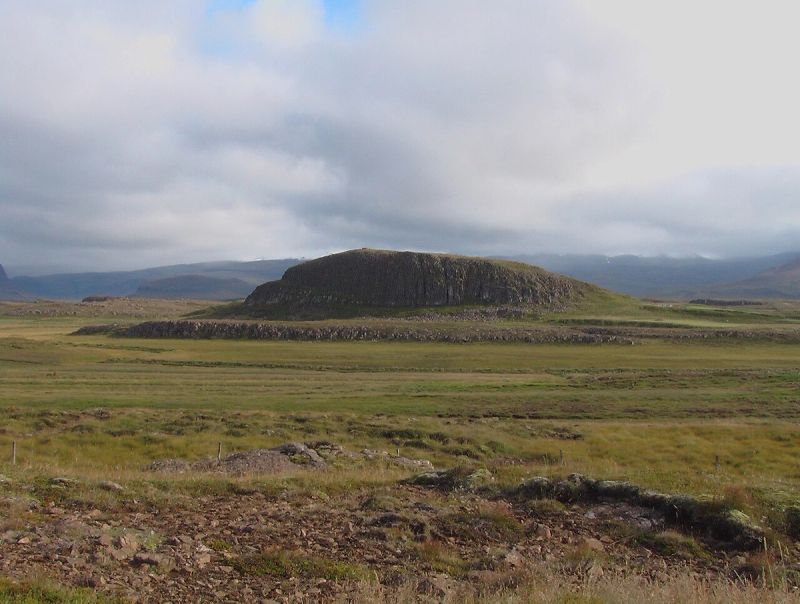
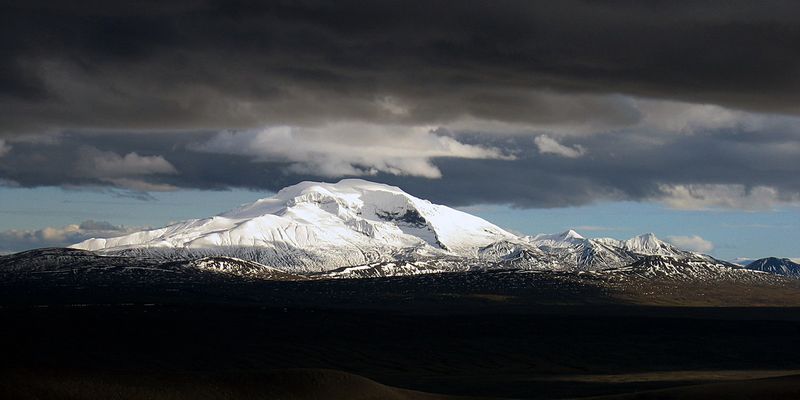
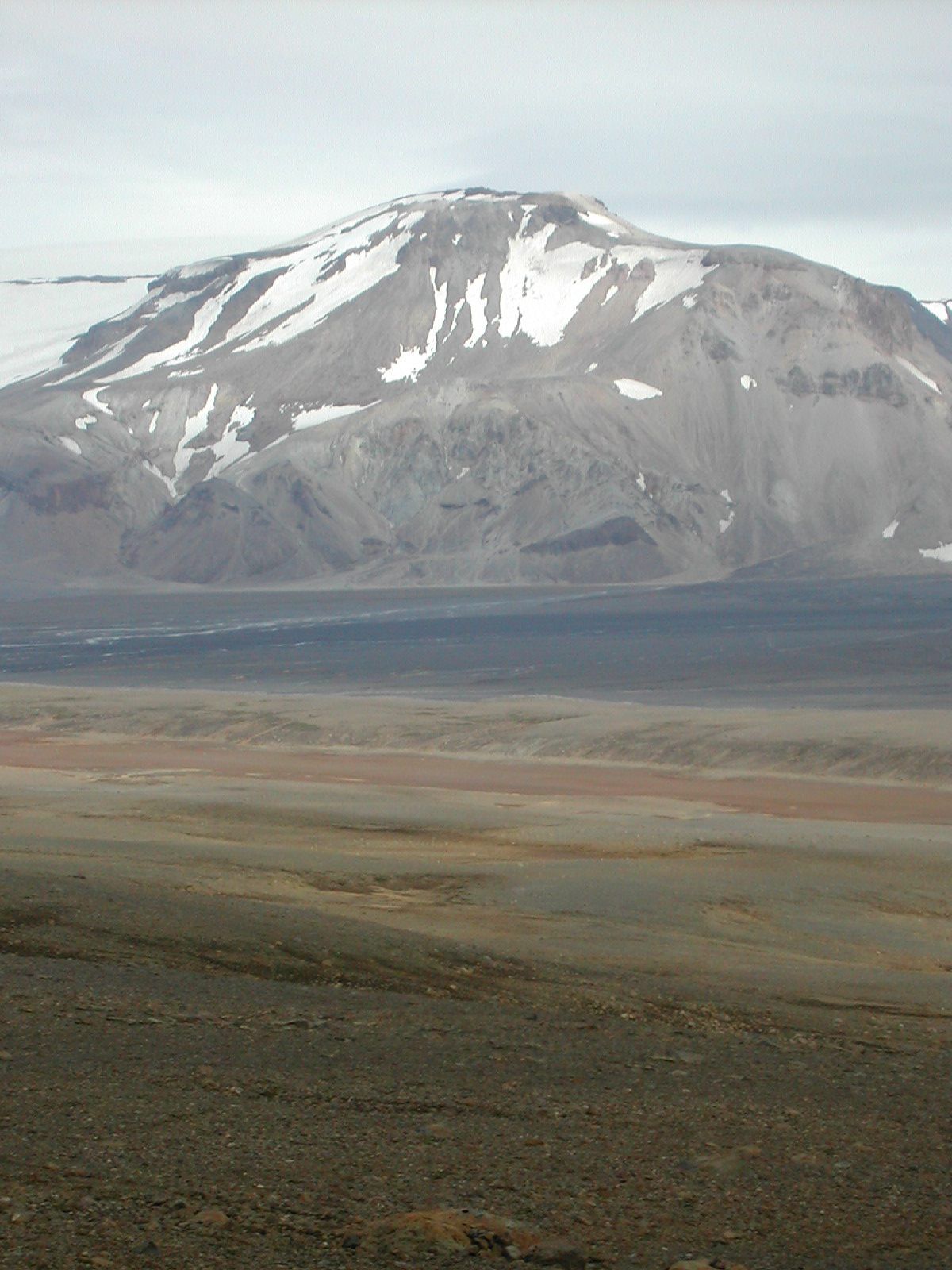
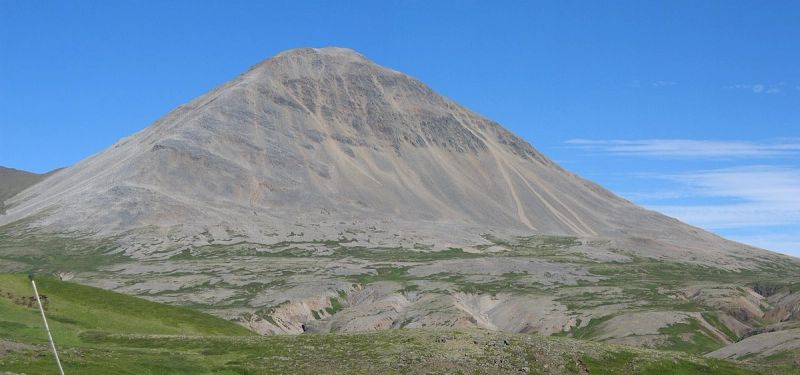
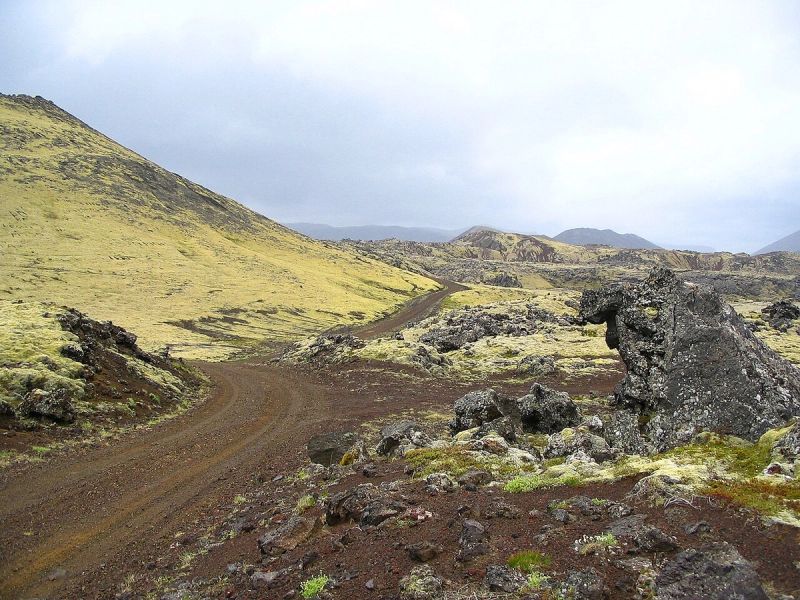
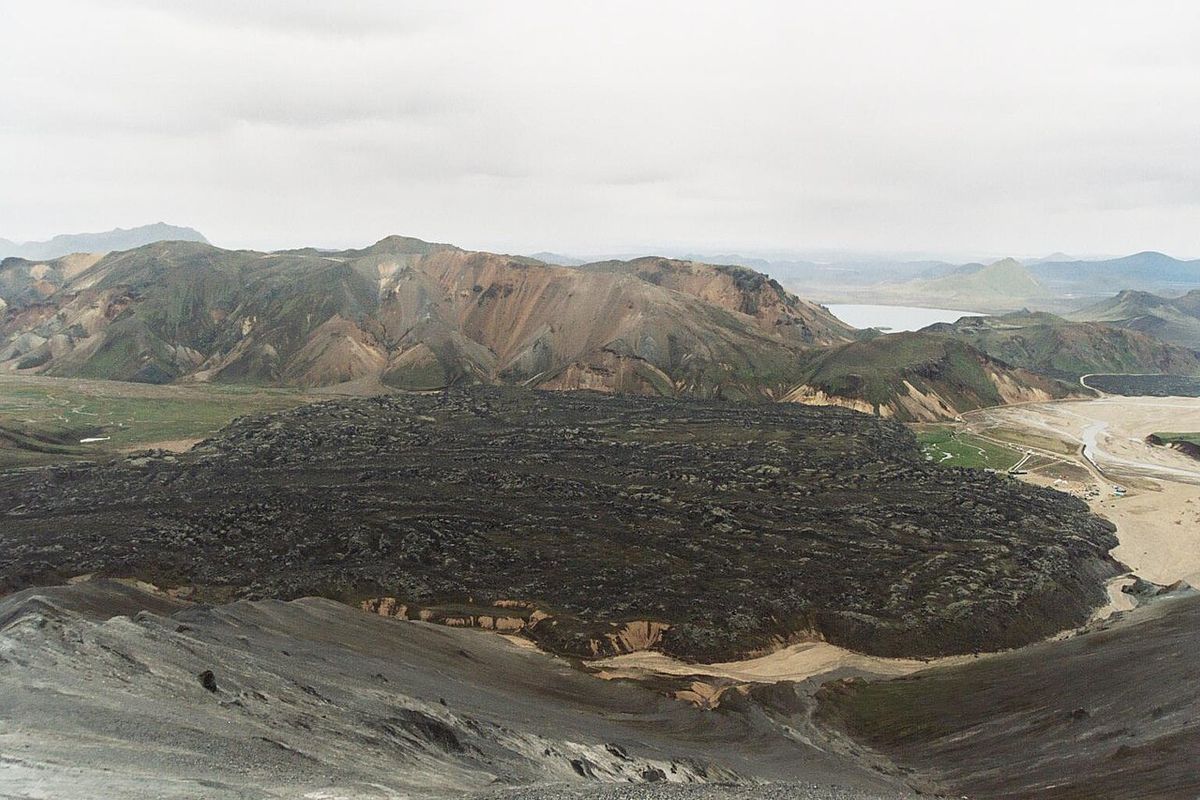
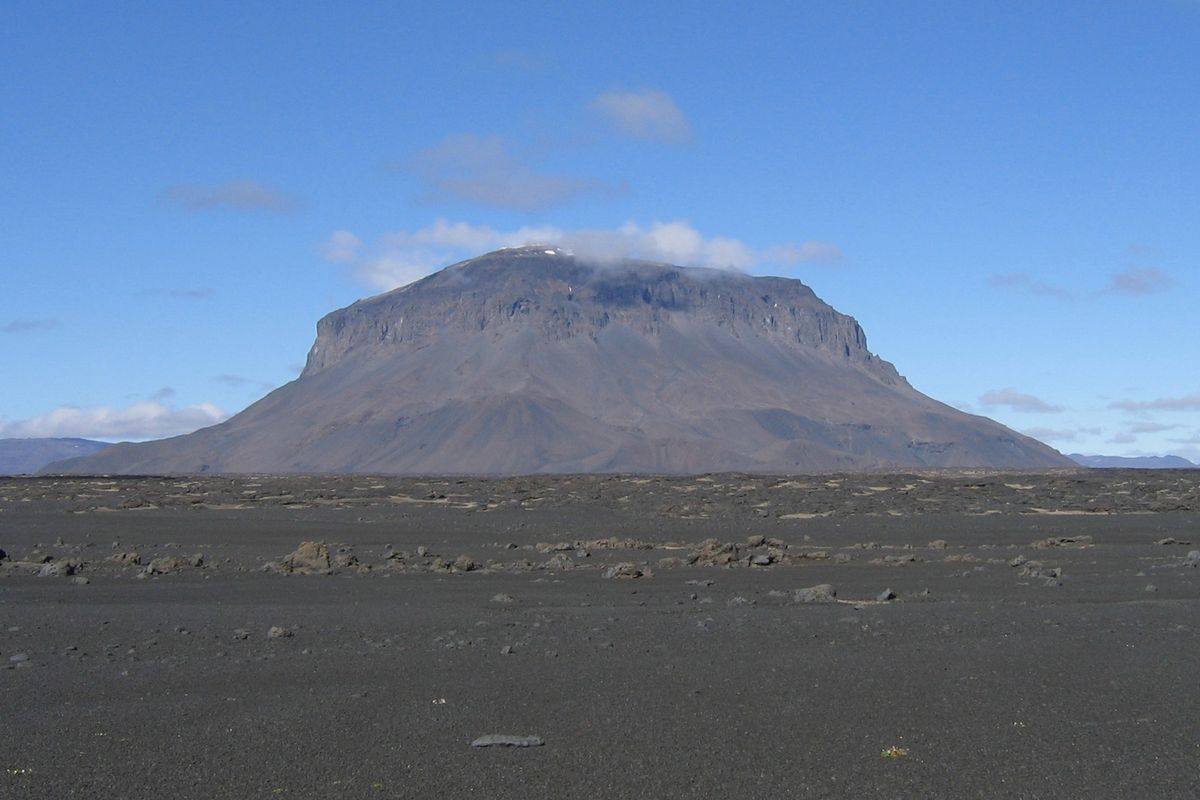
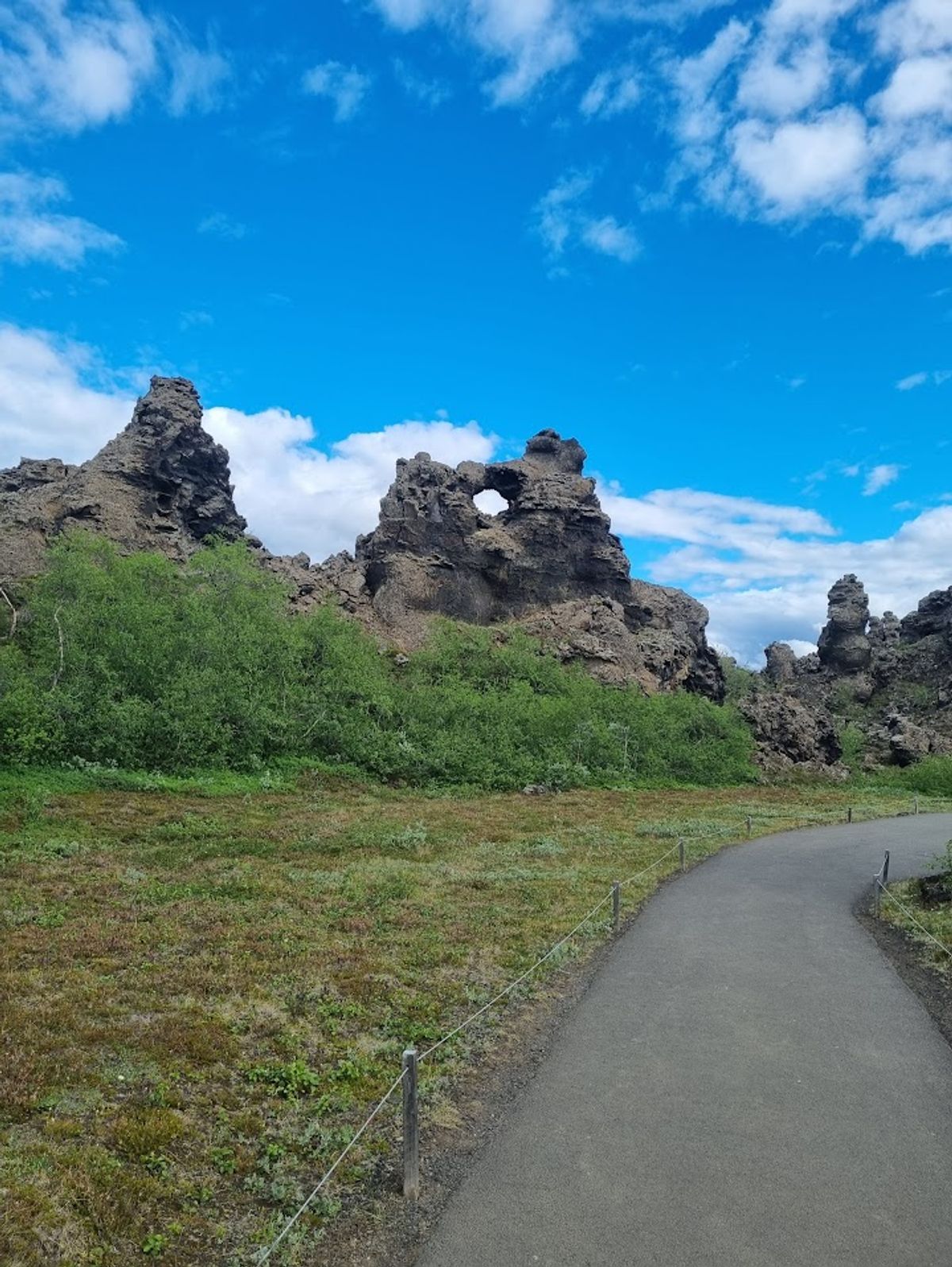
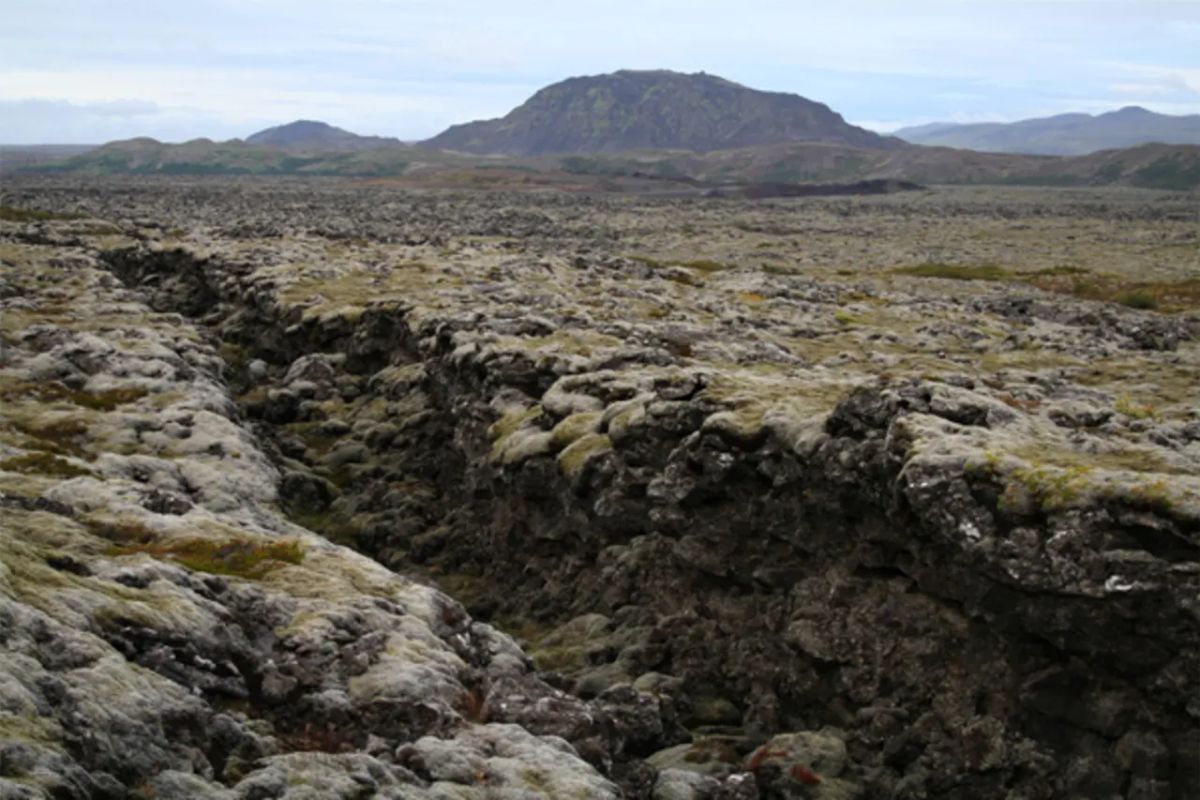
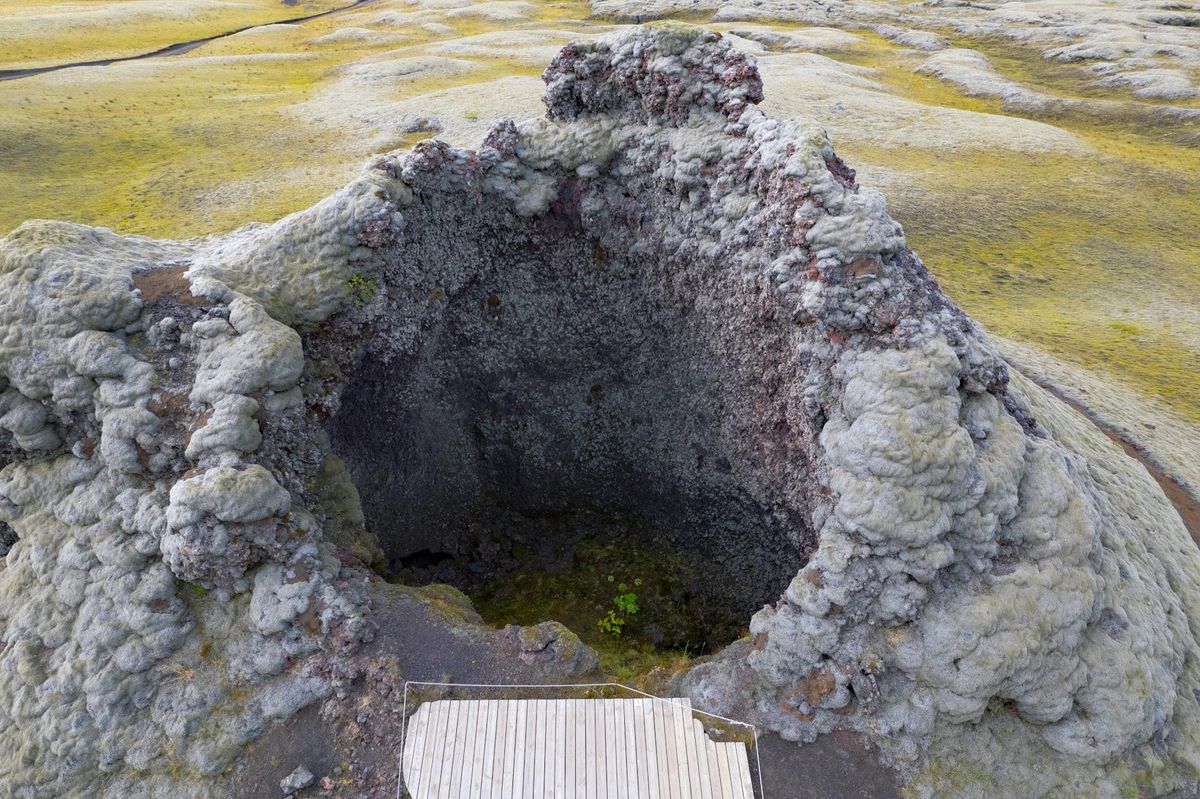
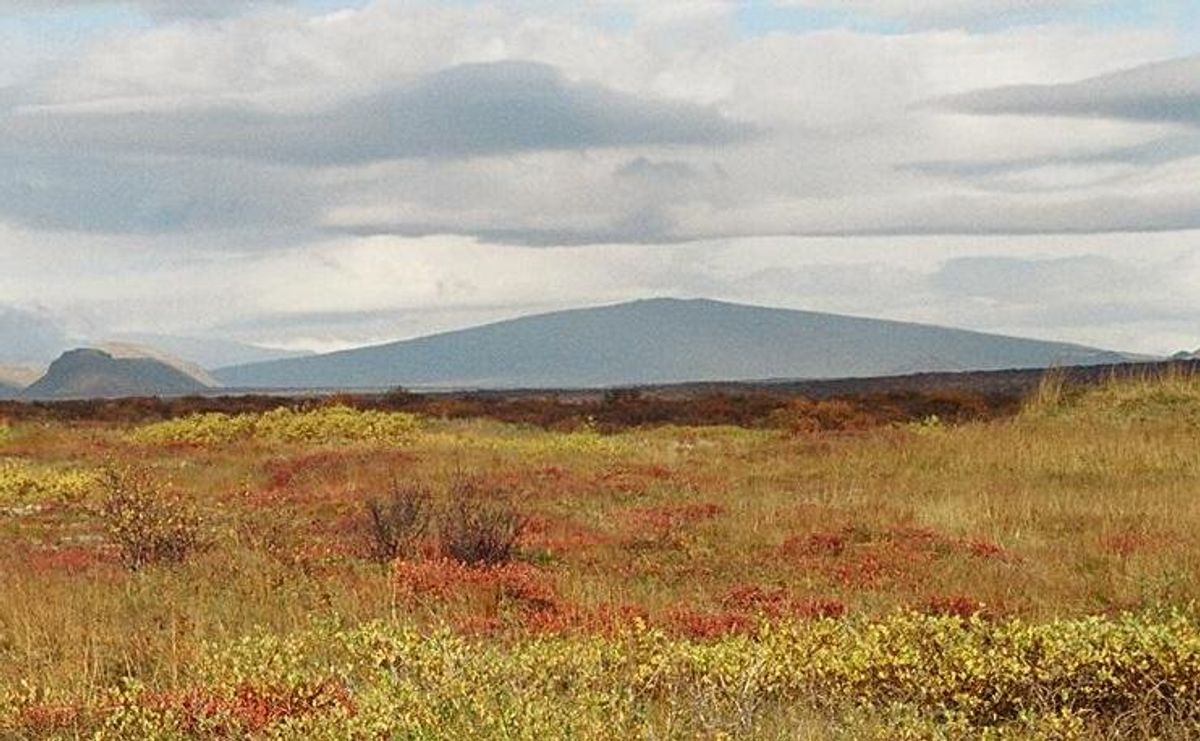
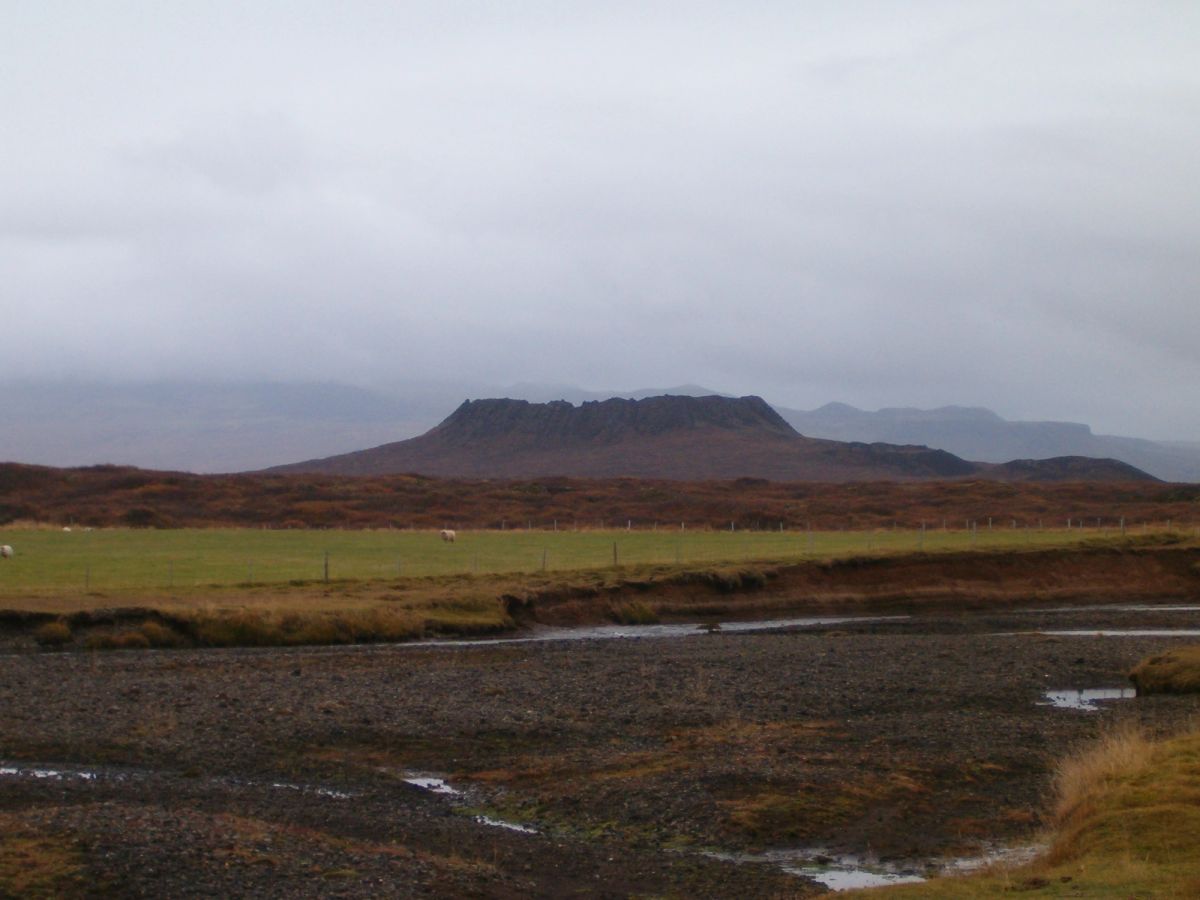
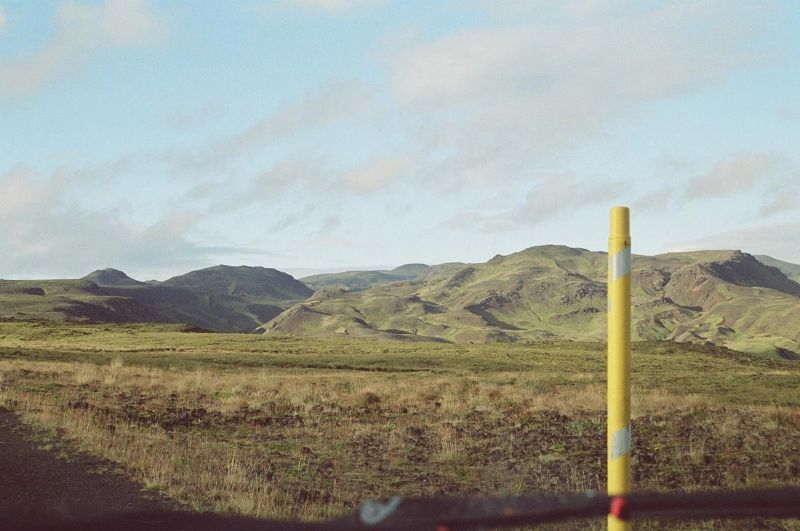
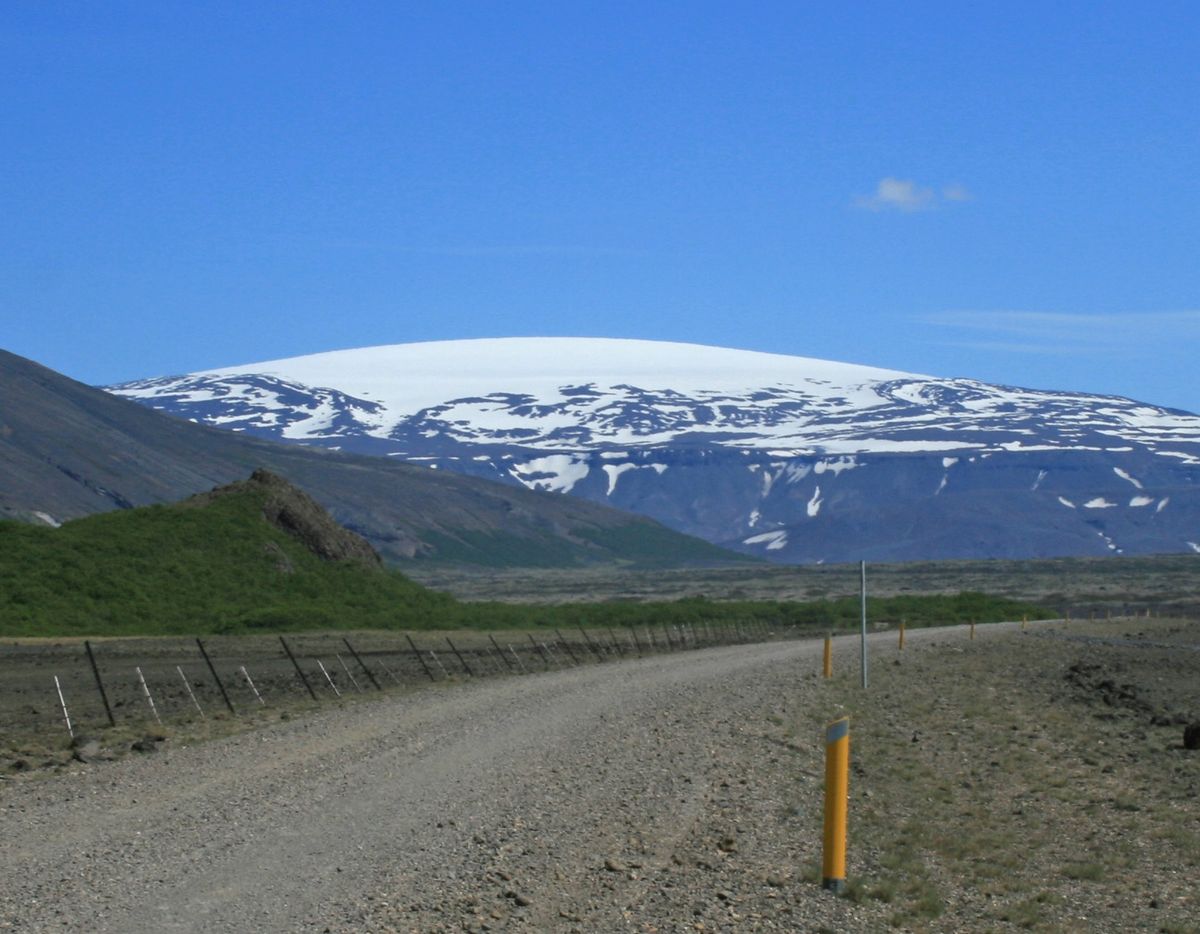
Hekla is a remarkable volcanic wonder in Highlands. This dramatic landscape was shaped by powerful volcanic forces over thousands of years. Visitors can witness the raw geological power of Iceland's volcanic heritage through dramatic lava fields, craters and unique rock formations.
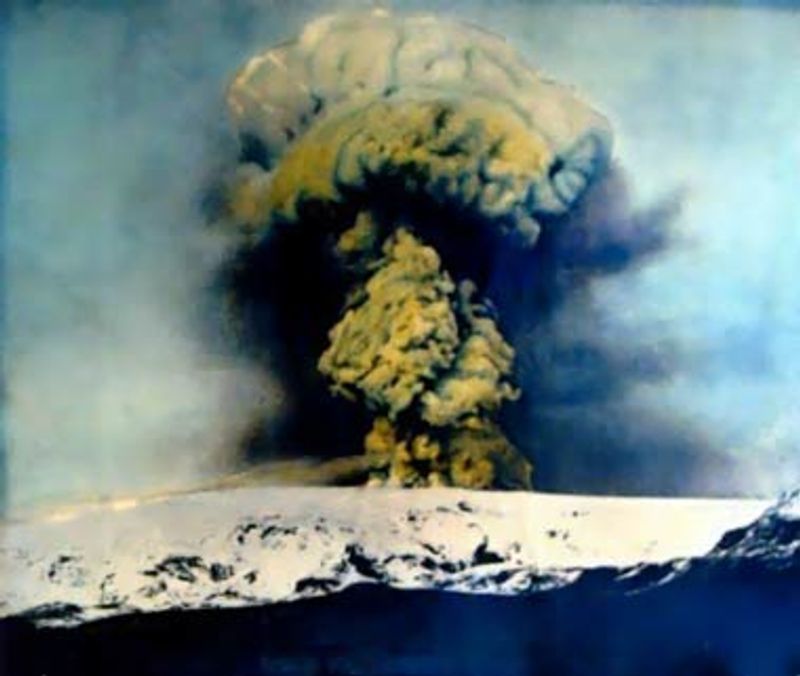

Katla
Iceland's Most Powerful Subglacial Volcano
Katla is a volcano in South Iceland, Iceland. Iceland sits on the Mid-Atlantic Ridge and has over 130 volcanic mountains, making it one of the most volcanically active places on Earth.
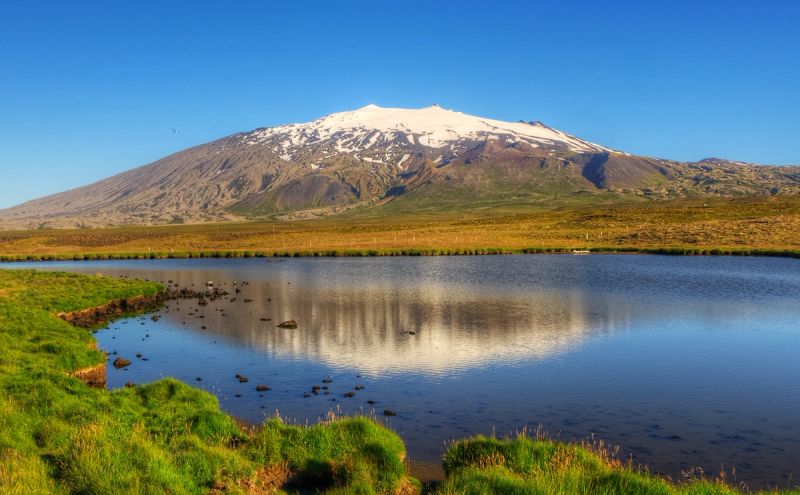

Snæfellsjökull Volcano
Jules Verne's Gateway to the Center of the Earth
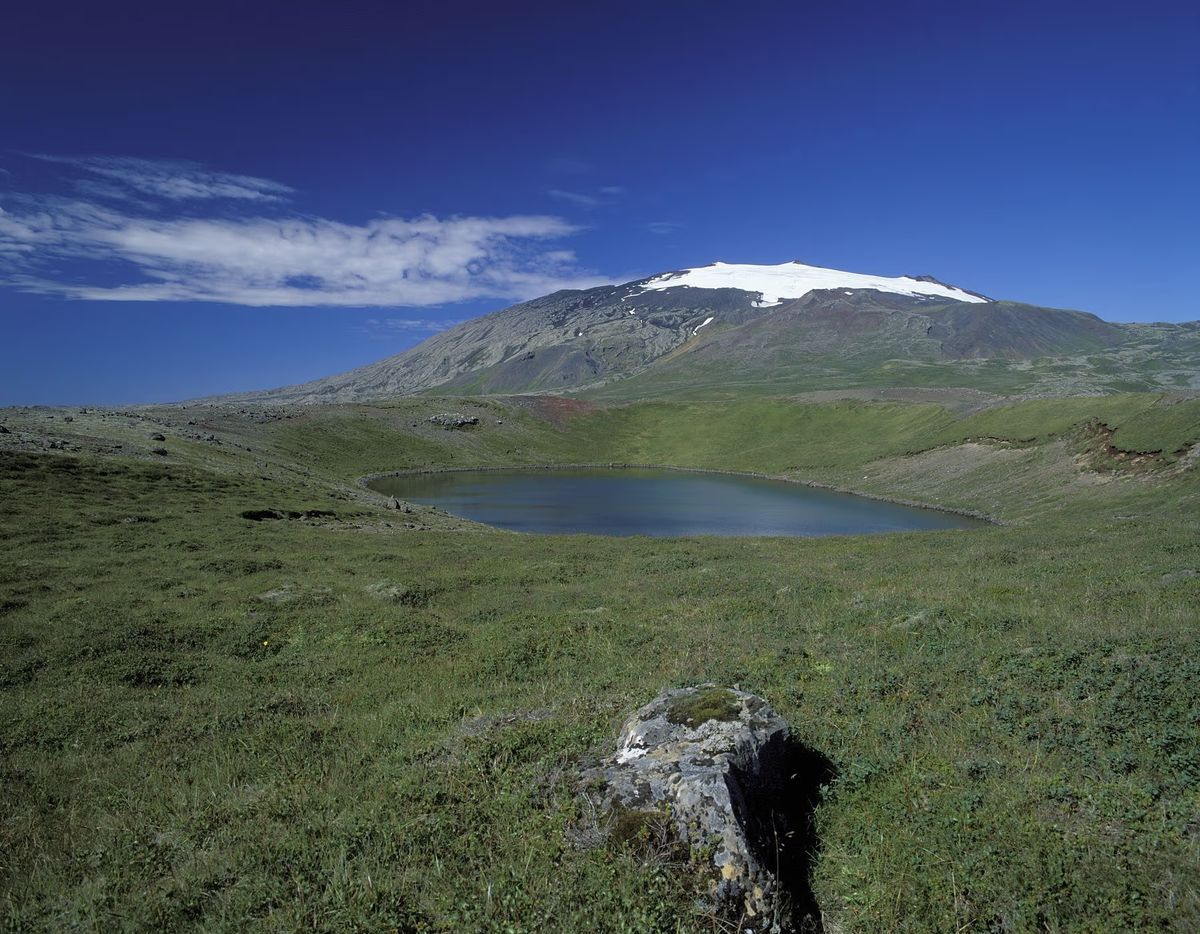
Snæfellsjökull is a glacier-covered stratovolcano located at the western tip of the Snæfellsnes Peninsula. The volcano became world famous as the entry point in Jules Verne's novel "Journey to the Center of the Earth". On clear days, the peak is visible from Reykjavík, over 120km away. The volcano lies within Snæfellsjökull National Park and is considered one of the most mystical places in Iceland.
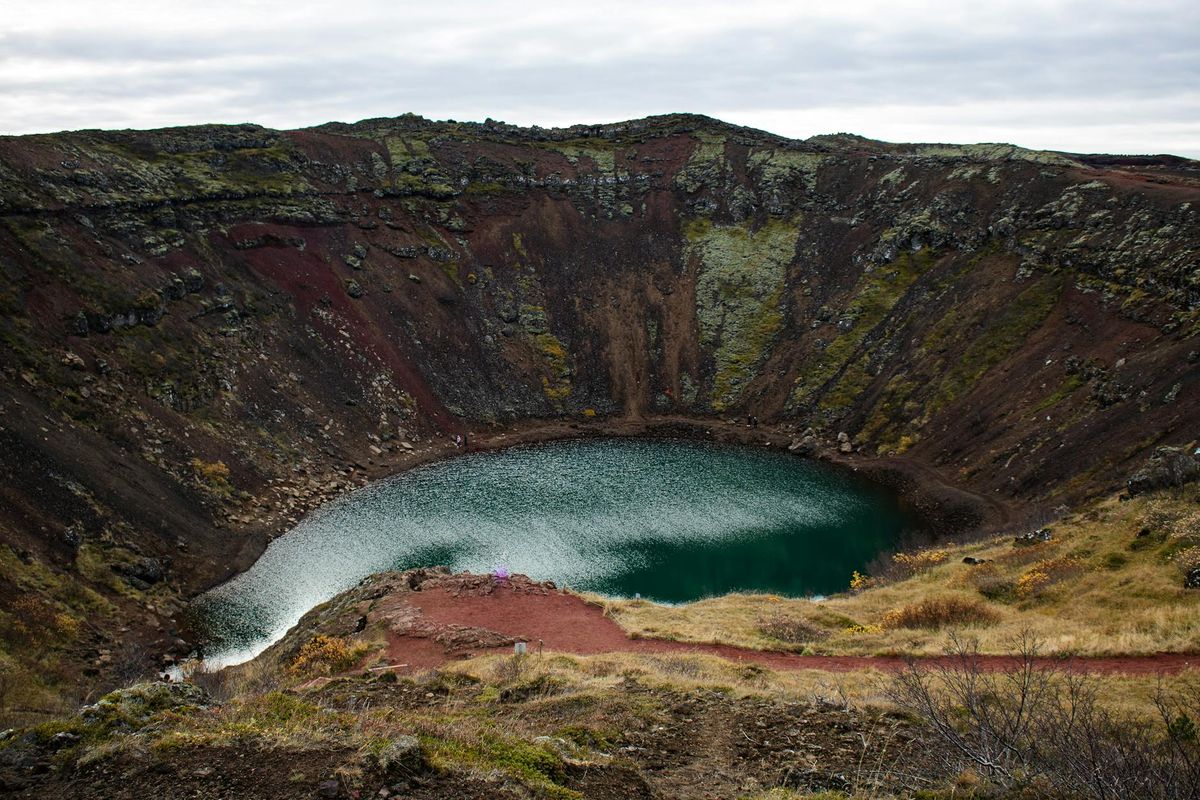
Askja Caldera
Remote Highland Caldera Lake
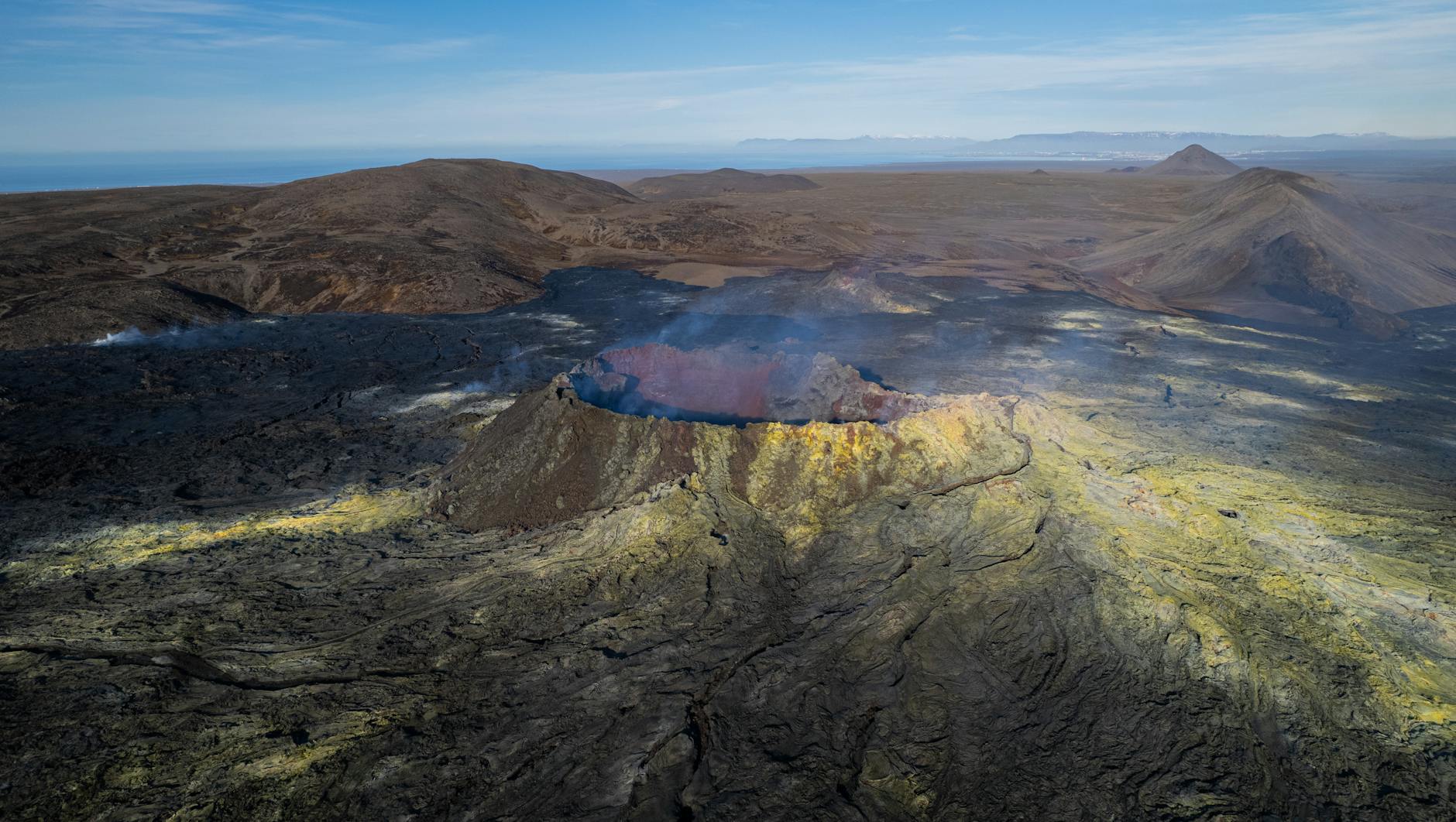
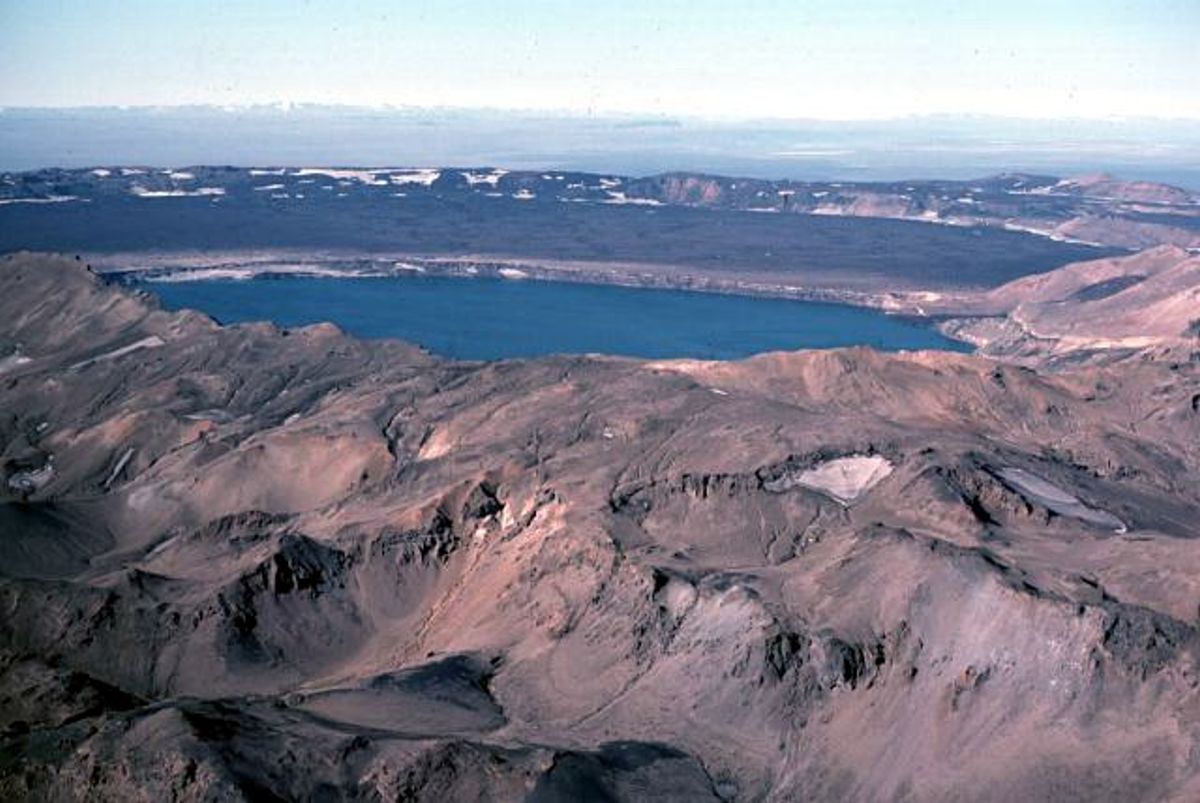
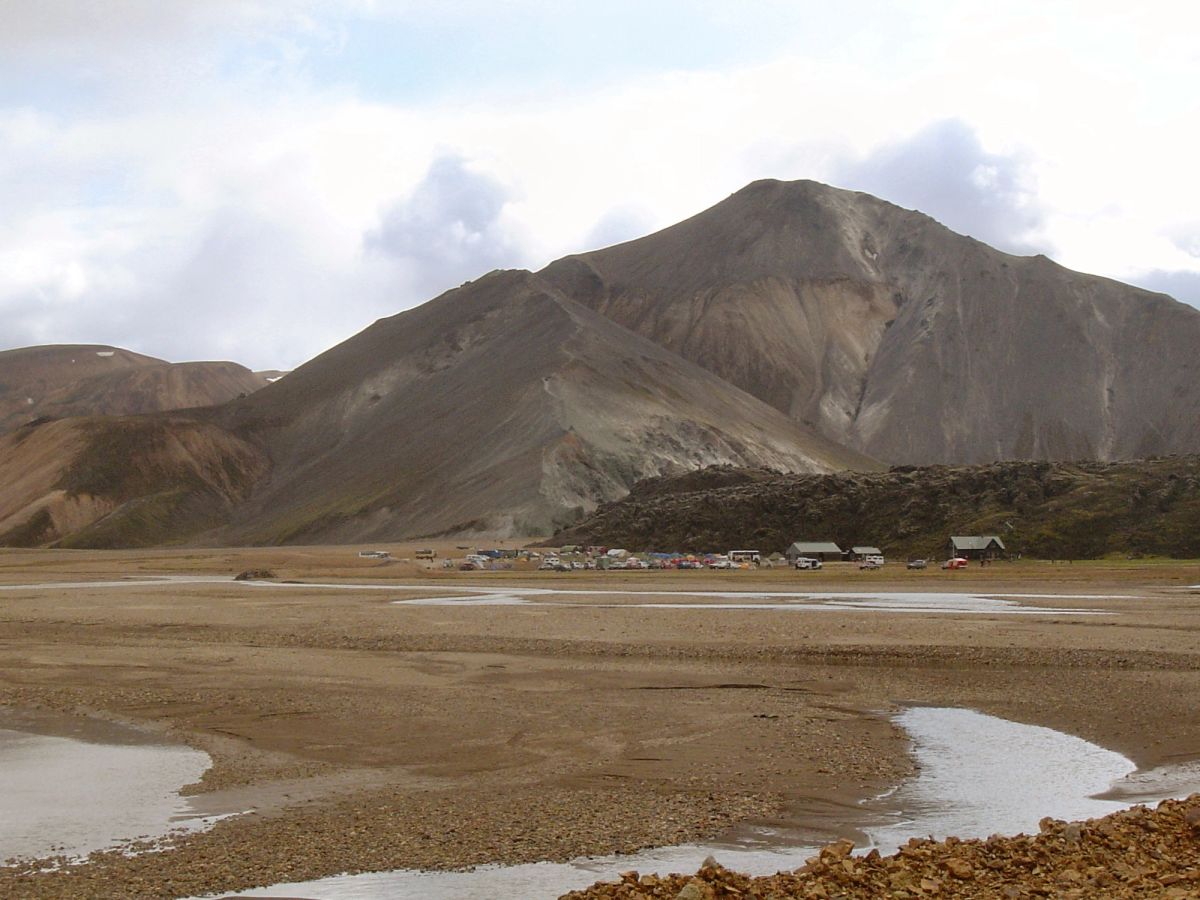
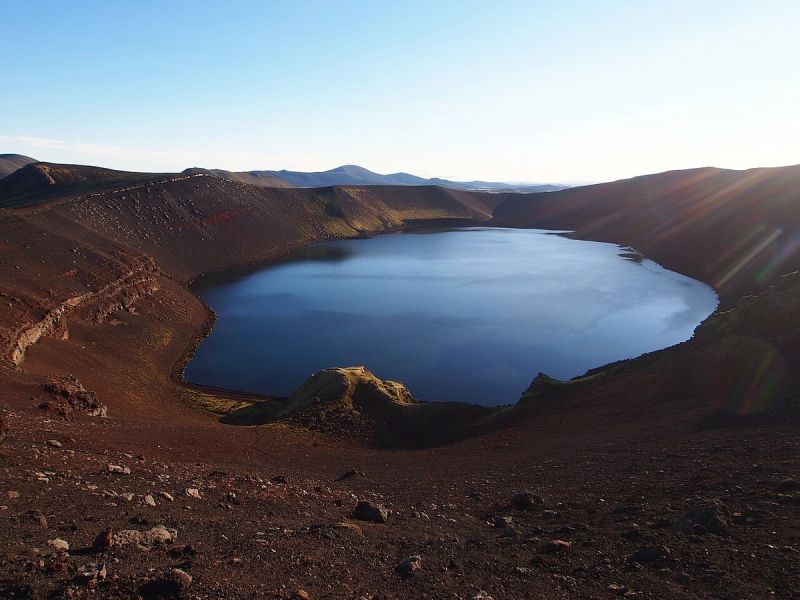
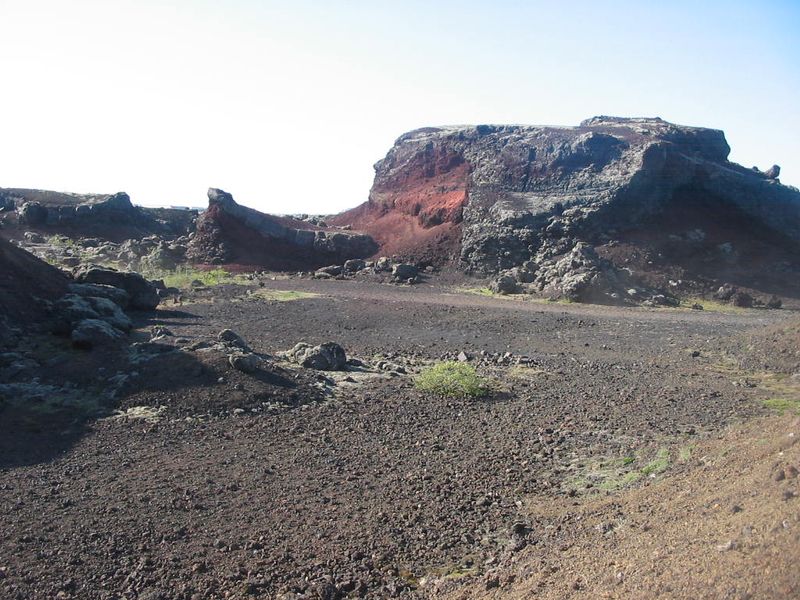
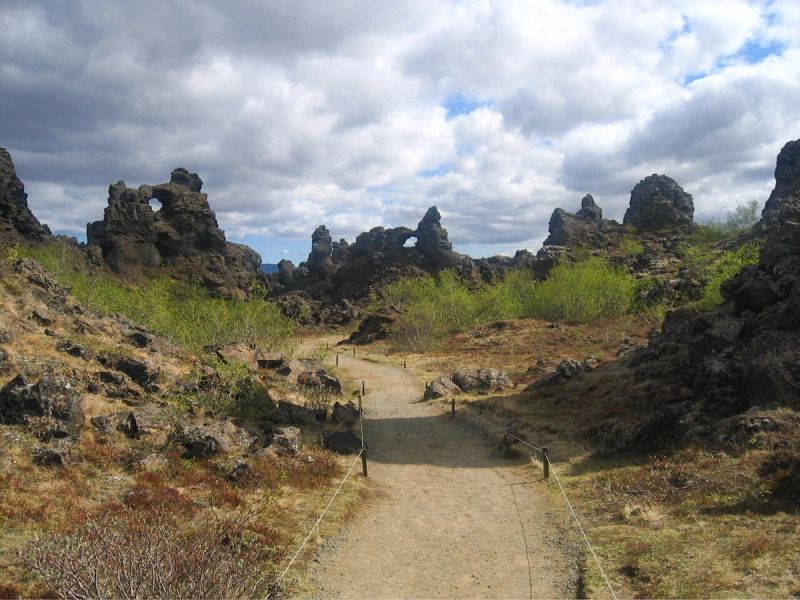
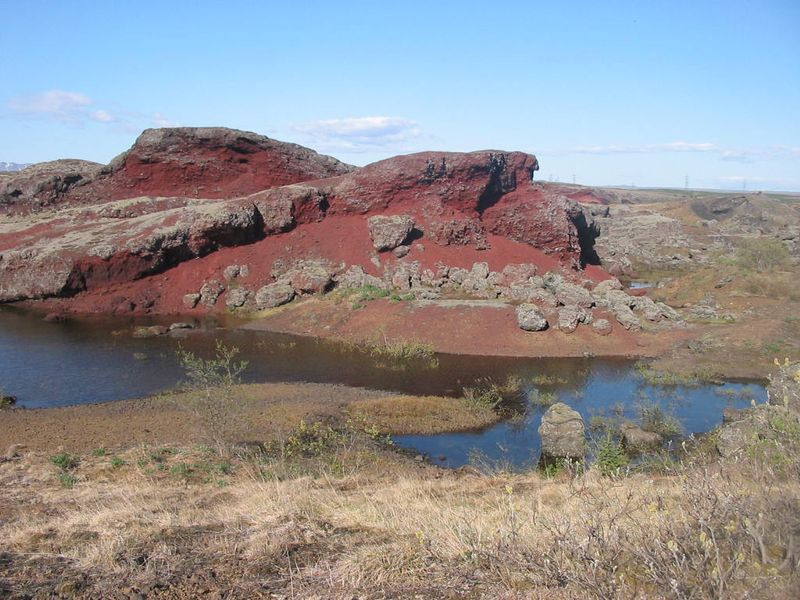
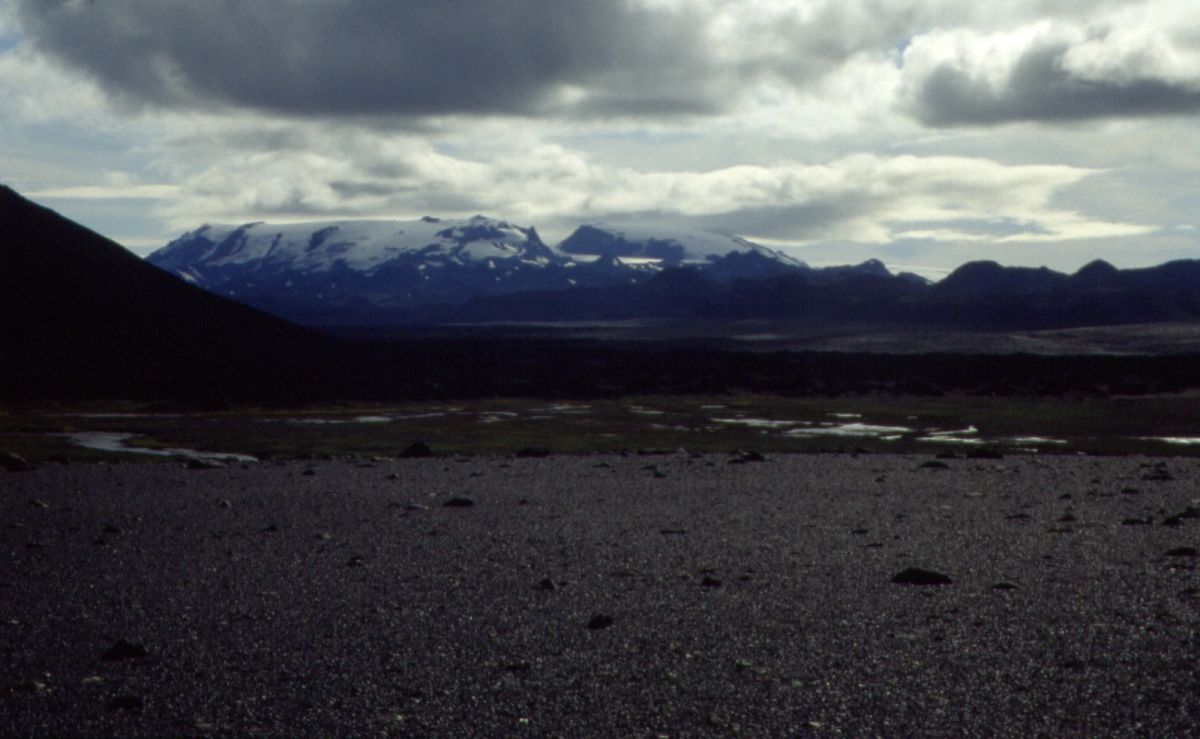
Askja Caldera is a remarkable volcanic wonder in North Iceland. This dramatic landscape was shaped by powerful volcanic forces over thousands of years. Visitors can witness the raw geological power of Iceland's volcanic heritage through dramatic lava fields, craters and unique rock formations.

Krafla
North Iceland Volcanic Wonderland
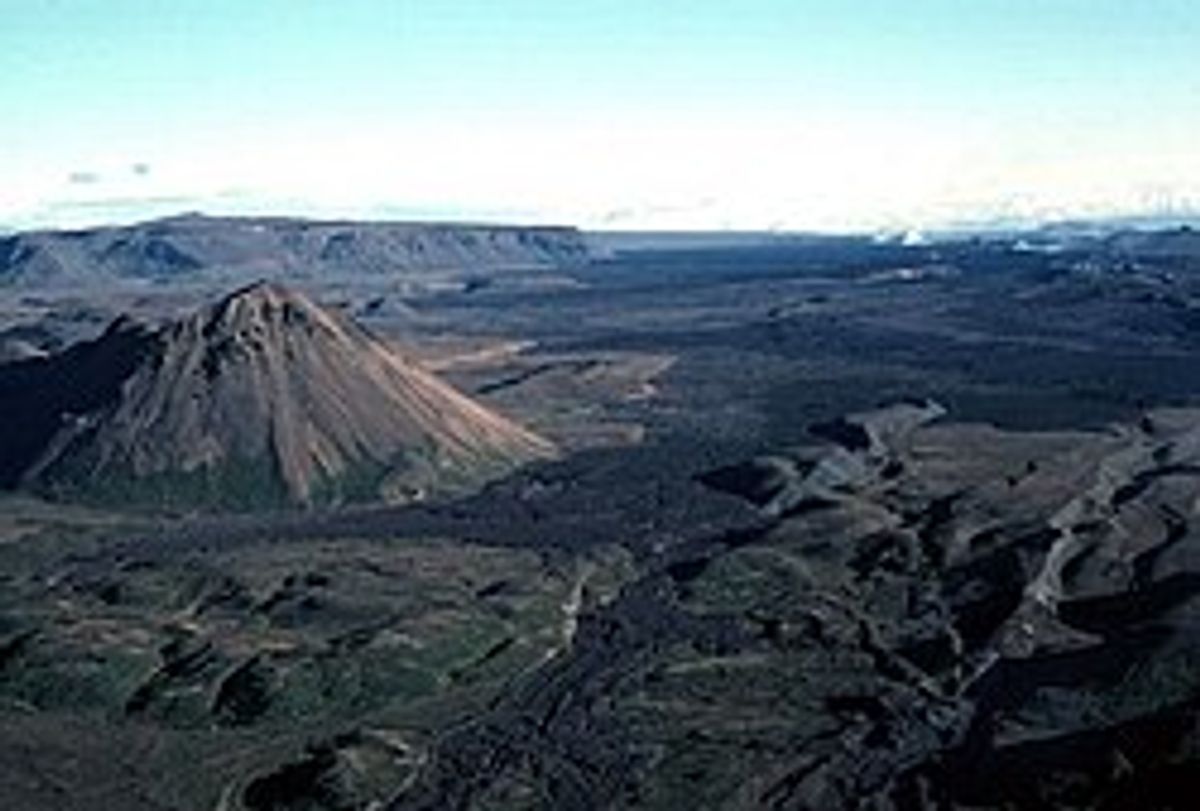
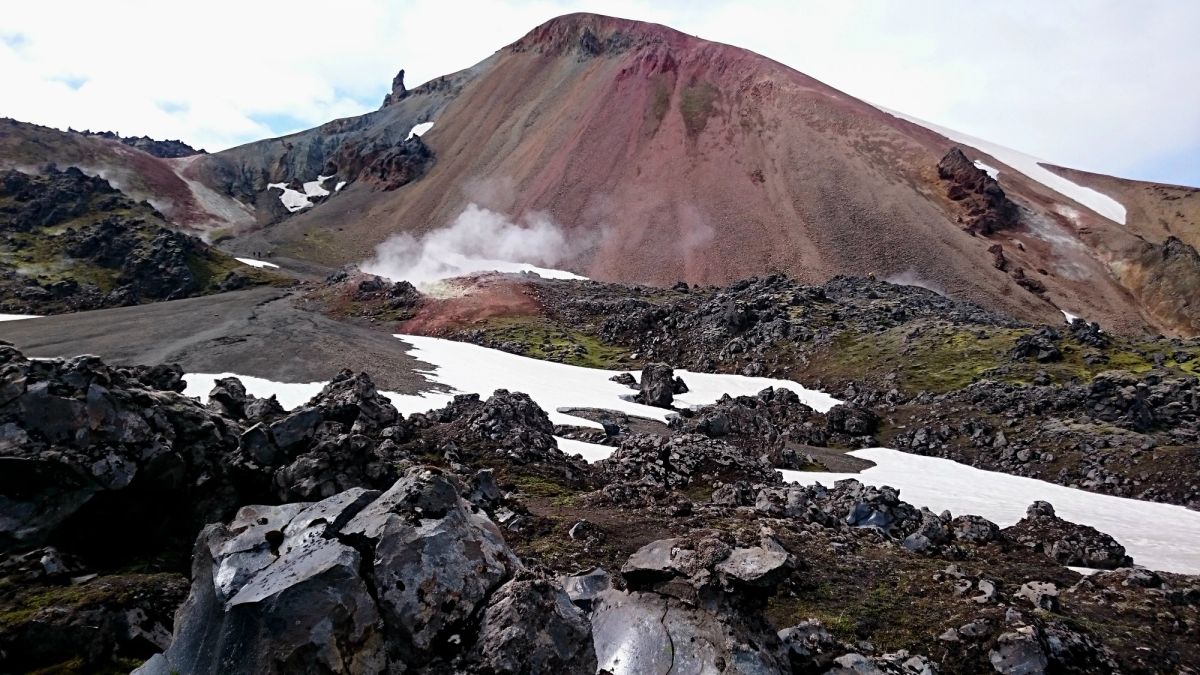
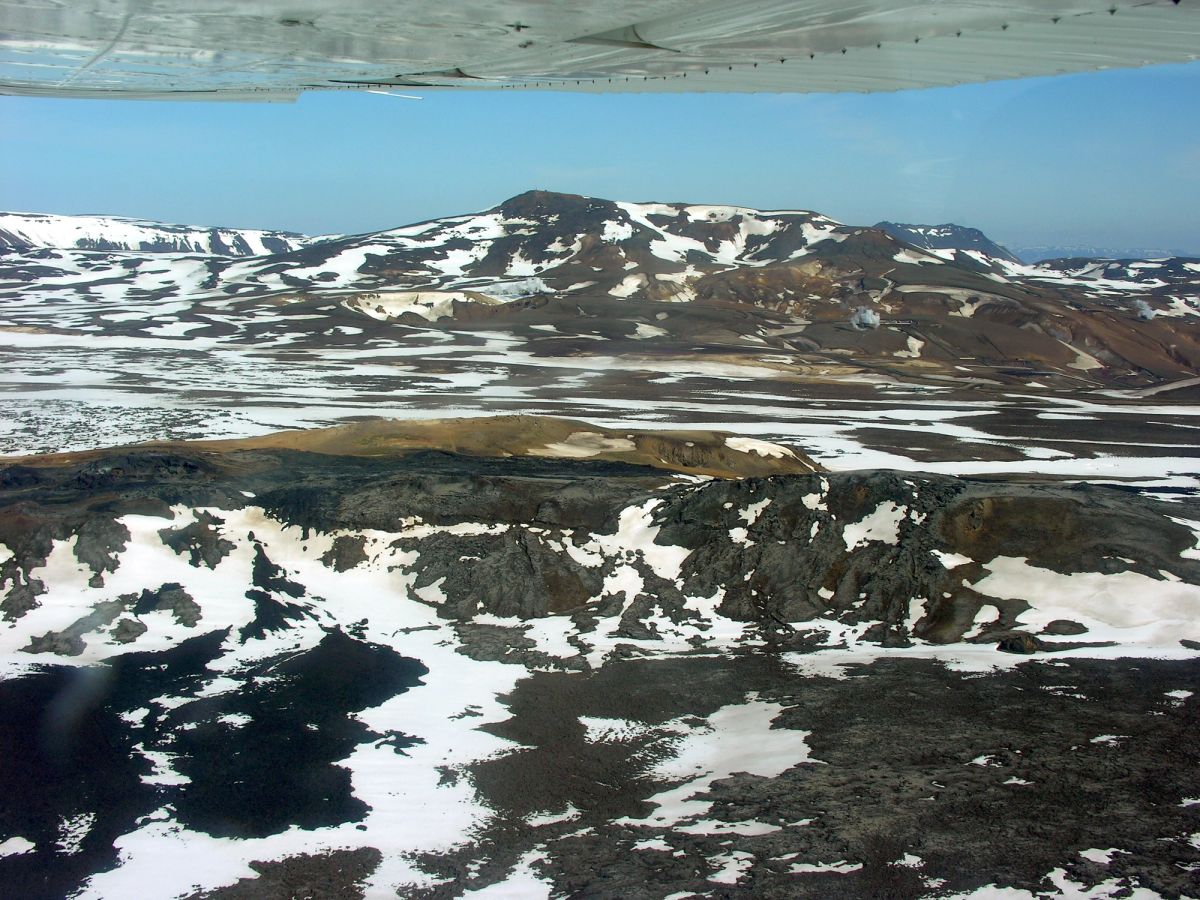
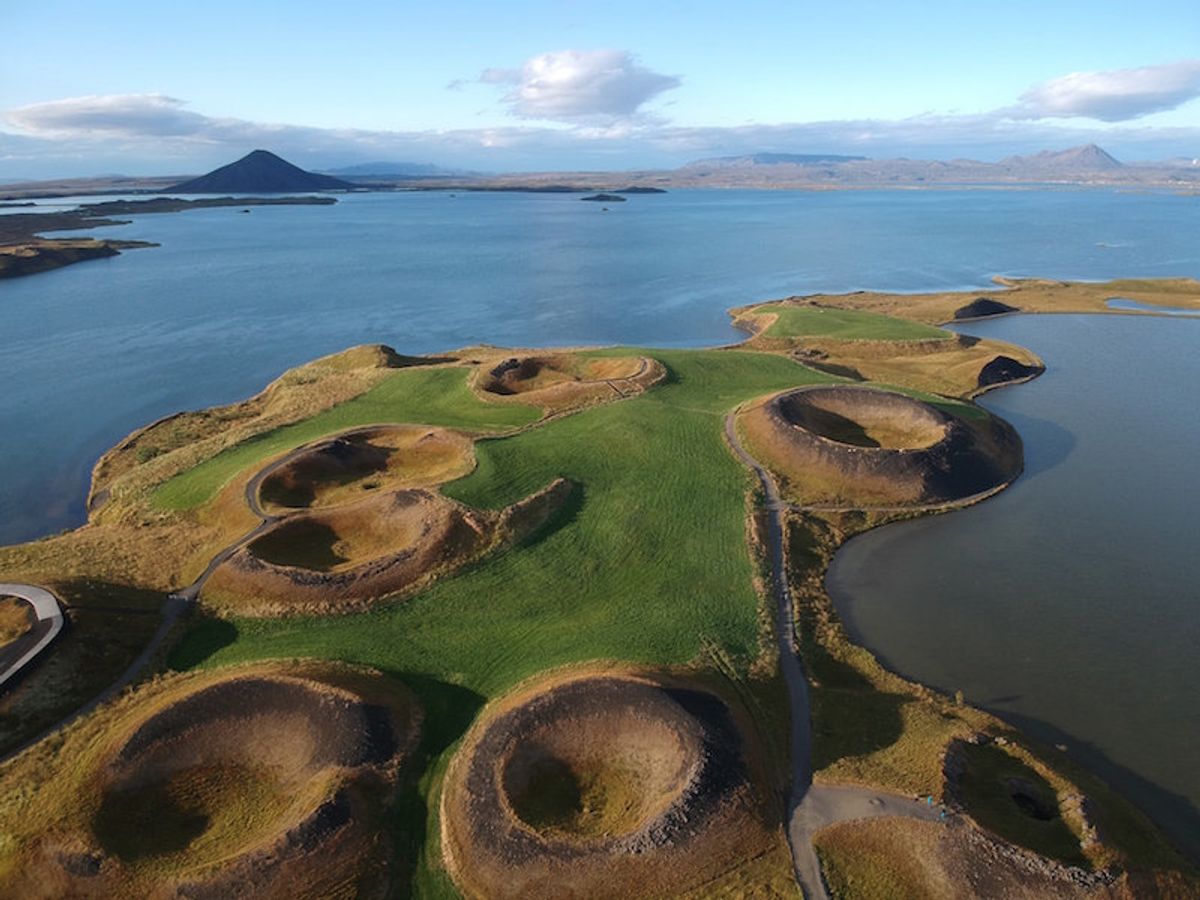
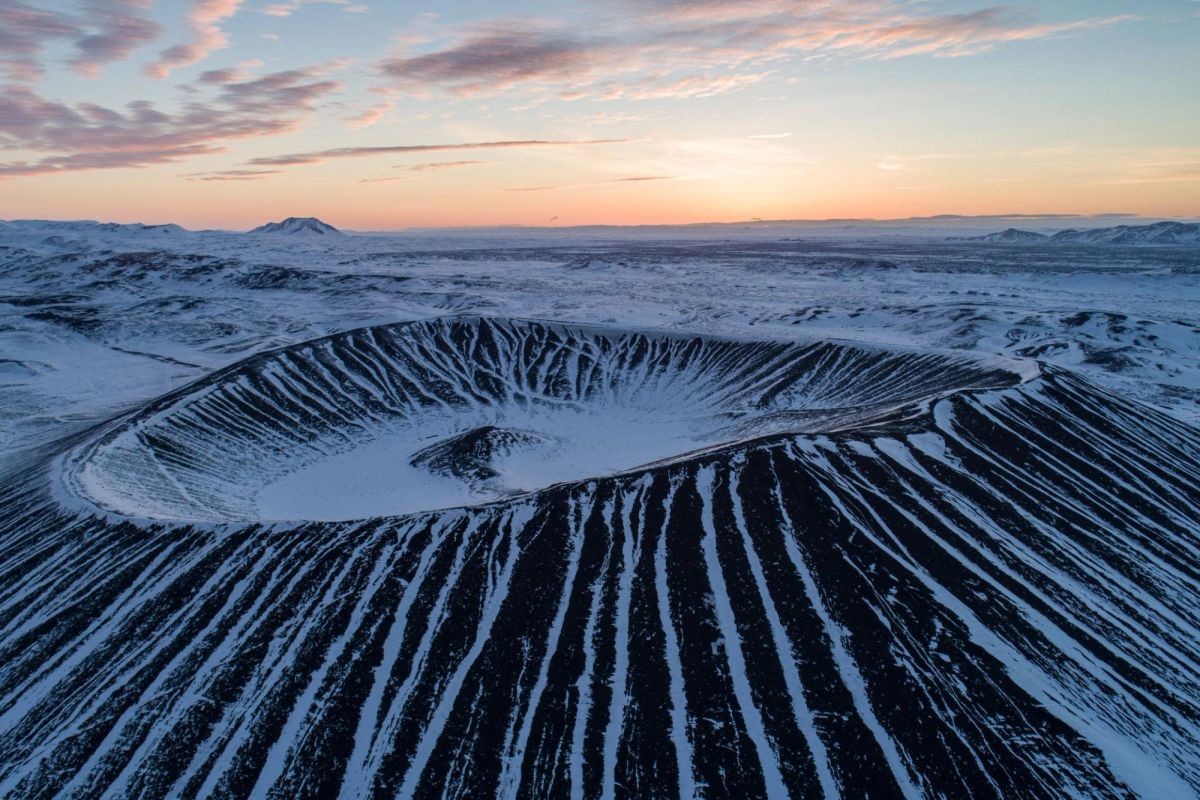
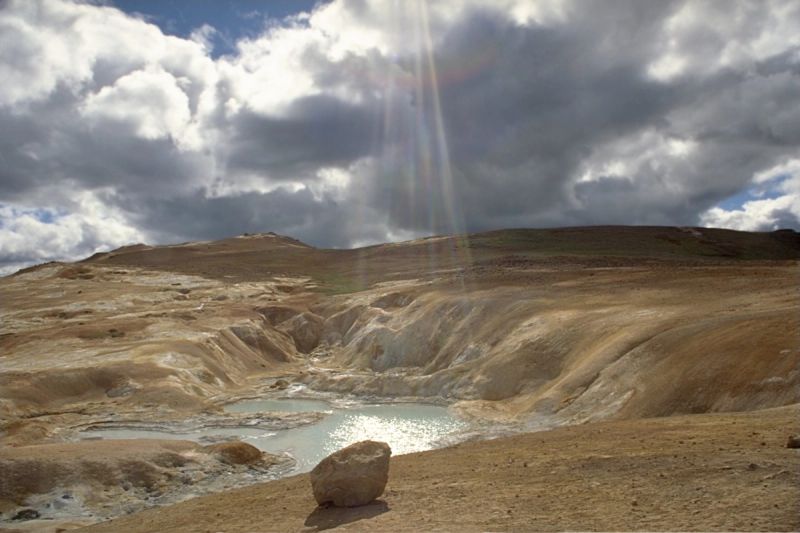
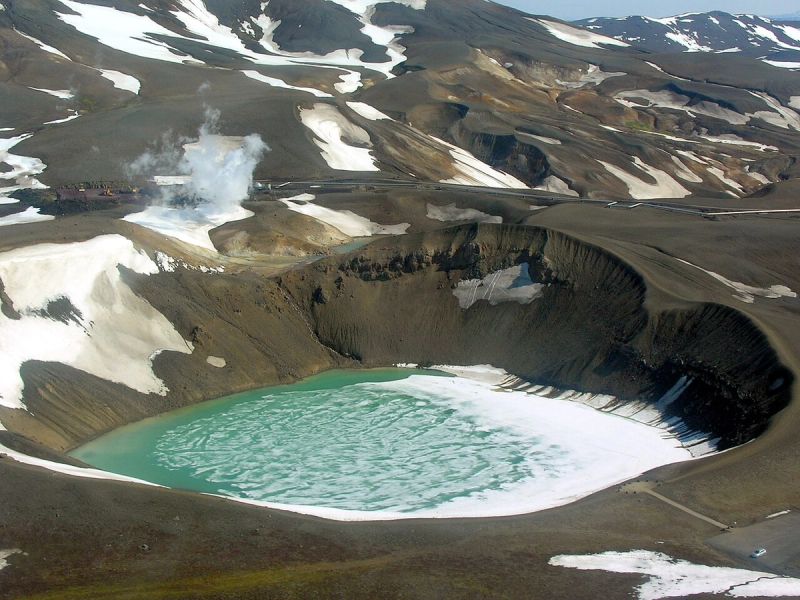
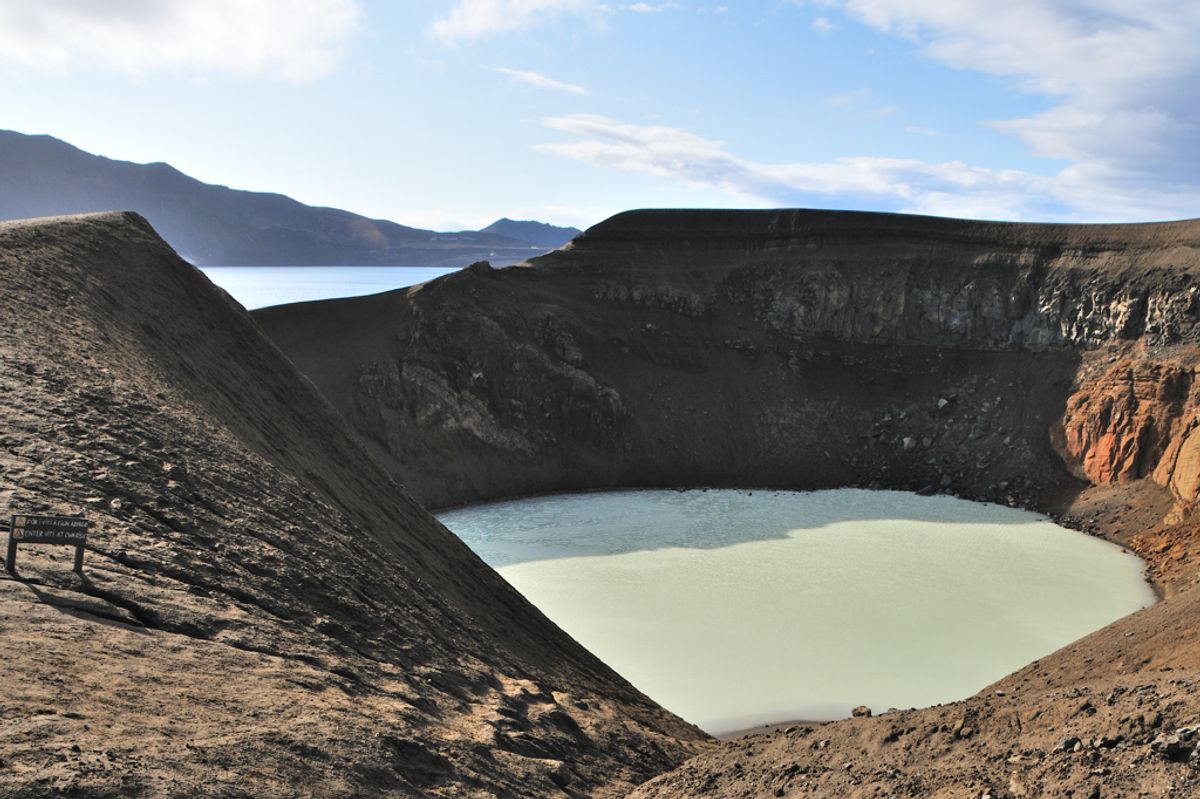
Krafla is an active volcanic caldera system in North Iceland, northeast of Lake Mývatn, that experienced a series of dramatic eruptions between 1975 and 1984 known as the Krafla Fires. The area features the striking Víti crater lake — a turquoise geothermal pool inside a volcanic crater — the active Leirhnjúkur lava field, and views across steaming, colourful geothermal terrain. It remains one of Iceland's most volcanically dynamic landscapes.

Bárðarbunga
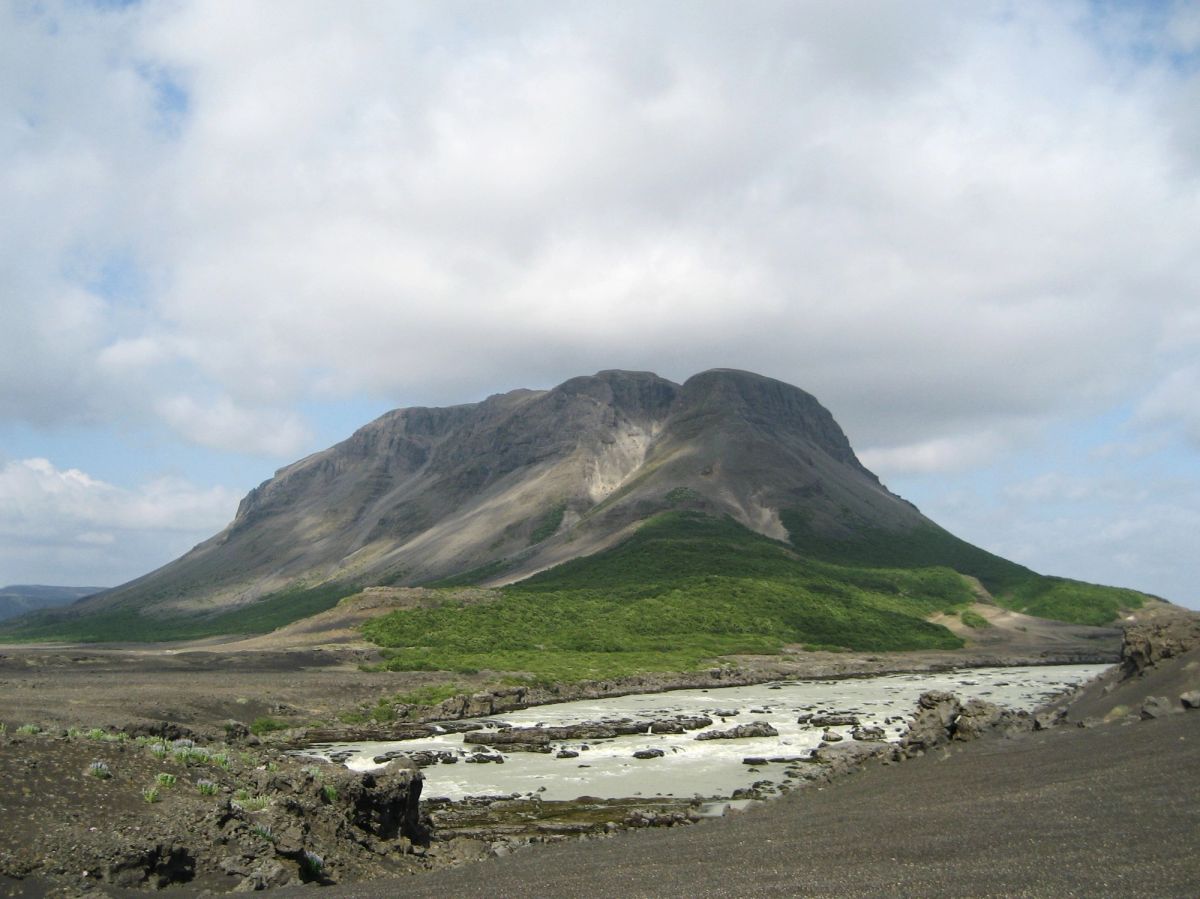
Iceland's Largest Volcanic System
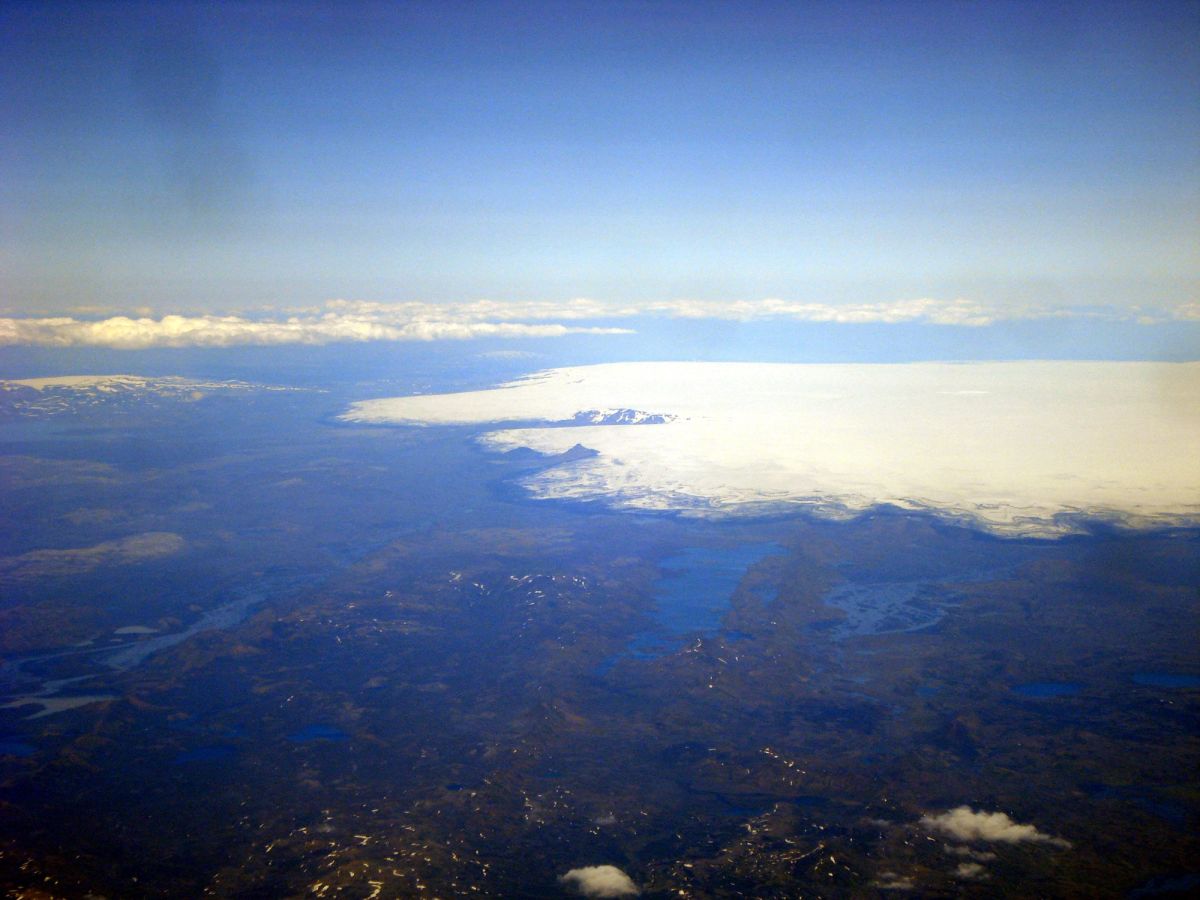
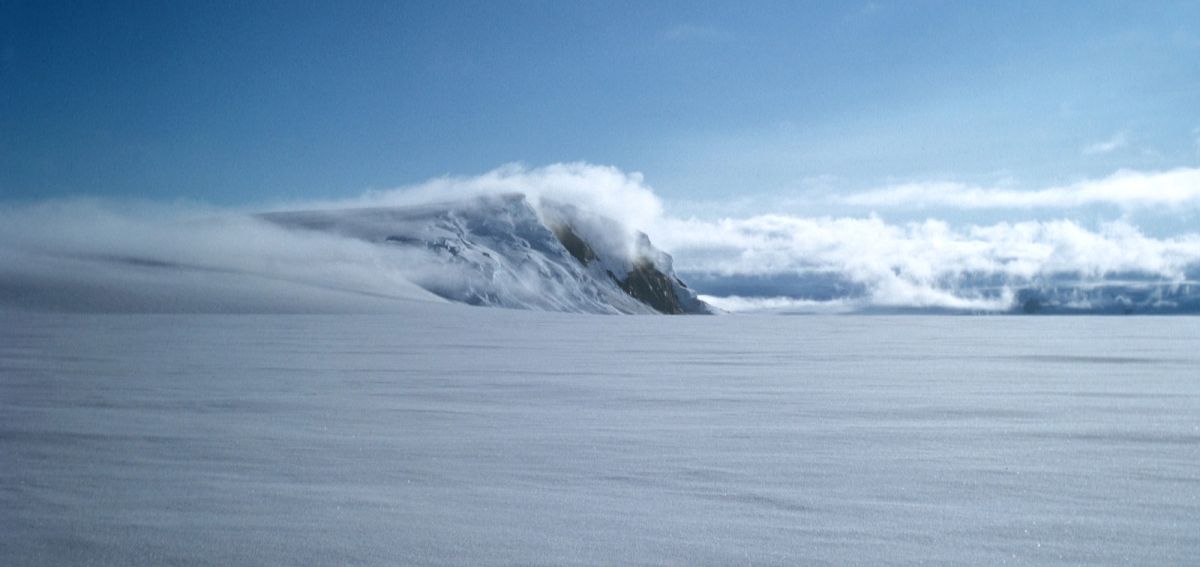
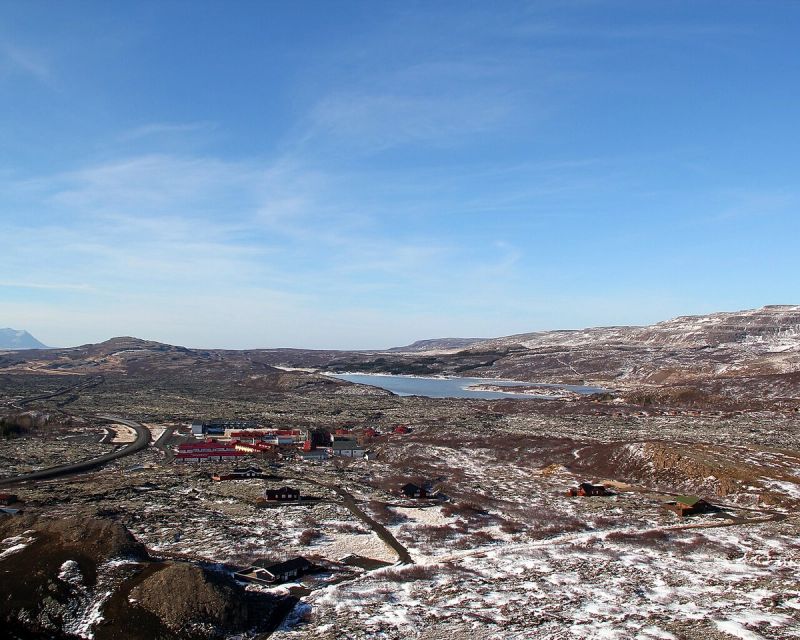
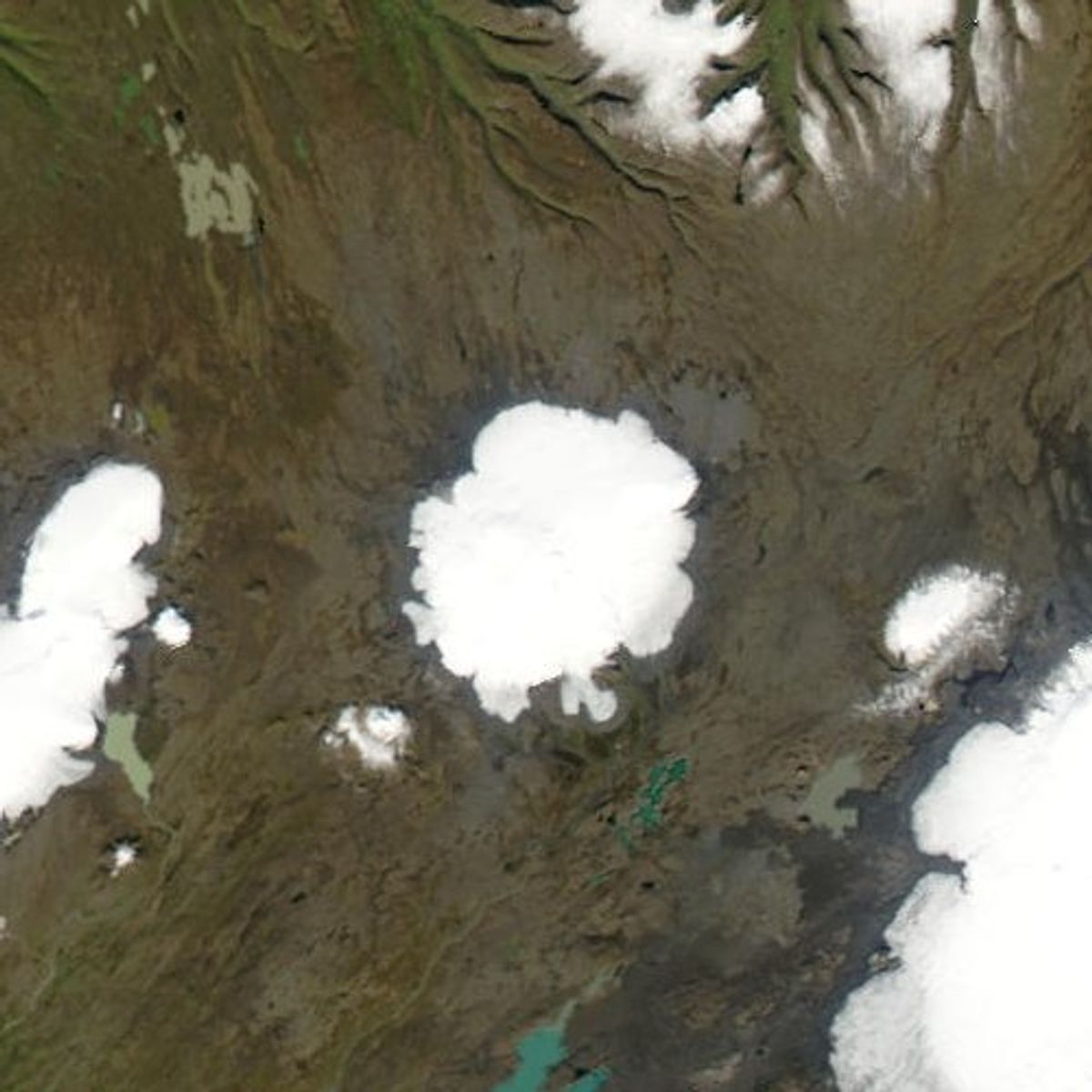
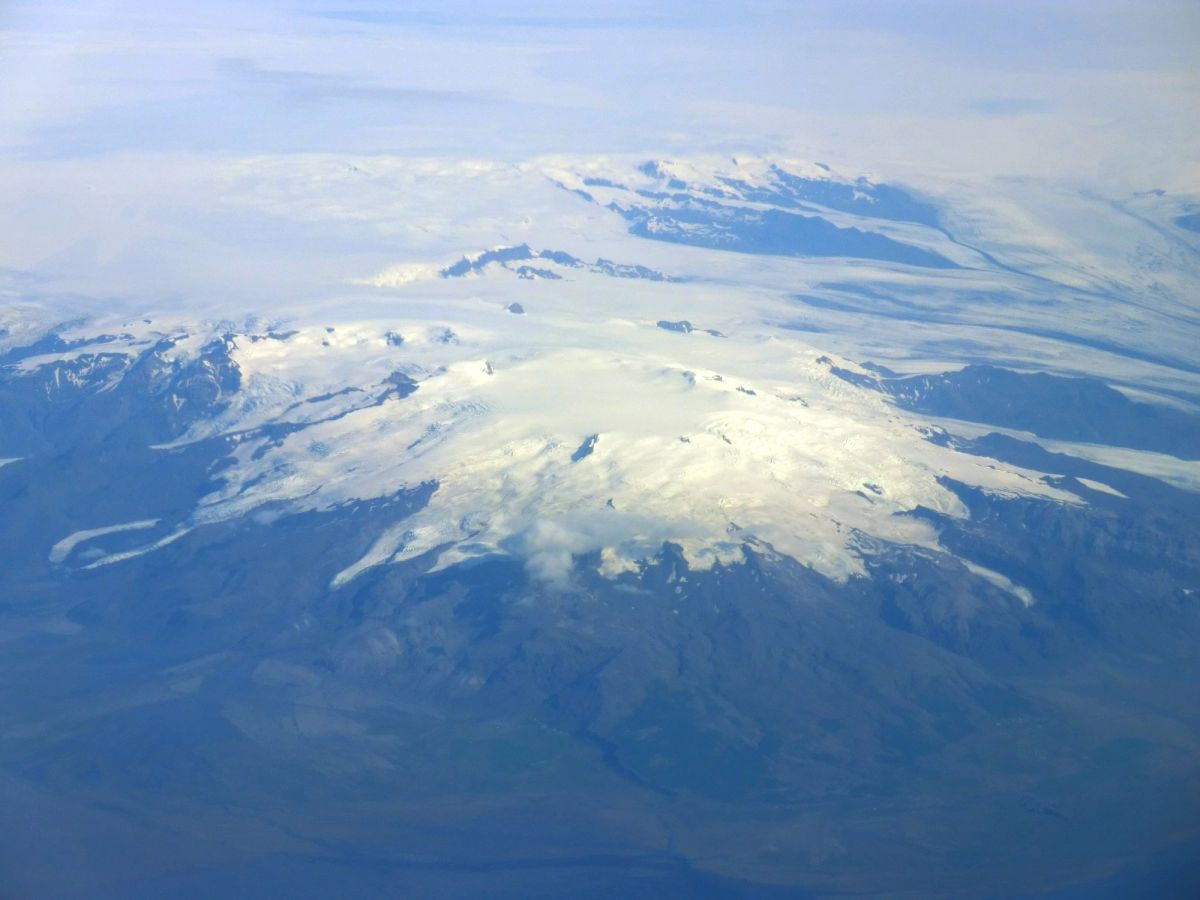
Hidden beneath the vast, serene expanse of Vatnajökull glacier, Bárðarbunga is one of Iceland's most formidable subglacial volcanoes. This active giant, seen as a subtle swell in the immense ice sheet from above, embodies the raw, untamed geological power that shapes this unique island nation.

Fagradalsfjall
The Accessible Lava Show
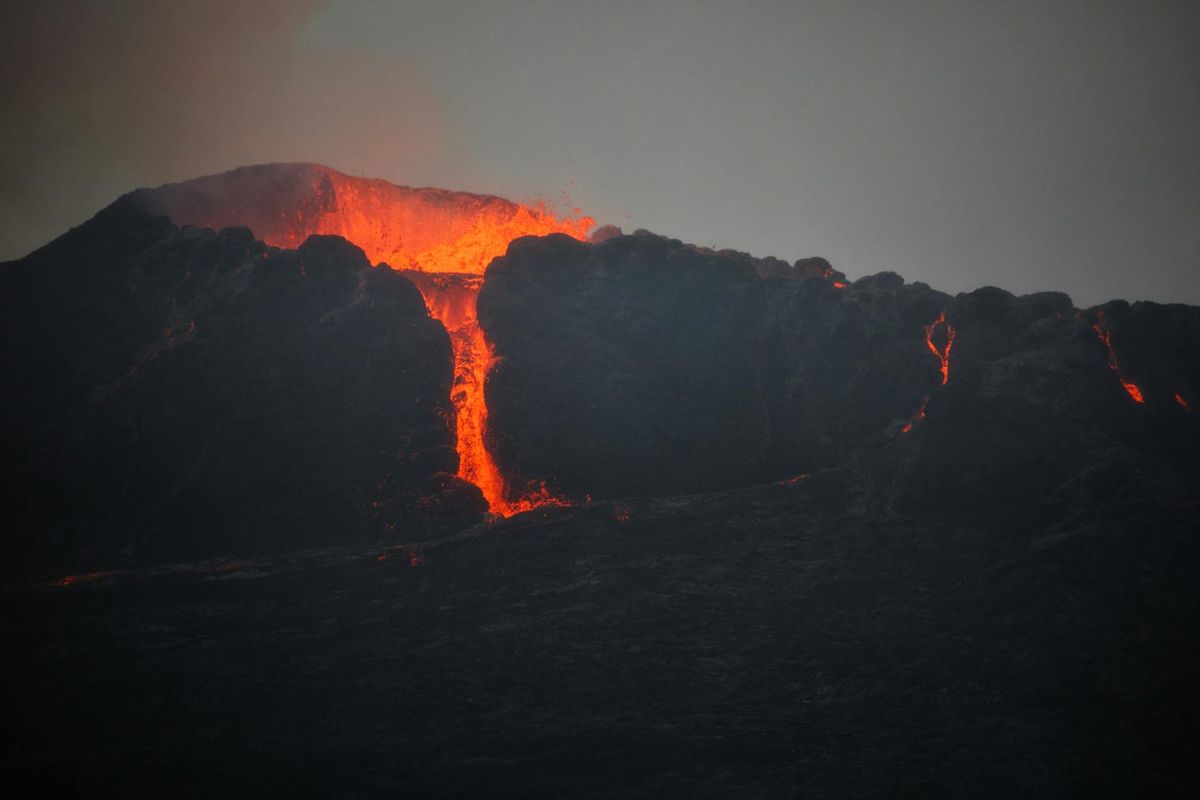
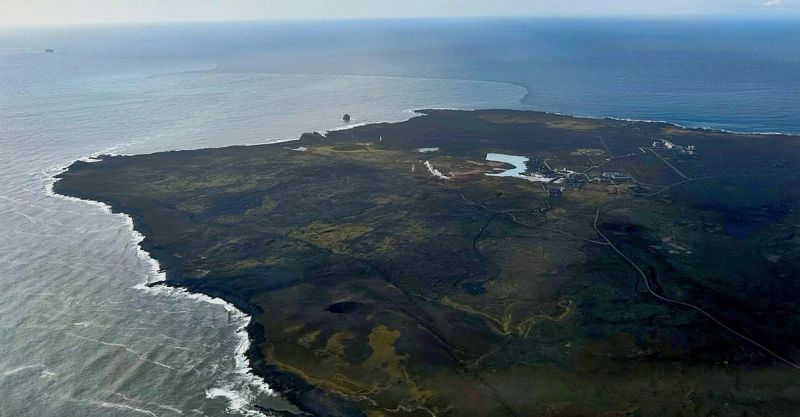
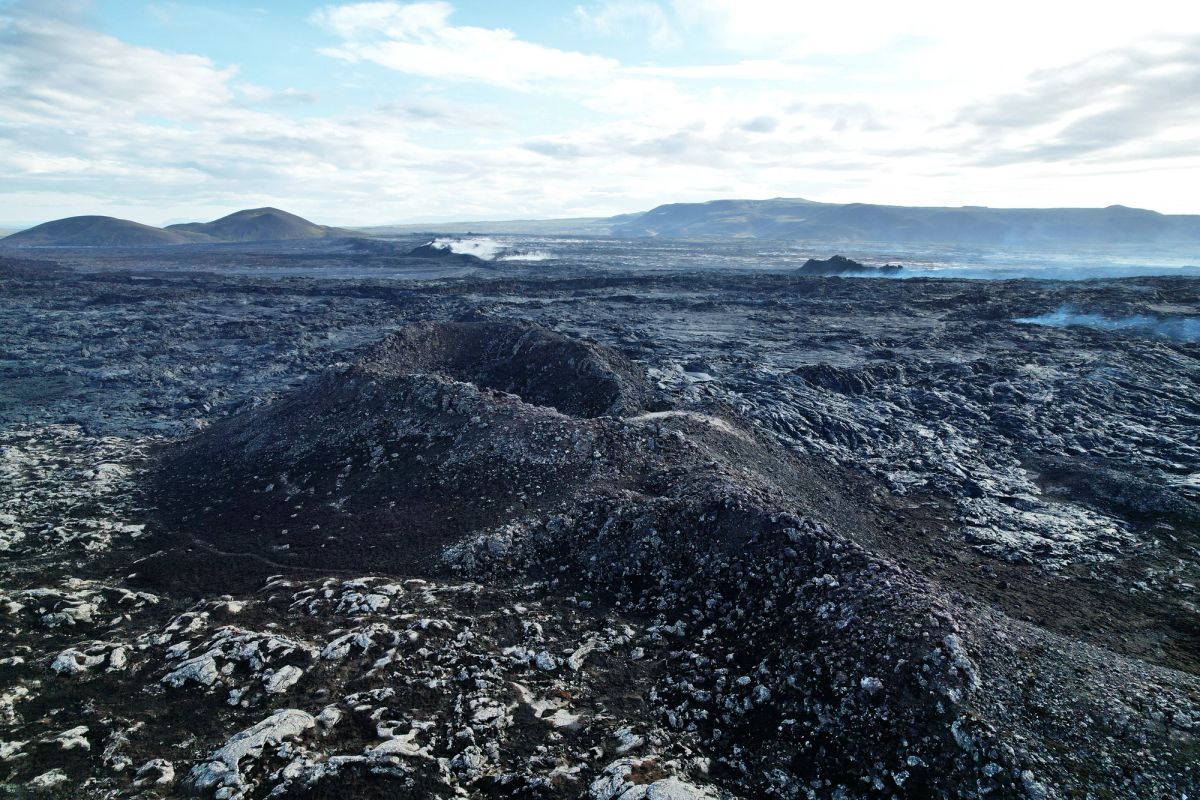
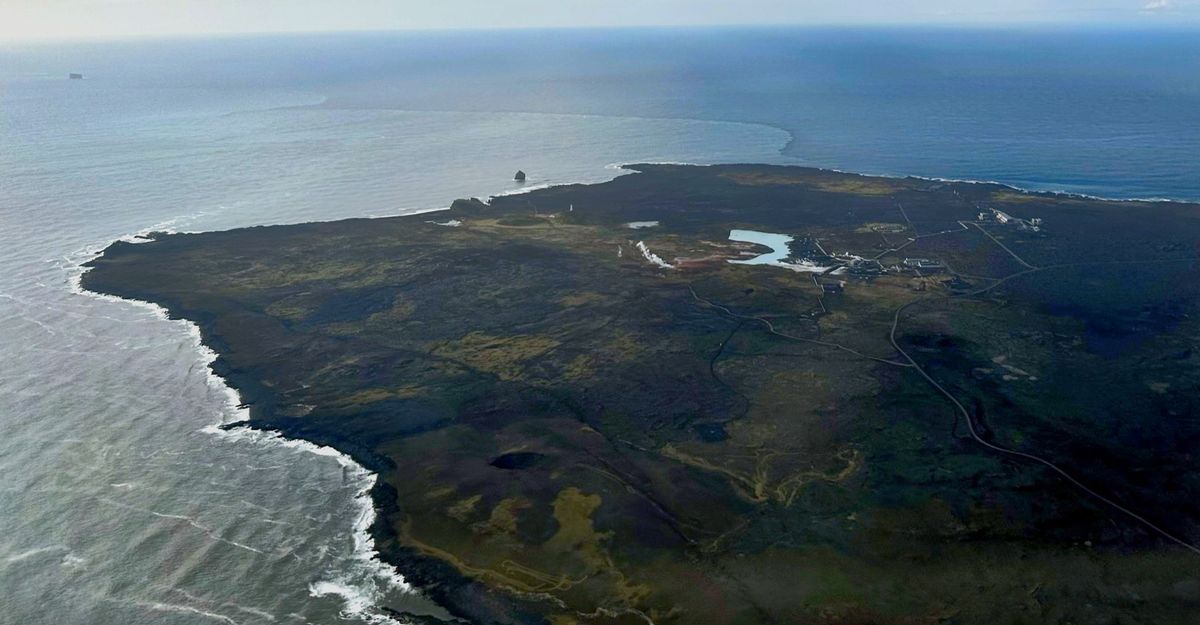
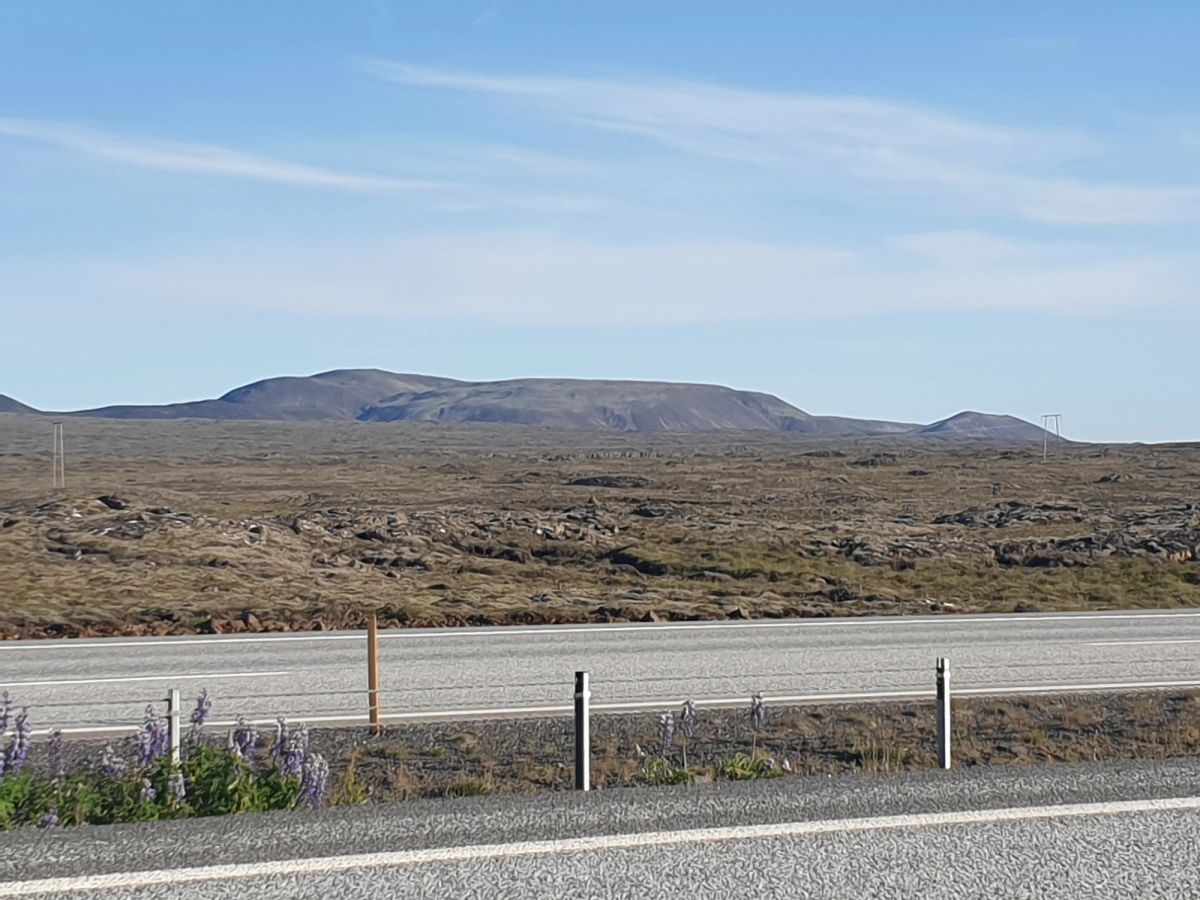
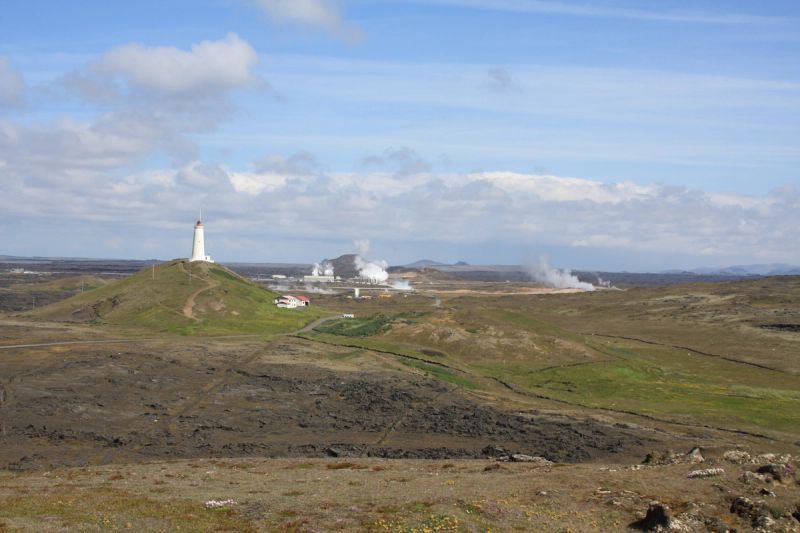
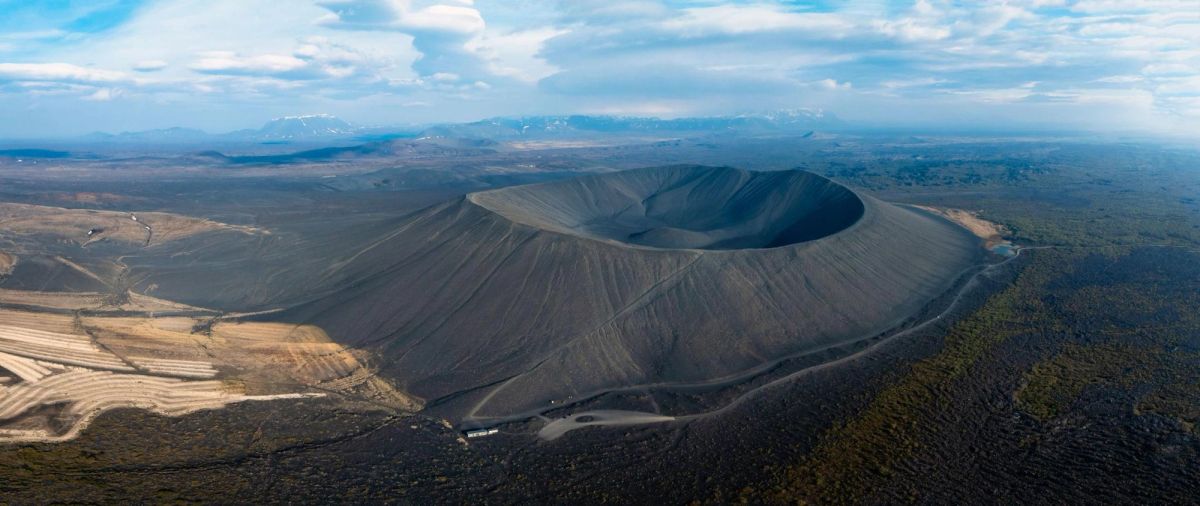
Fagradalsfjall is the volcanic mountain on the Reykjanes Peninsula that became world-famous after erupting in March 2021 — the first eruption in the area in nearly 800 years. Subsequent eruptions in 2022 and 2023 drew hundreds of thousands of visitors to witness flowing lava in an accessible, road-reachable location. The solidified lava fields now form a dramatic new lunar landscape just 40 km from Reykjavík.

Grímsvötn
Iceland's Most Frequently Erupting Volcano
Grímsvötn is a volcano in South Iceland, Iceland. Iceland sits on the Mid-Atlantic Ridge and has over 130 volcanic mountains, making it one of the most volcanically active places on Earth.

Laki
The Eruption that Changed the World
Laki is a volcano in South Iceland, Iceland. Iceland sits on the Mid-Atlantic Ridge and has over 130 volcanic mountains, making it one of the most volcanically active places on Earth.
All Volcanic Sites in Iceland
109 volcanic areas in our database

 Bookable Tour
Private Jökulsárlón Glacier Lagoon 2 Day Tour & Glacier Hike
 Bookable Tour
Private 2-Day Glacier Lagoon, Ice Cave and Northern Lights
 Bookable Tour
Glacier Adventure at Sólheimajökull Private Tour
 Bookable Tour
Reykjavik Private Northern Lights Tour with Pro Photographer
 Bookable Tour
Reykjanes Peninsula Private Day Tour - up to 9 passengers
 Bookable Tour
Reykjavík Bay Jet ski tour
 Bookable Tour
Hidden Trails of Iceland
 Bookable Tour
Iceland: Diamond Beach Glacier Lagoon Black Sand Beach 冰岛冰河湖中文一日团
 Bookable Tour
Private Aurora Hunt in Iceland with Professional Photos
 Bookable Tour
Private Jökulsárlón Glacier Lagoon 2 Day Tour & Glacier Hike
 Bookable Tour
Private 2-Day Glacier Lagoon, Ice Cave and Northern Lights
 Bookable Tour
Glacier Adventure at Sólheimajökull Private Tour
 Bookable Tour
Reykjavik Private Northern Lights Tour with Pro Photographer
Volcanic Safety in Iceland
Check Before You Go
- •Always check safetravel.is for volcanic activity warnings
- •Monitor Icelandic Met Office (vedur.is) for eruption updates
- •Never ignore closed roads or barriers — volcanic areas change rapidly
- •Follow guidance from local authorities and emergency services
Near Active Lava
- •Keep at least 50–100 metres from active lava flows
- •Fresh lava remains dangerously hot for months or years
- •Volcanic gases can be deadly — respect gas warnings
- •Never walk on thin lava crusts — the lava beneath may still be molten
- •Wear sturdy hiking boots — sharp lava tears through regular shoes
Emergency Preparedness
- •Bring a charged phone but expect no signal in remote areas
- •Tell someone your plans before visiting remote volcanic areas
- •Emergency number in Iceland: 112
- •Download offline maps — GPS works even without mobile signal
- •Bring extra food, water and warm layers for highland volcano trips
Frequently Asked Questions
How many volcanoes are there in Iceland?
Iceland has approximately 130 volcanoes and around 30 active volcanic systems. About 13 of these have erupted since Norse settlement in the 9th century AD.
Which is the most active volcano in Iceland?
Grímsvötn beneath Vatnajökull glacier is Iceland's most frequently erupting volcano, with eruptions approximately every 5–10 years. Hekla in South Iceland is also highly active with more than 20 recorded eruptions.
Can you visit volcanoes in Iceland?
Yes — many volcanic areas are accessible. Krafla near Mývatn, the Reykjanes Peninsula lava fields, and Snæfellsjökull are all accessible. Remote highland volcanoes like Askja and Laki require 4WD and are only accessible in summer.
Is it safe to visit volcanoes in Iceland?
Yes, when following safety guidelines. Check safetravel.is for volcanic activity warnings. Never cross barriers or approach fresh lava. Stay on marked trails and follow local guidance. Guided tours are recommended for active volcanic areas.
Which volcano caused the 2010 ash cloud?
Eyjafjallajökull volcano erupted in April 2010, creating an ash cloud that disrupted air travel across Europe for weeks. The eruption melted part of the glacier covering the volcano, creating dramatic floods.
Explore More Iceland Nature
GetYourGuide
Book a Volcano Tour
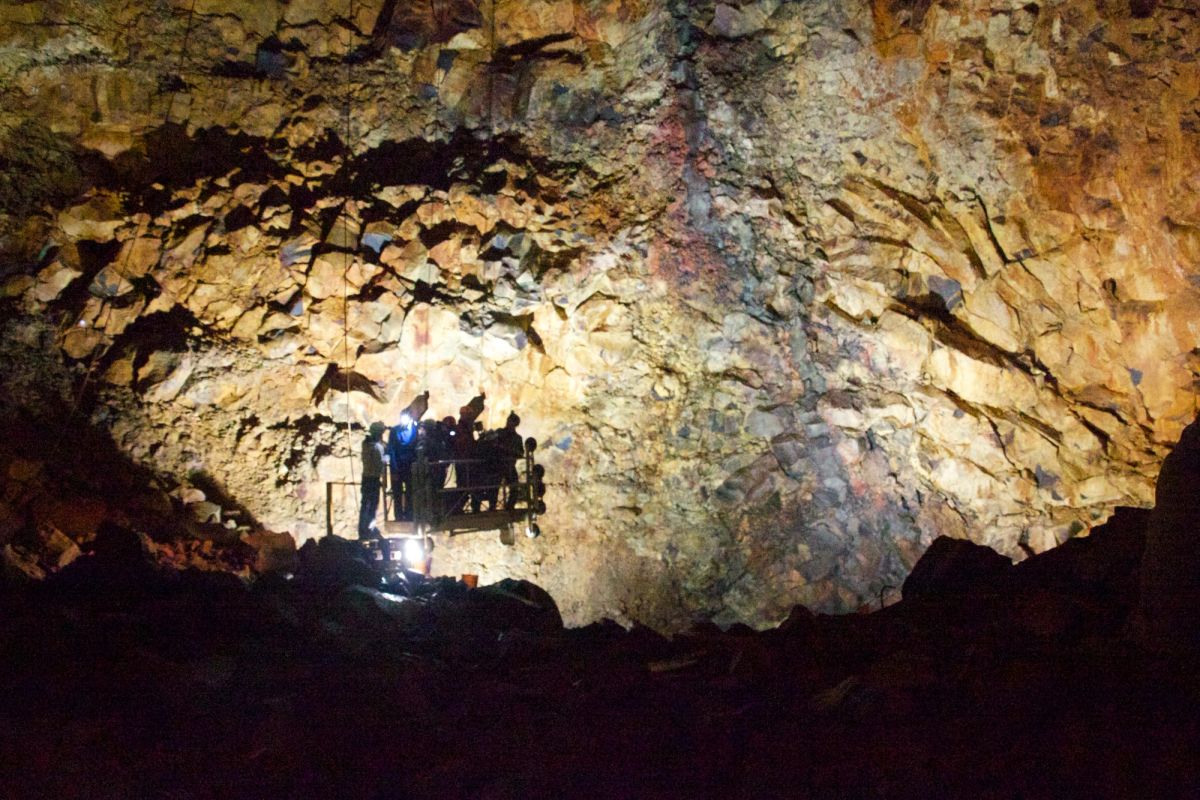
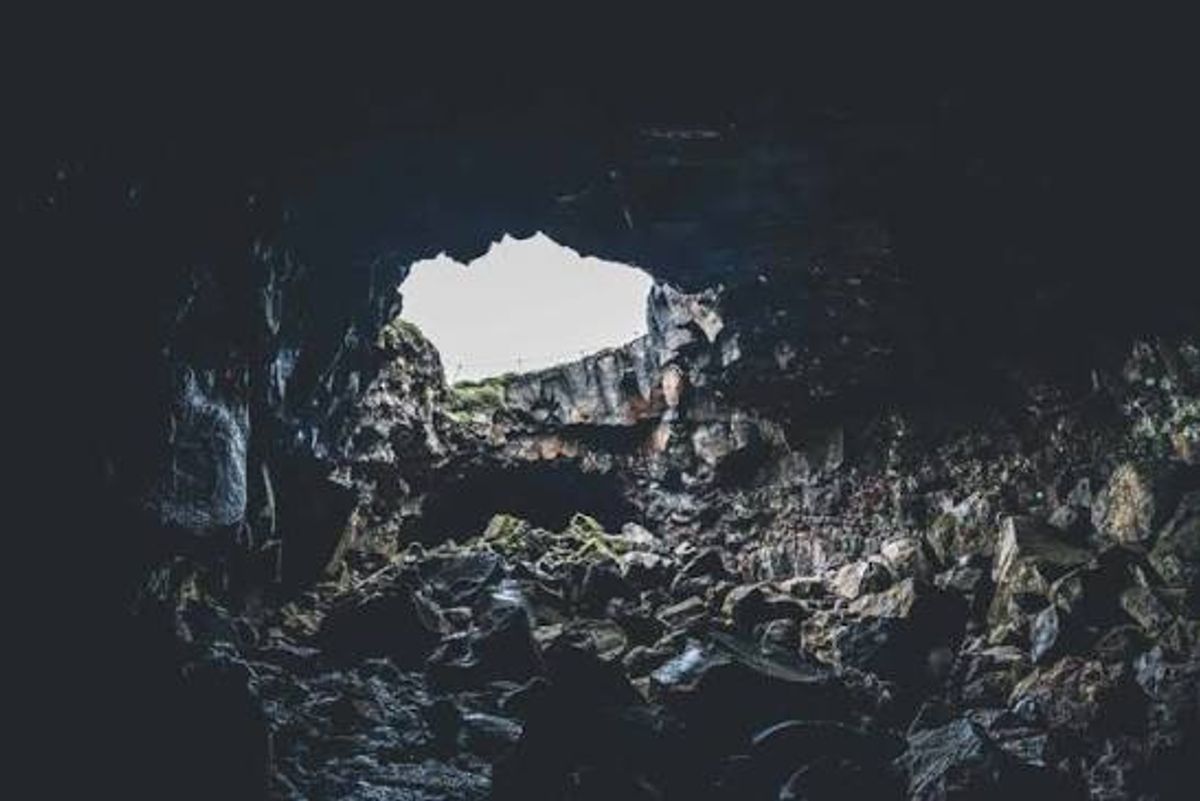
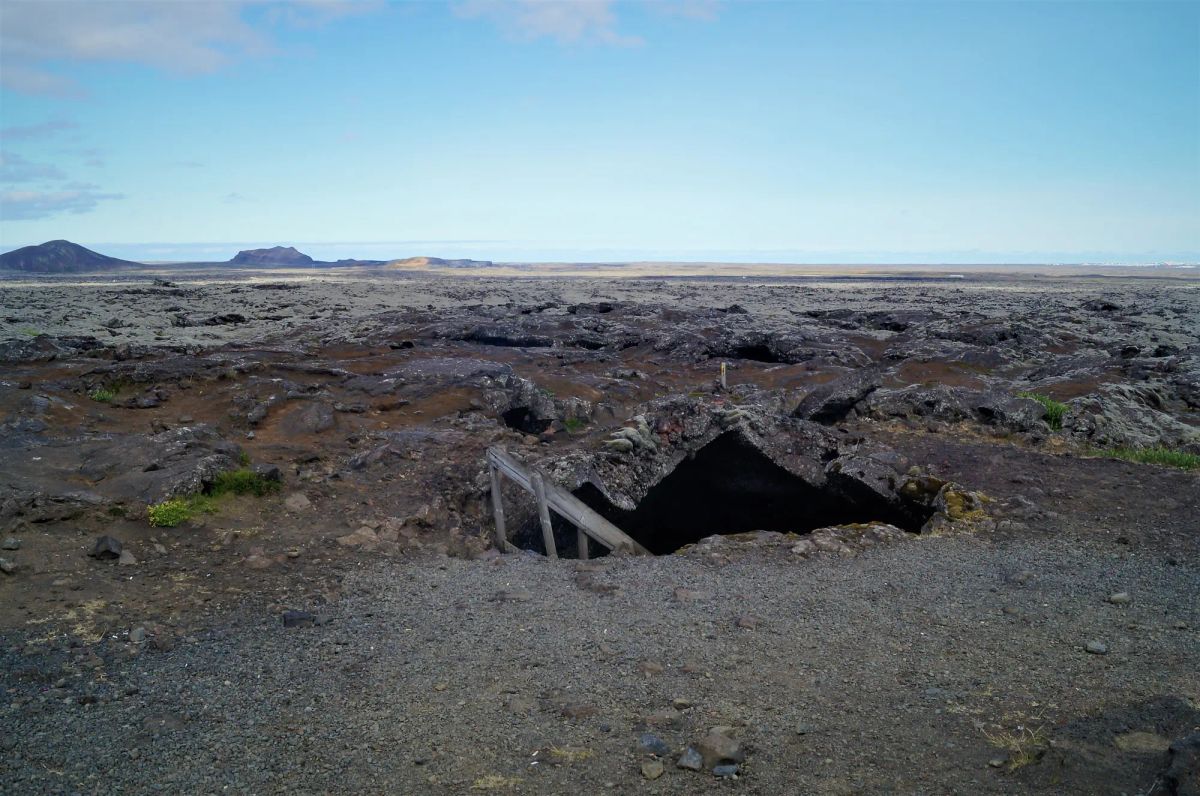
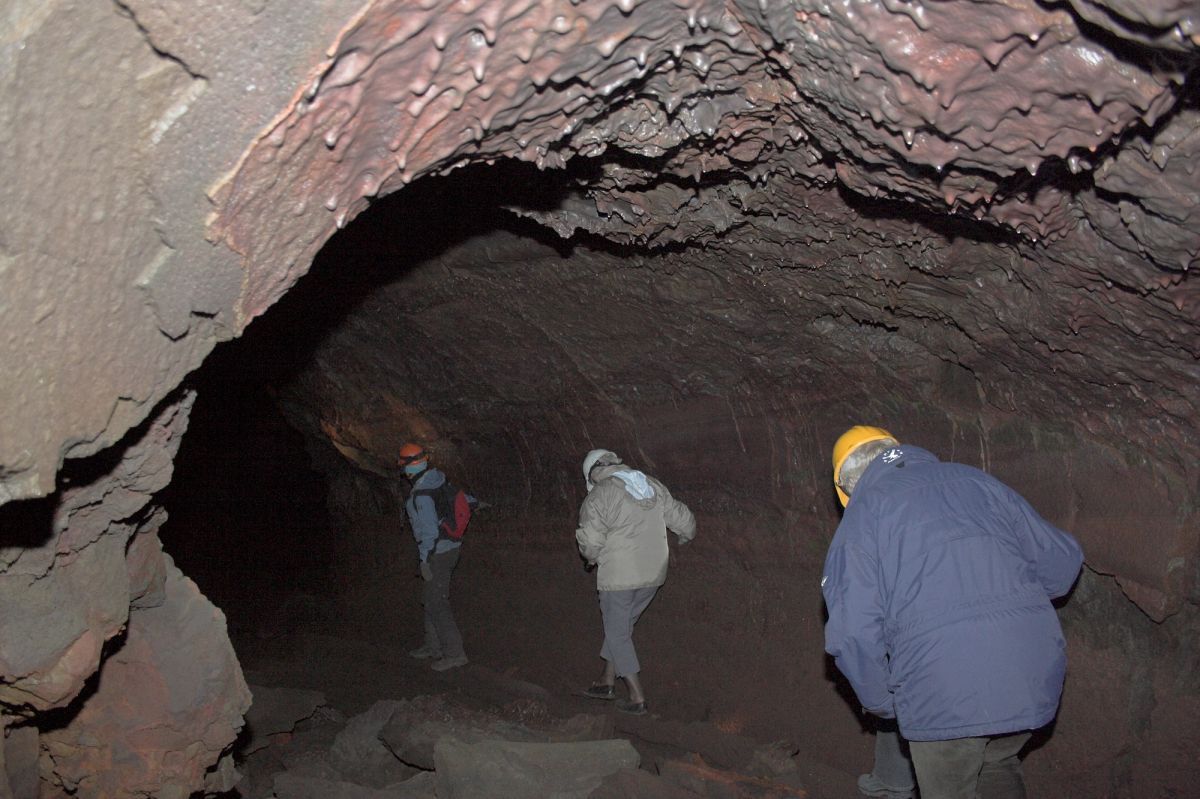
Explore lava fields, volcanic craters and magma tunnels with expert guides. Iceland's most dramatic landscapes await.
🌌 See the Northern Lights
Track real-time aurora activity and plan your Northern Lights trip with AuroraVision.
Find Hotels in Iceland
From cozy Reykjavík guesthouses to remote Highland lodges — thousands of properties with free cancellation and best price guarantee.
Tours & Experiences
Book Activities in Iceland
Tours & Activities
Book top-rated Iceland tours, day trips, and experiences — Northern Lights, glacier hikes, whale watching and more.
Browse Activities →Reykjavík City Pass
Unlimited access to top Reykjavík attractions, museums, and tours with one pass. Save up to 50% vs paying separately.
Get City Pass →Guided Experiences
Tours & Day Trips in Iceland
Golden Circle, Northern Lights hunts, whale watching, glacier hikes, lava cave tours and more. Book with free cancellation — confirmed instantly.