Hekla
Hekla, áberandi og mjög virkur eldfjallshryggur á Suðurlandi, býður upp á hrjóstrugt og öflugt landslag. Dökkt, ójafnt landsvæði hennar, mótað af óteljandi eldg…
About
About Hekla
Hekla, áberandi og mjög virkur eldfjallshryggur á Suðurlandi, býður upp á hrjóstrugt og öflugt landslag. Dökkt, ójafnt landsvæði hennar, mótað af óteljandi eldgosum, gefur innsýn í hráa jarðfræðilega krafta jarðar undir víðáttumiklum og oft dramatískum himni.
See one of Iceland's most historically active volcanoes and the extensive lava landscapes surrounding it.
Photos
Photo Gallery
Background
History & Background
Í miðalda Evrópu var Hekla ekki bara eldfjall heldur skelfileg goðsögn, almennt talin vera bókstafleg inngangur að Helvíti. Evrópskar guðfræðitextar lýstu henni sem hliði til undirheima, með frásögnum sem greindu frá öskrandi sálum sem sáust í reyk hennar og logum. Í aldaraðir styrktu tíð og öflug eldgos hennar orðspor hennar sem eitt óttaslegnasta eldfjall á jörðinni. Hekla er mjög virkt sprengigígfjall, sem hefur gosið yfir 20 sinnum síðan Ísland var numið árið 874 e.Kr. Meðal merkilegra gosa eru þau sem urðu árin 874, 913, 1104, 1300, 1341, og nýlega árin 1947, 1970, 1980, 1991 og 2000. Hvert gos hylur nærliggjandi svæði í gjósku, og byggir smám saman upp sérstök öskulög sem sjást í vegköntum. Eldfjallafræðingar vara nú við því að Hekla sé yfirfallin með annað gos, með meðaltíðni 10 ára. Fjallið er þekkt fyrir að gefa mjög stuttan fyrirvara – stundum allt að 30 mínútur – áður en það gýs, sem gerir nákvæmt eftirlit með eldfjallaviðvörunum mikilvægt fyrir alla gesti.
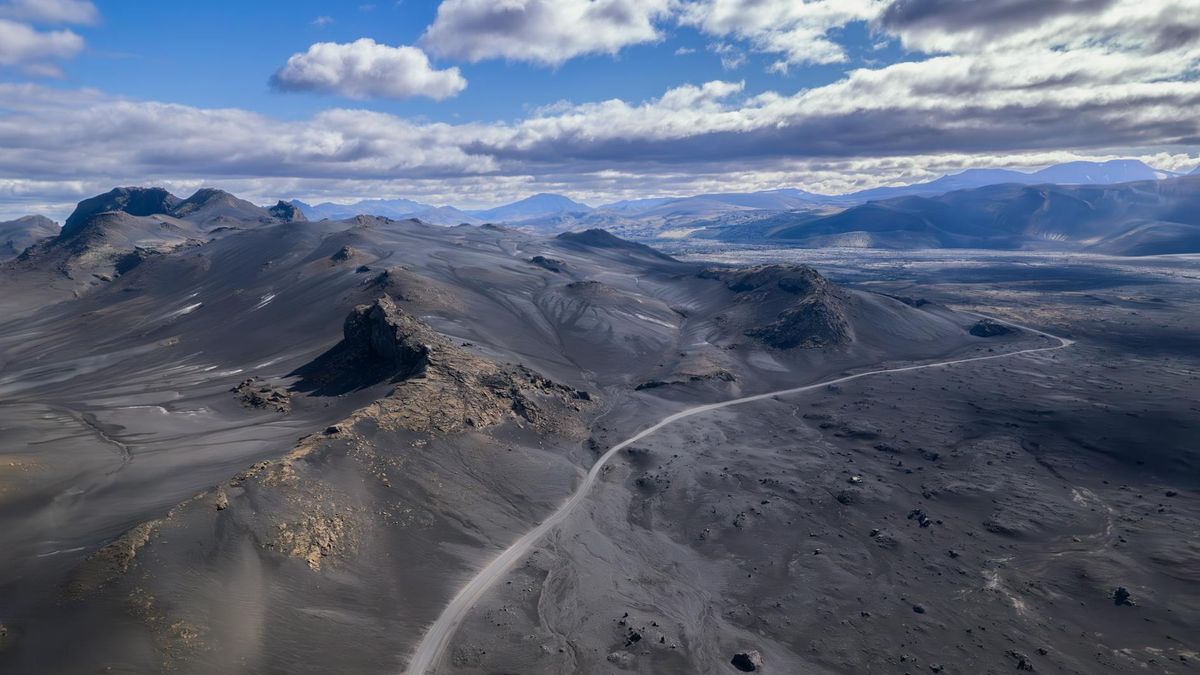
Hekla, staðsett á Suðurlandi, er sannarlega merkilegt eldfjallaundur og eitt virkasta eldfjall heims. Þetta dramatíska 1.491 metra háa sprengigígfjall hefur mótað umhverfi sitt í þúsundir ára í gegnum yfir 20 skráð eldgos síðan 874 e.Kr. Myndin sýnir hrjóstrugna fegurð þessa svæðis: víðáttumiklar, dökkar, öskulagðar sléttur með hrjóstrugum tindum og hlykkjóttum vegi, allt undir kraftmiklum himni. Fyrir miðalda Evrópumenn var Hekla staður djúps ótta, talin vera raunveruleg gátt til undirheima – skynjun sem var ýtt undir af tíðum og öflugum eldgosum hennar. Frásagnir lýstu öskrandi sálum sem sáust í reyknum, sem styrkti orðspor hennar sem eitt óttaslegnasta eldfjall á jörðinni. Í dag er Hekla áfram mikilvægur jarðfræðilegur staður. Eldfjallafræðingar fylgjast náið með virkni hennar, þar sem hún hefur verið yfirfallin með gos síðan árið 2000, með meðaltíðni 10 ára. Gestir geta upplifað hráa jarðfræðilega krafta í gegnum dramatísk hraunsvæði, gíga og einstakar bergmyndanir. Gönguferð á toppinn býður upp á óviðjafnanlegt sjónarhorn á þetta öfluga landslag, en krefst nákvæmrar eftirlits með eldfjallaviðvörunum vegna stutts viðvörunartíma (eins lítið og 30 mínútur) fyrir gos. Hrjóstrugt, næstum tunglslíkt útlit svæðisins, eins og sést á ljósmyndinni, er bein afleiðing alda eldvirkni, þar sem hvert gos byggir hægt og rólega upp öskulögin sem sjást í kílómetra fjarlægð.
Folklore
Story & Folklore
Í aldaraðir hefur hin ógnvekjandi Hekla kallað fram virðingu og ótta og hlotið miðaldaheitið „Hlið Heljar“. Ímyndaðu þér lotningu og skelfingu fyrstu landnema sem urðu vitni að eldheitum eldgosum hennar, og trúðu því að hún væri bein gátt til undirheima. Þetta 1.491 metra háa sprengigígfjall hefur gosið yfir 20 sinnum síðan Ísland var numið, og hver atburður hefur bætt nýjum lögum af dökkum gjósku við þegar dramatískar hlíðar hennar. Myndin fangar fullkomlega þessa eyðilegu fegurð, með hlykkjóttum vegi sem sker í gegnum dökkt, öskulagt landslagið, umkringt hrjóstrugum tindum mótuðum af fornum hraunflæði. Skýin fyrir ofan virðast endurspegla drungalega nærveru fjallsins, stöðuga áminningu um óstöðugleika þess. Þótt hljóðlát nú sé Hekla enn öflugur og virkur kraftur, vitnisburður um ótamda hjarta Íslands, alltaf tilbúin fyrir næsta dramatíska atburð.
💡 Did You Know?
Recorded historical eruptions of Hekla include 1104, 1947, 1970, 1980, 1981, 1991 and 2000.
Local Legend
The Fire Giant Beneath Hekla
Ancient sagas speak of a fire giant imprisoned beneath Hekla by the gods. When the volcano erupts, it is said to be the giant trying to break free. Local folklore warns that disrespecting the volcano will anger the giant, while those who honor its power will be protected from harm.
Explore
Hidden Gems Nearby
✦ Lava Formations Close-Up
Look carefully at the lava formations near Hekla — each tells a story of how it cooled.
Rope lava, pillow lava, and columnar basalt each formed under different conditions, creating a geological textbook in stone.
✦ Moss & Lichens
The moss and lichen growing on the volcanic rock are some of the first life to colonize new lava fields.
Some of these organisms grow less than 1cm per year, meaning the patches you see may be decades or centuries old.
✦ Sunset Colors
The volcanic rock takes on incredible red and gold hues during sunset.
The iron-rich minerals in the lava glow in warm light, creating a photographer's paradise.
Help
Frequently Asked Questions
Location
📍 Location
Discover
Explore Nearby
Places from our database within 1.0 km — all data from Sanity
Loading nearby places…
0 places found within 1.0 km
Plan full itinerary →Explore More