Fagradalsfjall
Fagradalsfjall is Iceland's most recently erupting volcano — a lava field on the Reykjanes Peninsula where eruptions began in 2021 and have continued intermitte…
About
About Fagradalsfjall
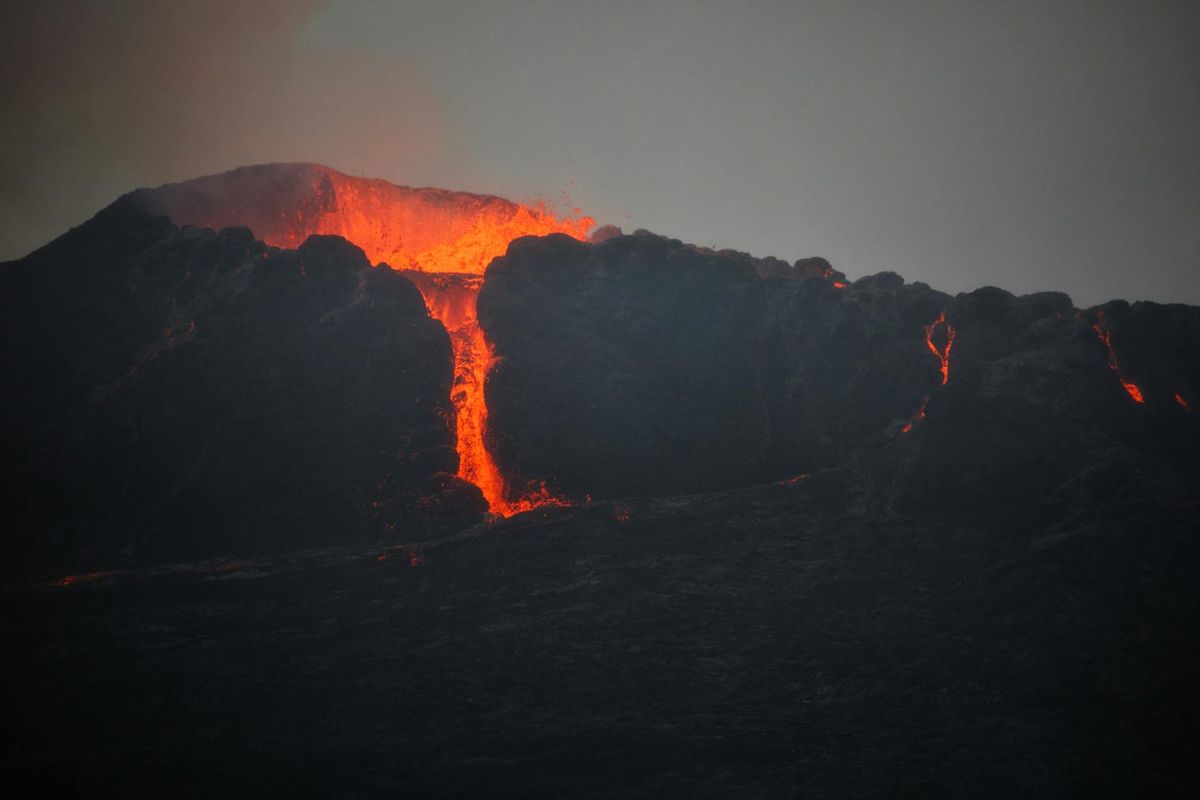
Fagradalsfjall is Iceland's most recently erupting volcano — a lava field on the Reykjanes Peninsula where eruptions began in 2021 and have continued intermittently, creating one of the world's most accessible active volcanic landscapes.
One of few places to safely observe new lava flows
Background
History & Background
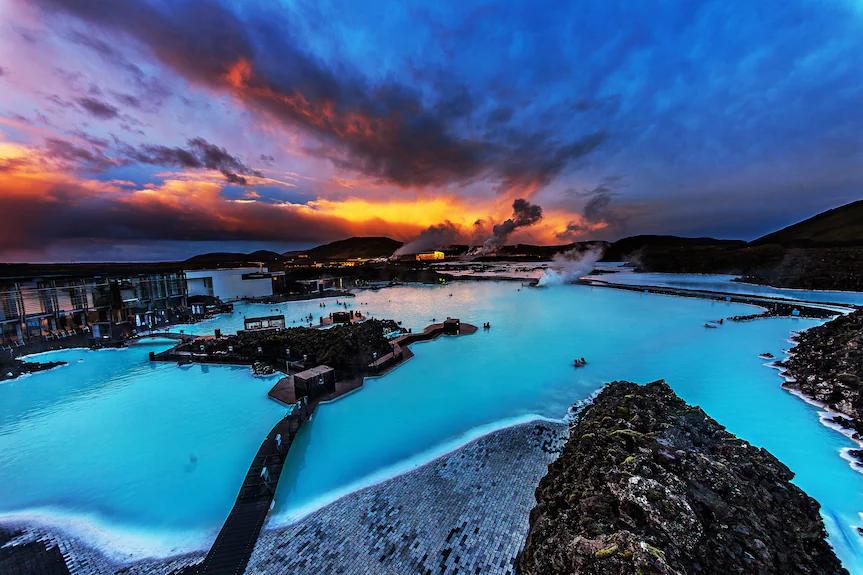
The Reykjanes Peninsula had been volcanically quiet for 800 years before eruptions began at Fagradalsfjall in March 2021. The eruptions produced spectacular lava fountains and lava flows that could be safely viewed by visitors who hiked to the site. Subsequent eruption series in 2022, 2023 and 2024 continued to reshape the landscape. The 2023 eruption threatened the town of Grindavík and Blue Lagoon, forcing evacuations. The ongoing volcanic activity has made Reykjanes one of the most remarkable volcanic observation zones on Earth.
Fagradalsfjall is one of the most interesting natural attractions in reykjanes of Iceland.
Folklore
Story & Folklore
Fagradalsfjall became globally famous in March 2021 when lava began erupting from a fissure on the Reykjanes Peninsula — the first eruption on the peninsula in 800 years. Over the following months, hundreds of thousands of Icelanders and tourists hiked to watch lava fountains, rivers and flows in real time. Subsequent eruptions in 2022, 2023, 2024 and 2025 continued the series, each slightly different in location and character. The area around Fagradalsfjall has been transformed from unremarkable lava heath into an active geological theatre. When no eruption is active, the cooling lava fields and still-steaming fissures are accessible on foot through Reykjanes Peninsula volcanic trails. One of the few places in Europe you can safely watch active volcanism.
Local Legend
The Troll of Fagradalsfjall
An ancient tale speaks of a troll who once roamed Fagradalsfjall. The troll was caught by the rising sun while traveling home and turned to stone, becoming part of the landscape. Local people say you can still see the troll's silhouette in the mountain formation, forever frozen as a reminder to respect the power of daylight.
Experiences
Tours Near Fagradalsfjall
Best-rated Iceland experiences — book with free cancellation


Explore
Hidden Gems Nearby
✦ Lava Formations Close-Up
Look carefully at the lava formations near Fagradalsfjall — each tells a story of how it cooled.
Rope lava, pillow lava, and columnar basalt each formed under different conditions, creating a geological textbook in stone.
✦ Moss & Lichens
The moss and lichen growing on the volcanic rock are some of the first life to colonize new lava fields.
Some of these organisms grow less than 1cm per year, meaning the patches you see may be decades or centuries old.
✦ Sunset Colors
The volcanic rock takes on incredible red and gold hues during sunset.
The iron-rich minerals in the lava glow in warm light, creating a photographer's paradise.
Help
Frequently Asked Questions
Location
📍 Location
Discover
Explore Nearby
Places from our database within 1.0 km — all data from Sanity
Loading nearby places…
0 places found within 1.0 km
Plan full itinerary →Explore More