UNESCO Global Geopark
Reykjanes Peninsula
Volcanic Landscapes · Blue Lagoon · Tectonic Plates · Geothermal Areas
About Reykjanes Peninsula
The Reykjanes Peninsula is a raw, volcanic landscape shaped by the forces of tectonic plates pulling apart. This UNESCO Global Geopark sits directly on the Mid-Atlantic Ridge — the boundary between the North American and Eurasian tectonic plates. Here you can literally walk between two continents at the Bridge Between Continents, stand on steaming geothermal fields, and witness the raw power of Iceland's volcanic activity.
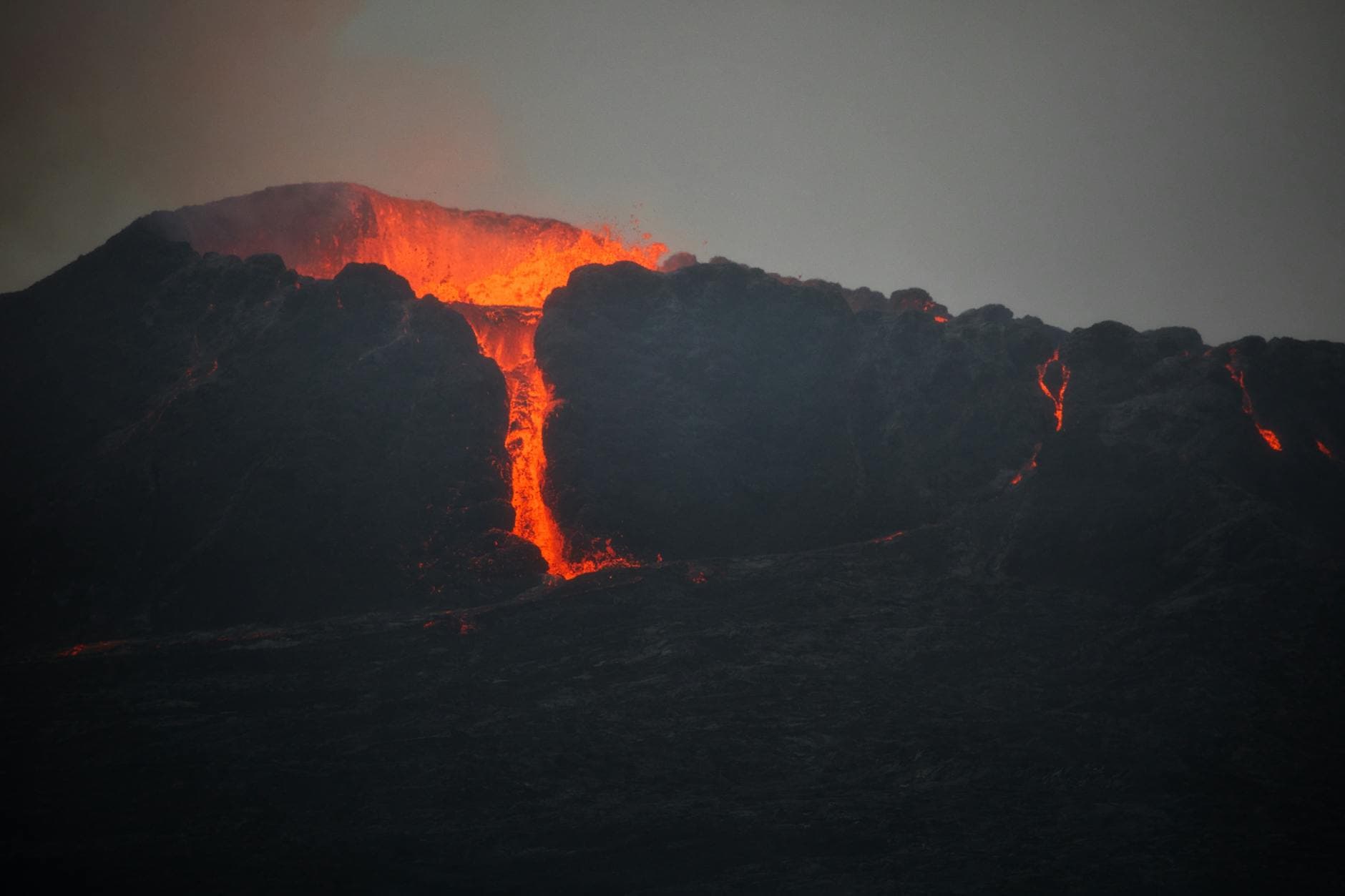
Reykjanes burst into global awareness in 2021 when the Fagradalsfjall volcano erupted after 800 years of dormancy. Lava fountains drew thousands of visitors who hiked to witness the spectacle of molten rock flowing across the valley. The eruptions continued through 2023, creating entirely new landscapes and reminding the world that Iceland is still very much a land of fire.
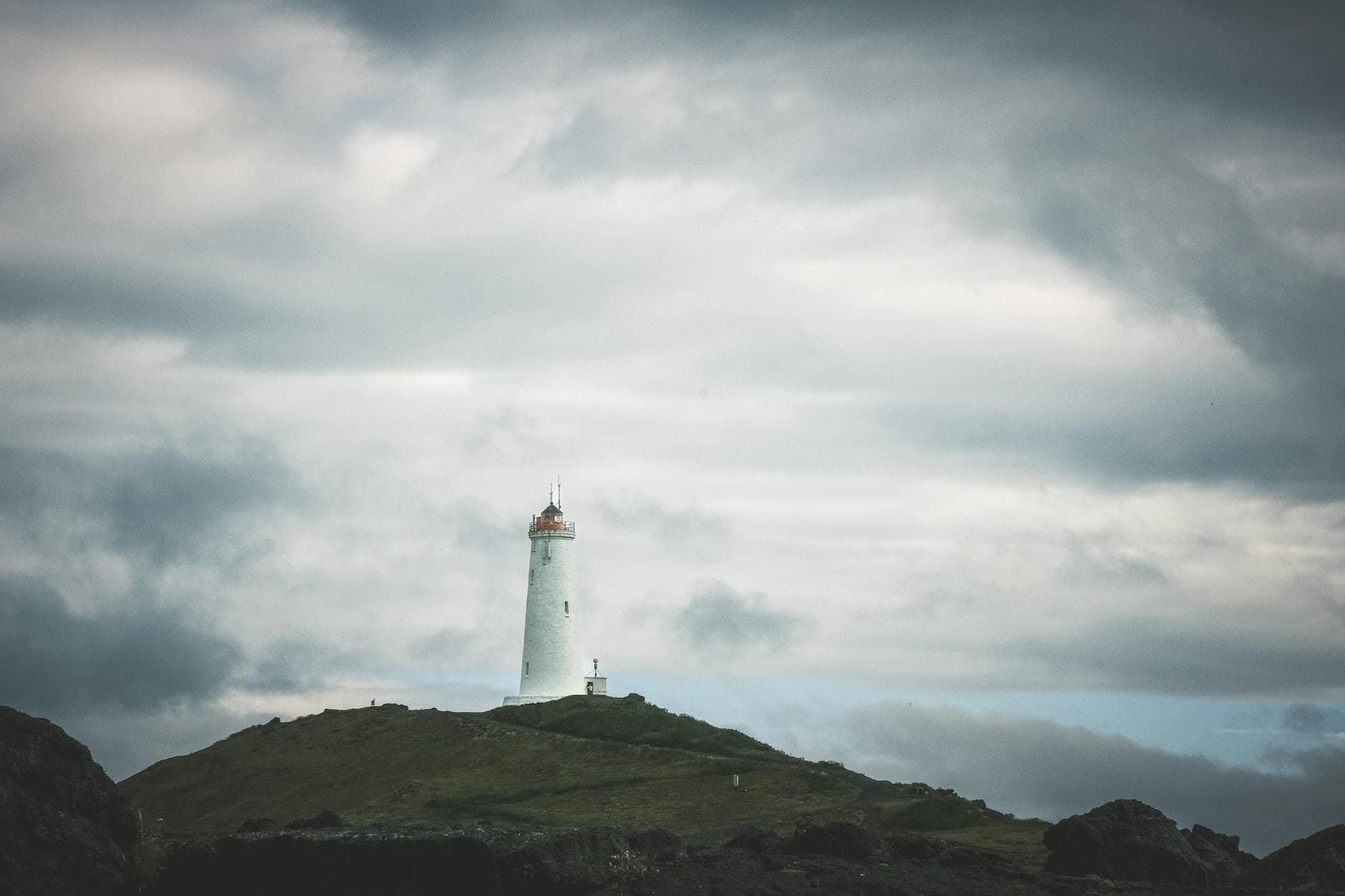
Home to the famous Blue Lagoon, dramatic coastal cliffs, lighthouse-dotted shores, and bubbling mud pools, Reykjanes offers a condensed experience of Iceland's geological wonders — all within easy reach of Reykjavík and Keflavík International Airport.
Top Attractions
Volcanic wonders and geothermal marvels

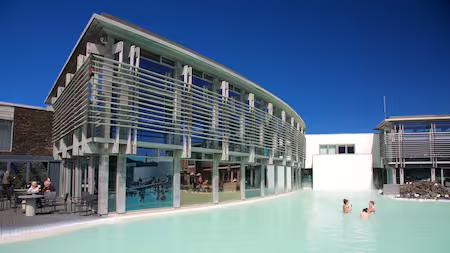
Blue Lagoon
Blue Lagoon is one of the most interesting natural attractions in reykjanes of Iceland.

Bridge Between Continents
Bridge Between Continents is one of the most interesting natural attractions in reykjanes of Iceland.

Brimketill
Brimketill is one of the most interesting natural attractions in reykjanes of Iceland.

Eldvörp
Eldvörp is one of the most interesting natural attractions in reykjanes of Iceland.

Fagradalsfjall
Fagradalsfjall is one of the most interesting natural attractions in reykjanes of Iceland.

Garður Lighthouse
Garður Lighthouse is one of the most interesting natural attractions in reykjanes of Iceland.

Grindavík
Grindavík is one of the most interesting natural attractions in reykjanes of Iceland.

Gunnuhver
Gunnuhver is one of the most interesting natural attractions in reykjanes of Iceland.

Hafnir
Hafnir is one of the most interesting natural attractions in reykjanes of Iceland.

Hopsnes
Hopsnes is one of the most interesting natural attractions in reykjanes of Iceland.

Keilir
Keilir is one of the most interesting natural attractions in reykjanes of Iceland.

Kleifarvatn
Kleifarvatn is one of the most interesting natural attractions in reykjanes of Iceland.

Krýsuvík
Krýsuvík is one of the most interesting natural attractions in reykjanes of Iceland.

Miðlína
Miðlína is one of the most interesting natural attractions in reykjanes of Iceland.

Reykjanesviti
Reykjanesviti is one of the most interesting natural attractions in reykjanes of Iceland.

Sandvík
Sandvík is one of the most interesting natural attractions in reykjanes of Iceland.

Seltún
Seltún is one of the most interesting natural attractions in reykjanes of Iceland.

Valahnúkamöl
Valahnúkamöl is one of the most interesting natural attractions in reykjanes of Iceland.

Vogar
Vogar is one of the most interesting natural attractions in reykjanes of Iceland.

Þorbjörn
Þorbjörn is one of the most interesting natural attractions in reykjanes of Iceland.
Geology & Volcanic History
The Reykjanes Peninsula sits directly on the Mid-Atlantic Ridge — the boundary where the North American and Eurasian tectonic plates are slowly tearing apart at about 2 centimeters per year. This makes Reykjanes one of the few places on Earth where you can see a divergent plate boundary above sea level.
In March 2021, after 800 years of dormancy, the Fagradalsfjall volcanic system roared back to life. Lava fountains shot hundreds of meters into the air, and rivers of molten rock flowed through the Geldingadalir valley. The eruption became a global sensation — thousands hiked to the site to witness the spectacle. Further eruptions in 2022 and 2023 continued to reshape the landscape.
The peninsula is dotted with geothermal fields — Gunnuhver, Krýsuvík, and Seltún — where boiling mud pools, steaming fumaroles, and sulfur deposits paint the ground in vivid yellows, oranges, and reds. These areas are a window into the superheated systems beneath Iceland that power homes, heat swimming pools, and create unique bathing experiences like the Blue Lagoon.
Tectonic Plates
Walk between North America and Europe at the Bridge Between Continents.
Fagradalsfjall Eruption
2021–2023 eruptions created new land and drew global attention.
Geothermal Energy
Superheated underground systems power Iceland's homes and iconic spas.
Frequently Asked Questions
How long do I need to explore Reykjanes?▾
A full day is ideal to see the main highlights including Blue Lagoon, Bridge Between Continents, Gunnuhver, and the coastal lighthouses. If visiting Fagradalsfjall (when active), allow 4–6 hours for the hike.
Can I still see the Fagradalsfjall eruption?▾
The eruption is not continuous. The 2021 eruption ended in September 2021, with new eruptions in 2022 and 2023. Check local news for current volcanic activity. Even when dormant, the new lava fields are worth visiting.
Is the Blue Lagoon worth the price?▾
For most visitors, yes — it's a unique geothermal spa experience in a stunning volcanic setting. Book well in advance as it often sells out, especially in summer.
Do I need a 4x4 to explore Reykjanes?▾
No — all major attractions in Reykjanes are accessible by regular 2WD car on paved roads. Even the Fagradalsfjall hiking trail parking is accessible.
What's the best time to visit Reykjanes?▾
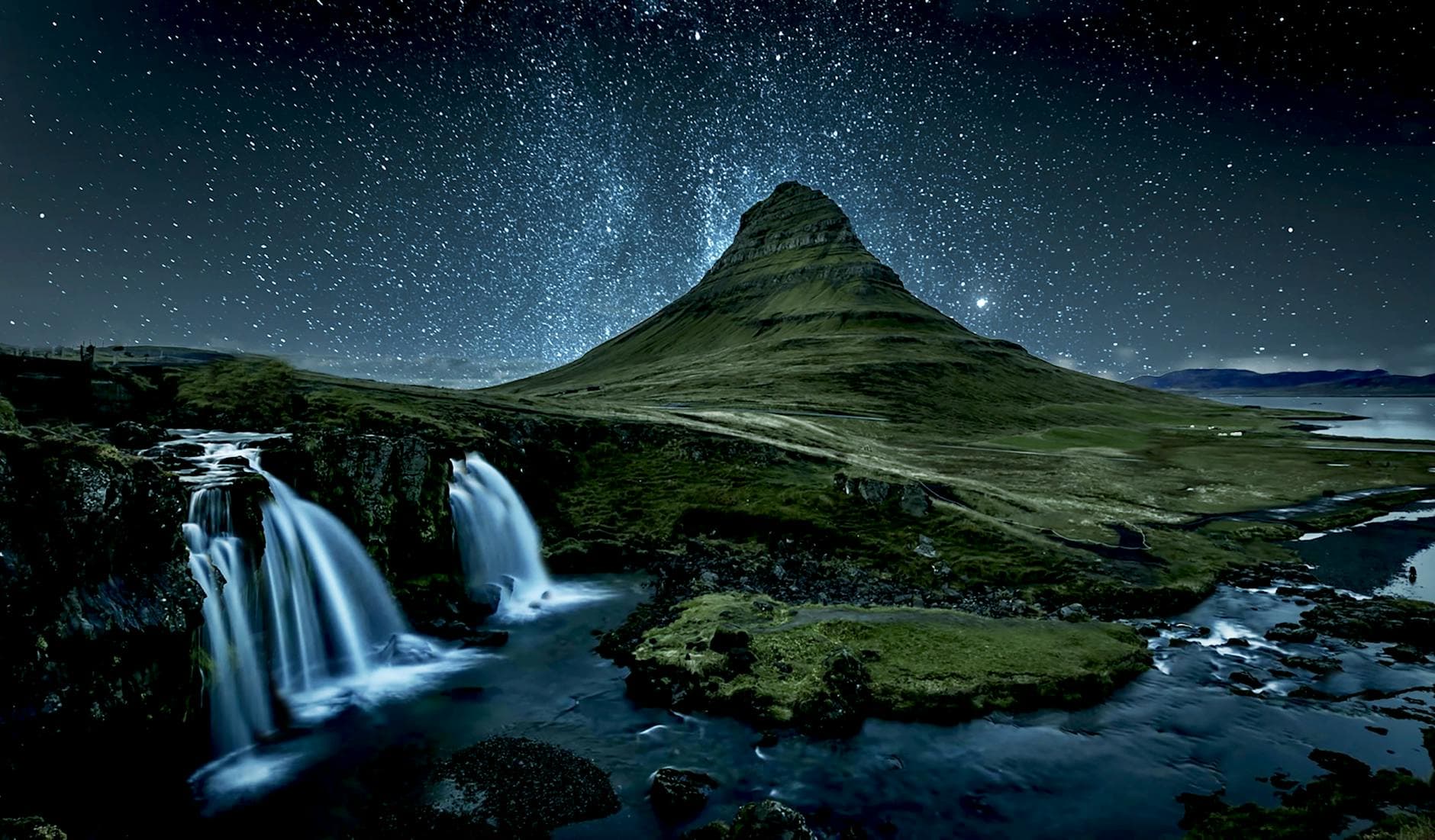
Year-round. Summer (June–August) offers the midnight sun and warmer weather. Winter (October–March) is ideal for Northern Lights against volcanic landscapes and fewer crowds.
🌌 See the Northern Lights
Track real-time aurora activity and plan your Northern Lights trip with AuroraVision.