
Geirfugl
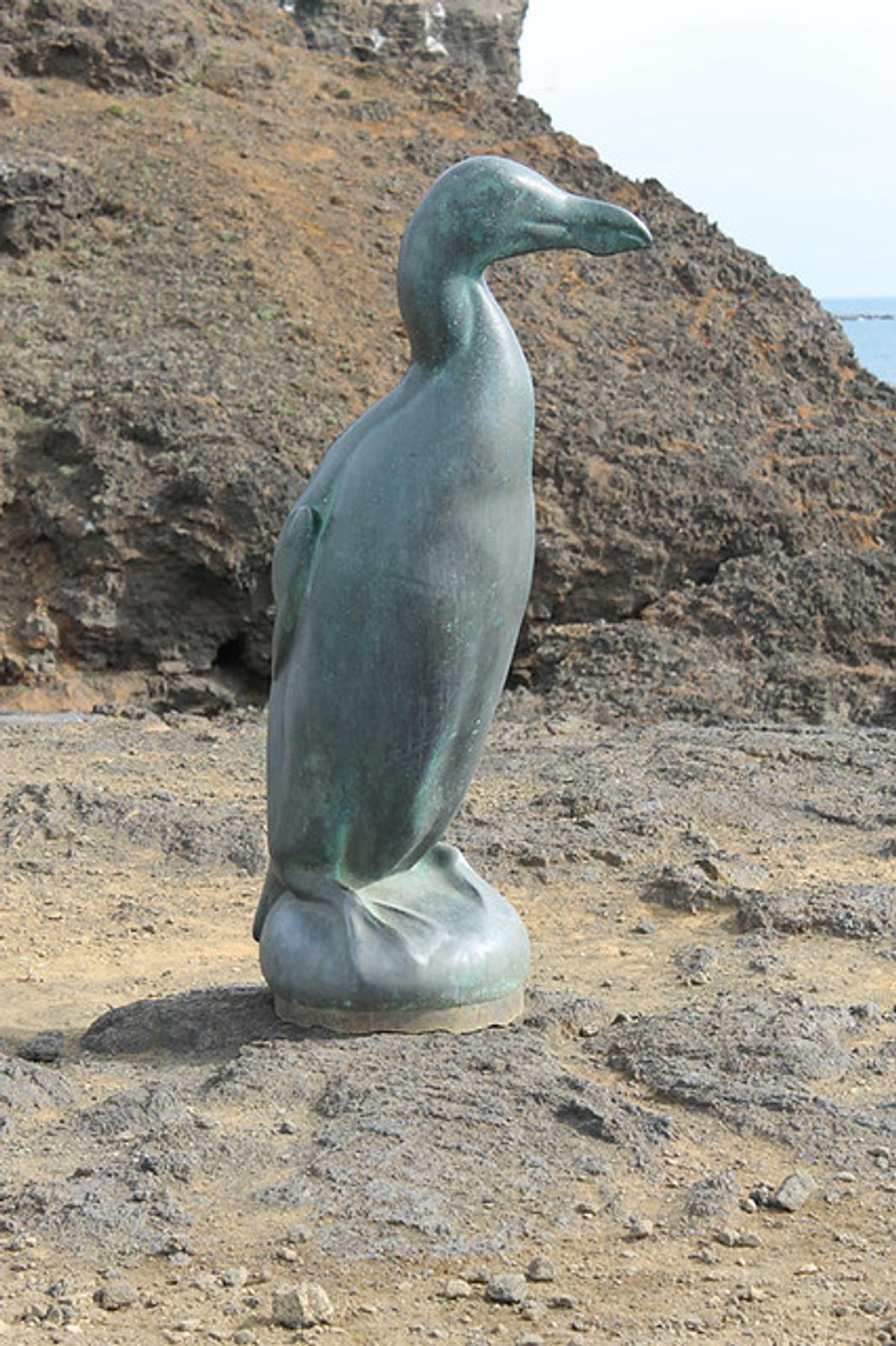
A striking bronze sculpture of the Great Auk stands sentinel on the rugged Reykjanes coast.
About
About Geirfugl
A striking bronze sculpture of the Great Auk stands sentinel on the rugged Reykjanes coast.
Experience a poignant tribute to a lost species amidst Iceland's raw, coastal beauty.
Tours Near Geirfugl

South Coast Tour - Black Sand Beach, Plane wreck, Skogafoss, Seljalandsfoss guided in Chinese冰岛南岸黑沙滩飞机残骸中文一日团
Magic Iceland Travel · 10 hours 30 minutes
DT 322 Private Superjeep South Coast & Eyjafjallajökull Volcano Sights
Superjeep · 8 hours
South Coast Waterfalls, Glacier & Black Sand Beach Tour
BusTravel Iceland · 10 hours
South Coast Waterfalls, Black Beach and Glacier Adventure | Small Group Day Tour
Nicetravel · 11 hours
Photos
Photo Gallery
Background
History & Background
The Geirfugl, or Great Auk, was a magnificent flightless seabird that once thrived in the cold waters of the North Atlantic. Resembling a large penguin, these birds were highly adapted to marine life, but their inability to fly made them easy prey for humans. For centuries, they were hunted for their meat, eggs, and feathers, leading to a drastic decline in their population. The tragic end of the Great Auk occurred in Iceland itself. The last known breeding pair was found and killed on the isolated islet of Eldey, just off the Reykjanes coast, in 1844. This event marked the final extinction of the species, a stark reminder of humanity's unchecked exploitation of natural resources. The Geirfugl sculpture stands as a poignant memorial to this lost species. It serves not only as a piece of public art but also as an educational monument, urging visitors to reflect on the consequences of human actions on the environment and to appreciate the delicate balance of ecosystems. Its location on the dramatic Reykjanes Peninsula, a region of raw geological power, further amplifies its message of nature's grandeur and vulnerability.
The Geirfugl sculpture, a captivating public artwork, is dramatically situated on the rugged Reykjanes Peninsula, southwest Iceland. This elegant bronze figure, depicting the extinct Great Auk, stands tall against a backdrop of dark, textured volcanic rock and the expansive, often turbulent Atlantic Ocean. Its smooth, patinated surface, visible in the strong Icelandic light, contrasts beautifully with the raw, untamed landscape it inhabits. The sculpture serves as a powerful memorial to the Great Auk (Pinguinus impennis), a large, flightless seabird that once populated the North Atlantic but was hunted to extinction by the mid-19th century. The last known breeding pair was killed on the nearby islet of Eldey in 1844. Its presence here is a poignant reminder of humanity's impact on the natural world and the irreversible loss of species. Visiting Geirfugl offers more than just an encounter with art; it's an opportunity for quiet contemplation amidst one of Iceland's most geologically active and visually striking regions. The viewpoint itself provides sweeping vistas of the coastline, where ancient lava flows meet the sea, and the air is often filled with the scent of salt and the sound of waves. The artwork encourages visitors to connect with Iceland's natural heritage and reflect on the importance of conservation, all while standing on ground that is both geologically young and steeped in history.
Folklore
Story & Folklore
Standing solitary against the wild Reykjanes backdrop, the Geirfugl sculpture isn't just art; it's a silent sentinel, a bronze echo of a creature long gone. This striking figure, with its smooth, dark form and distinctive profile, embodies the Great Auk, a majestic flightless bird that once thrived in these North Atlantic waters. Its presence here, amidst the dark, craggy lava fields that stretch towards the crashing waves, evokes a deep sense of loss and remembrance. Iceland, a land born of fire and ice, tells stories not just through sagas but through its very geology and its memorials. The Geirfugl reminds us of the delicate balance of nature and humanity's impact, inviting visitors to pause, reflect, and appreciate the raw, untamed beauty—and poignant history—of this dramatic coastline.
Did You Know?
The Geirfugl, or Great Auk, was last seen in Iceland on Eldey island in 1844, making this sculpture a powerful memorial to a species lost to human activity.
Culture
Stories & Legends
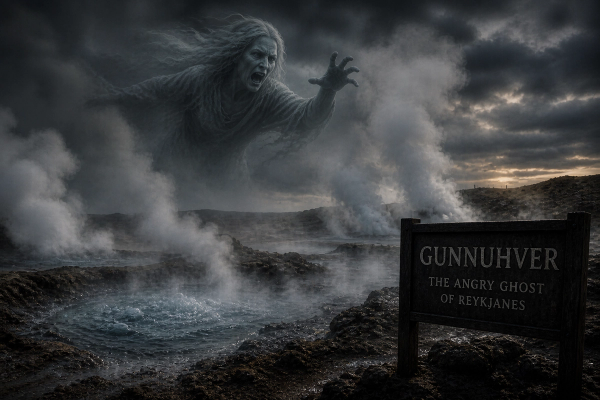
Icelandic sagas and folklore from this area
Explore
Hidden Gems Nearby
Eldey Island Viewpoint
While Eldey itself is inaccessible, you can often spot this dramatic rock island, the last known refuge of the Great Auk, from various points along the Reykjanes coast.
Offers a distant, poignant view of the Great Auk's final habitat.
Brimketill Lava Pool
A natural pool carved into the black lava rock by the relentless Atlantic waves, offering a unique spot to witness the ocean's power.
Experience the raw geological forces shaping the Reykjanes coastline up close.
Help
Frequently Asked Questions
Location
Location
Discover
Explore Nearby
Places from our database within 5.0 km — all data from Sanity
Loading nearby places…
0 places found within 5.0 km
Plan full itinerary →Explore More