

Iceland · Coastal Landmarks
Lighthouses in Iceland
Discover colourful coastal landmarks, remote headlands and some of Iceland's most dramatic lighthouse settings.
Must-Visit
Iceland's Most Iconic Lighthouses
From the tidal island of Grótta near Reykjavík to the remote Langanes peninsula in the northeast — six standout lighthouse settings.
 Snæfellsnes
Svörtuloftaviti
Stands on a lava headland at the southern tip of Snæfellsnes peninsula, overlooking Faxaflói Bay. A favourite photography stop on the Snæfellsnes road-trip circuit.
View lighthouse Capital Region
Gróttuviti
Iceland's most accessible lighthouse — just 15 minutes from central Reykjavík on the tidal island of Grótta. Reached on foot at low tide; a winter wildlife hotspot for eider ducks.
View lighthouse Reykjanes
Krýsuvíkurbergsviti
Perched above the Krýsuvíkurbjarg sea cliffs on the Reykjanes peninsula. The surrounding cliffs host vast seabird colonies in summer and dramatic surf year-round.
View lighthouse Snæfellsnes
Öndverðarnes Lighthouse
Marks the westernmost accessible point of the Snæfellsnes peninsula, surrounded by ancient lava fields and bird cliffs. One of Iceland's most dramatic lighthouse positions.
View lighthouse North Iceland
Langanesviti
At the remote tip of the Langanes peninsula in northeast Iceland — one of the country's most isolated lighthouse locations and a breeding ground for gannets and fulmars.
View lighthouse South Iceland
Urðaviti
Stands alone on the volcanic south coast, surrounded by black sands and dramatic sea conditions. One of Iceland's most atmospheric solo lighthouse settings.
View lighthouseBook an Experience
Coastal & Scenic Experiences
Guided coastal tours, photography excursions and scenic drives that feature Iceland's most dramatic lighthouse headlands.
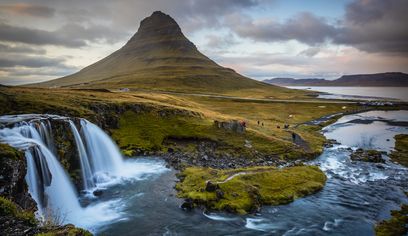
Snæfellsnes Peninsula Tour
From 17,490 ISK
Book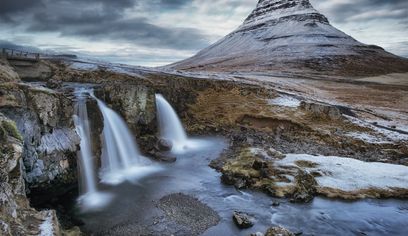
Snaefellsnes Peninsula Minibus Tour
From 17,514.509 ISK
Book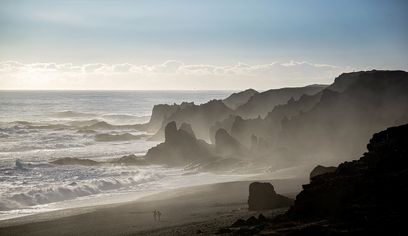
Private Snæfellsnes Peninsula
From 349,900 ISK
Book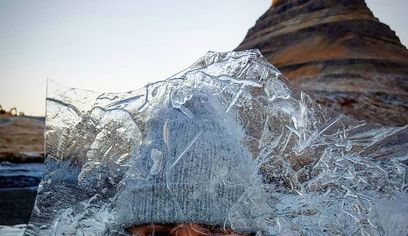
Snæfellsnes Private Comfort
From 280,000 ISK
Book
Snaefellsnes: Hidden Gem of the West
From 249,999 ISK
Book
Private Luxury Moonwalk Tour at Reykjanes 7h
From 169,000 ISK
BookSelf-Drive
Lighthouse Road-Trip Guide
Iceland's lighthouses reward self-drive visitors — most can be combined into efficient regional circuits.
Reykjanes Peninsula Loop
The Reykjanes peninsula holds more lighthouses per kilometre than any other region — Garðskagi, Hópsnes, Hólmsbergsviti, Gerðistanga and Krýsuvíkurberg can all be combined in a single day from Reykjavík.
Snæfellsnes Coastal Drive
The Snæfellsnes peninsula road takes you past Svörtuloftaviti, Kirkjuhólsviti and Öndverðarnes on one of Iceland's most varied coastal drives, ending near Snæfellsjökull glacier.
East Fjords Circuit
The East Fjords hold five lighthouse sites including Dalatangaviti, Streitisviti and the remote Langanes peninsula. Allow extra time — the fjord roads are winding and spectacular.
Photography Windows
Iceland's long summer evenings (June–August) give photographers several hours of golden light. The low winter sun creates dramatic shadows even at midday — lighthouses photograph well year-round.
Interactive Map
Explore Iceland's Lighthouses
All 29 lighthouse locations mapped. Filter by region to plan your coastal route.
Lighthouse Photography in Iceland
Iceland's extraordinary light makes lighthouse photography rewarding year-round. Long summer evenings from late May to early August offer several hours of golden and blue-hour light each day.
In winter, the low angle of the sun creates dramatic shadows even at midday. Coastal sites catch the best of Iceland's shifting weather — passing storms, double rainbows and moody skies.
Most Icelandic lighthouses are white or red structures against volcanic rock, black sand or green headlands. Pure colour and strong form photograph well even in flat light.
Photography Tips
- →Long summer evenings (June–Aug) give 4+ hours of golden/blue hour light
- →Winter sun stays low — excellent for long shadows and warm tones even at noon
- →Coastal lighthouses reflect in rock pools at low tide
- →Stormy weather can produce dramatic skies — dress for wind and spray
- →Most lighthouses are white or red — pure colours on overcast days
- →Cross-link with Viewpoints for Iceland's best vantage points
Discover
Browse Lighthouses by Region
All 29 lighthouse sites, organized by region.
Reykjanes7 lighthouses


Capital Region1 lighthouse
South Iceland6 lighthouses


West Iceland1 lighthouse

Snæfellsnes3 lighthouses


Westfjords2 lighthouses


North Iceland4 lighthouses


East Iceland5 lighthouses


Wildlife at Lighthouse Headlands
Several Icelandic lighthouse headlands are also outstanding wildlife locations. The Garðskagi lighthouses on Reykjanes host a famous puffin colony (May–Aug). Krýsuvíkurbergsviti sits above one of Iceland's largest seabird cliff colonies. Langanesviti in northeast Iceland is near a gannet breeding site.
Not all coastal lighthouses have confirmed wildlife nearby. Check individual attraction pages for specific wildlife notes.
Iceland Wildlife GuideCoastal Safety in Iceland
Frequently Asked Questions
What are the best lighthouses to visit in Iceland?
Gróttuviti near Reykjavík is Iceland's most visited lighthouse and easily accessible by foot at low tide. On Snæfellsnes, Svörtuloftaviti and Öndverðarnes are outstanding. In the Reykjanes peninsula, the two Garðskagi lighthouses (old and new) are famous for their puffin colony in summer. In the East Fjords, Dalatangaviti and Streitisviti offer remote coastal drama.
Can you visit Icelandic lighthouses?
You can visit the grounds and exterior of most Icelandic lighthouses — they are located on public headlands or beaches. The interior of lighthouse towers is not generally open to the public. Some lighthouses are in remote locations that require a 4WD vehicle or suitable footwear. Always check access conditions locally, especially in winter.
Which lighthouses are near Reykjavík?
Gróttuviti is on the Seltjarnarnes peninsula, about 15 minutes from central Reykjavík — reachable on foot at low tide. The Garðskagi lighthouses on the Reykjanes peninsula are about 45 minutes from Reykjavík. Hópsnesviti, Hólmsbergsviti, Gerðistangaviti and Krýsuvíkurbergsviti are all on the Reykjanes peninsula within an easy day trip of the capital.
What are the best lighthouse stops on an Iceland road trip?
On the Ring Road (Route 1), strong lighthouse detours include Gróttuviti (Capital Region), Dyrhólaeyjarviti (South Iceland), and several East Fjords lighthouses. The Snæfellsnes Road 54 passes Svörtuloftaviti and Öndverðarnes. The Reykjanes peninsula circuit makes an excellent half-day excursion with multiple lighthouse stops.
Are Iceland lighthouses open to the public?
The surrounding grounds and coastal headlands of most Icelandic lighthouses are accessible. However, the lighthouse buildings themselves are generally not open to visitors — they are operational navigational structures maintained by the Icelandic Coast Guard. You can photograph them from the outside and enjoy the surrounding coastal scenery.
Where are the best lighthouse photography locations in Iceland?
Krýsuvíkurbergsviti above the Reykjanes sea cliffs is exceptional for dramatic cliff-edge compositions. Gróttuviti reflects beautifully in tidal pools. Svörtuloftaviti on Snæfellsnes photographs well against sunset or with the glacier in the background. Garðskagaviti is excellent for puffin foreground shots in June–July. Dalatangaviti in east Iceland offers remote, isolated compositions.
Can you see puffins near Icelandic lighthouses?
Yes. The Garðskagi lighthouses on the Reykjanes peninsula are one of Iceland's most accessible puffin viewing sites from late April to mid-August. Krýsuvíkurbergsviti above the Krýsuvíkurbjarg cliffs is surrounded by large seabird colonies including razorbills, guillemots and kittiwakes. Langanesviti in northeast Iceland is near gannet colonies.
Are lighthouse roads accessible in winter?
Most coastal lighthouse sites are accessible in winter, though conditions vary significantly by location. Roads on the Reykjanes peninsula are kept clear year-round. More remote sites — particularly in the East Fjords, Westfjords, and north Iceland — may require 4WD in winter. Coastal headlands can be extremely exposed to wind and ice. Always check road conditions at road.is before travelling.