
Kirkjuhólsviti
Discover Kirkjuhólsviti, a unique 'bridge lighthouse' on Iceland's rugged west coast.
At a Glance
Visit time
30-45 minutes
Best Season
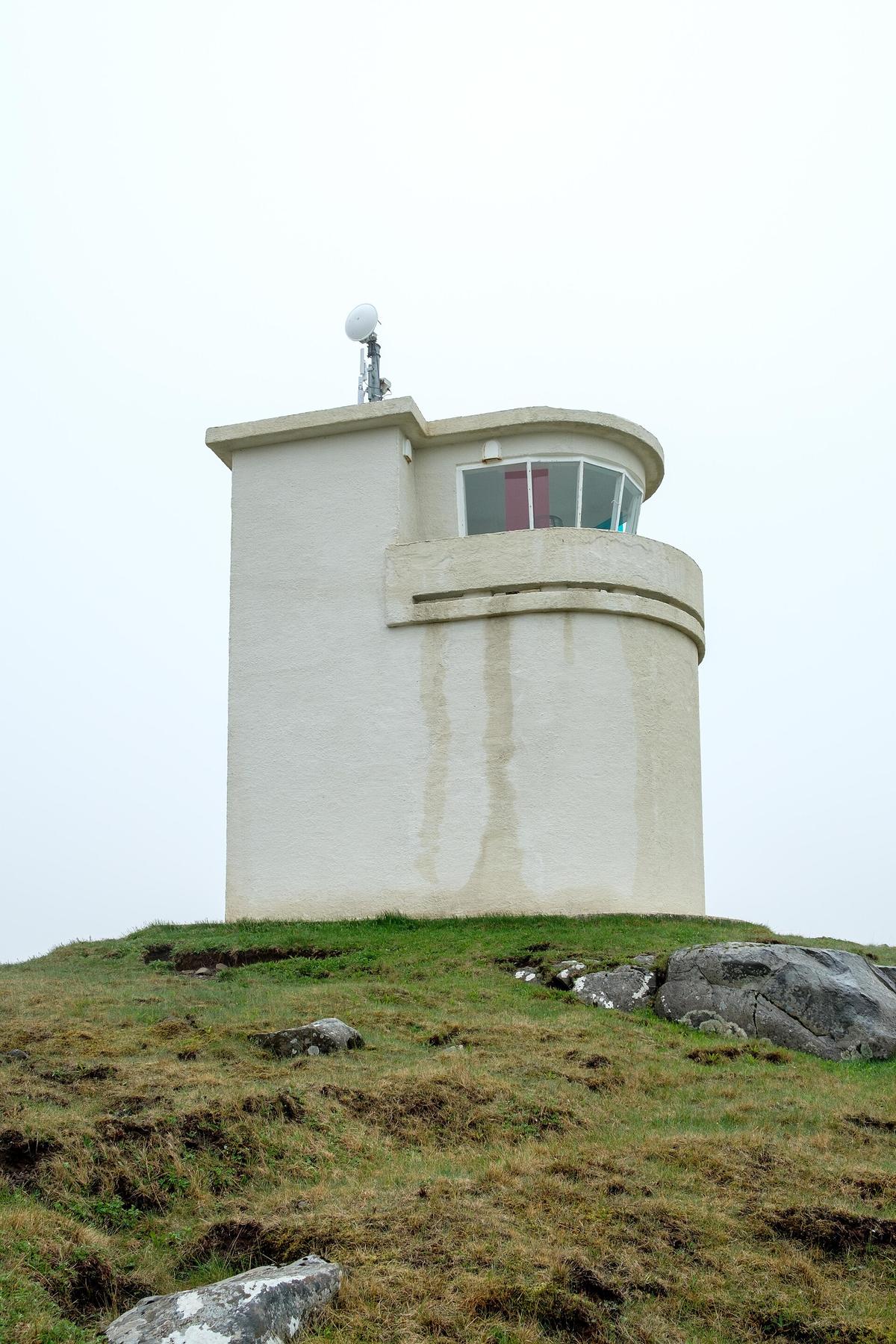
Late Spring to Early Autumn (May-September) for best weather and green landscapes. Anytime for photography, but overcast days as seen in the image can provide soft, dramatic light.
Getting There
Accessible via a paved road leading to a short, unpaved path or walk up to the lighthouse. Parking is likely available nearby. No 4WD required.
GPS
64.8054, -23.0961
About
About Kirkjuhólsviti
Discover Kirkjuhólsviti, a unique 'bridge lighthouse' on Iceland's rugged west coast.
Witness a unique architectural lighthouse design amidst West Iceland's wild coastal beauty.
Tours Near Kirkjuhólsviti

Buggy tours around Snæfellsjökull. 2 hour tour
Glacier Paradise · 2 hours 30 minutes

Buggy tours around Snæfellsjökull. 1 hour tour
Glacier Paradise · 1 hour

Private Tagestour Westisland ab Reykjavík mit Stopp am Langjökull
SPS Travel · 8 hours
Private Farm Visit & Silver Circle Day Tour in West Iceland
Rest in the West · 12 hours
Photos
Gallery
Background
History & Background
Kirkjuhólsviti, a distinctive 'bridge lighthouse,' was erected in 1952, a period when Iceland was actively developing its coastal navigation infrastructure. Designed by the renowned engineer Axel Sveinsson, this lighthouse is notable for its integrated structure where the lantern house and tower form a single, cohesive unit, an architectural style that visually evokes the bridge of a ship. Its initial construction saw it coated with a light quartz plaster, a finish that has since been updated with a durable white cement blend, reflecting maintenance over the decades. The lighthouse's operational history began with a gas-powered light, a practical choice for the time. This light was amplified by a lens that had previously served in the older Akranes lighthouse, showing a resourceful approach to equipment reuse. A significant upgrade occurred in 1980 when Kirkjuhólsviti was converted to electric power, a modernization that also involved the installation of a new lens, enhancing its efficiency and reach. Interestingly, Kirkjuhólsviti shares its blueprint with another Icelandic lighthouse, Bjargtangaviti, highlighting a successful and replicated design for the challenging Icelandic coastline.
Nestled on a verdant, rocky rise in West Iceland, Kirkjuhólsviti is more than just a navigational aid; it's a testament to functional design adapted to a formidable environment. This 'bridge lighthouse,' a term given to structures where the lantern house and tower are seamlessly integrated, offers a unique architectural profile, its curved upper section distinctly reminiscent of a ship's command bridge. Constructed in 1952 under the careful hand of engineer Axel Sveinsson, the lighthouse initially featured a light quartz plaster finish, now updated with a robust white cement blend that shows the weathered streaks from years of Icelandic weather. From its inception, Kirkjuhólsviti has adapted with technology. It began its service with a gas lamp, which ingeniously utilized a lens salvaged from the older Akranes lighthouse, ensuring its powerful beam reached far across the sea. In 1980, it transitioned to an electric light, accompanied by a lens upgrade, marking its continued commitment to modern maritime safety. Standing tall with a small, modern antenna atop its flat roof, the lighthouse remains an active and vital part of Iceland's coastal infrastructure. Its location on a gently sloping, grass-covered hill, dotted with large, grey rocks, provides a picturesque backdrop against the often-dramatic skies of the region. A visit here offers a quiet moment to appreciate both engineering and nature, reflecting on the enduring spirit of Icelandic seafaring.
Folklore
Story & Folklore
The wind howled a familiar tune around Kirkjuhólsviti, a constant companion since its erection in 1952. Engineer Axel Sveinsson’s vision, a lighthouse resembling a ship’s bridge, cut a striking figure against the often-grey Icelandic skies. For decades, its light, initially a gas flame magnified by a lens repurposed from the older Akranes lighthouse, pierced the North Atlantic mists, guiding sailors home. The lighthouse, originally coated in light quartz, now wears a brushed white cement, bearing the faint, vertical streaks of countless storms and passing seasons. Its sturdy, somewhat stoic form, topped with a modern antenna, stands firm on the grassy hill, a silent guardian watching over the dynamic interplay of land and sea in West Iceland. Each streak on its facade tells a tale of resilience against the elements, a quiet testament to its enduring service.
Did You Know?
Kirkjuhólsviti shares its unique 'bridge lighthouse' design with Bjargtangaviti, both built by engineer Axel Sveinsson in 1952.
Culture
Stories & Legends
Icelandic sagas and folklore from this area
Explore
Hidden Gems Nearby
Coastal Views from the Knoll
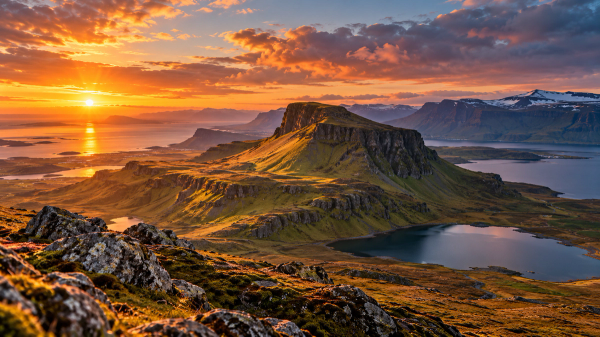
The grassy knoll around the lighthouse offers expansive, rugged views of the Snæfellsnes Peninsula coastline and the vast Atlantic. It's an ideal spot for photography and quiet contemplation.
It provides a dramatic panoramic vista of West Iceland's wild beauty.
Geological Formations
Observe the large, weathered rocks scattered across the landscape surrounding the lighthouse. These ancient stones tell a silent story of Iceland's volcanic past and glacial sculpting.
They offer a glimpse into the raw geological forces that shaped this unique island.
Birdwatching Opportunities
The remote coastal location attracts various seabirds. Bring binoculars to spot species like gulls and fulmars soaring above the cliffs and waves, especially during breeding seasons.
It's a chance to connect with Iceland's diverse avian wildlife in a serene setting.
Help
Frequently Asked Questions
Location
Location
Discover
Explore Nearby
Places within 5.0 km
Loading nearby places…
0 places found within 5.0 km
Plan full itinerary →Explore More