
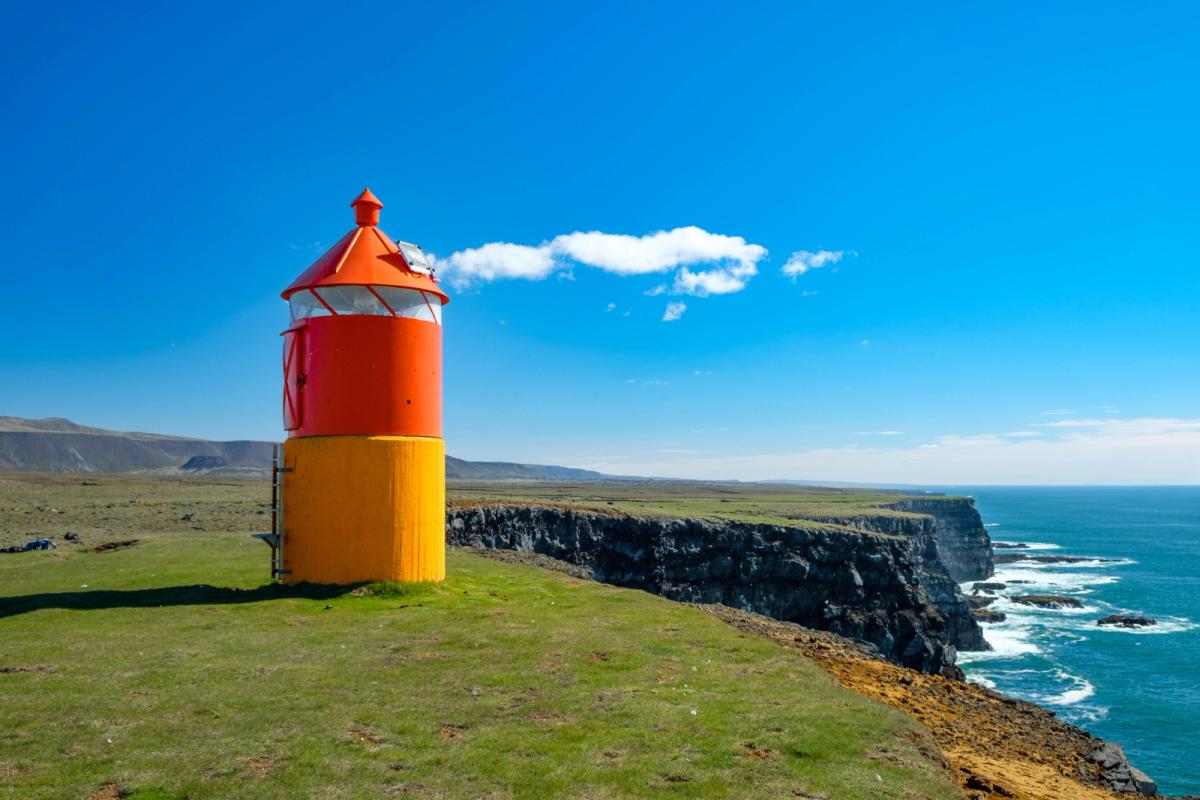
Krýsuvíkurbergsviti
Perched precariously on dramatic cliffs, Krýsuvíkurbergsviti guides ships with its powerful beam.
About
About Krýsuvíkurbergsviti
Perched precariously on dramatic cliffs, Krýsuvíkurbergsviti guides ships with its powerful beam.
Witness Iceland's wild coastal beauty and an iconic lighthouse at the world's edge.
Tours Near Krýsuvíkurbergsviti

South Coast Tour - Black Sand Beach, Plane wreck, Skogafoss, Seljalandsfoss guided in Chinese冰岛南岸黑沙滩飞机残骸中文一日团
Magic Iceland Travel · 10 hours 30 minutes
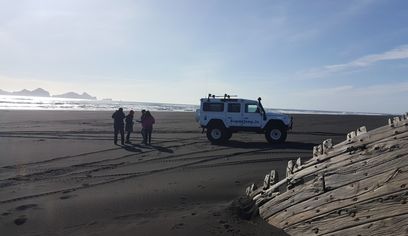
DT 322 Private Superjeep South Coast & Eyjafjallajökull Volcano Sights
Superjeep · 8 hours
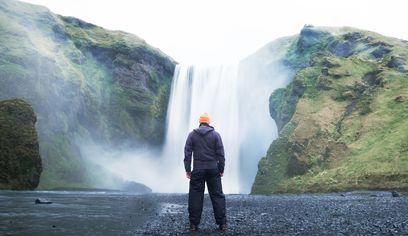
South Coast Waterfalls, Glacier & Black Sand Beach Tour
BusTravel Iceland · 10 hours
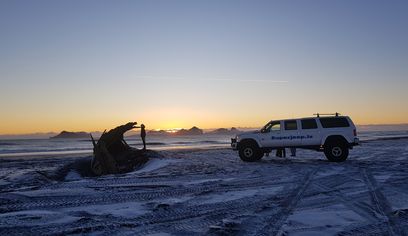
DT 402 Private Monster Truck South Coast & Eyjafjallajökull Volcano Sights
Superjeep · 8 hours
Photos
Gallery
Background
History & Background
The first lighthouse at Krýsuvíkurberg was established in 1929, a vital navigational aid for maritime traffic along Iceland's southwest coast. Its construction on such a remote and exposed cliff face was a significant undertaking, underscoring the critical need for a beacon in these often-stormy waters. The current, more robust concrete structure, easily identifiable by its bright yellow paint, was built in 1963. This upgrade reflected advancements in lighthouse technology and the need for a more durable design capable of withstanding the extreme weather conditions and seismic activity characteristic of the Reykjanes Peninsula. Krýsuvíkurbergsviti has since stood as a silent guardian, its powerful beam cutting through fog and darkness, guiding countless vessels safely past the perilous cliffs. It symbolizes Iceland's deep connection to the sea and its commitment to maritime safety, a sentinel watching over the wild Atlantic.
Krýsuvíkurbergsviti, often simply called Krýsuvík Lighthouse, stands as a testament to human resilience and navigational necessity on the dramatic cliffs of Krýsuvíkurberg. Located on the southern coast of the Reykjanes Peninsula, within the Reykjanes UNESCO Global Geopark, this iconic structure offers visitors an unparalleled experience of Iceland's raw coastal beauty. The original lighthouse here was erected in 1929, a crucial aid for ships navigating the treacherous waters off the peninsula. The current, more robust concrete structure, painted a distinctive yellow, replaced it in 1963, designed to withstand the relentless assault of Atlantic storms and seismic activity common in this volcanic region. What to see: The primary draw is undoubtedly the breathtaking panoramic views. From its vantage point, you can gaze out over the vast, often turbulent, Atlantic Ocean, watch powerful waves crash against the basalt columns below, and appreciate the sheer scale of the cliff faces, which plummet hundreds of feet into the sea. These cliffs are also a significant nesting site for thousands of seabirds, including kittiwakes and fulmars, especially during the breeding season (May-July), making it a prime spot for birdwatching. Tips: Wear warm, windproof clothing, even in summer, as the coastal winds can be fierce. Sturdy walking shoes are essential for navigating the uneven terrain. Always stay on marked paths and maintain a safe distance from the cliff edge, as they can be unstable. The drive to the lighthouse is an adventure in itself, showcasing the rugged, volcanic landscapes of Reykjanes. Allow ample time to soak in the views and observe the abundant birdlife.
Folklore
Story & Folklore
The wind howled, a relentless symphony against the sturdy walls of Krýsuvíkurbergsviti. Inside, old Guðmundur, the keeper, carefully trimmed the wick, his gnarled hands steady despite the tremor of the earth beneath his feet. For decades, this cliff-edge vigil had been his life, the rhythmic flash of the lamp his only constant companion against the vast, dark expanse of the North Atlantic. He remembered storms that felt like the world was ending, waves crashing so high they seemed to kiss the very lantern room, threatening to swallow the beacon whole. Yet, the light always shone, a defiant star against the tempest, a promise of safety to the unseen vessels battling the same unforgiving sea. Guðmundur knew his purpose: to be the unwavering eye of Iceland, guiding souls through the perilous waters, a silent hero in a land of fire and ice. Each night, as the sun dipped below the horizon, painting the sky in fiery hues, he felt a profound connection to the sea, to the land, and to the countless lives depending on his solitary vigil.
Did You Know?
Reaching this lighthouse was historically challenging, often requiring supplies to be lowered from the cliffs above, highlighting its isolated existence.
Location
Location
Discover
Explore Nearby
Places within 5.0 km
Loading nearby places…
0 places found within 5.0 km
Plan full itinerary →Explore More