

MONTHLY GUIDE
Iceland in December
Winter Solstice, Northern Lights & the Christmas Season
December is Iceland at its darkest and most wintry — the shortest days of the year surround the winter solstice, long nights make the Northern Lights a genuinely serious reason to visit, and Reykjavík takes on a real Christmas-and-New-Year atmosphere. None of this comes free: daylight is minimal, weather is cold and genuinely changeable, and December's Christmas and New Year periods behave differently from an ordinary winter week.
Iceland in December
December is Iceland at its most wintry. This is the country's darkest month, built around the winter solstice — the shortest day of the year, falling around December 21 — and the long nights that surround it make the Northern Lights one of the clearest, most serious reasons to visit this time of year.
December is also not one uniform month. Early December still carries a little of November's fading light and a genuinely quieter travel period; the Christmas period in the middle of the month brings shorter daylight still, alongside a real Reykjavík Christmas atmosphere and holiday-aware scheduling; and the New Year period at the end of the month combines the year's longest nights with real, rising demand around the holidays. This guide treats these as genuinely different planning contexts, not one flat December.
What stays genuinely strong through the month: geothermal bathing becomes especially appealing against December's cold, Reykjavík works well as a comfortable, flexible, weather-proof base regardless of the day's conditions, and — where current guide-assessed conditions and operator schedules allow — glacier and ice experiences remain part of the picture.
Why visit in December? For genuinely long, dark nights and a real Aurora chance; for a distinctly wintry Iceland without the crowd pressure of Christmas markets elsewhere in Europe; and for Reykjavík's own Christmas-and-New-Year character. Who should think twice? Travellers expecting long daylight sightseeing days, a guaranteed white-Christmas landscape, or an easy, fully flexible self-drive Ring Road trip — none of those are realistic December assumptions.
The honest way to think about December is: Iceland's darkest, most wintry month, with the Northern Lights and a genuine Christmas-to-New-Year character as its clearest identity — not an extension of November, and not a month to plan the way you would plan a summer trip with the temperature turned down.
Quick Guide to Iceland in December
- Best for
- Northern Lights, winter atmosphere, Christmas/New Year, geothermal, guided tours
- Season
- Deep winter, Iceland's darkest month
- Daylight
- Iceland's shortest of the year, centred on the winter solstice
- Northern Lights
- Strong dark-sky season — the year's longest nights
- Weather
- Cold, windy and genuinely changeable — snow, ice, rain and sleet are all realistic
- Driving
- Requires active road/weather monitoring, more than November did
- Highlands
- Do not plan self-drive around Highland access
- Christmas/New Year
- A genuinely different travel period — book ahead
- Packing
- Warm waterproof/windproof layers, gloves, hat, proper winter footwear
- Trip style
- Conservative self-drive, or guided travel depending on conditions and dates
December Quick Facts
Season
Iceland's darkest month
Deep winter
December reads as genuine deep winter from day one — this is not a continuation of November's transition, it's the year's darkest, coldest stretch.
Northern Lights
Genuinely strong
Strong relevance
The year's longest nights make December one of the strongest Aurora months in this guide's coverage — never guaranteed, but a real, serious reason to visit.
Daylight
Plan around it above all else
Iceland's shortest of the year
Daylight bottoms out around the winter solstice (~December 21) — this is the single most important planning factor for a December trip.
Christmas / New Year
Plan ahead
A genuinely different travel period
Late December brings real holiday-period demand and scheduling changes — this guide treats it as its own planning context, not an ordinary December week.
Best Activities
Best For
Why Visit Iceland in December?
December's clearest strength is the Northern Lights. This is Iceland's darkest month — nights are at their longest, giving a genuinely extended viewing window most evenings — when solar activity and clear skies cooperate, which is never guaranteed at any time of year.
Early December, the Christmas period and the New Year period are worth thinking about separately, not as one flat month. Early December still carries a touch of November's character and is genuinely the quietest of the three; the Christmas period brings the shortest daylight of the entire year around the solstice, plus a real Reykjavík Christmas atmosphere; and the New Year period combines that same deep darkness with real, rising demand and different operating schedules around the holidays.
Beyond the Aurora, a December trip remains substantially real: geothermal lagoons, Reykjavík's museums, restaurants and Christmas character, and — where current conditions and operator schedules genuinely allow — glacier and ice experiences all continue to work. This guide won't market December as reliably cheap, either — pricing depends on your exact dates (Christmas and New Year in particular can raise both demand and prices), availability and how far ahead you book, not the calendar month alone.
The trade-offs are real and worth naming directly: daylight is at its shortest of the entire year, weather is cold, windy and genuinely changeable, snow and ice are realistic possibilities without ever being guaranteed, Highland and F-road access should not be assumed at all, and the Christmas/New Year period specifically brings real scheduling and availability changes this guide won't paper over with a generic seasonal assumption.
Early December
- A little more daylight than later in the month
- Genuinely the quietest of the three periods
- Winter conditions, developing Christmas atmosphere
Christmas Period
- The winter solstice — Iceland's shortest daylight of the year
- Real Reykjavík Christmas atmosphere
- Holiday-aware scheduling genuinely starts to matter
New Year Period
- Still among the year's longest nights, daylight very slowly increasing
- Real, rising demand around the holidays
- Book well ahead — this is not an ordinary December week
Current road, weather and operator data always overrides these seasonal generalisations — this guide never claims an exact weather outcome or a specific opening schedule for any part of the month.
The Year's Longest Nights Are Here — December nights are genuinely long and dark, meaning strong Aurora potential. Check live aurora and cloud conditions before planning an evening around it.
Featured December Attractions
Handpicked places worth visiting on a December trip.

Hveragerdi Geothermal Park
south iceland
Explore Hveragarðurinn, Hveragerði's vibrant geothermal park, with active hot springs, steam vents, and a striking blue pool.

Gullfoss Upper Viewpoint
south iceland
Two-stage waterfall on the Hvítá river and one of the main stops on the Golden Circle.

Langjökull Glacier
west iceland
Explore Langjökull, Iceland's second-largest glacier, with its unique man-made ice tunnels and vast snowy landscapes.

Gunnuhver Geothermal Area
reykjanes
Gunnuhver is a powerful geothermal area on the Reykjanes Peninsula with boiling mud pools, steam vents and sulphur-rich geothermal activity.

Bruarfoss Waterfall
south iceland
Blue-water waterfall on the Brúará river, reached by official walking access in the Golden Circle area.

Kvernufoss
south iceland
30-metre waterfall in a narrow gorge near Skógar, with a path behind the cascade in suitable conditions.
Explore Iceland in December
Weather in Iceland in December
December weather is Iceland's most genuinely wintry — colder and more changeable than November's, and capable of shifting within a single day at any point in the month. Iceland's maritime climate means December weather is never one single thing: expect a realistic mix of rain, sleet, snow, wind and cloud rather than one dominant pattern, and never assume a fixed outcome for your specific travel date from this guide's general averages alone.
Layering and genuinely warm, waterproof, windproof outer clothing matter more in December than at any earlier point in this guide's coverage. Iceland's maritime location also means December does not guarantee a snow-covered landscape, in Reykjavík or elsewhere — rain and sleet are just as realistic a December outcome as snow, depending on the specific weather system passing through.
Reykjavík right now
Average Temperatures
Typical December daytime temperatures — historical/climatological averages, not a forecast, and always worth checking a current forecast alongside. Actual experienced cold depends heavily on wind, wetness, elevation and the specific weather system on your dates, far more than on the average alone:
| Region | Average Day | Average Night |
|---|---|---|
| Reykjavík / Southwest | -1–4°C | -3–0°C |
| South Coast | -2–3°C | -4–-1°C |
| North Iceland | -4–1°C | -7–-2°C |
| East Iceland | -4–1°C | -7–-2°C |
| Highlands / elevation | -8–-2°C | Well below 0°C |
Wind makes the real feel considerably colder than the air temperature alone, especially on exposed coastlines, cliffs and higher ground — pack for the wind, not just the thermometer, more so in December than at any earlier point in this guide's coverage.
Will There Be Snow in Iceland in December?
Snow is a genuine, realistic part of Iceland in December, but this guide will not promise a snow-covered landscape for any specific destination or date — Iceland's maritime climate means rain and sleet are just as realistic an outcome, especially in Reykjavík and the immediate southwest. A White Christmas is never guaranteed in Iceland, in Reykjavík or elsewhere.
Snow cover is generally more likely and more consistent in North Iceland, the East and at elevation than in the southwest lowlands, and more likely later in the month than earlier — but this is a tendency, not a promise. Check a current forecast for your actual dates rather than assuming either extreme.
Wind
Wind is one of Iceland's most serious travel factors year-round, and December deserves the same serious treatment as November — genuinely more so, since this is the year's darkest month and wind combines with darkness to compound real risk.
- Hold vehicle doors firmly in open, exposed car parks — strong gusts can damage a door or catch you off guard.
- Exposed hikes, cliffs and coastal viewpoints deserve real caution in high wind, and some may not be sensible to attempt at all on a given day.
- Campervan travellers should factor wind into route and campsite choices as seriously as cold and darkness — most seasonal campsites are closed by December in any case.
- Drone flights become unsafe or illegal to attempt in strong wind, aside from any local flight restrictions.
- Tours — including glacier hiking, boat trips and some guided day tours — can be cancelled for wind and safety conditions; this is a genuinely common December outcome, not a rare one.
Official weather warnings always override a planned itinerary — a route or activity is never worth continuing once a genuine warning is in effect.
Rain, Sleet & Snow
December brings a real mix of rain, sleet and snow depending on the week, region and elevation — pack for all three rather than for snow alone. A calm, clear December day exists, but it is not the default to plan around.
A proper warm, waterproof, windproof outer layer and weather-resistant footwear with real grip matter for comfort and safety on any outdoor day. Reduced visibility, wet or icy surfaces and the year's shortest daylight all affect driving, walking and photography planning together, so build genuine flexibility into any December day.
What to pack:
Don't plan around a single exact rainfall, snowfall or temperature figure — check a current short-range forecast for your actual dates instead.
Fast Weather Changes
Winter storm systems can develop and change quickly in December, genuinely more so than in November. A calm morning does not guarantee a calm afternoon, and this is one of the month's most important planning realities, especially around the Christmas and New Year travel periods when flexibility matters even more.
Plan around this variability:
- Check road.is and vedur.is before any significant drive
- Build a genuine flexible buffer into any multi-day route
- Never treat a booked tour, flight or hotel as a reason to drive through an active warning
Current official warnings always take priority over any itinerary, booking or affiliate recommendation in this guide.
Regional Differences
Reykjavík & Southwest
- Generally the mildest, most sheltered region, and still fully practical as a base through the month
- Snow cover is genuinely inconsistent here — rain and sleet are just as realistic, and a White Christmas is never guaranteed in the capital
South Coast
- Wetter and windier than the capital region, with a real chance of sleet or snow on colder days
- Waterfalls remain a strong, reliable highlight regardless of season, conditions permitting
Southeast
- Jökulsárlón and Skaftafell remain genuinely worthwhile where conditions allow — this is squarely within the natural ice-cave season this guide describes, though specific cave access is always an operator decision
- A long drive from Reykjavík deserves real weather buffer, more than November required
North Iceland
- Turns properly and consistently wintry, more so than the southwest
- Whale watching and other seasonal activities are genuinely limited this time of year — check current status directly rather than assuming
Highlands / elevation
- The most weather-sensitive region by far, and this guide's default assumption is that ordinary self-drive access should not be planned around at all
- Any access is a current-conditions question, never a calendar one
For current conditions and warnings, always check Veðurstofa Íslands (the Icelandic Meteorological Office) directly rather than relying on general seasonal guidance.
What Does December Weather Mean for Your Trip?
- The year's longest darkness and genuinely strong Aurora potential
- Dramatic, moody winter light for photography
- A genuinely quiet travel period outside the Christmas/New Year window
- A distinctly wintry Iceland experience without needing deep-winter specialist gear beyond what this guide's Packing section will cover in a later part
Travellers who pack properly, stay genuinely flexible, and check current conditions before every drive and every plan tend to have excellent December trips.
Will Iceland Have a White Christmas?
Not guaranteed — in Reykjavík or anywhere else. Iceland's maritime climate means December brings a genuine mix of rain, sleet and snow, and a snow-covered landscape on any specific date is never something this guide will promise. Check a current forecast as your dates approach rather than assuming a postcard scene.
Daylight in Iceland in December
December contains Iceland's shortest days of the entire year, centred on the winter solstice around December 21 — this is one of the single most important planning factors in this whole guide's coverage. Early December still offers around 5 hours of daylight; by the solstice, that falls to roughly 4 hours, before beginning a very gradual increase again through the final days of the month.
December 1 and December 31 do not have the same daylight, and this guide will not treat them as though they do — always check real sunrise/sunset times for your actual travel dates. Twilight extends usable light a little further at both ends of the day, genuinely useful for city sightseeing and photography, but it is not equivalent to full daylight for driving or an outdoor sightseeing stop, and this guide never treats it as such.
Sunrise
Roughly 10:45 early in the month, later than 11:20 around the solstice
Sunset
Roughly 15:45 early in the month, earlier than 15:30 around the solstice
Hours of light
Falls to around 4 hours at the winter solstice, Iceland's shortest day of the year
| Date | Sunrise | Sunset | Daylight |
|---|---|---|---|
| Early December | ~10:45 | ~15:45 | ~5h |
| Winter Solstice (~Dec 21) | ~11:20 | ~15:30 | ~4h |
| Late December | ~11:15 | ~15:40 | ~4h15m |
Sunrise and sunset times vary by region — Reykjavík, the South Coast and North Iceland don't share an identical clock — but the month-long pattern of bottoming out around the solstice applies nationwide.
The Winter Solstice in Iceland
The winter solstice falls around December 21 each year and marks Iceland's shortest daylight period of the entire year — the single biggest planning factor in this whole guide.
Daylight begins increasing again, very gradually, immediately after the solstice — by the final days of December the change is barely noticeable day to day, but the turn has genuinely happened.
Planning Around Short Daylight
Morning
- A later start is genuinely normal in December — sunrise itself doesn't arrive until well into what would be a normal morning elsewhere
- Don't plan an early-morning outdoor sightseeing stop before real daylight has actually arrived
Afternoon
- Midday is the only reliably lit part of the day, and it's a genuinely short one — plan your single most important outdoor stop for this window
- Build in more weather buffer than November required — conditions change fast this time of year
Evening
- Darkness falls by mid-afternoon in December, which means a genuine, unhurried Aurora check fits naturally into an early evening, without staying up especially late
- Late-afternoon darkness should shape dinner and any evening activity planning, not a summer-style schedule
December itineraries should be built around a genuinely short sightseeing day from the start — this is Iceland's shortest-daylight month, and no itinerary in this guide will treat it otherwise.
Photography and December Light
- Low sun angles (where the sun appears at all) suit dramatic winter light throughout the brief daylight window
- A genuine golden-hour-like quality can last much of the short day near the solstice
- Long, dark evenings open up real, extended Aurora photography potential most nights
Photography plans should adapt to the actual daylight window for your travel dates — full Photography guidance arrives in a later part of this guide.
Northern Lights in Iceland in December
December is genuinely one of the strongest months in this guide's coverage for the Northern Lights — this is Iceland's darkest month, with the year's longest nights giving real, extended viewing windows most evenings.
But darkness alone is never enough. A sighting depends on the combination of real darkness, clear sky gaps, and sufficient solar/geomagnetic activity — all three need to align on the same night, and none of them can be guaranteed in advance, in December or any other month. A strong geomagnetic forecast is not useful if the sky is fully clouded over at your specific location.
There is no fixed nightly Aurora schedule — this guide will not publish one. December's long darkness provides a genuinely broad opportunity window across the evening and into the night, but actual activity and cloud cover on your specific night determine whether anything is visible, not a fixed appearance time.
You do not necessarily need to drive hours from Reykjavík to have a real chance — moving even a short distance away from the brightest city-centre lights meaningfully improves visibility, and darker countryside locations improve it further still. Þingvellir, the South Coast and genuinely rural hotel areas are all realistic conceptual options. No single named place guarantees a sighting, and this guide will never encourage driving into deteriorating weather conditions just to escape city lights — road safety always takes priority.
Use AuroraVision's live forecast and current cloud cover before heading out on any given night — a genuinely clear forecast for your specific location is far more useful than the mere fact that it's December.
🌌 See the Northern Lights
Track real-time aurora activity and plan your Northern Lights trip with AuroraVision.
1. Check
Aurora activity and current cloud cover for your actual location.
2. Decide
Whether conditions genuinely justify going out — a clear-but-cold night is more useful than a strong forecast under full cloud.
3. Act
Choose a safe, dark, legal location or a guided tour — never a live road lane or unsafe shoulder.
Aurora Photography — the Basics
Aurora Viewing Safety
Never chase the Northern Lights by:
Where to Look for the Northern Lights
None of the locations below are guaranteed Aurora spots — seeing the lights depends on genuine darkness, gaps in cloud cover, and enough solar activity, all checked live rather than assumed from a location's reputation.
Reykjavík outskirts
Convenient for travellers without a car, though city light pollution is a real factor close in.
Þingvellir
Genuinely dark, with legal parking areas and a wide, unobstructed sky view.
Reykjanes Peninsula
Close to Reykjavík and Keflavík, useful if you don't want a long drive after dark.
South Coast
Dark skies well away from Reykjavík, with real foreground interest for photography.
Rural hotel areas
Many countryside hotels sit well away from city light pollution — a practical option on a genuinely cold December night.
North Iceland
Genuinely dark once away from Akureyri, though the region is fully winter by December — check current road conditions before any drive.
Glaciers & Glacier Hiking in December
Glacier hiking remains one of December's most dependable guided activities — it runs on the glacier's surface ice rather than the winter freeze-and-stabilise cycle that governs natural ice caves, so it doesn't wait on the same seasonal green light.
What genuinely changes from November is the working day itself: with as little as 4 hours of usable daylight around the solstice, guides and visitors alike are operating on the shortest window of the entire year, and an early, well-planned start matters more than at any earlier point in this guide's coverage.
Runs Independently of the Ice-Cave Season
Glacier hiking doesn't need the same meltwater-freeze conditions natural ice caves do, so it stays a reliable December booking regardless of which specific natural caves are currently open.
A Genuinely Well-Sized Activity for a Short Day
December's short daylight makes a guided glacier hike a sensibly-scaled single activity for the day, rather than one of several stops competing for a vanishing daylight window.
Guides Manage the Real Risk
Certified glacier guides reassess the ice before every departure, which is exactly why this activity keeps running through Iceland's darkest, coldest month.
Where to Go
Two glacier areas cover most December glacier-hiking bookings:
Sólheimajökull
The most accessible glacier-hiking base for a South Coast day, roughly 2 hours from Reykjavík.
December's short daylight makes an early departure genuinely necessary here, not merely advisable — check your exact sunrise time before setting a departure time.
Skaftafell / Vatnajökull
Part of Vatnajökull National Park, further along the Southeast route.
Realistically part of an overnight Southeast trip alongside Jökulsárlón rather than a single day from Reykjavík — the shortest-daylight month of the year makes a same-day round trip considerably less realistic than it was in November.
Featured Glacier Hiking Regions

Sólheimajökull
Accessible outlet glacier of Mýrdalsjökull with a marked visitor approach from Road 221.

Skaftafell Nature Reserve
Major hiking and visitor area within Vatnajökull National Park.

Vatnajökull Glacier
Iceland's largest ice cap, covering much of Southeast Iceland and several active volcanic systems.

Jökulsárlón Glacier Lagoon
Glacier lagoon where icebergs from Breiðamerkurjökull drift toward the Atlantic.
December Glacier Conditions
December glacier surfaces are firmly wintry — colder and more consistently frozen than November's, with fresh snow cover a genuinely common, not occasional, factor.
- Surface ice is typically firmer and more consistently frozen than November's
- Fresh snow regularly covers crevasse edges and surface features, which is exactly why guides — not visitors — make every route call
- December's extremely short daylight compresses the usable tour window more than any earlier month in this guide, and some departure times shift earlier still around the solstice
How Guides Adjust
- Guides choose or adjust the specific route each day based on current surface and snow conditions
- Crampon technique guidance accounts for a harder, colder surface than November's
- A tour may be shortened, rerouted or cancelled for safety, weather or daylight reasons — a genuinely common December outcome
No Prior Experience Required
No prior glacier experience is required for standard guided glacier-hiking tours — guides teach crampon technique and ice-walking basics at the start of every trip, in December as in every other month.
What varies by product:
Why a Guide Is Essential
Independent glacier travel is never appropriate without genuine mountaineering training and equipment — this is stated without exception, and December's cold, snow-covered surface makes it more true, not less.
- ! Hidden crevasses, easily disguised under fresh snow
- ! Sudden weather changes and fast-arriving cloud or wind
- ! Unstable or icy surface conditions
- ! Falls on uneven, frozen terrain
- ! Extremely limited daylight to recover from a delay
Never attempt to walk onto a glacier independently, in December or any other month — a certified guide's real-time judgement of that day's ice is what makes the activity safe.
Equipment
Standard glacier-hiking equipment is typically provided by the operator according to the specific product booked.
Check the specific listing for exactly what's included and for the operator's own minimum-age policy — neither is ever assumed to be universal, and this guide does not invent one.
What to Wear
Some operators rent suitable glacier boots; others require you to bring your own sturdy hiking boots compatible with crampons.
Confirm the specific product's boot policy before your trip — arriving in unsuitable footwear can mean being unable to join the hike, and this matters more in December's cold than earlier months.
How Difficult Is Glacier Hiking?
Glacier-hiking products range from short introductory walks to longer, more demanding routes, and December's short daylight makes the shorter options a genuinely practical default, not just a beginner option.
Introductory
- 1–2 hour walks
- Minimal elevation change
- Suitable for most fitness levels
Moderate
- 3–4 hour hikes
- More sustained walking on variable, colder terrain
- A reasonable base fitness level helps
Advanced
- Longer combination tours (e.g. glacier hiking + ice climbing)
- Sustained physical effort over several hours in cold conditions
- Best suited to hikers already comfortable on uneven, icy terrain
When in doubt, choose a shorter, more introductory product — December's daylight leaves the least margin of any month in this guide for a long tour.
Families
Glacier hiking can work for families with older children, subject to each operator's own age and fitness policies — never assume a minimum age without checking the specific product.
- Check the operator's minimum age requirement
- Confirm boot-size availability for children
- Dress children for genuinely cold conditions, and plan around the very short daylight window
Couples
Glacier hiking makes a genuinely memorable, active shared activity for couples, and December's dramatic winter light adds real atmosphere to the experience.
Photography
Glacier surfaces offer striking texture, colour and scale, and December's low winter sun angle — where the sun appears at all — brings out real depth and contrast across the whole short day.
Never step away from the guided route or your guide's instructions to get a better photo angle — this applies with extra force once fresh snow is covering the surface.
Keep gear secured — crampons and camera straps don't mix well underfoot, especially on a colder, harder surface.
Combine With a South Coast or Southeast Route
Sólheimajökull + South Coast
Sólheimajökull pairs naturally with a South Coast waterfall day, though December's daylight makes the running order matter more than it did in November.
Start as early as your exact sunrise allows — December's window leaves little room for a late departure.
Skaftafell + Southeast
Skaftafell glacier hiking fits naturally into a longer Southeast route toward Jökulsárlón.
This combination needs a genuine overnight in December — attempting it as a single long day from Reykjavík is considerably less realistic than it was in November, given the shortest daylight of the year.
Where a natural ice-cave or man-made ice-tunnel experience is genuinely available and assessed as ready near the same base, some operators offer combined glacier-and-ice products — check specific listings rather than assuming this is standard.
A glacier-hiking day in December typically ends in full darkness well before a normal dinner hour — a natural moment to check current Aurora conditions before the evening's plans are set.
After a Glacier Hiking Day — check live Aurora and cloud conditions before your evening plans are set.
Glacier Hiking Tours for December
Guided glacier hikes at Sólheimajökull and Skaftafell.
No strong December glacier-hiking products were found for these dates — check availability directly closer to your travel dates.
Stay Near the Glaciers (Vík, Skaftafell, Southeast)
Add Glacier Hiking to My December Trip
Add a glacier-hiking stop to your South Coast or Southeast route, sized to your available daylight and fitness level.
Compared with November, December glacier surfaces are colder and firmer, with fresh snow cover a near-constant factor rather than an occasional one.
Compared with November, December's usable daylight for the same hike is meaningfully shorter — plan a shorter product or a genuinely early start.
Ice Caves in December
December sits squarely within the natural ice-cave season this guide has tracked building since November — this is one of the core months of the real, established season, considerably more confidently than November's own "the season has just started" framing. That said, "December is within the real season" is still not the same claim as "a specific cave near you is open on your travel date," and this section holds both facts honestly.
Natural blue ice caves form inside a glacier over the summer melt season, then stabilise as that meltwater freezes solid through autumn and early winter. By December, that freezing process has typically progressed enough for multiple caves to be genuinely open across Vatnajökull and Katla — but exactly which caves, and on which dates, remains a real, current operator decision, glacier by glacier and cave by cave.
December Sits Inside the Real Season
Unlike October or even November, December is one of the months this guide considers squarely within the established natural ice-cave season — though specific cave availability still depends on current guide assessment.
Glacier Hiking Never Waits on This
Guided glacier hiking (previous section) runs on its own schedule and is a fully reliable December booking regardless of which specific natural caves are currently open.
Man-Made Ice Tunnels Add a Steadier Option
Purpose-built ice tunnels operate on a schedule that doesn't depend on the same winter freeze cycle — see the comparison below.
What About Ice Caves in December?
December should be treated as genuinely within the natural ice-cave season, more confidently than November — but this guide will not claim every possible cave is open on every December date.
Specific cave inventory can still change through the month as operators reassess conditions — a cave open in early December is not guaranteed to still be open in late December, and a cave not yet open early in the month may open later.
If a specific natural ice cave is a genuine trip priority, contact operators directly for that glacier's current status close to your travel date rather than assuming December automatically means access to any particular cave.
How Natural Ice Caves Form
Natural ice caves form where summer meltwater carves tunnels and chambers through a glacier's ice.
As autumn deepens into winter, that meltwater freezes solid, and by December the resulting structures are typically stable enough for trained glacier guides to properly assess and, where conditions genuinely allow, lead trips into.
Why Is the Ice Blue?
The deep blue colour comes from densely compressed glacier ice, which absorbs red light and reflects blue — a property of the ice itself, not anything added or artificial.
The exact shade and intensity varies from cave to cave, and even within the same cave across a single season.
Vatnajökull
Europe's largest glacier and the main source of Iceland's guided natural ice-cave experiences — by December, this is typically where the widest range of specific caves is genuinely open for the season.
Katla / Mýrdalsjökull
A second natural ice-cave region in South Iceland, assessed and opened separately by its own local guides on its own timeline.
Natural Ice Cave vs. Man-Made Ice Tunnel
Natural Ice Cave
- Formed by real meltwater and glacier movement, no two years identical
- By December, genuinely within the established season across most of the region's operators — but access still depends on current guide assessment, cave by cave
- A specific cave may already be open, may open later in the month, or may not open at all in a given year
- Never a same-day walk-up — book a licensed operator in advance
Man-Made Ice Tunnel
- Purpose-built ice tunnels, cut into a glacier by machine
- Designed to operate on a steadier, less weather-dependent schedule
- A genuine year-round alternative, including any point in December where a specific natural cave isn't currently open
- Still requires a guided visit and appropriate safety gear
Neither option is inherently "better" — knowing which one you're actually booking, and what its current real availability is, still matters in December, even this far into the season.
Why a Guide Is Still Essential
A certified glacier guide is essential for any natural ice cave or glacier ice experience, in every season, without exception.
- ! Sudden structural collapse
- ! Hidden crevasses near and inside the cave
- ! Meltwater and unstable footing even in the coldest month
- ! Rapidly changing conditions inside the ice
Never attempt independent access to a glacier ice cave under any circumstances, in December or any other month.
How Operators Assess December Conditions
Reputable operators make this same call themselves — a responsible glacier-tour company will not open or continue running a natural ice cave once its own guides assess conditions as unsafe, however far into the established season it already is.
Responsible operators:
Treat any operator advertising a guaranteed specific December ice-cave date, sight unseen, with real scepticism — a responsible operator confirms status close to your travel date, not months in advance.
What Should You Wear?
What Equipment Is Provided?
Where a natural ice cave or man-made ice tunnel experience is genuinely available, equipment is typically provided by the operator according to the specific product.
Exactly what's included varies by operator and product — check the specific tour listing rather than assuming a universal equipment package.
How Difficult Are Ice/Glacier-Ice Experiences?
Ice/glacier-ice experiences vary meaningfully in physical demand depending on the specific product.
Simpler experiences
- Short, guided man-made ice-tunnel walks
- Minimal walking on stable, prepared surfaces
More demanding experiences
- Longer natural ice-cave excursions with more walking and access terrain
- Uneven, icy or snow-covered terrain even on an accessible product
Compare products by:
Ice Experiences With Children
Man-made ice tunnels tend to be the more predictable, date-independent choice for families in December, since natural-cave availability remains a current-conditions question even this deep into the season.
Photography
Blue ice photography works well in both natural caves (once genuinely open) and man-made tunnels, with a few practical differences to plan around.
- A wide-angle lens captures the scale of the ice chamber better than a zoom
- Bring a lens cloth — condensation is common moving between outside cold and inside temperatures
- A headlamp or phone light can help fill dark corners without flash
Low light inside ice caves and tunnels is genuinely challenging for phone cameras — keep expectations realistic.
Combine With Jökulsárlón
Wherever a natural ice-cave or man-made ice-tunnel experience is based near the Southeast, it pairs naturally with a Jökulsárlón and Diamond Beach stop on the same overnight route.
Build in a genuinely early start and real weather buffer — December's daylight makes this the fullest day of any month in this guide's coverage so far.
A Southeast ice/glacier day in December ends in full darkness well before a typical dinner hour — a good moment to check real Aurora conditions before your evening ends.
After a Day on the Ice — check live Aurora and cloud conditions before your evening plans are set.
Ice & Glacier Experiences for December
Natural ice-cave and man-made ice-tunnel tours — natural-cave availability depends on current guide assessment, even squarely within the season.
No strong December ice-cave products were found for these dates — glacier hiking (above) remains a genuinely reliable December alternative.
Explore Glacier Hiking InsteadStay Near Skaftafell & the Southeast Glaciers
Read our first-hand Langjökull ice cave guide for a full account of what to expect inside Arctic Adventures' glacier tunnel tour.
Add an Ice or Glacier Experience to My December Trip
Build a natural ice-cave or man-made ice-tunnel stop into your Southeast route, alongside Jökulsárlón and Skaftafell, and confirm current availability directly before you go.
Compared with November, December sits more confidently within the natural ice-cave season this guide describes — more operators and more specific caves are typically online by this point.
Compared with January and February, December is an earlier point in the same established deep-winter season, with continued value in confirming current availability rather than assuming full inventory this early.
Golden Circle in December
The Golden Circle remains one of the most reliable single-day routes in Iceland in December — Þingvellir, Geysir and Gullfoss all stay fully accessible, and the loop's proximity to Reykjavík makes it genuinely one of the few multi-stop routes that can realistically fit inside the year's shortest daylight window.
Daylight is the defining constraint here, more than at any other point in this guide's coverage: with as little as 4 hours of usable light around the winter solstice, plan a genuinely early start and check exact sunrise and sunset for your travel date rather than assuming a fixed window.
Wind and ice deserve serious respect on this route in December — path edges at all three stops can carry ice, and Þingvellir's exposed rift walk in particular can turn genuinely difficult in strong wind. Road conditions on the loop itself are usually manageable for a well-equipped, alert driver, but this guide will not say the Golden Circle is always accessible — check current status before you go, the same as any other December route.
Both self-drive and guided options work well here. A rental car gives you control over pacing in a genuinely short daylight window; a guided tour removes the need to drive in changing winter conditions and often adds a geothermal stop, such as the Secret Lagoon, along the way.

Þingvellir National Park
Where Iceland's parliament began, and two continents visibly pull apart
Þingvellir is where the Alþingi, Iceland's parliament, was founded in 930 AD — one of the oldest continuous parliamentary institutions in the world — and the site remains central to Icelandic national identity.
It is also a UNESCO World Heritage Site, recognised for both this history and its geology.
The park sits directly on the boundary between the North American and Eurasian tectonic plates, and the rift valley — a dramatic gap in the landscape — is one of the rare places where that boundary is genuinely visible on foot, not just on a map.
A network of marked paths follows the rift wall, drops into the valley, and leads toward Öxarárfoss waterfall and the lake beyond, with interpretive signage along the main route.
December brings real wind exposure and a genuine, common chance of ice along the open rift walk — sturdy, grippy footwear and a properly windproof layer matter here more than at any earlier point in this guide's coverage.
Getting to Þingvellir National Park
Þingvellir is the classic first stop on a westbound Golden Circle loop from Reykjavík — use your GPS or Google Maps for exact routing and current drive time, since conditions and your specific starting point both affect it.
Plan at least 45–90 minutes to walk the main rift-to-lake route without rushing — and start earlier than you would in November, given December's genuinely shorter window.
Nearby

Geysir Geothermal Area
The original geyser, and its far more reliable neighbour Strokkur
The Geysir area gave the English word "geyser" to the world, though the original Great Geysir itself now erupts only rarely. Its neighbour Strokkur is the real draw for most visitors, reliably erupting every few minutes and throwing water several metres into the air.
Around both sit boiling mud pools, steaming vents and mineral-stained ground — a compact, walkable geothermal landscape you can explore in well under an hour.
December's cold genuinely freezes patches around the geothermal features while the ground closest to the vents stays wet and slushy from the heat below — stay on marked routes both for your own footing and because the ground itself can be hot and fragile off them.
Getting to Geysir Geothermal Area
Geysir sits further along the Golden Circle loop from Þingvellir, and is also reachable directly from Reykjavík if your route needs to skip a stop — check current road status and your own GPS for the exact drive.
Nearby

Gullfoss Waterfall
A two-tiered giant plunging into a rugged canyon
Gullfoss drops in two stages into a canyon carved by the Hvítá river, and the sheer volume of water — combined with the canyon's scale — makes it one of the most photographed waterfalls in Iceland.
Multiple viewing points let you see the falls from above and from closer to the canyon rim, each giving a genuinely different sense of scale.
Spray reaches viewing areas regularly, and December's wind can carry it further and colder than at any earlier point in this guide's coverage — a genuinely windproof, waterproof layer matters here. Paths and railings routinely carry ice by December, so move carefully near the canyon edge and expect some viewpoints to be roped off in icy conditions.
Photography here rewards patience — December's low winter light and mist conditions mean the same viewpoint can look strikingly different within the same short visit.
Getting to Gullfoss Waterfall
Gullfoss is the natural final stop after Geysir on a westbound Golden Circle loop — check current road status and your GPS for exact routing and drive time rather than relying on a fixed figure, since this guide doesn't publish one that could go stale.
Nearby
Golden Circle in December
- Suggested time
- A full sightseeing day, started as early as your actual sunrise allows
- Best starting point
- Reykjavík
- Main stops
- Þingvellir → Geysir → Gullfoss
- Optional additions
- Secret Lagoon geothermal bathing
- Driving
- Usually manageable for a well-equipped, alert driver, but genuinely condition-dependent — check current road and weather status before you go, and reconsider timing or switch to a guided option if a genuine warning is in effect.
- Guided alternative
- Available on some dates — see the tours below.
Things to Do Along the Golden Circle in December
Snowmobiling in December
Snowmobiling across an Icelandic glacier is one of December's genuinely exciting adventure additions — this is deep winter, and glacier snow conditions are typically well-established by this point in the season, though actual operation always depends on current conditions and tour availability, not the calendar alone.
December's short daylight is the real planning constraint here, more than snow quality — a Golden Circle-plus-snowmobile day needs a genuinely early start and realistic expectations about how much sightseeing fits around the glacier transfer and riding time. Depending on current conditions and product availability, snowmobiling may be offered at Langjökull, Mýrdalsjökull and other professionally operated glacier locations — some tours focus almost entirely on the snowmobile experience, others combine it with the Golden Circle.
The correct choice depends on:
Why Go Snowmobiling in December?
- Snow-covered glacier scenery at its most reliable this time of year
- Strong winter atmosphere
- Excellent photography opportunities
- Ability to combine glacier activities with the Golden Circle
- Northern Lights opportunities after dark, given how early darkness falls
Is There Snow in December?
December reliably provides substantial glacier snow, particularly at Langjökull and Mýrdalsjökull — this is deep winter, and glacier snow cover is typically well-established by this point.
Snowmobile tour operation should never be inferred from conditions in Reykjavík alone — weather in the capital does not necessarily reflect conditions on a specific glacier, and this guide will not claim otherwise.
Use actual current tour availability and operator information, not conditions in Reykjavík, to judge whether a specific December date is likely to run.
Langjökull
One of Iceland's major snowmobiling destinations, particularly useful for travellers visiting the Golden Circle. Experiences may be offered as dedicated glacier adventures, from glacier-area meeting points, with specialised glacier transport, as part of Golden Circle combination tours, or with transport from Reykjavík — depending on the operator and product.
Do not assume every Langjökull snowmobile tour includes Reykjavík pickup or fits comfortably within December's shortest daylight window — read the actual product's stated duration and timing.
Mýrdalsjökull
Another potential snowmobiling region, particularly relevant to travellers exploring the South Coast. The glacier lies above the Katla volcanic system and near the Vík region — depending on available products and conditions, a Mýrdalsjökull snowmobile experience can fit naturally into a South Coast itinerary, though December's short daylight leaves considerably less room for this than a November or October visit would.
Featured Locations
Langjökull Glacier
Explore Langjökull, Iceland's second-largest glacier, with its unique man-made ice tunnels and vast snowy landscapes.
Gullfoss Upper Viewpoint
Two-stage waterfall on the Hvítá river and one of the main stops on the Golden Circle.
Þingvellir
Þingvellir: A site of profound historical, cultural, and geological significance in Iceland's stunning landscape.

Mýrdalsjökull
Large South Iceland ice cap covering the active Katla volcanic system.

Vik
Southernmost mainland village in Iceland and a key South Coast service centre.
Golden Circle + Snowmobiling
For travellers with limited time, combining the Golden Circle with snowmobiling can be an efficient way to experience both Iceland's classic sightseeing route and a glacier adventure — but December's daylight makes this a genuinely tight combination, not a relaxed one.
Fitting Golden Circle sightseeing, a glacier transfer, and snowmobiling into December's available daylight is a genuinely constrained itinerary — around the solstice, this may mean choosing between the full Golden Circle loop and the snowmobile experience rather than comfortably doing both in one day.
A shorter, more focused version of the Golden Circle paired with the snowmobile experience is often the more realistic December structure — this guide will not claim the full combination fits comfortably into every December date's daylight.
The exact itinerary varies by operator — do not assume one universal Golden Circle + snowmobile schedule fits your specific December date.
Langjökull or Mýrdalsjökull?
Choose Langjökull when
- Golden Circle is already part of the itinerary
- A Reykjavík-based combination product works well
- The traveller wants to combine classic attractions with snowmobiling, accepting a tighter daylight budget
Choose Mýrdalsjökull when
- The South Coast is already part of the itinerary
- The traveller is staying around Vík or nearby, ideally overnight
- A relevant current product fits the route
Both can provide excellent glacier experiences — do not claim one glacier provides universally better snowmobiling or December-specific conditions.
What Is a Snowmobile Tour Like?
Actual duration on the snowmobile may be shorter than the total advertised tour duration — where a listing distinguishes total duration from riding time, check that distinction directly, especially given December's daylight budget.
Do I Need Experience?
Many visitor-oriented tours are designed for beginners, and guests normally receive instruction before riding.
Do not assume every product requires no experience — use the actual operator's stated requirements.
Driving Licence
A valid driving licence may be required to operate a snowmobile. Passenger requirements may differ, and requirements vary by operator/product.
Confirm actual requirements directly with the operator — never assume a minimum licence age, licence category, or international permit requirement.
One Person or Two Per Snowmobile?
Many commercial tours offer single-rider or shared/double-rider pricing options.
Do not assume this is universal — check the specific product listing, since this genuinely affects price comparison.
Snowmobile products can be priced differently depending on single rider vs. shared snowmobile, transport included, meeting-point option, combination tour, private tour, and duration — do not compare products solely by the first displayed price.
What Should You Wear?
Helmets and Safety Equipment
Commercial snowmobile operators normally provide appropriate safety equipment.
Check the specific product listing for exactly what's included — this guide does not invent a universal equipment list.
Weather Cancellations
Glacier weather can change rapidly, and December's storms genuinely more so than November's.
Tours may be delayed, changed, rerouted or cancelled for these reasons — do not structure a December itinerary so tightly that one weather cancellation, on the shortest-daylight month of the year, destroys the entire trip.
For adventure-focused travellers, consider scheduling major weather-sensitive activities earlier in your trip rather than on the final day — this may provide more flexibility for alternatives if the activity is disrupted. Operators automatically moving bookings is not guaranteed; it depends on availability and provider policy.
Is Snowmobiling Safe?
- Follow guide instructions
- Control speed
- Maintain appropriate spacing
- Wear required equipment
- Stay on the instructed route
- Never leave the group to explore the glacier independently
Never bring or rent your own snowmobile to independently explore a glacier — glaciers contain crevasses, hidden terrain hazards, changing snow bridges, poor visibility and navigation risks. Professional route knowledge is essential, in December exactly as in any other month.
Snowmobiling With Children
Family suitability varies considerably — individual products may have minimum ages, minimum height, passenger restrictions, driver requirements and weather limitations. Do not assume a universal minimum age; check the actual product.
Snowmobiling for Couples
Snowmobiling can work particularly well for couples because many products support shared riding. A December couple's itinerary could combine the Golden Circle, snowmobiling, a countryside hotel, a geothermal experience and Aurora viewing — without trying to schedule all of these as full activities within one impossibly short day.
Snowmobiling for Photographers
Glacier snowmobiling can provide access to enormous open landscapes, and December's low light throughout the short day adds real atmosphere.
Secure phones, cameras and loose accessories. Do not attempt to photograph while actively operating the snowmobile — stop only where the guide permits.
December creates a genuinely strong adventure combination: glacier during the short daylight window, Northern Lights opportunity in the long evening that follows almost immediately. If your snowmobile or Golden Circle day finishes and conditions are favourable, real darkness has typically already arrived.
But avoid exhausting itineraries — a full snowmobile day followed by several more hours of winter night driving in search of the Aurora may be genuinely inappropriate, especially given December's demanding driving conditions.
Adventure by (Short) Day. Aurora by (Long) Night? — December's evenings arrive early and stay dark for hours. Check live Northern Lights and cloud conditions before deciding whether to head out again.
Best Snowmobile Tours in Iceland in December
Compare guided glacier snowmobiling experiences and Golden Circle combinations.
Snowmobile availability depends on glacier conditions and your travel dates — check directly closer to your trip.
No rental car?
Some snowmobile tours include transport from Reykjavík — check each listing to confirm whether pickup is included before you book.
Self-drive?
For self-drive travellers, products with convenient meeting points may rank more highly, but December's winter road conditions remain a real constraint — routing is never optimised for shortest driving distance alone.
Stay Near Your Snowmobile Adventure
Read our first-hand snowmobiling on Langjökull guide for a full account of the Mountaineers of Iceland Gullfoss departure.
Add Snowmobiling to My December Trip
Preserves date, region, transport mode and selected product where supported by the existing Trip Planner architecture — a Golden Circle + Snowmobile combination product is recognised as one experience rather than duplicated as two full-day activities.
Compared with November, December glacier snow cover is typically more consistently established, though this varies by year.
Compared with January and February, December's daylight is at its shortest of the entire year — later winter months genuinely give a little more usable light for the same combination itinerary.
The South Coast in December
The South Coast keeps its year-round appeal in December — the classic waterfalls, Vík's black-sand coastline and the glacier lagoon further east are all genuinely worth the drive — but this month demands the most planning discipline of any month in this guide's coverage so far.
Expect the shortest daylight window of the entire year, genuinely cold temperatures, and a materially higher chance of wind, rain, sleet or snow along this exposed coastal route than November required.
Do not plan a December South Coast day around anything resembling November's daylight, let alone a summer one — build the schedule around your actual sunrise/sunset times, which are shorter in December than in any other month this guide covers.
A Reykjavík → Seljalandsfoss → Skógafoss → Reynisfjara → Jökulsárlón → Reykjavík day is not a sensible normal December plan — this route compresses far more driving and sightseeing than the day's roughly 4-5 hours of usable light can realistically support. Choose either a South Coast day (Seljalandsfoss through Vík) or a genuine Southeast overnight trip, not both in a single day.
Best Waterfalls to Visit in December
The South Coast's classic waterfalls remain a highlight in December, but wet, icy or frosted paths, spray and wind all deserve more respect than November's conditions required.
Seljalandsfoss
The path behind the falls is a genuine draw, but this guide will not promise it's open or safe on your visit — spray freezes onto the path in December's cold, and access is a current-conditions decision made on site, never something to assume in advance.
Skógafoss
One of Iceland's most powerful and photogenic waterfalls, with a staircase to a viewing platform above.
The staircase is genuinely likely to be icy in December — this guide does not promise safe or open stair conditions on any specific date; check on arrival and turn back if it looks unsafe.
Gullfoss
The Golden Circle's dramatic two-tiered waterfall, fully accessible and rewarding in December.
Paths and viewing platforms routinely ice over by this point in the season — walk carefully and hold the rail where one exists.
Svartifoss
A striking basalt-column waterfall inside Vatnajökull National Park near Skaftafell, reached via a real hiking trail rather than a roadside stop.
The trail is genuinely likely to be icy or snow-covered in December — check current trail status at the visitor centre before setting out, and wear proper footwear.
South Coast Stops in December

Seljalandsfoss

Skógafoss
Sólheimajökull
Accessible outlet glacier of Mýrdalsjökull with a marked visitor approach from Road 221.

Reynisfjara
Iconic black-sand beach near Vík with basalt columns, sea stacks and dangerous sneaker waves.

Vik í mýrdal

Dyrholaey
Protected 120 m sea cliffs west of Vík, famous for the giant rock arch, puffins and sweeping black-sand coast views.
- Stay behind marked barriers and on defined paths
- Treat any wet or icy rock near a waterfall as genuinely slippery — slow down
- Spray-soaked clothing gets cold fast in December's air, faster than in November's
- Never climb on wet or icy rocks for a photo
A Realistic South Coast Route
A realistic South Coast day from Reykjavík typically covers:
Adding Jökulsárlón and the Southeast to the same day is not realistic in December — see the Continuing to Southeast section below for why an overnight is the right way to plan this.
See Glacier Hiking DetailsSólheimajökull glacier hiking sits directly along this route — see the dedicated Glacier Hiking section above for details.
Dyrhólaey
Dyrhólaey's arch and viewpoint offer sweeping coastal views and are a worthwhile short stop between Skógafoss and Reynisfjara — but the exposed viewpoint genuinely closes to vehicle access in strong wind, a common enough December outcome that this guide won't promise it will be open.
Dyrhólaey is a known puffin nesting area in summer, but the birds are long gone by December — see the Wildlife section for current-season context.
Reynisfjara — Read This First
Reynisfjara's black sand and basalt columns are one of the South Coast's most photographed stops — and one of its most genuinely dangerous, in December exactly as much as in midsummer.
- ! Never turn your back on the ocean
- ! Never approach the waterline, even when it looks calm
- ! Never climb on the basalt columns for a photo
- ! Never ignore posted warning signs
Sneaker waves at Reynisfjara have caused real injuries and deaths — this warning is not softened for any month, and December's rougher seas make it no less serious.
Vík — Your South Coast Base
Vík is the South Coast's natural overnight base, roughly halfway between Reykjavík and Jökulsárlón — more important in December than in any earlier month in this guide, given how short the daylight has become.
- Breaks a long drive into two realistic days instead of one rushed one
- Cuts driving after dark to a minimum, which arrives by mid-afternoon in December
- Puts you closer to Reynisfjara, Dyrhólaey and the road east before continuing
Stay in Vík
No strong December South Coast products were found for these dates — self-driving remains a realistic option for this route, conditions permitting.
Continuing to Southeast Iceland
From Vík, the route continues east toward the Southeast, Skaftafell and Vatnajökull National Park, and on to Jökulsárlón:
Fjaðrárgljúfur canyon is a worthwhile detour along this stretch — check current access status directly, since paths near the canyon edge are seasonally restricted for erosion control and can be genuinely icy in December.
This full stretch needs a real overnight in the Southeast, not a same-day return to Reykjavík — this guide states this more strongly for December than for any earlier month, given the shortest daylight of the year.

Jökulsárlón Glacier Lagoon
Jökulsárlón Glacier Lagoon remains one of Iceland's most striking sights in December — icebergs calved from Breiðamerkurjökull drift slowly across the lagoon toward the sea, and the lagoon itself is not affected by the season.
The lagoon is visually compelling in winter, but ice quantity, snow cover, light and sky conditions all vary genuinely from visit to visit — this guide will not promise a specific amount of ice, a snow-covered scene, a sunrise alignment, or clear skies for your visit.
Diamond Beach
Diamond Beach, directly across the road from the lagoon, is where stranded ice chunks wash up on black sand — how much ice is on the sand on any given day genuinely varies, and this guide won't promise large ice blocks or a specific look for your visit.
The same ocean-safety caution as Reynisfjara applies here — stay well back from the waterline and never turn your back on the sea.
Jökulsárlón's boat-tour season is genuinely seasonal, and December sits within its typical off-season — do not assume a boat tour is running on your dates. Confirm current operator status directly before planning around one; the lagoon and Diamond Beach remain a real destination on foot even when no boat product is operating.
Day Trip From Reykjavík
A single long day from Reykjavík covering the full South Coast to Jökulsárlón and back is not a realistic plan in December — this guide actively discourages it given the shortest daylight of the year.
Limitations:
- An unrealistic amount of driving and sightseeing for December's roughly 4-5 hours of usable light
- Very little time to properly enjoy any single stop
- A near-certainty of finishing the return drive in full darkness on unfamiliar roads
Overnight in Vík or the Southeast
Splitting the route with a night in Vík or the Southeast is, in December, the only realistic way to see Jökulsárlón properly — not simply the more comfortable option.
Advantages:
- Genuine time to enjoy Jökulsárlón and Diamond Beach without racing daylight
- A shorter, safer drive each day
- Real room for weather-related flexibility
Stay Near Jökulsárlón & the Southeast
Self-Drive
Self-driving the South Coast still gives real flexibility in December, but this month's conditions deserve the same seriousness as the coldest, darkest point of winter — because that's exactly what December is.
- Check road.is and vedur.is before every drive, not just once before the trip
- Build in more buffer time than any earlier month in this guide would need
- Fuel up before remote stretches
- Reconsider the whole day if a genuine weather warning is in effect, not just the affected stretch
Without a Car
Guided day tours and multi-day tours from Reykjavík cover the South Coast and Southeast without requiring a rental car.
- Guided South Coast day tours
- Multi-day South Coast/Southeast package tours
- Scheduled bus services to Vík and beyond (more limited than in November, considerably more limited than summer)
If you're already planning to rent a car for a wider December trip, the South Coast remains one of the most naturally suited routes to do it on — a dedicated Driving section arrives in a later part of this guide.
Photography
The South Coast in December offers genuinely strong photography, with low winter light lasting the entire short day and a moodier, more dramatic sky over Jökulsárlón's icebergs than any earlier month in this guide.
No photo is worth stepping past a safety barrier or approaching the waterline at Reynisfjara or Diamond Beach.
Family
The South Coast can still work for families in December, with short walks at most major stops, but the cold, dark conditions deserve more preparation than any earlier month in this guide.
Keep children well back from the water at Reynisfjara and Diamond Beach at all times.
Couples
An overnight in Vík or the Southeast, paired with Jökulsárlón under December's low winter light, makes for a genuinely memorable South Coast route for couples.
Budget
The South Coast can be done on a range of budgets in December, and this is genuinely the quietest month in this guide's coverage outside the Christmas/New Year window, which generally helps availability and pricing for those booking ahead of that specific window.
From the South Coast — check live Aurora and cloud conditions if you're overnighting away from the city.
Build the South Coast Into My December Trip
Build the South Coast into your December route, and plan Jökulsárlón as its own overnight extension rather than a same-day add-on.
Geothermal Experiences in December
December's cold, dark evenings make geothermal bathing one of the month's most naturally rewarding activities — the contrast between the freezing outside air and Iceland's naturally heated water is at its strongest of any point in this guide's coverage.
The Temperature Contrast Is at Its Peak
Genuinely cold December air makes the geothermal-bathing experience more dramatic than it was in November — this is the coldest point in this guide's coverage so far.
Options at Every Budget
From premium lagoons to simple local pools, geothermal bathing works across a wide price range.
A Reliable Activity When Outdoor Plans Fall Through
Geothermal bathing works even on a genuinely wet, windy or fully dark December day, when other outdoor plans might not.
Premium Lagoons
- Blue Lagoon, Sky Lagoon: designed visitor experiences with facilities, swim-up bars and premium pricing
- Booking ahead is strongly recommended, especially for evening time slots and around the Christmas/New Year period specifically
Local Pools
- Municipal swimming pools (sundlaug) in almost every town: genuinely local, inexpensive, and a real slice of everyday Icelandic culture
- Fewer facilities, but often just as warm and considerably cheaper
Neither is objectively better — they serve different parts of a trip, and many visitors enjoy both.
Blue Lagoon
The Blue Lagoon remains Iceland's most internationally recognised geothermal spa, located on the Reykjanes Peninsula between Keflavík Airport and Reykjavík.
The Reykjanes Peninsula has experienced periodic volcanic activity in recent years. This guide does not make evergreen claims about Blue Lagoon (or any Reykjanes facility's) access, safety status or opening hours — always check current official status (Icelandic Met Office / Safe Travel Iceland) and the venue's own live status directly before your visit, since conditions can change without notice.
Sky Lagoon
Sky Lagoon, closer to central Reykjavík, offers a dramatic oceanfront infinity-edge setting and its own multi-step ritual experience.
December's early, genuinely dark evenings make Sky Lagoon's oceanfront setting feel especially dramatic after dark — more so than at any earlier point in this guide's coverage.
Blue Lagoon
- Airport-adjacent visits
- First-time visitors wanting the iconic experience
Sky Lagoon
- Visitors based in Reykjavík
- A dramatic oceanfront setting closer to the city
Both are premium, bookable-in-advance experiences rather than spontaneous drop-ins, especially around Christmas/New Year and popular evening time slots — this guide will not claim booking is never required.
Secret Lagoon
Secret Lagoon (Gamla Laugin), near Flúðir, is a simpler, more rustic geothermal pool that fits naturally into a Golden Circle route.
Adding a geothermal stop to the end of a Golden Circle day is one of the most naturally efficient combinations in this guide, and especially rewarding once December's cold has fully set in — though it does add real time to an already daylight-constrained day.
Forest Lagoon
Forest Lagoon, near Akureyri, offers a forest-and-fjord-view setting that fits naturally into a North Iceland route — check current road conditions before this detour, since North Iceland is fully wintry by December.
GeoSea (Húsavík)
GeoSea, in Húsavík, combines geothermal bathing with an open sea-view setting.
Mývatn & Local Pools
Mývatn Nature Baths, in North Iceland, offers a lower-key, less crowded alternative to the Reykjavík-area lagoons, set in the volcanic Mývatn landscape — reachable only as part of a genuine North Iceland trip in December, given road and daylight realities.
Local municipal swimming pools exist in nearly every Icelandic town and offer an inexpensive, genuinely local geothermal-bathing experience with fewer crowds than the premium lagoons — though this guide will not claim every pool remains open on every holiday date; December 24–26 and New Year's Day can genuinely affect opening hours, so check directly for your dates.
Find Your Lagoon
Blue Lagoon
Airport-adjacent, iconic first-timer experience
Sky Lagoon
Reykjavík-based, oceanfront setting
Secret Lagoon
Golden Circle route, simpler and rustic
Forest Lagoon
North Iceland, Akureyri route
GeoSea
Húsavík, North Iceland
Mývatn Nature Baths
North Iceland, lower-key alternative
What to Bring
December's cold air makes the walk from changing room to water genuinely brisk, more so than November's — having something warm to wrap up in the moment you exit the water matters more here than at any earlier point in this guide's coverage.
Shower Etiquette
A thorough, soap-and-water shower before entering any Icelandic pool or lagoon is mandatory, not optional — this is taken seriously and enforced at Icelandic pools.
Some geothermal venues stay open into the evening, occasionally raising the question of Aurora viewing from the water.
Steam, lighting and cloud cover at most lagoons make this an unreliable Aurora-viewing spot in practice — treat it as a pleasant bonus at best, never a plan, especially in December when a proper dark-sky check matters more.
After Your Soak — check live Aurora and cloud conditions once you're dried off and dressed for the evening.
Geothermal Experiences for December
Lagoon and hot-spring admission tickets.
No strong December geothermal products were found for these dates — check availability directly with the venue, especially around the Christmas/New Year period.
Reykjavík-departure lagoon shuttle/tour options exist for Blue Lagoon and Sky Lagoon without needing a rental car.
Check each venue's minimum age policy — some premium lagoons have age or depth restrictions that local municipal pools generally don't.
Local municipal pools offer a genuinely comparable warm-water experience for a fraction of the premium lagoons' price.
An evening lagoon visit under December's early darkness, paired with a quieter dinner afterward, is a genuinely atmospheric couples addition to a December itinerary.
Add a Geothermal Stop to My December Trip
Add a lagoon or hot-spring stop to whichever route — Golden Circle, Reykjavík or a genuine North Iceland trip — best fits your December plan.
Geothermal bathing is genuinely a year-round Iceland activity — December doesn't meaningfully change access at any of these venues, though specific holiday-date hours can differ.
What does change is the outside-temperature contrast and the early darkness, both at their most dramatic in December of any month in this guide's coverage.
Whale Watching in December
Can You See Whales in Iceland in December?
Species mix and sighting rates vary by day and year — no operator can guarantee a specific species, and December's short days mean fewer daily departure windows than any earlier month in this guide.
Whale watching in December is a genuine possibility from Reykjavík, but this is a real off-season month for it — schedules are thinner than November's, sea conditions are rougher, and cancellations for weather are a common, expected outcome rather than a rare one.
This section stays deliberately concise: December is not a month this guide builds a large wildlife programme around, and it is firmly not puffin season — no puffin content or products appear anywhere in this section.
Reykjavík Departures Are the Realistic Default
Where whale watching runs at all in December, Reykjavík's Old Harbour is the most consistently available departure point — confirm the current schedule directly rather than assuming any fixed timetable.
Genuinely Quiet Boats
December demand is real off-peak — boats that ran full in summer often have far more space, when a departure runs at all.
A Realistic Half-Day, If Conditions Allow
December's short daylight and rougher seas mean this is a single, weather-dependent activity to build a day around, not one of several things fit into a long day.
Featured Whale-Watching Locations

Reykjavik Old Harbour
Historic harbor area with museums and restaurants

Eyjafjörður
Experience Eyjafjörður, North Iceland's majestic fjord, a realm of sagas, snow-capped peaks, and vibrant coastal life.

Húsavík
Húsavík, Iceland's charming whale-watching capital, boasts a vibrant harbor and a distinctive church against verdant hills.
Orcas are sometimes sighted around Iceland, but they are rare and unpredictable — don't expect to see them on a December tour.
Whale-Watching Tours for December
December departures — species and sightings are never guaranteed, and schedules and departures change readily with the season, the weather and the holiday calendar.
No strong December whale-watching products were found for these dates — this is a genuinely realistic outcome this time of year; check directly with Reykjavík operators for current departures.
Icelandic horses are a reliable, year-round countryside sight rather than a wildlife-spotting activity — most farms and tour operators offering horse riding can be booked with confidence regardless of season.
Seals remain visible at several known coastal haul-out sites through December; as with all wildlife here, exact numbers and locations vary and are never guaranteed.
A Note on Puffins in December
Puffins are not present in December — the entire breeding-season population has long since left Iceland's coasts for the open ocean.
Responsible Wildlife Tourism
- Never approach wild animals, including seals hauled out on shore
- Follow crew instructions at all times on whale-watching boats
- Never feed wildlife
After a Day on the Water — check live Aurora and cloud conditions before deciding whether to head back out that evening.
Reykjavík-based whale watching works well without a car — tours depart from the Old Harbour, an easy walk or short taxi ride from most central accommodation.
A shorter, more sheltered Reykjavík departure tends to suit families better than a longer, more exposed route in December's rougher water.
Reykjavík, Christmas & New Year in December

Reykjavík is the most practical December base — a genuine Northern Lights base once you're away from the brightest streets, plus museums, food, geothermal pools and guided-tour access regardless of weather — and this is the month when the city's own Christmas and New Year character genuinely comes through.
December's short daylight and genuinely higher chance of a wet, windy or fully dark-by-mid-afternoon day make indoor and weather-proof options more valuable here than at any earlier point in this guide's coverage.
Specific December event dates, opening hours and lineups change from year to year — check Harpa's own listings, individual venues, and Reykjavík's official event calendars directly for what's actually on and open during your travel dates, especially around December 24–26 and New Year's.
Reykjavík in December
Reykjavík works well as a December base precisely because so much of what it offers doesn't depend on the weather cooperating — and December adds a genuine Christmas atmosphere on top of the city's year-round appeal.
Why Culture Works Well in December
A few genuine reasons Reykjavík-based culture makes sense specifically in December:
- The year's shortest daylight leaves real time for indoor activities without feeling like you're missing outdoor daylight hours
- A wet, windy or fully dark afternoon is the realistic default to plan around, not an edge case
- Northern Lights tours typically depart from central Reykjavík in the evening, so a city base minimizes evening logistics
- A real Christmas-season atmosphere runs through the city's shops, cafés and public spaces
Harpa
Harpa's striking glass façade and concert programme make it a worthwhile stop regardless of whether you attend a performance — check its own current listings for what's actually scheduled during your dates, including any seasonal Christmas programming.
Museums
Reykjavík's museums (the National Museum, the Settlement Exhibition, Perlan's exhibits, Whales of Iceland) offer a genuine, weatherproof way to spend several hours, and work especially well on a day when outdoor plans don't — though this guide will not claim every museum keeps standard hours on December 24–26 or New Year's Day; check directly.
Swimming Pools
Reykjavík's municipal swimming pools (Laugardalslaug among them) are a genuinely local, inexpensive geothermal experience, distinct from the premium lagoons covered in the Geothermal section — holiday-date hours can differ, so check before a Christmas or New Year visit specifically.
Christmas in Reykjavík
Christmas in Reykjavík brings a genuine seasonal atmosphere — lights along Laugavegur and the harbour area, seasonal shop windows, and a noticeably festive mood downtown through the first three weeks of the month.
December 24–26 specifically behave differently from an ordinary December week. This guide will not hardcode exact opening hours for any business or attraction — verify directly with the specific museum, restaurant or shop for your exact dates, since Christmas Eve, Christmas Day and the day after can each have genuinely different hours, or be closed entirely.
The Yule Lads (Jólasveinarnir)
Icelandic folklore includes the Yulelads (Jólasveinarnir) — 13 mischievous characters who traditionally visit children one by one in the 13 nights leading up to Christmas, each associated with a different, often mischievous habit.
This is genuine, well-known Icelandic cultural context worth knowing about as a visitor, but this guide keeps it brief and travel-relevant rather than a full folklore essay — a curious traveller can find much more detail through Icelandic cultural and museum resources.
Holiday Schedules
December 24–26 can materially affect opening and operating schedules across restaurants, museums, shops and even some tours — this guide does not assume any specific business is open on these dates. Verify directly, and build a backup plan for a day when your first choice turns out to be closed.
New Year's Eve in Reykjavík
Reykjavík is genuinely known for a major New Year's Eve celebration — bonfires around the city earlier in the evening and widespread private fireworks at midnight are a real, well-known part of Icelandic New Year's culture.
This guide will not invent exact official fireworks times, specific bonfire locations or schedules, or claim a specific public event for your exact New Year — these details change year to year and should be confirmed through current, official Reykjavík sources closer to your travel date.
Plan Ahead
Accommodation, restaurant reservations and transport all see genuinely higher demand around New Year's — this guide will not promise availability, and booking meaningfully further ahead than for an ordinary December date is a realistic expectation, not an exaggeration.
Fireworks Safety
Private fireworks are widely and legally sold and used around New Year's in Iceland, but this guide will not encourage unsafe handling — follow posted safety guidance, keep well back from where others are lighting fireworks, and treat crowded areas with the same practical caution (footing, sightlines, weather) as any other busy public gathering.
Icelandic Food in December
Reykjavík's food scene ranges from traditional Icelandic dishes to a genuinely international restaurant scene, concentrated mostly downtown and around the Old Harbour.
A guided food tour is a genuinely efficient way to sample several places in one evening without researching every option yourself.
Useful for:
When December Weather (or the Holidays) Change the Plan
A realistic bad-weather Reykjavík day, when December's forecast doesn't cooperate:
Note: this fallback plan assumes normal operating hours — museums, pools and restaurants are not automatically open on December 24–26 or January 1. Verify directly if your bad-weather day happens to fall on one of these dates.
A day spent on indoor Reykjavík culture still ends with the same real question — is it worth heading out to look for the lights tonight?
Before You Turn In — check live Aurora and cloud conditions — a clear break in December's cloud cover, on one of the year's longest nights, is genuinely worth acting on.
Recurring events
Reykjavík hosts a range of recurring cultural events through the year, and December specifically brings Christmas and New Year programming — check current listings directly for what's actually scheduled and open during your December dates rather than relying on this guide for specific dates.
Public holidays
December 24, 25 and 31, plus January 1, are genuine Icelandic public holidays affecting opening hours and schedules — this guide does not publish a universal list of what's open on each date; verify directly with any specific business or attraction for your exact travel dates.
Explore Reykjavík's Culture

Þjóðmenningarhúsið (Culture House)
Discover Iceland's cultural heart in a stunning historic building in downtown Reykjavík.

National Gallery of
Discover a captivating collection of Icelandic art from the 19th century to contemporary masterpieces in Reykjavík.

Alþingi (Parliament of Iceland)
The Icelandic Parliament building — the seat of the world's oldest continuously operating legislature, in the heart of Reykjavík.
Reykjavík Food & Culture Experiences for December
Reykjavík-based food, walking and culture tours.
No strong December Reykjavík culture products were found for these dates — Reykjavík's museums and municipal pools remain genuinely open on most dates regardless, holidays aside.
Stay in Reykjavík
No rental car?
Reykjavík is the most realistic no-car base in this entire guide — museums, food, pools and guided-tour departures (Golden Circle, South Coast, Northern Lights) are all reachable without a rental car.
On a budget?
Municipal pools and free museum days (check current listings) keep a Reykjavík culture day genuinely affordable.
Add Reykjavík Culture to My December Trip
Build a Reykjavík culture day or evening into your December trip as a genuine weather-proof anchor, not just a placeholder between other activities.
Reykjavík's character in December is genuinely festive rather than sleepy — cafés, restaurants and cultural venues stay busy through the city's darkest, coldest stretch of the year, and the Christmas/New Year period specifically brings real energy to the city centre.
Compared with November, December's Reykjavík days lean further toward indoor culture simply because there's even less daylight to plan around.
Reykjavík's core culture offering — museums, food, pools, Harpa — doesn't meaningfully change month to month; what changes in December specifically is the genuine Christmas/New Year atmosphere layered on top of it.
Best Places to Visit in Iceland in December
December's shortest daylight of the year, colder conditions and the genuine Christmas/New Year scheduling window mean destination choice matters even more than in November — the regions below reflect that, not a copy of an earlier month's ranking.
This section deliberately routes you into the fuller Glacier Hiking, Ice Caves, Golden Circle, Snowmobiling, South Coast and Geothermal coverage already built above rather than repeating it — treat the entries below as a starting map for where to actually go, not the full detail.
Core regions for most trips
Reykjavík · Golden Circle · South Coast & Vík · Skaftafell / Jökulsárlón / Southeast
Extended regions with more time
Snæfellsnes · West Iceland · North Iceland
Where Should You Go in December?
By trip length:
3 Days
Not enough time to comfortably add the Southeast without an excessively long day, especially given December's shortest daylight of the year.
5 Days
7+ Days
A full Ring Road is a fast-paced, weather-sensitive undertaking in December, not the relaxed default — build in real buffer days, and more of them than an equivalent November trip.
By traveller type:
First-Time Visitor
The classic, highest-confidence route for a first December trip.
Aurora-Focused
Darker, less light-polluted regions genuinely improve the odds — never a guarantee.
No Car
Golden Circle, South Coast, Snowmobiling and (where currently running) whale watching all have real guided options departing Reykjavík.
Current conditions, road status and the Christmas/New Year travel calendar always override this framework — it is a starting point, not a rigid rule.
Reykjavík is the most practical December base — a genuine Northern Lights base once you're away from the brightest streets, plus museums, food, geothermal pools and guided-tour departures regardless of what the weather or the holiday calendar does on a given day.
See the dedicated Reykjavík, Christmas & New Year section above for the full treatment, including the Yule Lads, New Year's Eve planning and hotels.

Read the Full Section
Jump to the dedicated section above for the Yule Lads, New Year's Eve planning, hotels and bad-weather/holiday-schedule planning.
Þingvellir, Geysir and Gullfoss remain fully accessible in December, though real wind, ice at path edges and the month's shortest daylight window deserve more respect than any earlier month in this guide required.
See the dedicated Golden Circle section above for the full route breakdown, photos and practical planning box.
The South Coast remains a strong December priority — Seljalandsfoss, Skógafoss, Reynisfjara and Vík are all genuinely in season, with real caution needed for wet, windy or icy path conditions and a route that respects the year's shortest daylight.
See the dedicated South Coast section above for the full waterfall-by-waterfall breakdown, the unsoftened Reynisfjara safety warning and Vík hotels.
The Southeast rewards travellers with a real overnight — Skaftafell's glacier-hiking base and Jökulsárlón's iceberg lagoon remain highly relevant in December, and this guide does not present it as a same-day Reykjavík round trip.
See the dedicated South Coast section above ("Continuing to Southeast Iceland") for the full lagoon-vs-boat-tour distinction, Diamond Beach and Southeast hotels.

Snæfellsnes offers coastal scenery, Kirkjufell mountain and genuinely dark December nights — but this guide does not casually recommend an aggressive Reykjavík day trip out here in December conditions.
Treat it as a conservative, weather-dependent day trip or a genuine overnight, not a routine add-on to a busy itinerary — the peninsula's more exposed coastal stretches can turn rough quickly this time of year, and December's short daylight window leaves little margin for a delayed start.
Why Snæfellsnes Works in December (With Real Caution)
Often called "Iceland in miniature" — coastline, mountains and lava fields within one compact peninsula, with real Aurora potential given the dark, low-light-pollution setting. Check current road and weather status before committing to the full loop, and build in a real buffer for December's shorter days.


West Iceland offers Hraunfossar's lava-field waterfalls as a quieter, less-visited alternative to the South Coast — realistic as a standalone day trip from Reykjavík, or a stop on a longer North Iceland route, though December's short daylight window still applies here exactly as it does everywhere else in this guide.
Why West Iceland Works in December
A genuinely uncrowded alternative to the South Coast's classic stops — plan for an earlier-than-summer departure given how little daylight December actually offers.


North Iceland in December is a genuinely different planning commitment from Reykjavík or the South Coast — this is not simply an extra stop tacked onto a short trip, and this guide frames it as its own dedicated regional trip rather than a casual extension.
Akureyri, Mývatn and Goðafoss remain worthwhile for travellers with a real multi-day North Iceland plan, but the region is reliably deep into winter conditions by December, and whale-watching and other seasonal activities thin out further than in November.
Planning North Iceland in December
Build real time into your itinerary and check current road conditions before committing — treat this as its own dedicated leg of a longer trip, with genuine winter-driving conditions expected throughout, rather than a detour from a South Coast-focused itinerary.


What About the Icelandic Highlands in December?
The Highlands are not a December destination for ordinary self-drive trips. Highland F-roads are closed for the winter by this point in the year — don't plan a route around Highland access; where Highland areas are mentioned elsewhere in this guide, it is only as guided trips.
Region Comparison
Reykjavík
- Best for
- No-car travellers, culture, Christmas/New Year atmosphere, Northern Lights base
- Overnight
- 1–3 nights
- Advantage
- Flexible in any weather, genuinely festive this time of year
- Challenge
- Not the wild-nature experience alone
South Coast / Vík
- Best for
- Waterfalls, black-sand coast, first visit
- Overnight
- 1–2 nights
- Advantage
- Classic sights, still fully in season
- Challenge
- The year's shortest daylight and often rougher weather than November for the same route
Southeast (Jökulsárlón)
- Best for
- Glaciers, iceberg lagoon, ice caves
- Overnight
- 1–2 nights
- Advantage
- Dramatic scale, within the established ice-cave season
- Challenge
- Long drive, minimal daylight margin for a single day
North Iceland
- Best for
- A dedicated multi-day leg, volcanic landscapes
- Overnight
- 2–3 nights
- Advantage
- Genuinely different character from the south
- Challenge
- Reliably deep-winter conditions by this point in the year
None of these regions are mutually exclusive — most real December trips combine Reykjavík with 1–2 others depending on trip length, weather tolerance and how the Christmas/New Year period lines up with the travel dates.
Wherever You Base Yourself — check live Aurora and cloud conditions before planning an evening around it — darker, less light-polluted regions genuinely improve the odds.
Best Things to Do in Iceland in December
December offers a genuinely wide range of activities — the right ones for your trip depend on your priorities, trip length, current conditions and where the Christmas/New Year period falls in your dates, not a single universal list.
Instead of trying to include every possible activity, choose experiences based on:
The Year's Longest, Darkest Nights — December is one of the strongest months in this guide's coverage for the Northern Lights, with the longest viewing window of the year around the winter solstice. No sighting is ever guaranteed — check live conditions before planning an evening around it.
Quick Pick: December Experience Selector
Filter by what matters most to you — every card below is a realistic December activity.
Showing all december experiences
See the Northern Lights
December's genuinely long, dark nights make this the clearest advantage of visiting this time of year — never guaranteed, but a real, serious reason to visit.
Explore Natural Ice Caves
December sits squarely within the established natural ice-cave season — though specific cave availability still depends on current guide assessment, never a fixed date guarantee.
Go Glacier Hiking
Guided glacier hiking at Sólheimajökull or Skaftafell remains one of December's most reliable activities, running independently of the ice-cave season.
Visit the Golden Circle
Þingvellir, Geysir and Gullfoss remain one of the most reliable single-day routes in the country, even with December's shortest daylight of the year.
Explore the South Coast
Seljalandsfoss, Skógafoss, Reynisfjara and Vík remain fully in season, with genuinely dramatic winter light along the route.
Visit Jökulsárlón
The glacier lagoon and Diamond Beach remain highly relevant in December — plan it as its own overnight destination, not a same-day Reykjavík round trip.
Relax in Geothermal Water
Cold December air makes geothermal bathing especially attractive, from premium lagoons to simple local pools — holiday schedules can affect specific opening hours around December 24–26 and January 1.
Go Snowmobiling
Langjökull and Mýrdalsjökull both offer genuinely reliable snowmobiling in December, though a full Golden-Circle-plus-snowmobile day can be tight given the month's short daylight.
Experience Reykjavík at Christmas
Christmas lights, seasonal shop windows and a festive, unhurried mood downtown — this guide will not hardcode specific opening hours for December 24–26; verify directly for your exact dates.
Celebrate New Year's in Reykjavík
Bonfires and widespread, genuinely citywide private fireworks at midnight make Reykjavík's New Year's Eve a real, distinctive event — this guide will not invent exact times or locations.
Take a Winter Photography Trip
Long nights, low-angle daylight and genuine Aurora potential make December one of the strongest photography months in this guide's coverage, with real cold-weather gear and battery considerations to plan around.
Go Whale Watching Where Operating
Some Reykjavík departures continue through December — species, sightings and schedules are never guaranteed, and cancellations are genuinely common this time of year.
Explore Reykjavík Culture & Food
Museums, restaurants and the harbour area make Reykjavík a genuinely engaging, weather-proof base for December's shortest, coldest days.

Visit a Museum on a Bad-Weather or Holiday Day
Reykjavík's museums are a genuine, weatherproof plan for a wet, windy or fully dark December afternoon — though not automatically open on December 24–26 or January 1, so verify directly if your visit falls on one of those dates.
Take a Guided Winter Day Tour
Guided day tours cover the Golden Circle, South Coast and Southeast without requiring a rental car — a genuinely sensible choice given December's driving conditions and shortest daylight.

Explore Snæfellsnes (With Real Caution)
Coastal scenery, Kirkjufell mountain and genuinely dark December nights — a conservative day trip or overnight, not a casual add-on in poor conditions.

Plan a Dedicated North Iceland Trip
Akureyri, Mývatn and Goðafoss reward a genuine multi-day North Iceland plan — not an extra stop on a short Reykjavík trip, and one that should expect real winter driving conditions throughout.
Find Your December Experience
A balanced selection across December's most popular activities — see the dedicated sections above for the full Northern Lights, Glacier Hiking, Ice Caves, Golden Circle, Snowmobiling, South Coast, Geothermal and Culture tour listings.
No additional unique December products were found for these dates beyond what's already shown above.
Driving in Iceland in December
December driving in Iceland can range from genuinely straightforward — a calm, clear day on the Ring Road's paved main sections — to genuinely difficult, sometimes within the same day, once wind, snow, ice, darkness or a winter storm system are added to the picture. This guide will not characterise the whole month as one or the other.
What's different from November: December holds the year's shortest daylight window, weather systems arrive and change with the least warning of any month covered so far, and the Christmas/New Year period specifically adds real demand pressure on rental cars and accommodation along popular routes. None of this makes December undriveable for tourists — it makes checking current conditions, staying genuinely flexible, and planning conservative daily distances necessary rather than optional.
Before You Drive Today
Always check current road and weather conditions before driving — this guide's editorial description is never a substitute for live official data, and in December, with the year's least stable weather and shortest daylight, that check matters more than at any earlier point in this guide.
1. Check
Current road conditions, weather, wind, warnings, closures and daylight for your actual route and date.
2. Decide
Whether the route is sensible as planned, whether to shorten it, delay it, substitute a different stop, or take a guided alternative instead.
3. Act
Drive only when conditions and your own experience genuinely support the plan — and change plans, or stay another night, when they don't.
Road.is
Official road conditions & closures
Vedur.is
Icelandic Met Office weather & warnings
Safetravel.is
Travel plan registration & alerts
Google Maps is useful for routing, distance and stop order — it is never proof that a road, F-road or mountain pass is actually open.
Driving With Limited Daylight
Sightseeing Daylight Is Genuinely Scarce
A December sightseeing day should be built around your actual usable daylight window — as short as roughly 4 hours around the winter solstice — not planned as though November or any earlier month's daylight exists. A 250 km December sightseeing day is not equivalent to the same distance in summer.
See exact sunrise/sunset times in the Daylight section →Practical implications for your route:
Driving after dark isn't inherently prohibited, and some transfer driving before sunrise is completely normal — but harder sightseeing or access decisions should account for visibility, road conditions and conditions at the destination itself, not just what the clock says.
Wind and Winter Driving
Wind is one of the most serious hazards for December drivers, and one that catches visitors off guard more than snow or ice do — it can arrive with little warning on exposed roads, bridges and coastal stretches, and it affects every vehicle, not only high-sided ones.
Strong gusts genuinely affect vehicle handling, are considerably more dangerous for high-profile vehicles and campervans, and can make blowing snow reduce visibility even when it isn't actively snowing overhead — this guide will not publish a universal safe wind speed, since official warnings and current real-time conditions are the only reliable measure.
Strong Icelandic wind can damage a vehicle door if it's allowed to swing open unchecked in an exposed car park — hold the door firmly, open it only partway in strong wind, and be especially mindful in open, coastal parking areas.
Snow, Ice and Road Surfaces
Snow and ice are realistic possibilities on main routes throughout December, not just at elevation or in the Highlands — a road being technically open is not the same claim as that road being free of packed snow, ice or slush at any given point along it.
Surface grip can change meaningfully between one stretch of road and the next — a bridge, a shaded valley or an exposed coastal section can be genuinely icier than the road immediately before or after it, and freeze-thaw cycles can turn a wet road treacherous overnight with no visible warning in daylight.
- Packed snow on main routes, not only side roads
- Black ice, especially on cold, damp mornings and evenings
- Slush that can hide the surface underneath it
- Freeze-thaw cycles changing grip overnight
- Bridges and exposed sections often icier than the surrounding road
- Reduced visibility during active snowfall
Whiteout and Reduced Visibility
Blowing snow or heavy precipitation can reduce visibility to a genuinely dangerous degree with very little warning, sometimes described locally as whiteout conditions — this can happen even on a route that looked entirely clear a short distance earlier.
If conditions deteriorate while driving, changing the plan — slowing down, pulling over at a safe, legal stopping point, waiting it out, or turning back — is a legitimate, sensible response, not a failure of the day's itinerary. This guide never frames completing a planned route as more important than a driver's own judgement about current visibility and conditions.
Treat any sudden drop in visibility as a genuine reason to slow down and reassess, not as an obstacle to push through to keep to a schedule.
Whatever the Daylight, Conditions Can Still Change
Whatever daylight is on the clock on a given December date, weather can still shift within the same day — wind picking up suddenly, rain turning to sleet or snow, or a clear morning giving way to a genuinely difficult afternoon on a mountain pass or exposed coastal stretch.
Travellers should remain willing to:
A flexible plan beats a rigid one every time December's weather actually changes — and December changes often enough, with the least advance warning of any month in this guide so far, that this isn't a remote possibility, it's a normal planning assumption.
Do You Need a 4x4 in Iceland in December?
Whether a 4x4 is useful in December depends on your actual route, current conditions, weather and rental restrictions — not on the calendar month alone. A suitable vehicle for a normal paved, main-road itinerary can genuinely work when current conditions are appropriate; a 4x4 may offer real advantages on some specific routes or in some specific conditions, particularly this deep into winter, but it is never a blanket requirement, and it is never a substitute for checking current conditions.
A 4x4 does NOT:
A 4x4 does not make ice safe, does not eliminate wind risk, does not open a closed road, does not permit illegal or closed F-road travel, does not guarantee Highland access, does not improve visibility, and does not replace safe driving judgment. Neither "you need a 4x4 in December" nor "2WD is always fine in December" is a universal rule — your actual route and the day's actual conditions decide, not this guide.
Winter Tyres
Rental vehicles offered for winter driving in Iceland are generally expected to be appropriately equipped for the season, but this guide does not publish a specific legal requirement or a fixed date from memory, since exact regulatory details can change and this guide would rather not risk stating something inaccurate.
Confirm directly with your rental company that the specific vehicle you're collecting is equipped appropriately for the conditions you actually expect to drive in — don't assume based on the calendar date alone, and ask if you're unsure, especially if collecting your vehicle during the busier Christmas/New Year period.
Can You Drive the Ring Road in December?
Route 1, the Ring Road, is not conceptually "closed for winter" as a single road — it is part of Iceland's year-round road network and is used by residents and visitors throughout the year, December included. That is a different claim from saying the whole Ring Road is open on any specific December date — individual sections and conditions can become difficult or temporarily impassable or closed, and this guide will not state otherwise.
Whether a Ring Road tourist itinerary makes sense on your actual dates depends on the same things every other December drive depends on: current road status, current weather, your own driving experience, your vehicle and how much flexibility your schedule allows.
Ring Road by Trip Length
A full Ring Road loop remains technically possible in December for experienced, highly flexible travellers, but it is a considerably more demanding undertaking than the same route in November, and a summer-style or even November-style itinerary length should not be assumed to transfer directly.
This guide does not position a 7-day full Ring Road loop as a default December itinerary. The year's shortest daylight, a genuine likelihood of weather delays, and route sections that may require rerouting or waiting out conditions all compress the realistic daily distance you can cover more than at any earlier point in this guide's coverage. A longer loop, or a shorter route that doesn't attempt the full circle, is the more conservative and more realistic default this guide uses when a future itinerary-planning part builds on this same reasoning.
A more conservative December route might focus on:
A future part of this guide's itinerary planning will build on this same conservative default, not a summer-paced 7-day loop.
Driving Notes by Region
South Coast & Southeast
Realistically manageable for much of the month, but genuinely benefits from an overnight in Vík or the Southeast rather than an aggressive single-day push — see the dedicated South Coast section above for the full reasoning.
Golden Circle
Often a more manageable self-drive choice than a long Southeast push, precisely because it's a shorter loop closer to Reykjavík — it remains weather-dependent like every other route, and this guide never claims it is always open regardless of conditions.
Snæfellsnes / West Iceland
This guide does not present Snæfellsnes or West Iceland as an automatic fallback route when South Coast weather looks poor — different weather systems can affect different regions in different ways on the same day, and a bad South Coast forecast is not evidence that Snæfellsnes will be better, or worse.
North Iceland
Akureyri, Goðafoss, Mývatn and Húsavík represent a genuinely separate regional winter-trip decision, not a same-day detour — do not drive Reykjavík → Akureyri purely because southern weather looks bad on a given day; mountain passes and interior conditions on that route have their own separate risk profile.
East Iceland / Westfjords
This guide does not recommend either as a standard December self-drive destination for most visitors — mountain roads, weather, reduced seasonal services and the year's shortest daylight combine to make both considerably more advanced planning choices than a South Coast or Golden Circle trip at this point in the year.
Golden Circle Self-Drive
A more manageable self-drive plan than an aggressive long-distance push, when current conditions allow — this guide never guarantees road conditions on the day.
See the Golden Circle section →South Coast Self-Drive
Reykjavík → Vík is a fundamentally different drive from Reykjavík → Jökulsárlón → Reykjavík in December — this guide does not present the latter as a casual sightseeing day. Overnight route design is the more realistic default.
See the South Coast section →Highlands and F-Roads in December
The default December editorial stance is unambiguous: do not plan an ordinary self-drive itinerary around open F-roads or Highland access. Highland F-roads are closed for the winter across the country by this point in the year, and winter Highland access is not part of a normal tourist self-drive itinerary.
This guide does not recommend a Landmannalaugar self-drive, an Askja self-drive, or an interior F-road shortcut as a standard December activity. Current official road status is the only thing that controls whether any Highland-adjacent route is realistically driveable — never a seasonal assumption, including anything in this guide.
F-roads (Highland routes) require checking current status directly — this guide will not state that any specific F-road is open in December, since by this point in the season the realistic default across essentially all of them is closed, and stating otherwise without a current check would be irresponsible.
Some specialised guided super-jeep trips may operate on Highland-adjacent routes in December — but that is never proof that independent F-road access is open. A guided product operating does not mean the same route is open to an ordinary rental car.
Google Maps can help with routing, distance and stop order, but map routing is never proof that a road, F-road, or mountain pass is actually open or passable — only official road-status sources answer that question.
Driving Hazards
Wind
One of December's most serious hazards — see the dedicated Wind and Winter Driving section above for the full detail, including the vehicle-door warning.
Snow & Ice
Realistic possibilities on main routes throughout December, not just at elevation — see the dedicated Snow, Ice and Road Surfaces section above for the full detail.
Reduced Visibility / Whiteout
Blowing snow or heavy precipitation can reduce visibility with little warning — see the dedicated Visibility section above; changing the plan when this happens is a legitimate response, not a failure.
Darkness
With daylight as short as roughly 4 hours around the winter solstice, a much larger share of any given December driving day happens in darkness than in November — plan headlight use, rest stops and realistic arrival times accordingly, and never assume a route you haven't driven will be easy to navigate after dark.
Driving at Night
December's shortest daylight of the year means meaningfully more of a normal travel day happens after dark than in November — build genuine rest stops into longer drives, and don't plan an arrival time that only works if everything goes perfectly.
Northern Lights and Driving
December's long, dark nights increase real Aurora opportunity, but they also increase risk from fatigue, roadside stopping, low visibility and icy roads. This guide does not encourage aggressive Aurora chasing by car — spontaneous stopping on roads or unsafe shoulders, exhausted late-night driving purely to chase a sighting, or continuing to drive during an active weather warning in search of clearer skies.
Use designated, legal parking areas for any Aurora stop, and treat a genuine weather or road warning as the end of that night's Aurora plan — not an obstacle to work around.
Before Chasing the Aurora by Car — check live conditions and current warnings, and only stop in a safe, legal parking area.
What to Keep in the Car
Fuel
Fuel up before remote stretches, particularly in the North and any longer detour — stations are more spread out outside the main Reykjavík–South Coast corridor. This guide does not publish specific fuel prices, since they change too frequently to stay accurate.
Electric Vehicles
Electric vehicles can work on many December main routes, with Iceland's charging network covering the Ring Road and most main stops, but cold temperatures and wind both genuinely reduce real-world range more than they did in November.
Remote regions and longer detours deserve real extra planning, not a casual assumption that a summer, autumn or even November charging plan transfers unchanged.
Plan for:
Mobile Phone Coverage
Mobile coverage is generally good along the Ring Road and in populated areas, but can genuinely drop in the Highlands, remote fjords and some mountain passes — don't rely on it as your only safety plan in remote areas.
Rental Car Insurance
Standard rental insurance may not cover every scenario relevant to a December trip.
Review your specific rental agreement's coverage rather than assuming a standard policy covers every December-relevant risk.
Self-Drive vs Guided vs Hybrid
Self-Drive — Best When
- Flexible, self-paced itineraries
- Travellers genuinely comfortable adjusting plans for winter weather
- Routes well within current road status on the day
Trade-offs: real winter driving conditions, ongoing condition monitoring, navigation and weather decisions all fall to you, and darkness covers the largest share of any December day in this guide's coverage.
Guided — Useful When
- Highland-adjacent routes with uncertain access
- Travellers who don't want to manage winter driving decisions themselves
- Activities that require professional access (glacier hiking, natural ice caves, snowmobiling)
- A meaningfully lower daily driving burden, especially with December's shortest daylight of the year
Trade-offs: a fixed schedule, less independent flexibility, and — this guide is explicit about it — a guided tour is never immune to a genuine weather cancellation either.
Prefer Not to Drive?
Guided tours with transport included cover the same December highlights without needing a rental car — though a guided tour is never immune to a genuine weather cancellation either.
Many December travellers self-drive the Golden Circle and South Coast, then add one or more guided products for Highland-adjacent, ice-cave or snowmobiling access rather than choosing exclusively one approach.
Hybrid approach: a Reykjavík base, combined with selected guided tours for ice caves, glacier hiking or snowmobiling, plus limited self-drive where current conditions genuinely support it — many real December trips work exactly this way rather than choosing one approach exclusively.
When December Weather Changes Your Plans
Reykjavík's museums, food, geothermal pools and other indoor culture make a genuine fallback plan on a day driving isn't sensible — see the full bad-weather/holiday-schedule day plan already built into the Reykjavík section above.
See the Reykjavík, Christmas & New Year section →Compare Rental Cars for December
Check current road and weather conditions first — no vehicle class makes closed roads or severe warnings safe to drive.
Build My December Route
Use the Trip Planner to lay out your real dates, stops and priorities — it doesn't check live road conditions or validate route safety automatically, so keep checking the official sources above as your dates get closer.
What to Pack for Iceland in December
December packing means preparing for the year's coldest, windiest and most changeable conditions in this guide's coverage — not merely "very cold weather," but genuine cold, wind, wet conditions, real snow/ice possibility, rapid changes between the two, and frequent transitions between heated indoor spaces and exposed outdoor ones. The right strategy is layering, weatherproofing, wind protection, warm accessories and good footwear, adjusted to your actual activities and travel dates, not a fixed list applied blindly to the whole month.
The Layering System
Base Layer
Genuinely useful every day in December — this is the coldest month in this guide's coverage so far.
A moisture-wicking material works better than cotton, which stays cold and damp once you've been active.
Mid Layer
A fleece or wool mid-layer with real insulation matters as much in December as at any point in this guide.
Easy to add or remove as temperature and wind actually change through the day and between indoor and outdoor spaces.
Outer Shell
A genuinely warm, waterproof, windproof outer shell is one of the highest-priority single items for a December trip.
Useful for wind, rain, sleet, wet snow, spray, the coast, hiking and any outdoor evening alike — cotton-heavy outer layering is not a workable core strategy this time of year.
Gear Notes
Insulated Jacket
A properly insulated jacket is a real priority in December, not an optional extra — layer it under your waterproof shell on the coldest days.
Cold-sensitive travellers should lean warmer rather than lighter; there's no single universal coat that fits everyone, but December rewards erring on the side of too warm.
Waterproof Trousers
Genuinely useful for most outdoor-heavy itineraries in December — South Coast days, glacier hiking, waterfall visits and any genuinely wet, windy or snowy conditions.
Less essential for a purely indoor Reykjavík day.
Footwear
Supportive, weather-resistant footwear with real grip is essential — wet pavement, mud, gravel, frost, packed snow and icy waterfall paths are all realistic in December, more consistently than in any earlier month in this guide.
Ordinary hiking boots alone do not make an icy surface safe to walk on — footwear is one factor among several, not a guarantee.
Traction Aids
Microspikes or a similar traction aid can genuinely help with footing on some pedestrian icy surfaces, but this guide will not claim they make unsafe terrain safe, or that they're a substitute for a posted closure or warning. Whether one is appropriate — and where it's actually appropriate to use one — varies by surface and location; don't use one where it's prohibited or clearly inappropriate for the terrain.
Whether to pack one depends on your actual route and current conditions, not a blanket recommendation for the whole month.
Socks
Wool or synthetic hiking socks stay warm even when damp — avoid cotton for any outdoor activity, more important in December's cold than any earlier month in this guide.
Gloves
Genuinely necessary in December — useful for Aurora watching, wind, glacier activities, snowmobiling and any outdoor time at all.
Swimsuit
Still strongly worth packing, even in December — geothermal pools and lagoons remain a genuine year-round activity, and the month's cold air makes them especially appealing, as the Geothermal section above covers in full.
Camera Equipment
Hat
A warm hat is essential in December, not optional — for Aurora watching, wind, and any outdoor activity.
Neck Gaiter
A neck gaiter or buff is a small, genuinely useful item for wind protection during outdoor activities.
Towel
Some geothermal venues provide one, many don't — check in advance or bring your own.
Sunglasses
Still useful for low-angle sun, potential snow or glacier glare, and general driving comfort, even with December's shortest daylight of the year.
Sunscreen
Still worth packing on bright days, particularly near snow or ice at elevation, even though overall UV exposure is at its lowest of the year.
Lip Balm
A small, easy addition worth having for wind and cold, dry air.
Travel Adapter
Iceland uses the European (Type F) two-pin plug — bring an adapter if travelling from outside continental Europe.
Reusable Water Bottle
Iceland's tap water is excellent — a reusable bottle avoids relying on bottled water.
Medication
Bring any regular medication in original packaging, plus a basic personal first-aid kit.
Aurora Packing
Aurora watching means standing outside in the dark for a genuinely long stretch — dress as if you'll be stationary, which feels considerably colder than walking, more so in December than at any earlier point in this guide. Avoid shining a bright light toward other people watching or photographing nearby.
Packing for an Aurora Night — check live conditions before heading out, and dress for standing still in the cold.
Phone & Power
Daypack
In the Vehicle
What Not to Pack Too Much Of
Packing by Activity
City Sightseeing (Reykjavík)
Waterfalls
Glacier / Ice Cave Tours
Crampons, helmets and harnesses are typically operator-provided per product — check the specific listing rather than buying your own.
Snowmobiling
Snowmobile suits, helmets and gloves are typically operator-provided — check the specific listing.
Northern Lights
Geothermal Bathing
Road Trip / Self Drive
Packing for Children
Pack genuinely warm layers for children, who cool down faster than adults in wind and outdoors, more so in December than at any earlier point in this guide.
Bring familiar comfort items for longer driving days and the year's shortest daylight.
Self-Drive Road Bag
December Packing Checklist
👕 Clothing
🥾 Footwear
🚗 Driving / Day-Trip Essentials
📷 Photography / Electronics
🌌 Aurora Evenings
♨️ Swimming / Geothermal
🧾 Documents / Practical
Photography in Iceland in December
December is a genuinely substantial photography month — the year's lowest, longest-lasting low-angle light, the longest blue-hour and twilight stretches of the year, and long, dark nights that give real Northern Lights potential most evenings. It's also a month of real technical challenges: a compact shooting window, cold-drained batteries, and weather that can close in with very little warning.
Why December Is Strong for Photography
December's photographic strength comes from its genuinely short, low-angle day and long dark night, not one guaranteed shot — plan for a compact shooting window and let real conditions guide the rest. Clouds and weather can completely change the result on any given day; this guide will never promise golden light.
Low Sun, Long Blue Hour
December's daylight is at its shortest of the entire year, compressing almost the whole useful shooting window into a short midday stretch around the winter solstice, bookended by the longest blue-hour and twilight periods this guide covers.
Use real sunrise/sunset times for your actual travel dates rather than one fixed assumption for the whole month — see the Daylight section above.
See exact sunrise/sunset times in the Daylight section →Best December Photography Subjects
Northern Lights Photography
December's long, dark nights make Aurora photography a genuine month-long opportunity — practical preparation matters more than specialist gear.
A tripod, manual exposure control, a wide/fast lens if you have one, manual focus set to infinity, a spare battery kept warm, and RAW capture if your camera and workflow support it all help considerably. None of this is mandatory specialist equipment — a phone with a capable night mode can produce a usable result too. Actual settings depend on the Aurora's movement and brightness, your lens, your camera and the ambient light — there is no single universal exposure this guide will prescribe. This is a concise practical summary; the full forecast and viewing-strategy content lives in the Northern Lights section above.
Before an Aurora Photography Session — check live conditions, and never photograph from road lanes, unsafe shoulders, cliff edges or closed areas.
Basic Aurora Camera Settings
Basic manual settings help considerably for Aurora and low-light photography, without requiring professional-grade equipment.
Exact settings vary by camera, lens, Aurora brightness/movement and ambient light — take a test shot and adjust rather than relying on one fixed formula.
Waterfalls
A polarising filter cuts glare and saturates colour on a bright day.
Slower shutter speeds smooth motion, but protect your gear from spray and ice, and watch your footing on genuinely icy path edges — do not step beyond a barrier for a better composition.
Jökulsárlón / Diamond Beach
Ice arrangement, reflections, light and waves are never the same twice — this guide never promises a specific quantity of ice, a sunrise alignment, or clear skies for your visit.
Wide shots capture scale; closer shots capture ice texture and colour.
Golden Circle
Þingvellir and Gullfoss both photograph well in December's low winter light — real wind and icy path edges deserve genuine respect near Gullfoss's viewing platforms.
Use a Tripod
A tripod matters far more for Aurora and low-light shots than for daytime landscape photography.
A compact travel tripod is enough for most visitors — you don't need a heavy professional setup.
Smartphone Photography
- Clean the lens before shooting — condensation and spray affect phone cameras as much as larger cameras.
- Use the main lens rather than a secondary lens where practical, for better low-light results.
- Use your phone's night mode where available, and stabilise the phone against something solid rather than relying on shaky handheld exposure.
- Avoid excessive digital zoom — it rarely produces a usable result on a phone.
- Use manual/pro exposure controls where your phone offers them.
- Protect the phone from rain and snow with a simple waterproof pouch.
- Not every phone captures the Aurora equally well — results vary meaningfully by model and low-light capability.
The Aurora May Look Different to the Camera
A long-exposure Aurora photo can look more vivid than what your eyes actually see in the moment — this is normal, not a sign anything is wrong with your camera or the display itself.
Composition
A strong foreground element adds real depth to December landscape shots.
Changing weather means the same viewpoint can look completely different an hour later — patience is a genuine photographic advantage in December.
Photography by Location
South Coast
Seljalandsfoss, Skógafoss and Reynisfjara photograph well year-round, with December's low-angle light adding real depth — genuinely icy or slippery path conditions deserve real respect, and no photo is worth stepping past a barrier.
Reynisfjara
Safety comes before composition here, without exception. Never move closer to the surf for a better angle, and never turn your back on the ocean — sneaker waves are unpredictable and dangerous, in December exactly as in any other month. Follow all posted warnings and barriers.
Jökulsárlón / Diamond Beach
The glacier lagoon and Diamond Beach remain a strong December subject, unaffected by the season's shorter days — see the dedicated South Coast section above for the full lagoon-vs-boat-tour context.
Golden Circle
Þingvellir, Geysir and Gullfoss all work well in December's low winter light — see the dedicated Golden Circle section above for the full route detail.
Reykjavík
Harbour views, Hallgrímskirkja, the cityscape and December's genuine Christmas lights all work well in low light and blue-hour glow, with the benefit of not depending on the weather cooperating the way an exposed coastal shoot does.
Ocean & Access Safety for Photographers
Never turn your back on the ocean for a photo, especially at Reynisfjara and Diamond Beach.
Never approach the waterline for a better angle — sneaker waves are unpredictable and dangerous, in December exactly as in any other month.
Never climb on wet rocks or unstable cliff edges for a shot.
Lens Condensation
Moving between a cold exterior and a warm car or building causes lens condensation — let gear adjust to room temperature gradually inside a sealed bag before opening it up, rather than exposing cold glass directly to warm, humid air.
Batteries in Cold Weather
Cold weather drains batteries meaningfully faster than usual, more so in December than at any earlier point in this guide — keep a spare in an inner, warmer pocket, especially for evening Aurora sessions, and consider a small power bank as backup.
Memory Cards & Backups
Carry a spare memory card
Back up photos each evening if travelling with a laptop or portable drive
Flying a Drone in December
Drone photography can capture December's landscapes well, but current aviation rules, protected areas, wildlife restrictions, local signage and any temporary restrictions all apply and must be checked before flying — this guide doesn't publish a permanent list of legal spots, since rules and restrictions can change.
December's main operational challenges:
Best Aurora Location ≠ Highest KP
The best Aurora photography location isn't necessarily wherever the highest KP index is forecast.
A clear sky with a lower KP index often beats a cloudy sky with a higher one — check live conditions, not just the KP number.
The Photograph Is Never More Important Than Safety
Photography advice must never encourage visitors to:
December Photography Locations
Real, currently-photographable December locations — filter by what you want to shoot.
Want a More Structured Photography Route?
Use the Trip Planner to build stops around your actual travel dates and priorities.
How Much Does Iceland Cost in December?
December is not one uniform pricing period — early December, the Christmas period (roughly December 22–26) and the New Year's period (roughly December 29–January 2) can each behave differently for accommodation and rental car availability, and this guide will not claim December is cheap, that winter is always cheaper, or that Christmas hotels cost a fixed amount more. Real, current inventory for your exact dates controls, not a general seasonal assumption.
What follows is a realistic breakdown of what actually drives cost on a December trip, plus genuinely useful ways to spend less without compromising safety — which matters at least as much here as it did in November.
The biggest variables in what a December trip costs:
Four Useful Travel Styles
Budget
- Guesthouses/hostels or budget hotel rooms
- Self-catering from supermarkets
- Smaller or economy rental car, or no car at all
- Selective, prioritised paid activities
- Local pools over premium lagoons
Comfortable, not spartan — Iceland doesn't have a genuinely bare-bones backpacker infrastructure the way some destinations do.
Mid-Range
- 3-star hotels or well-reviewed guesthouses
- Mix of cooking and eating out
- Standard rental car, appropriately equipped for winter
- A handful of guided tours (glacier hiking, Northern Lights, snowmobiling)
- One premium geothermal visit
The most common real-world December trip structure outside the Christmas/New Year peak.
Comfort
- 4-star hotels or design guesthouses
- Regular restaurant dining
- Larger or 4x4 rental vehicle
- Multiple guided experiences
- Blue Lagoon or Sky Lagoon as a matter of course
A genuinely more relaxed way to handle December's shorter days and colder conditions.
Premium
- Top-tier hotels, often booked well ahead for the Christmas/New Year window
- Private guided experiences
- Larger 4x4 vehicle or private transport
- Priority booking for in-demand dates
Availability at this level can tighten fastest of all around Christmas/New Year — book meaningfully ahead if this is your travel window.
December Is Not One Pricing Period
December genuinely splits into three different pricing contexts rather than one uniform "winter" period.
Never assume a fixed December discount or a fixed holiday surcharge — check live pricing for your actual dates rather than relying on a general seasonal assumption.
Accommodation
Accommodation is typically the single largest cost category on a December Iceland trip, and the Christmas/New Year windows specifically deserve earlier booking than an ordinary December date.
Smaller towns like Vík and Höfn have limited room inventory — book these nights early, and earlier still if your dates touch the Christmas/New Year windows.
Some seasonal Southeast properties reduce hours or scale back service by December — confirm a property is genuinely operating before counting on it.
Book Accommodation Around the Route
See Where to Stay Along Your Route
Accommodation context is built directly into each route section above — Reykjavík, South Coast (Vík) and the Southeast — rather than one generic list.
Food Costs
Food costs add up quickly at restaurants — a mix of cooking and eating out keeps a December trip realistic, and restaurant demand genuinely rises around Christmas and New Year's specifically.
Supermarkets
Iceland's main supermarket chains offer a real, practical way to control food costs.
Bónus is generally the cheapest of the three; opening hours vary by location and can change further around December 24–26 and January 1 — check before a late arrival, more important in December than at any earlier point in this guide.
Restaurants
Restaurant meals in Reykjavík and along the main routes vary widely in price — casual soup-and-bread lunches are considerably cheaper than a full sit-down dinner, and reservations are genuinely worth making ahead for Christmas Eve, Christmas Day or New Year's Eve dining.
Rental Car Costs
Rental Car vs Tours — Cost Is Not the Only Factor
A rental car isn't automatically cheaper than guided tours once you account for fuel, parking, and time — the right choice depends on your route, your comfort with December driving conditions and your priorities, not price alone.
A rental car gives flexibility but requires confident driving in December's genuinely changeable conditions
Guided tours remove the driving decision entirely, useful for glacier/ice-cave/snowmobiling access and travellers who'd rather not drive after dark
Many December travellers combine both — a rental car for the Golden Circle/South Coast, plus one or more guided products for higher-risk activities
Compare Cars for My December Trip
Compare options rather than assuming the cheapest listed price is automatically the best fit for your actual December route and conditions.
Fuel costs scale with total distance driven — a longer route costs meaningfully more in fuel than a South Coast-only trip. This guide doesn't publish specific fuel prices, since they change too frequently to stay accurate.
Electric Rental Cars
Electric rental cars can reduce fuel costs on many routes, but factor charging time, route planning and December's cold temperatures (which reduce real-world range more than November's did) into your total trip time, not just the sticker price.
Parking
Most paid parking in Iceland is clearly signed — budget a small amount for popular stops with paid parking areas.
No-Car Budget
A no-car trip replaces rental/fuel costs with guided-tour costs — the total can end up similar depending on how many tours you add, and this is a genuinely reasonable way to reduce driving risk given December's shortest daylight of the year.
Compare: Guided day tours, Multi-day package tours, Airport transfers
Paid Activities
Guided tours and admission tickets are a real, often necessary cost category for December's best activities.
Prioritise the paid experiences that matter most to you rather than trying to fit everything in — December's short daylight makes this more important than it was in November.
Where It Is Worth Spending Money
Some categories are genuinely worth paying for rather than cutting to save money — especially in December:
None of these are optional extras or upselling — they're what makes a December trip both safe and actually enjoyable. Removing a necessary hotel night to add extra winter driving, booking an inappropriate vehicle for your intended route, skipping a required guided glacier/ice-cave access product, or eliminating your weather buffer entirely to save money are real ways this can go wrong.
Free and Low-Cost Experiences
"Free" still means driving there — factor fuel, time and December's shortest daylight into your route, not just the activity's own admission price.
Geothermal Bathing on Different Budgets
Budget
Local municipal pool
Mid-Range
Secret Lagoon
Comfort
Blue Lagoon / Sky Lagoon
Municipal pools offer a genuinely comparable warm-water experience for a fraction of the premium lagoons' price — and December's cold air makes any of these options especially appealing.
Aurora viewing itself is free — the real cost, if any, is a guided tour for travellers without a car or who prefer not to drive at night searching for dark skies in December's genuinely demanding driving conditions.
Before Planning an Aurora Evening — check live conditions rather than assuming a specific night will work out.
Example December Trip Styles
3-Day Budget Trip
- Guesthouse/hostel
- Self-drive economy car, weather permitting
- 1–2 paid activities
- Mostly self-catered food
5-Day Mid-Range Trip
- 3-star hotels/guesthouses
- Standard, winter-appropriate rental car
- Glacier hiking + one lagoon visit
- Mix of cooking and dining out
7-Day Comfort Trip
- 4-star hotels
- Larger or 4x4 rental
- Multiple guided experiences
- Regular restaurant dining
These are illustrative structures, not fixed prices — build your actual route in the Trip Planner for a plan matched to your dates and choices.
Money-Saving Tips
Book Early for Christmas/New Year
If your dates touch December 22–26 or December 29–January 2, book accommodation and rental cars meaningfully further ahead than for an ordinary December date.
Book Accommodation Early
Smaller towns along your route (Vík, Höfn area) have limited rooms even outside the holiday windows — book these nights before a flexible Reykjavík stay.
Compare Rental Options
Don't default to the first listed price — compare vehicle type, winter equipment, insurance level and total cost across providers.
Grocery Shopping
Bónus/Krónan/Nettó make self-catering genuinely practical for at least some meals.
Use Local Pools Where Appropriate
A municipal pool offers a comparable warm-water experience to a premium lagoon at a fraction of the cost.
Prioritise Paid Experiences
Choose the 2–3 paid activities that matter most rather than trying to fit in everything — December's daylight leaves less room for a packed schedule than any earlier month in this guide.
Avoid Unnecessary Backtracking
Plan overnight stays along your actual route direction rather than doubling back — this matters more in December than in November.
Use Reykjavík as a Guided-Tour Base
Basing yourself in Reykjavík and adding guided day tours for the Golden Circle, South Coast and glacier activities is a genuinely practical way to control both cost and winter-driving risk.
Use the Trip Planner
Building your real route helps avoid inefficient driving that quietly adds cost through extra fuel, extra time and extra darkness.
Where Not to Cut Costs
Compared with November, December adds a genuinely new variable — the Christmas/New Year demand window — on top of an already colder, shorter-daylight month.
Compared with peak summer, December's overall demand is generally lighter outside the Christmas/New Year window specifically, though never a guaranteed discount.
Plan Your Actual December Budget
Build your real itinerary in the Trip Planner — real hotel, tour and car rental prices show up as you add them, rather than a generic estimate.
Iceland in December with Kids
December can work well for families, but planning genuinely differs from a November trip — the year's shortest daylight, the coldest and most changeable weather in this guide's coverage, and the genuine Christmas/New Year atmosphere all change how a family day should be structured.
December is good for families who want:
Families should still prepare for:
Family itineraries work best when they include:
Is December Good for Families?
December genuinely suits families who want a real Aurora chance and a genuinely festive Reykjavík atmosphere, and who are comfortable adjusting plans around the year's shortest daylight and genuinely cold, changeable weather.
Families wanting long, mild evenings should note that December's daylight is the shortest of the entire year — plan accordingly, and build real buffer into every day.
Family Travel by Age
Toddlers (0–3)
Shorter drives and more frequent stops work better than long single stretches.
Pack extra layers — toddlers cool down faster than older children, and December's air is genuinely the coldest in this guide's coverage.
Young Children (4–8)
Easy walks, geothermal pools and Christmas atmosphere tend to hold interest well.
Simple, hands-on activities beat long guided explanations, especially on a short-daylight day.
Older Children & Teens (9+)
Glacier hiking, snowmobiling and whale watching (subject to operator age policies) become realistic options.
Photography and Aurora watching can genuinely engage this age group, given December's real, extended darkness.
The actual Viator or operator minimum age always overrides these general age-band descriptions — check the specific product before booking.
Reykjavík as a Family Base
Reykjavík makes a comfortable, walkable family base with real indoor options for a bad-weather day, and a genuinely festive Christmas atmosphere — even more valuable given December's less predictable, coldest weather in this guide.
Family-Friendly Pools & Geothermal
Icelandic swimming pools are a genuinely family-friendly, inexpensive activity nearly everywhere in the country.
Premium lagoons vary in age/depth policy — check the specific venue before assuming young children are included.
Golden Circle With Children
Þingvellir's boardwalk trails are stroller/short-legs friendly and offer genuine geological interest for older children, though December wind and ice along the open rift walk deserve real respect.
Geysir's eruptions are a reliably engaging, short-attention-span-friendly stop, though paths can be wet, slushy or icy.
Gullfoss has viewing platforms suitable for most ages, but supervise children closely near the edges — frost and ice are genuinely common at this point in the season, more so than in November.
South Coast With Children
The South Coast's classic stops work well for families, with short walks at most locations, though December's colder, darker conditions deserve more preparation than November required.
Vík Overnight for Families
An overnight in Vík breaks up the South Coast drive into two manageable days rather than one long one — genuinely more valuable with young children in December than it was in November, given how much shorter the daylight has become.
Reynisfjara With Children
Reynisfjara is genuinely beautiful but requires real caution with children — sneaker waves are unpredictable and dangerous, in December exactly as in any other month.
Keep children well back from the waterline at all times and never allow them near the water's edge, regardless of how calm it looks.
Jökulsárlón & Diamond Beach With Children
Jökulsárlón's calm viewing areas work well for families, though the drive there and back is a genuine time commitment worth planning around — more so in December than November, given the shortest daylight of the year.
Diamond Beach is a striking, easy stop, but the same ocean-safety caution as Reynisfjara applies — keep children well back from the waterline.
Whale Watching & Horse Riding With Children
Whale Watching
Whale watching can work for families in December where it's genuinely operating, with a realistic, short sightseeing day given the season.
- • Operator minimum age policy
- • Boat size and seasickness risk in December's rougher water
- • Current weather and a genuinely higher likelihood of cancellation than November
No operator can guarantee a sighting — set expectations with children in advance, including the real possibility the tour is rescheduled for weather.
Horse Riding
Icelandic horse riding is a reliable, year-round family activity, generally suited to a range of ages depending on the specific stable's policy.
Confirm minimum age/height directly with the operator rather than assuming a universal rule.
Ice Caves, Glacier Hiking & Snowmobiling With Children
Ice Caves
Natural ice caves are not automatically a suitable family experience — this depends entirely on the specific operator's own age and fitness requirements for that cave, even though December sits squarely within the real ice-cave season.
A man-made ice tunnel, where genuinely available, is a more realistic year-round family option — check age policy directly with the operator.
If a specific product excludes young children, a Jökulsárlón/Diamond Beach viewpoint makes a realistic, genuinely scenic sightseeing alternative.
Glacier Hiking
Glacier hiking is not universally family-friendly — it depends entirely on the specific operator's minimum age and fitness requirements.
If a child doesn't meet a specific product's requirements, a glacier-lagoon viewpoint (Jökulsárlón/Diamond Beach) makes a realistic, genuinely scenic alternative.
Snowmobiling
Snowmobiling is not a typical family activity with young children — most operators have real minimum age/height requirements for riders, and passenger policies vary by product.
Check current glacier and operator status and minimum age/height policy directly rather than assuming availability or suitability — do not assume every product accepts young children as passengers.
Geothermal With Children
Geothermal bathing is one of December's most reliably family-friendly activities, and the cold outside air makes it especially appealing.
Local municipal pools generally welcome families with few restrictions and often have dedicated kids' areas.
Premium lagoons (Blue Lagoon, Sky Lagoon) have their own minimum age/depth policies — check directly before booking with young children.
Family Packing
December families should carry extra spares — children often become wet and cold faster than adults in mud, spray, snow or while entering/exiting vehicles:
Family Self-Drive
Self-driving with children works best with a realistic pace and built-in flexibility — this matters more in December than at any earlier point in this guide, given the shortest daylight window of the year.
No-Car Family Trip
A no-car family trip is realistic for a Reykjavík-based stay using guided day tours.
Confirm child car seat availability and correct sizing directly with your rental company in advance — don't assume one is automatically included.
Family Accommodation
Family Food
Bad-Weather Family Day
December's weather is variable enough that every family itinerary should have a real backup plan for a genuinely bad-weather day — see the full Reykjavík bad-weather/holiday-schedule day plan built into the Reykjavík, Christmas & New Year section above.
If a Serious Warning Affects Your Route
If a genuine weather warning affects your planned route, don't push through it with children in the car — this applies with at least as much force in December as in November.
Travelling With Family Over Christmas or New Year's?
If your family trip overlaps December 24–26 or December 31–January 1, expect real, genuine variability in restaurant, museum, tour, shop and transport schedules — this guide does not publish a universal list of what's open on each date.
Build a flexible backup plan for any day that falls on one of these dates, and book restaurant reservations and any planned activity well ahead if your family trip touches the Christmas or New Year's window specifically.
Family Safety — Keep Children Close Around:
Family Itinerary Principle
A realistic family itinerary principle for December:
Anchor
One main activity per day
Buffer
Built-in time for weather/rest
Base
Fewer overnight changes, shorter drives
This principle applies across the 3/5/7-day itineraries below — each is built with families in mind, not only solo/couple travellers. Do not combine a late Aurora chase, an early departure and a long winter drive in the same 24 hours — this is exactly the combination this guide's family planning is built to avoid.
Compared with November, December requires meaningfully more winter-driving caution, warmer gear for children, and real awareness of the Christmas/New Year holiday calendar.
Compared with peak summer, expect the year's shortest daylight and coldest evenings, with real Aurora potential and genuine Christmas atmosphere as trade-offs.
Family trips add real costs (larger vehicle, family rooms, more food) — see the Budget section above for realistic planning.
Build Your December Family Trip
Add your family's real dates, ages and interests to build a realistically paced route.
Family-Friendly Places to Stay
Real accommodation options along the routes already covered above — Reykjavík and South Coast/Vík.
Hotels in Reykjavík
Reykjavík
Luxury Hotels in Reykjavík
Reykjavík
Budget Hotels in Reykjavík
Reykjavík
Family Hotels in Reykjavík
Reykjavík
Family-Friendly Experiences for December
Check age requirements before booking — no dedicated family products are currently available to show here.
See All December Tours3 Days in Iceland in December
Three days is enough for a genuinely strong first December visit if you prioritise quality over distance — the Golden Circle and South Coast together cover many of Iceland's best-known sights without an unrealistic amount of driving, even with December's shortest daylight of the year.
This itinerary deliberately does not push all the way to Jökulsárlón — the round-trip distance from Reykjavík doesn't fit comfortably into 3 days alongside the Golden Circle and South Coast, and December's daylight makes that math considerably tighter than it was even in November. See the alternative structure below if glaciers and Jökulsárlón are your priority instead.
Day 1
- Reykjavík
- Golden Circle
Day 2
- South Coast
- Overnight in Vík
Day 3
- Sólheimajökull / South Coast wrap-up
- Return to Reykjavík
December's short daylight matters more here than in any earlier month in this guide — check real sunrise/sunset times for your actual dates and adjust start times accordingly. Day 2 is genuinely weather-dependent; be ready to shorten it if conditions turn.
Day 1
Reykjavík & the Golden Circle
Start in Reykjavík and drive the Golden Circle loop — Þingvellir, Geysir and Gullfoss — a well-paved, well-signed route that remains realistic in a single day, though a genuinely early start matters given December's shortest daylight window.
Add a geothermal stop (Secret Lagoon) at the end of the loop only if time and energy allow, and check live Aurora conditions before an evening walk — never at the cost of an exhausted early departure the next morning.
Þingvellir National Park
Iceland's rift valley and a UNESCO World Heritage site, with easy walking trails — genuine wind exposure and a real chance of ice in December.
Geysir Geothermal Area
Strokkur erupts every few minutes — a reliably engaging stop for any age.
Gullfoss
A dramatic two-tiered waterfall with multiple viewing platforms — expect spray and a genuine chance of frost or ice near the canyon edge.
Secret Lagoon
A simpler, rustic geothermal pool near Flúðir — a relaxing way to end the day, especially appealing as the outside air turns properly cold.
Aurora Tonight? — check live conditions before heading back out after dinner — never at the cost of an exhausted early departure the next morning.
Day 2
The South Coast to Vík
Drive the classic South Coast route, stopping at Seljalandsfoss and Skógafoss before continuing to Reynisfjara and Vík — build in real buffer, since this day is genuinely weather-dependent.
Overnight in Vík rather than returning to Reykjavík — this keeps Day 3 realistic and avoids a long, dark late-evening drive that December's shortest daylight of the year makes considerably less appealing than November's.
Seljalandsfoss
The path behind the falls may or may not be open or safe — check on arrival rather than assuming, and bring genuinely waterproof clothing.
Skógafoss
A powerful, photogenic waterfall with a staircase to a viewing platform — the staircase can be genuinely icy.
Reynisfjara
Black sand beach and basalt columns — stay well back from the water at all times.
Day 3
Sólheimajökull & Return to Reykjavík
If glacier hiking interests you, Sólheimajökull sits directly on the route back toward Reykjavík and remains genuinely accessible with a certified guide through December.
Otherwise, revisit a South Coast stop you didn't fully explore on Day 2, or head directly back with time for a Reykjavík afternoon. Account for December's shortest daylight of the year and current road conditions when timing your departure from Vík.
Sólheimajökull
The most accessible glacier-hiking base for a South Coast route — a genuinely optional add-on.
Golden Circle Afternoon Tour
A classic guided day covering Þingvellir, Geysir and Gullfoss with hotel pickup included.
Check Availability on Guide to IcelandSouth Coast Day Tour
A guided day covering Seljalandsfoss, Skógafoss, Vík and Reynisfjara with transfer from Reykjavík.
Check Availability on Guide to IcelandStay in Vík (Night 2)
See the full route on the December map above— the map does not yet support focusing on a single day's stops, so all locations are shown together.
Adjust the Pace
Prefer a Guided Trip?
Both the Golden Circle and South Coast run as real guided day tours with pickup — a genuine option for travellers without a car or who'd rather not navigate December's changing conditions themselves. A guided tour is never immune to a genuine weather cancellation either.
Slower Pace
Add a fourth day and drop the Sólheimajökull add-on, spending Day 3 as a relaxed morning in Vík before the drive back — genuinely worth it given December's shortest daylight of the year.
Self-Drive vs Guided Golden Circle
Self Drive — Best For
- Flexible timing at each stop
- Comfortable driving in changing December weather
- Travellers who prefer setting their own pace
Guided Tour — Best For
- Travellers without a car
- Those who prefer not to navigate changing winter weather themselves
- First-time visitors wanting a narrated overview
3-Day Itinerary Summary
Day 1
- Golden Circle loop
- Optional geothermal stop
Day 2
- South Coast to Vík
- Overnight in Vík
Day 3
- Sólheimajökull (optional)
- Return to Reykjavík
Prioritising Glaciers & Jökulsárlón Instead?
If Jökulsárlón and glaciers are your real priority over the Golden Circle, a genuine alternative structure exists — but it means dropping the Golden Circle entirely and accepting a long Day 2, which is even more weather- and daylight-sensitive in December than in November.
Day 1
- Reykjavík
- South Coast to Vík
Day 2
- Skaftafell
- Jökulsárlón & Diamond Beach
- Overnight Vík or Southeast
Day 3
- Return to Reykjavík
- Secondary South Coast stop
This variant genuinely requires two long, weather-sensitive driving days in December — only choose it if glaciers/Jökulsárlón matter more to you than the Golden Circle, and build in real weather and daylight buffer.
Book Vík accommodation as early as you can — it's a small town with limited inventory relative to demand, and even more so if your dates touch the Christmas/New Year window.
Customize This December Itinerary
Adjust stops, pacing and dates to match your actual December travel window.
Estimate the Cost of This 3-Day Trip
A 3-day trip's biggest cost variables are the rental car, one night in Vík, and any optional glacier-hiking product — see the Budget section for realistic planning profiles.
5 Days in Iceland in December
Five days gives real breathing room to add the Southeast — Skaftafell and Jökulsárlón — without the rushed pacing a 3-day trip requires.
This route keeps Day 4 as an out-and-back from Vík rather than pushing an overnight further east, specifically so Day 5's drive back to Reykjavík stays realistic — this matters more here than in any earlier month in this guide, and this is the day most worth checking real sunrise/sunset times for before setting out. A safer alternative that drops the Southeast entirely is offered below if this route reviews as too aggressive for your actual dates and conditions.
Day 1
- Reykjavík
Day 2
- Golden Circle
Day 3
- South Coast → Vík
Day 4
- Skaftafell & Jökulsárlón
- Return to Vík
Day 5
- Return to Reykjavík
- Secondary stops
Do not treat the Southeast → back-to-Vík drive on Day 4 as routine — it is substantial, and this guide builds in genuine weather and daylight buffer around it above any other day in this itinerary. If current conditions on your dates don't support it, use the safer alternative structure below instead.
Day 1
Reykjavík
Settle in and explore Reykjavík — museums, the harbour area, Christmas lights if in season, and an early Aurora check if skies are genuinely clear.
Reykjavík City Centre
Harbour area, Hallgrímskirkja, and central museums.
First Night Aurora Check — check live conditions before an evening walk — December's genuine darkness makes this a real possibility from night one.
Day 2
The Golden Circle
The classic Þingvellir–Geysir–Gullfoss loop, with a geothermal stop to close the day if energy and daylight allow.
Þingvellir National Park
Rift valley walking trails.
Geysir Geothermal Area
Strokkur's reliable eruptions.
Gullfoss
Two-tiered waterfall, multiple viewpoints.
Secret Lagoon
A relaxing, rustic geothermal stop near Flúðir.
Day 3
South Coast to Vík
Seljalandsfoss, Skógafoss, Reynisfjara — overnight in Vík.
Seljalandsfoss
Waterproof clothing recommended — behind-the-falls access is a same-day call.
Skógafoss
Powerful waterfall, staircase viewpoint — can be icy.
Reynisfjara
Black sand beach — stay well back from the water.
Day 4
Skaftafell & Jökulsárlón
An out-and-back day from Vík to Skaftafell and Jökulsárlón — a long but rewarding day, returning to Vík overnight rather than pushing further east.
This keeps Day 5's drive back to Reykjavík realistic — December's daylight leaves less margin here than the same day would have had in November. This is not a trivial final-day transfer; treat it as its own substantial driving day. A genuine natural ice-cave add-on may be possible depending on current operator status and product availability — this is never a guaranteed static stop on this itinerary, only a real, condition-dependent option.
Skaftafell
Part of Vatnajökull National Park, with glacier-hiking options.
Jökulsárlón Glacier Lagoon
Icebergs drifting toward the sea — one of Iceland's most striking sights. Lagoon access is not the same as a boat tour running — confirm current status.

Diamond Beach
Stranded ice on black sand, directly across the road from the lagoon — quantity of ice varies and is never promised.
Day 5
Return to Reykjavík
Drive back toward Reykjavík, stopping at a South Coast site you didn't fully explore earlier in the trip. Do not schedule this as a rushed final day — it's a genuinely substantial drive, and December's daylight and weather make it more demanding than November's equivalent day.
Sólheimajökull
An optional glacier-hiking stop on the way back.
Where to Stay
Stay in Vík (Nights 3–4)
If you have an early Day 1 flight, treat that day as a lighter arrival day rather than a full sightseeing day.
If you have real outbound flight data, build your Day 5 return timing around it directly in the Trip Planner — December's shortest daylight of the year makes this more important than it was in November.
Adjust This Route
A Safer 5-Day Alternative (Route Option B)
Drop the Southeast entirely: Reykjavík, Golden Circle, South Coast, Vík, a Sólheimajökull glacier-hiking day, and geothermal bathing, then return — without ever forcing Jökulsárlón. The trade-off is missing the glacier lagoon; the benefit is a materially lower driving burden and no genuinely long out-and-back day in December conditions.
Slower Pace
Spend an extra night in Vík and add a rest day rather than the Southeast out-and-back, especially valuable in December when daylight is the shortest of the entire year.
5-Day Itinerary Summary
Day 1
- Reykjavík
Day 2
- Golden Circle
Day 3
- South Coast → Vík
Day 4
- Skaftafell & Jökulsárlón
Day 5
- Return to Reykjavík
Book Vík accommodation for both nights as early as possible — it's the pinch point of this entire route, and more so if your dates touch the Christmas/New Year window.
Customize This December Itinerary
Adjust stops, overnight locations and pacing to match your actual dates.
Estimate the Cost of This 5-Day Trip
A 5-day trip's biggest variables are 4 nights of accommodation, a rental car for 5 days, and any glacier-hiking or lagoon-boat products added — see the Budget section for planning profiles.
7 Days in Iceland in December
Seven days opens up two genuinely different route directions in December — a deeper South/Southeast/West loop with a real built-in weather buffer (Route A), or a Reykjavík-anchored route that never changes hotels, leaning on guided winter experiences for the Golden Circle, South Coast, glacier and geothermal activities (Route B). Neither is objectively better; the right choice depends on your priorities and your comfort with December driving.
Neither route below includes the Westfjords, the Highlands or a North Iceland road trip, and neither is built as a full Ring Road loop — bolting the Westfjords onto a route that already covers the South Coast isn't realistic in 7 days even in an easier month, and it's a considerably worse idea in December; Highland F-roads are closed for the winter by this point in the year; and a North Iceland self-drive loop genuinely deserves more caution in December than this guide is willing to build into a default itinerary (see Route B below for the full reasoning). A full Ring Road is not presented as the default December route here — it remains technically possible for experienced, flexible travellers with considerably more than 7 days and a real weather buffer, but is genuinely more aggressive and weather-vulnerable than either route below.
Choose Your Route
Route A — Classic South, Southeast & West
Route B — Reykjavík Base & Guided Winter Experiences
Route A — Classic South, Southeast & West
Route A covers the South Coast, Southeast glaciers, and finishes with West Iceland or Snæfellsnes on the way back — a genuinely strong first-visit structure that builds on the 5-Day route above, with a full weather-buffer day built in as a real feature of the route, not unused time.
Day 1
- Reykjavík
Day 2
- Golden Circle
Day 3
- South Coast → Vík
Day 4
- Skaftafell & Jökulsárlón
- Overnight Southeast
Day 5
- Weather buffer / return west
Day 6
- West Iceland or Snæfellsnes — only if conditions support it
Day 7
- Reykjavík — flexible departure day
Day 1
Reykjavík
Arrival and Reykjavík exploration — a genuinely light day given December's shortest daylight of the year and likely jet lag.
Reykjavík City Centre
Harbour, Hallgrímskirkja, central museums.
Day 2
The Golden Circle
Þingvellir, Geysir, Gullfoss — a genuinely early start given December's shortest daylight window of the year.
Þingvellir National Park
Rift valley walking trails.
Geysir Geothermal Area
Strokkur's eruptions.
Gullfoss
Two-tiered waterfall.
Day 3
South Coast to Vík
Seljalandsfoss, Skógafoss, Reynisfjara — overnight Vík.
Seljalandsfoss
Waterproof clothing recommended.
Skógafoss
Staircase viewpoint, can be icy.
Reynisfjara
Stay well back from the water.
Day 4
Skaftafell & Jökulsárlón
Glacier hiking option at Skaftafell, then Jökulsárlón and Diamond Beach — overnight in the Southeast, since a 7-day trip supports pushing further east without needing to double back the same day.
Skaftafell
Vatnajökull National Park, glacier-hiking base.
Jökulsárlón Glacier Lagoon
Icebergs drifting toward the sea.
Diamond Beach
Ice on black sand.
Day 5
Weather Buffer & Return West
This day is deliberately built as a weather buffer, not a maximum-distance driving day — use it to wait out a genuine warning, revisit a South Coast site missed on Day 3, or simply drive a shorter distance than a fixed itinerary would otherwise demand. Overnight near Selfoss/Hella to set up Day 6.
Sólheimajökull
Optional glacier-hiking stop on the return route, if the buffer day allows.
Day 6
West Iceland or Snæfellsnes — Conditional

Only continue to Snæfellsnes or West Iceland if current road and weather conditions genuinely support it. If they don't, stay closer to Reykjavík instead and treat this as a second, shorter buffer day — this is a real, acceptable outcome for a December trip, not a failure of the plan.
Hraunfossar
Lava-field waterfalls in West Iceland — a shorter, less exposed alternative to a full Snæfellsnes loop if conditions are marginal.
Day 7
Reykjavík — Flexible Departure
A final, deliberately light Reykjavík day — geothermal bathing, a museum, or simply packing and resting before departure. Do not schedule a tight final-morning activity against a flight time.
Reykjavík City Centre
A relaxed final day — culture, food or geothermal bathing.
Route A — Where to Stay
Stay in the Southeast (Night 4)
Route B — Reykjavík Base & Guided Winter Experiences
Route B deliberately does not repeat Route A's South/Southeast structure, and it doesn't build a second self-drive loop either. Instead, it stays entirely Reykjavík-based — the same hotel for all 6 nights, no packing and unpacking, no multi-night driving commitment — and leans on guided winter experiences and single-day self-drive routes for the Golden Circle, South Coast, glacier/ice activities and Snæfellsnes/West Iceland. This is a genuinely lower-risk, genuinely different structure for December specifically, not a copy of a route already built for an earlier, easier month.
A North Iceland loop (Akureyri, Mývatn, Húsavík) is not recommended as a default December self-drive route, and neither is a full Ring Road circuit. Mountain passes on the North Iceland route see genuine snow and ice by December, the year's shortest daylight makes the long transfer days between Reykjavík and North Iceland genuinely demanding, and weather-driven delays are common enough that this guide won't build a static itinerary around them.
None of this means North Iceland is off-limits in December — it means a dedicated, purpose-built trip (with real time buffer, or as a guided multi-day tour, or built individually in the Trip Planner around your own risk tolerance and current conditions) is the right way to do it, not a bolt-on leg of a general 7-day route.
Route B below trades that distance, and Route A's Southeast overnight commitment, for a genuinely different model: stay in Reykjavík the entire week, and use single-day self-drive or guided trips for the Golden Circle, South Coast, snowmobiling, geothermal bathing and a conditional Snæfellsnes/West Iceland day. This is genuinely more useful in December than a second aggressive self-drive route, especially for travellers whose dates overlap the Christmas/New Year period.
Day 1
- Reykjavík
Day 2
- Golden Circle (self-drive or guided)
Day 3
- South Coast day trip (guided or self-drive)
Day 4
- Reykjavík — weather buffer / geothermal
Day 5
- Snowmobiling or glacier/ice-cave experience
Day 6
- West Iceland or Snæfellsnes — conditional day trip
Day 7
- Reykjavík — departure
Day 1
Reykjavík
Arrival and Reykjavík exploration — settle into the one hotel you'll keep for the whole week.
Reykjavík City Centre
Harbour, Hallgrímskirkja, central museums.
Day 2
The Golden Circle
The classic loop, self-drive or guided, with a genuinely early start given December's shortest daylight window of the year — returning to the same Reykjavík hotel each night.
Þingvellir National Park
Rift valley walking trails.
Geysir Geothermal Area
Strokkur's eruptions.
Gullfoss
Two-tiered waterfall.
Day 3
South Coast Day Trip
Seljalandsfoss, Skógafoss and Reynisfjara as a long single day trip from Reykjavík — genuinely full given December's short daylight, so a guided departure removes the driving-in-darkness decision entirely if that's a concern. This route stops at Vík rather than continuing to the Southeast.
Seljalandsfoss
Waterproof clothing recommended.
Skógafoss
Staircase viewpoint, can be icy.
Reynisfjara
Stay well back from the water.
Day 4
Reykjavík — Weather Buffer & Geothermal
A deliberately light day, not unused time — a genuine weather buffer after 3 active days, a geothermal lagoon visit, and a real opportunity to shift a later day's activity earlier if a forecast changes. This flexibility is a real feature of staying Reykjavík-based rather than a compromise.
Reykjavík City Centre
Museums, geothermal bathing, or simply rest — a genuine buffer day.
Day 5
Snowmobiling or Glacier/Ice Experience
A guided snowmobiling day on Langjökull (near the Golden Circle) is a genuinely realistic single-day round trip from Reykjavík. A natural ice-cave or glacier-hiking day trip further south is also possible depending on current operator status, but is a considerably longer day given December's daylight — this guide does not present either as a guaranteed static stop; actual date, product and conditions control.
Langjökull
Iceland's second-largest ice cap, the most accessible base for a Golden-Circle-adjacent snowmobiling day.
Day 6
West Iceland or Snæfellsnes — Conditional Day Trip
A single-day round trip to Snæfellsnes or West Iceland, only if current road and weather conditions genuinely support it. If they don't, stay in Reykjavík instead and treat this as a second buffer day — a real, acceptable outcome for a December trip built around flexibility.
Hraunfossar
Lava-field waterfalls in West Iceland — a shorter, less exposed alternative to a full Snæfellsnes loop if conditions are marginal.
Day 7
Reykjavík — Departure
A relaxed final morning before departure — no long return drive required, since every night of this route has been spent in the same Reykjavík hotel.
Reykjavík City Centre
A relaxed final morning before departure.
Route B — Where to Stay
See both routes on the December map above— the map does not yet support focusing on a single route's stops, so all locations are shown together.
Both Routes Are Starting Frameworks
Optimise the actual stops and pacing to your real dates, interests and current road conditions rather than following either route rigidly — December rewards flexibility more than any earlier month in this guide, especially around the Christmas/New Year window.
Adjust Either Route
Prefer a Full Ring Road?
A genuine full Ring Road circuit needs considerably more than 7 days in December for a balanced, weather-resilient pace — see the Driving section above for why a 7-day loop is fast-paced and genuinely weather-vulnerable rather than a relaxed default this time of year.
Genuinely Want North Iceland?
Build it as its own dedicated trip — either a longer self-drive with real buffer days, a guided multi-day North Iceland tour, or a custom route in the Trip Planner built around your own current-conditions check, rather than appending it to either 7-day route above.
Route A assumes a rental car for most of the trip. Route B is genuinely drivable without a car at all — every day is a single-day trip from the same Reykjavík hotel, well suited to guided tours with pickup for travellers who'd rather not drive in December conditions.
Customize This December Itinerary
Choose Route A, Route B, or a genuine blend, adjusted to your real dates and priorities.
Estimate the Cost of This 7-Day Trip
A 7-day trip's biggest variables are 6 nights of accommodation, a rental car for 7 days (Route A) or a guided-tour budget (Route B), fuel for the route driven, and however many guided experiences you add — see the Budget section for planning profiles.
Things to Do in December
A genuinely December-relevant selection — Northern Lights, ice caves, Golden Circle, Reykjavík winter experiences and more.
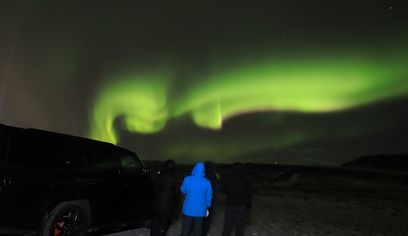 4 hours
LUX 110 Luxury Northern Lights Tour, Aurora Borealis
Superjeep
Desde
159,900 ISK
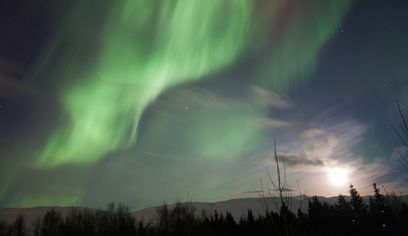 3 hours
Private Northern Lights Tour
Imagine Iceland Travel
Desde
129,000 ISK
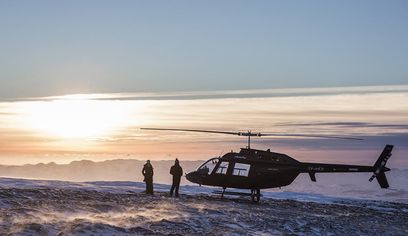 4 hours
Reykjavik by Helicopter & Northern Lights by Boat
Special Tours
Desde
50,690 ISK
 11 hours 30 minutes
The Golden Circle & Northern Lights - Combo Deal
Reykjavik Excursions by Icelandia
Desde
20,299 ISK
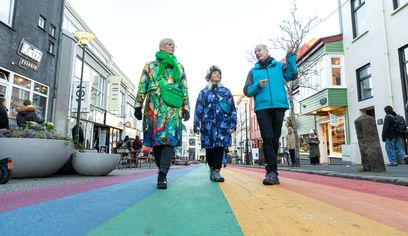 3 hours
Private Reykjavik LGBTQ+ City Walk
Your Friend in Reykjavik
Desde
43,090 ISK
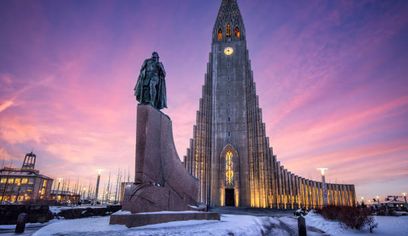 4 hours
Private Reykjavik City Tour
Icelimo Luxurytravel
Desde
112,500 ISK
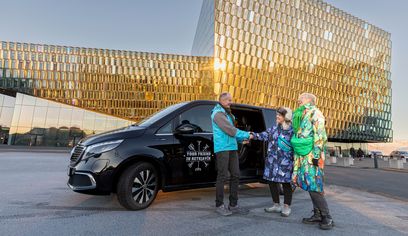 3 hours
Private 3 hour Reykjavik Driving Tour
Your Friend in Reykjavik
Desde
99,900 ISK
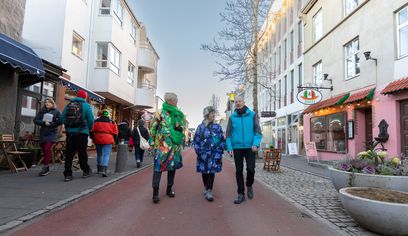 3 hours
Private Reykjavik Shopping & Sightseeing Walking Tour
Your Friend in Reykjavik
Desde
43,090 ISK
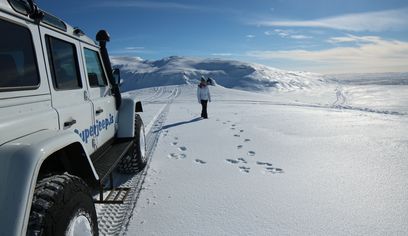 Más vendido 8 hours
DT 01 Golden Circle & Langjökull Glacier
Superjeep
Desde
54,890 ISK
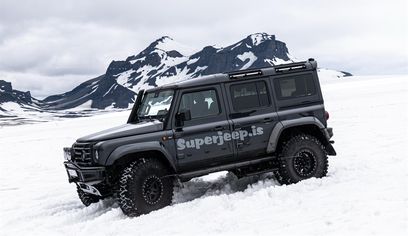 Recomendado 8 hours
DTT 301 Private Superjeep Golden Circle & Langjökull Glacier
Superjeep
Desde
249,500 ISK
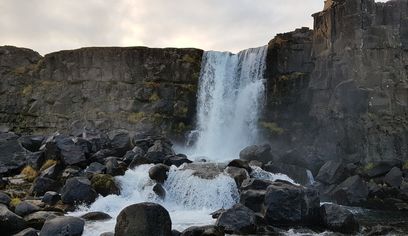 8 hours
DT 71 The Luxury Golden Circle and Secret Lagoon
Superjeep
Desde
249,500 ISK
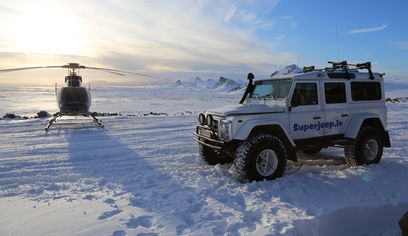 6 hours
DT 331 Private Luxury Golden Circle and Helicopter back to Reykjavík
Superjeep
Desde
1,159,500 ISK
Start Planning My December Trip
Build a route around your real dates, the shortest daylight of the year and current conditions — see the dedicated Driving section above for the full winter-driving, road-conditions and car-rental guidance.
Frequently Asked Questions About Iceland in December
Is December a good time to visit Iceland?
+
For many travellers, yes. December offers the year's strongest Northern Lights viewing window thanks to the longest nights of the year, still-solid access to the Golden Circle and South Coast, and a genuinely festive Reykjavík atmosphere around Christmas and New Year's. The trade-offs are real: the shortest daylight of the entire year, the coldest and most changeable weather in this guide's coverage, a genuine chance of snow and ice on main routes, and Highland/F-road access that is closed for the winter. December reads as deep winter, and the Christmas/New Year period specifically brings its own scheduling and demand considerations.
How cold is Iceland in December?
+
Genuinely cold and windy, though rarely extreme by winter standards — see the Weather section above for regional averages rather than one figure for the whole country. Coastal Reykjavík tends to be milder than inland or northern areas, and wind chill can make actual conditions feel considerably colder than the air temperature alone.
Does it snow in Iceland in December?
+
Snow is a real, common possibility in many December conditions, but ground cover and exact weather vary meaningfully by location and date — this guide will not promise a snow-covered landscape, and rain or sleet are just as realistic an outcome, especially in Reykjavík and the immediate southwest. A White Christmas is never guaranteed in Iceland.
How much daylight does Iceland get in December?
+
It falls to the shortest of the entire year around the winter solstice — roughly 5 hours in early December, down to around 4 hours near the solstice itself, before very slowly lengthening again by late December. This guide deliberately avoids one fixed number for the whole month; check real sunrise/sunset times for your actual travel dates.
Can you see the Northern Lights in Iceland in December?
+
December provides the longest dark periods of the year, giving a genuinely strong viewing window most evenings — but Aurora visibility still depends on solar activity, clouds and local viewing conditions all aligning, and is never guaranteed on any specific night. Check live conditions before planning an evening around it.
Can you drive in Iceland in December?
+
Yes, self-drive can be entirely appropriate for some travellers, routes and conditions — but it requires active, ongoing decision-making, not a single yes/no answer. This guide won't claim December driving is easy, and won't claim tourists should never drive either; see the Driving section above for the full Check/Decide/Act framework.
Do I need a 4x4 in Iceland in December?
+
Not automatically, and this guide won't claim the opposite either — whether a 4x4 helps depends on your actual route, current conditions, weather, road status and rental restrictions. A 4x4 does not make ice safe, does not eliminate wind risk, does not open a closed road, and does not replace safe driving judgment.
Can I drive the Ring Road in December?
+
Route 1 is not conceptually "closed for winter" as one single road, but individual sections and conditions can become difficult or temporarily impassable or closed. A 7-day tourist-paced circuit is not recommended as a default December plan — a considerably longer trip with real weather buffer and flexibility is the more realistic way to attempt a full loop this time of year.
Are F-roads open in December?
+
No — Highland F-roads are closed for the winter across the country by this point in the year, and this guide does not recommend planning an ordinary self-drive itinerary around Highland access at all in December.
Can you visit ice caves in December?
+
December sits squarely within the established natural ice-cave season this guide describes — but that's a different claim from a specific cave being open on your exact date. Natural ice-cave operation and access depend on current conditions and a professional guide's real-time assessment, cave by cave — confirm status directly rather than assuming access.
Can you hike on glaciers in December?
+
Yes — guided glacier hiking at Sólheimajökull or Skaftafell remains one of December's most reliable activities, since it runs on the glacier's own surface ice rather than the winter-only freeze cycle natural ice caves depend on. Expect a colder, firmer surface than November's, and a genuinely early start given the shortest daylight of the year.
Is the Golden Circle accessible in December?
+
Major routes to Þingvellir, Geysir and Gullfoss typically operate through the winter and remain one of the most reliable single-day routes in the country, but current road and weather conditions must always be checked before you go — this guide will not claim the route is unconditionally open regardless of conditions.
Can you visit the South Coast in December?
+
Yes — Seljalandsfoss, Skógafoss, Reynisfjara and Vík all remain genuinely accessible, with dramatic low winter light. Expect wet, windy or icy path conditions and plan around the year's shortest daylight window; this guide does not present a Reykjavík-to-Jökulsárlón-and-back route as a sensible single December day.
Can you visit Jökulsárlón in December?
+
Yes — the glacier lagoon and Diamond Beach remain highly relevant and unaffected by the season's shorter days. It is not a realistic same-day round trip from Reykjavík in December; plan it as its own Southeast destination with a real overnight in Vík or the Southeast.
Can you visit Reynisfjara in December?
+
Yes, but safety comes first without exception — sneaker waves at Reynisfjara have caused real injuries and deaths, and this warning is not softened for any month. Never approach the waterline and never turn your back on the ocean.
Can you go whale watching in December?
+
Some Reykjavík departures continue through December, but this is genuinely an off-peak month for it — species, sightings and schedules are never guaranteed, and cancellations are genuinely common this time of year. Confirm current operator status directly rather than assuming a tour is running.
Are puffins in Iceland in December?
+
No — puffins are a spring/summer breeding-season bird in Iceland and have left their coastal cliff colonies well before December. This guide does not sell or feature puffin-watching as a December activity.
What should I pack for Iceland in December?
+
Layering is the core strategy: a base layer, a warm mid-layer, and a genuinely warm, waterproof, windproof outer shell, plus warm accessories (hat, gloves, neck gaiter) and supportive, weather-resistant footwear with real grip. See the Packing section above for a full breakdown by activity, including Aurora-evening and geothermal-specific items.
Is Iceland expensive in December?
+
December is not one uniform pricing period — early December, the Christmas period and the New Year's period can each behave differently for accommodation and rental car availability. This guide will not claim December is cheap or that winter is always cheaper; real, current inventory for your exact dates controls, not a general seasonal assumption.
Is Iceland good for families in December?
+
It can work well for families comfortable adjusting plans around the year's shortest daylight and genuinely cold, changeable weather — fewer stops per day, more indoor fallback options and earlier hotel arrivals all help. See the Family section above for realistic pacing, including why this guide avoids combining a late Aurora chase, an early departure and a long winter drive in the same day.
What is Christmas like in Reykjavík?
+
Genuinely festive — Christmas lights along Laugavegur and the harbour area, seasonal shop windows, and a noticeably festive, unhurried mood downtown through much of the month. December 24–26 specifically can affect opening hours for restaurants, museums, shops and even some tours — this guide does not publish a universal list of what's open on each date; verify directly for your exact dates.
What is New Year's Eve like in Reykjavík?
+
A genuinely major, well-known celebration — bonfires around the city earlier in the evening and widespread, largely citywide private fireworks at midnight. This guide will not invent exact official fireworks times, specific bonfire locations or schedules; accommodation, restaurant reservations and transport all see real, higher demand around this period.
How many days should I spend in Iceland in December?
+
It depends on your priorities. 3 days suits a focused Reykjavík/Golden Circle/South Coast trip; 5 days allows a realistic Southeast/Jökulsárlón addition via a Vík-based out-and-back; 7 days opens up either a deeper South+Southeast+West loop with a built-in weather buffer (Route A), or a Reykjavík-based route that never changes hotels, leaning on guided winter experiences (Route B).
Should I rent a car or take tours in December?
+
Both work. A rental car gives real flexibility but means taking on genuine winter-driving decisions yourself, with the year's shortest daylight to plan around; guided tours remove the driving burden entirely, particularly useful for glacier, ice-cave and snowmobiling access, though a guided tour is never immune to a genuine weather cancellation either. Many December travellers combine both.
Popular Experiences for Your December Dates
A balanced final selection across the Golden Circle, South Coast, glacier hiking and geothermal bathing — see the dedicated sections above for the fuller listings.
No additional unique December products were found for these dates beyond what's already shown above.
Ready to Plan Your December Trip?
The year's longest nights with a genuinely strong Northern Lights chance, still-solid Golden Circle and South Coast access, a real Christmas and New Year's atmosphere in Reykjavík, and a more weather-aware, flexible road trip — build a route around your actual dates, the shortest daylight of the year and current conditions.
Find December Tours on Guide to Iceland
Browse the full range of guided and private Golden Circle tour options.
Browse on Guide to IcelandCompare Rental Cars on Guide to Iceland
Compare prices and availability across more than 40 Icelandic rental companies.
Compare on Guide to IcelandFind Accommodation on Guide to Iceland
Compare hotels, guesthouses and apartments across Iceland as a second accommodation source.
Compare on Guide to IcelandHow to Plan Your December Trip
Choose Your Travel Style
Self-drive, guided, or a hybrid — see the Self-Drive vs Guided comparison in the Driving section above.
Build a Realistic Route
3, 5 or 7 days — see the itineraries above, each built with December's shortest daylight and winter conditions in mind.
Check Current Conditions
Road, weather and Aurora conditions all control what's actually realistic on your dates — never assume from the calendar alone.
Book What Needs Booking
Vík accommodation, a winter-appropriate rental car, and any guided glacier, ice-cave or snowmobiling experience all deserve early booking — more so if your dates touch Christmas or New Year's.
December Is This Guide's Strongest Aurora Month — Wherever your route takes you, use AuroraVision.is to check live conditions and cloud cover before planning an evening around it — a sighting is never guaranteed, but the year's longest, darkest nights genuinely improve your odds.
Tours y experiencias
Explora actividades en Islandia
Tours y actividades
Reserva los mejores tours de Islandia, excursiones de un día y experiencias — auroras boreales, glaciares, avistamiento de ballenas y más.
Ver actividades →Explora los tours de Islandia
Círculo Dorado, Costa Sur, cuevas de hielo, senderismo volcánico — descubre la colección de tours de GoIceTravel.
Ver tours →