
Dyrhólaey
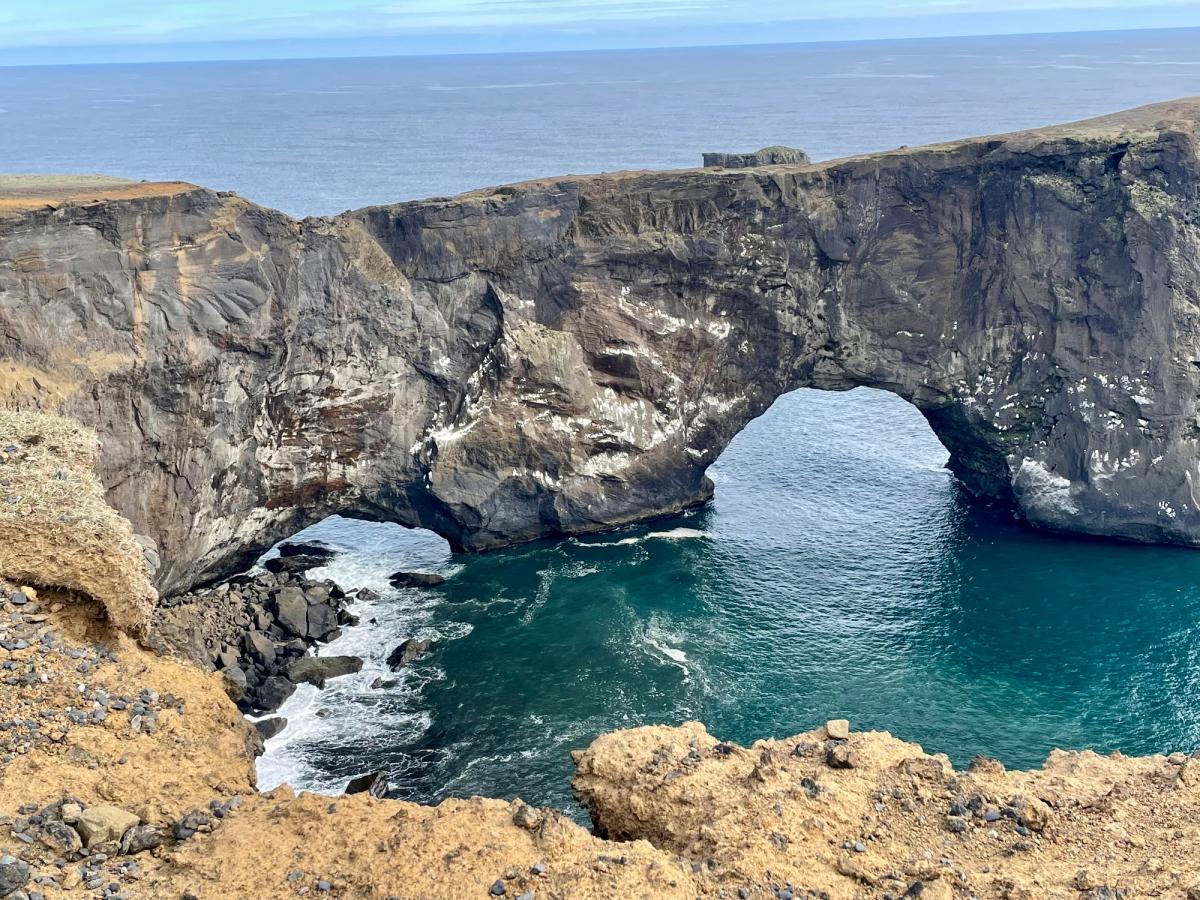
Un promontorio volcánico dramático de 120m en la punta más al sur de Islandia con un arco de mar natural, colonias de frailecillos y faro.
De un vistazo
Tiempo de visita
30–60 minutes
Mejor temporada
Late April–August for seabirds; access rules may change during nesting season.
Cómo llegar
Turn off Route 1 west of Vík onto Road 218. Lower and upper areas have separate access; the steep upper road can close in winter or severe weather.
GPS
63.4070, -19.1212
Acerca de
Sobre Dyrhólaey
Un promontorio volcánico dramático de 120m en la punta más al sur de Islandia con un arco de mar natural, colonias de frailecillos y faro.
One of the South Coast's strongest viewpoints, combining a monumental sea arch, nesting seabirds and panoramic black-sand coastline.
Tours cerca de Dyrhólaey
DT 322 Private Superjeep South Coast & Eyjafjallajökull Volcano Sights
Superjeep · 8 hours
South Coast Small Group Tour: Waterfalls, Glacier & Black Sand Beach
BusTravel Iceland · 10 hours
South Coast & Plane Wreck Black Beach ATV Adventure
Reykjavik Excursions by Icelandia · 10 hours 30 minutes
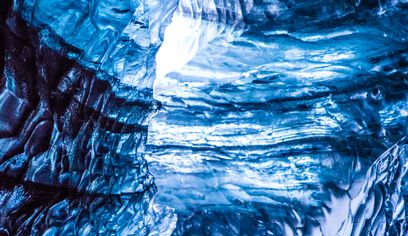
DT 02 South Coast and Katla Ice Cave
Superjeep · 11 hours
Fotos
Galería
Antecedentes
Historia y Antecedentes
Dyrholaey ha sido un sitio importante en el paisaje de Islandia. A lo largo de los años, este lugar ha desempeñado un papel importante en la cultura y la historia natural de Islandia.
Dyrholaey es una atracción notable en Islandia. Este lugar ofrece una experiencia única. Los visitantes encontrarán paisajes únicos y oportunidades para fotografías memorables.
Folclore
Historia y Folclore
Dyrhólaey — la 'colina-isla con un agujero de puerta' — se eleva 120 metros sobre el mar en la punta más al sur de Islandia, un promontorio dramático de roca volcánica perforado por un arco natural tan grande que aviones pequeños han volado a través de él. El faro en la cumbre ofrece una panorámica de 360 grados: la playa de arena negra de Reynisfjara desvaneciéndose hacia el este, la masa blanca del glaciar Mýrdalsjökull al norte, y las Islas Westman en el horizonte.
¿Sabías que?
Dyrhólaey has been protected as a nature reserve since 1978, and its name refers to the enormous 'door-hole' arch through the headland.
Cultura
Historias y Leyendas
Sagas islandesas y folclore de esta área
Dyrhólmar
Dyrhólmar is a historic location in Iceland mentioned in "Grettis saga", one of the ancient Íslendingasögur (Sagas of Icelanders). These medieval narratives preserve the history of Iceland's Viking Age settlement.
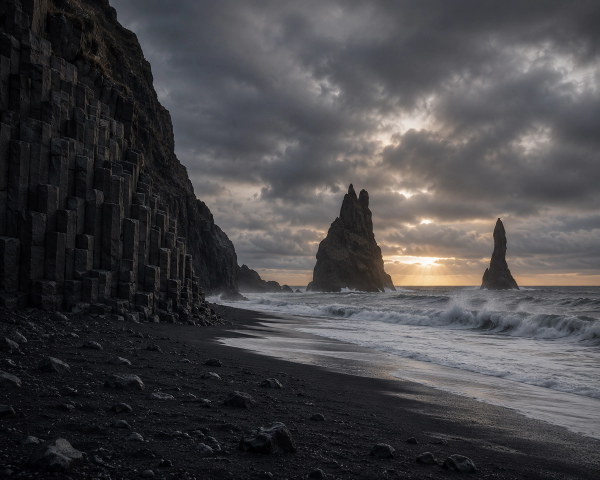
Reynisdrangar – Trolls Turned to Stone
The Reynisdrangar sea stacks off the coast of Iceland are said to be petrified trolls caught by the rising sun.
Explorar
Joyas ocultas cercanas
Off-Peak Visit
Visit Dyrholaey during shoulder season (May or September) for a perfect balance of access and solitude.
You'll experience the site without summer crowds while still having good weather and daylight.
Local Flora
Look for the native Icelandic plants growing in the area — Arctic thyme, moss campion, and various lichens.
These resilient plants have adapted to survive harsh conditions and add subtle beauty to the landscape.
Changing Light
Dyrholaey looks dramatically different depending on the time of day and weather conditions.
Cloud shadows, rain showers, and low-angle sunlight can transform the landscape within minutes — Iceland's famous "four seasons in one day."
Ayuda
Preguntas frecuentes
Ubicación
Ubicación
Discover
Explore Nearby
Places from our database within 5.0 km — all data from Sanity
Loading nearby places…
0 places found within 5.0 km
Plan full itinerary →Explorar más