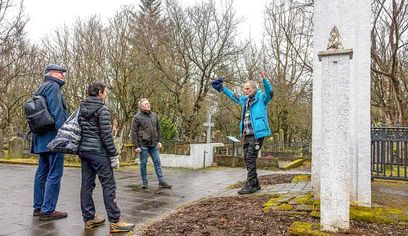
Drangey Island – Ghosts of the Sagas
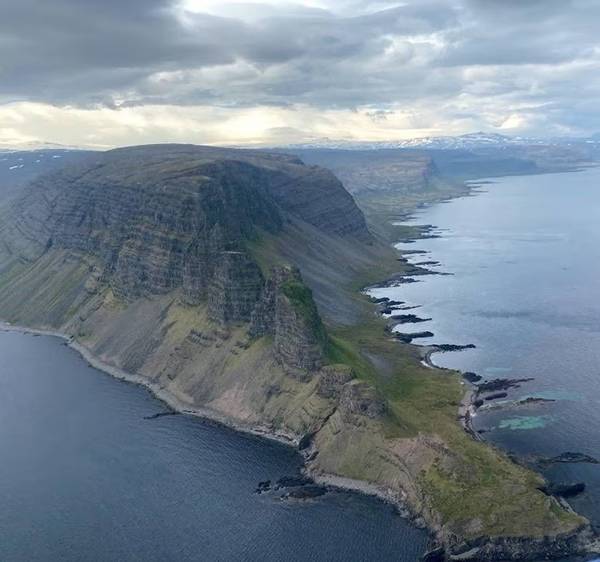
📍 Drangey Island, North IcelandA sheer sea cliff in Skagafjörður where the outlaw Grettir the Strong made his final stand — and where his ghost is said to walk still.
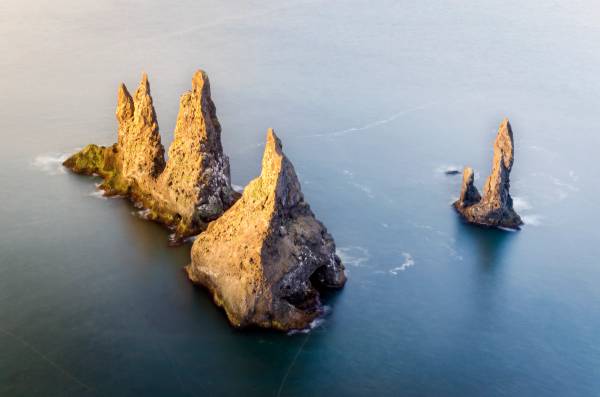
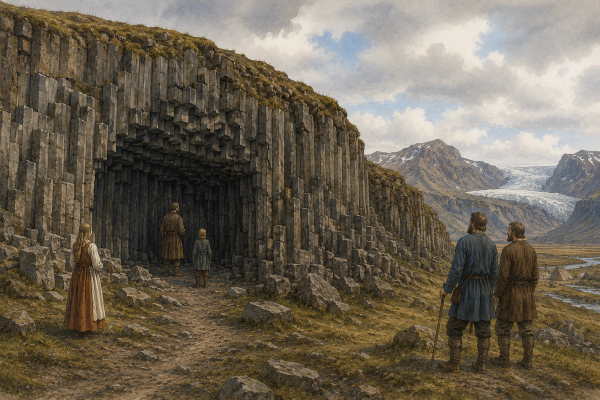
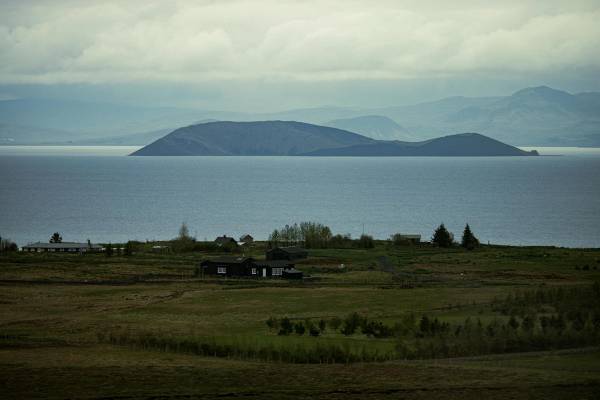
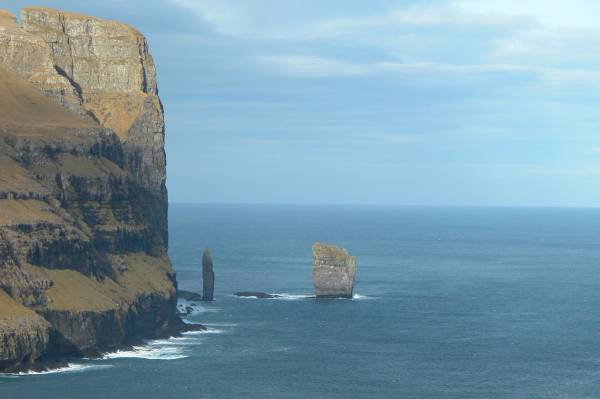
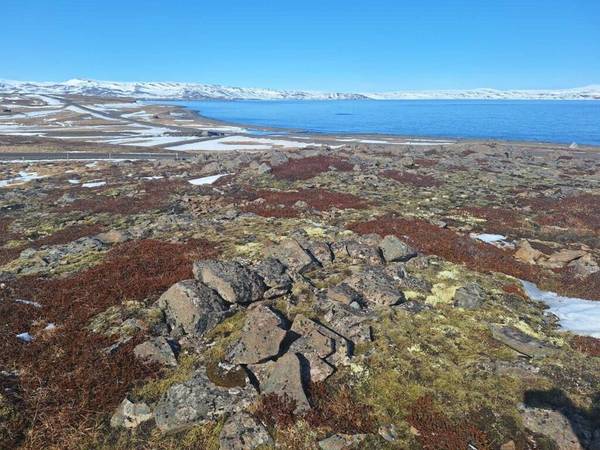
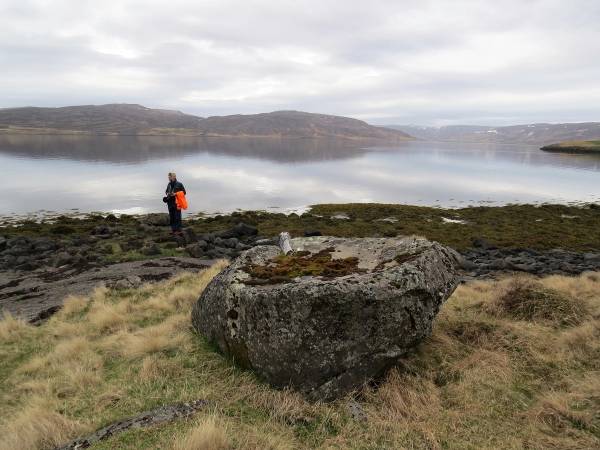
Drangey is a vertical-sided island fortress rising 180 meters from the cold waters of Skagafjörður. Seabirds nest on its cliffs in numbers that darken the sky. At its summit is a small plateau of grass where, in the year 1031, the outlaw Grettir Ásmundarson lived his final years before being murdered by his enemies.
Grettir was the hero of Grettis Saga — one of Iceland's greatest medieval narratives. A man of enormous strength and terrible luck, he was outlawed for twenty years after killing a man in a dispute. No law, no mercy, no protection: anyone could kill an outlaw without consequence. Grettir survived by strength and cunning, taking refuge on Drangey with his brother Illugi and a slave named Glaum.
For three years they held the island against all attacks. But magic succeeded where strength failed. A sorceress named Þuríður sent a curse-log drifting to Drangey's shore. When Grettir tried to chop it for firewood, he cut his leg with the axe. The wound festered, weakened him, and eventually his enemies climbed the cliffs at night and killed him in his sickbed.
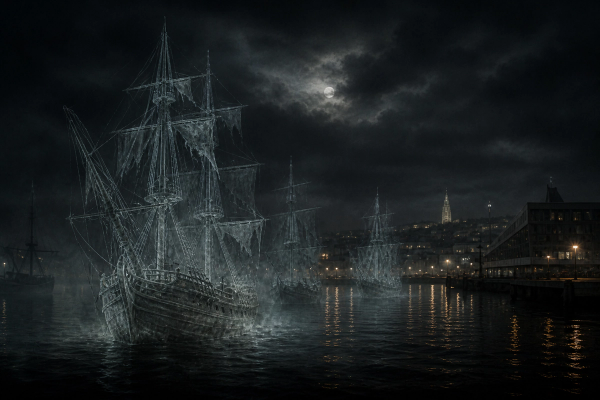
The hauntings began immediately. Fishermen approaching Drangey reported seeing figures on the clifftops — three men standing in the mist, watching. Climbers reported hearing voices, the ring of weapons, and feeling invisible hands pushing them toward the cliff edge. The most detailed account comes from a priest who visited in 1643 to 'lay the ghosts' — he spent a night alone on the summit and described hearing footsteps circling his tent, voices speaking in Old Norse, and the unmistakable sound of an axe striking wood.
haunteddrangeygrettirsagaghostoutlawnorth icelandmedieval
Gunnuhver – The Angry Ghost of Reykjanes
📍 Reykjanes PeninsulaA boiling geothermal field named after a vengeful ghost trapped in the earth for eternity.
Gunnuhver is one of the most famous haunted places in Iceland. The geothermal area on the Reykjanes Peninsula is named after a ghost called Gunna — a woman who died after a bitter dispute with her landlord centuries ago.
According to Icelandic folklore, Gunna's spirit began haunting the Reykjanes peninsula after her death, terrorizing locals and refusing to rest. The priest Eiríkur of Vogsósar eventually trapped her spirit in the boiling geothermal springs through a series of rituals and exorcisms. The springs were named Gunnuhver — Gunna's pool — in her memory.
Today Gunnuhver is known for its massive mud pools, steaming vents and sulfur-scented air. The unearthly atmosphere that surrounds the area feels almost supernatural — the ground trembles beneath your feet, clouds of white steam obscure visibility, and the sounds of the boiling earth echo like something alive beneath the surface.
Visitors to Gunnuhver often report a strange feeling of unease, as if something is watching from within the steam. Whether that is Gunna's spirit still restless beneath the surface, or simply the volcanic power of Iceland at work, is a matter of belief.
ghostgeothermalreykjanesfolklorepriest-exorcism
Skálholt Cathedral – Iceland's Place of Execution
📍 Biskupstungur, South IcelandIceland's most powerful religious site for 700 years — where bishops were buried, the Reformation was violently enforced, and a rebel bishop was beheaded.
Skálholt was the episcopal seat of Iceland from 1056 to 1798 — for over seven centuries, the most important religious and political centre in the entire country. Bishops who ruled from Skálholt held power over the souls and fates of all Icelanders, and the cathedral grounds became a burial place for dozens of bishops, priests and condemned individuals.
The most famous ghost of Skálholt is connected to Jón Arason, the last Catholic bishop of Iceland. When the Lutheran Reformation was forced on Iceland in 1550, Jón Arason refused to submit. He was captured and brought to Skálholt, where he and his two sons were beheaded without trial on November 7, 1550 — an act so politically shocking that even the executioners reportedly hesitated.
There are persistent accounts of Jón Arason's spirit being seen near the older parts of the cathedral grounds. Some describe a tall figure in bishop's robes walking slowly along the outer wall at dusk, pausing at the place where the execution reportedly occurred. The church was rebuilt multiple times after his death, and each rebuilding reportedly stirred unusual activity.
Skálholt today is a serene and beautiful place — a white church on green hills, mountains visible in every direction. But standing in the crypt below the church, reading the names of the buried bishops on ancient stones, the weight of its history is unmistakable.
churchbishopexecutionsouth-icelandhistoricreformation
Hjörleifshöfði – The First Viking Murder
📍 Mýrdalssandur, South IcelandA lonely volcanic headland rising from Iceland's black glacial plains — site of the first recorded murder in Iceland's settlement era.
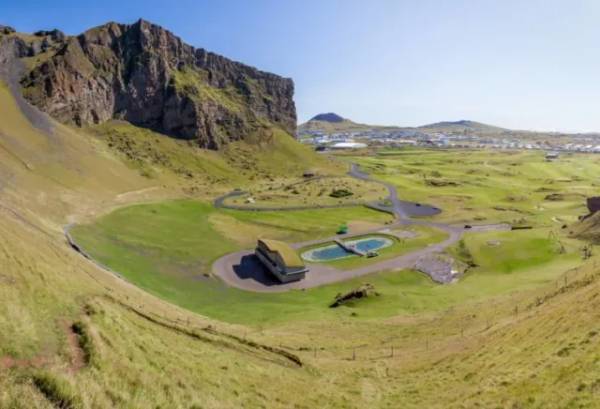
Hjörleifshöfði is a volcanic headland rising abruptly from the flat glacial outwash plain of Iceland's south coast. Surrounded on three sides by black sand stretching to the horizon, it is an isolated and atmospheric place long before you know its history.
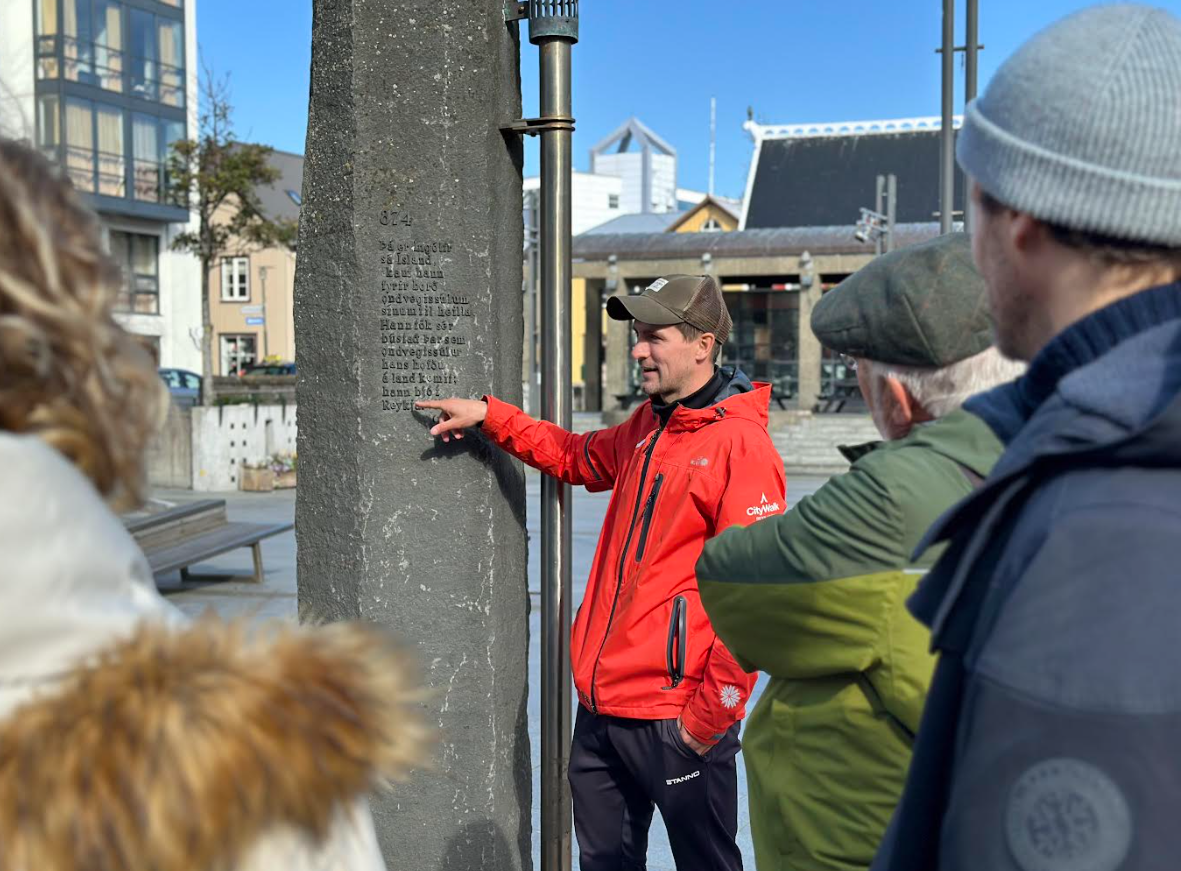
According to the Landnámabók — Iceland's Book of Settlements — Hjörleifr Hróðmarsson arrived here in approximately 874 AD and built a farm at the base of the headland. He is recorded as one of Iceland's earliest settlers, though his stay was short. His Irish slaves, chafing under brutal treatment, murdered him and fled by boat to the islands later named Vestmannaeyjar (the Westman Islands, literally 'Islands of the Irish Slaves').
Hjörleifr is buried in a burial mound on top of the headland. His sworn brother, Ingólfr Arnarson — the man traditionally credited as Iceland's very first settler — found the body and named the headland after him. Standing at the burial mound on a grey day, the black plains stretching in every direction, it is easy to feel the isolation that surrounded those first settlers.
Locals have long described unusual phenomena on the headland after dark — sounds without obvious source, lights that cannot be explained by lighthouse or vehicle, and an oppressive atmosphere that keeps most people away. The mound is never disturbed, and even archaeologists have historically been reluctant to excavate it.
vikingburial-moundsettlementsouth-icelandmurdersagalandnámabók
Þingvellir – The Drowning Pool
📍 Þingvellir National ParkIceland's ancient parliament site hides a dark history. The Drekkingarhylur pool here was the execution site where women accused of witchcraft and infanticide were drowned for centuries.
Iceland's ancient parliament site hides a dark history. The Drekkingarhylur pool here was the execution site where women accused of witchcraft and infanticide were drowned for centuries. The pool is still visible near the river, and swimmers have reported an uneasy feeling in the water.
historyexecutionþingvellirdrowningwitchcraft
National Theatre of Iceland
📍 ReykjavíkStaff and performers have reported unexplained sounds, flickering lights and ghostly presences in the backstage areas and upper floors of this early 20th century building.
Staff and performers have reported unexplained sounds, flickering lights and ghostly presences in the backstage areas and upper floors of this early 20th century building. The haunting is said to concentrate in the older dressing rooms and the fly tower above the stage.
ghostreykjavíktheatrehaunted
Laugar Junior College
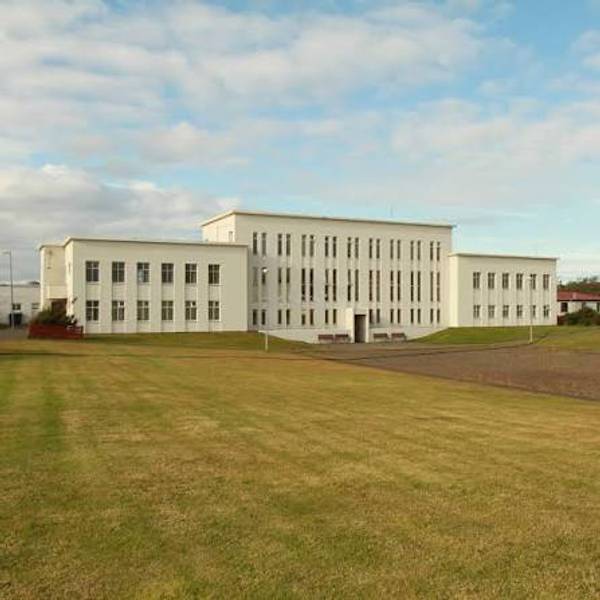
📍 Laugar, North IcelandA boarding school with a long local reputation for hauntings, particularly in the oldest stone wing. Former students describe unexplained cold drafts, footsteps and doors that open and close on their own.
A boarding school with a long local reputation for hauntings, particularly in the oldest stone wing. Former students describe unexplained cold drafts, footsteps and doors that open and close on their own. The school has been operating for over a century, and the ghost stories have persisted through many generations of students.
ghostschoolnorth-icelandhaunted
Bessastaðir Presidential Estate
📍 Álftanes, ReykjanesOne of Iceland's oldest building complexes, continuously occupied since the Viking Age. Seven centuries of history have left their mark — staff describe persistent unexplained activity in the older wings.
One of Iceland's oldest building complexes, continuously occupied since the Viking Age. Seven centuries of history have left their mark — staff describe persistent unexplained activity in the older wings. The estate has been the official residence of Iceland's president since 1944.
historicghostreykjanespresidentviking age
Skriðuklaustur Monastery
📍 Fljótsdalur, East IcelandA 16th century Catholic monastery dissolved during Iceland's Reformation. Archaeological excavations found human remains beneath the foundations, and workers have reported unexplained presences.
A 16th century Catholic monastery dissolved during Iceland's Reformation. Archaeological excavations found human remains beneath the foundations, and workers in the restored building have reported unexplained presences. The site is now a cultural centre and museum.
monasteryghosteast-icelandreformationhistoric
Skálholt – Ghosts of Iceland's Ancient Cathedral
📍 Skálholt, South IcelandFor over 700 years Skálholt was Iceland's most powerful religious and political centre. Bishops were murdered here, executed here, and several are said to have never left.
Skálholt was the seat of one of Iceland's two medieval bishoprics from 1056 until 1785. At its height it was the most powerful institution in the country — a complex of buildings including a cathedral, a school, farm buildings, and the residences of bishops who wielded both religious and civil authority over the entire population.
The site has accumulated a long record of violent deaths. Bishop Jón Arason — Iceland's last Catholic bishop — was beheaded at Skálholt by Danish Protestant forces in 1550 along with two of his sons. The execution was essentially a political assassination designed to end Catholic resistance to the Reformation in Iceland. Jón Arason is buried under the current cathedral floor.
The older history of the site is recorded in the Biskupasögur — the sagas of the bishops — and several of these contain accounts of hauntings, strange apparitions, and encounters with the dead. A particularly persistent local legend holds that the ghost of a child bricked into the walls during medieval construction still cries at certain times of year.
Today the current cathedral (rebuilt in 1963) and the excavated ruins of the medieval buildings are open to visitors. The burial crypt beneath the altar, containing the sarcophagus of Bishop Páll Jónsson from around 1211, is one of the oldest surviving artefacts in Iceland.
hauntedskálholtbishophistorysouth icelandmedievalghost
Möðruvellir – The Haunted Farm
📍 Hörgárdalur, North IcelandOne of Iceland's oldest continuously occupied farms, with a ghost legend involving a drowned farmhand whose spirit returned every night for years until ritually exorcised.
Möðruvellir in Hörgárdalur valley in North Iceland is one of the most historically significant farms in the country. It was the birthplace of the medieval bishop Jón Ögmundsson and features in several of the Sagas of Icelanders. The farm has been occupied almost continuously for over a thousand years.
The most famous legend attached to Möðruvellir concerns the afturganga — a revenant, a dead person who walks again. According to the story, a farmhand known as Þórólfur bægifótur (Twist-Foot) drowned crossing a river. His drowned and damaged body was found and buried, but his ghost returned to the farm that same night and every night after, walking through walls, overturning furniture, terrifying animals, and driving the household to the edge of madness.
This type of story — the draugar, or walking dead — is among the oldest in Icelandic literature. Unlike European vampires or ghosts, the Icelandic draug is solid and physical, possessed of its original strength and often greater. The only way to stop it is to dig up the body, physically restrain or dismember it, and rebury it face-down, often with its head between its knees so it cannot find its way back.
The Möðruvellir revenant was eventually stopped by a visiting priest who performed this ritual. The farm survived, and its occupants returned to their normal lives — though, as the story notes, they never again slept easily during autumn when the rivers ran high.
hauntedrevenantdraugarnorth icelandghostfolkloresagas
Höfði House – Reykjavík's Haunted Mansion
📍 ReykjavíkThe most famous haunted building in Iceland — site of the 1986 Reagan-Gorbachev Summit and home to a well-documented ghost.
Höfði House in Reykjavík is one of the most famous haunted buildings in Iceland. The elegant white mansion was built in 1909 near the harbour and became internationally famous when it hosted the 1986 Reykjavík Summit between Ronald Reagan and Mikhail Gorbachev — a meeting that helped end the Cold War.
Long before the political summit, Höfði House had earned a dark reputation. People working in the building reported strange noises in empty rooms, unexplained movements of objects, and an oppressive presence that made overnight stays unbearable. The British ambassador who resided there in the mid-20th century reportedly found the haunting so disturbing that he formally requested to be moved to different accommodation.
The ghost is said to be a young woman, sometimes called the White Lady, who appears in the upper floors of the building. Her identity has been a matter of local debate for generations, with some connecting her to the original owner's family and others believing she predates the house itself.
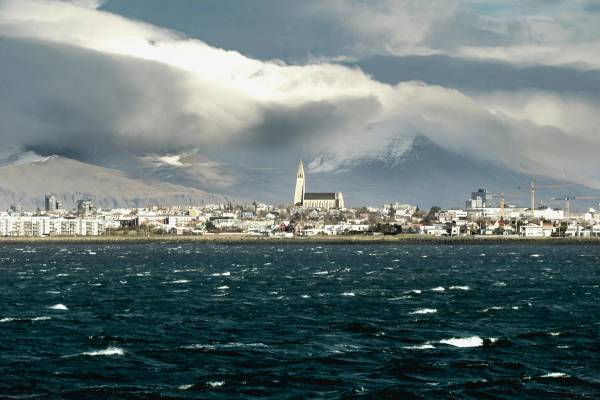
Today Höfði House is used as an official reception venue by the City of Reykjavík. It is not open to regular visitors, but it can be viewed from outside — a striking white building overlooking the grey ocean, elegant and slightly strange, as if it knows something about the city it refuses to share.
ghostreykjavikmansionhistoricwhite-lady
Hólavallagarður Cemetery
📍 ReykjavíkIceland's oldest cemetery (established 1838), where spirits are said to walk between mossy headstones at night. Many of Iceland's most prominent historical figures are buried here.
Iceland's oldest cemetery (established 1838), where spirits are said to walk between mossy headstones at night. Many of Iceland's most prominent historical figures are buried here.
cemeteryreykjavíkghosthistoric
Draugasetrid – Ghost Center
📍 Stokkseyri, South CoastIceland's dedicated ghost story museum and haunted house experience on the South Coast. Themed rooms recreate famous Icelandic ghost legends, including the Deacon of Myrká.
Iceland's dedicated ghost story museum and haunted house experience on the South Coast. Themed rooms recreate famous Icelandic ghost legends, including the Deacon of Myrká and other famous stories. An essential stop for anyone interested in Icelandic supernatural folklore.
museumghostsouth-coastattractionstokkseyri
Seljavallalaug – The Mysterious Pool
📍 Near Skógar, South IcelandAn isolated geothermal pool in a narrow valley. Hikers have reported hearing voices with no visible source in the valley, particularly at dusk in autumn when the light fades early.
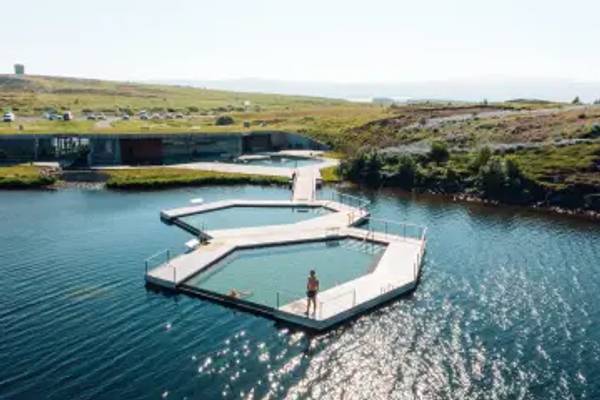
An isolated geothermal pool in a narrow valley. Hikers have reported hearing voices with no visible source in the valley, particularly at dusk in autumn when the light fades early. The pool is one of Iceland's oldest swimming pools, built in 1923, and remains accessible by a 30-minute hike.
geothermalpoolsouth-icelandfolkloremysterious
Snæfellsjökull – The Mystical Glacier
📍 Snæfellsnes Peninsula, West IcelandJules Verne's gateway to the center of the Earth — a glacier-capped volcano surrounded by elf hills and sacred since the age of the sagas.
Snæfellsjökull glacier sits at the tip of the Snæfellsnes Peninsula in West Iceland, visible from Reykjavík on clear days across the bay. The glacier caps an extinct volcano that has been considered a place of supernatural power since the age of the Icelandic sagas.
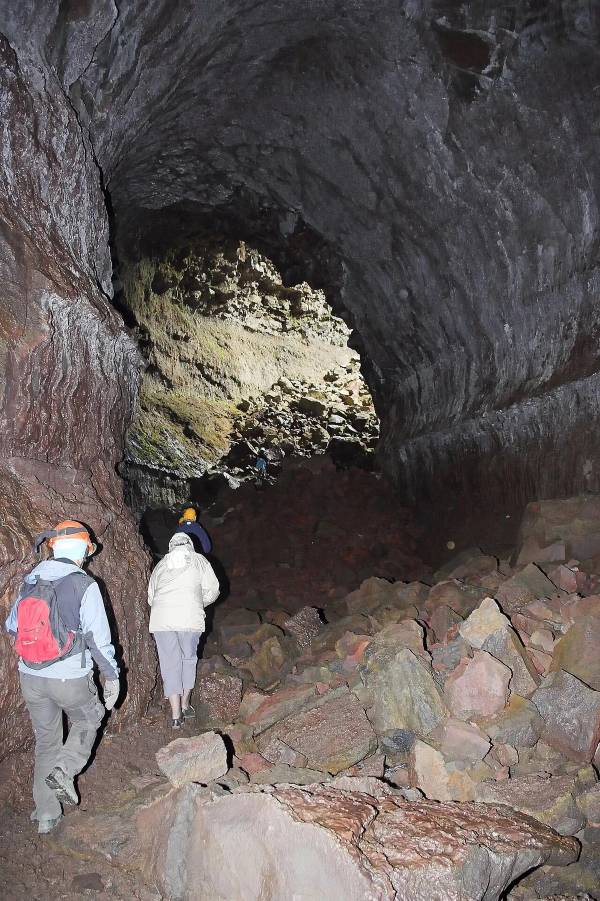
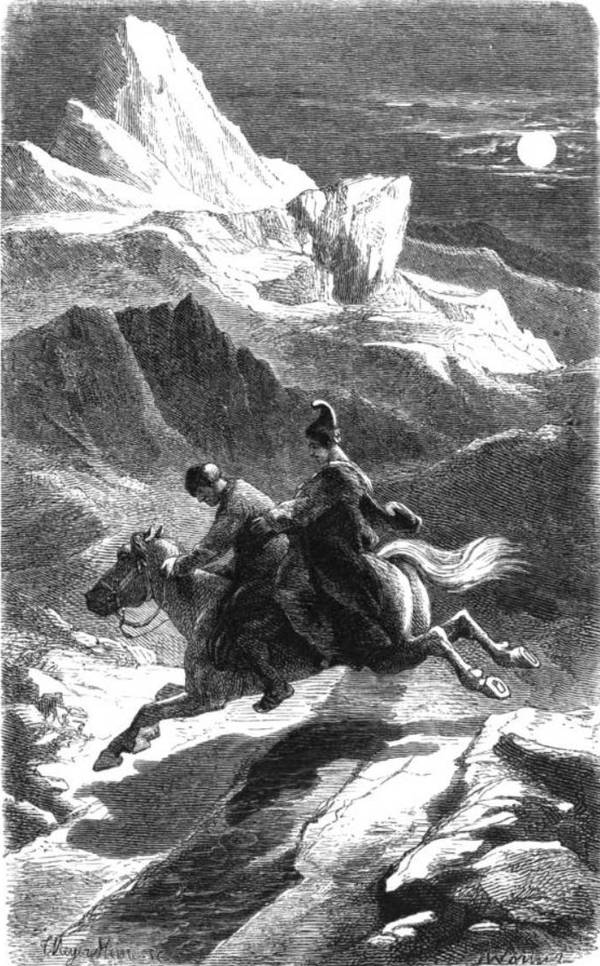
Jules Verne famously chose Snæfellsjökull as the entrance to the center of the Earth in his 1864 novel. But this was not an arbitrary choice — the glacier had long been associated with passage between worlds. Locals had told stories about its otherworldly atmosphere for centuries before Verne wrote his book.
The slopes of the glacier are surrounded by elf hills — rounded lava formations traditionally believed to be inhabited by the Hidden People or Huldufólk. The number and concentration of these formations around Snæfellsjökull is higher than almost anywhere else in Iceland. Construction projects in the vicinity have historically consulted mediums to ensure no elf dwellings would be disturbed.
Many visitors report an unusual experience standing near the glacier — a deep quiet, a sense of presence, and sometimes profound emotional states that arrive unbidden. Whether this is mysticism or simply the effect of standing on an active volcanic glacier at the edge of the world, it is real enough that guides have learned to expect it.
glaciervolcanoelveshuldufólkwest-icelandsnæfellsnesjules-verne
Hvítárnes Hut
📍 Iceland HighlandsA remote highland hut accessible only in summer where travelers have reported strange sounds, moving objects and apparitions that appear and vanish during overnight stays.
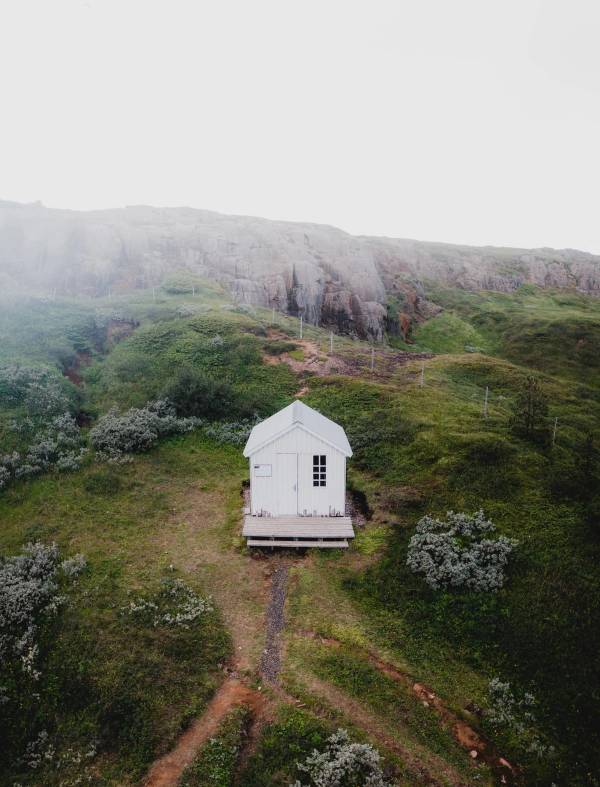
A remote highland hut accessible only in summer where travelers have reported strange sounds, moving objects and apparitions that appear and vanish during overnight stays. The hut is isolated enough that there is no obvious mundane explanation for the phenomena reported.
ghosthighlandshutremote
Hólmavík – Museum of Sorcery & Witchcraft
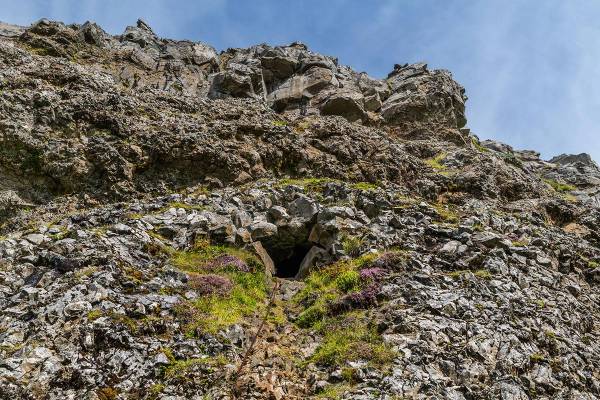
📍 Strandir, WestfjordsThe Museum of Icelandic Sorcery and Witchcraft in the Westfjords — Iceland's centre of 17th century witch trials, with displays including stave magic and the notorious Nábrók (necropants).
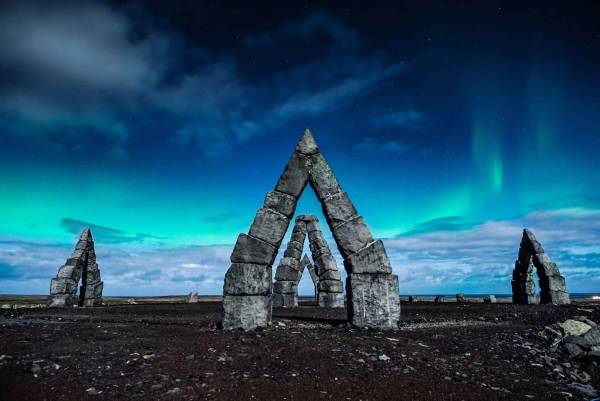
The Museum of Icelandic Sorcery and Witchcraft in the Westfjords — Iceland's centre of 17th century witch trials. Displays include stave magic, animal magic and the notorious Nábrók (necropants) — a particularly grisly form of dark magic requiring the skin of a freshly dead man. Twenty men were burned at the stake for witchcraft in Iceland; only one woman.
sorcerywitchcraftwestfjordsmuseumhistorywitch-trials
Þórbergsstofa – Childhood Home of the Supernatural Writer
📍 Hali, Southeast IcelandThe childhood home of writer Þórbergur Þórðarson, who documented encounters with elves, ghosts and supernatural beings. Guides tell stories of strange events that continue to occur at the farm.
The childhood home of writer Þórbergur Þórðarson, who documented encounters with elves, ghosts and supernatural beings throughout his life. Guides tell stories of strange events that continue to occur at the farm — unexplained lights, sounds out of season, and the persistent feeling that the writer's subjects are still nearby.
folklorewritersoutheast-icelandelvesghosts
Snæfellsnes Abandoned Farms – Haunted Ruins of the West
📍 Snæfellsnes PeninsulaThe mystical Snæfellsnes Peninsula is scattered with ruined farmhouses abandoned after disasters, plagues, and unexplained terrors — and many are said to be haunted still.
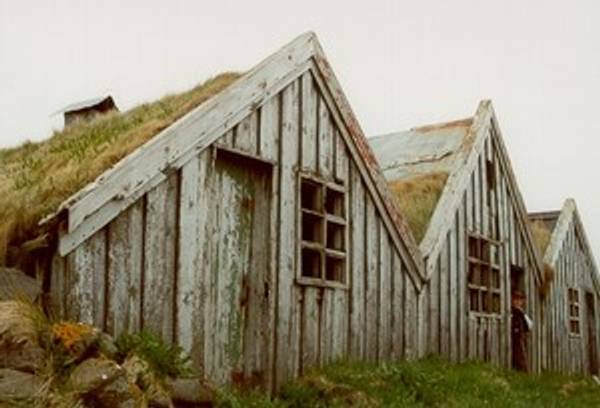
Snæfellsnes Peninsula projects into the North Atlantic like a long arm reaching toward Greenland. It is a landscape of extraordinary beauty and strangeness: black sand beaches, lava fields, the glacial volcano Snæfellsjökull, and dozens of abandoned farms slowly dissolving back into the moss and stone.
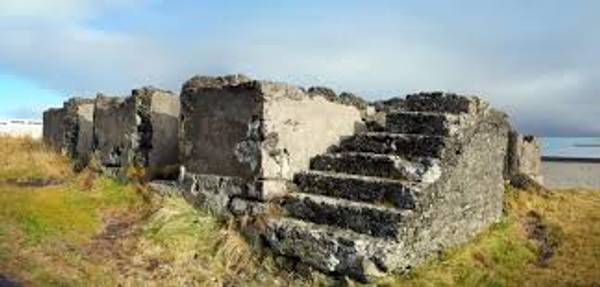
Many of these ruins have stories. Some farms were abandoned after volcanic eruptions or plagues. Others were left after economic collapse. But some — a few — were abandoned for darker reasons, and these are the farms that locals will not approach after dark.
Öndverðarnes, at the peninsula's western tip, was a prosperous farm until 1703, when every member of the household died in a single winter — cause unknown. Subsequent attempts to resettle the farm all ended in mysterious deaths or departures. The ruins stand now in the lava fields near the sea, and travelers report strange lights in the windows, the sound of voices calling from inside, and an overwhelming sense of dread when approaching the threshold.
At Saxhóll, near the Snæfellsjökull volcano, a farm was abandoned in 1891 after the farmer's wife reported seeing 'the hidden people' digging graves in the home field. Within a month, three children had died of fever. The family fled. Hikers climbing the nearby crater still report feeling watched, and camera equipment sometimes malfunctions near the site.
hauntedsnæfellsnesabandonedfarmsruinswest icelandghosthidden people