
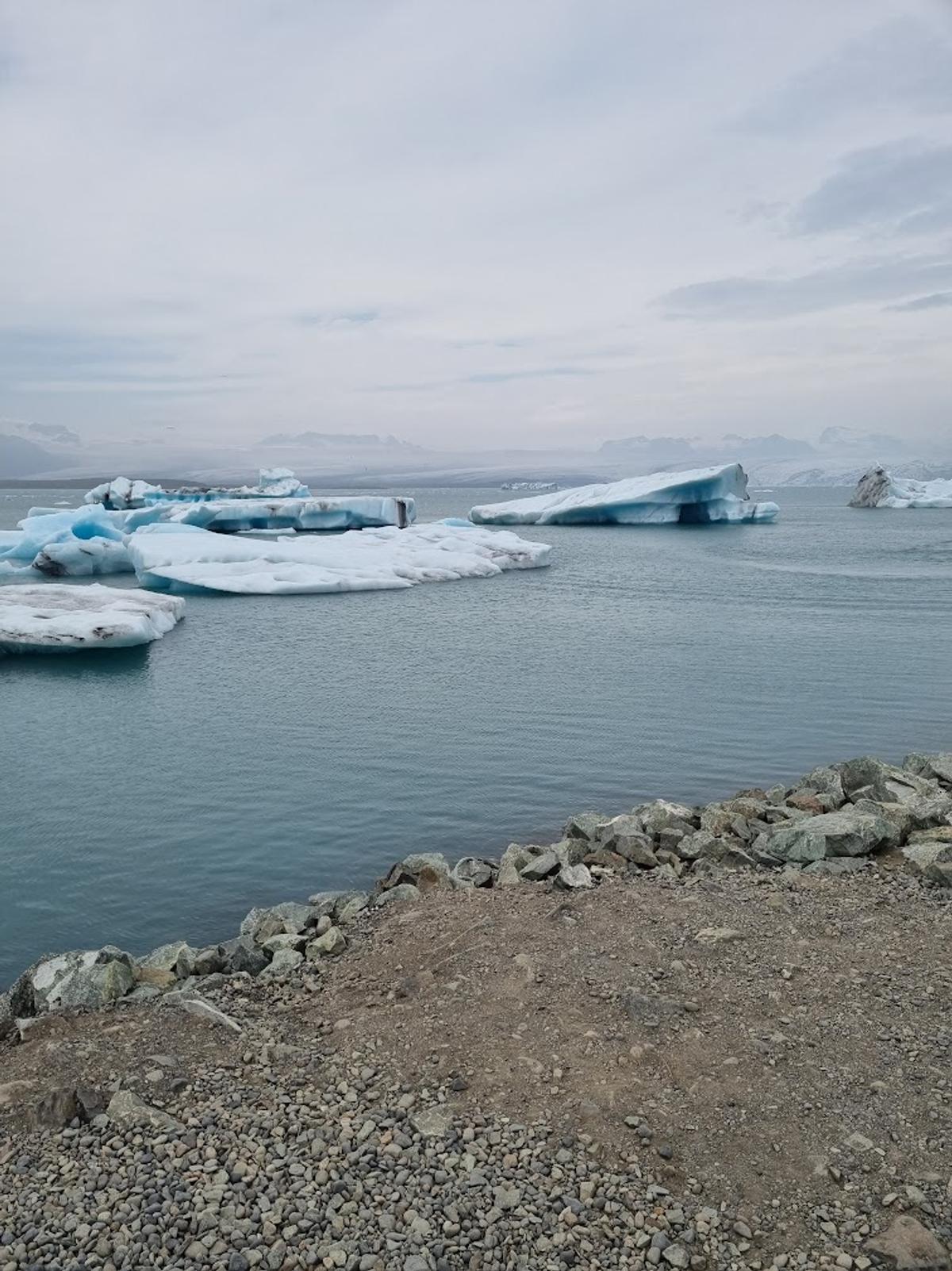
Laguna Glaciar Jökulsárlón
Jökulsárlón es la laguna glaciar más famosa de Islandia, una maravilla natural impresionante donde enormes icebergs de color blanco azulado se desprenden del gl…
De un vistazo
Tiempo de visita
2–3 hours
Mejor temporada
Late morning to afternoon in summer for best light and tour availability.
Cómo llegar
Paved road (Route 1 - Ring Road). Ample parking available.
GPS
64.0783, -16.2274
Acerca de
Sobre Laguna Glaciar Jökulsárlón
Jökulsárlón es la laguna glaciar más famosa de Islandia, una maravilla natural impresionante donde enormes icebergs de color blanco azulado se desprenden del glaciar Breiðamerkurjökull y flotan en sus profundas y tranquilas aguas. El sereno paisaje helado, enmarcado por una orilla rocosa y montañas distantes bajo un cielo nublado, ofrece un espectáculo inolvidable.
Discover the extraordinary natural beauty of Jökulsárlón Glacier Lagoon, a must-see Icelandic wonder.
Tours cerca de Laguna Glaciar Jökulsárlón
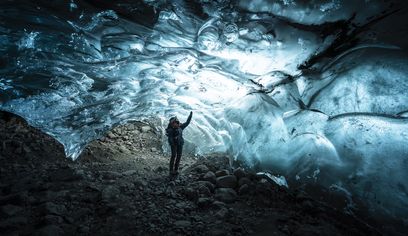
Ice Cave Discovery
Local Guide of Vatnajökull · 6 hours
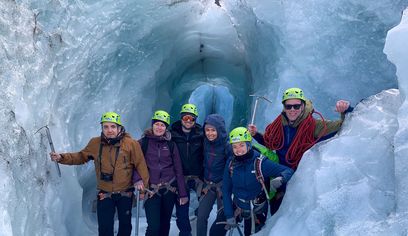
Solheimajokull 4h Moderate Level Glacier Hike
Troll Expeditions · 3 hours
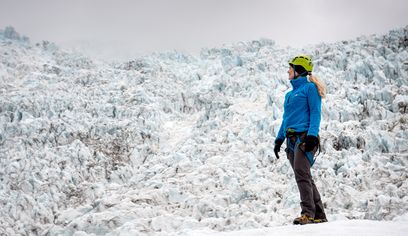
Skaftafell 3 hours Easy Level Glacier Hike
Troll Expeditions · 3 hours
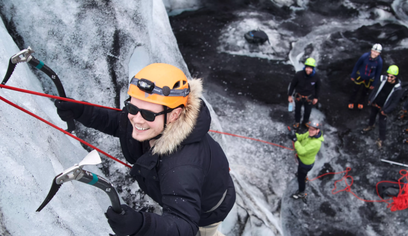
Solheimajokull Ice Climbing & Glacier Hike
Troll Expeditions · 4 hours
Fotos
Galería
Antecedentes
Historia y Antecedentes
La Laguna Glaciar Jökulsárlón, un prominente lago glaciar en el sur de Islandia, ha cautivado a visitantes y lugareños por igual a lo largo de la historia de Islandia. Las formaciones naturales aquí fueron moldeadas durante miles de años por las poderosas fuerzas del vulcanismo, la glaciación y la erosión, un testimonio de la geología dinámica de Islandia. Los primeros colonos reconocieron la belleza única de este lugar, y aparece en varios relatos históricos y folclore, aunque su forma moderna como una gran laguna es relativamente reciente, surgiendo más prominentemente con el retroceso del glaciar. Las maravillas naturales de Islandia han sido descritas por viajeros desde el período medieval, con algunos de los relatos escritos más antiguos apareciendo en las sagas y tratados geográficos de los siglos XII y XIII. Estos registros históricos ofrecen vislumbres de cómo estas paisajes eran percibidos y valorados por generaciones pasadas. Hoy en día, la Laguna Glaciar Jökulsárlón continúa atrayendo a visitantes de todo el mundo que vienen a presenciar los extraordinarios paisajes que hacen de Islandia uno de los lugares geológicamente más diversos del planeta, experimentando una historia viva moldeada por el hielo y el fuego.
Jökulsárlón, la laguna glaciar más famosa de Islandia, es una impresionante maravilla natural ubicada en el sur de Islandia. Aquí, enormes y antiguos icebergs se desprenden del extenso glaciar Breiðamerkurjökull, una lengua de la capa de hielo más grande de Vatnajökull, y se desplazan lentamente por las profundas y tranquilas aguas de la laguna antes de dirigirse finalmente al Océano Atlántico. El tamaño de la laguna ha aumentado drásticamente, cuadruplicándose desde 1975, un claro testimonio visual de los impactos del cambio climático. Desde las orillas rocosas y gravosas, como se ve en la imagen, los visitantes pueden presenciar estas majestuosas esculturas de hielo azules y blancas, algunas imponentes, otras sutilmente brillantes, reflejando el cielo islandés a menudo nublado. Los paseos en barco ofrecen una oportunidad inigualable para navegar entre el hielo flotante, proporcionando una perspectiva más cercana de sus intrincadas formas y permitiendo avistamientos frecuentes de focas juguetonas. A poca distancia, la famosa Diamond Beach ofrece otro espectáculo único, donde icebergs más pequeños, pulidos por las olas, brillan como diamantes en la arena volcánica negra. Este impresionante paisaje, con sus aguas tranquilas, montañas lejanas y brumosas, y formaciones de hielo en constante cambio, convierte a Jökulsárlón en una parada esencial para cualquiera que busque experimentar la belleza cruda y etérea del corazón glaciar de Islandia.
Folclore
Historia y Folclore
De pie en la orilla rocosa y gravosa de Jökulsárlón, una profunda sensación de tranquilidad te inunda. Ante tus ojos, se despliega una escena de otro mundo: colosales icebergs, algunos de un blanco brillante, otros de un azul glaciar profundo, se deslizan silenciosamente sobre la oscura y ondulada superficie de la laguna. Estas antiguas esculturas de hielo, desprendidas del poderoso glaciar Breiðamerkurjökull, danzan lentamente hacia el mar abierto, cada una una obra maestra efímera de la naturaleza. El aire es fresco, llevando el lejano estruendo del hielo moviéndose y el suave chapoteo del agua contra la orilla. Arriba, un cielo extenso y nublado refleja los tonos apagados del agua y el hielo, creando una paleta armoniosa, casi monocromática. Es un lugar donde el tiempo parece ralentizarse, permitiéndote absorber plenamente el poder crudo y majestuoso del corazón glaciar de Islandia, un encuentro verdaderamente inolvidable con lo salvaje.
¿Sabías que?
Iceland is one of the youngest landmasses on Earth, with some areas still being actively formed by volcanic eruptions.
Explorar
Joyas ocultas cercanas
Off-Peak Visit
Visit Jökulsárlón Glacier Lagoon during shoulder season (May or September) for a perfect balance of access and solitude.
You'll experience the site without summer crowds while still having good weather and daylight.
Local Flora
Look for the native Icelandic plants growing in the area — Arctic thyme, moss campion, and various lichens.
These resilient plants have adapted to survive harsh conditions and add subtle beauty to the landscape.
Changing Light
Jökulsárlón Glacier Lagoon looks dramatically different depending on the time of day and weather conditions.
Cloud shadows, rain showers, and low-angle sunlight can transform the landscape within minutes — Iceland's famous "four seasons in one day."
Ayuda
Preguntas frecuentes
Ubicación
Ubicación
Discover
Explore Nearby
Places from our database within 5.0 km — all data from Sanity
Loading nearby places…
0 places found within 5.0 km
Plan full itinerary →Explorar más