
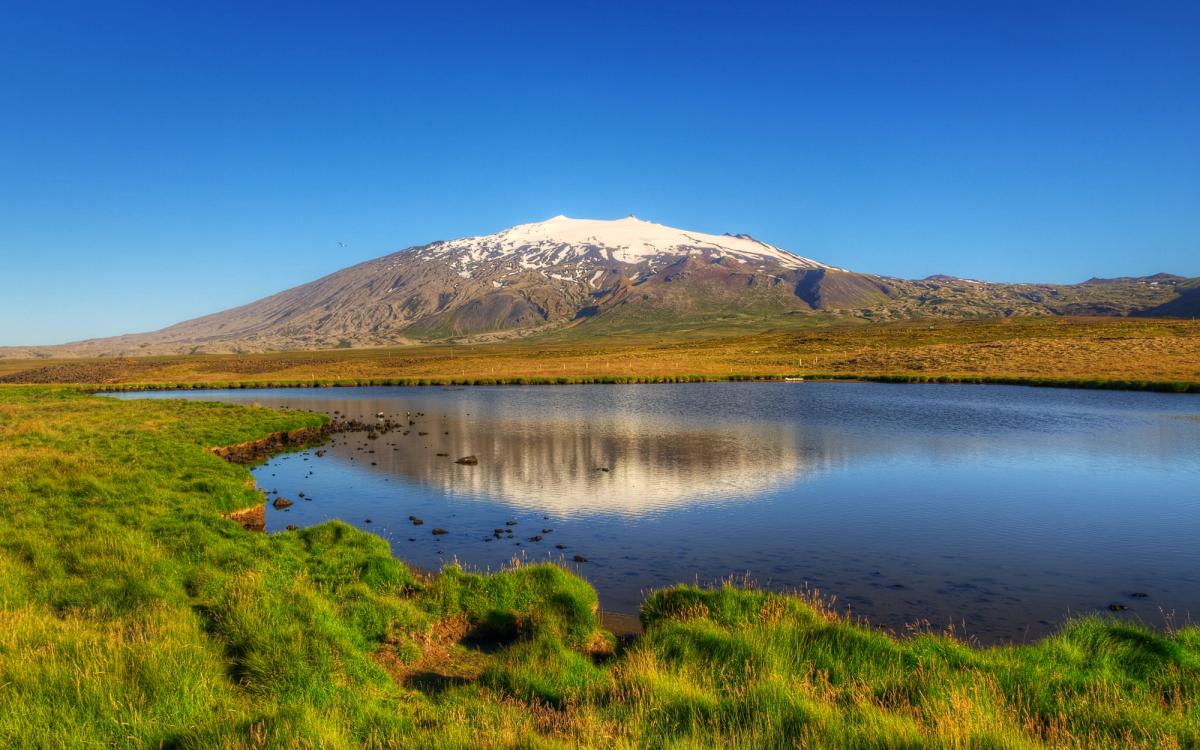
Snæfellsjökull
Glaciar volcánico icónico corona la península de Snæfellsnes, presentado en Viaje al Centro de la Tierra de Verne.
De un vistazo
Tiempo de visita
2-5 hours with a guided tour
Mejor temporada
Summer (June-August) for glacier walks; winter for ice caves
Cómo llegar
Guided tours required for glacier hiking. No solo glacier walking.
GPS
64.8083, -23.7779
Acerca de
Sobre Snæfellsjökull
Glaciar volcánico icónico corona la península de Snæfellsnes, presentado en Viaje al Centro de la Tierra de Verne.
Featured in Jules Verne's Journey to the Center of the Earth
Tours cerca de Snæfellsjökull
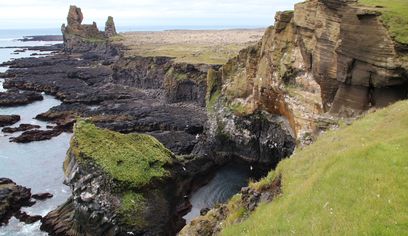
Snæfellsnes - Arnarstapi, Snæfellsjökull & Kirkjufell
Daytrips / TA Sport Travel · 11 hours
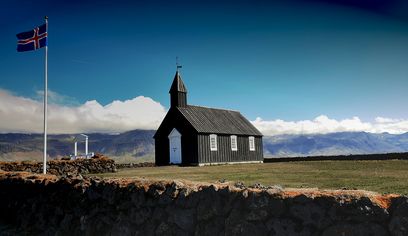
Snæfellsnes Peninsula Day Tour
IceTrek ehf · 11 hours
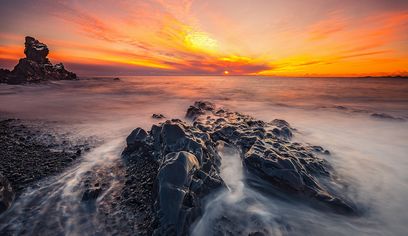
Private Snæfellsnes Peninsula Day Tour
Pickmeup · 10 hours
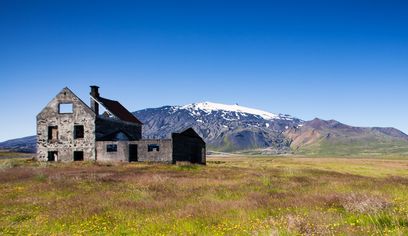
Snæfellsnes Peninsula Full Day Private Tour - Up to 9 passengers
Reykjavik Erupts · 10 hours
Fotos
Galería
Antecedentes
Historia y Antecedentes
La historia de Snæfellsjökull está profundamente arraigada en el patrimonio islandés. Este lugar ha jugado un papel importante en la historia local. A lo largo de los años, ha sido testigo de numerosos eventos históricos y continúa siendo un sitio de importancia cultural. Las tradiciones y leyendas asociadas con este lugar se han transmitido de generación en generación.
Snæfellsjökull es un glaciar extraordinario en Islandia. Snæfellsjökull es un magnífico glaciar situado en el oeste de Islandia. Esta antigua masa de hielo es parte del emblemático paisaje glaciar de Islandia. Los visitantes pueden ex... Snæfellsjökull es el glaciar más mitificado de Islandia: un pico volcánico de 1.446 metros cubierto de hielo eterno en la punta de la península de Snæfellsnes. Julio Verne lo eligió como entrada al centro de la Tierra en su novela de 1864. Seguidores de la Nueva Era ra. Esta ubicación ofrece a los visitantes una oportunidad única de experimentar la belleza natural y el patrimonio cultural de Islandia.
Folclore
Historia y Folclore
Snæfellsjökull es un estratovolcán de 700,000 años cubierto por glaciar, visible desde Reykjavík en días claros. Jules Verne lo usó como entrada en 'Viaje al Centro de la Tierra'. El volcán puede ser escalado - la última erupción fue hace 1,800 años.
¿Sabías que?
One of Iceland's most mystical mountains
Cultura
Historias y Leyendas
Sagas islandesas y folclore de esta área
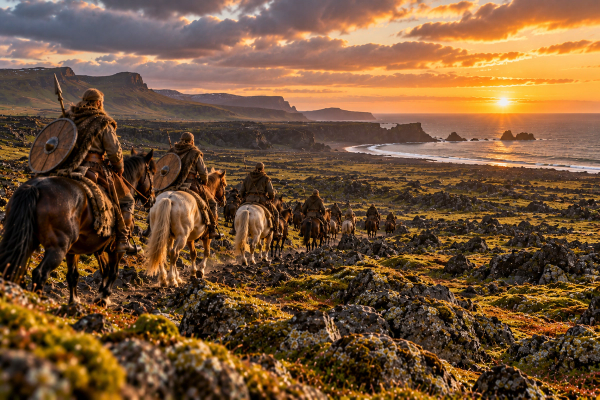
Beruvíkurhraun
Beruvíkurhraun is a historic location in Iceland mentioned in "Bjarnar saga Hítdælakappa", one of the ancient Íslendingasögur (Sagas of Icelanders). These medieval narratives preserve the history of Iceland's Viking Age settlement.
Snjófell
Snjófell is a historic location in Iceland mentioned in "Bárðar saga Snæfellsáss", one of the ancient Íslendingasögur (Sagas of Icelanders). These medieval narratives preserve the history of Iceland's Viking Age settlement.
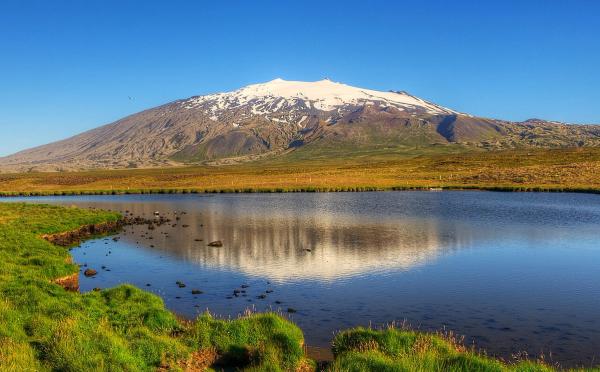
Snæfellsjökull – The Mystical Glacier
Snæfellsjökull: A mystical glacier where legends of magic and hidden worlds reside.
Explorar
Joyas ocultas cercanas
Glacier Sounds
Stop and listen — glaciers make haunting sounds as ice shifts and meltwater flows beneath the surface.
The creaking, groaning, and rushing sounds remind you that glaciers are living, moving rivers of ice.
Ice Colors
Look carefully at the ice — you'll see shades of white, blue, and even black from volcanic ash layers.
The blue color comes from compressed ice that absorbs red light, and ash layers mark historical eruptions.
Glacier Edge Ecology
The area where the glacier meets rock supports a unique micro-ecosystem of hardy organisms.
Pioneer plants and insects colonizing newly exposed land offer a real-time view of ecological succession.
Ayuda
Preguntas frecuentes
Ubicación
Ubicación
Discover
Explore Nearby
Places from our database within 5.0 km — all data from Sanity
Loading nearby places…
0 places found within 5.0 km
Plan full itinerary →Explorar más