

アイスランドの地下世界
Iceland's
Caves
アイスランドは世界で最も活発な火山活動の上に位置しています — その結果、数千年にわたって形成された溶岩チューブ、氷の洞窟、海蝕洞の驚異的なネットワークが生まれました。
700+
Named lava caves
8,000
Years old (Vatnshellir)
0–5°C
Cave temperature range
30 min
From Reykjavík (Raufarhóll)
Iceland sits on the boundary of the Eurasian and North American tectonic plates — directly above a volcanic hotspot that has been erupting for millions of years. The result is an extraordinary network of lava tubes, formed when molten rock flows underground and hardens on the outside while the liquid interior drains away.
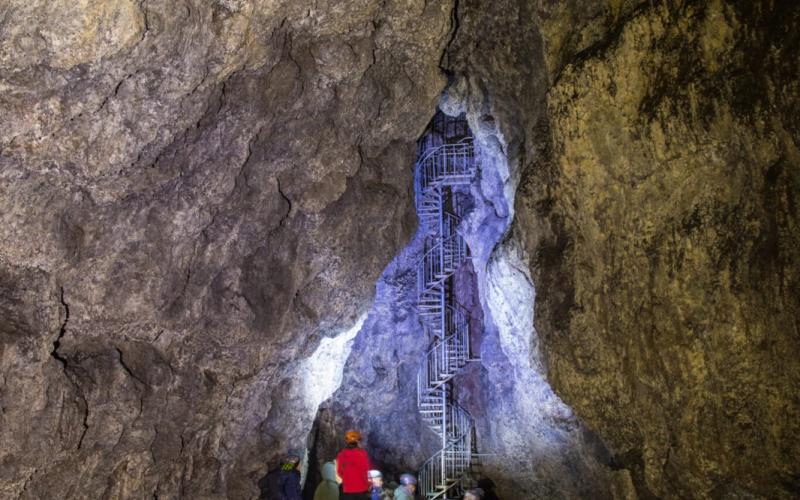
The most visited is Vatnshellir on the Snæfellsnes Peninsula — a perfectly preserved 8,000-year-old tube beneath the glacier. Iceland's largest lava cave, Víðgelmir, stretches 1.5 km and reaches 16 metres in height.
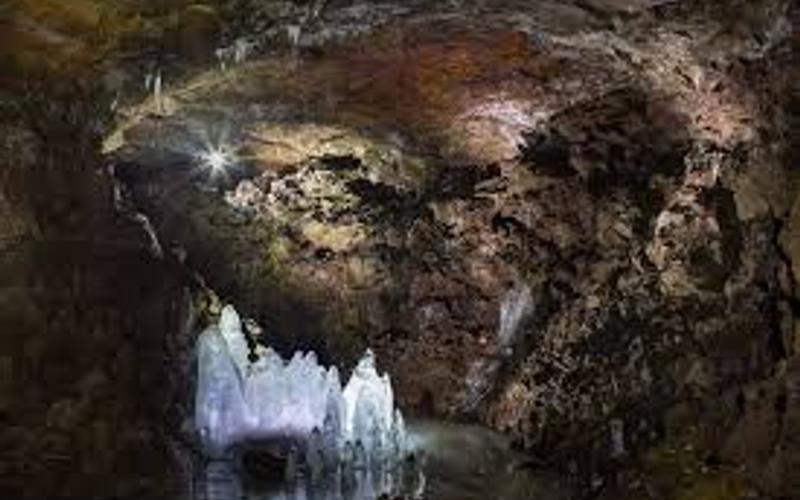
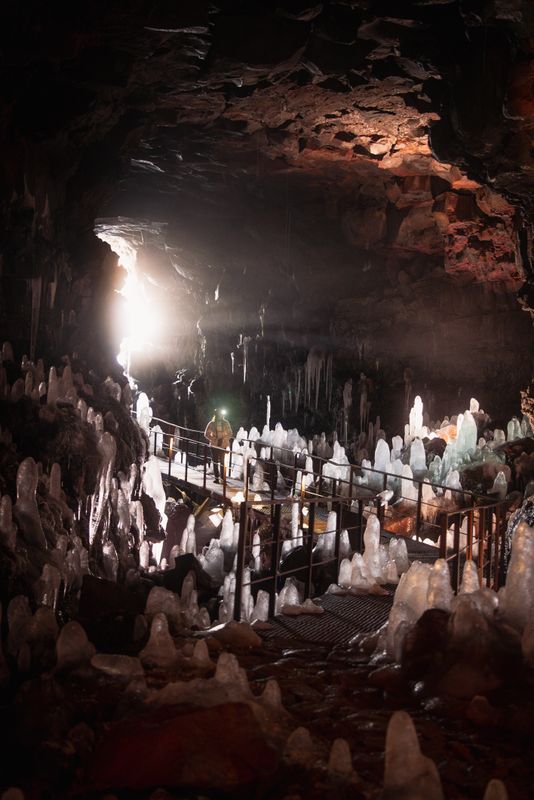
Near Reykjavík, Raufarhólshellir offers professionally lit walkways just 30 minutes from the capital. In the far north, the Lofthellir ice cave near Lake Mývatn contains year-round ice sculptures — unlike glacier ice caves, these form inside a lava tube and never melt.


Iceland's Caves
アイスランドの注目すべき洞窟
スナイフェルスネスの古代溶岩チューブからロフトヘリルの永久氷の彫刻まで — アイスランドの洞窟は地球上で最もドラマチックな地下の風景です。
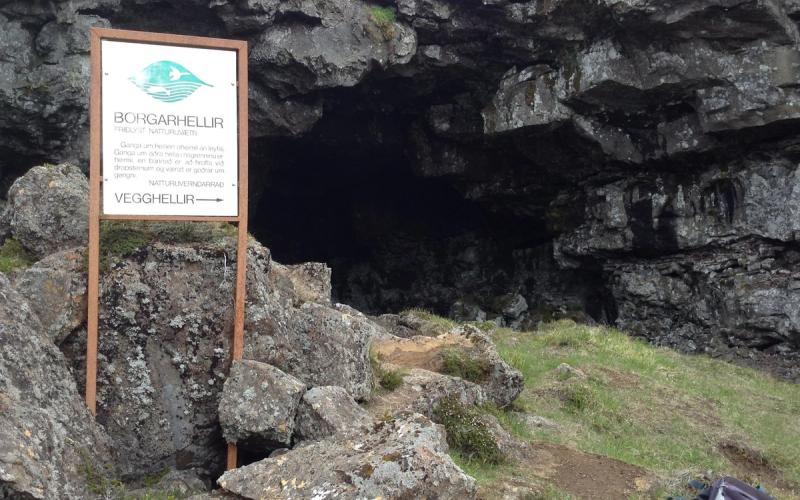

Borgarhellir
Explore the ancient volcanic depths of Borgarhellir, a protected lava cave in West Iceland.
Borgarhellir, a striking lava tube in West Iceland, offers a glimpse into the raw power of ancient volcanic eruptions. Its dark, rugged entrance, framed by moss-covered volcanic rock, invites adventurers to ponder the geological wonders beneath the surface.
詳細を見る →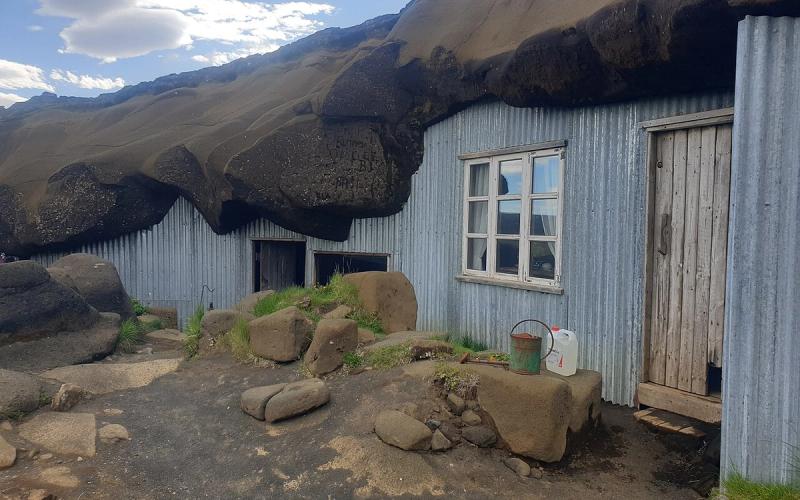

Laugarvatnshellar
Explore Laugarvatnshellar, unique man-made tuff caves in Reyðarbarmur, famously adapted from shelters to homes.
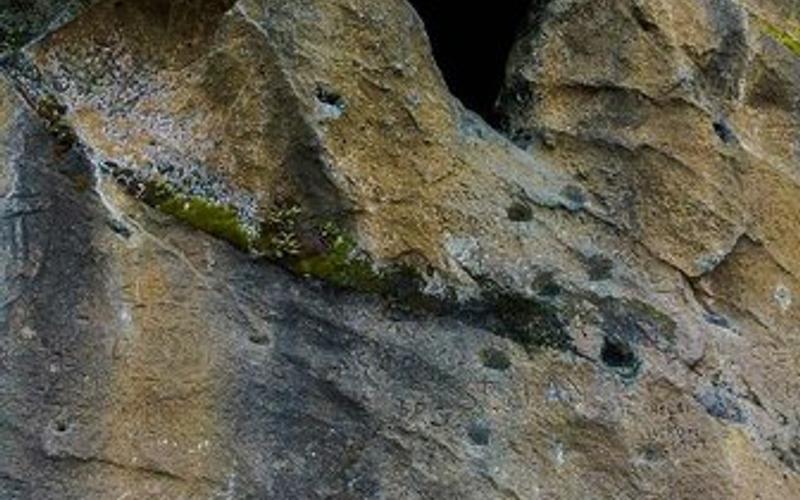
Discover Laugarvatnshellar, two fascinating man-made tuff caves nestled into the landscape of Reyðarbarmur. Once simple livestock shelters, these unique formations were later transformed into human dwellings, with visible windows and doors as seen in the image. Step back in time to explore a remarkable testament to human adaptation and ingenuity.
詳細を見る →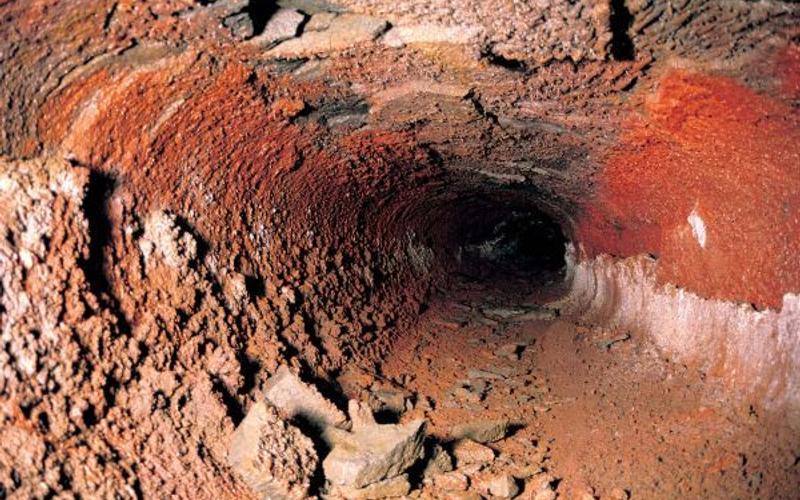

Leiðarendi
Descend into Leiðarendi, a dramatic lava tube cave where ancient molten rock carved a mesmerizing subterranean world.
Descend into Leiðarendi, a captivating lava tube cave formed by ancient volcanic flows, revealing a hidden world beneath Iceland's moss-covered surface. Its rugged entrance, framed by dark rocks and vibrant green moss, hints at the geological wonders within.
詳細を見る →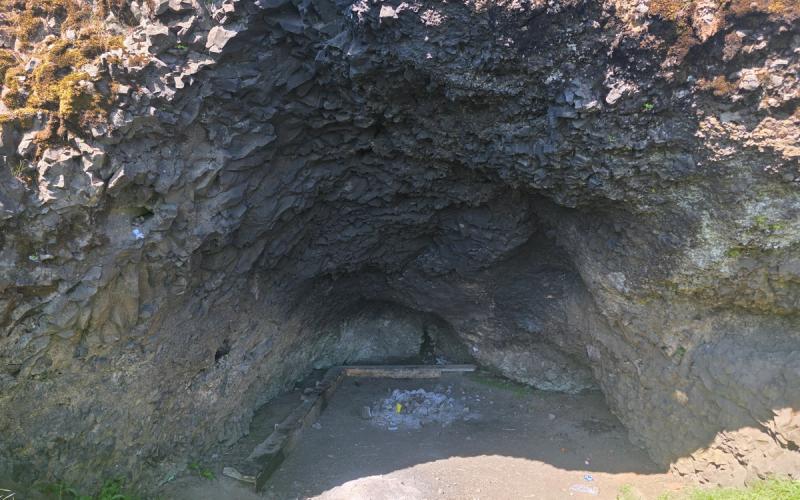

Stórihellir
Large cave in the Fljótshlíð area with a long local history of practical use.
Stórihellir is a large cave in the Fljótshlíð area of South Iceland. Local tradition records long-standing practical use of caves in this landscape, but claims about exact settlement-age occupation or church use should be treated cautiously unless supported by site-specific evidence.
詳細を見る →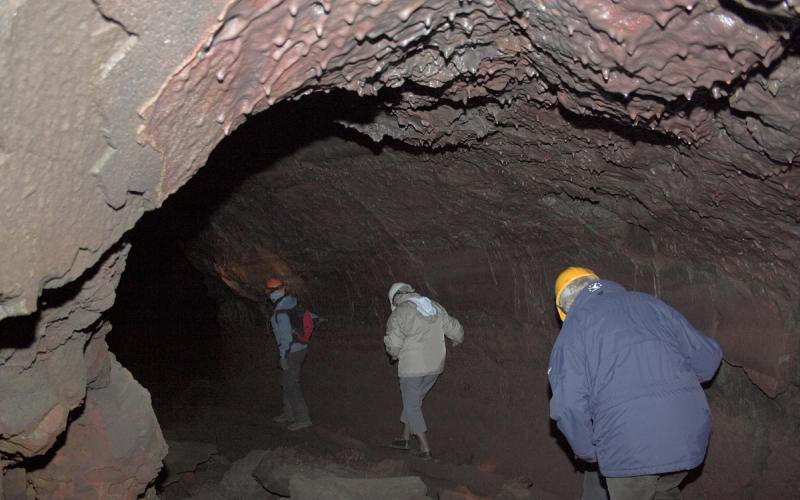

Víðgelmir Lava Cave
Iceland's largest and most spectacular lava cave with colorful rock formations and guided tours.
Víðgelmir is Iceland's largest lava cave, stretching 1,585 metres long with stunning lava formations, stalactites, and colorful mineral deposits. The cave is well-lit and accessible via guided tours from Húsafell.
詳細を見る →Know Before You Go
Lava Caves vs Ice Caves
Lava Tubes
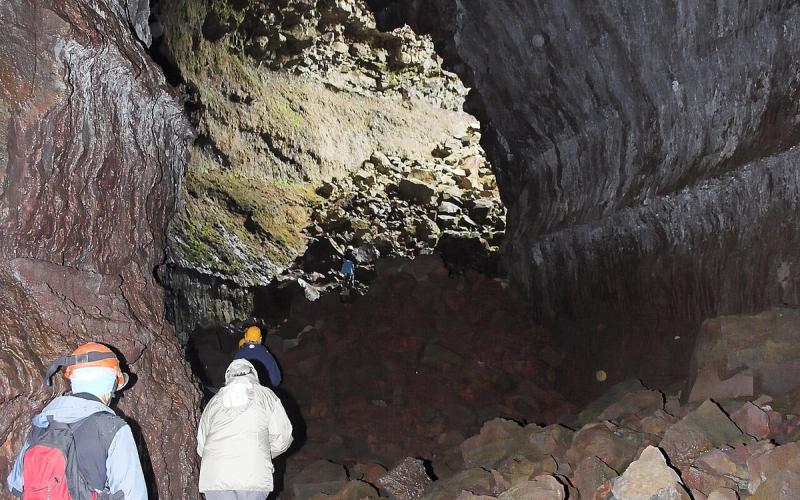
Formed when surface lava hardens while molten rock drains beneath. Iceland has over 700 named lava caves — more than any other country of its size. They are stable, permanent and accessible year-round. Major managed tubes: Vatnshellir, Víðgelmir, Raufarhólshellir.
- Year-round guided access
- Stable rock formations — no collapse risk when managed
- Temperature: 3–5°C year-round
Glacier Ice Caves
Formed by meltwater tunnelling through glaciers, glacier ice caves are seasonal — they form each winter and collapse or change shape in spring. The famous blue ice caves of Vatnajökull are only safe November–March. Lofthellir near Mývatn is an exception: it's a lava tube with permanent ice, not a glacier cave.
- Seasonal: November–March only (glacier caves)
- Guide required — glaciers are dangerous without expertise
- Lofthellir (lava tube ice): year-round
アイスランドのすべての洞窟
48 caves in our database
Lofthellir, Ketildyngja
north-iceland
Valaból og Músarhellir
capital-region
Vatnshellir Lava Cave
snaefellsnes
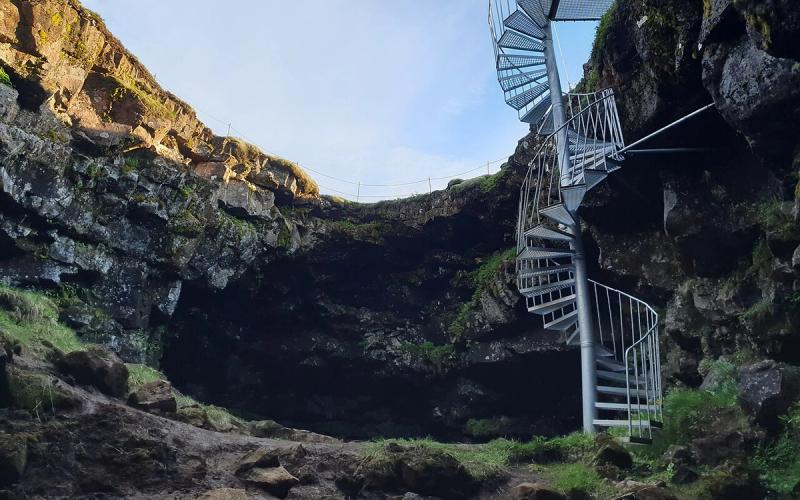
Arnarker
south-iceland
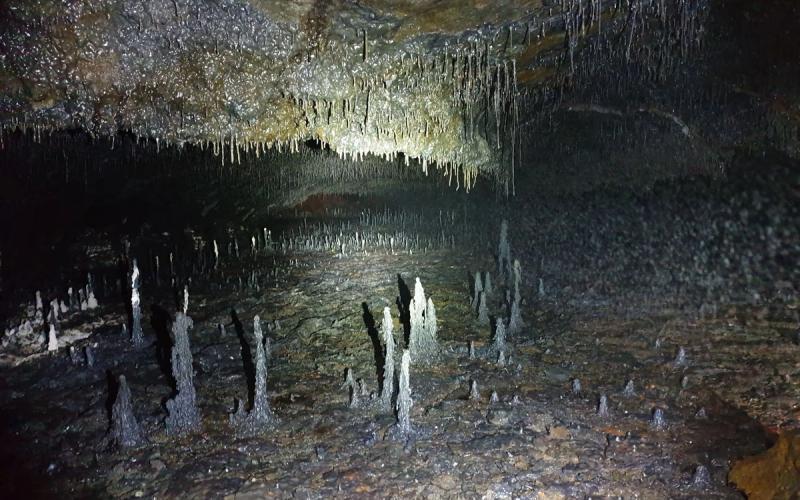
Arnesarhellir
west-iceland
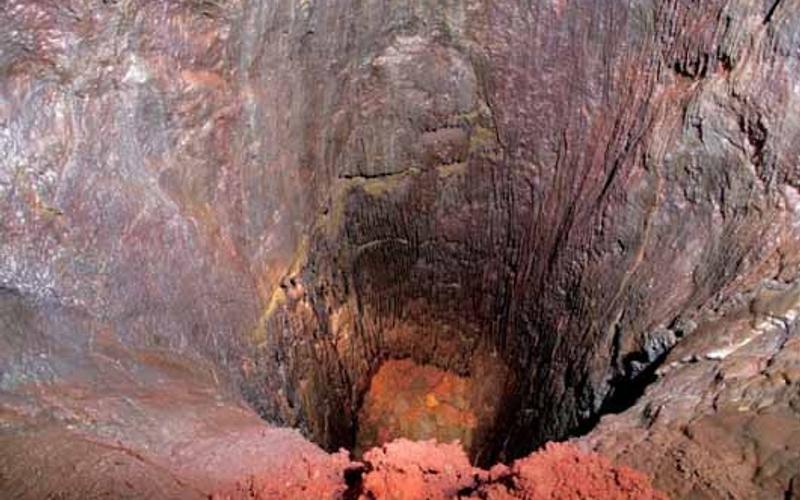
Búri
south-iceland
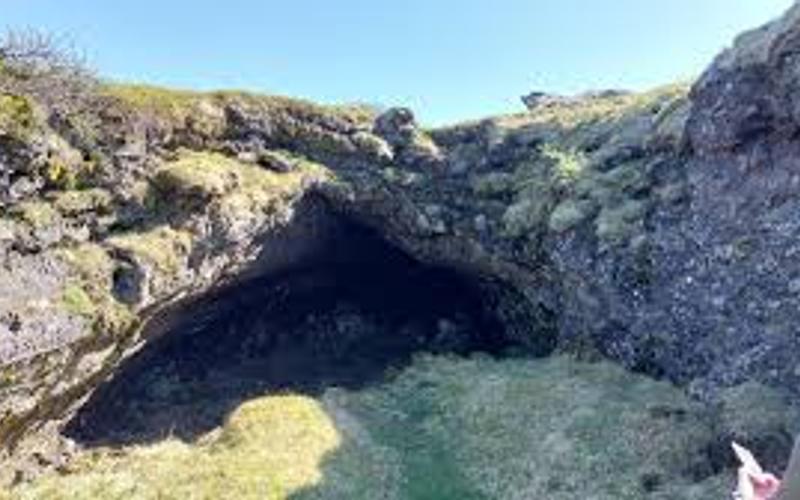
Búðahellir
west-iceland
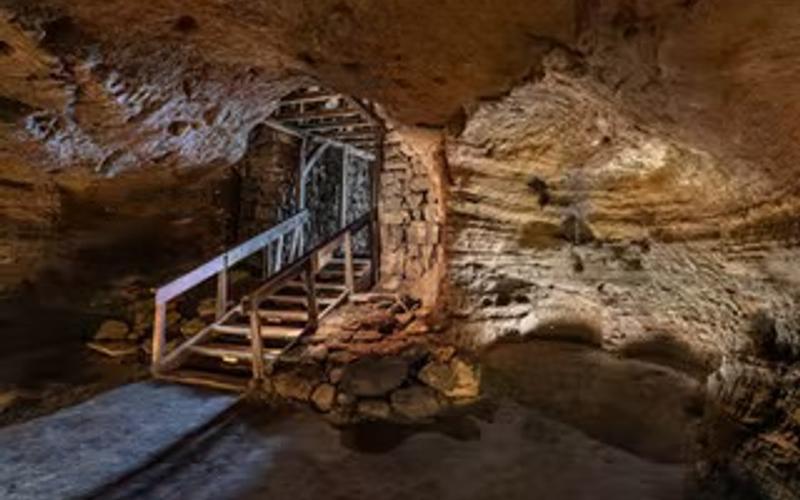
Caves of Hella (Hellar við Ægissíðu)
south-iceland
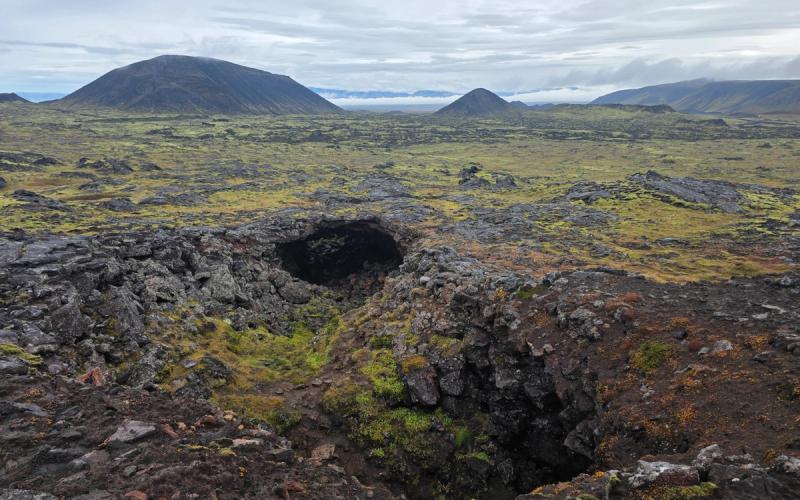
Djúpihellir
capital-region
Draugarlág
west-iceland
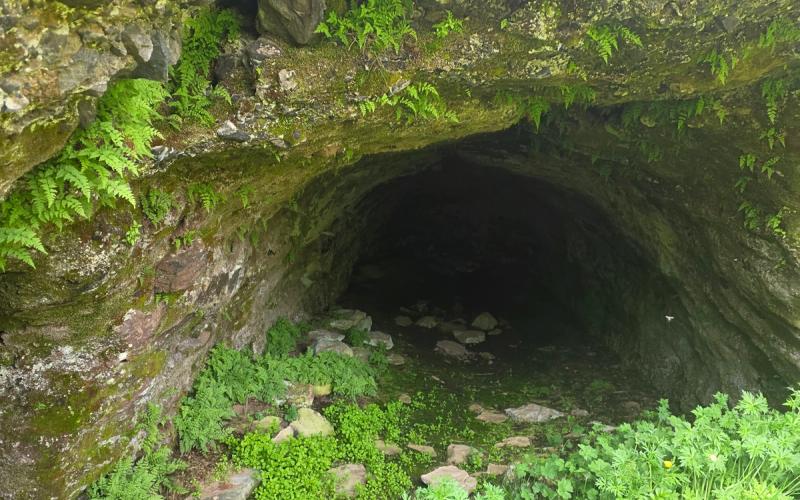
Efra-Hvolshellar
south-iceland
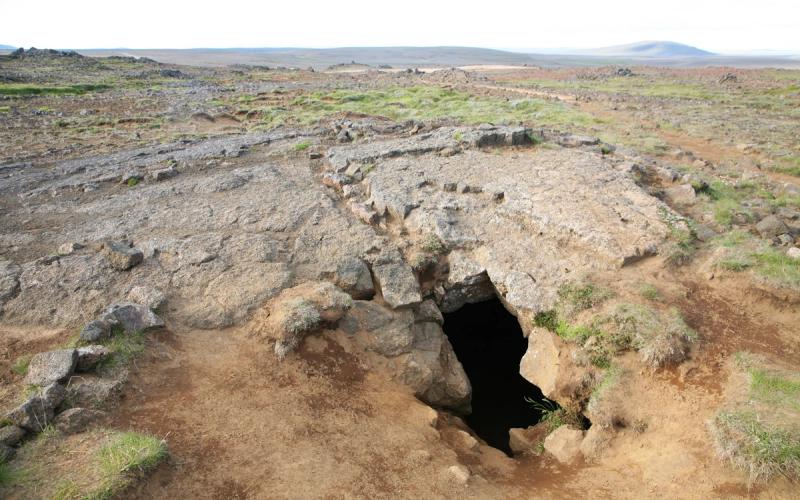
Eyvindarhellir
highlands
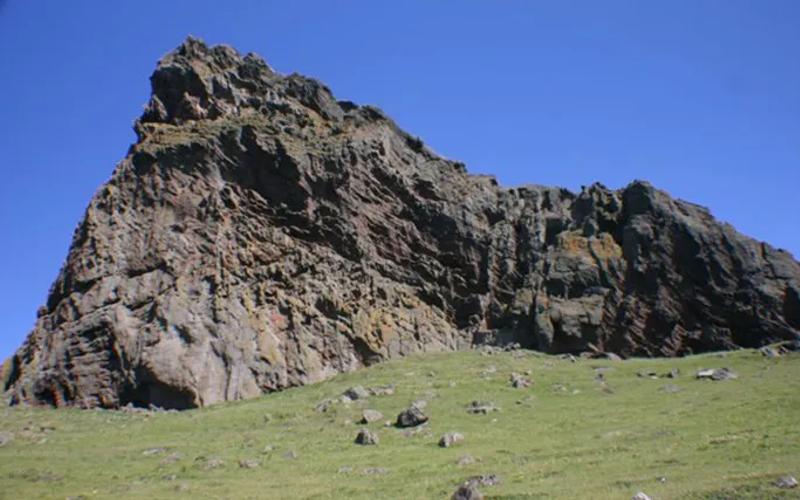
Fiskhellar
south-iceland
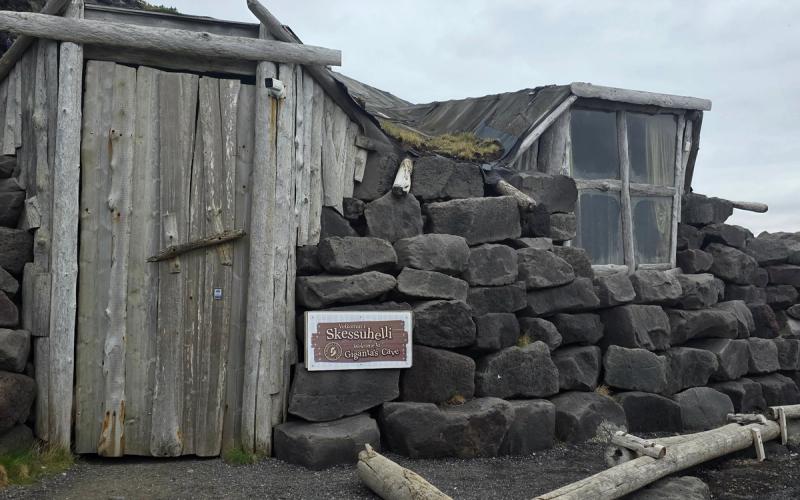
Giganta's Cave
reykjanes
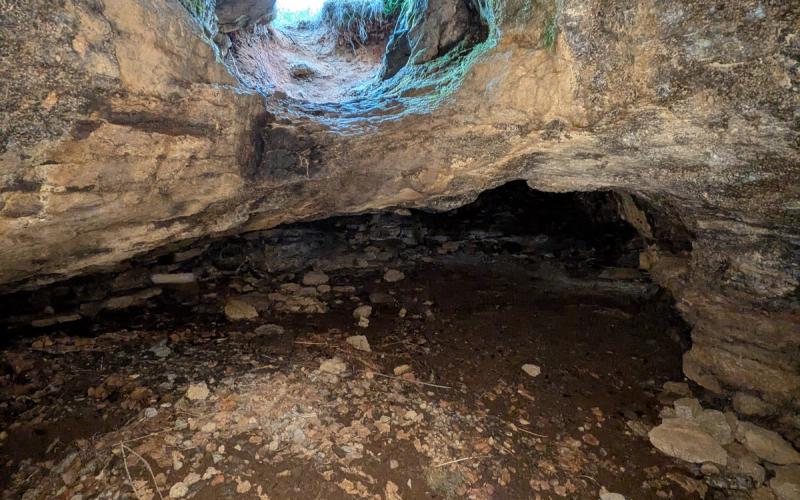
Gíslahellir
westfjords
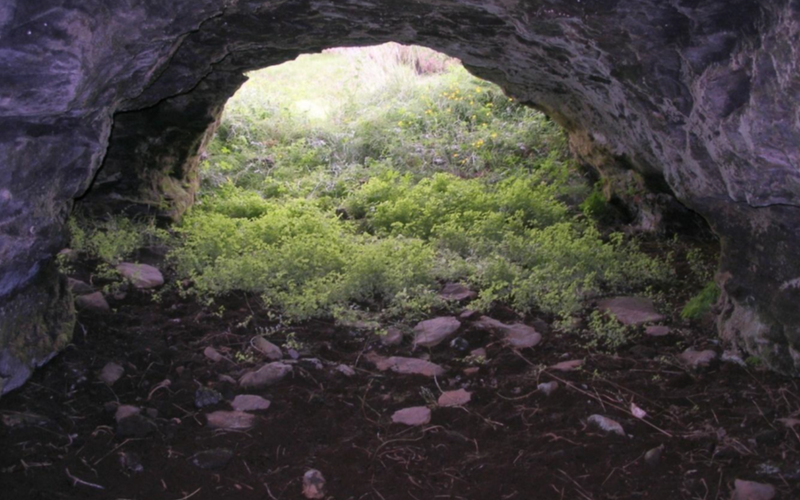
Hellir í botni Ísafjarðar
westfjords
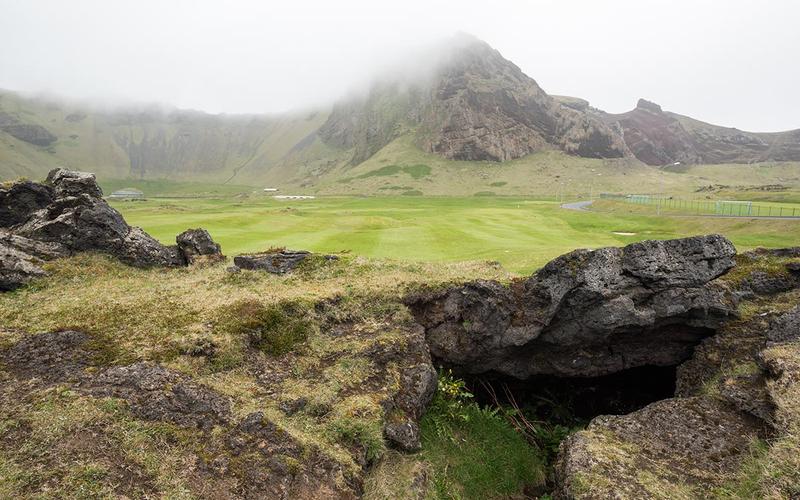
Hundraðsmannahellir
south-iceland
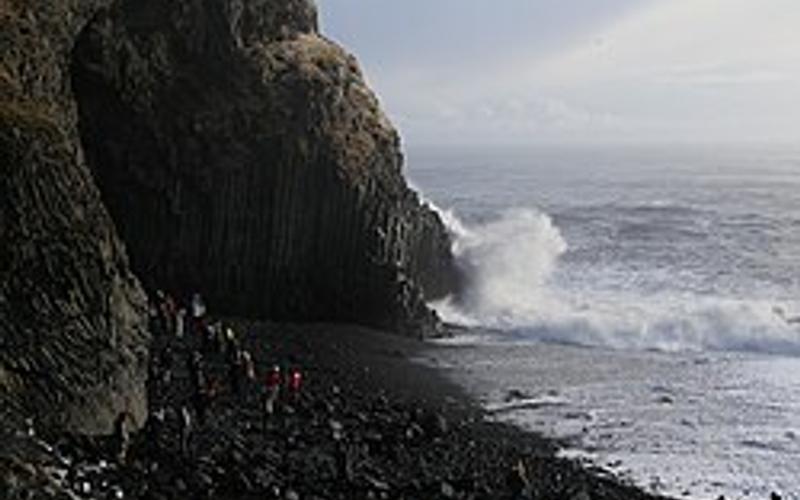
Hálsanefshellir
south-iceland
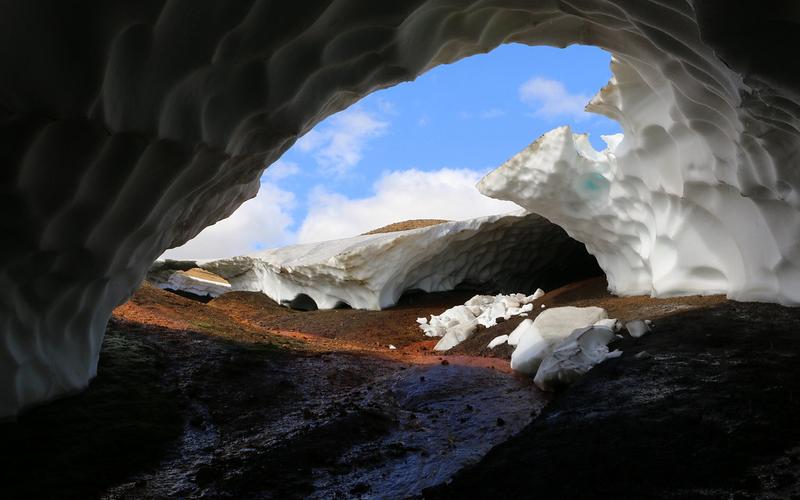
Ice cave at Hrafntinnusker
highlands
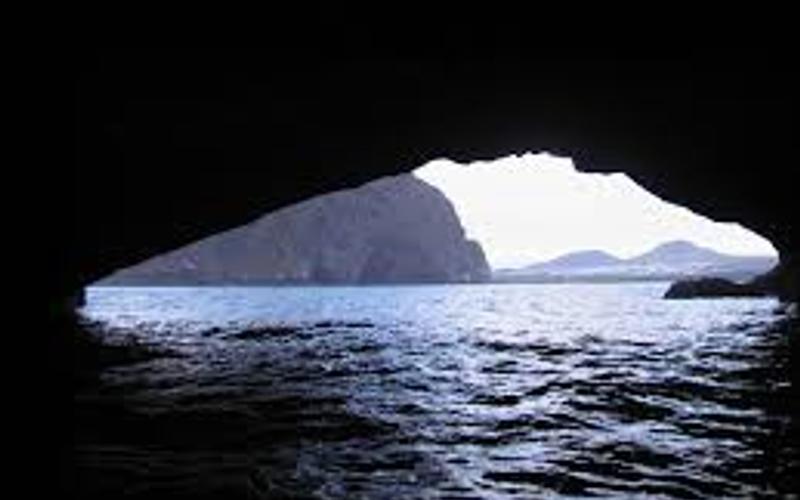
Kafhellir
south-iceland
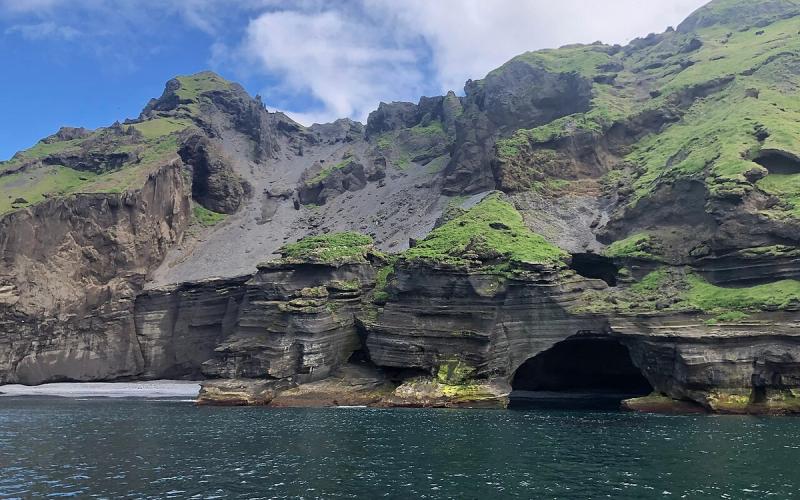
Klettshellir
south-iceland
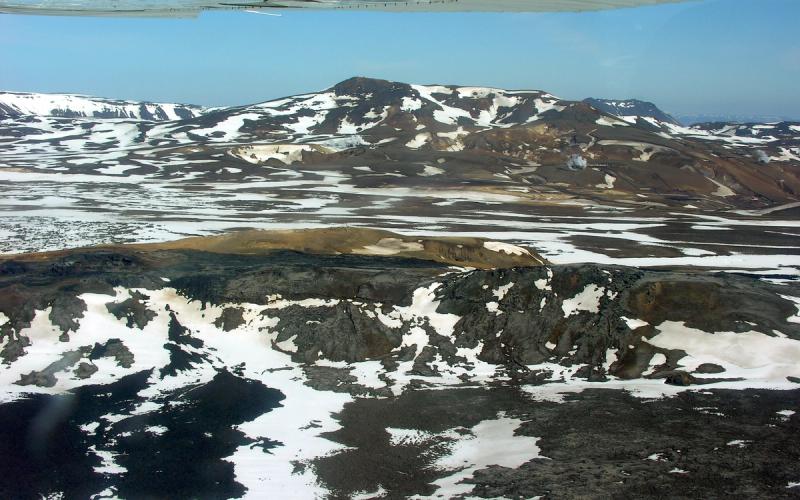
Krafla Lava Cave (near Vík)
south-iceland
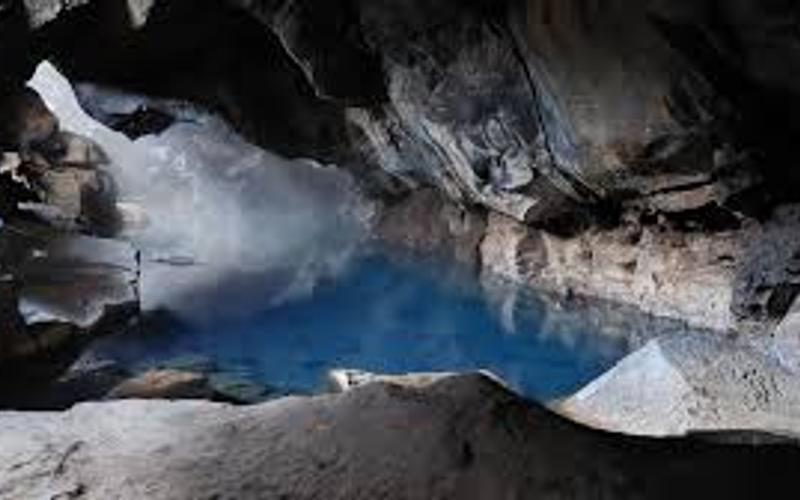
Kvennagjá
north-iceland
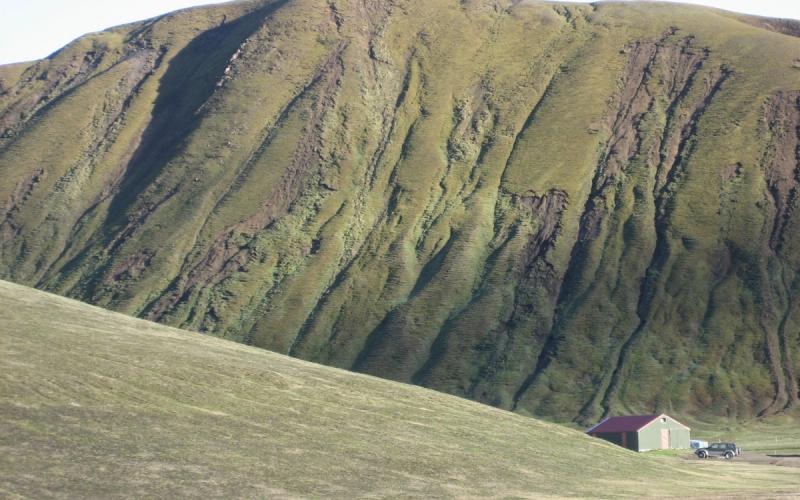
Landmannahellir
highlands
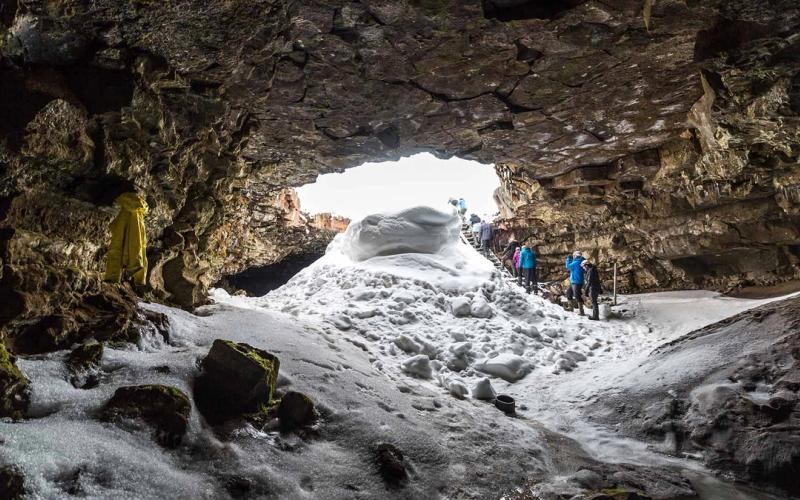
Lofthellir Lava Cave
north-iceland
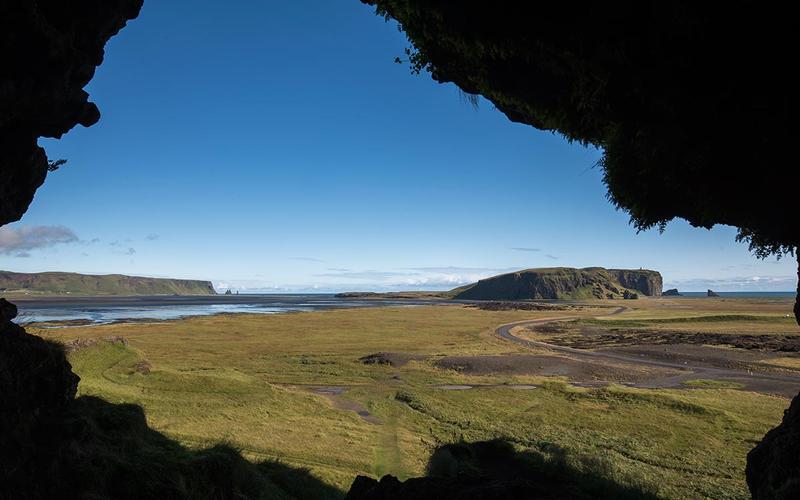
Loftsalahellir
south-iceland
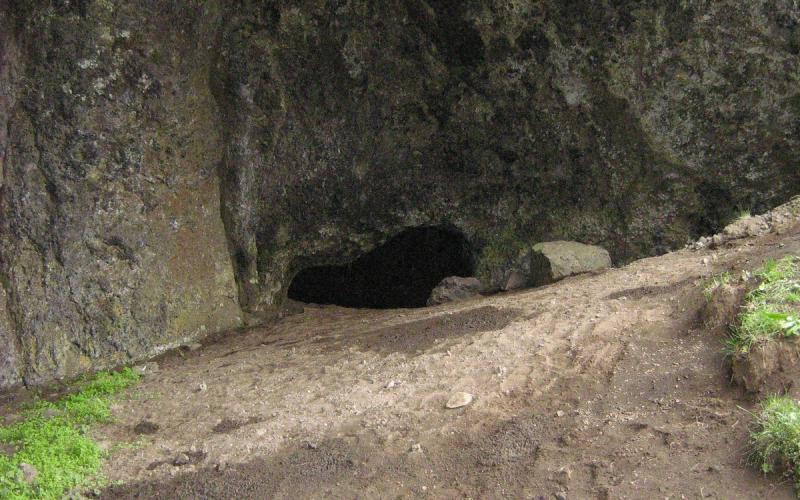
Magnahellir
highlands
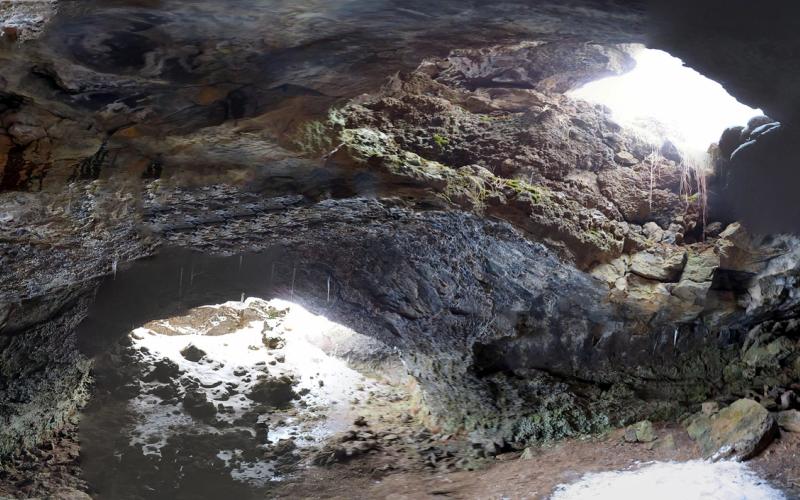
Maríuhellar
capital-region
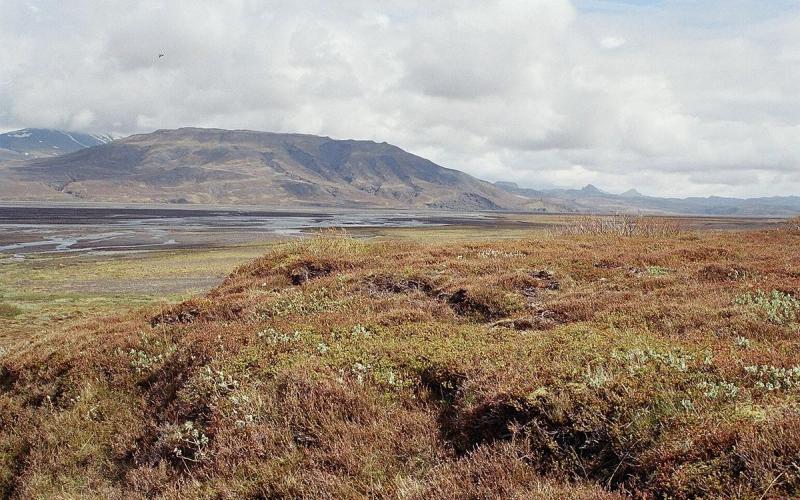
Mögugilshellir
south-iceland
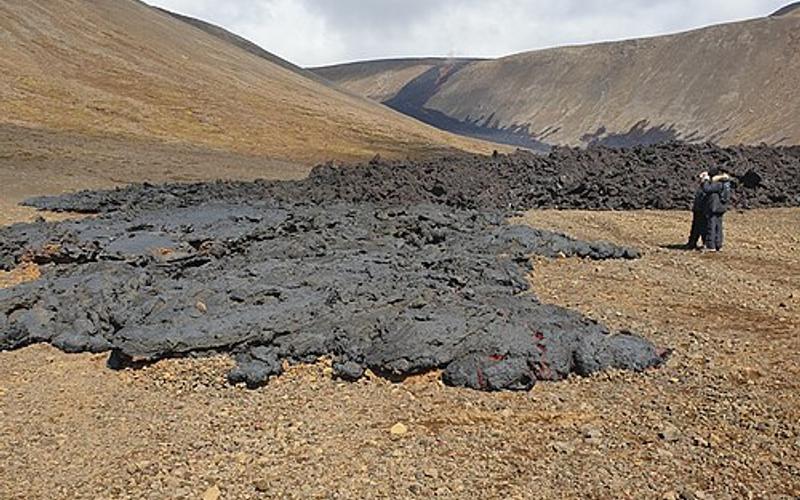
Nátthagi, Hvammahraun
south-iceland
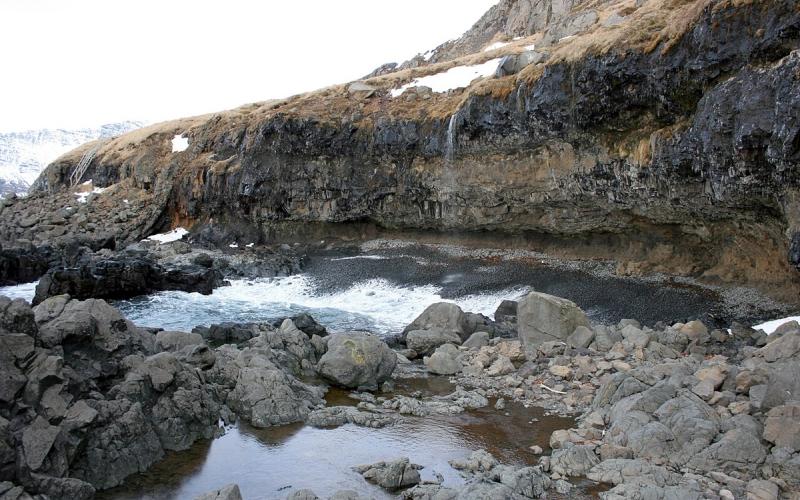
Páskahellir
east-iceland
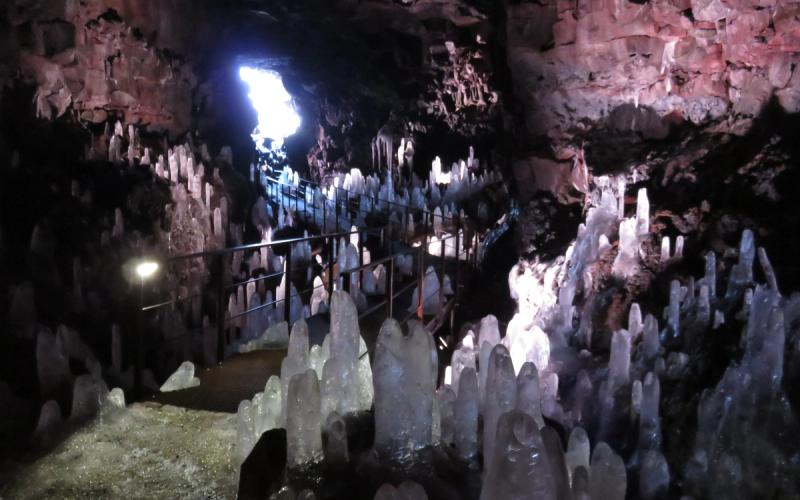
Raufarhólshellir Lava Tunnel
south-iceland
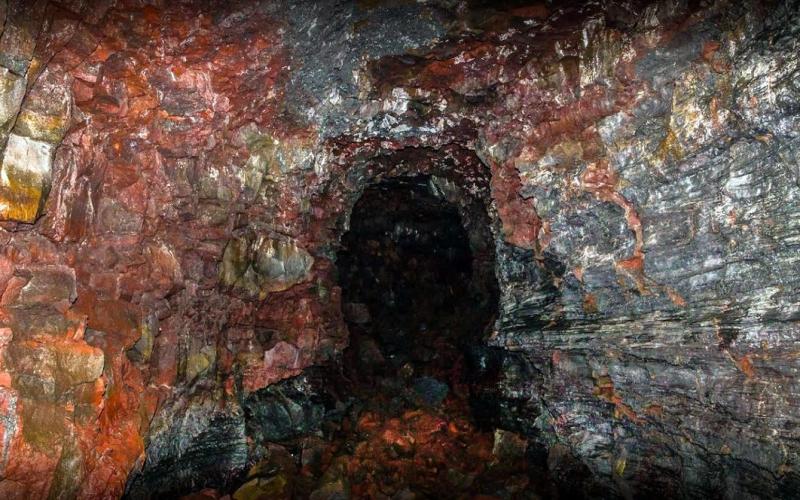
Rauðhólshellir
capital-region
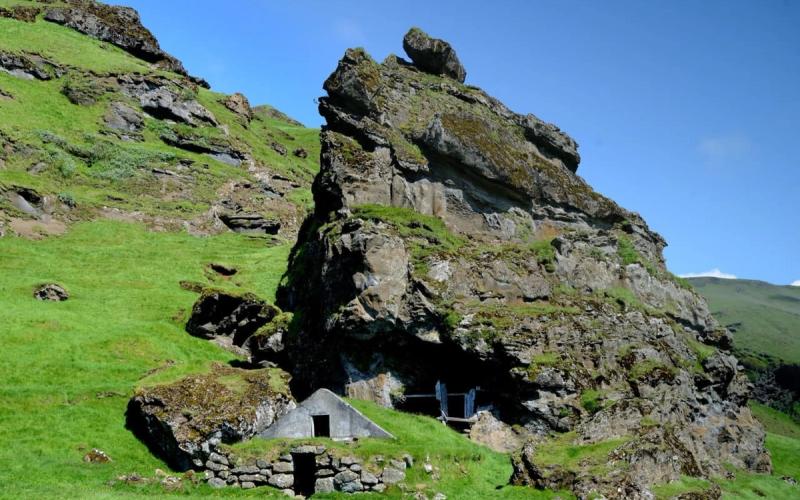
Rútshellir
south-iceland
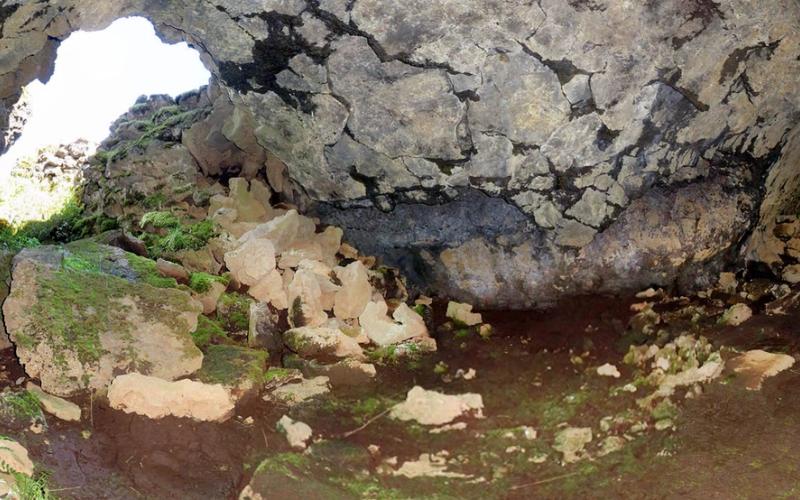
Selgjárhellir
capital-region
Snorraríki
south-iceland
Stakkar
north-iceland
Stefánshellir
west-iceland
Stefánshellir, Hallmundarhraun
west-iceland
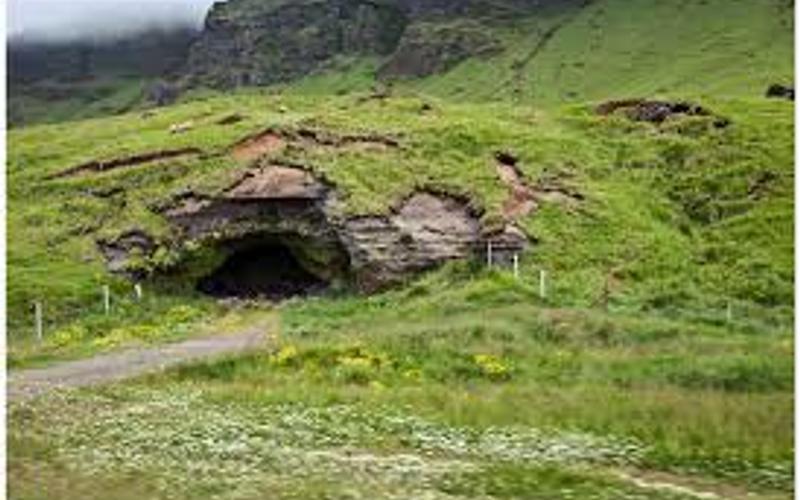
Steinahellir
south-iceland
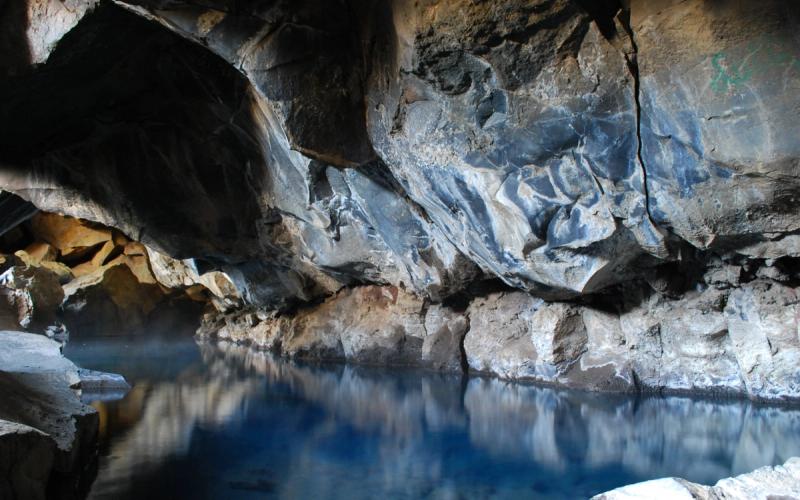
Stóragjá
north-iceland
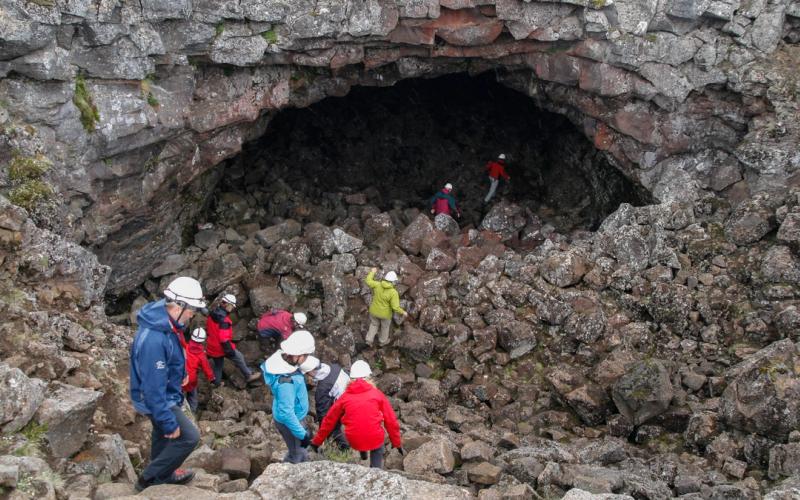
Surtshellir
west-iceland
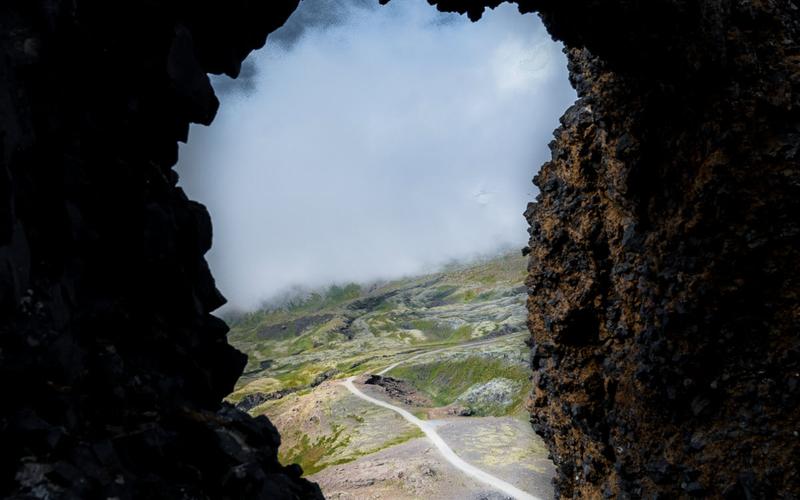
Sönghellir (Cave)
snaefellsnes
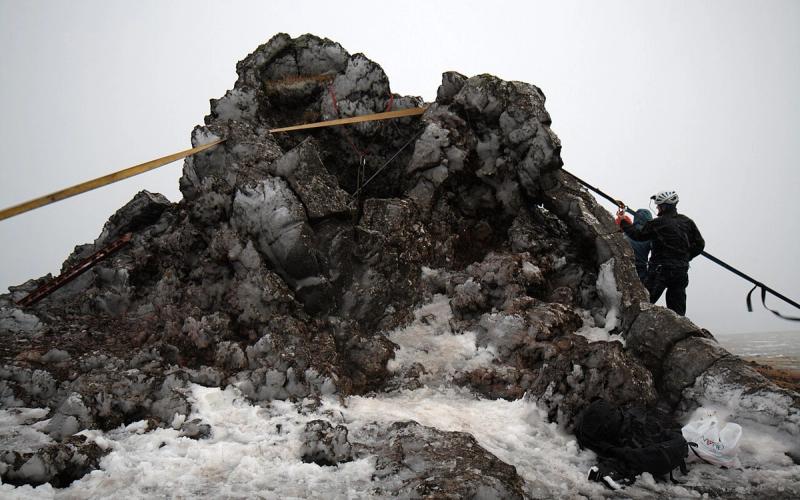
Tintron
south-iceland
Vegamannahellir
snaefellsnes
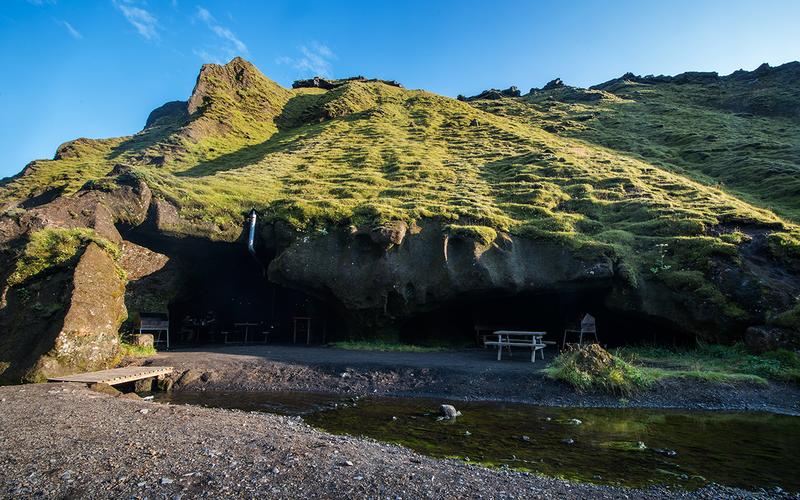
Þakgilshellir
south-iceland
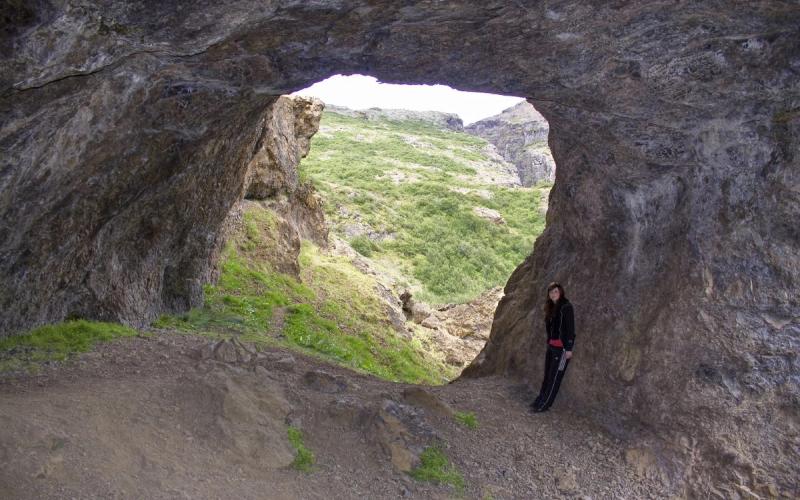
Þvottahellir
west-iceland
Þórðarhellir
westfjords
Which Cave Experience Is Right for You?
Choose the format that fits your trip
Guided Tours
- Expert guides for safe underground access
- Browse cave tours →
Photography
- Dramatic lava textures and ice formations
- Browse photo tours →
Self-Drive
- Raufarhólshellir — free parking, easy access
- Iceland trip planner →
Families
- Vatnshellir — lit walkways, all ages welcome
- Browse family-friendly tours →
アイスランドのガイド付き洞窟ツアー
溶岩チューブと洞窟の専門家ガイド付き探索ツアー
 4 hours
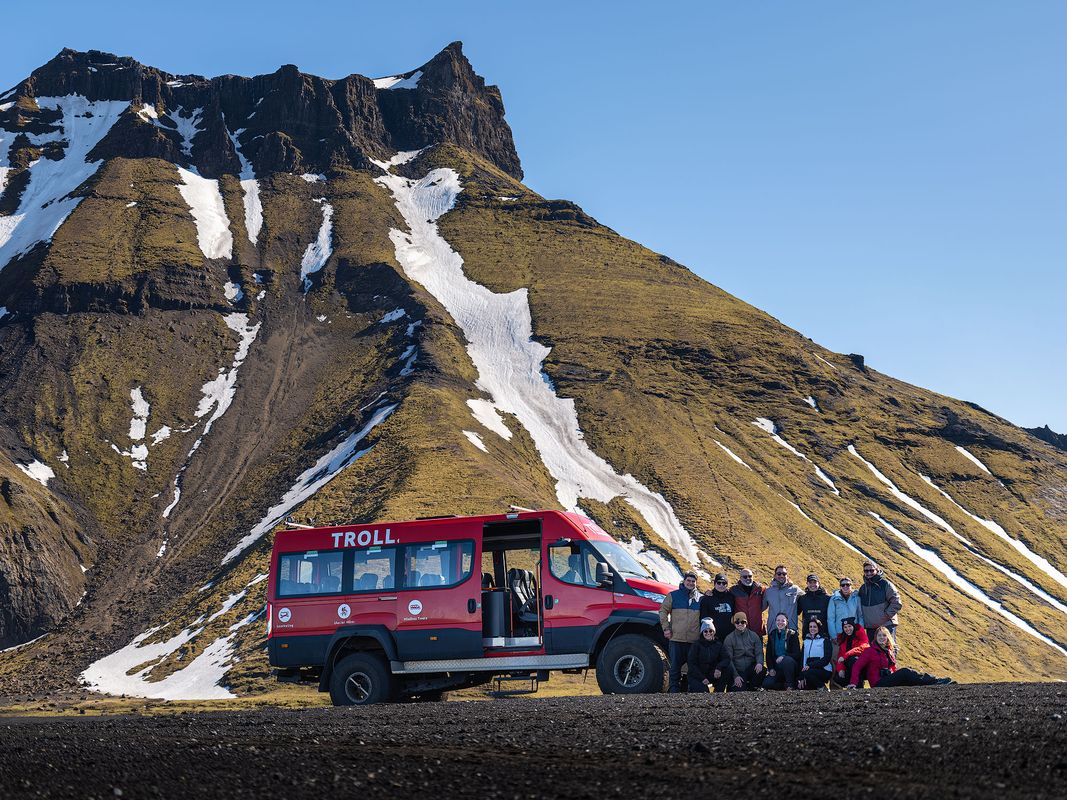
The Complete Katla Ice Cave Tour from Vík
Troll Expeditions
から
37,671 ISK
 11 hours
Small group Tour: Snæfellsnes Peninsula and Lava Cave
Lilja Tours
から
27,500 ISK
 4 hours
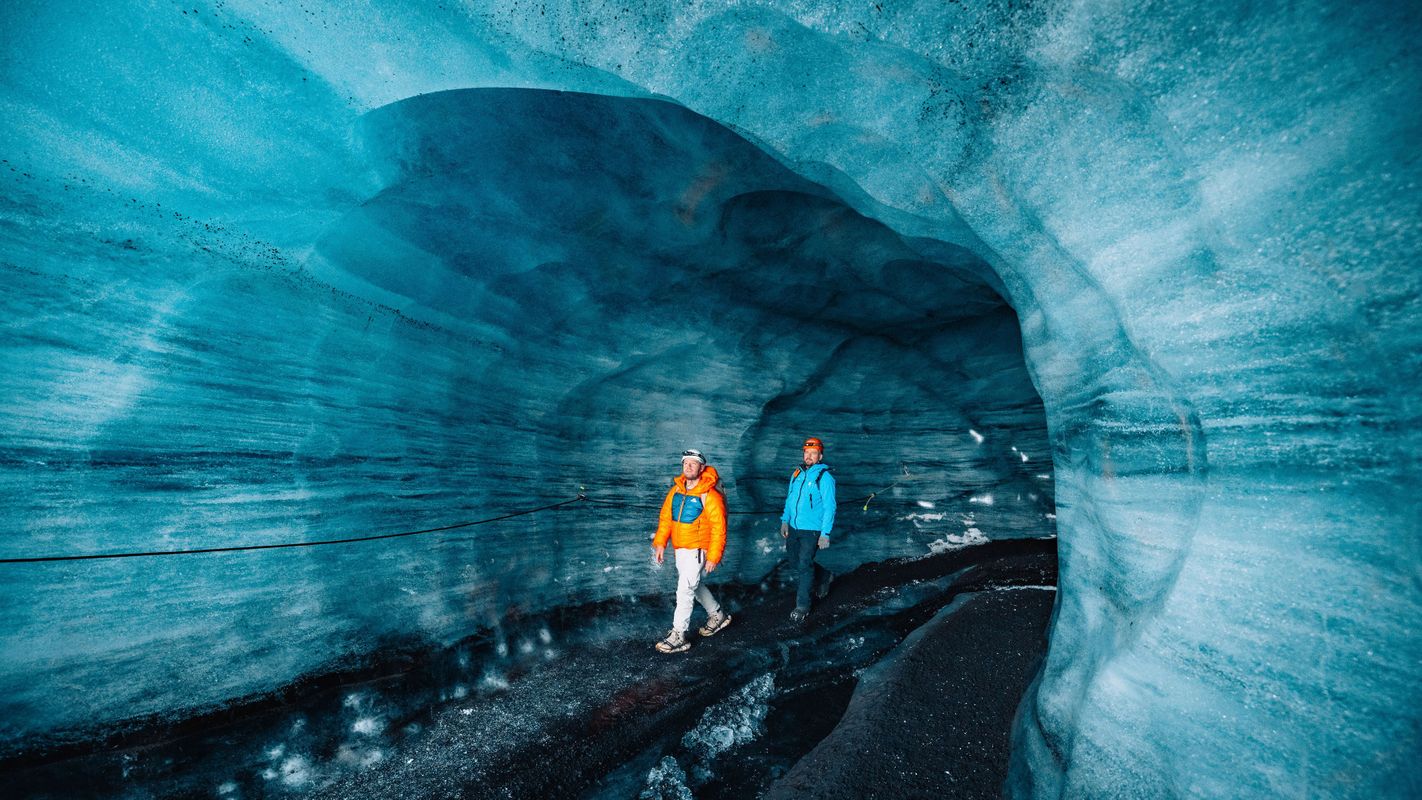
Katla Ice Cave & Black Beach with Drone
Katlatrack
から
41,500 ISK
 3 hours
The Lava Falls Adventure tour
The Lava Tunnel (Raufarhóll ehf)
から
27,900 ISK
 5 hours
Black & Blue - Lava Tunnel + Silfra Snorkeling
Arctic Adventures
から
23,990 ISK
 11 hours
South Coast & Katla Ice Cave
BusTravel Iceland
から
35,990 ISK
アイスランドの洞窟を安全に訪れる
出発前に
- Bring a powerful headlamp and spare batteries — cave lighting fails
- Wear non-slip footwear and warm waterproof layers (caves stay ~3°C)
- Book guided tours for managed caves like Vatnshellir and Víðgelmir
- Never enter an unmarked or unmaintained cave without an expert guide
訪問中
- Stay on marked walkways — cave floors can be unstable off-trail
- Never touch formations — oils from skin damage lava stalactites permanently
- Watch your head — lava tube ceilings can drop without warning
- Tell someone your plans and expected return time
撮影ヒント
- Wide-angle lens captures dramatic ceiling heights and tube geometry
- Long exposure (10–30 sec) reveals colour in low-lit formations
- Tripod is essential — handheld shots blur in cave darkness
- Bring a portable light source to illuminate walls from the side
Frequently Asked Questions
What is the best cave to visit in Iceland?
Vatnshellir on the Snæfellsnes Peninsula is the most famous managed lava tube — 8,000 years old, fully guided, and open year-round. For sheer size, Víðgelmir in West Iceland (Iceland's largest cave at 1.5 km) is unmatched. For convenience, Raufarhólshellir near Reykjavík has professional walkways just 30 minutes from the city.
What is the difference between a lava cave and an ice cave?
Lava caves (lava tubes) are permanent tunnels formed by volcanic activity — solid rock structures that are stable year-round. Glacier ice caves form inside glaciers from meltwater and change shape each season; they are only safe November–March when frozen solid. The exception is Lofthellir near Mývatn — a lava tube that contains permanent ice sculptures year-round.
Are Iceland's caves safe to visit without a guide?
Managed caves like Raufarhólshellir allow self-guided access in the lit sections. Vatnshellir and Víðgelmir require guided tours. Unmanaged caves like Surtshellir and Leiðarendi can be visited with proper equipment (powerful torch, helmet, warm clothes) but hiring a local guide is strongly recommended — cave floors are uneven, ceilings can be very low, and it's easy to get disoriented in the dark.
When is the best time to visit Iceland's caves?
Lava tubes are accessible year-round. Glacier ice caves (blue ice caves in Vatnajökull) are only safe November–March. Summer is peak season for lava cave tours — book in advance, especially for Vatnshellir and Víðgelmir. Winter visits offer fewer crowds but shorter daylight for getting to remote caves.
How long does a cave tour in Iceland take?
Guided tours of Vatnshellir last about 45 minutes. Víðgelmir tours run 45–75 minutes. A guided visit to Raufarhólshellir takes 60–90 minutes including the adventure (off-trail) sections. Leiðarendi cave tours from Reykjavík are typically 3 hours including transport. For Lofthellir near Mývatn, allow 3–4 hours including the snowmobile or 4WD approach.
How do Iceland's lava caves form?
When a volcanic eruption sends a river of lava across the landscape, the outer surface cools and hardens while hot molten rock continues flowing through the interior. When the eruption ends, the liquid lava drains out, leaving an empty tunnel — a lava tube. Iceland's tubes formed 1,000–10,000 years ago and can be hundreds of metres to several kilometres long.
More Iceland Natural Wonders
🌌 See the Northern Lights
Track real-time aurora activity and plan your Northern Lights trip with AuroraVision.