
200+
滝
8
地域
6
ロードトリップ
無料
全て無料入場
年中
ほとんど年中開放
10
体験
Discovery
Explore Iceland's Waterfalls
Discover waterfalls across Iceland — select a pin for details.
必見
アイスランドで最も有名な滝
アイスランドを定義するバケツリストの滝

Brúarfoss Waterfall
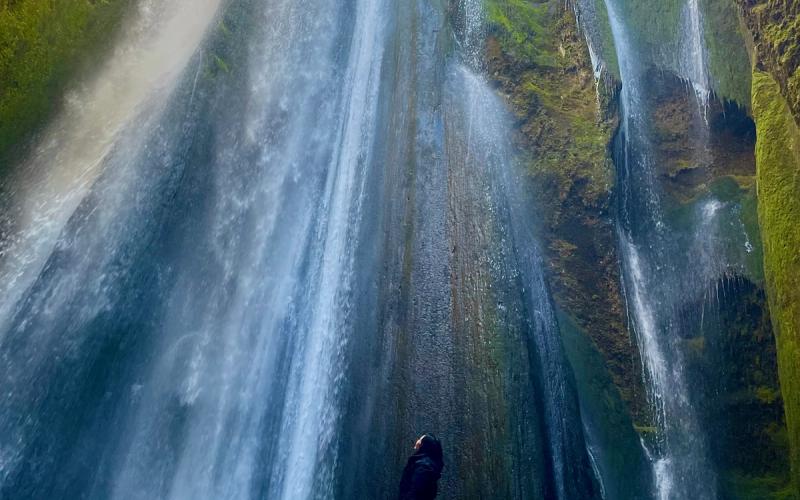
Blue-water waterfall on the Brúará river, reached by official walking access in the Golden Circle area.


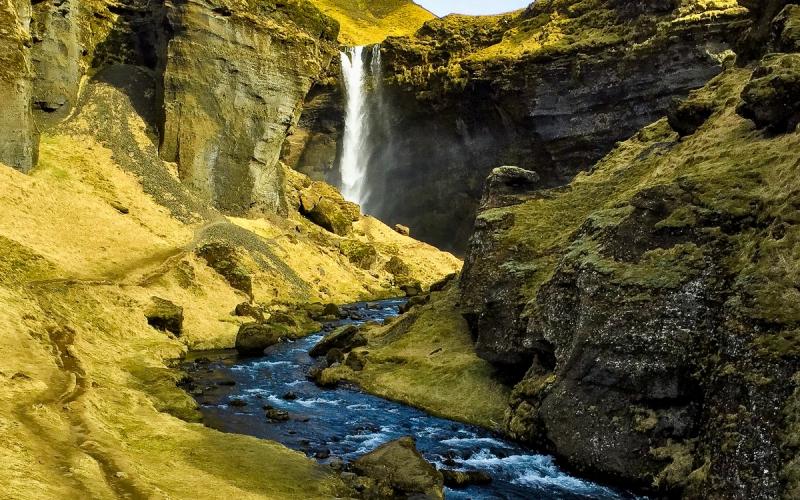
Kvernufoss
30-metre waterfall in a narrow gorge near Skógar, with a path behind the cascade in suitable conditions.

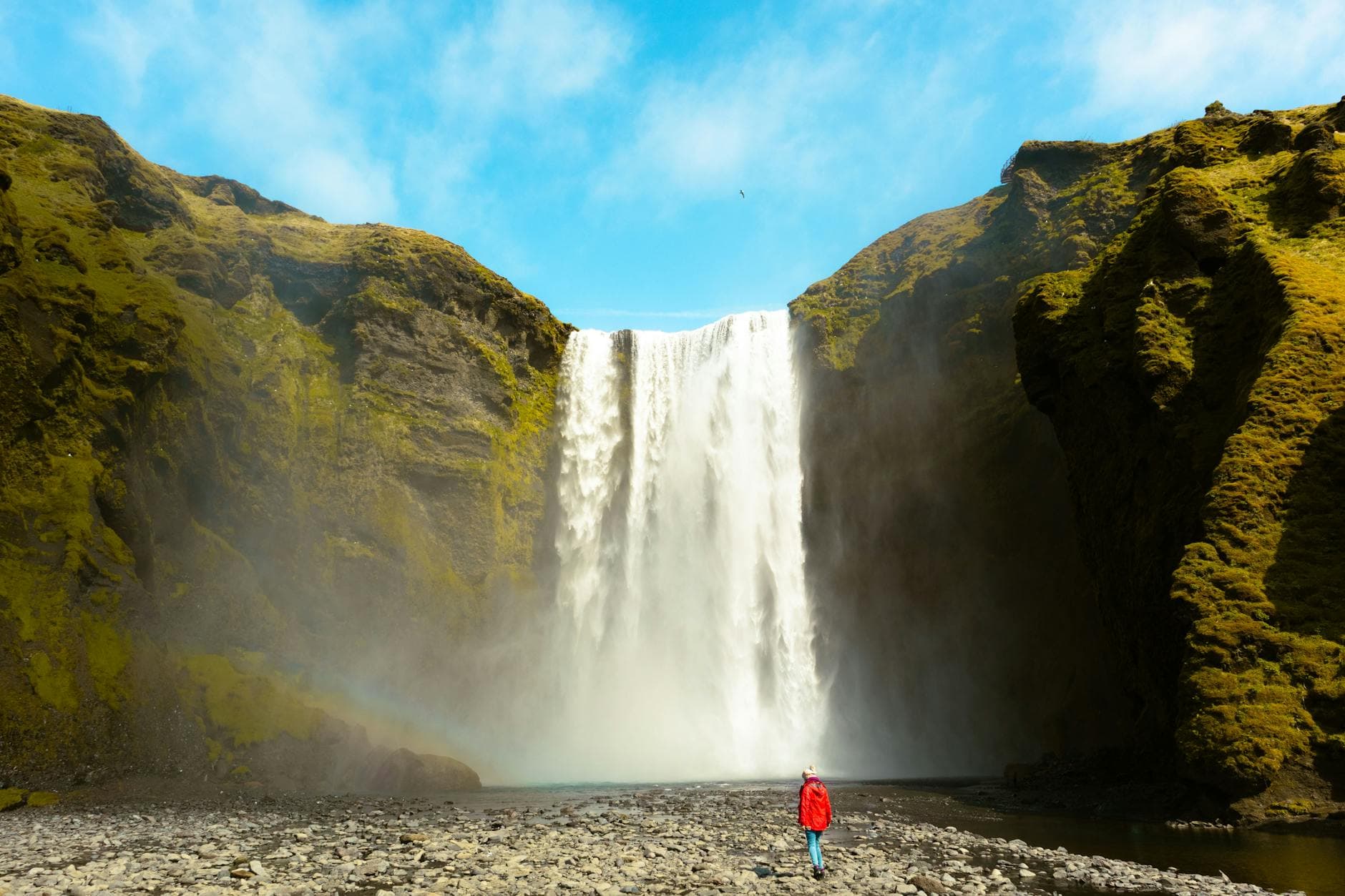
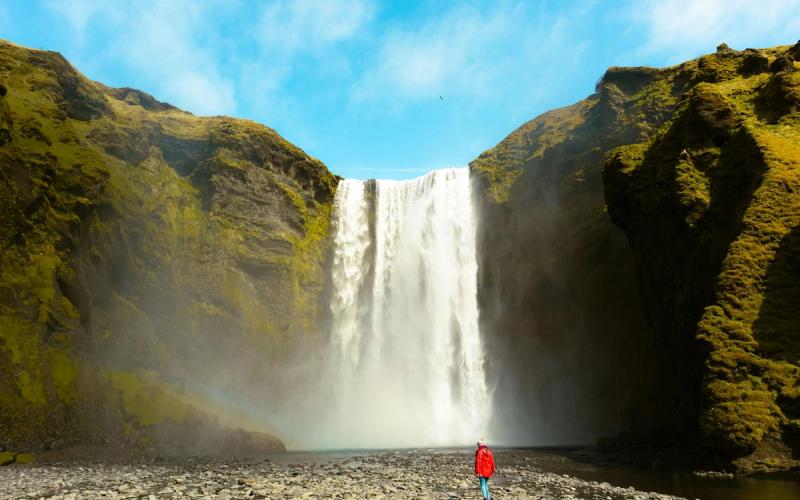
Skógafoss
Broad 60-metre waterfall by Skógar with viewpoints at the base and above the falls.

Dynjandi
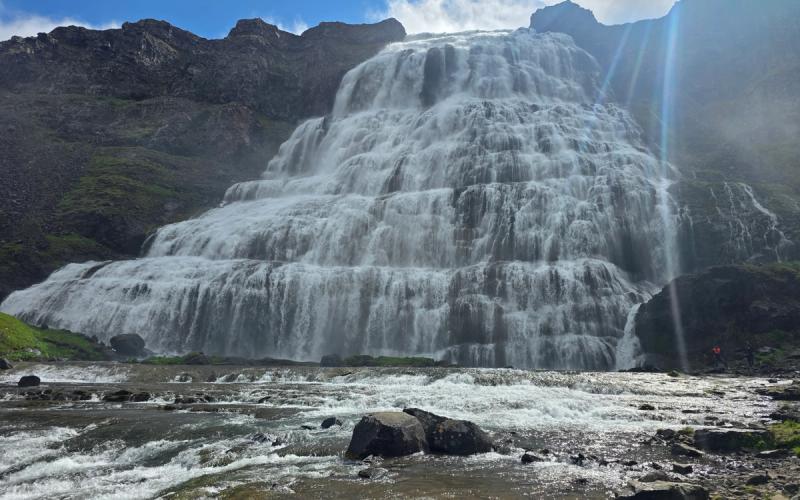
Dynjandi, also known as Fjallfoss, is the Westfjords' majestic 100-meter tiered waterfall, fanning out like a bridal veil.

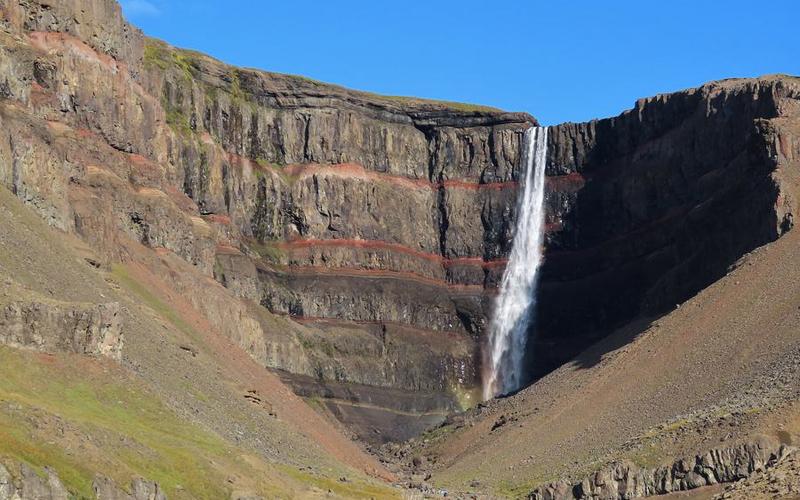
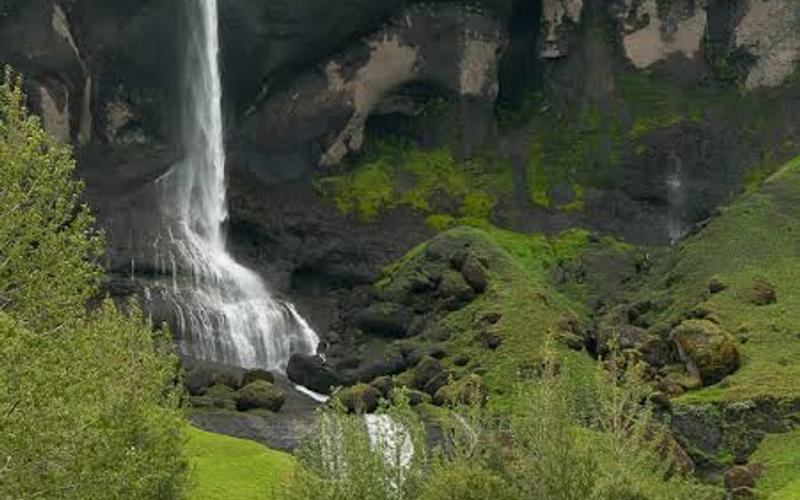
Folaldafoss
A powerful cascade tumbling over dark basalt cliffs, Folaldafoss is an Eastfjords' hidden gem.

Seljalandsfoss
60-metre South Coast waterfall with a path behind the cascade when conditions allow.

Gullfoss
Two-stage waterfall on the Hvítá river and one of the main stops on the Golden Circle.
 10 hours 30 minutes
South Coast Tour - Black Sand Beach, Plane wreck, Skogafoss, Seljalandsfoss guided in Chinese冰岛南岸黑沙滩飞机残骸中文一日团
Magic Iceland Travel
から
18,480 ISK
 10 hours
South Coast day tour in a small group
EastWest
から
20,990 ISK
 10 hours
South Coast Small Group Tour: Waterfalls, Glacier & Black Sand Beach
BusTravel Iceland
から
17,990 ISK
 12 hours
South Coast & Glacier Hike Minibus Tour
Troll Expeditions
から
22,552 ISK
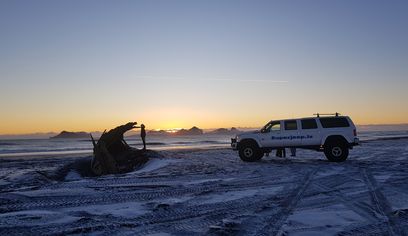 8 hours
DT 402 Private Monster Truck South Coast & Eyjafjallajökull Volcano Sights
Superjeep
から
423,200 ISK
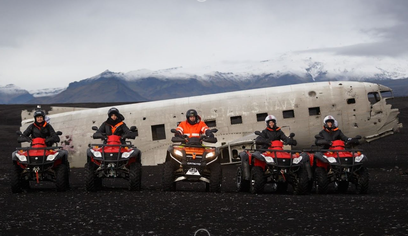 10 hours 30 minutes
South Coast & Plane Wreck Black Beach ATV Adventure
Reykjavik Excursions by Icelandia
から
47,499 ISK
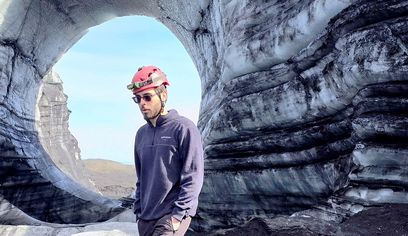 11 hours
Private Ice Cave Katla, South Coast Waterfalls & Black Sand Beach
Glaciers and Waterfalls
から
285,000 ISK
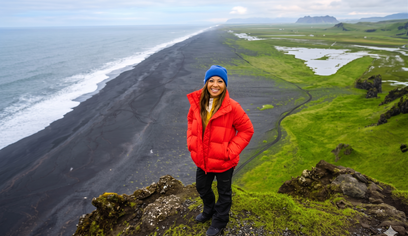 10 hours
South Coast | Private Tour | Photo Package included
Icelandic Roamers
から
240,000 ISK
 9 hours
Full Day 4x4 South Coast Tour (Private 1-4 Pax)
Crystal Cave Tours
から
212,160 ISK
Waterfall Explorer
124 of 124 waterfalls — search, filter or find falls near you
Browse by Experience
What kind of waterfall are you looking for?
Walk Behind
Waterfalls you can walk behind
2 waterfalls →
Hidden Gems
Off the beaten path — few tourists, pure Iceland
22 waterfalls →
Most Powerful
Raw glacial force — Europe's mightiest falls
20 waterfalls →
Highest
Iceland's tallest drops
3 waterfalls →
Family Friendly
Easy paths and safe viewpoints for all ages
5 waterfalls →
Easy Access
Steps from the parking lot
7 waterfalls →
Photography
Rainbows, reflections and epic compositions
3 waterfalls →
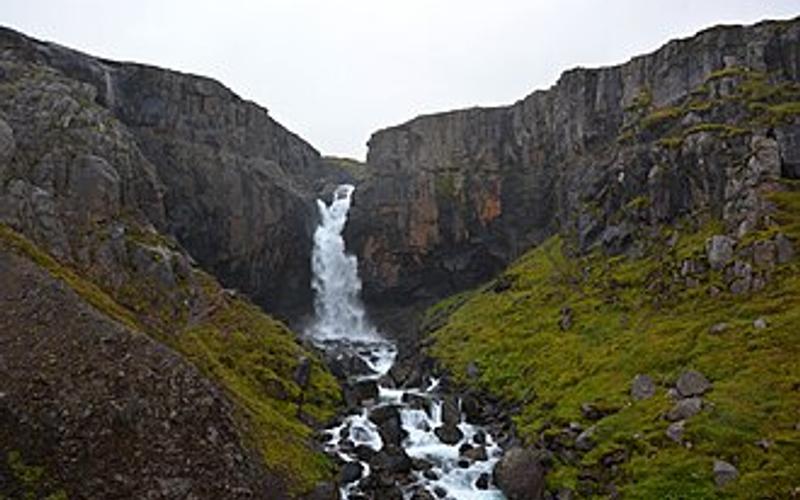
Short Hike
Earn the view — under 2 hours round trip
6 waterfalls →
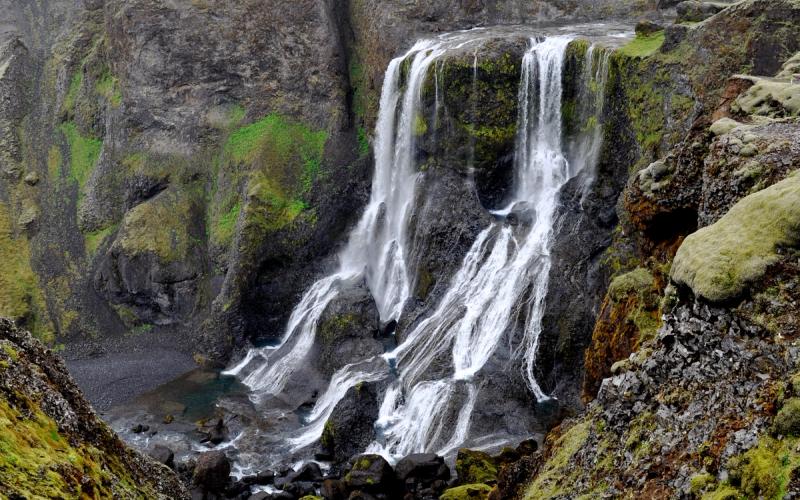
Highlands
Remote falls in the wild interior (4×4 season)
6 waterfalls →
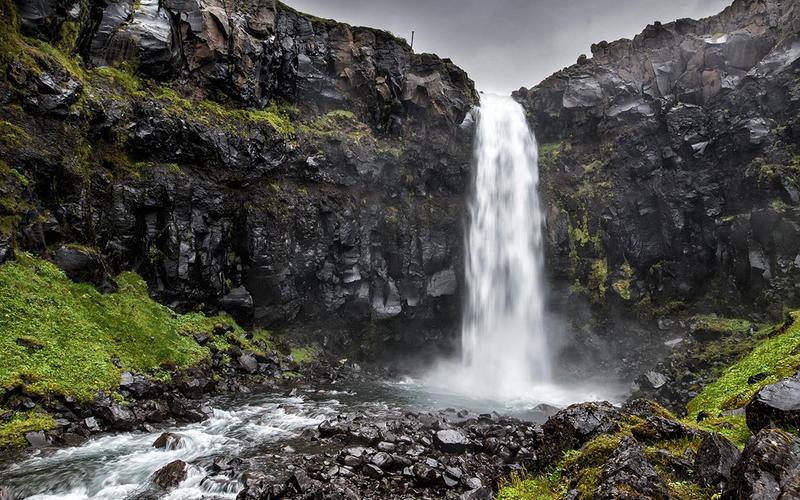
Winter
Frozen curtains and northern lights backdrops
65 waterfalls →
Waterfall Road Trips
Curated routes — one click loads every stop into your Trip Planner
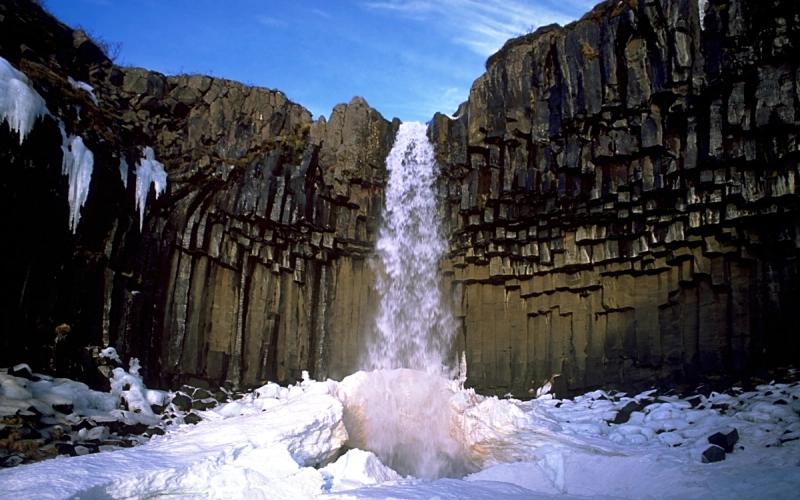
South Coast Waterfall Trail
The classics in one day — walk behind Seljalandsfoss, find hidden Kvernufoss, stand under Skógafoss and hike to Svartifoss.
Skógafoss
Svartifoss
Golden Circle Waterfalls
Gullfoss and the blue wonder Brúarfoss, then detour into Þjórsárdalur for Háifoss and Hjálparfoss.
Brúarfoss Waterfall
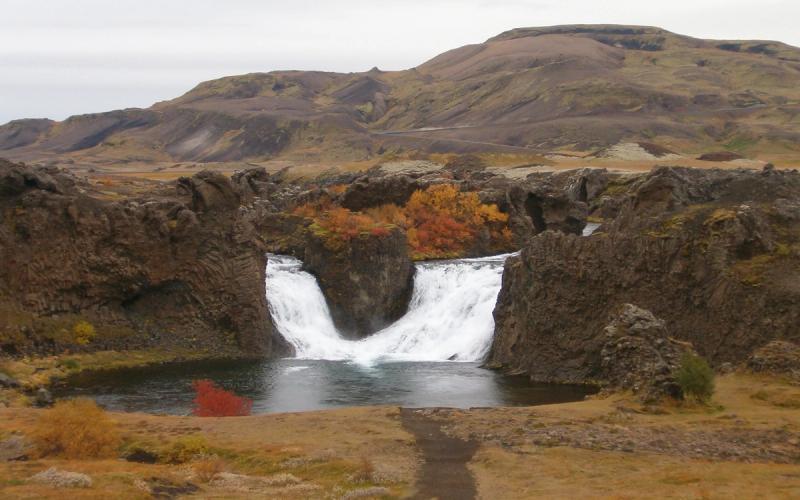
Hjálparfoss
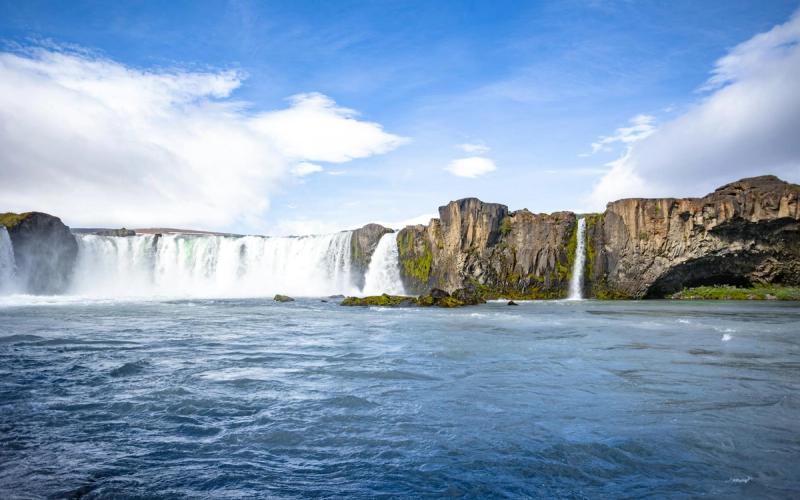
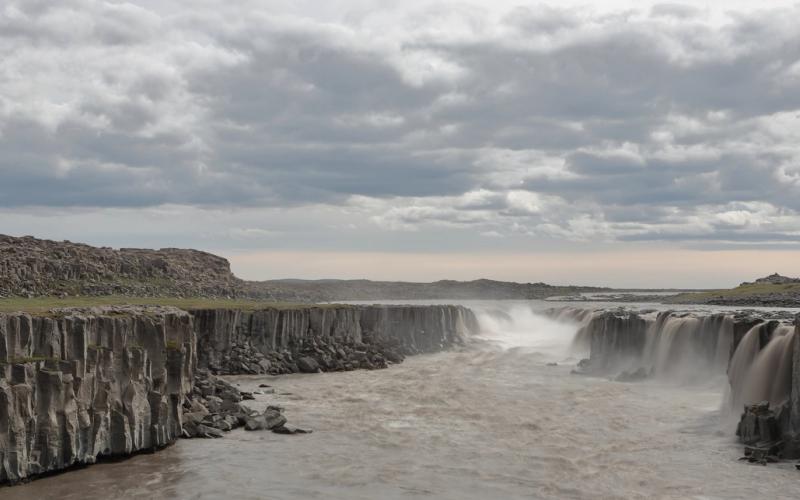
North Iceland Waterfall Route
From Goðafoss to the basalt columns of Aldeyjarfoss and Europe's most powerful waterfall, Dettifoss.
Goðafoss
Aldeyjarfoss
Selfoss Waterfall
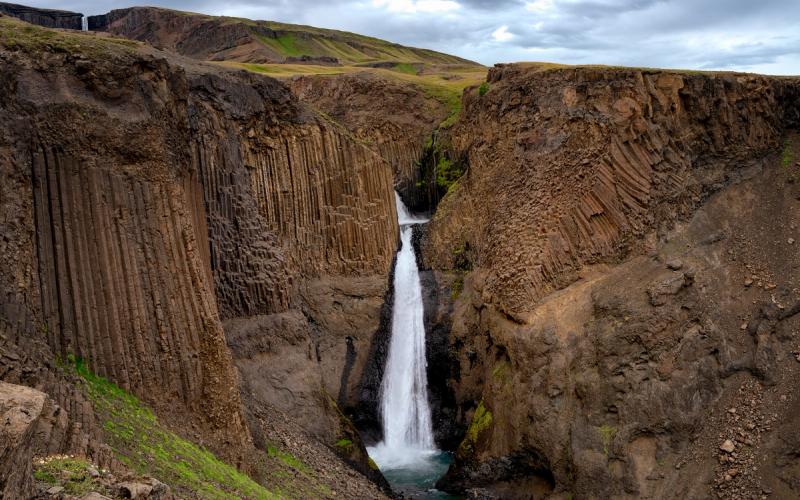
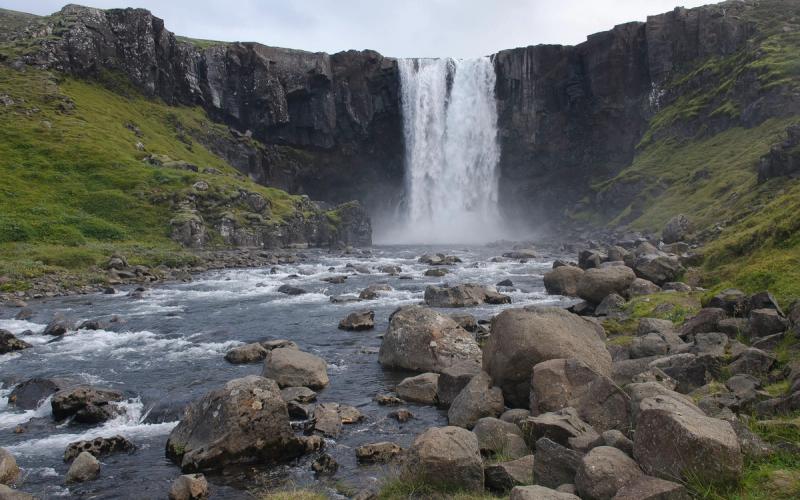
East Iceland Waterfall Trail
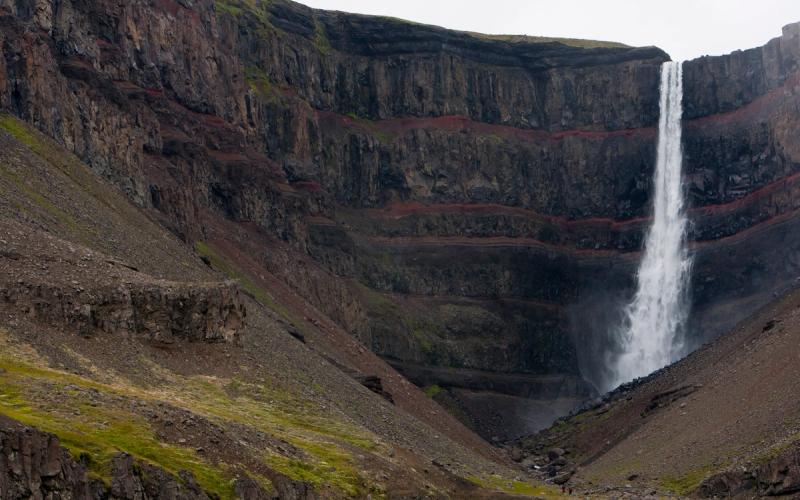
Hike to Hengifoss above the basalt-framed Litlanesfoss, with Fardagafoss and Gufufoss by Seyðisfjörður.
Litlanesfoss Waterfall
Fardagafoss
Gufufoss
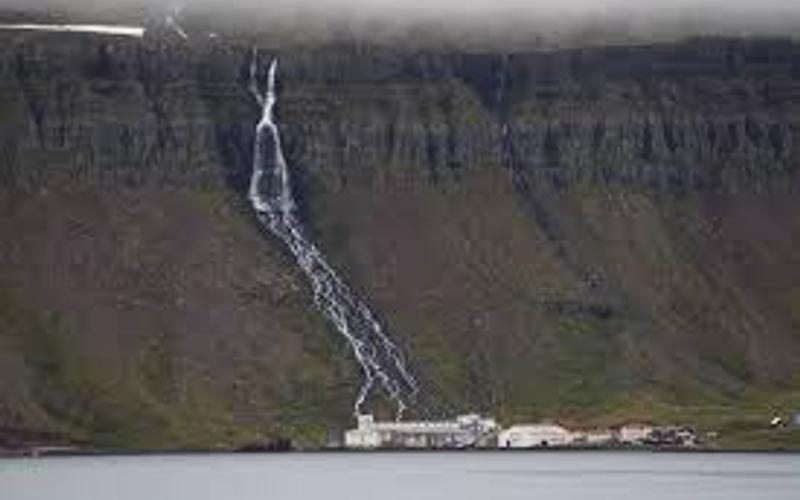
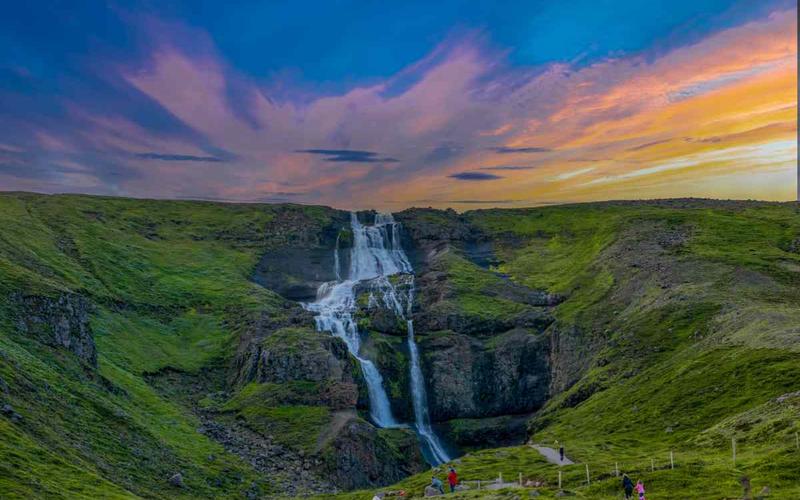
Westfjords Hidden Falls
The bridal-veil giant Dynjandi and the falls almost nobody visits along the Strandir coast.
Dynjandi
Djúpavíkurfoss
Rjúkandi
Kerlingarfoss
Ring Road Waterfalls
The ultimate circle — every must-see waterfall on Route 1, from the south coast to the north.
Skógafoss
Svartifoss
Goðafoss
Hraunfossar
Photography Guide
Where and how to shoot Iceland's waterfalls
Best at Sunrise
Seljalandsfoss faces west but glows at dawn from behind; Skógafoss catches first light on clear mornings with almost no crowds before 8 AM.
Best at Sunset
Kirkjufellsfoss with Kirkjufell mountain is Iceland's most photographed sunset frame. Goðafoss turns gold under the midnight sun in June–July.
Rainbow Spots
Skógafoss throws a double rainbow on sunny days around midday. Gullfoss and Dettifoss mist up rainbows whenever the sun is out.
Drone Friendly
Háifoss, Aldeyjarfoss and Strútsfoss allow dramatic aerials with few people. Always check current rules — drones are banned at crowded falls and in national parks.
Long Exposure Tips
Bring an ND filter (6–10 stops), a tripod and a lens cloth — spray is constant. 0.5–2 s exposures give silky water while keeping texture.
Northern Lights Falls
Goðafoss, Kirkjufellsfoss and Seljalandsfoss are the classic aurora foregrounds — dark skies, easy access and parking beside the falls.
Waterfalls Through the Seasons
Each season transforms the falls completely
Spring (Apr–May)
Snowmelt swells every river — waterfalls are at their most powerful. Fewer tourists, but highland falls like Háifoss remain closed until late May.
Summer (Jun–Aug)
Everything is open, including F-road falls like Aldeyjarfoss. Midnight sun means you can shoot at 1 AM with golden light and empty car parks.
Autumn (Sep–Oct)
Golden birch and moss frame the falls, northern lights return, and the summer crowds vanish. Hengifoss and Glymur hikes are at their prettiest.
Winter (Nov–Mar)
Frozen curtains and blue ice at Gullfoss, Goðafoss and Seljalandsfoss. Stick to south coast and Golden Circle falls — many others are inaccessible.
ガイド付き体験
アイスランドのツアー・日帰り旅行
ゴールデンサークル、オーロラ観賞、ホエールウォッチング、氷河ハイキング、溶岩洞窟ツアーなど。あなたのスタイルでアイスランドを探索しよう。
Accommodation
Where to Stay for Waterfall Chasing
Hotels and guesthouses on the South Coast — base yourself here for Seljalandsfoss, Skógafoss and Gullfoss
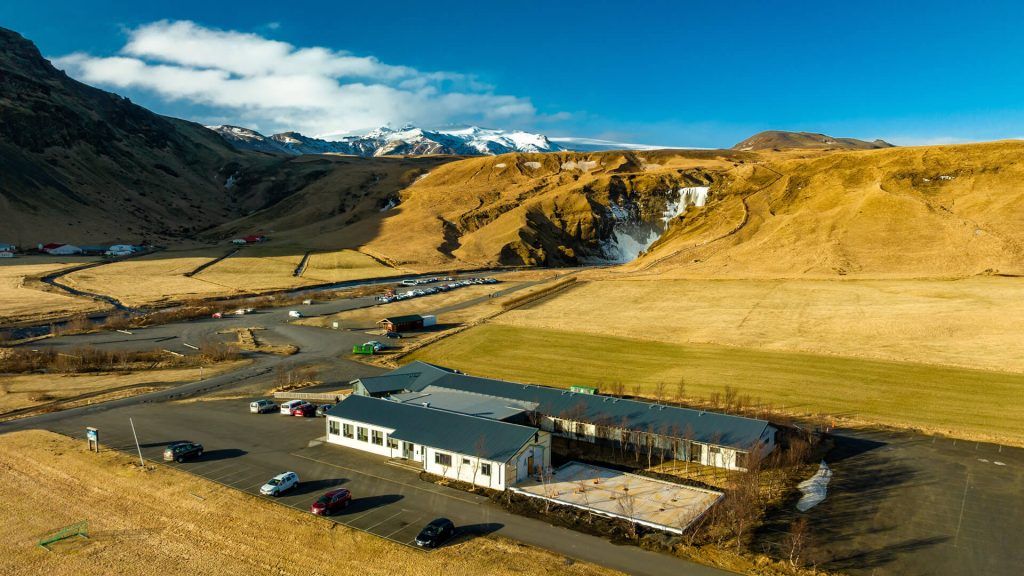 Hotel876 m
Hótel Skógá
Experience Icelandic tranquility at Hótel Skógá, steps from the majestic Skógafoss waterfall.
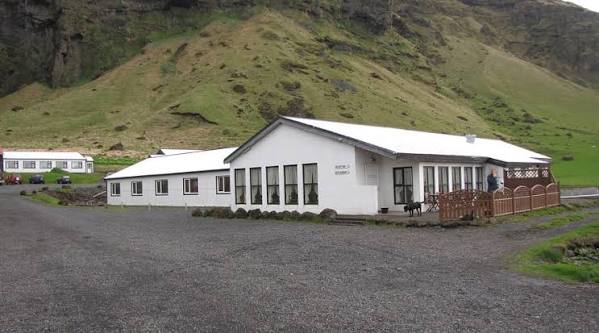 Hotel1.6 km
Hótel Drangshlíð
Experience rustic charm and stunning South Iceland scenery at Hótel Drangshlíð.
 Guesthouse5.8 km
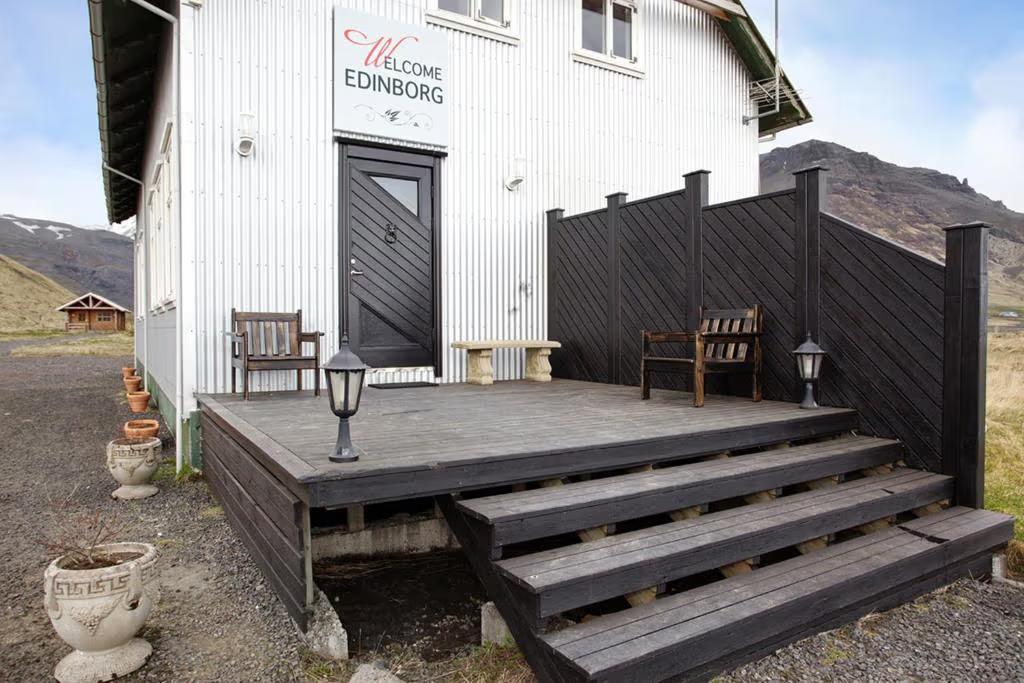
Welcome Edinborg
Charming guesthouse with a rustic wooden deck, nestled amidst the stunning South Iceland landscape.
 Hotel6.1 km
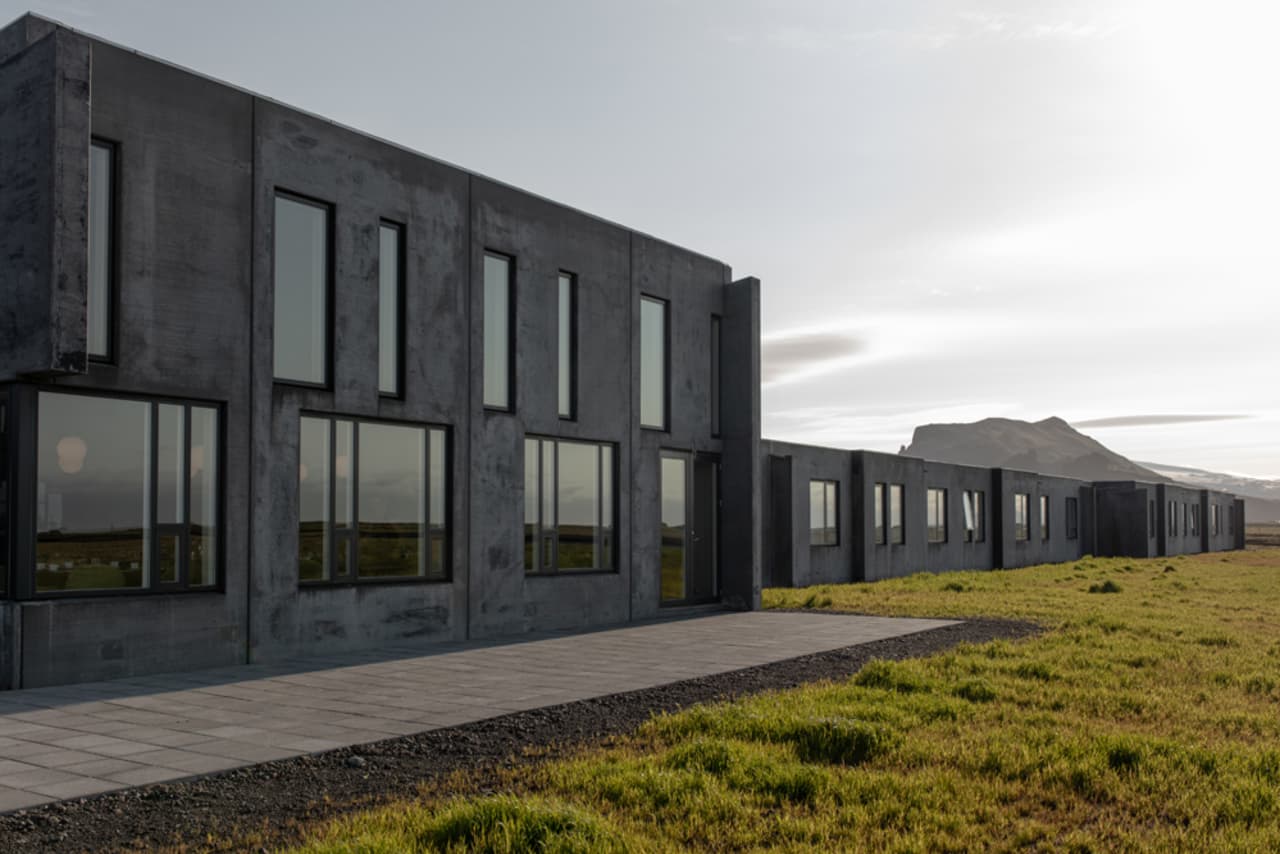
Umi Hótel
Experience modern design amidst South Iceland's breathtaking landscapes at Umi Hótel.
 Guesthouse6.4 km
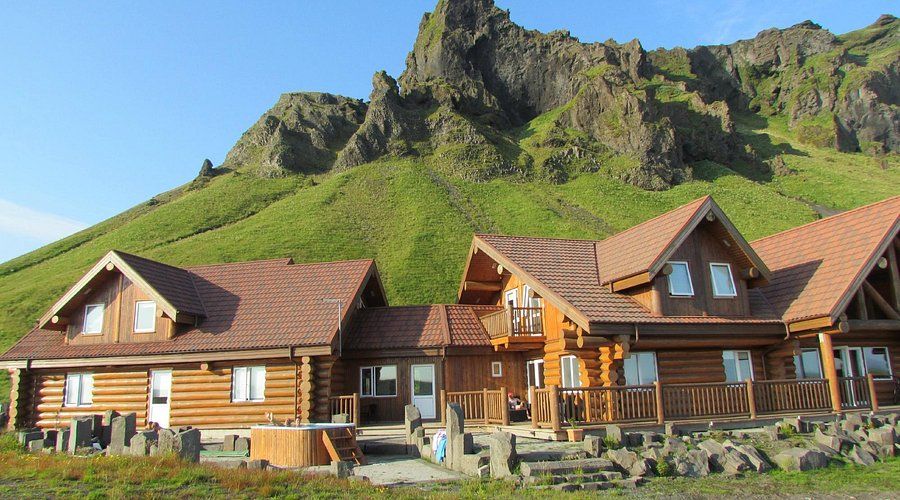
Welcome Lambafell
Experience rustic charm and mountain serenity at Welcome Lambafell, featuring cozy log cabins and an outdoor hot tub amidst stunning South Iceland scenery.
 Guesthouse10.9 km
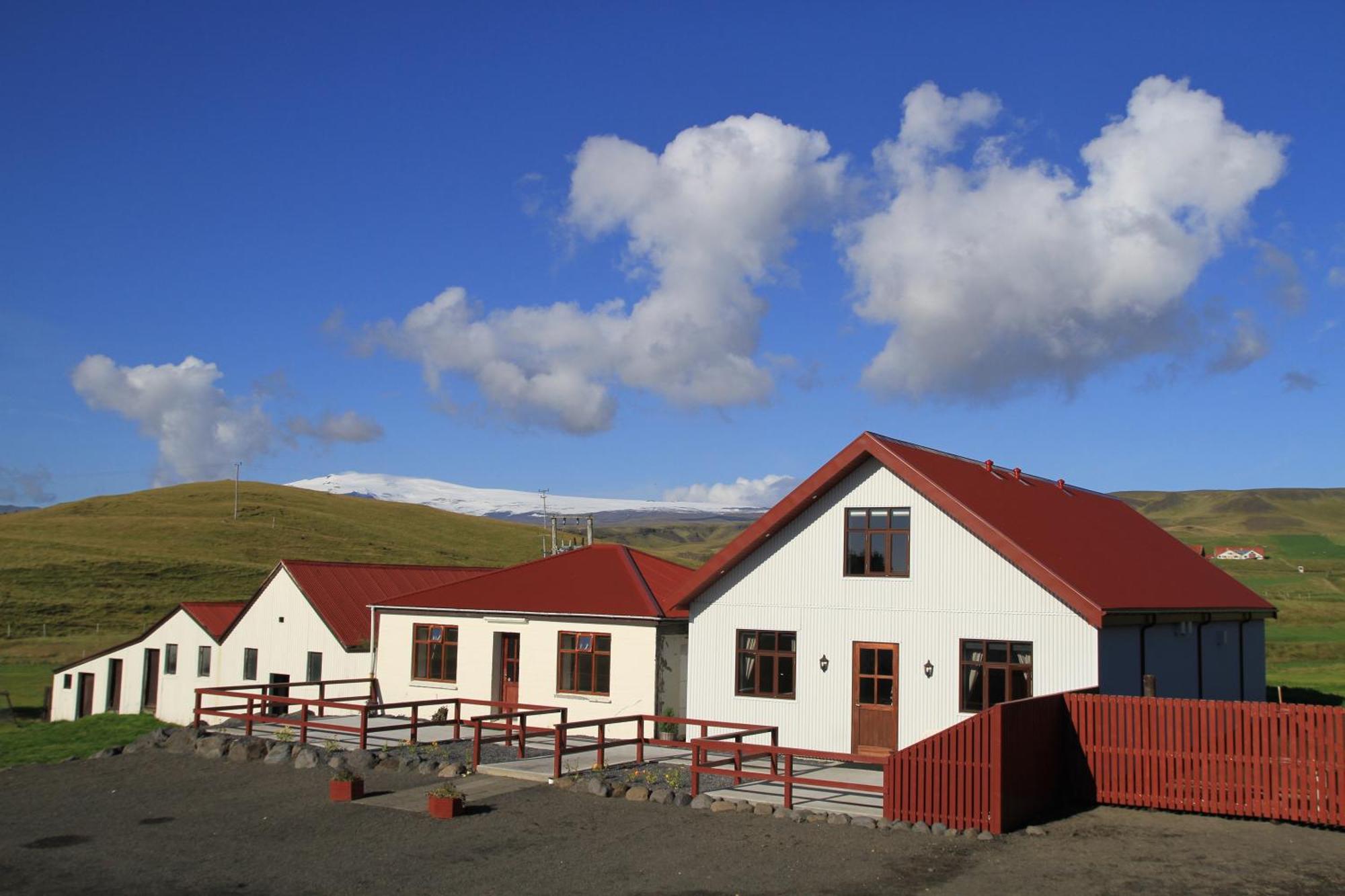
Sólheimahjáleiga
Experience tranquil Icelandic hospitality at Sólheimahjáleiga, nestled amidst green hills with glacier views.
ヘルプ
よくある質問
アイスランドの滝を訪れる前に知っておくべきこと
アイスランドで最も有名な滝は何ですか?
+
グトルフォスはアイスランドで最も有名な滝で、ゴールデンサークルルートに位置しています。南海岸のセルヤランスフォスとスコーガフォスも最も訪問される滝の一つです。純粋なパワーでは、北アイスランドのデティフォスはヨーロッパで最も強力な滝です。
アイスランドで滝の裏を歩けますか?
+
はい——南海岸のセルヤランスフォスには、訪問者が滝の真後ろを歩ける道があります。冬の凍結条件を除き、ほぼ一年中開放されています。道が非常に濡れるので防水服を着てきてください。
アイスランドで最も高い滝は何ですか?
+
モルサールフォスは228メートルで技術的に最も高いですが、非常に遠隔地にあります。グリムールは198メートルでアイスランドで最も高い到達可能な滝で、ハイキングに人気です。
冬にはどのアイスランドの滝が最もいいですか?
+
セルヤランス、スコーガ、グトルフォスはすべて冬に劇的で年中アクセス可能です。キルキュフェルスフォスはオーロラ撮影のために冬に特に人気です。
アイスランドの滝は無料で訪問できますか?
+
アイスランドのほとんどの滝は無料で訪問できます。セルヤランスやスコーガなど一部の滝には近くに有料駐車場があります。滝自体への入場は常に無料です。
滝を訪問するには何を持参すればいいですか?
+
防水ジャケットとパンツ(特にセルヤランスフォス向け)、グリップのしっかりしたハイキングブーツ、レンズ布付きのカメラ、暖かいレイヤー。冬にはアイスパスも持参し、寒さで消耗が早いので予備の電池も。
🌌 See the Northern Lights
Track real-time aurora activity and plan your Northern Lights trip with AuroraVision.
Find Hotels in Iceland
From cozy Reykjavík guesthouses to remote Highland lodges — thousands of properties with free cancellation and best price guarantee.
ガイド付き体験
アイスランドのツアー・日帰り旅行
ゴールデンサークル、オーロラ観賞、ホエールウォッチング、氷河ハイキング、溶岩洞窟ツアーなど。あなたのスタイルでアイスランドを探索しよう。