
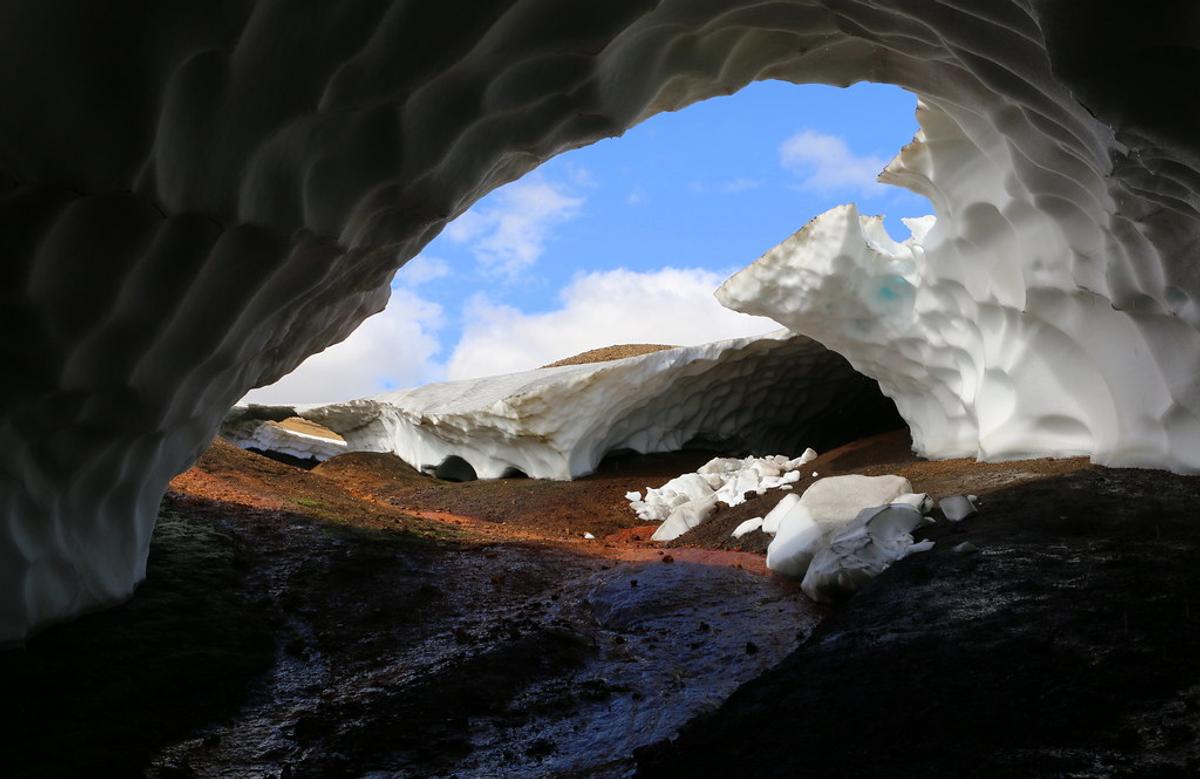
Ice cave at Hrafntinnusker
Seasonal geothermal ice formations in the remote Hrafntinnusker highlands.
概要
訪問時間
1–2 hours (for the cave visit itself, not including travel)
最適な季節:
Late morning to early afternoon (for best light), July–September (for access to the highlands)
アクセス
4WD required to access the Hrafntinnusker area via mountain roads (F-roads), often only open in summer. Guided tours are highly recommended due to the challenging terrain and remote location.
GPS
63.9333, -19.1803
について
Ice cave at Hrafntinnuskerについて
Seasonal geothermal ice formations in the remote Hrafntinnusker highlands.
Ice cave at Hrafntinnuskerへレンタカーで
車で訪れる予定ですか?地域に合う車種を比較し、旅行日程に応じた実際のレンタカー料金を確認できます。
ここでリアルタイムの空車を検索
重要:4WD/AWD であっても Fロードの走行が許可されるとは限りません。正確なルート、車両、レンタル契約をレンタカー会社にご確認ください。4WD でも閉鎖道路や渡河が禁止されている場合があります。
車種は提案であり、リアルタイムの料金や在庫ではありません。GoIceTravelは追加費用なしで紹介料を受け取る場合があります。
写真
ギャラリー
背景
歴史と背景
The geological history of Hrafntinnusker is deeply intertwined with Iceland's volcanic past. The cave itself is an ancient lava tube, formed thousands of years ago during intense volcanic eruptions. As molten lava flowed across the surface, its outer layers cooled and hardened, while the fiery core continued to flow beneath, eventually draining away to leave behind hollow tubes and vast caverns like this one. Over millennia, these volcanic structures have become canvases for glacial artistry. In the cold climate of the Icelandic highlands, persistent snow and meltwater seep into these lava tubes, freezing and thawing to sculpt the incredible ice formations seen today. The name Hrafntinnusker, meaning "Obsidian Skerry," further emphasizes the area's volcanic origins, with abundant black volcanic glass found nearby. This dynamic interplay of ancient volcanic bedrock and ever-changing ice makes the Ice Cave at Hrafntinnusker a unique and living testament to Iceland's powerful geological forces.
Hrafntinnusker is a geothermal area of obsidian, steaming ground and lingering snowfields. In places, geothermal heat melts cavities beneath snow and ice and can create striking ice-cave formations. Conditions change from season to season and unstable snow, hot ground and remote terrain make close exploration potentially hazardous. Visitors should follow current local guidance and never assume an ice opening is safe to enter.
場所
場所
もっと探索