
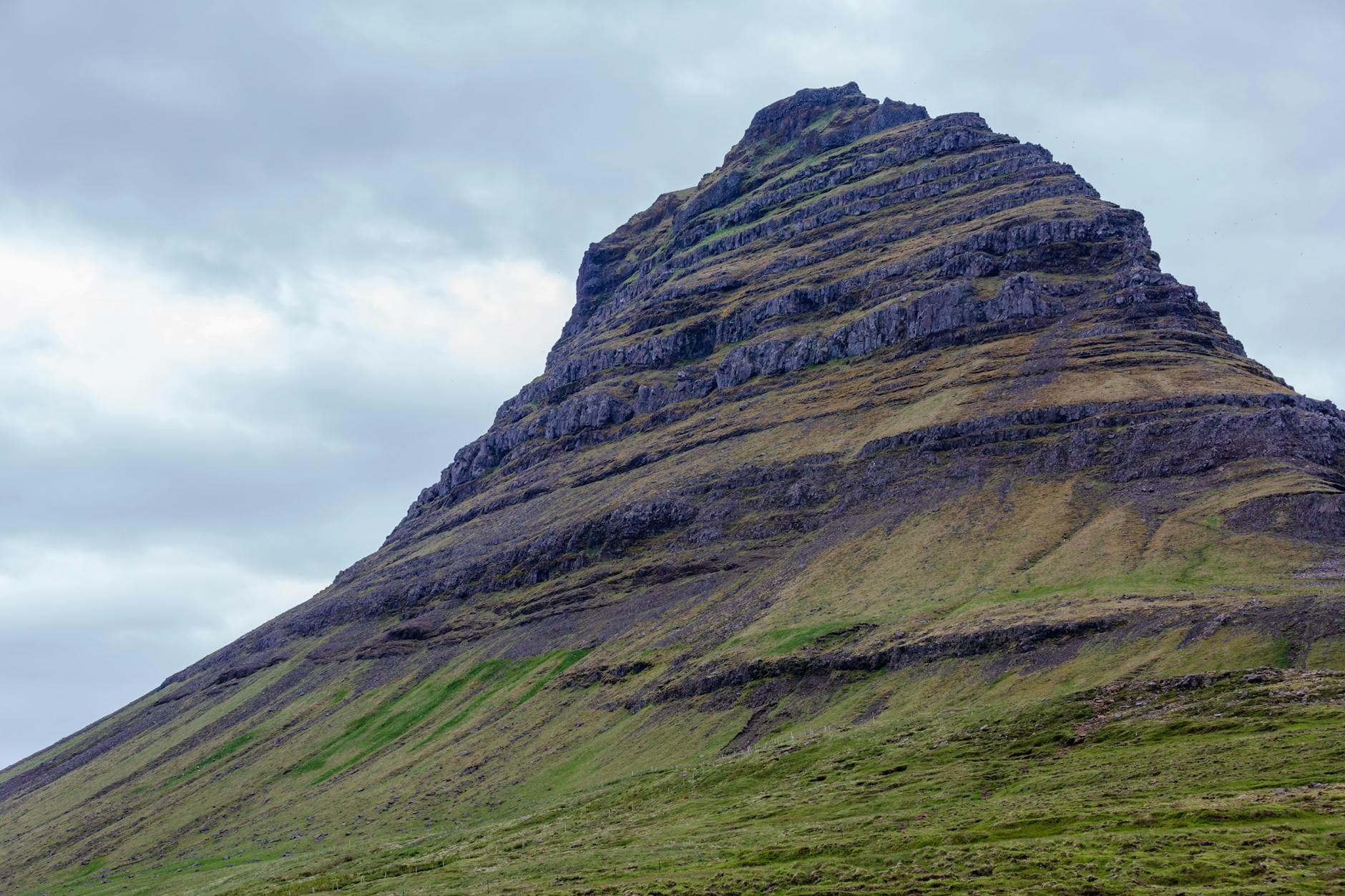
Ísland · Heildarhandbók fyrir janúar · 2026
Ísland í janúar
Heildarleiðarvísir fyrir vetur
Langar nætur gefa færi á norðurljósum, íshellaferðir með leiðsögn og jarðhitaböð í snjó — og mun færri ferðamenn en á sumrin. Hér er allt sem þú þarft að vita áður en þú ferð.
Af hverju fara til Íslands í janúar?
January is Iceland at its most raw, most honest, and — for the right traveller — its most rewarding. The summer crowds are long gone. After the New Year holidays, flights and accommodation are often cheaper than in summer, though prices still vary by date. And the forces that make Iceland remarkable — volcanic geology, geothermal heat, the aurora borealis — do not take a winter break.
The trade-off is real. Days are short: roughly four and a half hours of daylight at the start of the month, rising to about seven by the end, framed by golden-hour light that photographers travel across the world to capture. Temperatures in Reykjavík sit around freezing, though wind chill can make it feel considerably colder inland and in exposed coastal areas. Highland F-roads are firmly closed.
But if you can dress for it and drive carefully, January unlocks experiences that are simply unavailable in summer. Guided tours into Vatnajökull's natural ice caves typically run from around November to March, when cold weather keeps cave conditions more manageable — though access is always decided by the guides on the day. The aurora can appear on clear nights when solar activity cooperates, and long nights give you many dark hours in which a clear window might open — but it is never guaranteed. Geothermal lagoons steam magnificently against snow-dusted lava fields. And the South Coast waterfalls, Jökulsárlón glacier lagoon, and the Golden Circle look like scenes from a nature documentary you have watched but never believed you could visit.
This guide covers everything: the real weather, the daylight mathematics, how to drive safely on winter roads, the best tours open in January, where to stay, what to pack, and a set of honest itineraries for three, five, and seven days.
Why January works
- Long nights — many dark hours for Northern Lights chances on clear nights
- Natural ice cave tours typically running (guided only, conditions permitting)
- Geothermal lagoons look extraordinary against winter scenery
- Often lower prices than summer, especially after the New Year holidays
- Minimal crowds — major sites nearly to yourself
- Magical golden-hour light from late morning to early afternoon
- Snow-covered landscapes unlike anything in summer
- Some whale-watching tours still run from Reykjavík (reduced, weather-dependent schedules)
Know before you go
- Only about 4½–7 hours of daylight — careful planning is essential
- Highland F-roads and interior routes are closed
- Winter storms can close roads and cancel tours with little warning
- Glacier and lava hiking requires more gear and caution
- Some tourist facilities run reduced hours or are closed
- Driving in snow and ice demands experience and the right vehicle
- Some ferries to the Westfjords and islands are reduced
Iceland Winter Travel Guide
Compare January with the other winter months
Driving in Iceland
Winter road safety, 4x4 advice and official road updates
Northern Lights Guide
When, where and how to see the aurora
Geothermal Lagoons
Blue Lagoon, Sky Lagoon, Secret Lagoon and more
Reykjavík in Winter
Culture, food and dark history
Things to Do
Complete activity guide for Iceland
All Travel Guides
Seasonal, regional and activity guides
Janúar í stuttu máli
🌡️
Average temperature
−1 to 2°C (30–36°F)
☀️
Daylight hours
About 4½ → 7 hours
🌌
Northern Lights
Long nights — clear skies needed
👥
Crowds
Very low — off-peak
🧊
Ice cave season
Guided tours, conditions permitting
🚫
Highland F-roads
Closed
🛣️
Ring Road
Mostly open (storms may close sections)
💰
Average daily cost
~$200–350 USD per person
Veðurfar í janúar
January weather in Iceland is highly variable, which is the single most important thing to understand before you arrive. According to the Icelandic Meteorological Office (Veðurstofa Íslands), Reykjavík sees average low temperatures of around −3°C and average highs of 2°C in January. Away from the coast, inland valleys and northern Iceland can be considerably colder. The defining factor, however, is almost never the temperature alone — it is the wind.
Temperature
Reykjavík averages −1 to 2°C in January, but wind chill regularly pushes the felt temperature well below −10°C. Inland areas such as the interior plateau reach −10 to −20°C. The north of Iceland, around Akureyri and Mývatn, tends to be colder and clearer than the south.
Wind
Iceland sits at the meeting point of Arctic and Atlantic air masses. January storms can bring wind speeds above 30 m/s (65 mph). The Icelandic Meteorological Office issues colour-coded weather warnings — always check vedur.is before driving. Yellow warnings mean be cautious; orange and red warnings may mean staying put entirely.
Snow & Ice
Snow is common across the country in January, but snow depth and consistency vary greatly by region. Reykjavík often has slushy, wet snow rather than deep powder. The eastern fjords and north can accumulate significant snowpack. Black ice on roads forms rapidly at dawn and dusk when temperatures oscillate around zero.
Rain
Iceland's south and west coasts receive significant rainfall even in winter. Reykjavík averages around 100mm of precipitation in January. Damp, grey days are common, though they can clear quickly as fronts move through. The east and north tend to have drier and clearer winters, making them excellent for aurora hunting.
Always check vedur.is (Icelandic Meteorological Office) before each day of driving. Colour-coded warnings: yellow = caution, orange = dangerous, red = stay put.
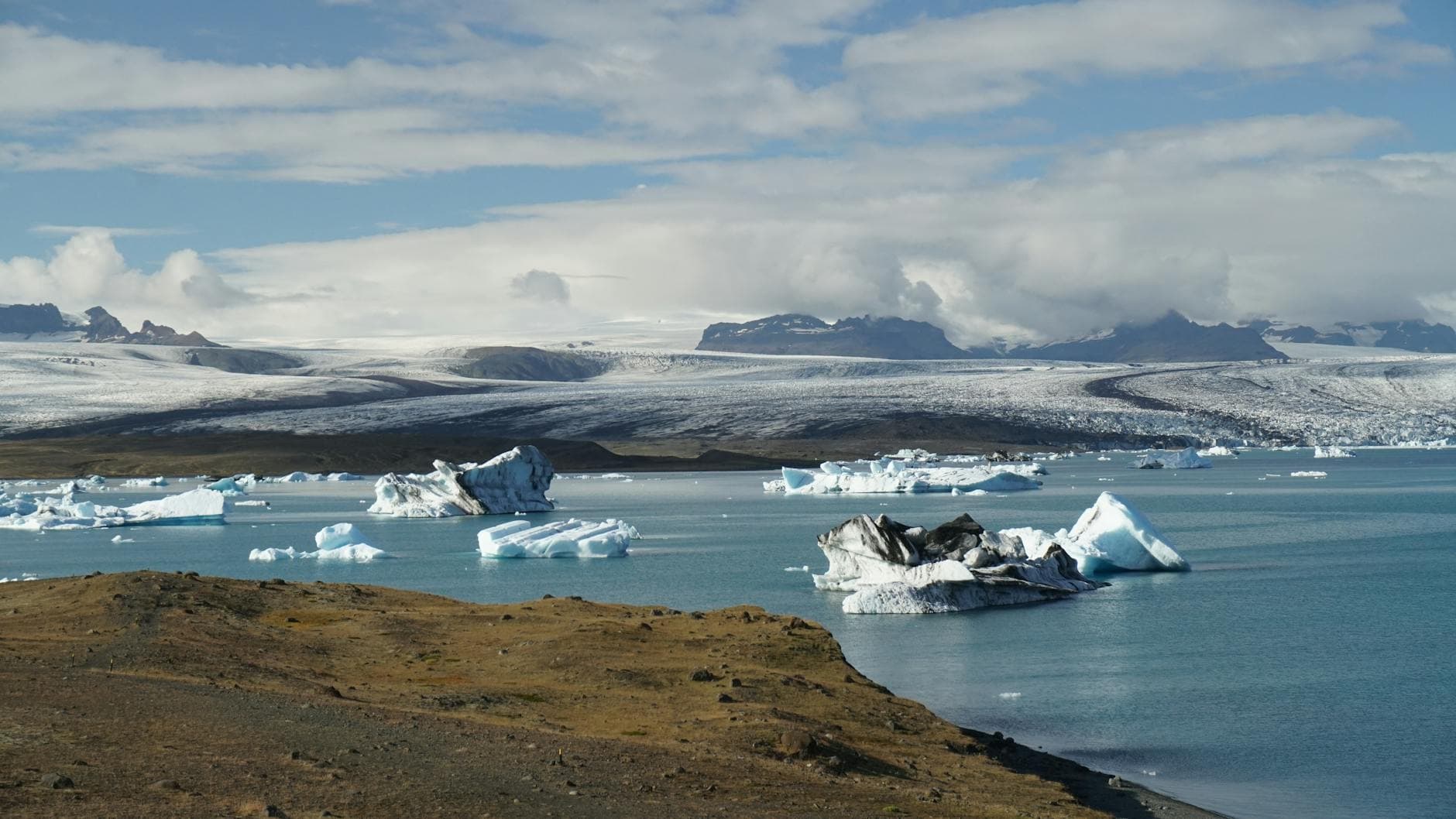
Jökulsárlón Glacier Lagoon — one of Iceland's most spectacular January destinations
Dagsljós og myrkur
Daylight is Iceland's scarcest resource in January. The winter solstice has just passed in late December, so January starts with some of the shortest days of the year — and daylight then grows quickly, by roughly two and a half hours over the month. Understanding the light is the key to planning a rewarding January trip.
Sunrise
Around 11:20 AM in early January; about 10:10 AM by month-end
Sunset
Around 3:45 PM in early January, rising to about 5:10 PM by month-end
Hours of light
About 4½ hours at the start of January; about 7 hours by the end
Golden hour all day
The sun never climbs high in January. This means the entire middle of the day behaves like a perpetual golden hour — soft, directional light from the south that photographers dream about. Plan your outdoor activities and drives for 11 AM to 3 PM.
The blue hour
The blue hour — the half hour before sunrise and after sunset — lasts longer in Iceland than almost anywhere else in January. Combined with a clear sky, this produces the deep blue backdrops that define iconic Iceland winter photography.
Planning tip
Plan 2–3 activities or drives per day. Two hours of driving consumes most of your daylight window. Prioritise outdoor and scenic stops in the middle of the day; save restaurants, museums, and geothermal pools for the long, dark evenings.
Norðurljós í janúar
January is one of the best months in the entire year to see the Northern Lights (aurora borealis) in Iceland. With long nights — around 19 hours between sunset and sunrise early in the month, about 17 by the end — even a few hours of clear sky can create a viewing window — something that is simply impossible in the near-24-hour daylight of summer.
Check the KP index
+
The KP index (planetary K-index) measures geomagnetic storm intensity on a scale of 0–9. In Iceland, a KP of 2 or above is usually enough to produce a visible aurora from dark rural locations. A KP of 4+ creates dramatic curtains visible even from city outskirts. Check the Icelandic Meteorological Office aurora forecast at vedur.is.
Get away from Reykjavík
+
Light pollution significantly reduces aurora visibility. Drive 30–45 minutes from Reykjavík — toward Þingvellir, the Reykjanes peninsula or the south coast — and you will be in genuinely dark sky territory. In north Iceland (Akureyri, Mývatn), winter skies tend to be clearer and darker.
Cloud cover is the main enemy
+
Iceland's weather changes quickly, but cloud cover is the biggest obstacle to aurora viewing. Check both the aurora forecast (vedur.is/english/weather/aurora-forecast) and the cloud cover map. On an overcast night in Reykjavík, it may be clear 60km away. Be prepared to drive.
Long nights give you more chances
+
With long hours of darkness, a partly cloudy January night may still open up windows of clear sky — though many nights stay fully overcast. The aurora also appears earlier in the evening — sometimes as early as 5 PM — which means you do not need to stay up until 2 AM as you might in shoulder season.
Book a guided aurora tour
+
Aurora guides track real-time conditions across the country and drive to the best clear-sky location on the night. If the lights do not appear, most reputable tour operators offer a free rebooking on the following nights of your stay.
See the Northern Lights
Track real-time aurora activity and plan your Northern Lights trip with AuroraVision.
Vegfaraðstæður og akstur
Driving in Iceland in January requires respect for conditions that can deteriorate from clear to white-out within minutes. The Icelandic Road and Coastal Administration (Vegagerðin) provides live road status at road.is — check it every morning before you drive, and again during the day.
Ring Road (Route 1)
Iceland's main highway circles the country and is ploughed and salted regularly, but it is not immune to closures. Sections in the north and east highlands are more vulnerable to drifting snow and ice. Always check road.is before departure and never assume a route is open because it was clear yesterday.
4x4 requirement
A 4x4 or AWD vehicle with winter tyres is strongly recommended in January. Rental car companies are required to fit winter tyres, but the type and quality vary. Studded tyres provide the most grip on ice; ask your rental company specifically about tyre type. A standard 2WD car is legal but unwise on most Icelandic roads in January.
Highland F-roads: completely closed
All interior F-roads — including routes to Landmannalaugar, Askja, Kerlingarfjöll and Þórsmörk — are closed from around October until late June. Attempting to drive an F-road in January risks not only your vehicle but your life. There is no mobile signal, no passing traffic and no rescue access in many sections.
Speed and ice
Posted speed limits assume dry conditions. In January, even the main road through Reykjavík can have patches of black ice at dawn and dusk. Reduce your speed, increase following distance and brake gradually. Avoid sudden steering inputs on icy surfaces.
Register your trip
Before any rural or long-distance drive, register your itinerary at safetravel.is. If you do not check in at your destination, search and rescue can be alerted. This takes two minutes and could save your life.
Compare Winter Rental Cars
Check current road and weather conditions first — a rental car does not make closed roads or severe warnings safe to drive.
Bestu upplifanirnar í janúar
The experiences that define Iceland in January — each one best in this season.

Vatnajökull Ice Caves
January falls within the typical natural ice cave season. Guided tours into Vatnajökull's blue ice caves usually run from around November to March, departing from the Skaftafell and Jökulsárlón area when guides judge conditions suitable. Caves change every winter, and tours can be cancelled or rerouted because of weather or cave conditions — never enter an ice cave without a certified guide.
💡 Book your ice cave tour before you book your flights — they sell out in January.
Explore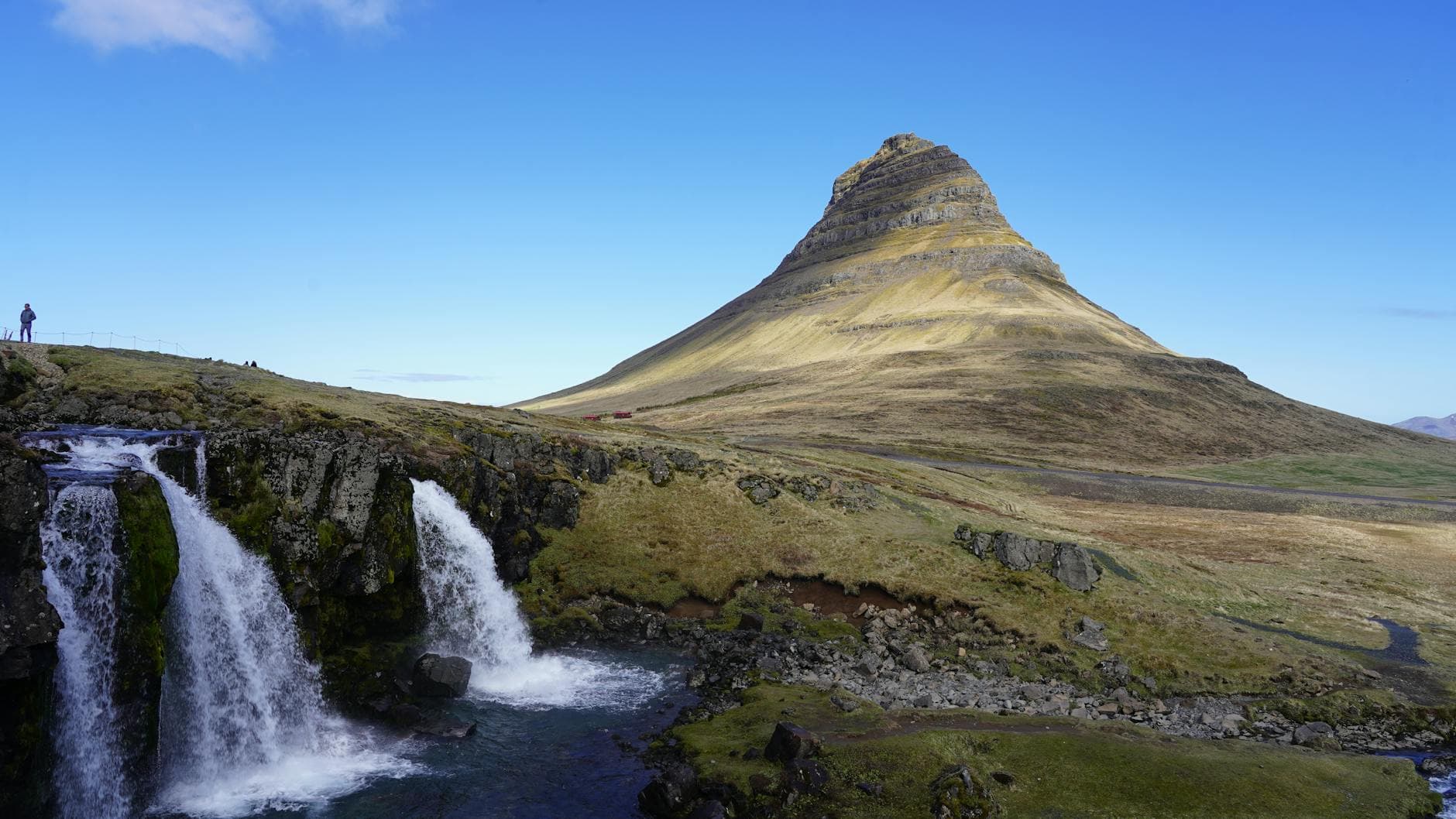
Northern Lights Hunting
With long nights and low light pollution outside Reykjavík, January offers many dark hours for aurora viewing. A high KP index is not always needed — on a clear night, even modest activity can be visible from a dark site — but displays vary greatly and cloud cover often decides the night.
💡 Download the vedur.is app for live aurora and cloud-cover forecasts.
Explore
Geothermal Lagoons & Hot Springs
Soaking in 38–42°C mineral-rich water while snowflakes fall around you and the sky turns midnight blue is a uniquely Icelandic pleasure. January is when lagoons are at their most atmospheric. The Blue Lagoon, Sky Lagoon, Secret Lagoon and the outdoor geothermal pools across the country generally operate year-round, but the Blue Lagoon has had temporary closures linked to volcanic activity on the Reykjanes peninsula — check its current status before you book.
💡 Book the Blue Lagoon and Sky Lagoon online well in advance — popular time slots sell out in January.
ExploreJökulsárlón & Diamond Beach
The glacier lagoon at Jökulsárlón is hauntingly beautiful in winter. Enormous icebergs drift past in near-silence; the blue ice glows on the beach beyond. January crowds are minimal, and the light between 11 AM and 3 PM turns everything the colour of mercury.
💡 Allow 2–3 hours at the lagoon. The 20-minute drive from Skaftafell is part of the experience.
Explore
The South Coast
Iceland's south coast concentrates more dramatic scenery per kilometre than almost anywhere on earth — and in January it looks nothing like its summer self. Seljalandsfoss waterfall can have ice curtains around its base. Skógafoss wears a collar of ice. Reynisfjara black sand beach is wild and powerful in January storms.
💡 The road through Vík can close in severe storms. Check road.is before driving past Selfoss.
Explore
The Golden Circle
Þingvellir under snow, the Geysir erupting against a steel-grey sky, Gullfoss half-frozen — the Golden Circle in January is a completely different experience from its summer version. The loop is accessible in most weather, making it the safest and most rewarding full-day January drive from Reykjavík.
💡 Start at 10 AM to make the most of the four-hour daylight window. Add the Secret Lagoon for a late-afternoon soak.
ExploreStay Near the South Coast & Glaciers
A South Coast base reduces the long winter drive back to Reykjavík after a day of ice caves, waterfalls or Jökulsárlón.
Attractions & Places

Ferryman Statue Saudarkrokur
north-iceland

Menntaskólinn í Reykjavík
capital-region

capital-region

House of Collections
capital-region

Viking Villsoutheasticelandage Movie Set Stokksnes
east-iceland

east-iceland

Skaftafellsjökull
south-iceland

Hofskirkja
south-iceland
Geothermal Lagoons & Hot Springs


Mæltar ferðir
Bookable tours available in January — ice caves, Northern Lights, glaciers and more.
 4 hours
LUX 110 Luxury Northern Lights Tour, Aurora Borealis
Superjeep
Frá
159,900 ISK
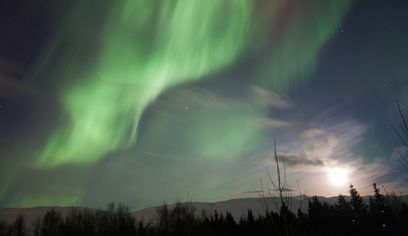 3 hours
Private Northern Lights Tour
Imagine Iceland Travel
Frá
129,000 ISK
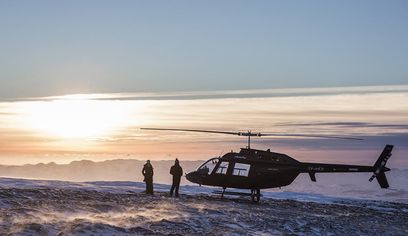 4 hours
Reykjavik by Helicopter & Northern Lights by Boat
Special Tours
Frá
50,690 ISK
 11 hours 30 minutes
The Golden Circle & Northern Lights - Combo Deal
Reykjavik Excursions by Icelandia
Frá
20,299 ISK
Read our Northern Lights tour guide — what to expect, the best months to book, and how to choose between tour types.
Read our first-hand Langjökull ice cave guide for a full account of what to expect inside Arctic Adventures' glacier tunnel tour.
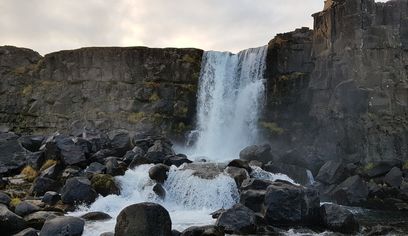 8 hours
DT 71 The Luxury Golden Circle and Secret Lagoon
Superjeep
Frá
249,500 ISK
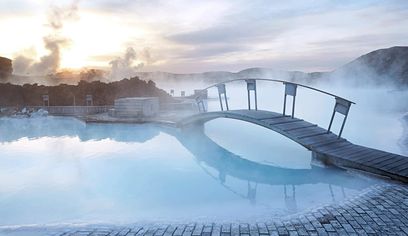 11 hours
Golden Circle Small Group Tour and Blue Lagoon Transfers
BusTravel Iceland
Frá
17,900 ISK
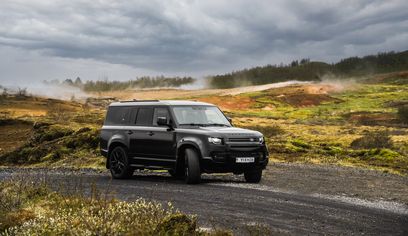 6 hours
DT 601 Private Golden Circle luxury SUV Express
Superjeep
Frá
209,000 ISK
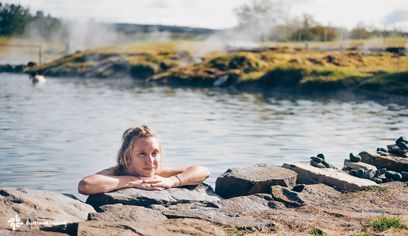 10 hours
Golden Circle & Secret Lagoon Tour
BusTravel Iceland
Frá
15,990 ISK
Golden Circle Afternoon Tour
A classic guided day covering Þingvellir, Geysir and Gullfoss with hotel pickup included.
Check Availability on Guide to IcelandSouth Coast Day Tour
A guided day covering Seljalandsfoss, Skógafoss, Vík and Reynisfjara with transfer from Reykjavík.
Check Availability on Guide to IcelandPlanning a Golden Circle tour from Reykjavík? Our guide covers what to expect at each stop, tour types and what to look for when booking.
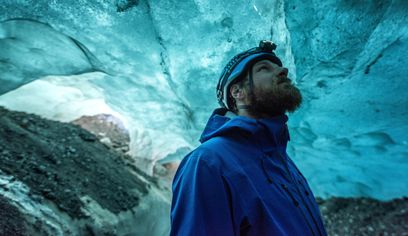 4 hours
Skaftafell Blue Ice Cave & Glacier Hike
Troll Expeditions
Frá
19,052 ISK
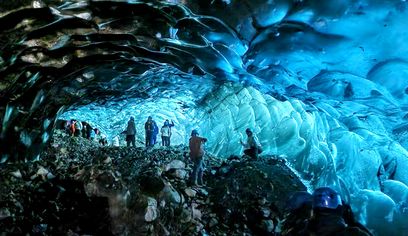 3 hours
Ice cave - Inside the largest glacier
Glacier Trips
Frá
23,900 ISK
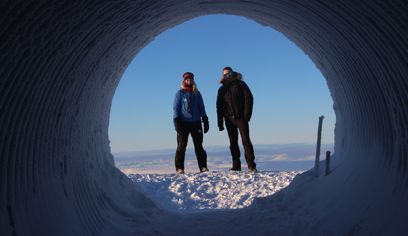 8 hours
DT 306 Private Superjeep Borgafjörður & Into The Glacier
Superjeep
Frá
269,400 ISK
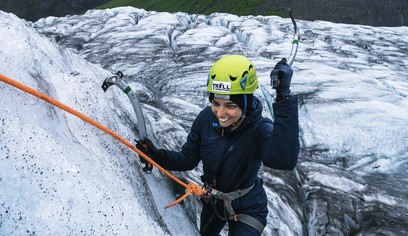 4 hours
Skaftafell Ice Climbing & Glacier Hike
Troll Expeditions
Frá
31,669 ISK
Sólheimajökull Glacier Hiking Tour
A certified-guide glacier walk across crevasses and blue ice on one of Iceland's most accessible glaciers.
Check Availability on Guide to IcelandLangjökull Snowmobiling from Gullfoss
A snowmobile excursion onto Langjökull glacier, departing near the Golden Circle route.
Check Availability on Guide to IcelandRead our first-hand snowmobiling on Langjökull guide for a full account of the Mountaineers of Iceland Gullfoss departure.
Accommodation
Where to Stay
Hotels, guesthouses and apartments in Iceland — January
Hotels in Reykjavík
Hotels
Luxury Hotels in Reykjavík
Luxury Hotels
Budget Hotels in Reykjavík
Budget Hotels
Family Hotels in Reykjavík
Family Hotels
Spa Hotels in Reykjavík
Spa Hotels
Spa Hotels near Sky Lagoon
Spa Hotels
Apartments in Reykjavík
Apartments
Hotels in Hella
Hotels
Hotels in Hvolsvöllur
Hotels
Hotels in Kirkjubæjarklaustur
Hotels
Hotels in Selfoss
Hotels
Hotels in Vík
Hotels
Luxury Hotels in South Iceland
Luxury Hotels
Budget Hotels in Selfoss
Budget Hotels
Budget Hotels in Vík
Budget Hotels
Family Hotels in South Iceland
Family Hotels
Spa Hotels in South Iceland
Spa Hotels
Apartments in Selfoss
Apartments
Apartments in Vík
Apartments
Guesthouses in South Iceland
Guesthouses
Cabins in South Iceland
Cabins
Hotels in Akureyri
Hotels
Hotels in Blönduós
Hotels
Hotels in Dalvík
Hotels
Hotels in Húsavík
Hotels
Hotels in Hvammstangi
Hotels
Hotels in Siglufjörður
Hotels
Hotels near Mývatn
Hotels
Luxury Hotels in Akureyri
Luxury Hotels
Budget Hotels in Akureyri
Budget Hotels
Spa Hotels near Mývatn Nature Baths
Spa Hotels
Apartments in Akureyri
Apartments
Guesthouses in North Iceland
Guesthouses
Cabins in North Iceland
Cabins
Cabins near Mývatn
Cabins
Hotels.com
Best prices · Free cancellation · 10% off with secret prices
Affiliate links — we may earn a commission at no extra cost to you.
Hvar á að borða
Iceland's restaurants are at their least crowded in January — the best time to get a table at the most popular spots.


Hvað á að pakka
Packing for Iceland in January is about managing layers systematically. The challenge is not the cold alone — it is the combination of cold, wind, wet and rapid temperature changes as you move between outdoor environments and heated interiors.
🧤 Thermal Base Layers
🧥 Mid Layers
🌧️ Outer / Shell Layer
👢 Footwear
📱 Electronics & Essentials
📋 Documents & Practical
Hvað á að klæðast
The Icelandic principle is simple: there is no bad weather, only bad clothing. The layering system used by Icelandic outdoor workers and mountain rescuers is the model to follow — not fashion, and not a single heavy coat.
Base layer — moisture management
Merino wool is the gold standard. It moves sweat away from skin, retains warmth even when damp, and resists odour. Avoid cotton as a base layer entirely — cotton absorbs moisture, loses all insulating ability and can lead to dangerous heat loss in wind.
Mid layer — insulation
A thick fleece jacket or a woollen lopapeysa (traditional Icelandic sweater) traps body heat. Down jackets work well in dry cold but lose insulation in wet conditions; synthetic fill performs better in wet Icelandic weather. In extreme cold, add a second mid layer.
Outer layer — wind and waterproofing
This is your most critical purchase. An outer shell must be fully waterproof (10,000mm hydrostatic head minimum), windproof and ideally breathable (Gore-Tex or equivalent). A shell that keeps out 30 m/s Icelandic wind will feel like a superpower on an exposed coastline.
Extremities — hands, feet, head
The extremities lose heat fastest. Wear wool liner gloves under waterproof outer mittens. For feet, thick wool socks inside waterproof insulated boots. Cover your ears at all times outdoors — a good hat or balaclava is not optional in January Iceland.
Öryggi í janúar
Weather warnings — stop and wait
Iceland's Meteorological Office issues orange and red weather warnings regularly in January. These are not suggestions. Orange warnings mean difficult and potentially dangerous conditions; red warnings mean extreme conditions with risk to life. Pull over, find accommodation and wait it out. No itinerary is worth your safety.
Never drive onto F-roads
F-roads are unpaved mountain tracks that cross glacial rivers and unstable terrain. In January they are covered in ice, unploughed and completely inaccessible to rescue services. Rental agreements are voided by F-road driving in winter. Ignore your GPS if it routes you onto an F-road.
Sneaker waves at coastal sites
Reynisfjara black sand beach and other cliff-base coastal sites are genuinely dangerous in January. Storm swells send waves across the sand with no warning. Never turn your back to the ocean. Stay well above the waterline and respect all warning signs.
Glacier and lava field access
Do not walk on glaciers without a guide and proper equipment. Crevasses hidden under snow are invisible and fatal. The same applies to lava fields covered in snow — the uneven surface conceals ankle-breaking holes. Always use a licensed glacier guide in January.
Register your trip
Before any rural drive or hike, register at safetravel.is. Enter your route, vehicle details and expected arrival. If you do not check in, search and rescue (ICE-SAR) will be alerted automatically. This service is free and takes less than two minutes.
Emergency number: 112
Iceland's single emergency number handles police, ambulance, fire and mountain rescue. The 112 app allows you to send your GPS location even without a call. Download it before you arrive. In remote areas, try to stay on high ground for better signal.
Emergency: 112 · Road status: road.is · Weather: vedur.is · Register trip: safetravel.is
Ljósmyndunartips
January is arguably Iceland's most photogenic month. The low sun, long blue hours, snow-dusted landscapes and potential for Northern Lights create images that look processed even when they are straight out of camera.
Golden hour all day
In January, the sun never rises more than 5–7 degrees above the horizon, producing the warm, raking light that normally lasts only a few minutes at sunrise and sunset. From about 11 AM to 3 PM, you have continuous golden-hour quality light. Schedule all exterior shots during this window.
Blue hour and twilight
The blue hour in Iceland in January is extraordinarily long — 40 to 60 minutes of deep blue sky before and after the daylight window. This light suits Jökulsárlón, coastal scenes, geothermal lagoons and Reykjavík city equally well. Bring a tripod.
Northern Lights photography
Use a wide-angle lens (f/2.8 or wider), set ISO to 1600–3200, and start with a 10–15 second shutter speed. Experiment shorter as activity increases — intense auroras blur with long exposures. Manual focus to infinity. A remote shutter release or 2-second timer prevents camera shake. Bring handwarmers to wrap around your camera battery.
Protecting your gear
Cold air holds almost no moisture, but condensation forms instantly when you bring cold equipment into a warm car or hotel room. Put your camera in a sealed bag or jacket before bringing it inside, and let it warm up gradually. Batteries drain in minutes in the cold; carry spares in a warm inner pocket.
Best January photography spots
Jökulsárlón glacier lagoon and Diamond Beach; Kirkjufell and Kirkjufellsfoss on Snæfellsnes; Seljalandsfoss with ice fringing; Þingvellir under snow; Reynisfjara sea stacks in storm light; Svartifoss basalt columns; Gullfoss in partial freeze; Mývatn lake with steam from geothermal vents.

Ferðaáætlanir
Three realistic itineraries based on the January daylight window and open roads.
33-Day January Highlights
+
Day 1
Day 1 — Reykjavík & Blue Lagoon
Arrive, soak and explore Iceland's capital in winter darkness.
Arrive from Keflavík airport and soak in the milky-blue geothermal spa. Book the 11 AM slot to arrive while it is still light.
Iceland's iconic church stands over Reykjavík. Climb the tower for the city view in the fading winter light.
Dinner at the Old Harbour — whale steak, lamb soup and freshly baked rúgbrauð (geothermal dark rye bread) are all excellent choices.
Check the vedur.is aurora and cloud forecast. If skies are clear, join a guided aurora tour, or — only if roads are clear and you are comfortable driving in winter darkness — head to a dark spot away from city lights. Avoid restricted areas on the Reykjanes peninsula.
Day 2
Day 2 — Golden Circle
Iceland's classic loop, transformed by snow and winter silence.
Walk the rift valley between the North American and Eurasian tectonic plates. Frosted lava fields and the frozen Öxará river create extraordinary winter scenes.
Watch Strokkur erupt every 5–8 minutes. The steam plume billows higher in cold air. Visit the small interpretive centre to warm up.
Iceland's most powerful waterfall partially freezes in January, creating layers of ice on the canyon walls. The light is at its best in the early afternoon.
The oldest geothermal pool in Iceland is quieter and more natural than the Blue Lagoon. Soak under the stars on the drive back to Reykjavík.
Day 3
Day 3 — South Coast
Waterfalls, black sand and icebergs — Iceland's greatest coastal drive.
View the falls from the front. The path behind the curtain is often closed or dangerously icy in winter — do not go past closure signs. Ice formations around the base make extraordinary photographs.
The 60-metre waterfall often has frozen basalt columns and ice at its base in January. Climb the 370 steps for the view across the snowfields.
The black sand beach near Vík is spectacular in winter storms. Stay well above the waterline — rogue waves are a serious danger. The basalt columns are dramatic in January light.
Dinner in Vík before returning to Reykjavík. The drive back along the coast in darkness is prime aurora territory.
55-Day January Expedition
+
Day 1
Day 1 — Arrival & Reykjavík
Settle in, explore the capital and check the aurora forecast.
Walk Reykjavík's main shopping street. Pick up any missing gear — wool hat, microspikes — from Víkingur or 66°North.
Sky Lagoon sits dramatically on Reykjavík's coast with an infinity edge looking out to the North Atlantic. The 7-step ritual package is the best option.
Check vedur.is and head to Grótta lighthouse — a 20-minute walk from downtown — if skies look clear.
Day 2
Day 2 — Golden Circle & Secret Lagoon
The classic loop in winter solitude.
The rift valley under snow is one of Iceland's most compelling winter landscapes.
The geyser erupts every five minutes. Have lunch at the visitor centre restaurant.
In January, Gullfoss freezes partially. Ice-blue water crashes through ice-draped canyon walls.
The oldest swimming pool in Iceland. Outdoors, uncrowded, surrounded by geothermal vents and steam columns. Perfect after a day of cold-weather sightseeing.
Day 3
Day 3 — South Coast & Ice Caves
Waterfalls and the world's most beautiful glacial cave.
Seljalandsfoss is the classic; the hidden canyon waterfall Gljúfrabúi, a five-minute walk away, is far fewer people.
Drive south and stop at Skógafoss before continuing east.
Allow 45 minutes at the black sand beach. Observe all safety signs.
Depart on a guided ice cave tour into the Katla volcano glacier — blue and black ice layers created by past volcanic eruptions. The most dramatic ice cave accessible from the south coast.
Day 4
Day 4 — Jökulsárlón & Vatnajökull
Drive to Europe's largest glacier and its famous iceberg lagoon.
Hike to Svartifoss — the basalt column waterfall — and across the glacier viewpoint trail. Allow 2 hours.
Icebergs calved from Breiðamerkurjökull float toward the sea. In January, the lagoon is sometimes partially frozen with smaller icebergs trapped in new ice.
Ice chunks of all sizes and shapes wash up on the black sand immediately across Route 1. Extraordinary photographic subject in January afternoon light.
Guided tours into Vatnajökull's natural ice caves depart from the Jökulsárlón area during daylight hours, so you may need to take a morning departure and stay nearby. Tours run only when guides judge conditions suitable — keep a backup plan.
Day 5
Day 5 — Return & Blue Lagoon
The drive back west along the south coast, ending at the Blue Lagoon.
The most immersive volcanology museum in Iceland — film, seismograph displays and Iceland's eruption history. Opens at 9 AM and warms you up before the drive.
Morning light can be better than afternoon for this particular waterfall. Worth stopping if conditions have changed since Day 3.
Soak before returning to Keflavík for flights. Book the 3 PM entry slot and allow 2.5–3 hours.
77-Day Complete January Iceland
+
Day 1
Day 1 — Blue Lagoon & Reykjavík
Arrive, soak and explore Iceland's capital.
Arrive from Keflavík and go straight to the lagoon — check your bags at the reception.
Hallgrímskirkja, Harpa Concert Hall, Old Harbour and the Sun Voyager sculpture.
Join a guided aurora tour or drive to a dark location 30 minutes from the city.
Day 2
Day 2 — Golden Circle
The classic winter loop.
Tectonic rift valley under snow.
Strokkur erupting against a winter sky.
Partially frozen golden falls.
Soak at the oldest geothermal pool in Iceland.
Day 3
Day 3 — South Coast
Waterfalls, black sand and dramatic sea cliffs.
View from the front — the path behind is often closed when icy.
Sixty-metre falls with ice formations.
Wild Atlantic waves on black sand.
Guided tour into the Katla glacier.
Day 4
Day 4 — Jökulsárlón & Vatnajökull
Drive to the iceberg lagoon and stay nearby overnight.
Svartifoss and glacier viewpoints.
Icebergs drifting under a winter sky.
Ice on black sand.
Stay in the area rather than driving back west in the dark.
Day 5
Day 5 — Ice Cave Morning & Return West
A guided ice cave tour, then back along the South Coast before dark.
Guided tour into Vatnajökull's natural ice caves from the Jökulsárlón area. Tours run only when guides judge conditions suitable — have a backup plan if yours is cancelled.
About 190 km (2½–3 hours) west on Route 1. Aim to arrive before dark, and check umferdin.is and vedur.is before setting off.
Dinner and an overnight stay in Vík.
Day 6
Day 6 — Glacier Walk & Back to Reykjavík
A shorter driving day along the South Coast.
Join a guided glacier walk — crampons and safety gear are provided. Never walk onto a glacier without a certified guide.
An interactive volcano and earthquake exhibition — a good warm-up stop on the drive west.
About 1½ hours from Hvolsvöllur. Check road conditions before driving Hellisheiði in the dark.
Day 7
Day 7 — Reykjavík & Departure
A relaxed last day near the airport.
A slow last morning — a local geothermal pool, Hallgrímskirkja or the Old Harbour.
A final soak on the way to Keflavík — check the lagoon's current status first, as it has had temporary closures linked to nearby volcanic activity. North Iceland is better saved for a longer trip or a domestic flight to Akureyri than squeezed into a January week.
Gagnvirkt kort
36 attractions, lagoons and landmarks mapped — tap a pin for details.
Myndasafn
Algengar spurningar
Is January a good time to visit Iceland?
+
Yes — for the right traveller. January often brings lower prices than summer (especially after the New Year holidays), very few crowds at major sites, guided ice cave tours in their typical season, and long nights for Northern Lights chances when skies are clear. The trade-off is limited daylight (about 4½ hours early in the month, about 7 by the end) and roads that require care and preparation. If you dress appropriately, plan around the light and check weather forecasts daily, January can be the most memorable Iceland trip you will ever take.
How cold is Iceland in January?
+
Reykjavík averages between −1°C and 2°C (30°F to 36°F) in January. Wind chill regularly makes it feel 5–10°C colder, especially on exposed coasts and elevated areas. Inland valleys and north Iceland can drop to −10°C to −20°C. Pack for −15°C and you will be comfortable in almost all conditions.
How many hours of daylight are there in Iceland in January?
+
In Reykjavík, about 4½ hours at the start of January, increasing to about 7 hours by month-end. Sunrise moves from around 11:20 AM to about 10:10 AM, and sunset from around 3:45 PM to about 5:10 PM. The surrounding blue-hour twilight extends usable outdoor light by another 30–60 minutes on either side. Plan all outdoor activities between 10:30 AM and 4:30 PM.
Can I see the Northern Lights in January?
+
January is one of the best months of the year for Northern Lights chances, but sightings are never guaranteed — you need clear skies and enough solar activity. Long nights give you many dark hours, and the north and east are often clearer than the south and west. The lights are also visible earlier in the evening — sometimes from 5 PM — which means you do not need to stay up late. Check vedur.is for the aurora forecast and cloud cover map nightly.
Do I need a 4x4 to drive in Iceland in January?
+
A 4x4 with winter tyres is strongly recommended. A 2WD car is legal but impractical on many January roads — snow, ice and unpredictable surfaces make AWD a genuine safety asset, not a luxury. All rental cars are required by Icelandic law to fit winter tyres by November, but the quality varies. Ask specifically for studded winter tyres when you book.
Are the Highland F-roads open in January?
+
No. All F-roads — including routes to Landmannalaugar, Askja, Kerlingarfjöll and Þórsmörk — are closed from around October until late June. Driving them is illegal, voids rental insurance and is extremely dangerous. Your GPS may try to route you onto an F-road; always override it and check road.is instead.
Is the Ring Road open in January?
+
The Ring Road (Route 1) is generally open in January, but sections can be temporarily closed during severe storms, especially in the north and east. Check road.is before each day's drive. Some sections, particularly around the Eastfjords and north coast, are more prone to closures. The Golden Circle and south coast are usually accessible except during the worst storms.
Are ice caves open in January?
+
January falls within the typical natural ice cave season, which usually runs from around November to March. Guided tours depart from the Jökulsárlón area when guides judge cave and weather conditions suitable; tours can be cancelled or moved at short notice. Only visit natural ice caves with a certified guide, and book in advance.
Is the Blue Lagoon open in January?
+
The Blue Lagoon generally operates year-round, but it has had temporary closures linked to volcanic activity on the Reykjanes peninsula, and opening hours vary — check its official website for current status and hours before you book. January is one of the most atmospheric times to visit — the steam rising over the blue water against a snow-dusted lava field landscape is iconic. Book your time slot online at least 2–3 weeks in advance as popular afternoon slots sell out quickly.
Is the Sky Lagoon open in January?
+
Yes, Sky Lagoon is open year-round. Perched on the Reykjavík coast with an infinity edge looking out to the North Atlantic, it is especially spectacular in winter when you can watch storms or, if you are lucky, the Northern Lights from the warm water. Book online in advance.
Can I go whale watching in Iceland in January?
+
Sometimes. Some operators run reduced winter schedules from Reykjavík Old Harbour (and some from Akureyri in the north), but many northern tours, including most from Húsavík, are seasonal. Departures are frequently cancelled because of wind and sea conditions, and sightings vary — white-beaked dolphins and harbour porpoises are among the species seen in winter, while larger whales are less predictable. Whale watching in winter is raw and atmospheric, with genuinely wild ocean conditions. Dress in every layer you own — the sea is considerably colder than the land.
How much does it cost to visit Iceland in January?
+
Iceland is expensive in every season. January is low season, so after the New Year holidays flights and accommodation are often cheaper than in summer — but prices vary widely by date, route and demand, and tours, food and car hire stay relatively expensive. Compare current prices for your exact dates rather than relying on a fixed budget figure.
Is January the cheapest month to visit Iceland?
+
January (after the New Year holidays) and February are often among the cheaper months to visit Iceland, particularly for flights and accommodation, but there is no guaranteed discount — prices depend on your dates and demand. Another caveat is that some very small guesthouses and rural facilities operate reduced hours or close entirely in deepest winter.
Can I swim in outdoor geothermal pools in January?
+
Absolutely — and it is one of the best experiences Iceland offers in January. Every town and village has a community geothermal swimming pool heated to 28–44°C year-round. The outdoor pools are most enjoyable in winter when steam fills the air, it is snowing or the aurora appears overhead. Entry is modest compared with the big lagoons, and locals swim every day regardless of the weather.
Is it safe to drive in Iceland in January?
+
Driving is safe if you prepare correctly. Check road.is every morning. Never drive in red or orange weather warnings. Use a 4x4 with winter tyres. Reduce speed on ice and snow. Register your route on safetravel.is. Never attempt F-roads. Keep your fuel tank at least half full at all times. The main risks are: black ice at dawn/dusk, zero-visibility blizzards and getting stuck in snow with no passing traffic.
Can I visit Jökulsárlón glacier lagoon in January?
+
Yes. Jökulsárlón is accessible year-round and is one of the most dramatic January destinations in Iceland. The lagoon is sometimes partially frozen in January, with icebergs locked in new ice. The Diamond Beach (immediately across Route 1) is accessible at all times. Boat tours on the lagoon operate from around April; in January you can walk the shore and view from the bridge.
Are snowmobile tours available in January?
+
Yes. Snowmobile tours on Langjökull glacier (accessible from the Golden Circle route) and on Vatnajökull operate year-round including January. This is one of Iceland's most popular winter activities. Tours depart from various points on the glacier and last 1–2 hours. Book in advance.
Can I do glacier hiking in January?
+
Yes, but only with a licensed guide. Glacier hiking on Sólheimajökull, Skaftafell and Vatnajökull is available in January. The tours provide crampons, ice axes and safety equipment. Never walk on a glacier independently in winter — crevasses hidden under snow are invisible and fatal. Guided tours are available daily from November through March.
Are restaurants and shops open in January?
+
In Reykjavík, restaurants and shops maintain normal hours in January. On the south coast (Vík, Selfoss, Höfn) most restaurants are open though hours may be reduced on weekdays. In very rural areas and small villages, some facilities close or operate limited hours. Call ahead when planning to eat outside Reykjavík, Selfoss, Akureyri or other larger towns.
What is the best region for Northern Lights in January?
+
North Iceland — particularly the Mývatn area, Akureyri and the area around Húsavík — tends to have clearer winter skies than the south and west. The south is often cloudy due to Atlantic weather systems. However, the lights can be seen anywhere in Iceland when skies are clear. If you are based in Reykjavík, a guided aurora tour is the simplest option; if you drive yourself, head toward Þingvellir only when roads are clear, and avoid restricted areas on the Reykjanes peninsula.
Do I need travel insurance for Iceland in January?
+
Yes, travel insurance is strongly recommended for Iceland in any season, but especially in January. Ensure your policy covers: trip cancellation due to weather (very common in January), winter driving incidents, medical evacuation, glacier and adventure activities, and delayed or cancelled flights. Check that your rental car insurance includes winter driving coverage.
Can I drive a campervan in Iceland in January?
+
It is legal but significantly more challenging and less comfortable than in summer. Campsite facilities are largely closed in January, so you will need to rely on guesthouses, N1 service stations with warm facilities, and hotels. The van must have winter tyres and ideally AWD. Some campervan rental companies close in winter or require additional winter packages. Research thoroughly before booking.
Is it possible to visit Snæfellsnes peninsula in January?
+
Yes. The Snæfellsnes peninsula is accessible in January via the main coastal road. Kirkjufell mountain, Arnarstapi, Djúpalónssandur black sand beach and Snæfellsjökull glacier are all reachable. The peninsula has its own microclimate — it can be clear when Reykjavík is stormy, and vice versa. Road closures are possible in severe weather; check road.is before departing.
How early should I book Northern Lights tours, ice cave tours and the Blue Lagoon for January?
+
Book as early as possible — ideally 4–8 weeks in advance for popular tours and the Blue Lagoon. Crystal ice cave tours sell out weeks ahead in January. Aurora tours have more availability but the best operators and time slots go fast. The Blue Lagoon's premium experiences (the Retreat, dinner packages) can sell out months in advance. Do not leave booking until you arrive.
Rent a car for your Iceland road trip
Self-drive lets you explore Iceland at your own pace. Browse vehicle categories suited to the season, then search real availability on DiscoverCars.
- Smábílar / sparneytnir
Leitaðu til að sjá lausa bíla
Ódýrasti kosturinn fyrir bæjarakstur og malbikaða vegi.
Finna bíla - Millistærð / fjölskyldubílar
Leitaðu til að sjá lausa bíla
Þægilegur í lengri ferðir um hringveginn með farangur.
Finna bíla - Jepplingar (SUV)
Leitaðu til að sjá lausa bíla
Meiri veghæð og öruggari akstur.
Finna bíla - Fjórhjóladrif (4x4/AWD)
Leitaðu til að sjá lausa bíla
Fyrir F-vegi á hálendinu og erfiðari vetraraðstæður.
Finna bíla
Flokkamyndir fyrir leit eru dæmamyndir frá DiscoverCars, ekki rauntímaframboð. Raunverulegir bílar og verð koma úr þinni eigin leit með dagsetningum. GoIceTravel kann að fá þóknun án aukakostnaðar.
Tilbúinn að skipuleggja janúarferð til Íslands?
Notaðu AI ferðaskipuleggjandann okkar til að búa til persónulega dagskrá.
Ferðir og upplifanir