
Playas en Islandia
Las playas de Islandia no se parecen a ninguna otra: arena volcánica de color negro azabache, hielo glacial brillante, espectaculares farallones marinos e incluso una rara playa de arena roja escondida en los Fiordos del Oeste.
Iceland's coastline stretches around 4,970 kilometres, with beaches ranging from the famous black volcanic sands of the south coast to remote golden and red sand beaches in the Westfjords. The black sand comes from volcanic basalt ground down by powerful Atlantic waves over thousands of years.
The most visited is Reynisfjara, famous for its basalt columns and dramatic sea stacks. But equally stunning is Diamond Beach where crystal-clear glacier ice washes ashore on black sand beside Jökulsárlón lagoon.
Iceland's beaches are not typical swimming beaches — the Atlantic Ocean is cold (8–12°C in summer) and waves are powerful. Several beaches have claimed lives from unexpected rogue waves. Always respect warning signs and never turn your back on the sea.
⚠️ Safety Warning: Never turn your back on the ocean at Icelandic beaches, especially Reynisfjara. Rogue waves can strike without warning. Stay well back from the waterline and read all warning signs on arrival.
Playas destacadas en Islandia
Iceland's Most Iconic Beaches
From volcanic black sand to glittering glacier ice.
Reynisfjara
Iceland's Most Famous Beach
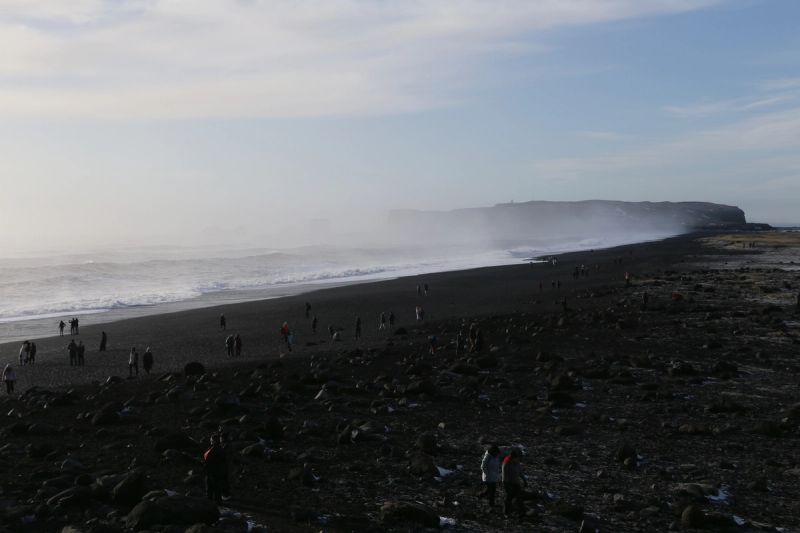
Reynisfjara is Iceland's most famous black sand beach, featured in countless photos and Game of Thrones. The beach features dramatic hexagonal basalt columns, powerful Atlantic waves, and the iconic Reynisdrangar sea stacks. The cave Hálsanefshellir with its geometric columns is incredibly photogenic. One of Iceland's most dangerous beaches due to sneaker waves.
Visitor Tips

Breiðamerkursandur/Diamond Beach
Where Icebergs Meet Black Sand
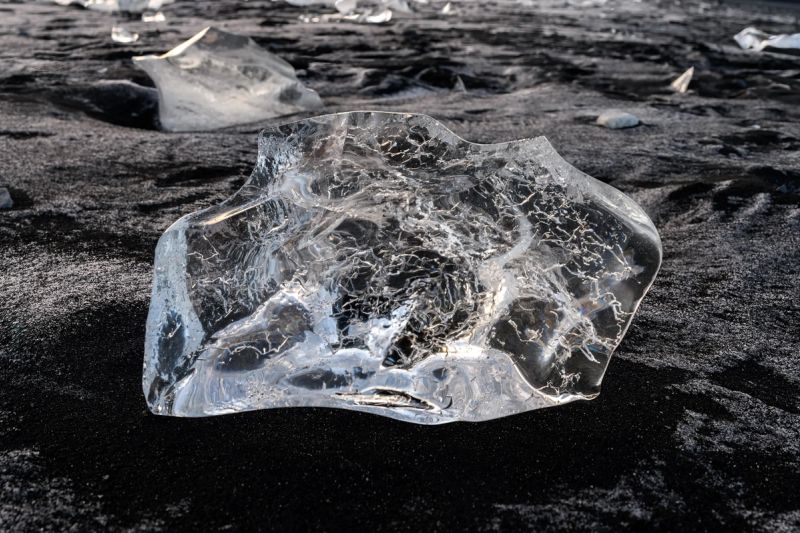
Adjacent to Jökulsárlón glacier lagoon, Diamond Beach is where ancient ice chunks wash ashore, sparkling brilliantly against the jet-black volcanic sand. These crystal-clear sculptures, some centuries old, create a mesmerizing and ever-changing landscape, perfect for photographers and nature lovers alike.
Visitor Tips
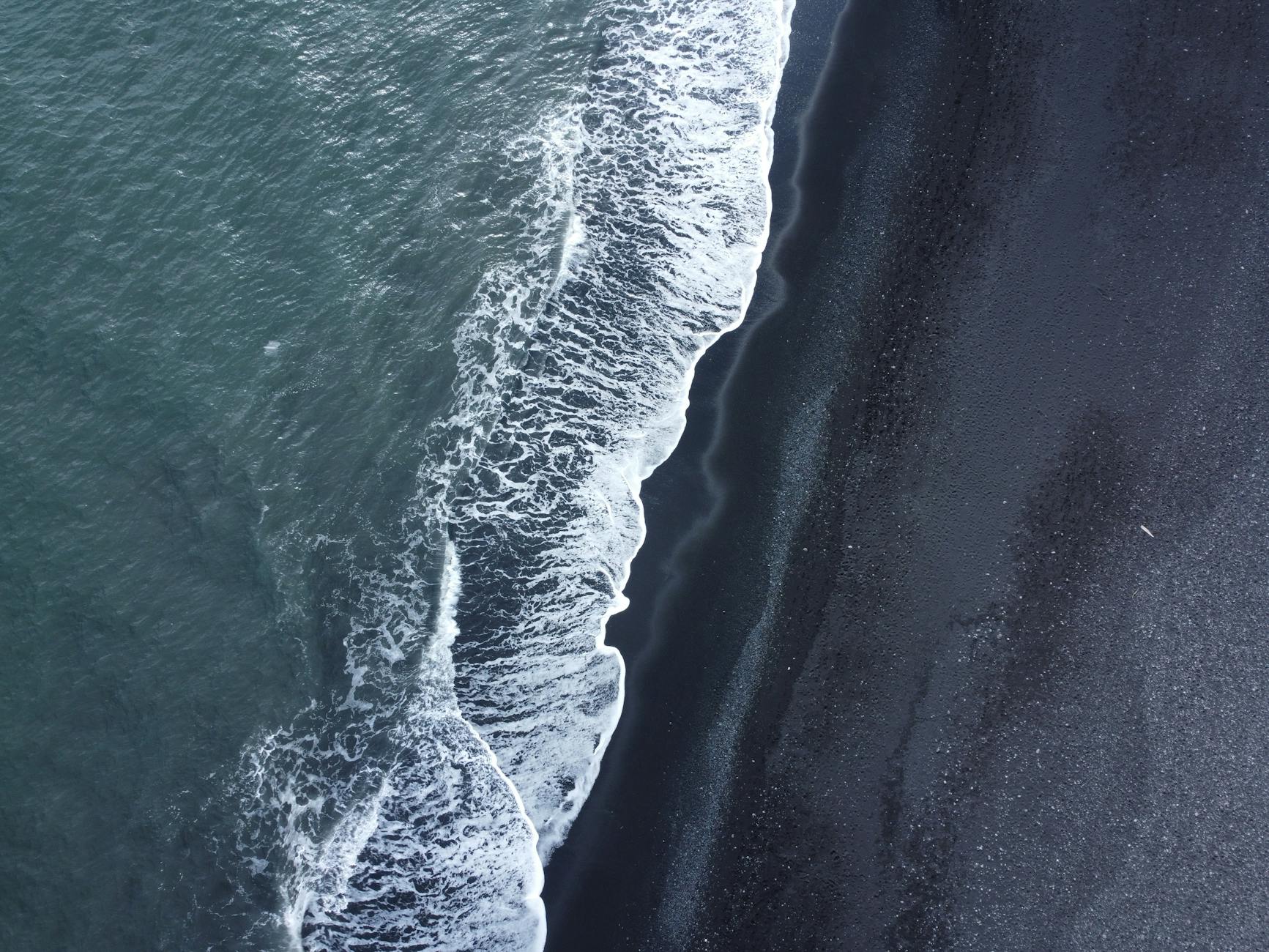
Vík í Mýrdal Beach
The Village Black Sand Beach
The black sand beach at Vík village offers incredible views of Reynisdrangar sea stacks and the white church on the hill above town. Less crowded than Reynisfjara but equally beautiful. Popular for puffin watching in summer on nearby cliffs. The southernmost village in Iceland.
Visitor Tips
Breiðamerkursandur/Diamond Beach
The Original Ice Beach
Adjacent to Jökulsárlón glacier lagoon, Diamond Beach is where ancient ice chunks wash ashore, sparkling brilliantly against the jet-black volcanic sand. These crystal-clear sculptures, some centuries old, create a mesmerizing and ever-changing landscape, perfect for photographers and nature lovers alike.
Visitor Tips
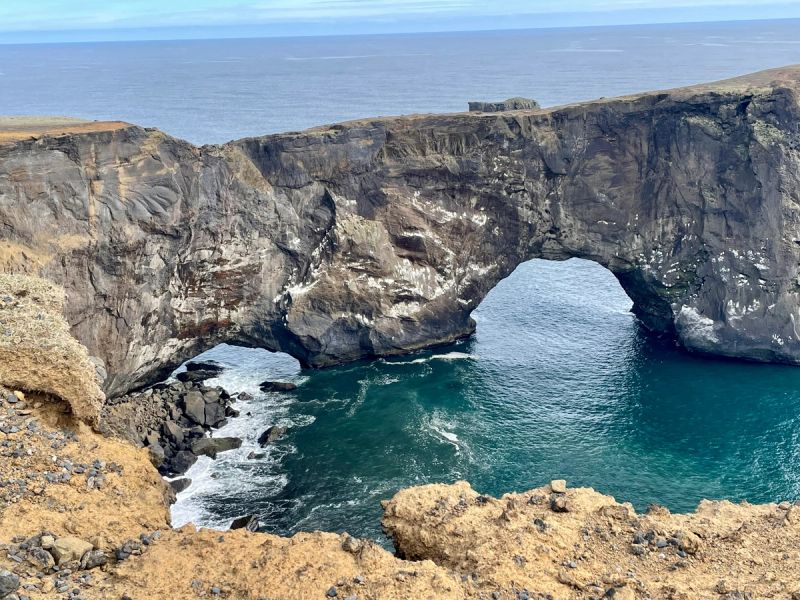
Dyrhólaey Beach
Puffin Paradise and Arch Rock
Dyrhólaey is a dramatic headland with a huge natural arch that creates its name "Door Hill Island." The clifftop offers spectacular views of black sand beaches, sea stacks, and ocean. Major puffin nesting site in summer. The lighthouse and arch are iconic South Coast landmarks.
Visitor Tips
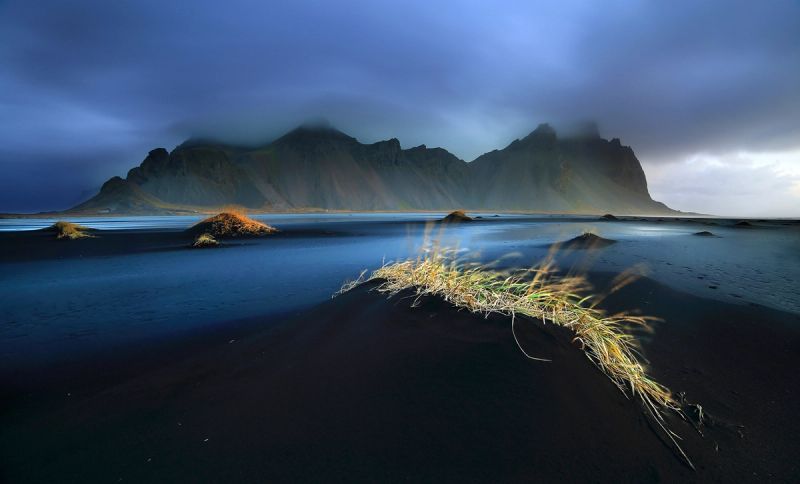

Stokksnes & Vestrahorn
The Viking Mountain Beach
Stokksnes is a spectacular black sand beach dominated by the dramatic Vestrahorn mountain (Batman Mountain). The beach features sand dunes, black sand, and incredible mountain reflections in tidal pools. Often quiet with few visitors. Viking Village film set adds interest. One of Iceland's most photogenic locations.
Visitor Tips
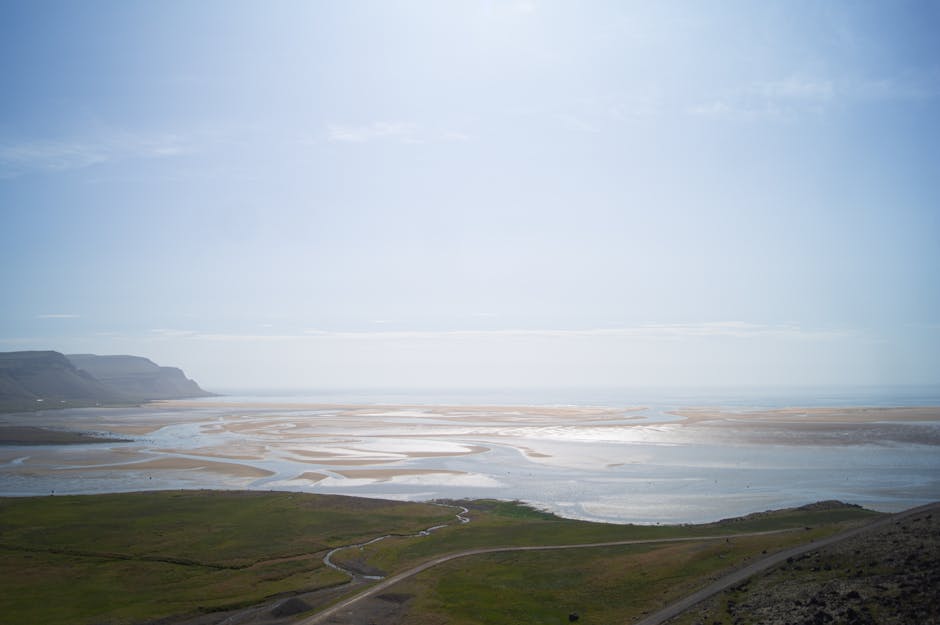
Rauðasandur
The Red Sand Beach
Rauðasandur is a stunning 10 km beach with unusual golden to reddish sand - unique in Iceland. Located in the remote Westfjords, the beach feels like a tropical paradise except for the Arctic temperature. Crystal clear turquoise water, dramatic cliffs, and often completely empty. Seals frequently visit.
Visitor Tips
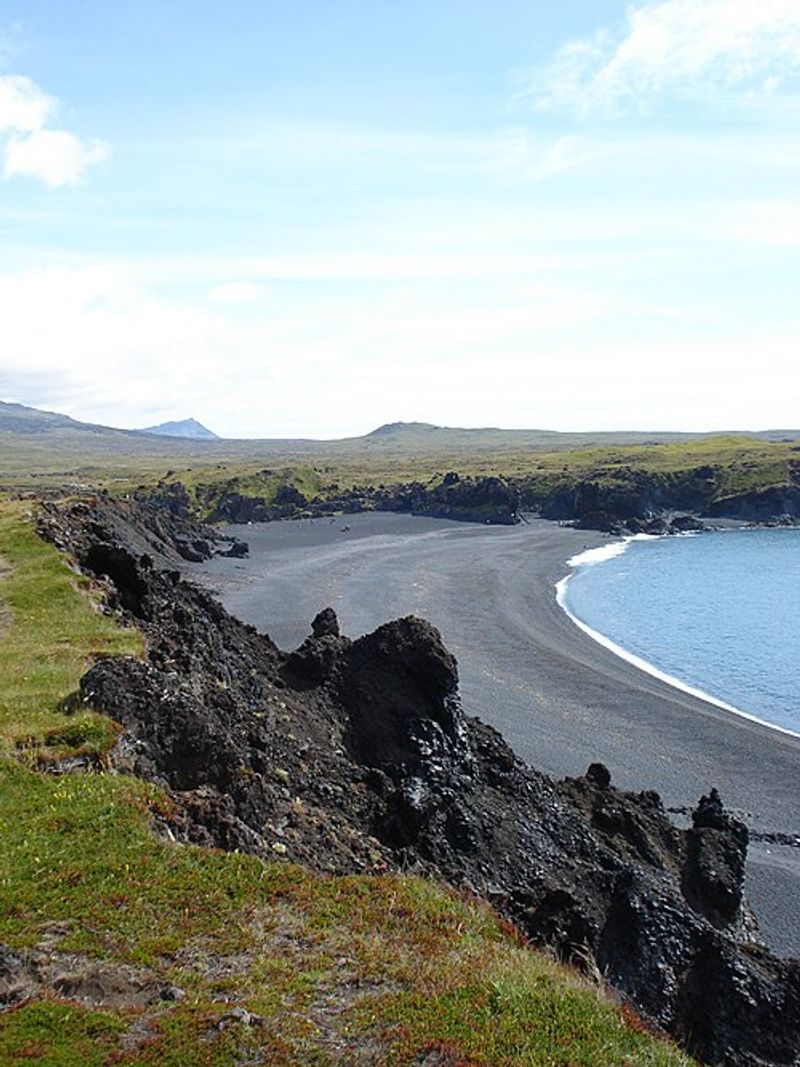

Djúpalónssandur
The Black Pebble Beach
Djúpalónssandur is a dramatic black pebble beach beneath Snæfellsjökull glacier. Features four "lifting stones" fishermen used to test strength, remains of a 1948 shipwreck, and powerful Atlantic waves. The bay is surrounded by lava formations. Raw and powerful atmosphere. Part of Snæfellsjökull National Park.
Visitor Tips
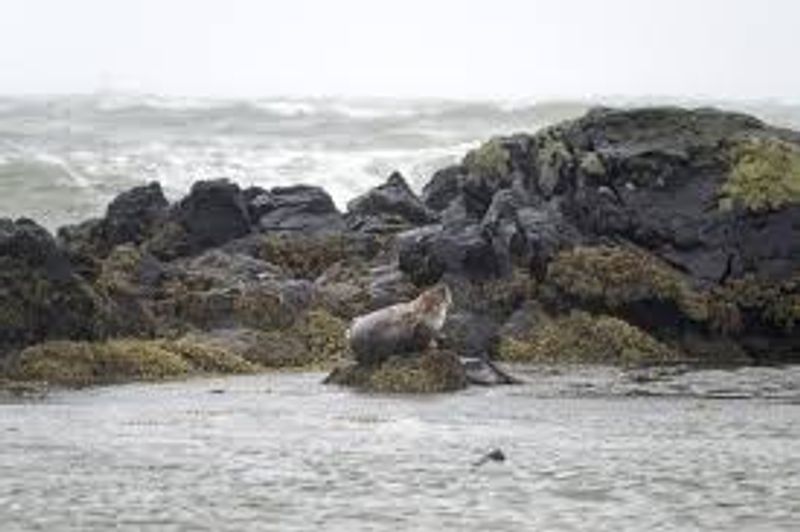
Ytri Tunga
The Seal Beach
Ytri Tunga is a golden sand beach on Snæfellsnes Peninsula, famous for its resident seal colony. Harbor and grey seals haul out on the rocks year-round, especially in summer when pups are born. One of Iceland's most reliable seal watching spots. Beautiful beach even without seals.
Visitor Tips
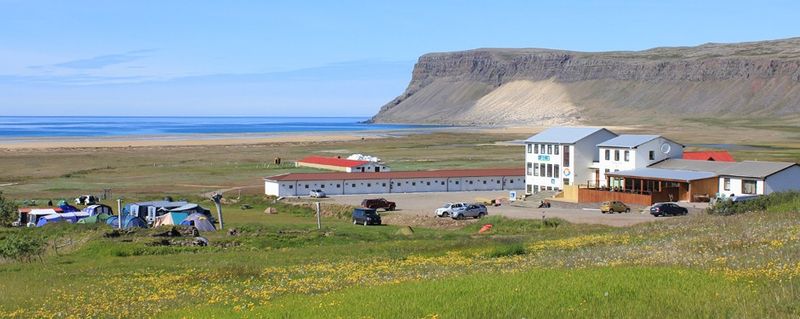
Breiðavík
The Nordic Caribbean
Breiðavík is a stunning white-gold sand beach in the remote Westfjords that looks surprisingly tropical. The wide bay features bright sand, turquoise water, and dramatic bird cliffs. One of Iceland's largest beaches. Incredible sense of remoteness and natural beauty.
Visitor Tips
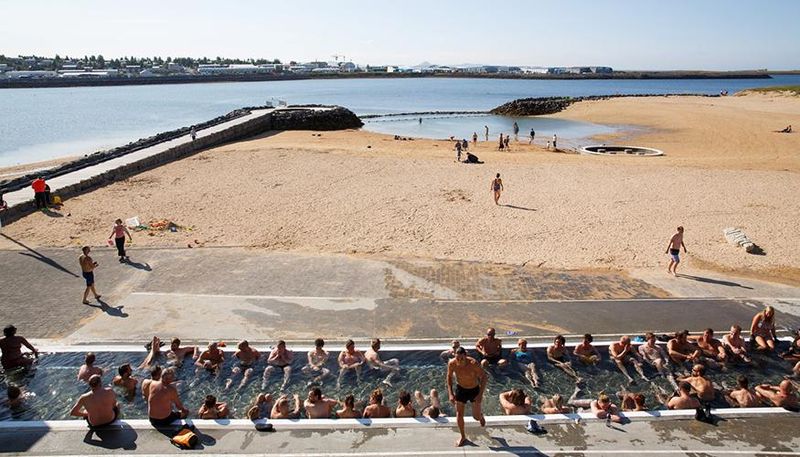

Nauthólsvík Beach
Reykjavík's Geothermal Beach
Nauthólsvík is Reykjavík's man-made geothermal beach with imported golden sand and seawater warmed by geothermal energy. Features a hot tub and changing facilities. Popular year-round with locals for cold water swimming followed by the hot tub. The only "warm" beach in Iceland.
Visitor Tips
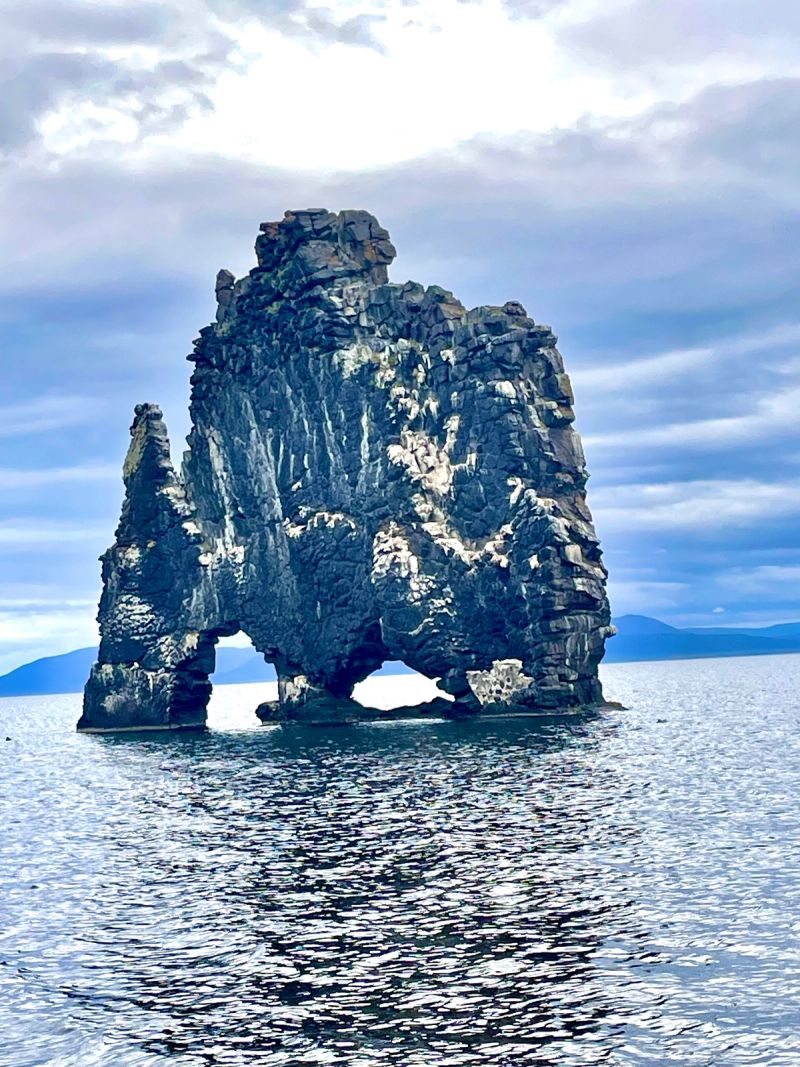
Hvítserkur Beach
The Dragon Rock Beach
This beach in Húnaflói bay is famous for Hvítserkur - a distinctive 15-meter basalt rock formation that looks like a dragon or elephant drinking from the sea. The rock is a major bird nesting site. Black sand beach offers great views of the formation. Popular photography spot.
Visitor Tips
Todas las playas de Islandia
Alviðruhamraviti
south-iceland
Arnarstapi
west-iceland
Arngerðareyri
westfjords
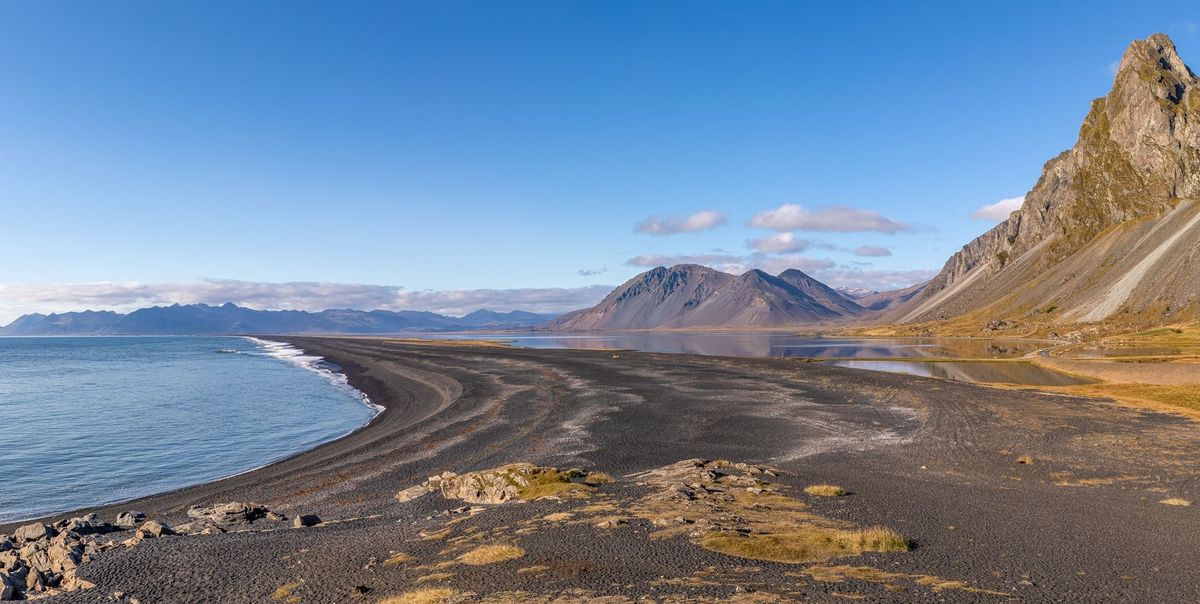
Austurfjörur
east-iceland

Bær, nákuðungslög
north-iceland
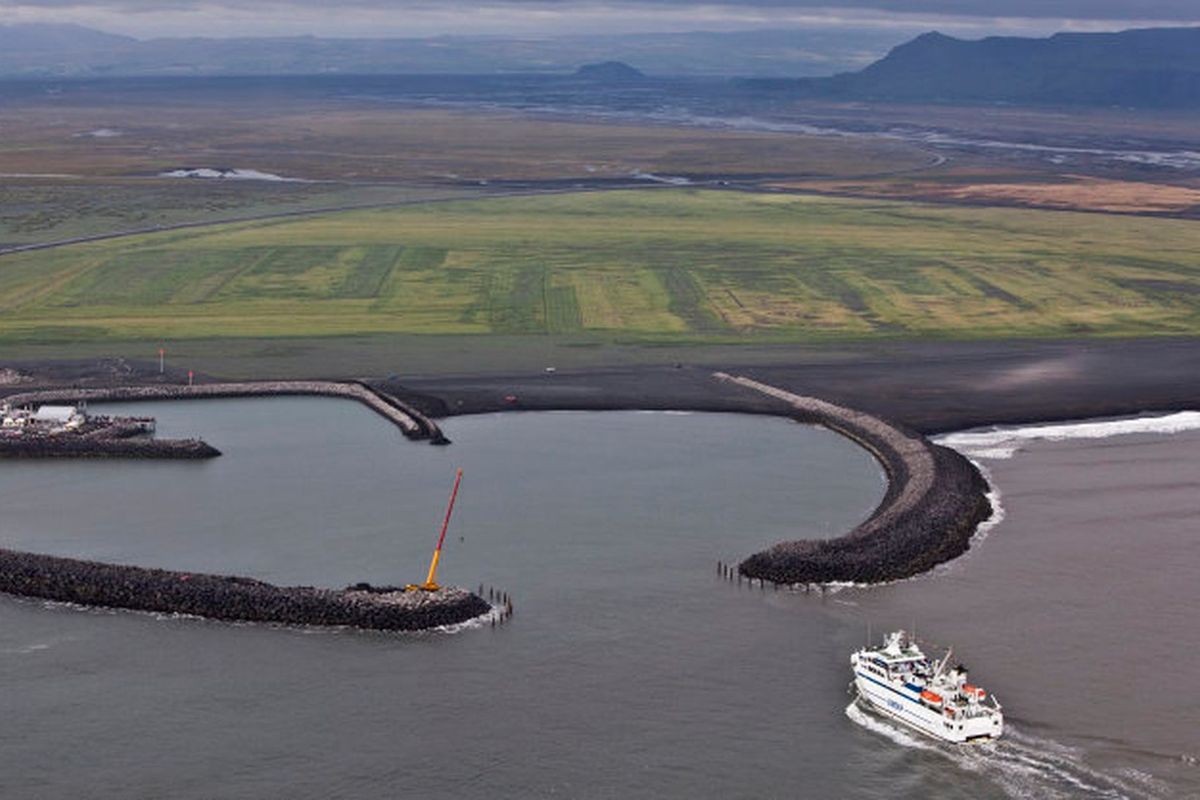
Bakkafjara
south-iceland
Bakkahöfði
north-iceland
Bálkastaðabjarg
north-iceland
 Bookable Tour
Tour privado de 2 días por la laguna glaciar Jökulsárlón y caminata por el glaciar
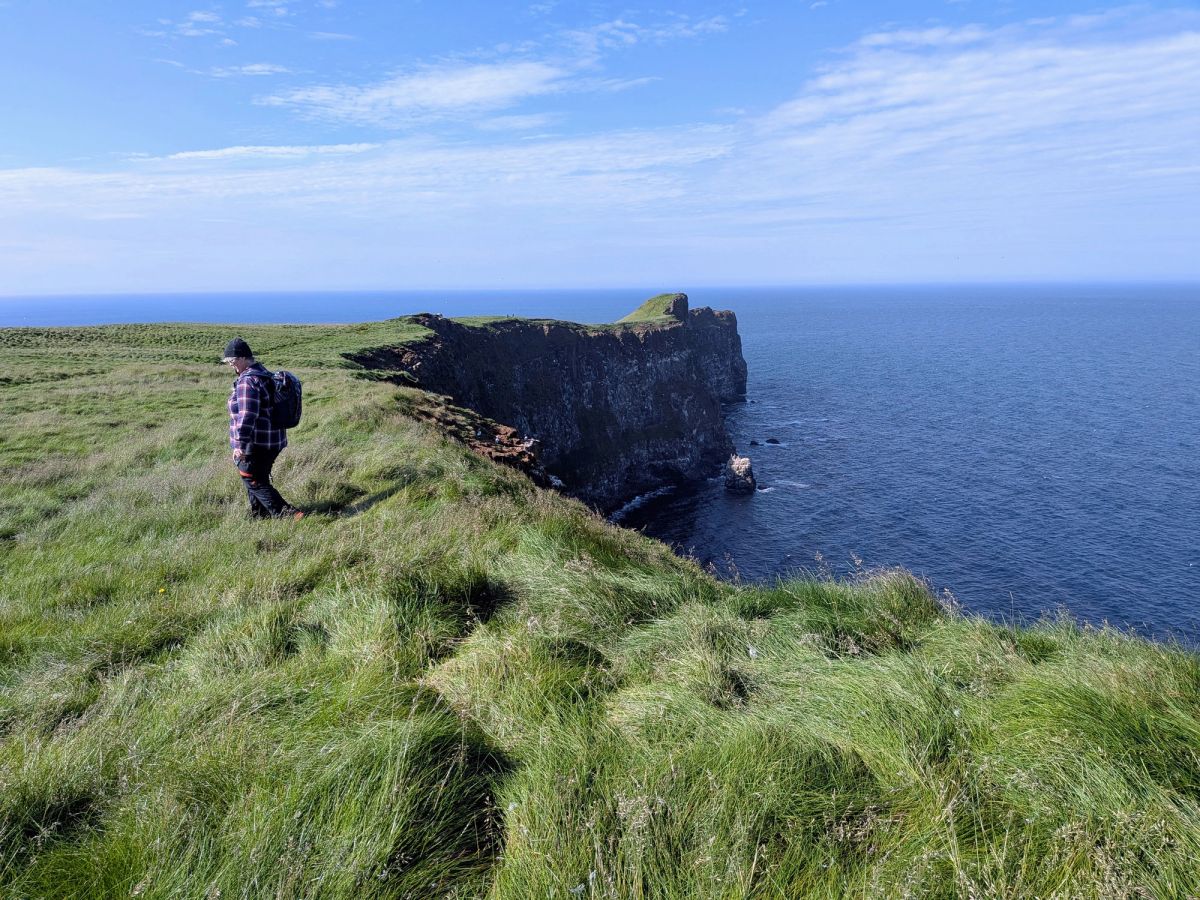
Básabjarg
north-iceland
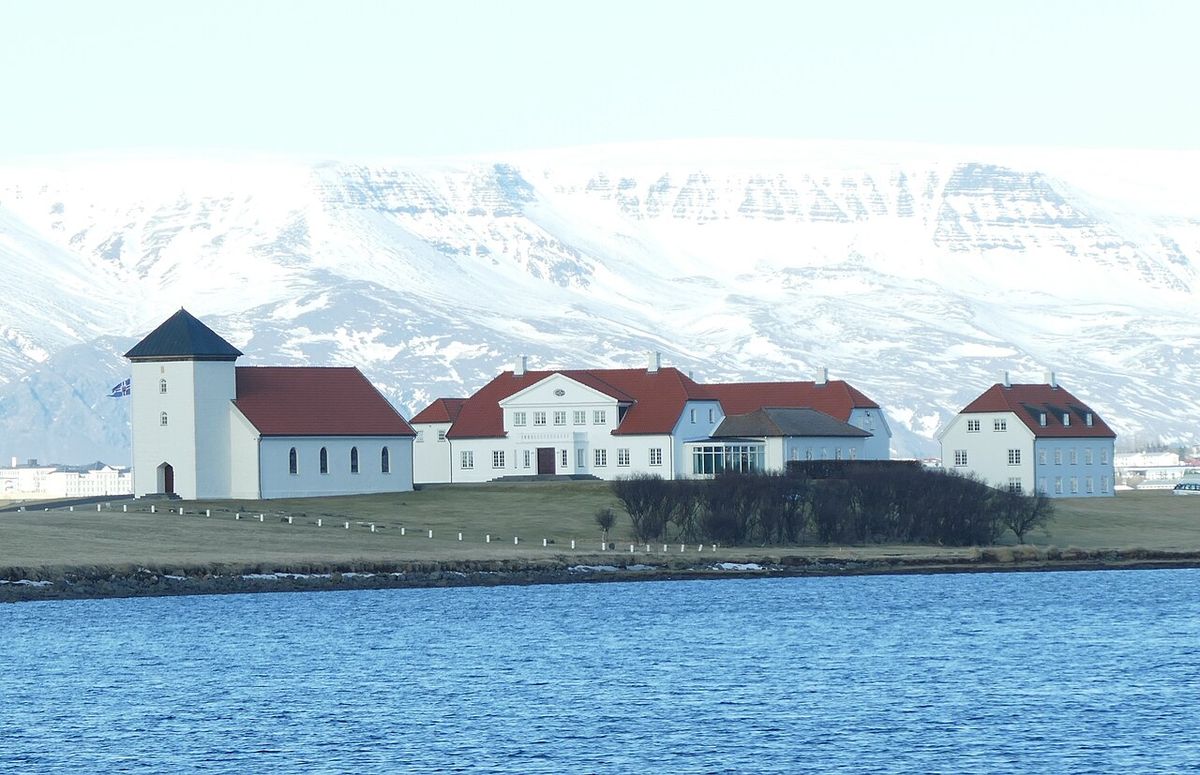
Belgsholt
west-iceland
Bessastaðaskans
reykjanes

Bjarteyjarsandur
west-iceland
Bjarteyjarsandur Campsite
West Iceland
Blábjörg
east-iceland
Black Beach
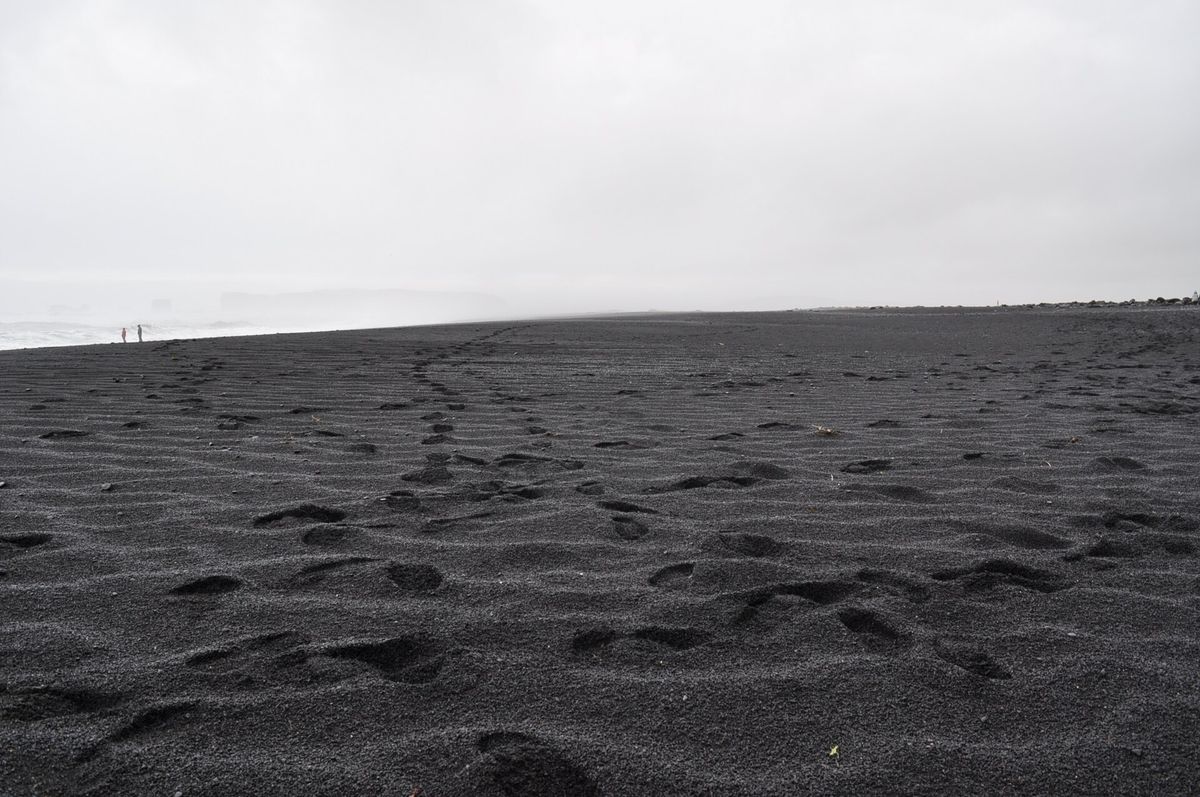
Black sand beach Vík í Mýrdal
south-iceland
 Bookable Tour
Laguna glaciar privada de 2 días, cueva de hielo y aurora boreal
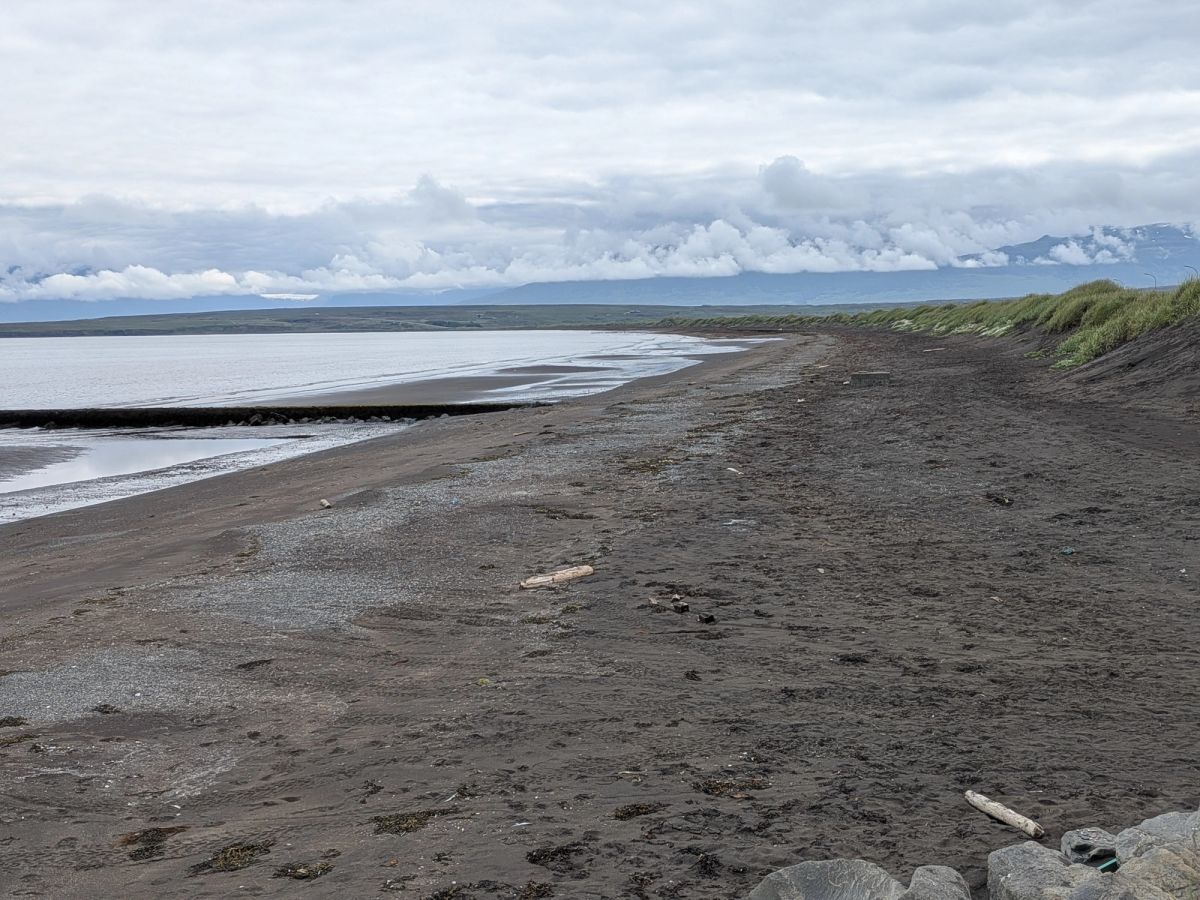
Borgarsandur
east-iceland
Borgarvogur
west-iceland
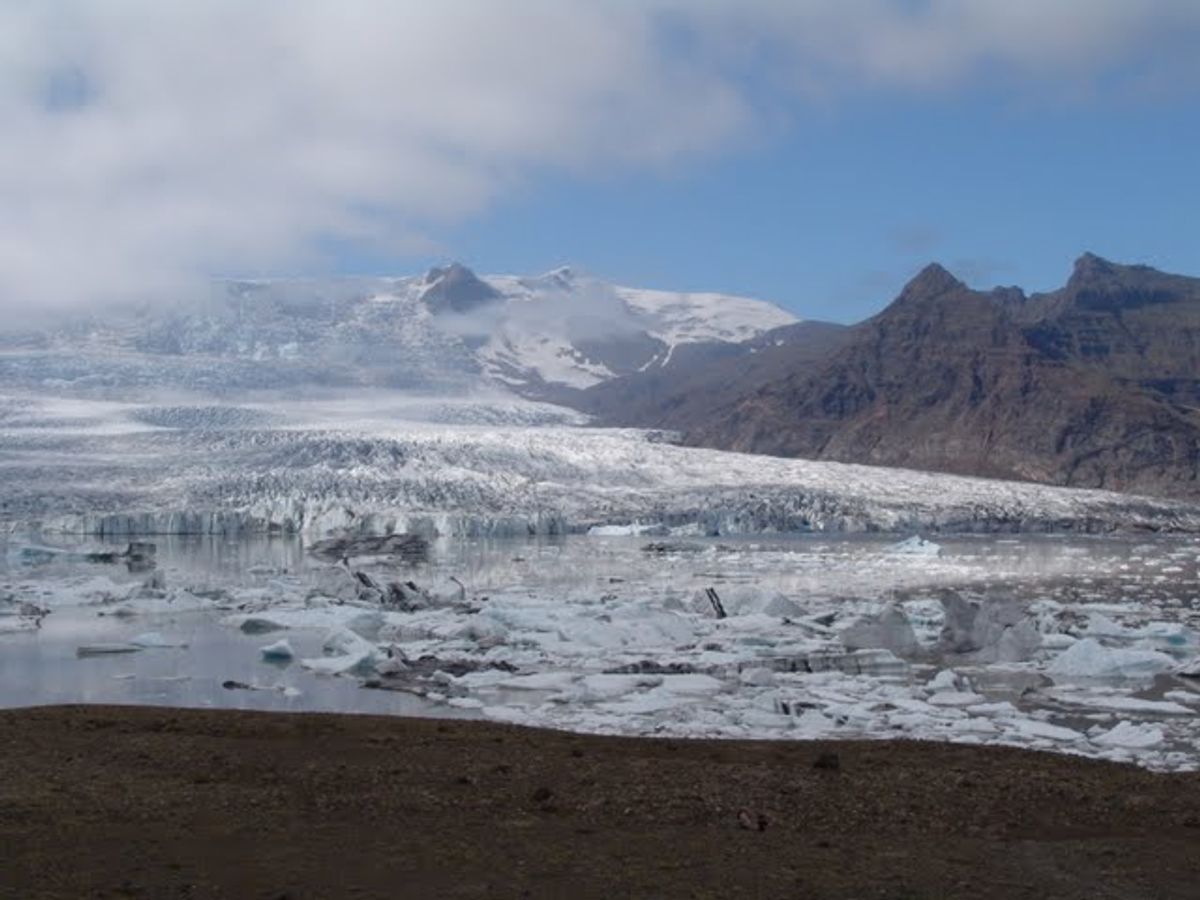
Breiðamerkurfjara
east-iceland
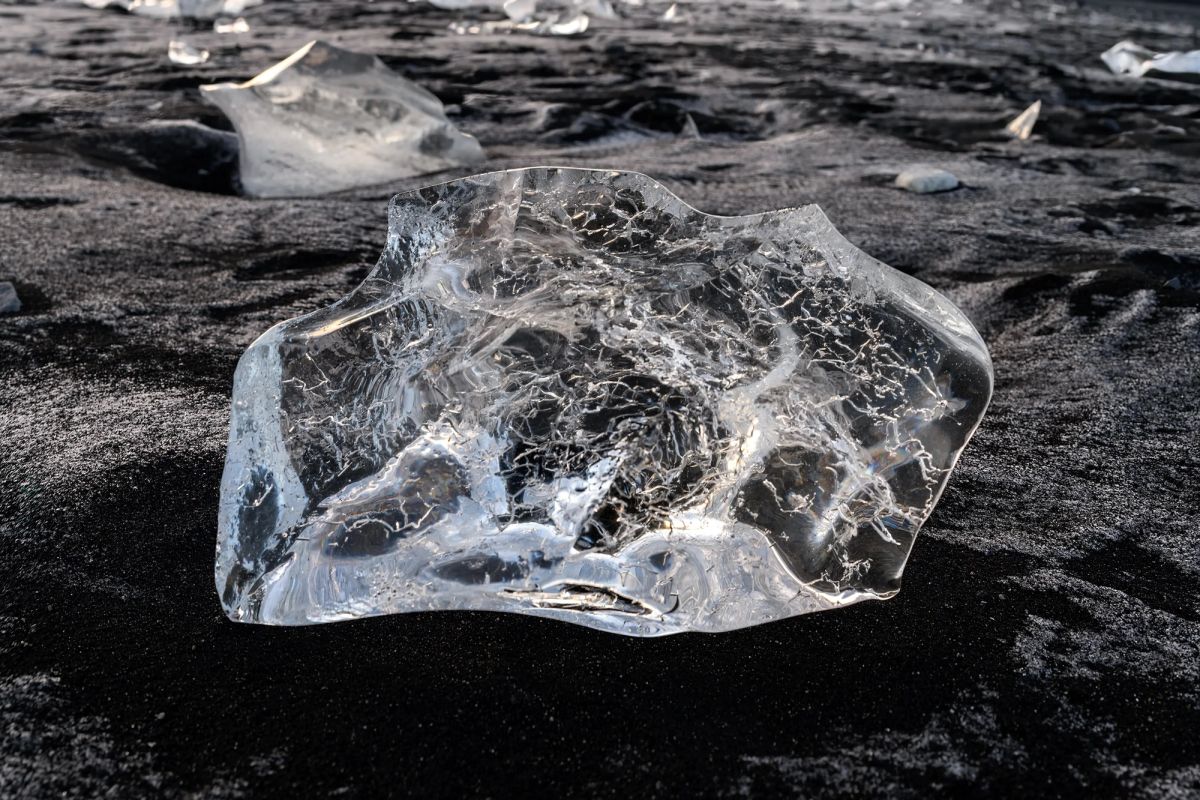
Breiðamerkursandur/Diamond Beach
south-iceland
Brekknasandur
east-iceland
Brúnavík
west-iceland
Accommodation
Where to Stay on the South Coast
Hotels and guesthouses near Iceland's most iconic beaches
Affiliate links — we may earn a commission at no extra cost to you.
Frequently Asked Questions
What is the most famous beach in Iceland?
Reynisfjara black sand beach near Vík is Iceland's most famous beach, known for its dramatic basalt columns and powerful Atlantic waves. It's one of the most photographed spots in Iceland.
Can you swim at Iceland's beaches?
Swimming at Iceland's ocean beaches is strongly discouraged due to dangerous sneaker waves, strong rip currents and freezing water temperatures (5–10°C). For swimming, visit one of Iceland's heated geothermal pools instead.
What is Diamond Beach?
Diamond Beach (Breiðamerkursandur) is a black sand beach near Jökulsárlón glacier lagoon where icebergs washed out from the lagoon rest on the sand, sparkling like diamonds. It's one of Iceland's most dramatic photo locations.
When is the best time to visit Iceland's beaches?
Beaches are accessible year-round, but summer (June–August) offers the best light and longest days. Winter visits offer dramatic storm waves and possible Northern Lights views from the beach. Spring and autumn offer fewer crowds.
Are there black sand beaches only in South Iceland?
No — black sand beaches appear along much of Iceland's coastline due to volcanic geology. The most famous are in South Iceland (Reynisfjara, Diamond Beach), but Djúpalónssandur in the Snæfellsnes Peninsula and many beaches in the Westfjords are equally dramatic.
🌌 See the Northern Lights
Track real-time aurora activity and plan your Northern Lights trip with AuroraVision.
Find Hotels in South Iceland
From cozy Reykjavík guesthouses to remote Highland lodges — thousands of properties with free cancellation and best price guarantee.
Tours & Experiences
Book Activities in Iceland
Tours & Activities
Book top-rated Iceland tours, day trips, and experiences — Northern Lights, glacier hikes, whale watching and more.
Browse Activities →Guided Iceland Tours
Golden Circle, South Coast, ice caves, volcano hikes — 1,000+ guided tours with free cancellation on most bookings.
Browse Tours →Guided Experiences
Tours & Day Trips in Iceland
Golden Circle, Northern Lights hunts, whale watching, glacier hikes, lava cave tours and more. Book with free cancellation — confirmed instantly.