About
About Vestrahorn
454-meter mountain made of rare gabbro rock
One of Iceland's most photographed peaks
Background
History & Background
Vestrahorn has been a significant site in Iceland's landscape. Throughout the years, this location has played an important role in Icelandic culture and natural history.
Vestrahorn is a remarkable beach in Iceland. Vestrahorn is a stunning beach located in South Iceland. This dramatic coastal area features Iceland's distinctive black volcanic sand, shaped by powe... Vestrahorn is the dramatic gabbro mountain looming over Stokksnes spit near Höfn, and Iceland's most photographed summit. Unlike Iceland's volcanic peaks, Vestrahorn is formed from intrusive gabbro — a dense, dark igneous rock that gives the mountain. This location offers visitors a unique opportunity to experience Iceland's natural beauty and cultural heritage.
Folklore
Story & Folklore
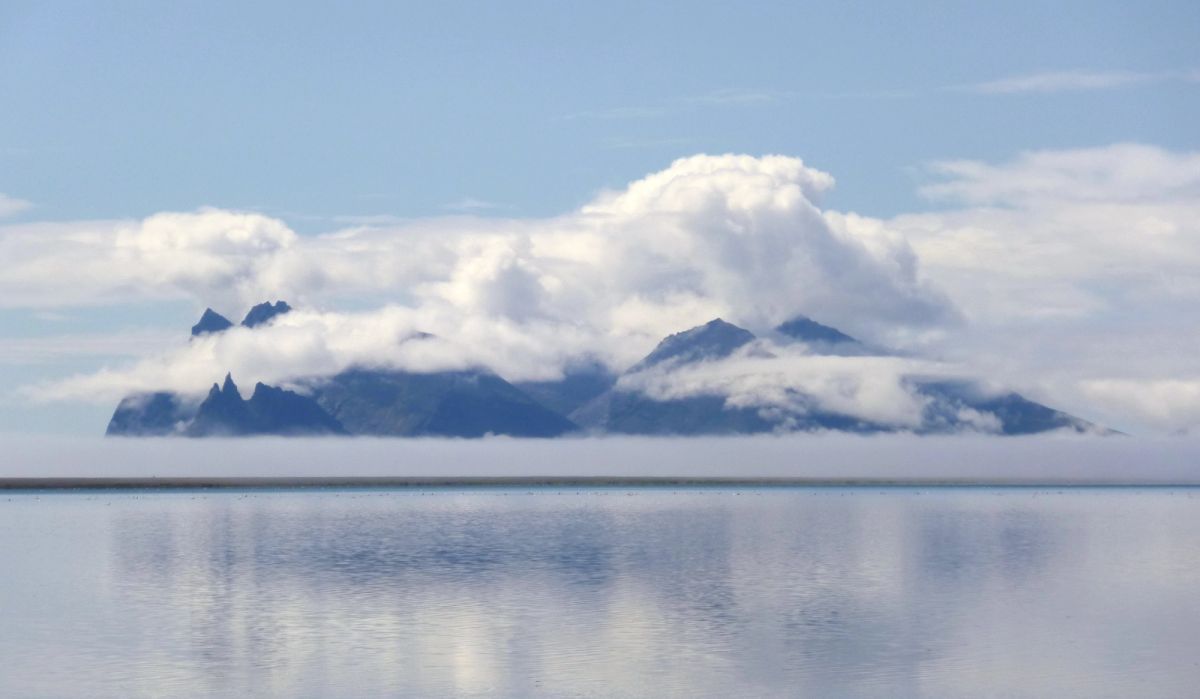
Vestrahorn is the dramatic gabbro mountain looming over Stokksnes spit near Höfn, and Iceland's most photographed summit. Unlike Iceland's volcanic peaks, Vestrahorn is formed from intrusive gabbro — a dense, dark igneous rock that gives the mountain its unusually angular and almost metallic appearance. The reflection of its twin peaks in the black sand tidal pools of Stokksnes is one of Iceland's signature images. A small Viking Village film set at the base of the mountain (used for various film and TV productions) can be visited on the way down to the beach. The mountain is best photographed at dawn, when golden light hits the angular face and the tide pools are still.
💡 Did You Know?
One of the oldest mountains in Iceland
Local Legend
The Seal Woman of Vestrahorn
An old tale tells of a seal woman (selkie) who came ashore at Vestrahorn and transformed into a beautiful woman. She lived among humans for many years before returning to the sea. On quiet evenings, locals claim you can still hear her singing from the waves, calling to her family on land.
Explore
Hidden Gems Nearby
✦ Tidal Patterns
The black sand creates stunning patterns as the waves retreat, especially at low tide.
The interplay of water, sand texture, and reflected sky creates naturally artistic compositions that are constantly changing.
✦ Rock Formations
Explore the rock formations at the edges of the beach — many feature columnar basalt and small caves.
These geological features add variety to your beach visit and often shelter small tidal pools with marine life.
✦ Seabird Watching
Bring binoculars to spot seabirds nesting on nearby cliffs, especially during summer months.
In breeding season (May-August), you can often see puffins, fulmars, and guillemots from the beach.
Help
Frequently Asked Questions
Location
📍 Location
Discover
Explore Nearby
Places from our database within 1.0 km — all data from Sanity
Loading nearby places…
0 places found within 1.0 km
Plan full itinerary →Explore More