1°C
Iceland · Westfjords
Westfjords
Iceland's wildest corner — dramatic fjords and remote peaks
Iceland · Westfjords
Iceland's wildest corner — dramatic fjords and remote peaks
From Reykjavík
6–8 h / ferry option
Main town
Ísafjörður
Best time
Jun–Aug
Nearest airport
Ísafjörður (IFJ)
Road conditions
Much gravel — slow
Top activity
Dynjandi & bird cliffs
Overview
The Westfjords are a huge, deeply indented peninsula where travel follows the shape of the coastline rather than a straight line. Fjords cut far inland, mountains rise sharply from the sea and small communities sit many kilometres apart. The region feels more remote than almost anywhere else in Iceland, and that remoteness is the main reason to visit.
Ísafjörður is the largest town and the practical centre of the northern Westfjords, while the southern routes lead toward Dynjandi, Rauðisandur and Látrabjarg. Hornstrandir, beyond the road network, is a different level of wilderness again and is reached by boat and hiking routes rather than ordinary sightseeing drives.
The Westfjords reward patience. Driving days can be longer than expected because roads trace fjords and climb passes, and weather can change plans quickly. In return, you get immense sea cliffs, quiet beaches, hot pools, waterfalls and villages that still feel closely tied to the fishing history of the region. This is not a place to rush through on the way somewhere else.
Why Visit
Long fjords, mountain passes and tiny communities create a sense of scale and isolation that is hard to find elsewhere in Iceland.
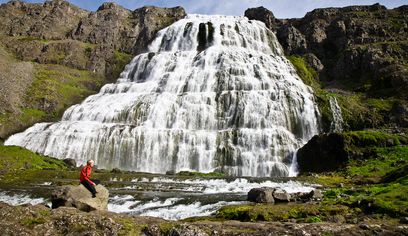
The region’s best-known waterfall spreads over a broad mountainside and anchors one of the most scenic fjords.
Látrabjarg and other coastal cliffs offer major bird colonies and huge Atlantic views.
Rauðisandur and smaller coves contrast sharply with Iceland’s more familiar black-sand coast.
Roadless Hornstrandir offers multi-day hiking, cliffs and a genuinely remote Arctic landscape.
Must See
Iceland's most iconic sights in Westfjords
 attraction
Known as the 'Crown Jewel of the Westfjords,' Dynjandi is a breathtaking series of waterfalls, cascading majestically do
View attraction attraction
Látrabjarg is Europe's largest seabird cliff and Iceland's westernmost point, a monumental basalt wall plunging into the
View attraction attraction
Ascend to Bolafjall, a towering 638-meter mountain providing breathtaking panoramic vistas over Bolungarvík and the vast
View attraction attraction
The Museum of Icelandic Sorcery and Witchcraft in Hólmavík explores Icelandic sorcery, magical staves and the witch-tria
View attraction attraction
A striking relic against the rugged Westfjords landscape, Garðar BA 64 is Iceland's oldest steel ship, now dramatically
View attraction attraction
The Samúel Jónsson Art Museum in Selárdalur is one of Iceland’s most unusual hidden gems. Built by local farmer and self
View attraction attraction
Nestled by a deep blue fjord in Iceland's majestic Westfjords, Súðavík is a testament to human resilience and natural be
View attraction attraction
Flatey is a small, car-free island in Breiðafjörður with a long history of settlement and culture. Historic houses, rich
View attraction attraction
Ingjaldssandur is a broad coastal valley between Önundarfjörður and Dýrafjörður, where grassy lowlands, streams, steep l
View attraction attraction
Rauðisandur is a breathtaking shell beach in Iceland's remote Westfjords, famed for its unique red-golden sands that str
View attraction attraction
Nestled along a stunning fjord, Patreksfjörður is one of the larger and most significant towns in the southern Westfjord
View attraction attraction
Uppsalir is a historic farm in Selárdalur in Arnarfjörður, best known as the home of Gísli Oktavíanus Gíslason (1907–198
View attractionattractionKnown as the 'Crown Jewel of the Westfjords,' Dynjandi is a breathtaking series of waterfalls, cascading majestically do
View attractionattractionLátrabjarg is Europe's largest seabird cliff and Iceland's westernmost point, a monumental basalt wall plunging into the
View attractionattractionAscend to Bolafjall, a towering 638-meter mountain providing breathtaking panoramic vistas over Bolungarvík and the vast
View attractionattractionThe Museum of Icelandic Sorcery and Witchcraft in Hólmavík explores Icelandic sorcery, magical staves and the witch-tria
View attractionattractionA striking relic against the rugged Westfjords landscape, Garðar BA 64 is Iceland's oldest steel ship, now dramatically
View attractionattractionThe Samúel Jónsson Art Museum in Selárdalur is one of Iceland’s most unusual hidden gems. Built by local farmer and self
View attractionattractionNestled by a deep blue fjord in Iceland's majestic Westfjords, Súðavík is a testament to human resilience and natural be
View attractionattractionFlatey is a small, car-free island in Breiðafjörður with a long history of settlement and culture. Historic houses, rich
View attractionattractionIngjaldssandur is a broad coastal valley between Önundarfjörður and Dýrafjörður, where grassy lowlands, streams, steep l
View attractionattractionRauðisandur is a breathtaking shell beach in Iceland's remote Westfjords, famed for its unique red-golden sands that str
View attractionattractionNestled along a stunning fjord, Patreksfjörður is one of the larger and most significant towns in the southern Westfjord
View attractionattractionUppsalir is a historic farm in Selárdalur in Arnarfjörður, best known as the home of Gísli Oktavíanus Gíslason (1907–198
View attractionExplore
Showing the 120 best-documented of 159 mapped places — filter by category and tap a pin.
Self Drive
Plan your own drive — stop where you like, go at your own pace
 Moderate
Iceland's remote and rugged northwest
Where to Stay
Handpicked places to stay across the region
 apartment
Vestfirðir
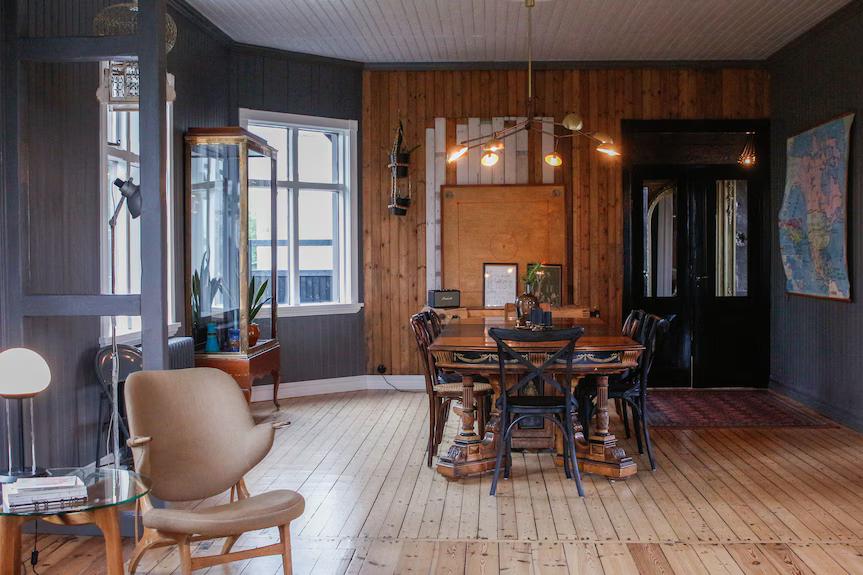
Experience unique Westfjords charm in this beautifully appointed apartment with eclectic decor.
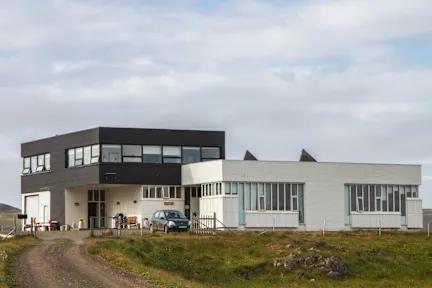 hostel
Vestfirðir
Experience unique modern architecture in the serene Westfjords, a perfect base for exploration.
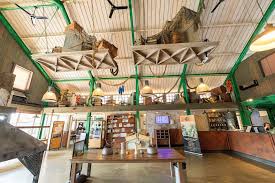 guest house
Vestfirðir
Experience unique Westfjords charm at Comfortable Bungalow, featuring a distinctive, high-ceilinged common area.
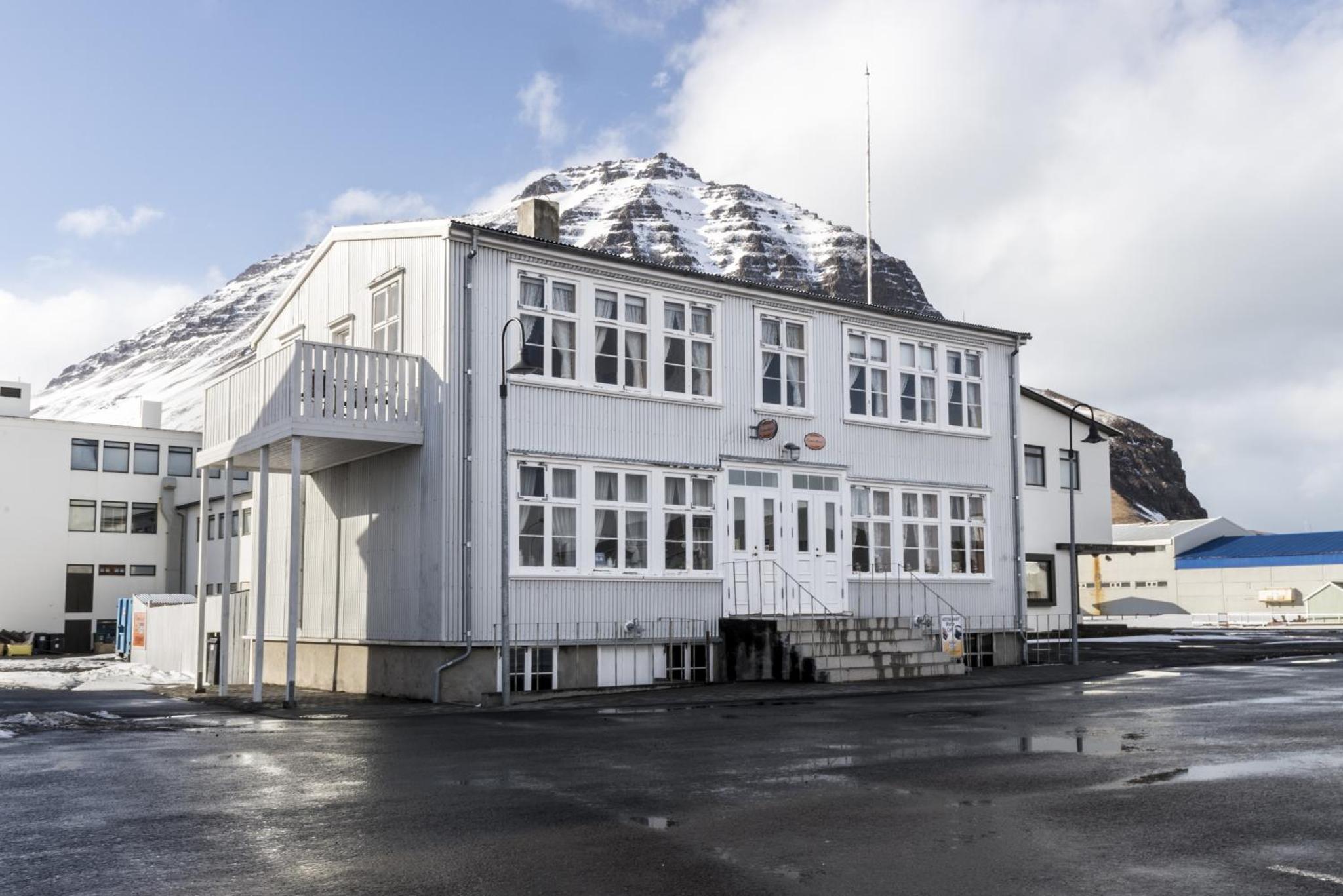 guest house
Vestfirðir
Charming guesthouse in the Westfjords, offering cozy stays with stunning mountain views.
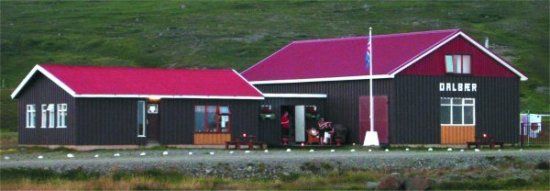 guest house
Vestfirðir
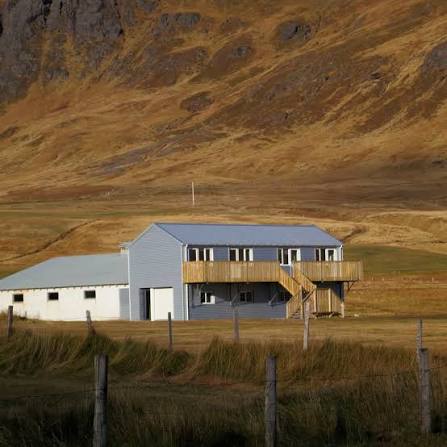
Experience the Westfjords' charm at Ferðaþjónustan Dalbæ, a welcoming guesthouse with striking red roofs.
 guest house
Vestfirðir
Experience tranquil Westfjords beauty at Ferðaþjónustan Urðartindur, offering comfortable stays amidst stunning nature.
Where to Eat
Featured places to eat and drink
 €€
€€other
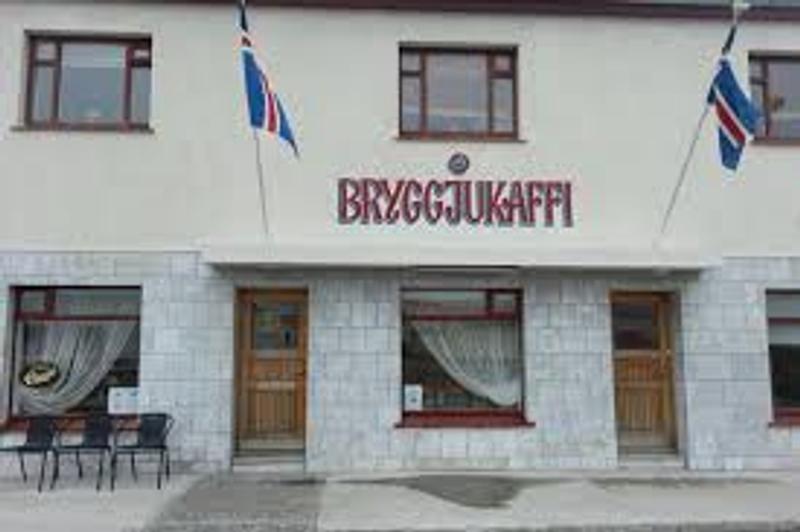
Nestled in the charming Westfjords town of Patreksfjörður, Bryggjukaffi welcomes travelers with its inviting facade, adorned with two proud Icelandic flags. This cozy cafe, whose name translates to 'Pier Cafe', offers a warm haven for a coffee break, light meals, and local treats. It's the perfect spot to relax and soak in the local atmosphere after exploring the stunning surroundings.
View details €€
€€other
Cafe Ríís is a restaurant in North Iceland, Iceland. Icelandic cuisine has evolved dramatically in recent decades, moving from traditional fish and lamb dishes to world-class dining experiences. Many restaurants now showcase local ingredients — fresh fish, lamb, skyr, and Arctic char — with modern culinary techniques.
View details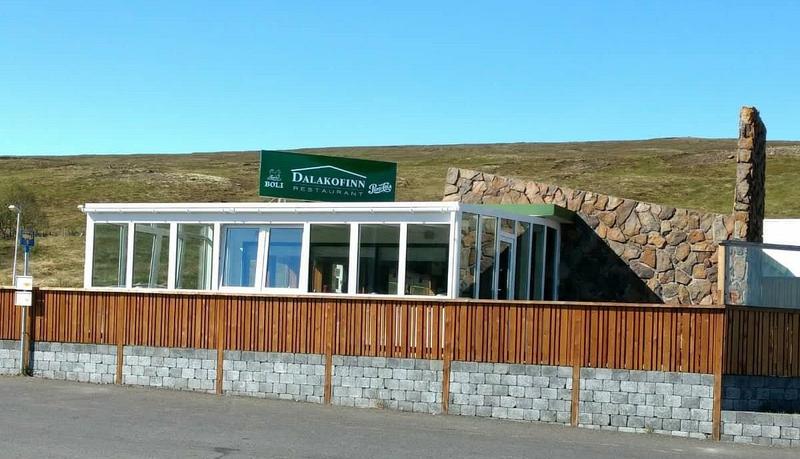 €€
€€other
Dalakofinn Restaurant offers a warm welcome in the scenic Westfjords. This charming eatery features a modern glass-enclosed dining area alongside a rustic stone-clad section, all set against a beautiful green landscape. Enjoy a casual meal in a relaxed atmosphere, perfect for travelers exploring Hólmavík.
View details €€
€€other
Edinborg is a café in Westfjords, Iceland. Iceland's café culture is warm and welcoming, offering a respite from the weather with excellent coffee, home-baked goods, and a cosy atmosphere. This is the kind of place where locals linger over coffee and visitors feel immediately at home.
View details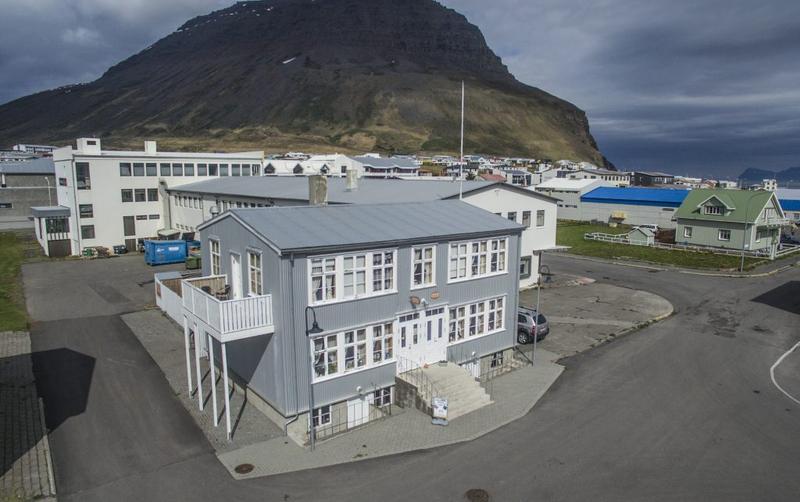 €€
€€other
Einarshús is a restaurant in Westfjords, Iceland serving Pizza. Icelandic cuisine has evolved dramatically in recent decades, moving from traditional fish and lamb dishes to world-class dining experiences. Many restaurants now showcase local ingredients — fresh fish, lamb, skyr, and Arctic char — with modern culinary techniques.
View details €€
€€other
Flókalundur is a restaurant in Westfjords, Iceland. Icelandic cuisine has evolved dramatically in recent decades, moving from traditional fish and lamb dishes to world-class dining experiences. Many restaurants now showcase local ingredients — fresh fish, lamb, skyr, and Arctic char — with modern culinary techniques.
View detailsSelf-Drive Iceland
Self-drive guides with key stops, distances and tips — explore Westfjords at your own pace.
Self-drive gives you total flexibility. Browse vehicle categories for the roads ahead, then search real availability and prices on DiscoverCars.
Search to see available cars
Lowest-cost option for city driving and paved main roads.
Find carsSearch to see available cars
Comfortable for longer Ring Road drives with luggage.
Find carsSearch to see available cars
Higher ground clearance and a confident ride.
Find carsSearch to see available cars
For highland F-roads and tougher winter conditions.
Find carsImportant: AWD/4x4 does not guarantee permission to drive F-roads. Confirm the exact route, vehicle and rental contract with the supplier; closed roads and river crossings may be prohibited even with a 4x4.
Category pictures before searching are illustrative images sourced from DiscoverCars, not live availability. Real cards and prices come from your own dated search. GoIceTravel may earn a commission at no extra cost.
Geothermal
Small geothermal pools and hot tubs are one of the pleasures of Westfjords travel. They range from town pools to simple coastal hot pools, but remote bathing spots require extra respect for local rules, land access and changing conditions.
Eat & Experience
Westfjords food culture is closely tied to fishing. Ísafjörður has the broadest restaurant choice, while the smaller towns tend toward simple cafés, seafood and seasonal local kitchens. Fresh fish often matters more than elaborate menus.
Because towns are far apart, meal timing needs planning. Carry snacks and water on long driving days and check dinner hours before leaving the previous settlement, especially outside summer.
The most memorable meals often come after a long day outside: fish in a harbour town, coffee in a small village and a public-pool soak before dinner.
Season by Season
After Dark
The Westfjords have exceptionally dark skies, but winter aurora travel here is more about safety than finding low light pollution. Stay near your accommodation, use cleared roads and safe viewpoints, and let weather conditions decide how far you travel after dark.
Logistics
Distances are long and public transport is not designed around sightseeing.
Roads wrap around fjords and cross passes, so travel time can be much longer than straight-line distance suggests.
Some routes to major sights include gravel sections. Drive for the surface and visibility, not the speed limit.
Snow, avalanches and storms can close roads. Check conditions before every long leg.
Road conditionsRoadless Hornstrandir is reached by seasonal boat services and hiking routes, not by car.
Beyond
The Westfjords are not a classic Reykjavík day-trip region. Day trips make sense from local bases such as Ísafjörður or Patreksfjörður, while the region as a whole should be planned as a multi-day road trip.
Know Before You Go
Long fjord roads make short-looking map distances surprisingly slow.
Loose surfaces, blind bends and steep edges require lower speeds and more stopping distance.
Do not wait for the next remote settlement before refuelling.
Cloud, wind and snow can be completely different from one fjord to the next.
Mobile coverage is not equally reliable in every remote valley and coastal stretch.
Even short cliff and waterfall walks can become cold and wet quickly.
Stay back from nests and cliff edges and avoid disturbing colonies for photographs.
Current Weather
snow showers
5 m/s wind
Go Deeper
In-depth guides to plan your Westfjords trip
 Guide
GuideDynjandi, Látrabjarg, Rauðisandur and Iceland's wildest roads.
Read guide Guide
GuideThe tiered jewel of the Westfjords, stop by stop.
Read guide Guide
GuideEurope's largest seabird colony and puffin paradise.
Read guide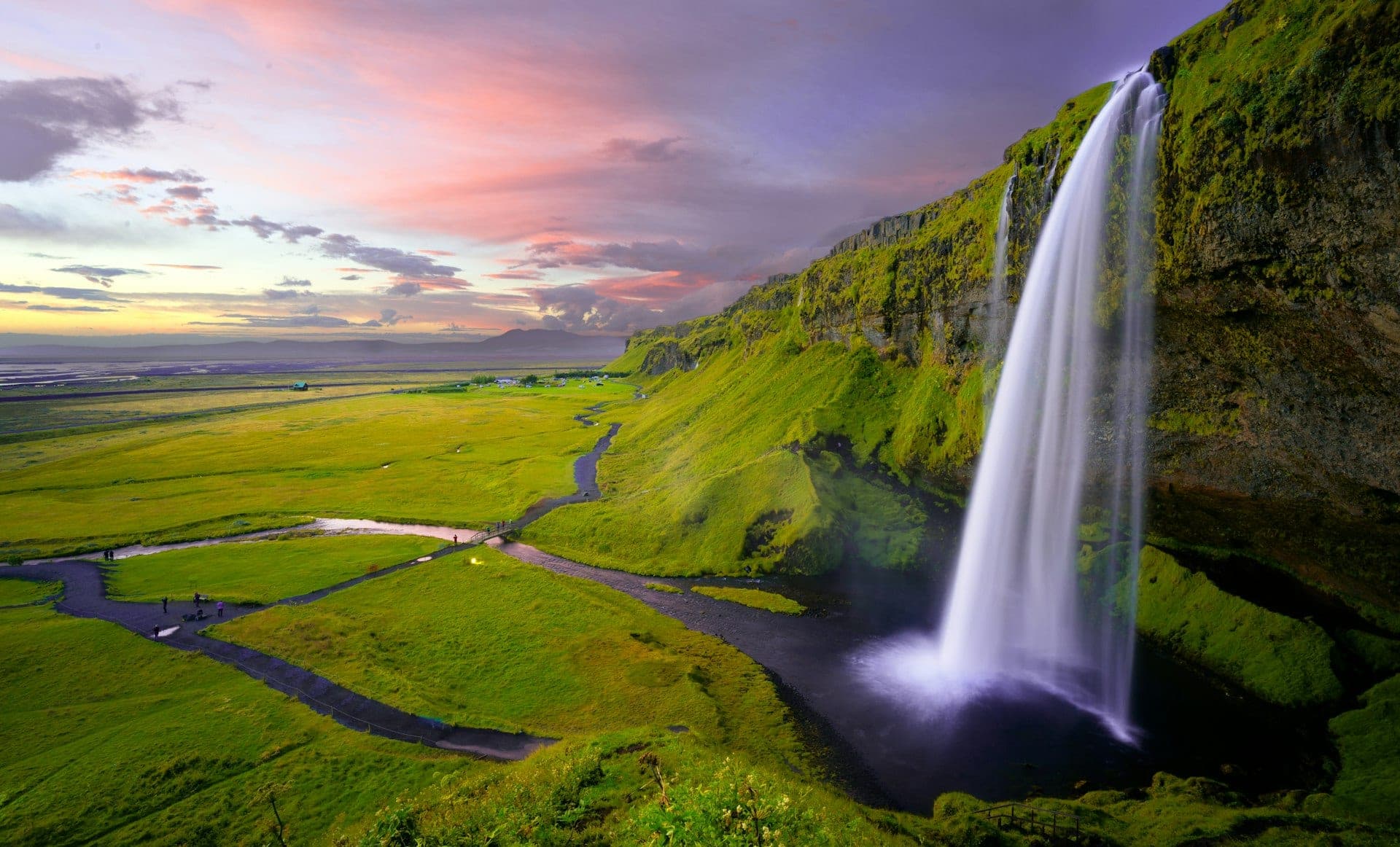 Guide
GuideHow to drive safely on Iceland's unpaved roads.
Read guideGood to Know
Everything you need to know about Westfjords
If you value remoteness, dramatic landscapes and wildlife without crowds — absolutely. It's Iceland's least-visited region, and Dynjandi, Látrabjarg and Rauðisandur are world-class. Set aside 3+ days.
A tiered 'wedding-cake' waterfall on Arnarfjörður, 100 m wide at the top. The road (Route 60) is paved to the car park, then a 15-minute walk up — easy and accessible.
June to August, when roads are passable, services open and Látrabjarg is packed with nesting puffins. Winter access is extremely limited.
Yes — registered campsites in Ísafjörður, Patreksfjörður, Flókalundur and near Dynjandi. It's one of Iceland's best regions for responsible wild camping.
By boat from Ísafjörður, June–August only — there are no roads. Most visitors hike 2–7 days and must be fully self-sufficient.
Puffins and razorbills at Látrabjarg, arctic foxes (wild in Hornstrandir, or at the Arctic Fox Centre in Súðavík), seals and occasional whales in the fjords.
Not essential for the main paved routes, but a higher-clearance car is more comfortable on the many gravel roads, and a 4x4 helps for remote tracks like the road to Rauðisandur.
Iceland's only red-sand beach — 10 km of rust-coloured sand from crushed scallop shells, remote and almost always empty.
A minimum of three days; a week lets you reach Ísafjörður, Látrabjarg, Rauðisandur, Dynjandi and the Strandir coast without rushing.
Ísafjörður has genuinely excellent restaurants — Tjöruhúsið (a legendary fish restaurant) and Húsið. Stock up on groceries before heading into the remote fjords.
Keep Exploring
Easy extensions from Westfjords
Everything you need in one place
Start Your Adventure
Plan your trip with AI, book tours, find hotels — everything in one place.
Treat the wilderness reserve as its own hiking expedition, not an add-on to a road day.
Archaeological Heritage
regionHub.bookExperienceBadge
Bookable experiences from verified Iceland operators
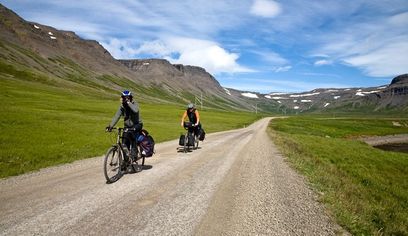 6 hours
 Westfjords Adventures
From
23,900 ISK
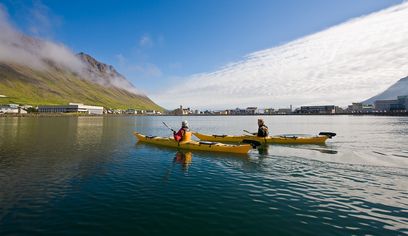 2 hours 30 minutes
Borea Adventures
From
16,500 ISK
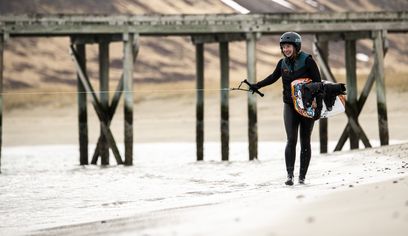 4 hours
 Wakeboarding Iceland
From
40,000 ISK
 7 hours
 Wakeboarding Iceland
From
60,000 ISK
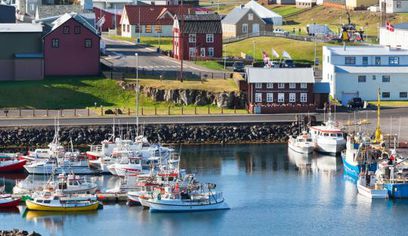 2 hours 30 minutes
Ferjuleiðir Baldur Breiðafirði
From
6,300 ISK
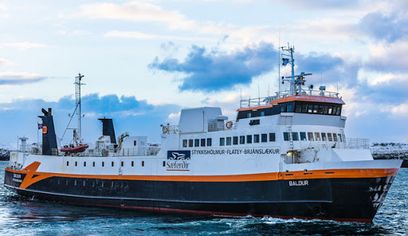 1 hour 30 minutes
Ferjuleiðir Baldur Breiðafirði
From
4,320 ISK
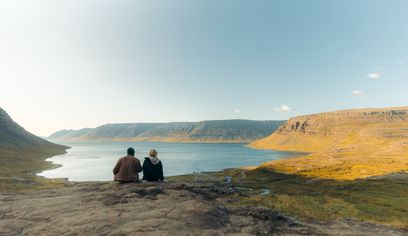 6 hours
 Wakeboarding Iceland
From
55,000 ISK
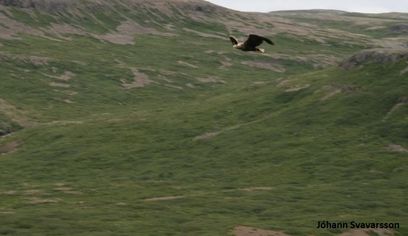 7 hours
 Westfjords Adventures
From
43,800 ISK
 6 hours
 Westfjords Adventures
From
28,900 ISK