GoIceTravel
Explore IcelandAttractions🧭 Trip Planner🌌 Live Aurora Forecast

🌐 Language

south-iceland · Iceland

Alviðruhamraviti

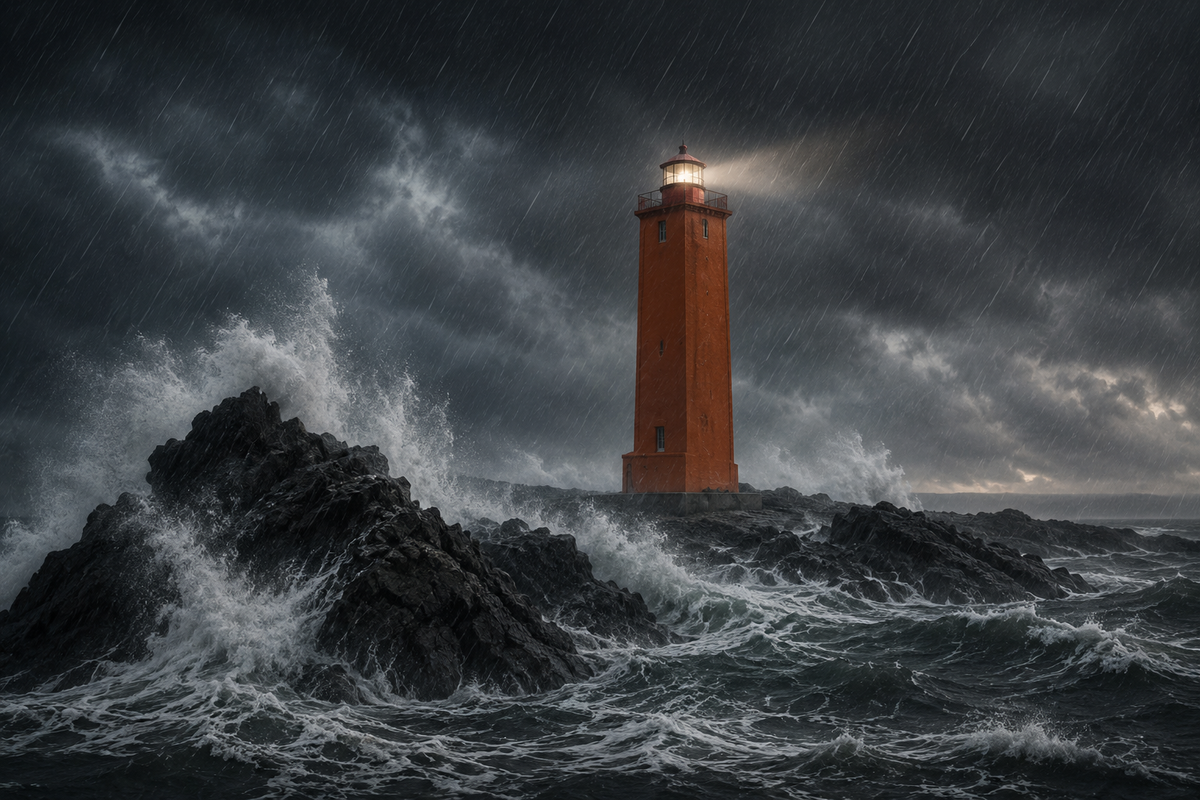
Perched on the desolate black sands of Mýrdalssandur, the iconic Alviðruhamraviti lighthouse stands as a solitary sentinel against the raw power of the Atlantic. Its warm light cuts through the driving rain and crashing waves, a testament to its vital role in guiding ships through treacherous waters since 1929.

About Alviðruhamraviti

Perched on the desolate black sands of Mýrdalssandur, the iconic Alviðruhamraviti lighthouse stands as a solitary sentinel against the raw power of the Atlantic. Its warm light cuts through the driving rain and crashing waves, a testament to its vital role in guiding ships through treacherous waters since 1929.

History & Background

The Alviðruhamraviti lighthouse, a significant navigational aid in South Iceland, was conceived and designed by the esteemed engineer Benedikt Jónasson, with its construction completed in 1929. Standing at an impressive 20.5 meters, this robust concrete structure was strategically placed on the remote black sands of Álftarver on Mýrdalssandur, a location notorious for its challenging maritime conditions. Since its inception, the lighthouse has served as a vital guardian for ships navigating the treacherous southern coast of Iceland. Its light, reaching a focal height of 33 meters above sea level, has guided countless vessels through storms and darkness. Beyond its traditional role as a light beacon, Alviðruhamraviti was also equipped as a radar responder, enhancing its critical function in maritime safety, particularly in an area frequently subjected to severe weather conditions and powerful oceanic currents.

Did You Know?

  • Alviðruhamraviti is part of Iceland's remarkable coastal landscape
  • Many Icelandic beaches feature striking black sand from volcanic activity
  • Coastal areas should be approached with caution due to powerful waves

Tours Near Alviðruhamraviti

Best-rated Iceland experiences — book with free cancellation

About Alviðruhamraviti

Alviðruhamraviti, a striking landmark on the desolate Mýrdalssandur in South Iceland, offers a profound encounter with Iceland's untamed coastal beauty. This 20.5-meter tall concrete lighthouse, distinct in its reddish-orange hue, stands as a testament to engineering and endurance. Designed by Benedikt Jónasson and operational since 1929, its light, positioned 33 meters above sea level, serves as both a vital beacon for mariners and a crucial radar responder. The surrounding landscape, characterized by dramatic black volcanic sands and rugged rock formations, is constantly battered by the powerful waves of the North Atlantic. The image perfectly captures this dramatic essence, with rain lashing down, dark storm clouds looming, and immense waves crashing violently against the shore, creating a truly awe-inspiring spectacle. Visitors can explore the stark beauty of the area, feeling the raw power of nature. The black sand beach, while beautiful, demands respect due to the notorious 'sneaker waves' that can pull unsuspecting visitors into the frigid ocean. Always maintain a safe distance from the water's edge. The remote location ensures a sense of profound solitude, making it an ideal spot for contemplation and dramatic photography. While the lighthouse itself is not open for interior access, its exterior and the surrounding landscape provide ample photographic opportunities, especially during stormy weather when its light shines brightest against the gloom. Remember to dress warmly and waterproof, as the weather can change rapidly and be quite severe, as vividly depicted.

History & Background

The Alviðruhamraviti lighthouse, a significant navigational aid in South Iceland, was conceived and designed by the esteemed engineer Benedikt Jónasson, with its construction completed in 1929. Standing at an impressive 20.5 meters, this robust concrete structure was strategically placed on the remote black sands of Álftarver on Mýrdalssandur, a location notorious for its challenging maritime conditions. Since its inception, the lighthouse has served as a vital guardian for ships navigating the treacherous southern coast of Iceland. Its light, reaching a focal height of 33 meters above sea level, has guided countless vessels through storms and darkness. Beyond its traditional role as a light beacon, Alviðruhamraviti was also equipped as a radar responder, enhancing its critical function in maritime safety, particularly in an area frequently subjected to severe weather conditions and powerful oceanic currents.

Story & Folklore

The wind howled a mournful tune, whipping the rain into a frenzy against the sturdy, orange walls of Alviðruhamraviti. Below, the relentless Atlantic surged, throwing colossal waves against the jagged black rocks, each crash a thunderous symphony of nature's raw power. From its perch, the lighthouse, a steadfast guardian since 1929, cast its defiant beam, a solitary eye piercing the dark, churning chaos. It wasn't just a structure; it was a heartbeat in the wilderness, a promise of safety amidst the storm. Sailors, battling the tempest, would fix their gaze upon that unwavering light, a sliver of hope against the overwhelming might of the sea. Standing here, one feels the profound isolation and the enduring spirit of this place, where land and sea wage an eternal, magnificent war.

Visitor Information

Best Time

Any time of year, especially dramatic during stormy weather (as depicted in the image) for photographers, but safest in calmer conditions.

Duration

1-2 hours to explore the immediate area and take photos.

Access

Paved road followed by a gravel track, suitable for most vehicles but caution advised on gravel. Parking available near the lighthouse.

Why Visit

Witness Iceland's untamed coastal drama: a historic lighthouse against a backdrop of storms and powerful waves.

Did You Know?

This 20.5-meter tall concrete lighthouse, designed in 1929, not only casts its guiding light 33 meters above sea level but also serves as a crucial radar responder amidst the wild weather seen in the image.

The Steadfast Guardian of the Southern Sands

Local folklore whispers of a giant, ancient troll who, unable to cross the vast Mýrdalssandur, transformed into the very rocks surrounding the lighthouse. He now watches over the coastline, his stony gaze ensuring the lighthouse's light never falters, guiding lost souls and ships through the darkest storms.

Hidden Gems Nearby

Mýrdalssandur Black Beach

While the immediate area around the lighthouse is rocky, the wider Mýrdalssandur stretch offers vast, desolate black sand beaches. These expanses are formed by glacial outbursts and volcanic ash, creating a stark and otherworldly landscape.

It's a powerful experience to walk on these endless, dark sands, feeling the immense scale of nature.

Reynisfjara Beach (nearby)

Though a bit further west, the famous Reynisfjara beach with its basalt columns and Dyrhólaey arch is a must-see. It shares the same dramatic black sand characteristics but offers unique rock formations.

It's a stunning example of Iceland's volcanic coast, offering iconic photo opportunities.

Practical Information

Best Time

Any time of year, especially dramatic during stormy weather (as depicted in the image) for photographers, but safest in calmer conditions.

Duration

1-2 hours to explore the immediate area and take photos.

Access

Paved road followed by a gravel track, suitable for most vehicles but caution advised on gravel. Parking available near the lighthouse.

Frequently Asked Questions

Is there an entry fee to visit Alviðruhamraviti?

No, there is no entry fee to visit the lighthouse or the surrounding beach area.

What are the safety precautions at Alviðruhamraviti?

Always be extremely cautious of the powerful 'sneaker waves' that can unexpectedly surge far up the beach. Maintain a safe distance from the ocean, especially on the black sand areas. The weather can also change rapidly, so dress warmly and waterproof.

Can I go inside the Alviðruhamraviti lighthouse?

No, the lighthouse itself is not open to the public for interior access. Visitors can admire its exterior and the surrounding dramatic landscape.

Is Alviðruhamraviti wheelchair accessible?

The main viewing area around the lighthouse may be accessible, but the terrain consists of uneven rocky ground and black sand, which can be challenging for wheelchairs.

What is the best time for photography at Alviðruhamraviti?

The dramatic weather conditions, as seen in the image with rain and storm clouds, offer incredibly atmospheric photo opportunities. Golden hour (sunrise/sunset) can also provide stunning light, but the raw power of a stormy day truly captures its essence.

Explore More of Iceland