
Iceland's Natural Wonders
Iceland's
Canyons
Sculpted by water, ice, and time
40 km
Eldgjá fissure length
270 m
Max canyon depth
8+
Major canyons
All year
Year-round access
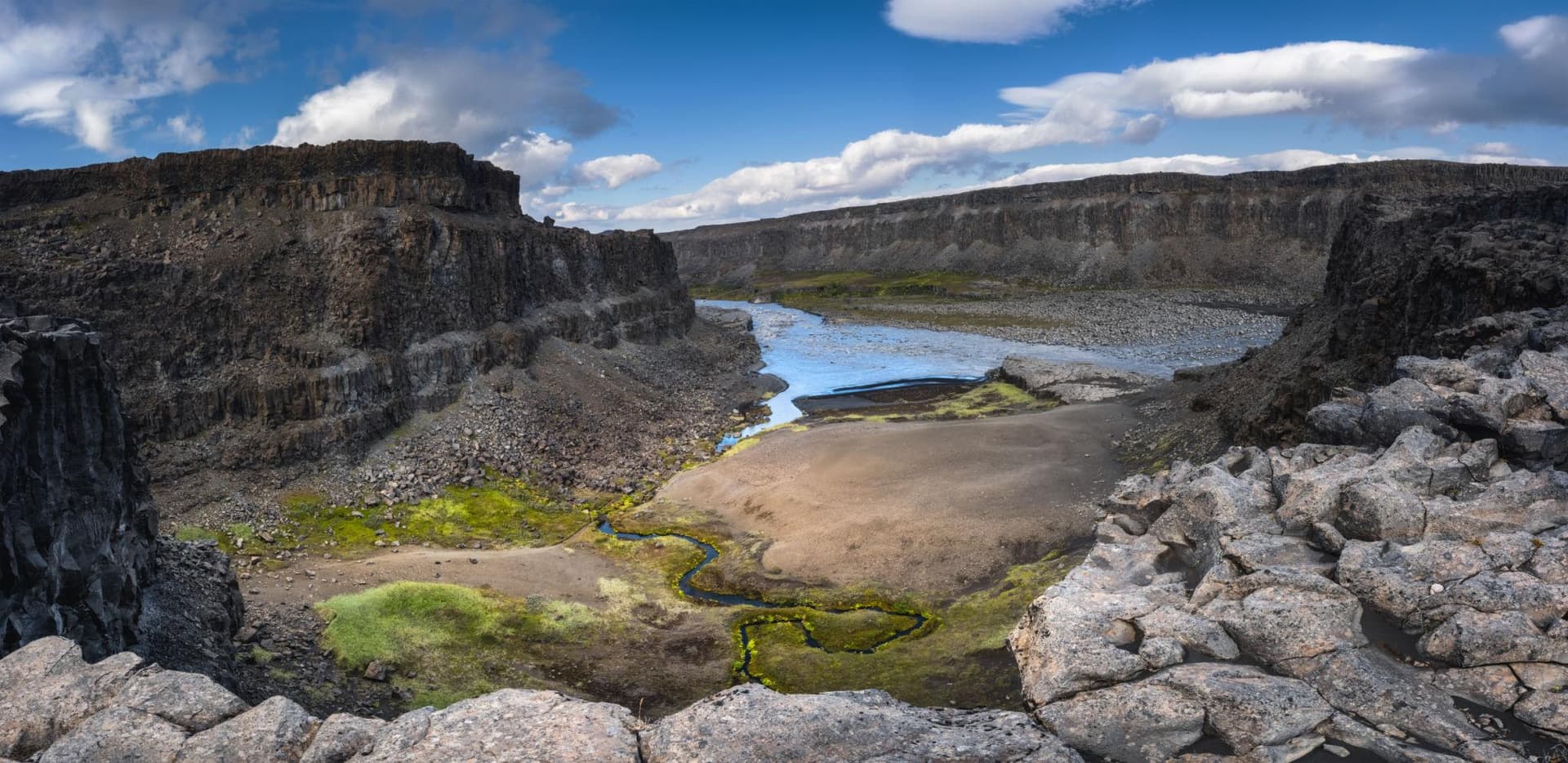
Iceland's canyons showcase the raw power of glacial rivers, flooding, and volcanic activity. From moss-covered gorges to basalt column wonderlands, these dramatic landscapes offer some of the island's most photogenic and awe-inspiring scenery.
The most accessible is Fjaðrárgljúfur, near the Ring Road in South Iceland. In the north, the Jökulsárgljúfur canyon and the mythical Ásbyrgi horseshoe gorge form the highlights of the Diamond Circle route.
In the East, the hidden Stuðlagil Canyon was revealed only after a hydroelectric project lowered water levels in 2007 — exposing towering dark basalt columns now among Iceland's most photographed wonders. Deepest of all is the Highlands Eldgjá volcanic fissure — 40 km long, 600 m wide and 270 m deep.
Iceland's Canyons
Featured Canyons in Iceland
From the iconic Fjaðrárgljúfur to the remote Highlands gorges — explore Iceland's most spectacular canyons carved by glacial rivers and volcanic floods.
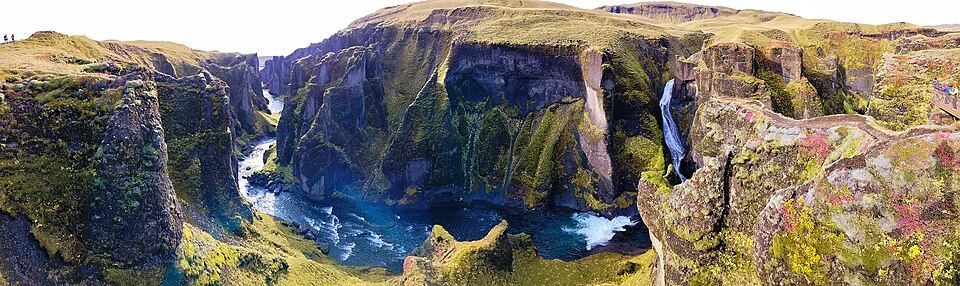

Fjaðrárgljúfur
Iceland's Most Famous Canyon
Fjaðrárgljúfur is a magnificent 2km long and 100m deep canyon carved by glacial meltwater over thousands of years. The Fjaðrá river winds through the serpentine gorge, creating stunning curves and viewpoints along the walking path.
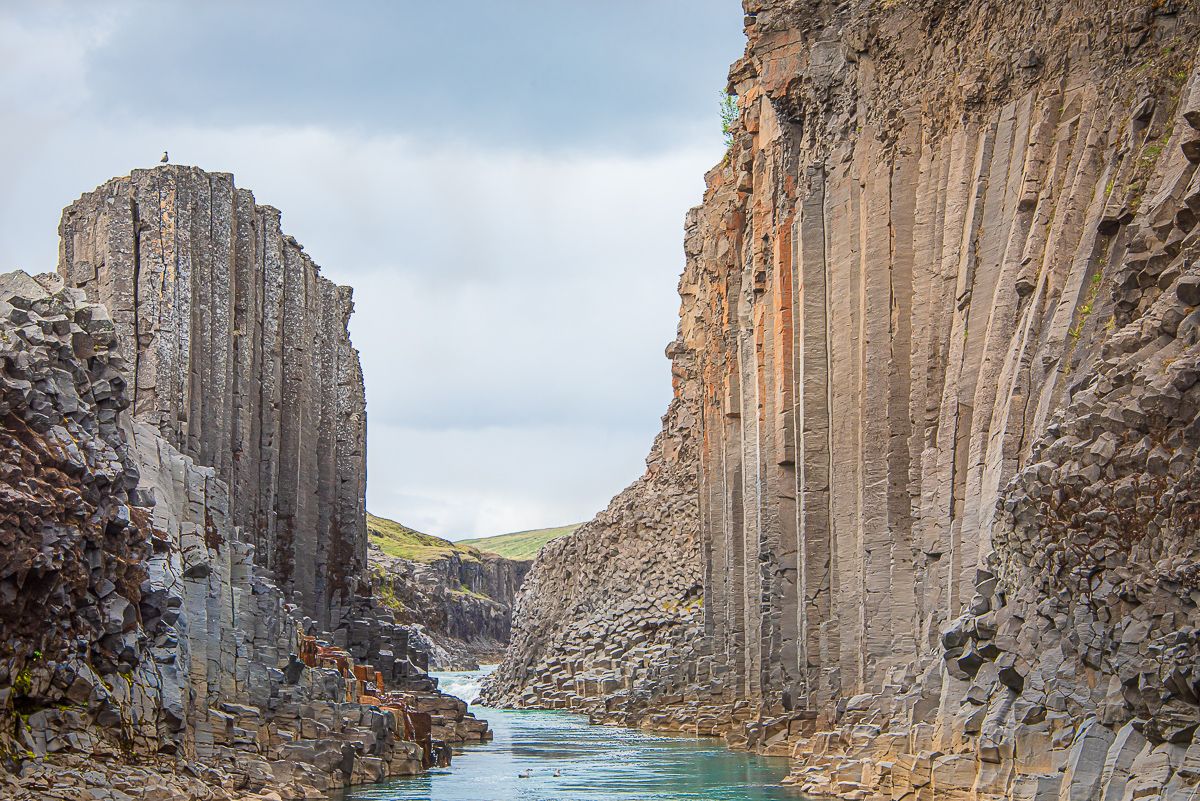
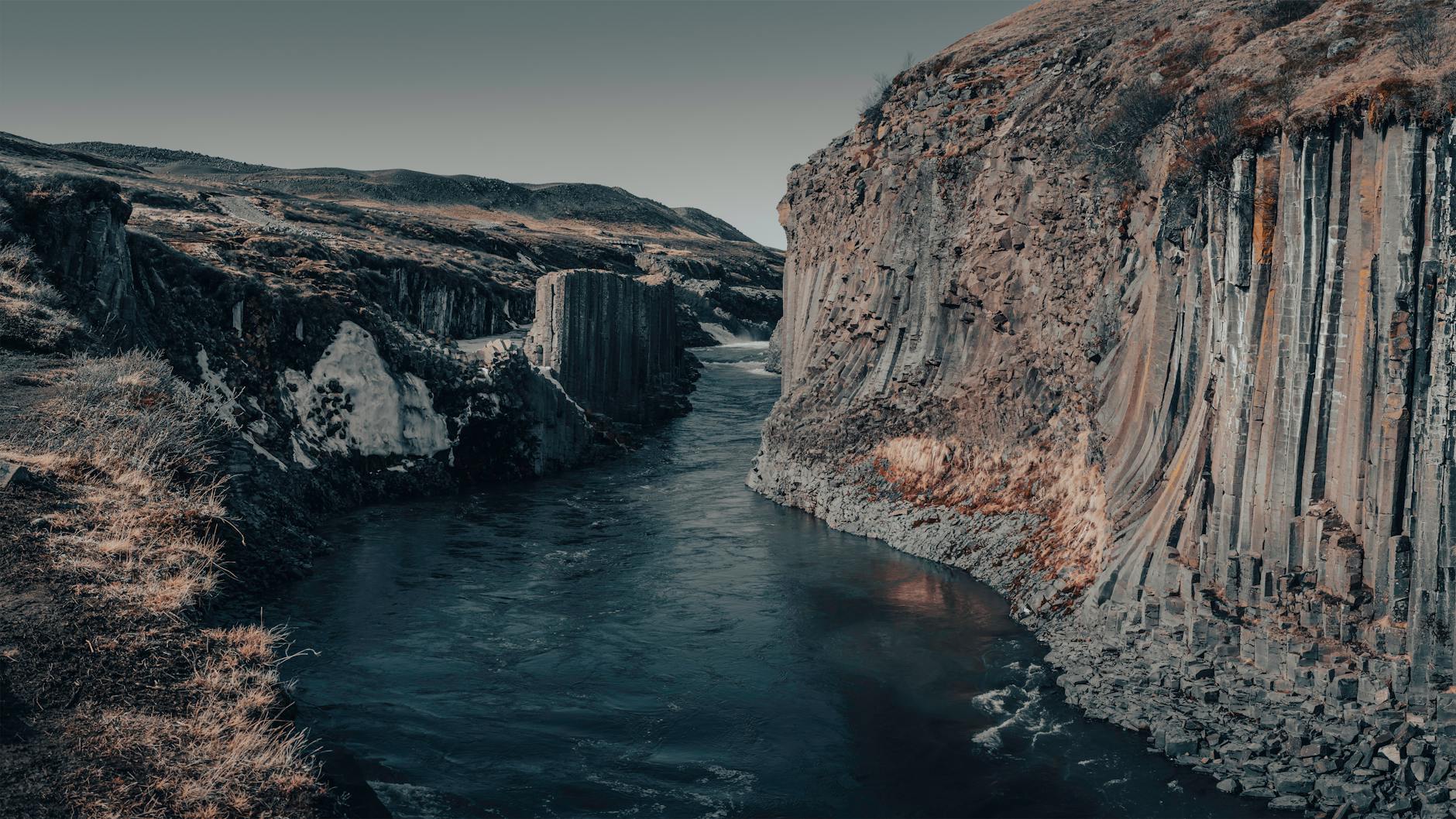
Stuðlagil Canyon
Basalt Column Cathedral
Stuðlagil features towering hexagonal basalt columns revealed when a hydroelectric dam reduced water flow in 2007. The milky turquoise glacial river contrasts dramatically with dark columns, creating one of Iceland's most photogenic spots.
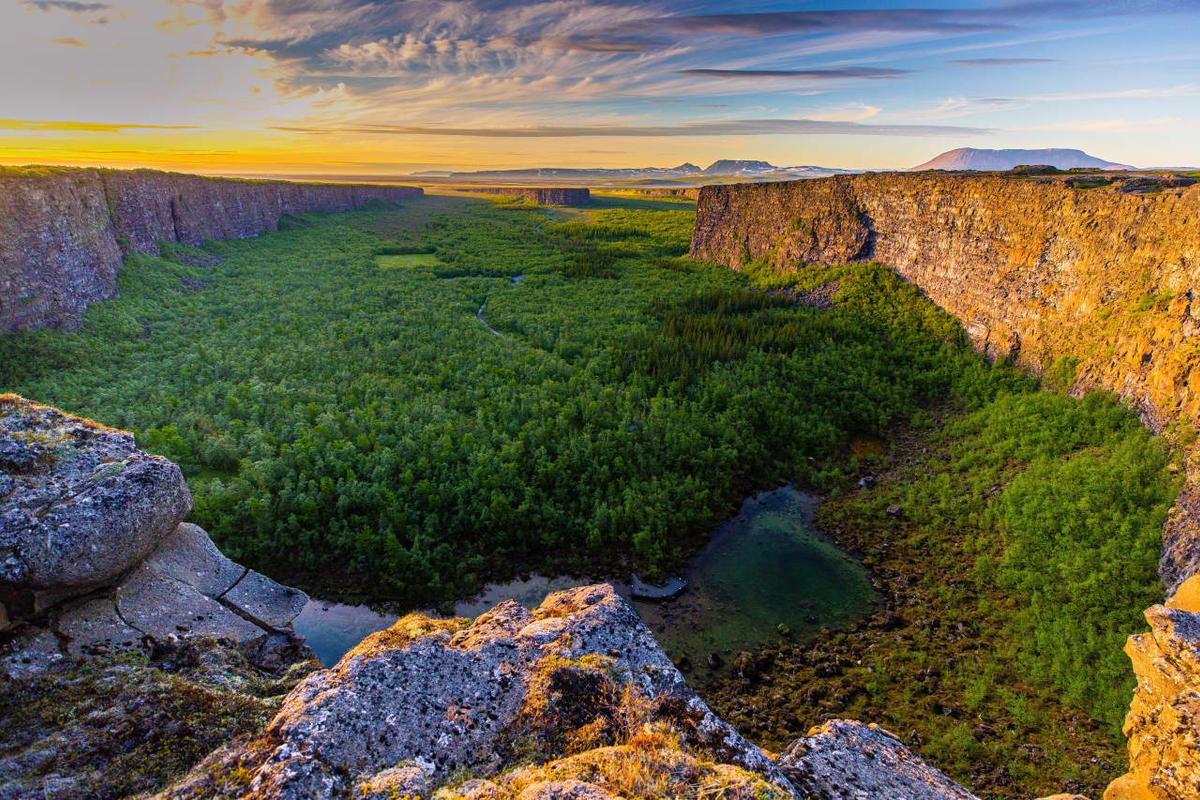

Ásbyrgi
Horseshoe-shaped canyon with birch woodland, dramatic cliffs and easy access to Jökulsárgljúfur.
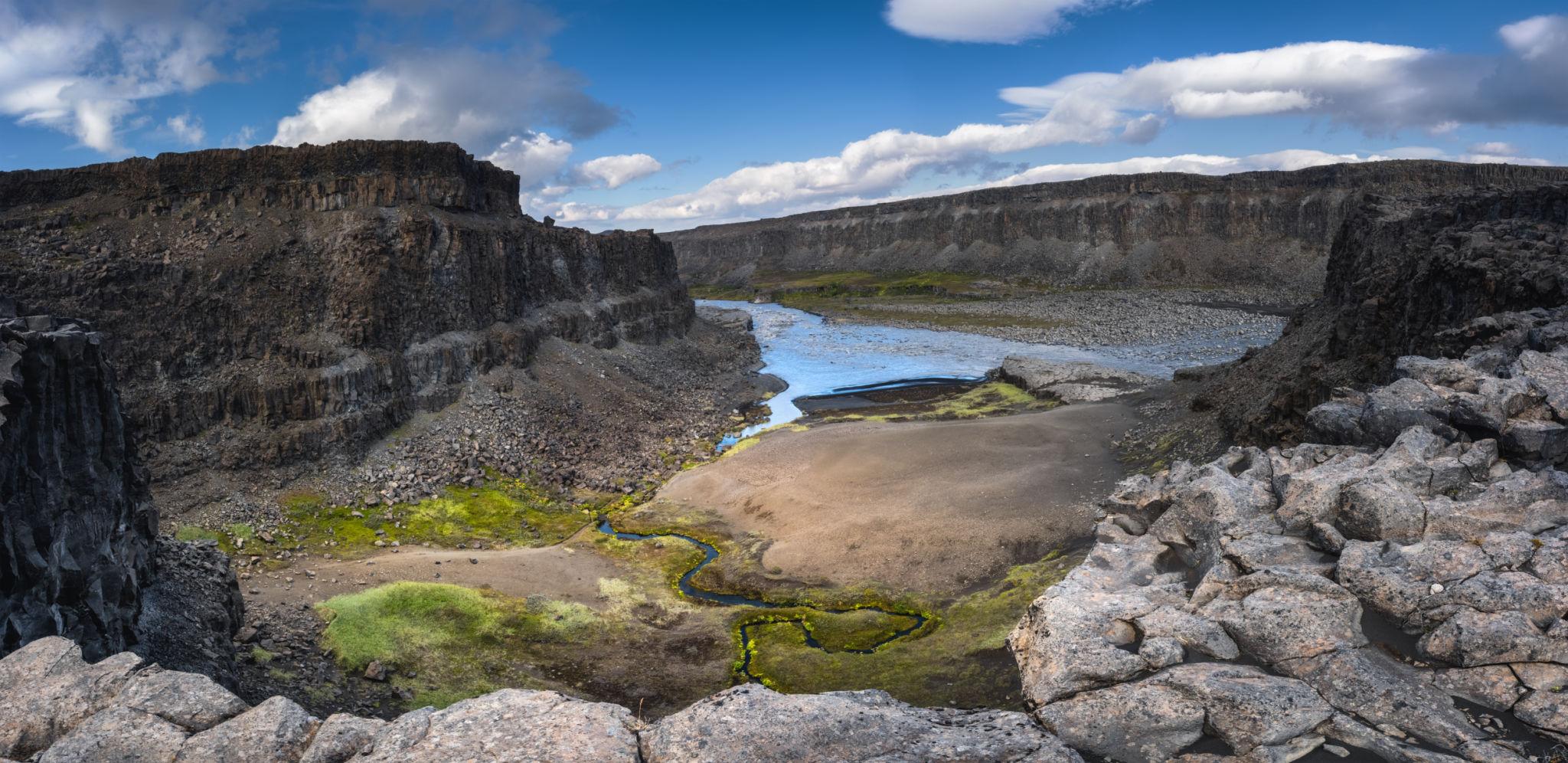
Ásbyrgi is a vast horseshoe-shaped canyon at the northern end of Jökulsárgljúfur in Vatnajökull National Park. Its high cliffs shelter birch woodland, varied birdlife and the small lake Botnstjörn, making the canyon feel strikingly different from the open volcanic landscapes nearby. The site is one of the main gateways into the national park's northern hiking area.

Jökulsárgljúfur
Glacial River Canyon
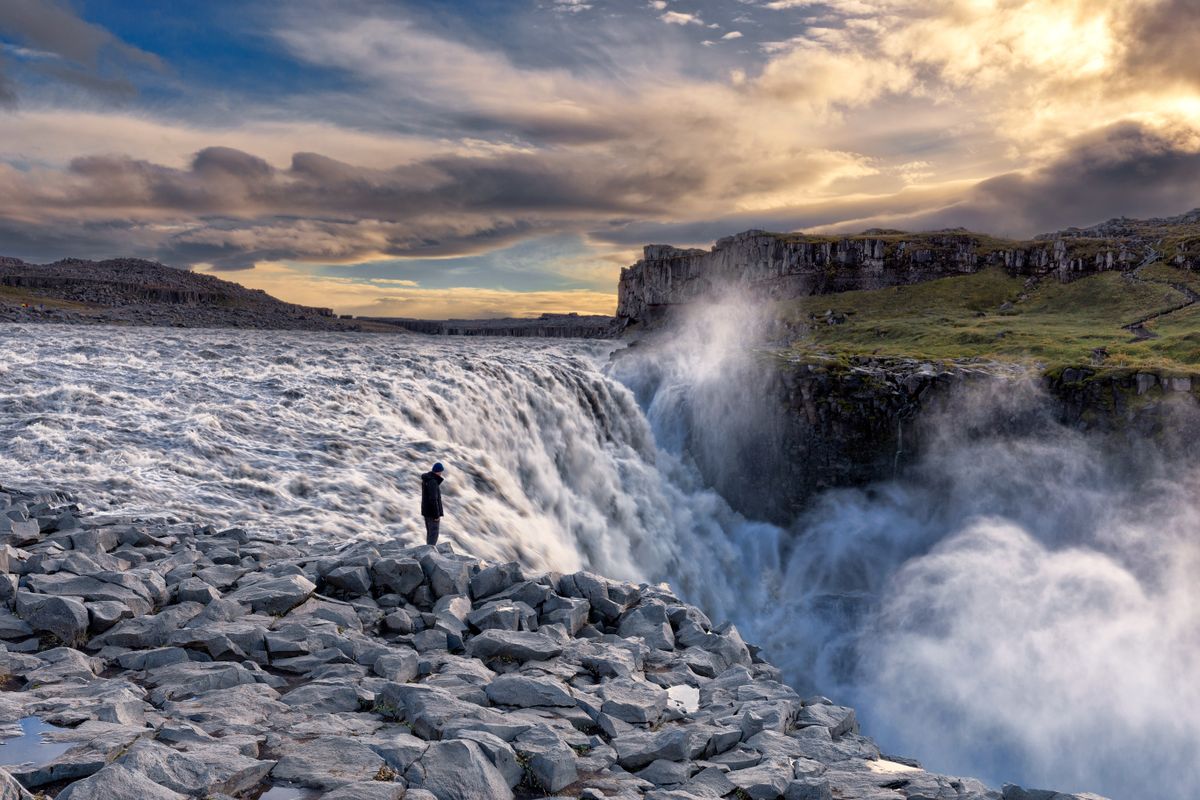
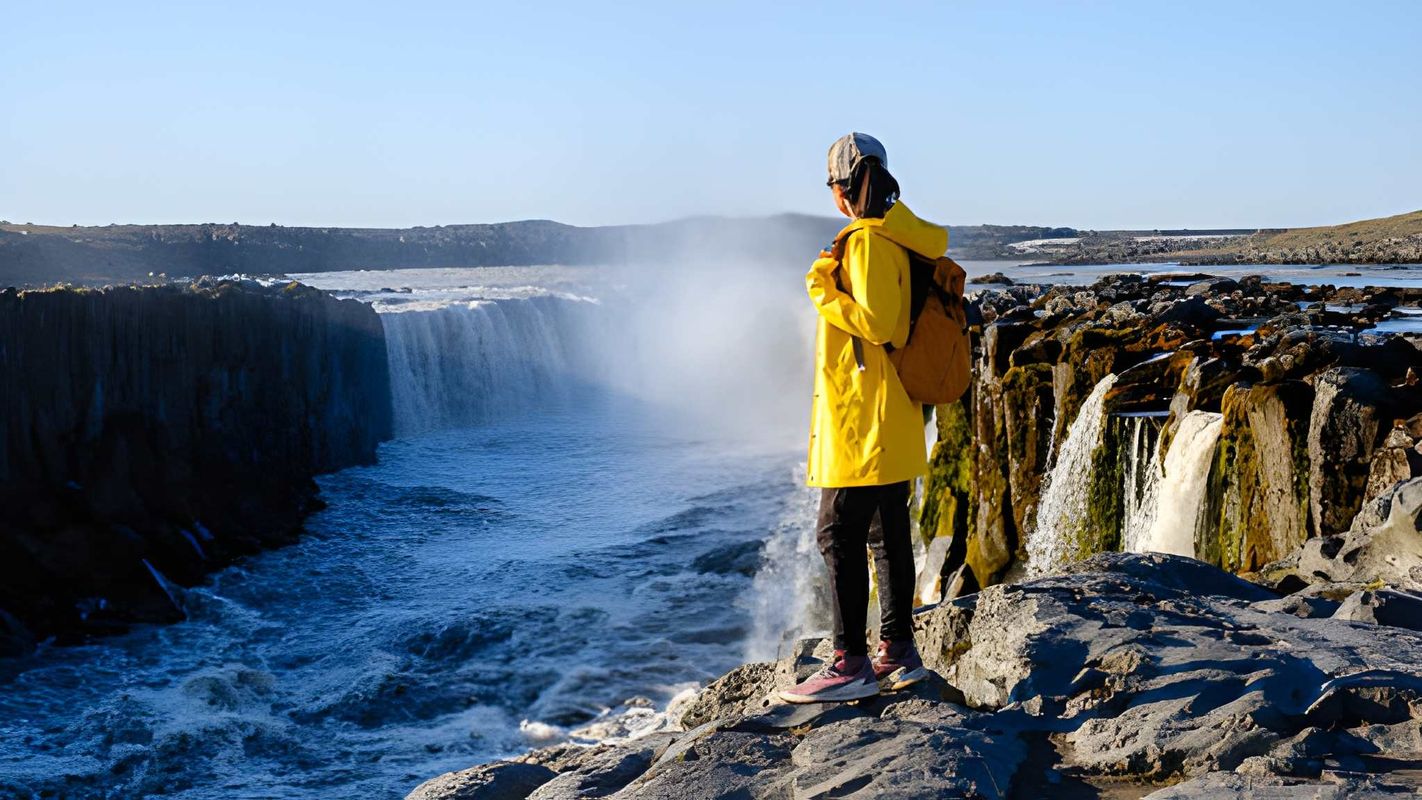
Jökulsárgljúfur is a 25km canyon carved by the powerful Jökulsá á Fjöllum glacial river. The canyon reaches depths of 120m and width of 500m, containing waterfalls Dettifoss, Selfoss, and Hafrag ilsfoss.

Múlagljúfur
Hidden Canyon Paradise
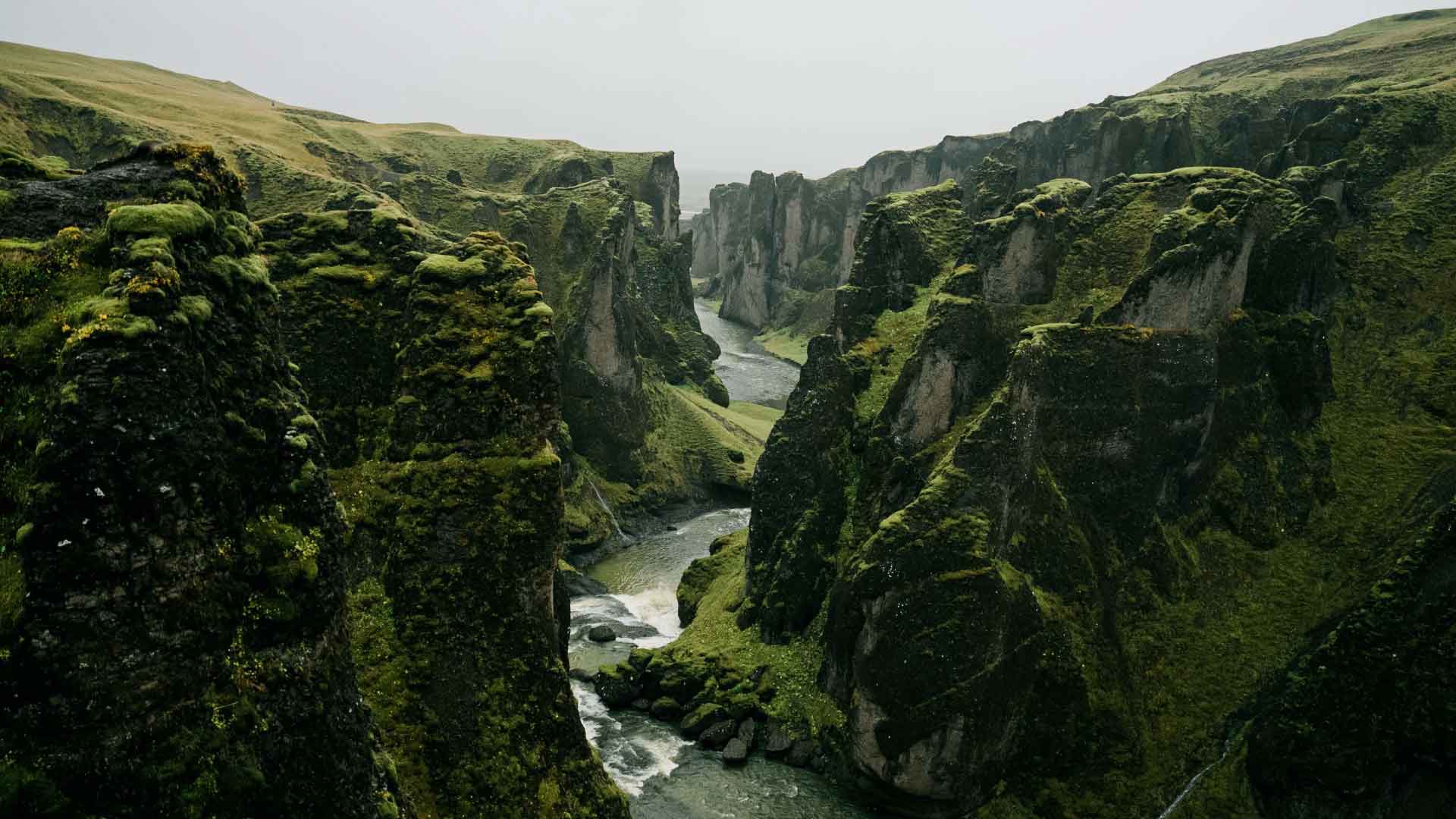
Múlagljúfur is a dramatic canyon below Morsá mountain, featuring multiple waterfalls cascading into a narrow gorge. The highlight is Múlafoss waterfall, but the entire canyon offers spectacular views of water sculpting basalt.


Eldgjá
Vast volcanic fissure and canyon in the southern Highlands.
Eldgjá is an enormous volcanic fissure and canyon in Iceland's southern Highlands, created by one of the great fissure eruptions of the settlement era. The rift extends for many kilometres through the Fjallabak landscape and includes the Ófærufoss waterfall.


Sigöldugljúfur
The 'Valley of Tears' — a highland canyon filled with dozens of small waterfalls cascading into a vivid turquoise lake.
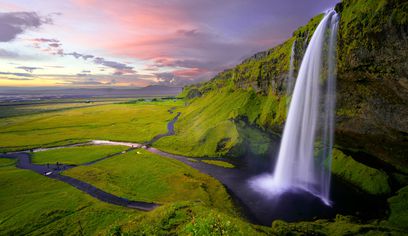
Sigöldugljúfur is a stunning waterfall located in Highlands. This magnificent cascade showcases the raw power and beauty of Iceland's landscape. Fed by glacial meltwater and rainfall, the waterfall is a spectacular sight in all seasons, surrounded by dramatic lava rock formations.

Rauðfeldsgjá
Hidden Ravine
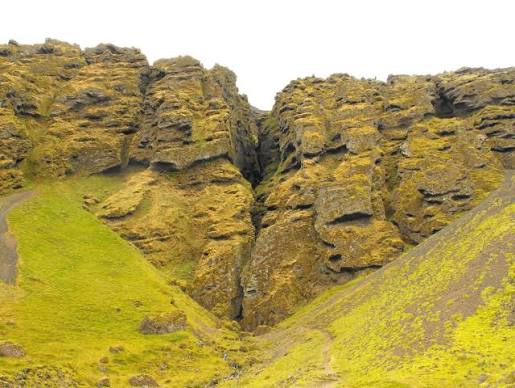
Rauðfeldsgjá is a narrow ravine you can actually walk into, wading through a stream between towering rock walls. According to Bárðar Saga, the outlaw Bárður threw his nephew into this gorge. The setting is dramatic and mysterious.

Almannagjá
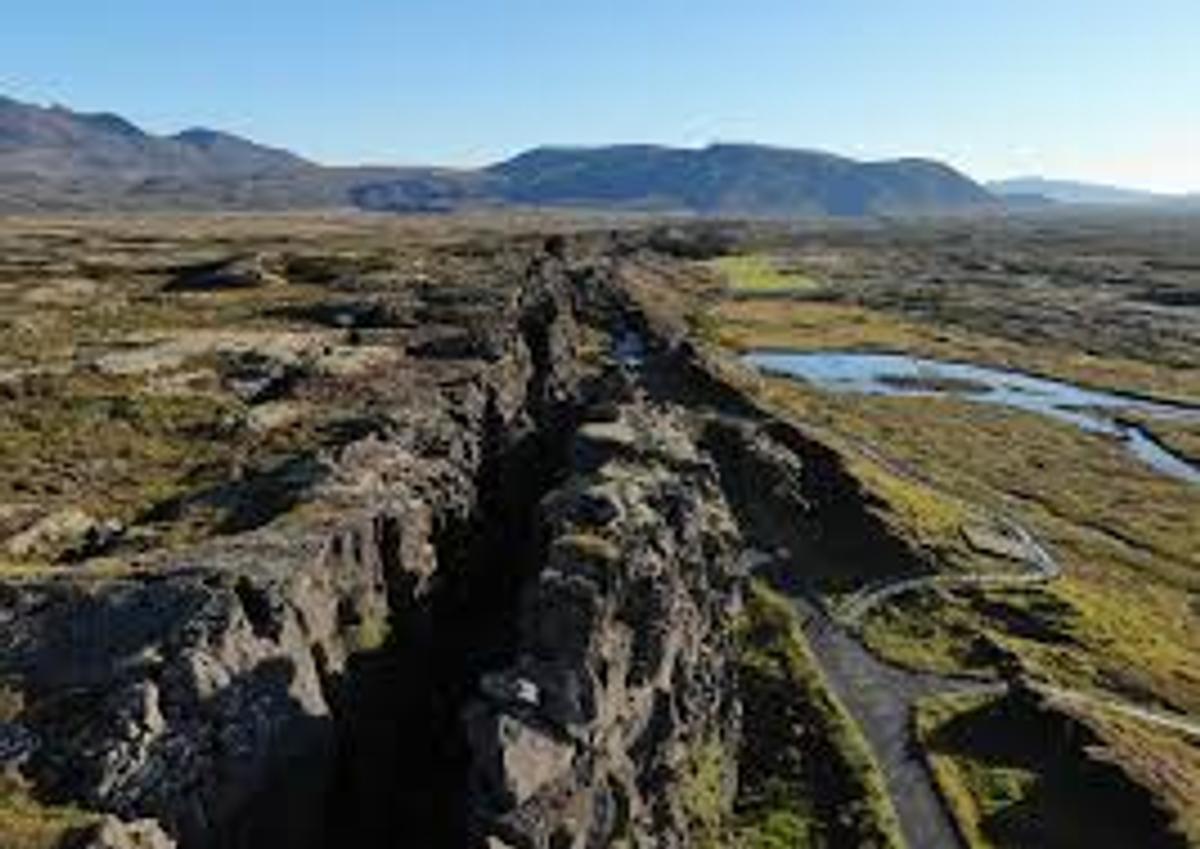
Walk through Almannagjá, the dramatic gorge where the North American and Eurasian tectonic plates slowly pull apart.
Almannagjá, or 'Everyman's Gorge,' is a dramatic tectonic fissure within Þingvellir National Park, showcasing the visible boundary where the North American and Eurasian plates diverge. A marked walking route leads you through this stunning rift valley, flanked by imposing lava walls, offering a unique blend of geological wonder and profound historical significance.
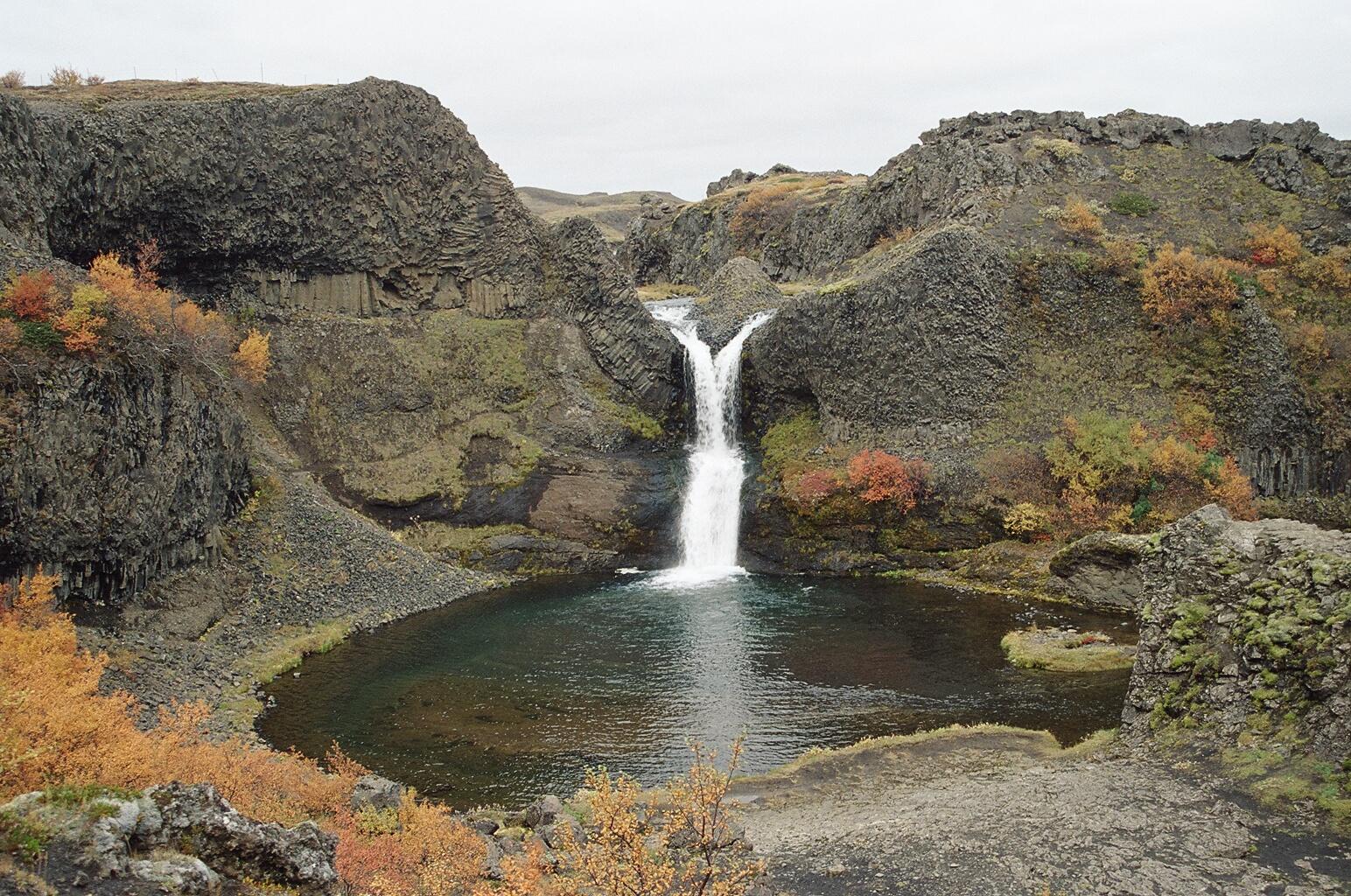

Gjáin
Secret Waterfall Oasis
Gjáin is a hidden ravine featuring multiple waterfalls, lush vegetation, caves, and vivid green moss. The crystal-clear river creates pools and cascades in a fairy-tale setting that feels otherworldly.
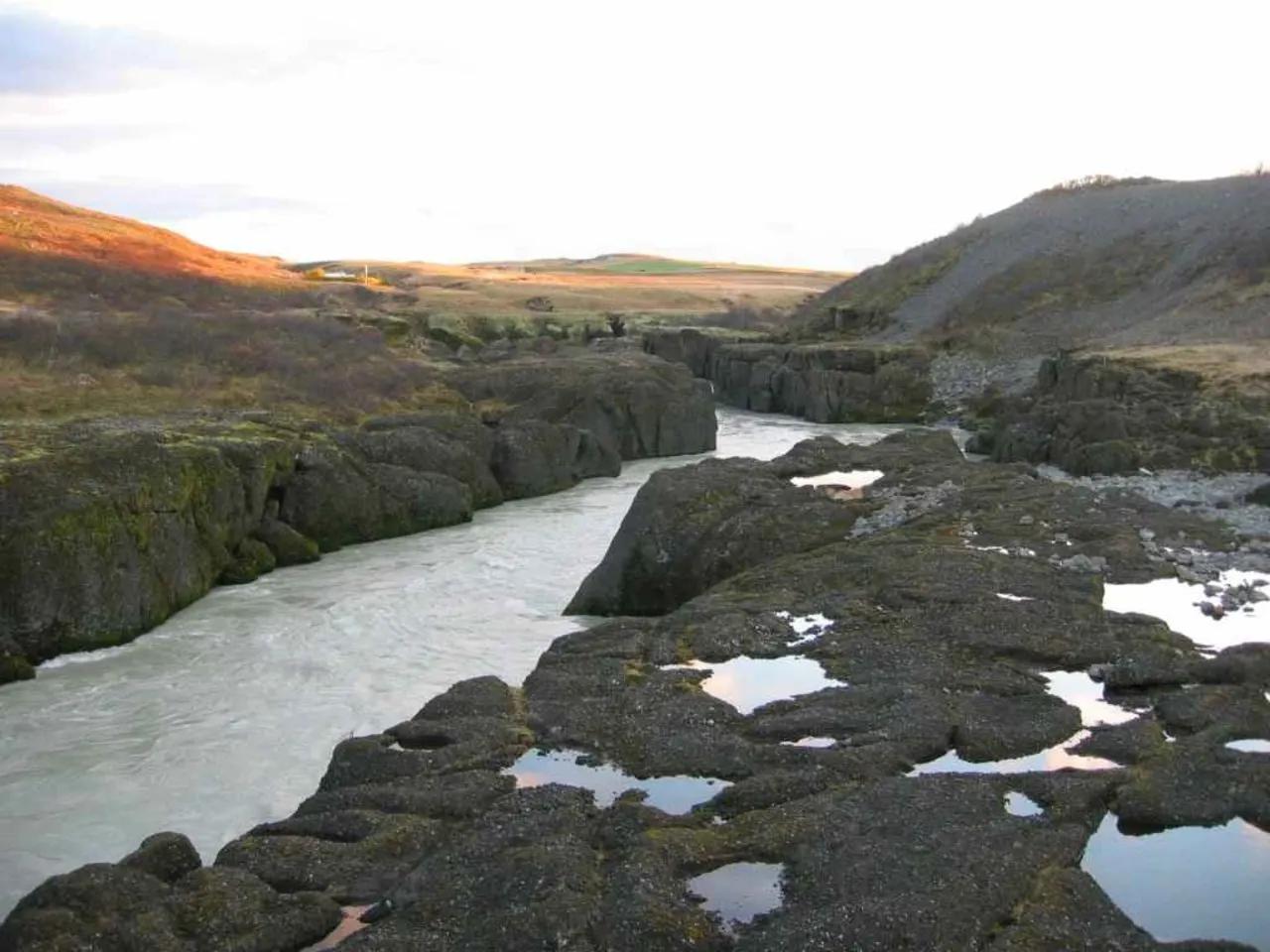

Brúarhlöð
Bridge Gorge
Brúarhlöð is where the powerful glacial river Hvítá (from Langjökull glacier) cuts through ancient lava rock, creating deep pools and rapids. The turquoise-blue water contrasts dramatically with black basalt.
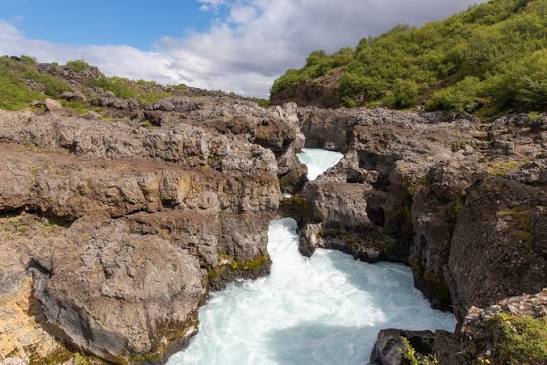

Barnafoss Canyon
Children's Waterfall
Barnafoss (Children's Waterfall) is where Hvítá river crashes through a narrow lava canyon in powerful rapids and whirlpools. The name comes from a tragic legend of two children who fell from a stone arch that once spanned the gorge.
Highlands · F-Road Only
Eldgjá — The Fire Gorge
At 40 km long, 600 m wide and up to 270 m deep, Eldgjá is the world's largest volcanic canyon. Formed in a catastrophic eruption around 939 AD, it sits in the Highlands between Landmannalaugar and Skaftá. Inside is the beautiful Ófærufoss waterfall — a double cascade into the gorge floor.
- Only accessible via F-road (F233) — 4WD required
- Open mid-June to mid-September
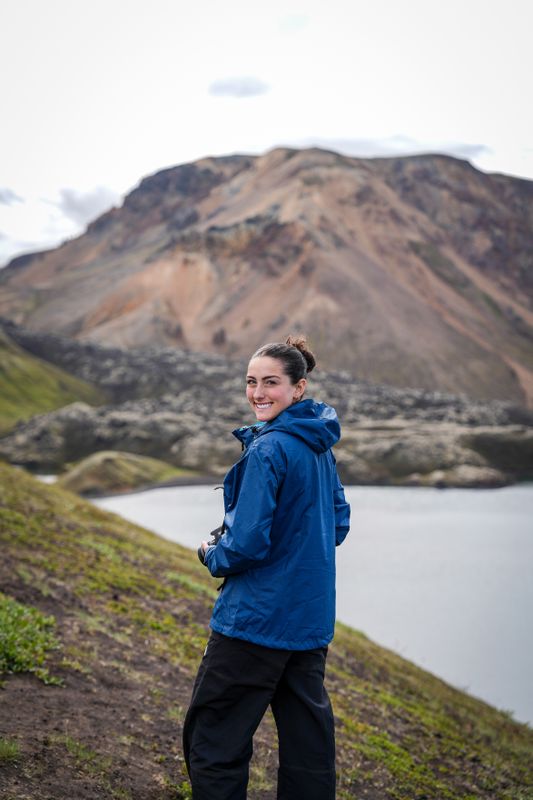
- Often combined with Landmannalaugar multi-day hike

Iceland Highlands
Remote canyon country
All Canyons in Iceland
21 canyons in our database
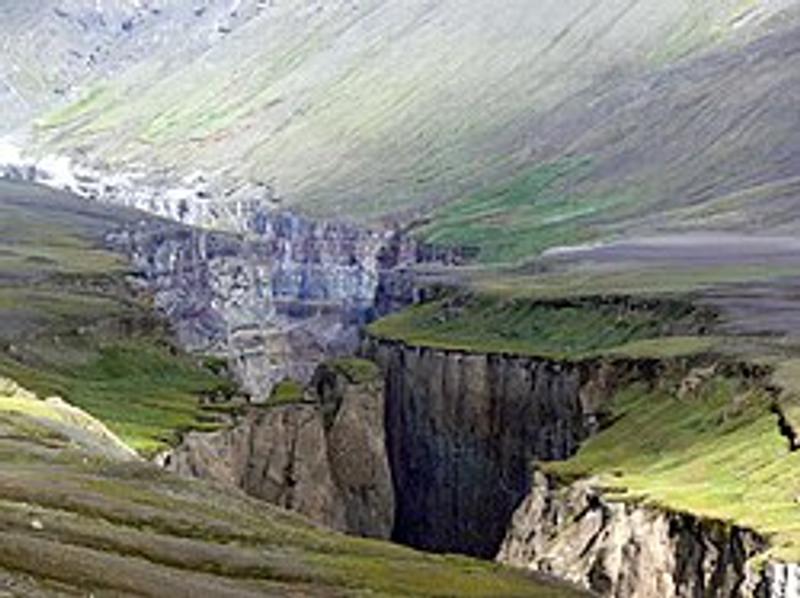
Dimmugljúfur og Hafrahvammagljúfur
highlands
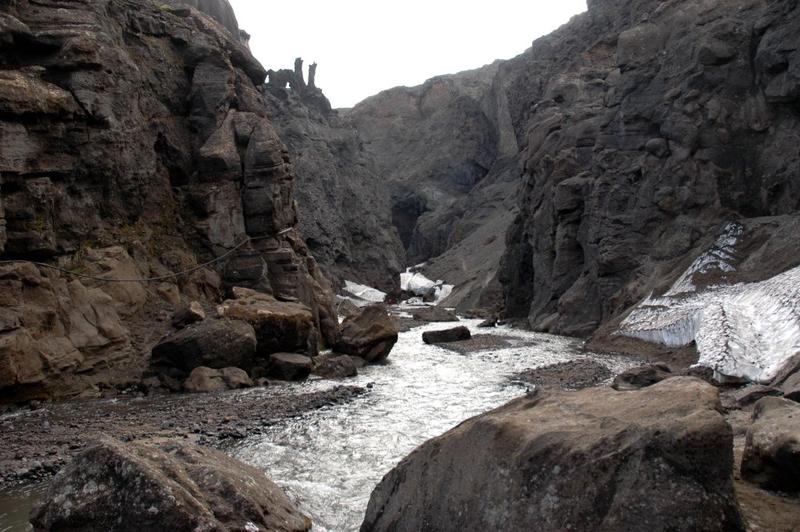
Drekagil
highlands
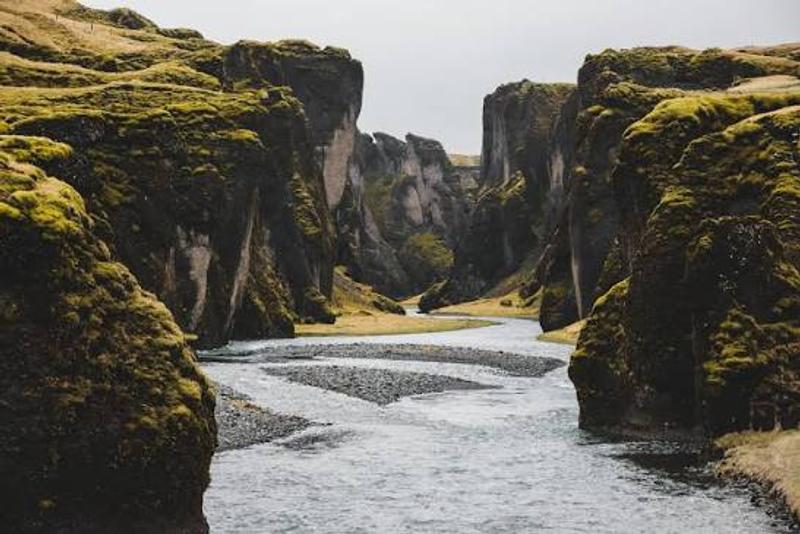
Fagradalsárgljúfur
east-iceland
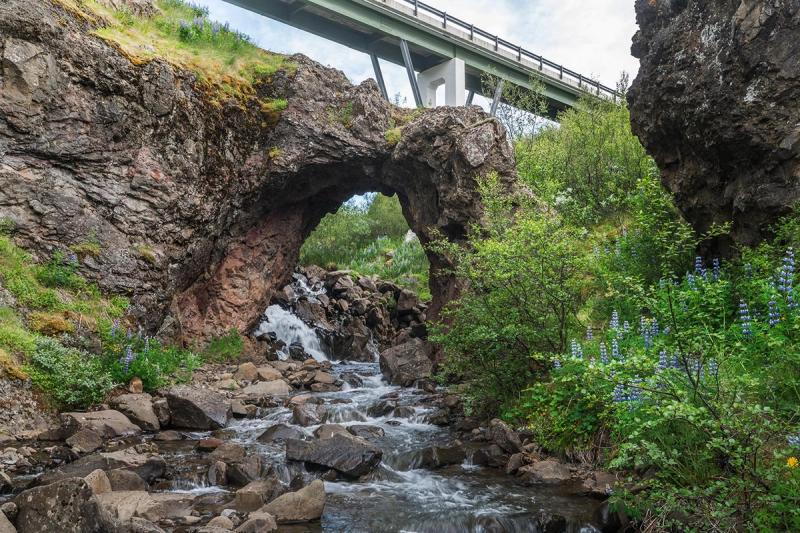
Klifá
east-iceland
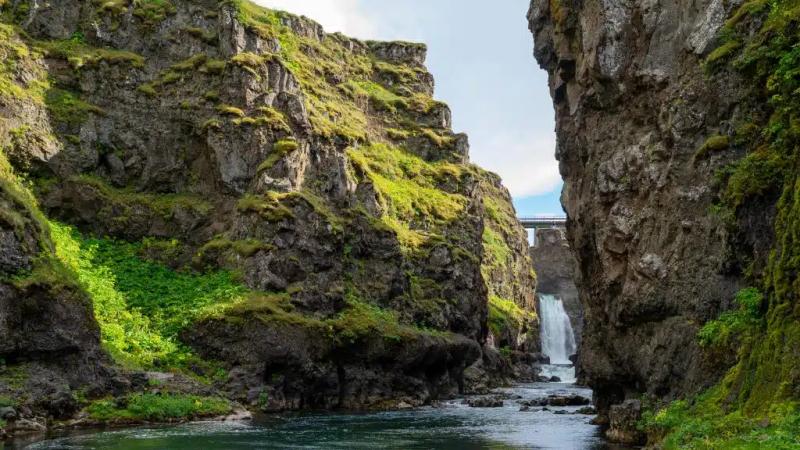
Kolugljúfur
north-iceland
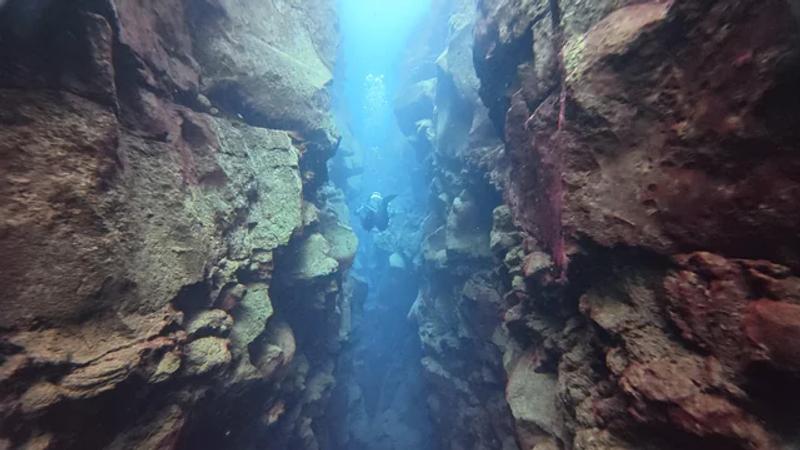
Davíðsgjá
golden-circle
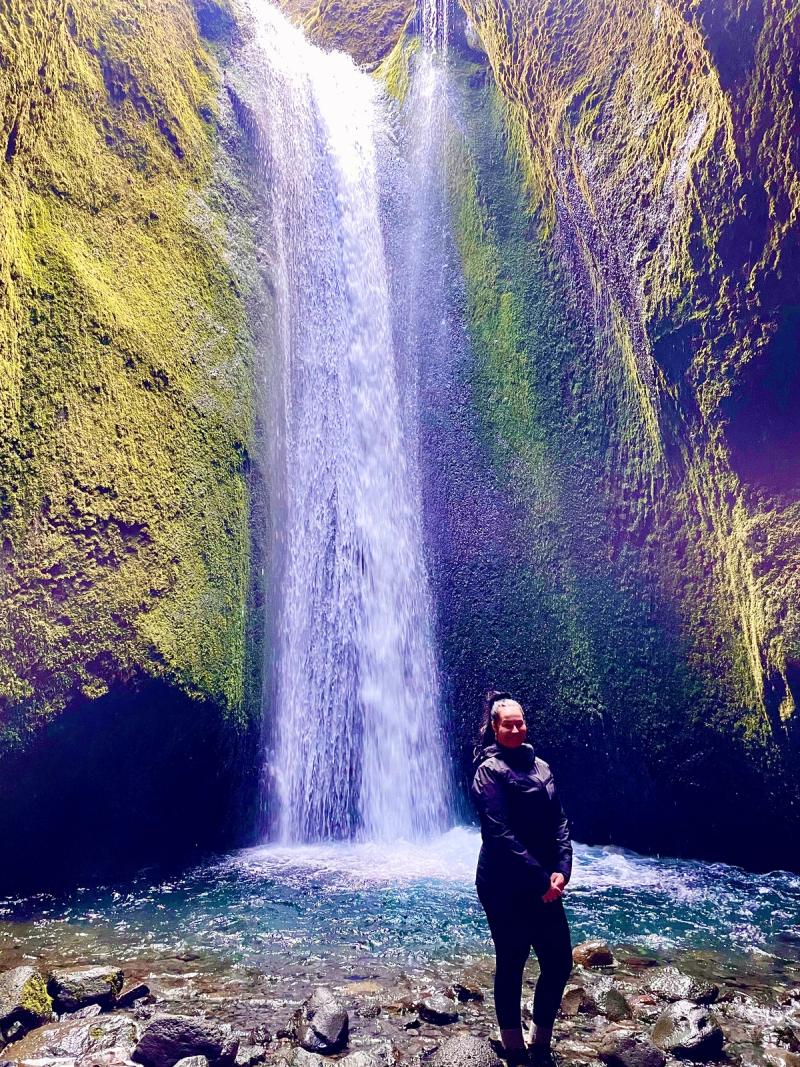
Nauthúsagil Canyon
south-iceland
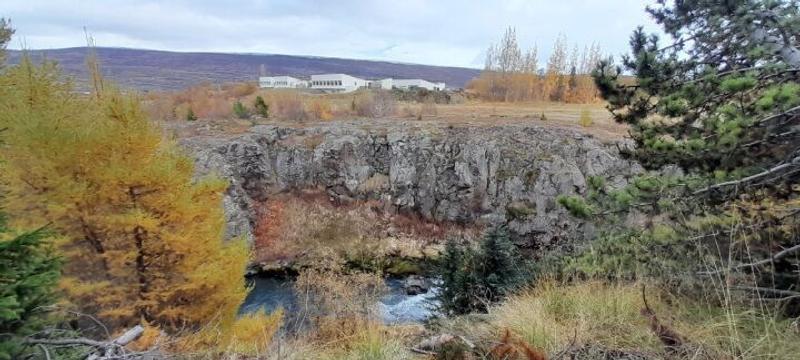
Glerárgil
north-iceland
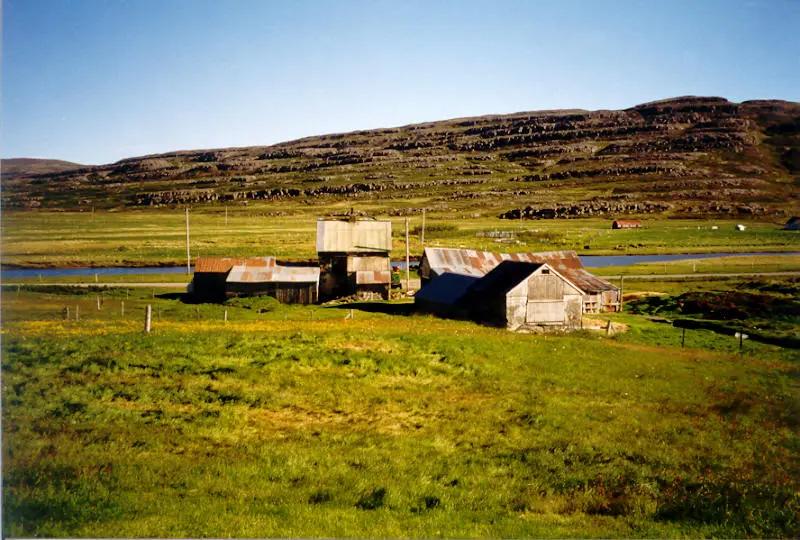
Goðdalur
westfjords
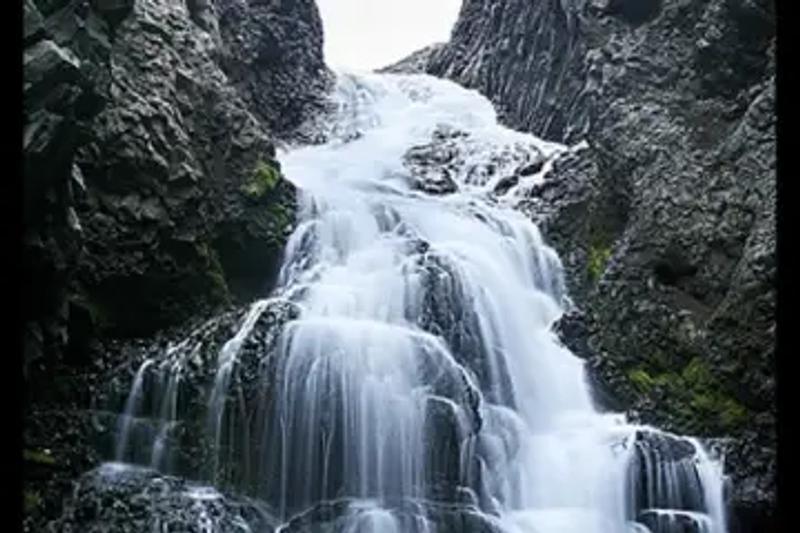
Innra-Hvannagil
east-iceland
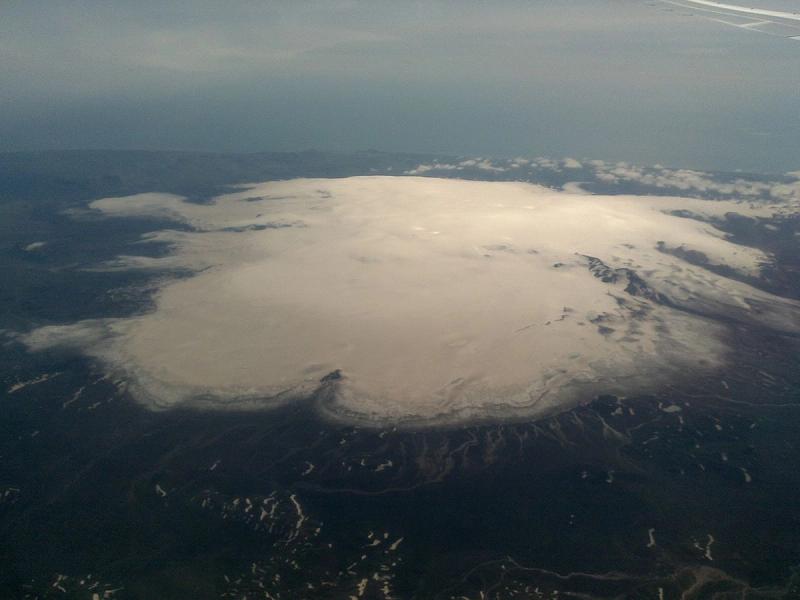
Jökulsárgil
east-iceland
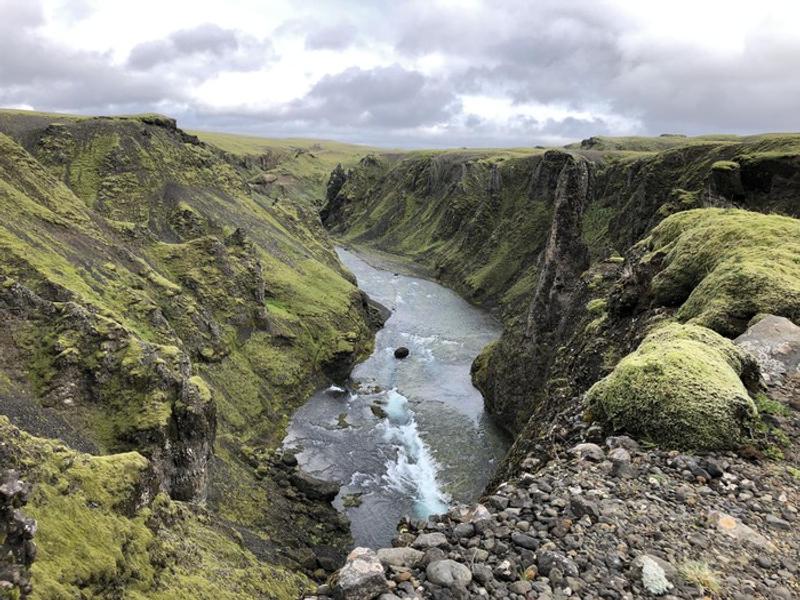
Laxárgljúfur
south-iceland
Lýsugljúfur
snaefellsnes
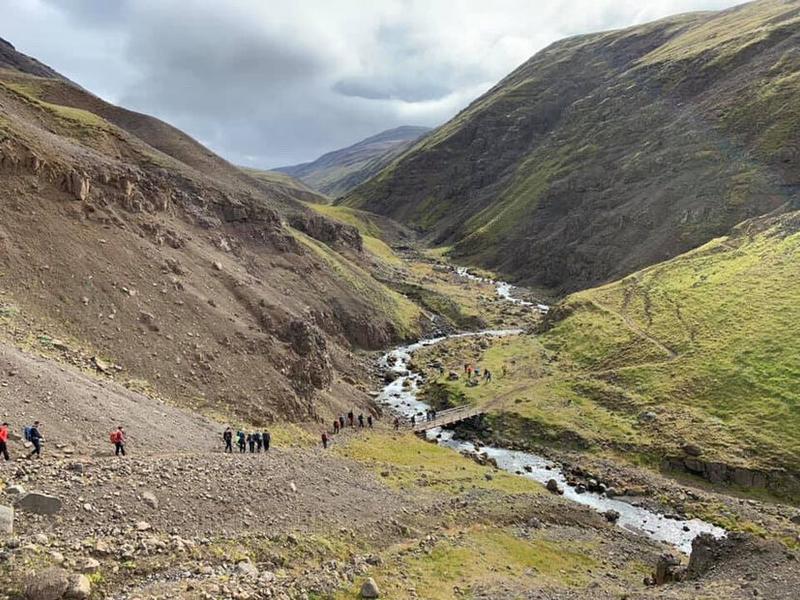
Merkigil
north-iceland
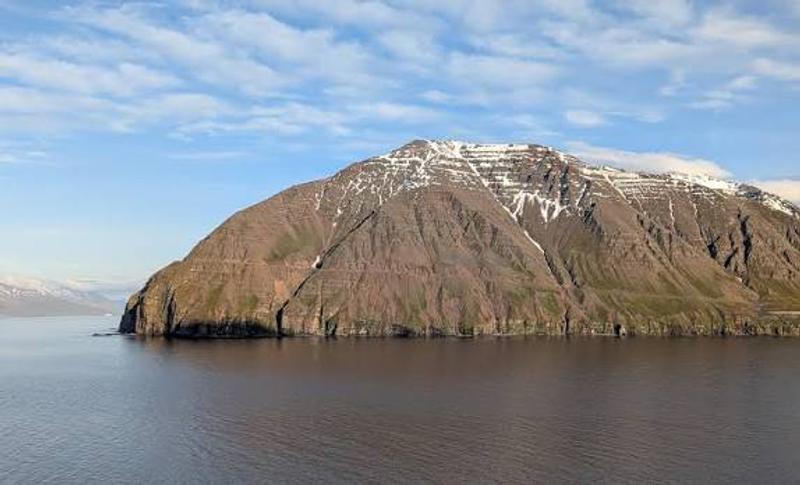
Ólafsfjarðarmúli
north-iceland
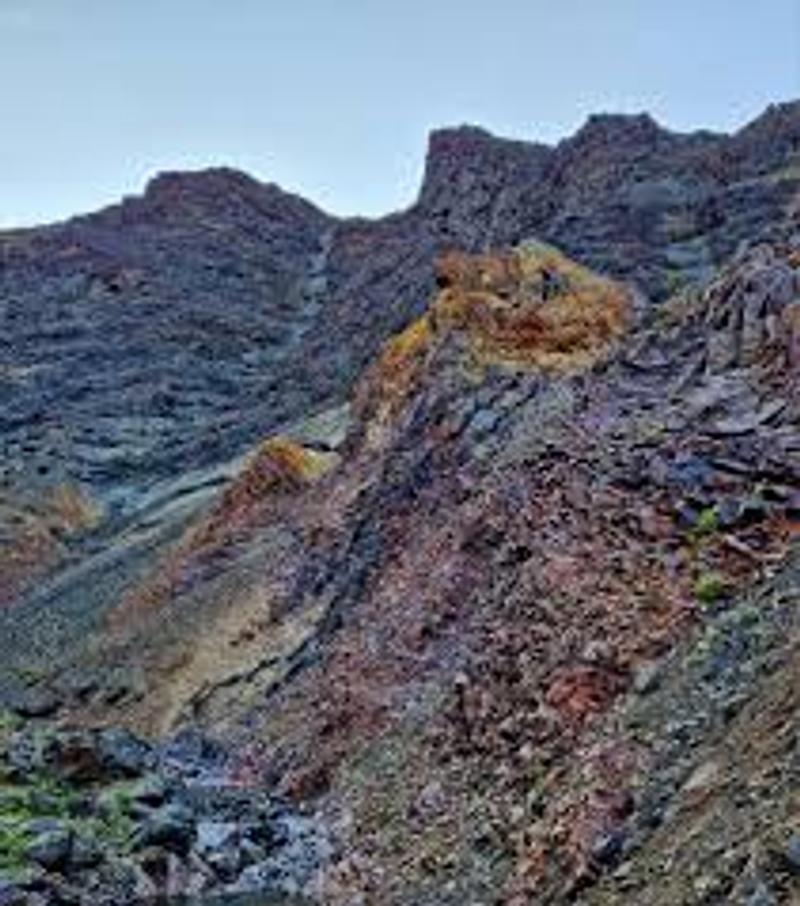
Ránargil
west-iceland
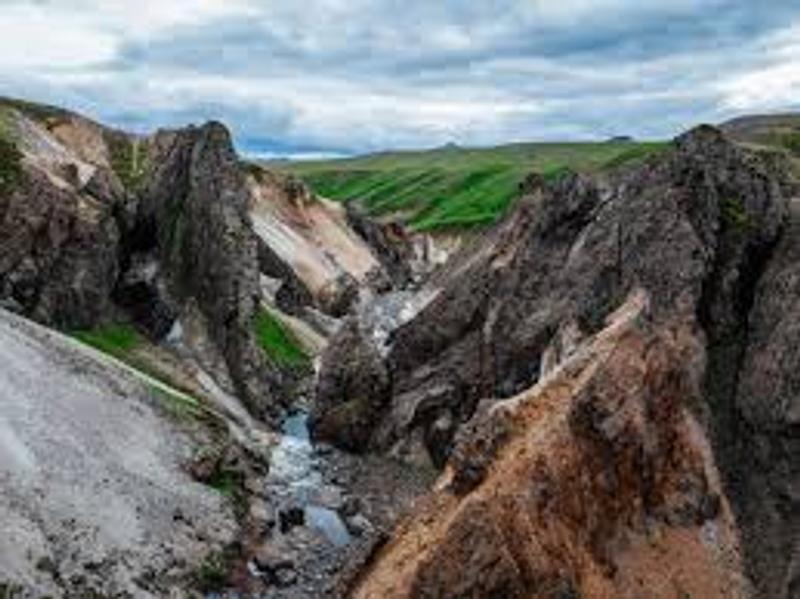
Þverárgil
east-iceland
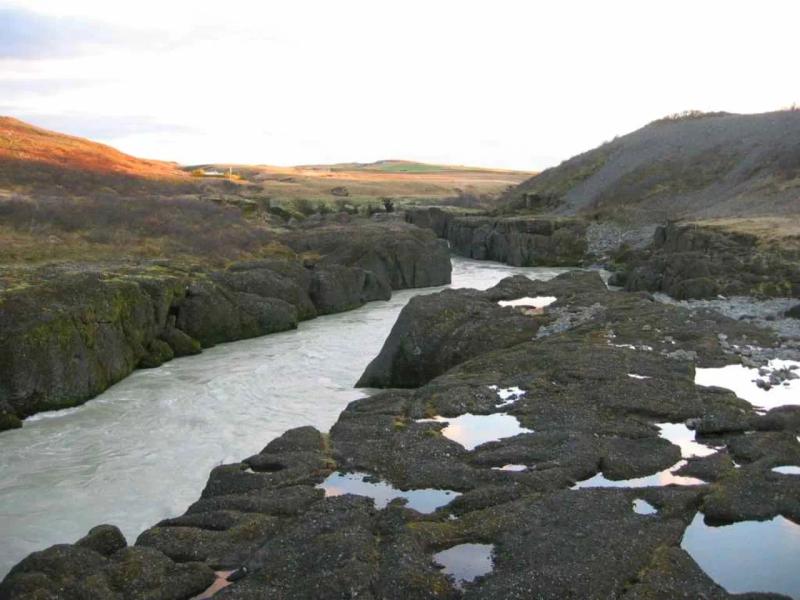
Brúarhlöð Canyon (Golden Circle)
south-iceland
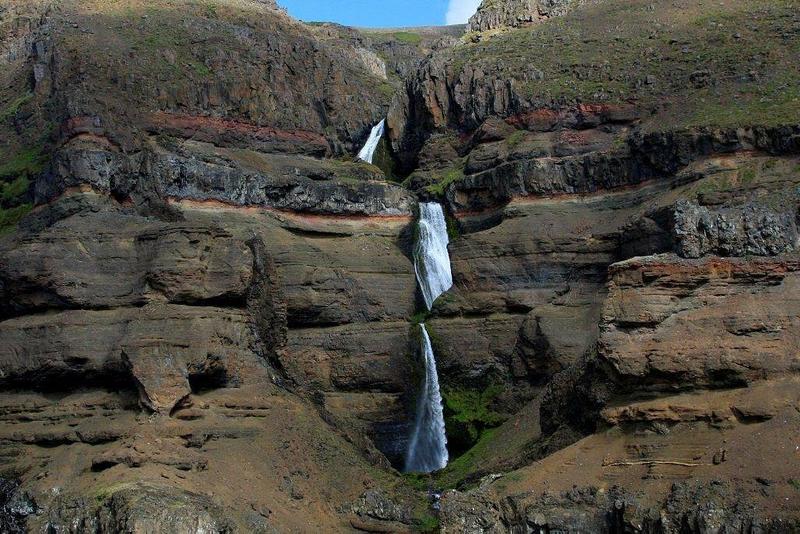
Bólugil
north-iceland
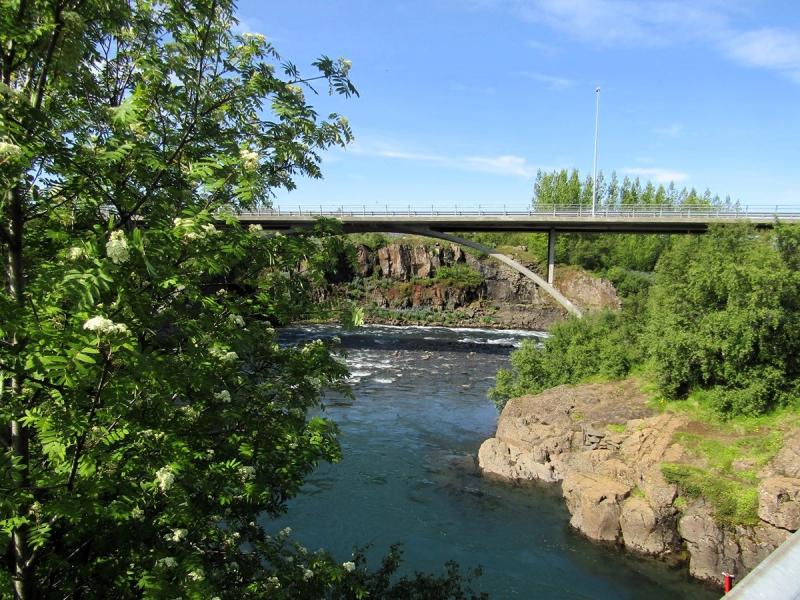
Eyvindarárgil
east-iceland
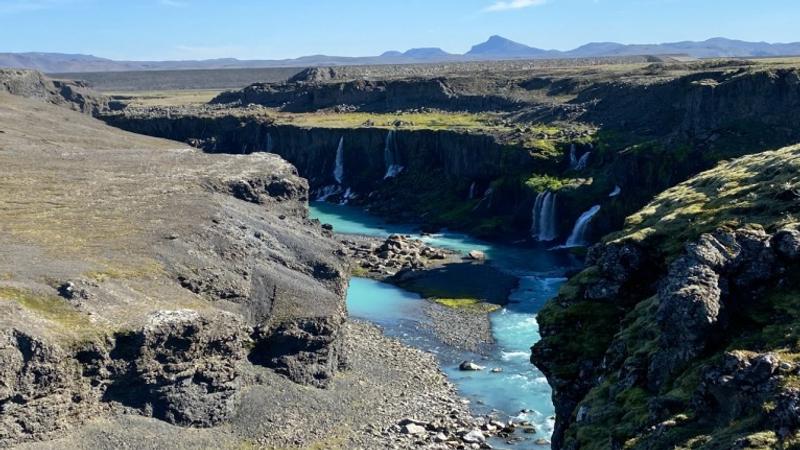
Tungnaárgljúfur í Sigöldu
highlands
Which Canyon Experience Is Right for You?
Choose the format that fits your trip
Rim Hiking
- Walk canyon edges with panoramic views
- Browse canyon hiking tours →
Photography
- Golden hour shots at Fjaðrárgljúfur
- Browse photo tours →
Self-Drive
- Diamond Circle — Ásbyrgi & Jökulsárgljúfur
- Iceland trip planner →
Guided Tour
- Expert guides for remote canyon access
- Browse guided canyon tours →
Explore Canyon Tours in Iceland
Guided trips to Iceland's most dramatic canyons, Highlands gorges and glacial river valleys — with expert local guides
 11 hours
Landmannalaugar and the Valley of Tears
Glaciers and Waterfalls
From
29,400 ISK
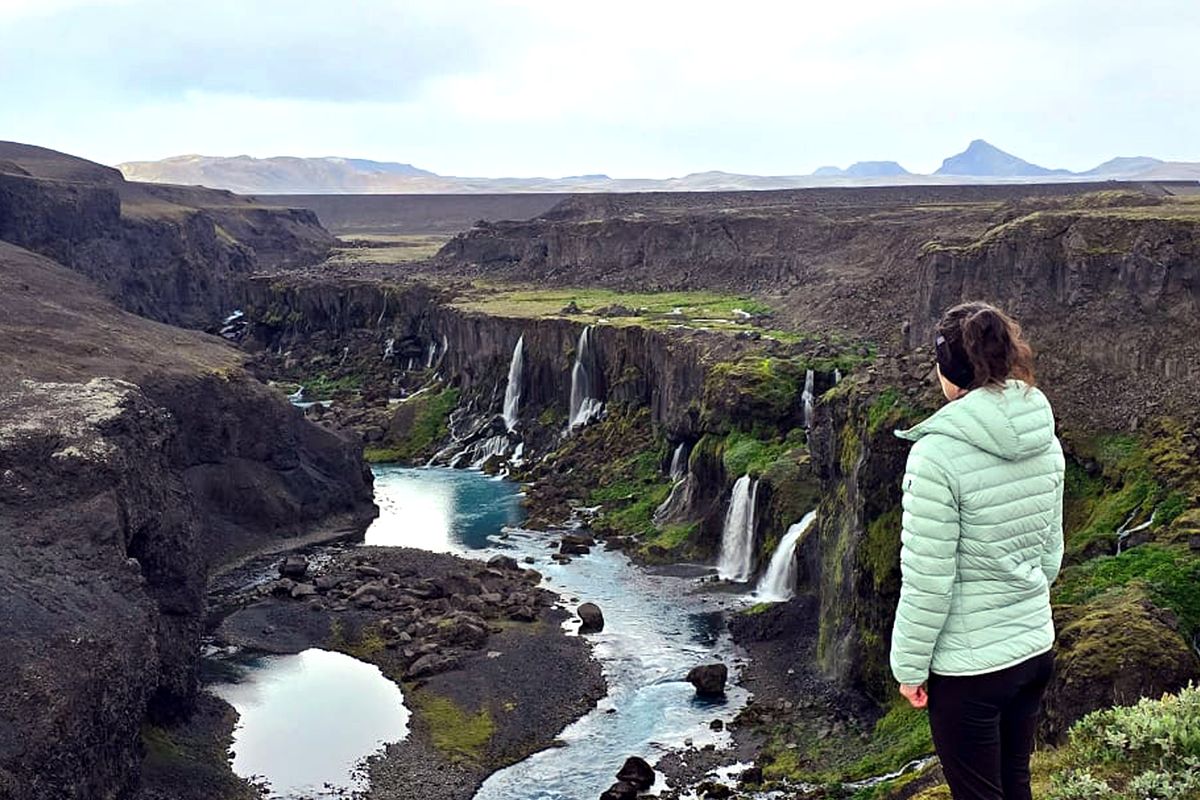 11 hours
Landmannalaugar Hike and the Valley of Tears in a 4x4 Super
Glaciers and Waterfalls
From
41,400 ISK
 11 hours
Private Landmannalaugar and The Valley of Tears
Glaciers and Waterfalls
From
271,500 ISK
Private Diamond Circle Tour
Imagine Iceland Travel
From
265,000 ISK
 8 hours 30 minutes
Akureyri Port: Small Group Diamond Circle Express Shore Excursion
Nordur Travel Services ehf
From
30,150 ISK
Visiting Icelandic Canyons Safely
Before You Go
- Check weather and road conditions — many trails close in bad weather
- Wear hiking boots with good grip — trails can be muddy and steep
- Bring waterproof clothing — slot canyons often have flowing water
- Respect trail closures — erosion prevention is critical
While Visiting
- Stay on marked trails — cliff edges can be unstable
- Never throw rocks into canyons — people may be below
- Be aware of sudden weather changes — flash floods can occur
- Supervise children closely near cliff edges
Photography Tips
- Wide-angle lens for canyon walls and narrow gorges
- Morning and late afternoon light create dramatic shadows
- Polarizing filter reduces glare from wet rocks
- Tripod recommended for long exposures of waterfalls
Frequently Asked Questions
What is the most famous canyon in Iceland?
Fjaðrárgljúfur is Iceland's most famous canyon — a 2-kilometre-long gorge near Kirkjubæjarklaustur in South Iceland. It gained worldwide attention after appearing in a Justin Bieber music video in 2015. Easy to access from the Ring Road with a well-marked rim trail.
Can you walk inside Icelandic canyons?
Yes, several allow visitors to walk inside. Rauðfeldsgjá on the Snæfellsnes Peninsula is a popular slot canyon where you wade through shallow water to explore a hidden waterfall. Many others have rim trails only, to prevent erosion and ensure safety.
When is the best time to visit Iceland's canyons?
Summer (June–August) offers the best access and conditions. Highland canyons like Sigöldugljúfur and Eldgjá are only accessible via F-roads in summer. Ásbyrgi, Fjaðrárgljúfur and Kolugljúfur are accessible year-round, though winter visits require caution due to ice and snow.
Do I need a 4WD to visit Iceland's canyons?
It depends on the canyon. Fjaðrárgljúfur, Stuðlagil (east side), Ásbyrgi and Kolugljúfur are accessible by regular 2WD car. Highland canyons like Sigöldugljúfur and Eldgjá require 4WD and summer-only F-road access. Always check road.is before setting out.
What is the deepest canyon in Iceland?
Eldgjá is the deepest, reaching 270 metres at its deepest point. This volcanic fissure in the Highlands was formed by a catastrophic eruption around 939 AD and is 40 km long and 600 m wide — the world's largest volcanic canyon. Accessible via F-road in summer only.
More Iceland Natural Wonders
🌌 See the Northern Lights
Track real-time aurora activity and plan your Northern Lights trip with AuroraVision.