
Reykjavík
Travel Guide
One of Europe's most unusual capitals — a compact, colourful, geothermally-heated city where third-wave coffee houses, world-class museums and Michelin-level kitchens sit beneath the Northern Lights, minutes from volcanoes, glaciers and the open North Atlantic. This is the definitive guide to visiting.
人口
~140,000
货币
ISK
语言
Icelandic
01简介
为什么雷克雅未克与众不同
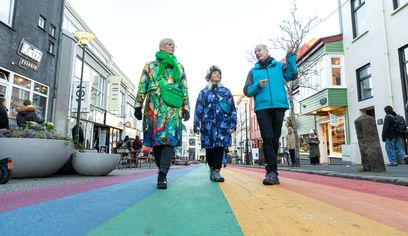
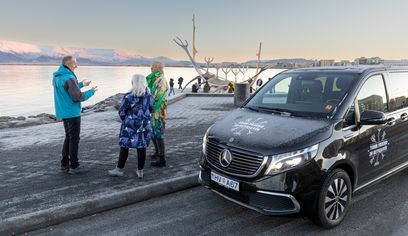
Reykjavík is a capital that shouldn't quite work — and that's exactly why it's so captivating. Home to roughly 140,000 people (about 250,000 in the wider metro area, two-thirds of the entire nation), it is the smallest capital of any sovereign state in Europe, yet it punches so far above its weight in culture, cuisine and creativity that visitors routinely leave stunned. Perched at 64°N, just below the Arctic Circle, it is the northernmost capital on Earth, a city of candy-coloured houses and corrugated iron warmed entirely by the volcanic heat beneath its streets.
The name itself tells the founding story. When the Norse settler Ingólfur Arnarson arrived around 874 AD, he saw columns of steam rising from the geothermal fields and called the place Reykjavík — "Smoky Bay." That steam was not smoke but the breath of the planet, and it still defines the city today: every home, every swimming pool, every greenhouse is heated by naturally hot water piped from the ground. Reykjavík is one of the cleanest, most sustainably powered cities in the world, running almost entirely on geothermal and hydroelectric energy.
Culture runs impossibly deep here. This is the city that gave the world Björk, Sigur Rós and Of Monsters and Men; that hosts Iceland Airwaves, one of the planet's most beloved music festivals; that has more writers, artists and musicians per capita than almost anywhere. Icelanders are voracious readers — the country publishes and buys more books per head than any other nation, a phenomenon locals call the jólabókaflóð, the "Christmas book flood." Bookshops double as cafés, galleries spill onto the streets, and the whole city feels like an ongoing creative conversation.
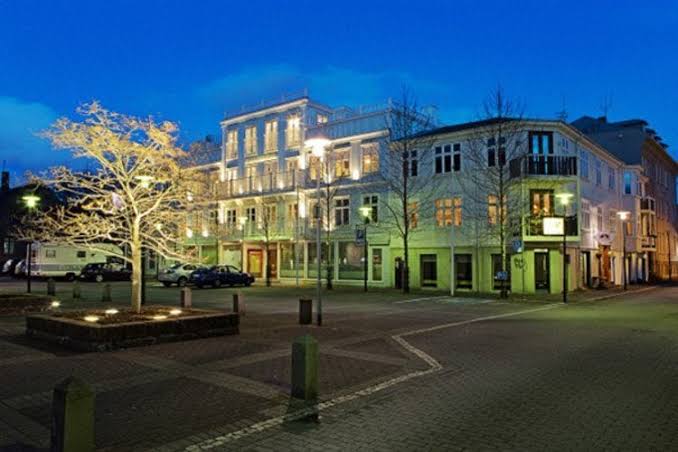
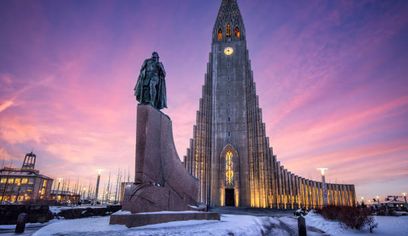
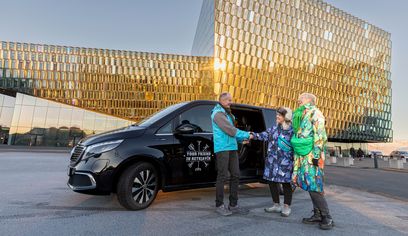
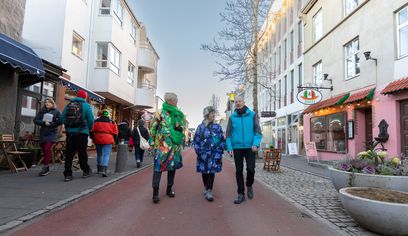
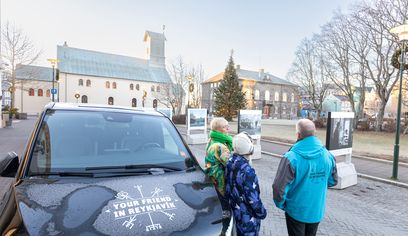
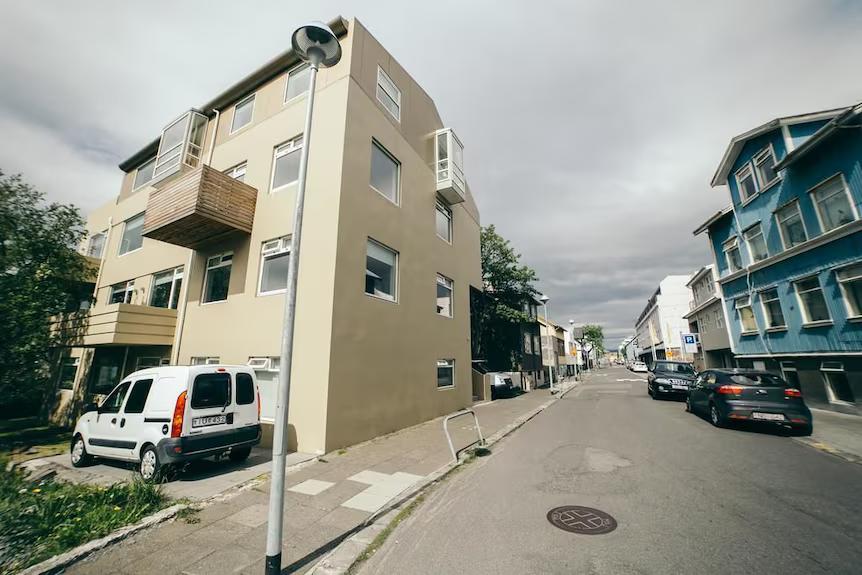
Architecture is a study in contrasts. The soaring concrete columns of Hallgrímskirkja, inspired by Iceland's basalt lava formations, rise 74 metres over the low-slung old town of tin-clad timber houses in reds, blues and yellows. Down on the harbour, Harpa's shimmering glass honeycomb — designed with artist Olafur Eliasson — catches and scatters the ever-changing Arctic light. Between them lies a walkable, human-scaled centre where nothing feels monumental and everything feels alive.
Nature is never more than minutes away. From almost any street you can see Mount Esja brooding across the bay; step to the waterfront and the North Atlantic stretches to the horizon. Within an hour's drive lie erupting geysers, thundering waterfalls, black-sand beaches, glaciers and, on the Reykjanes Peninsula, active volcanoes. Reykjavík is the launchpad for nearly every great Icelandic journey — the Golden Circle, the South Coast, the Blue Lagoon — while remaining a destination in its own right.
继续探索
相关冰岛旅游指南
通过我们其他详尽的目的地和旅行指南继续规划旅程。
将冰岛旅行攻略发送到您的邮箱
季节性指南、极光预报、新着信息和独家优惠——无垃圾邮件,随时退订。