
7 days
Fast-paced circuit
Possible in favourable summer conditions but involves long drives. Choose a short shortlist, not all 50 attractions.

GoIceTravel · Iceland on four wheels
A real 14-day Ring Road road trip with 50 photo-rich stops, campsite advice, safe driving tips and local weather.
A slower way to see Iceland
Travel the Ring Road with a vehicle suited to Iceland's changing weather. This detailed guide combines a flexible day-by-day itinerary, great places to stop, legal overnight campsites and seasonal driving advice. Use the forecasts on each stop card, but always check official road closures and wind warnings before setting out.
Use this guide to build a flexible trip around legal overnight sites, daily road conditions and your actual vehicle. The 50 stops below include optional detours; they are not intended to fit into seven days.
View our main Ring Road route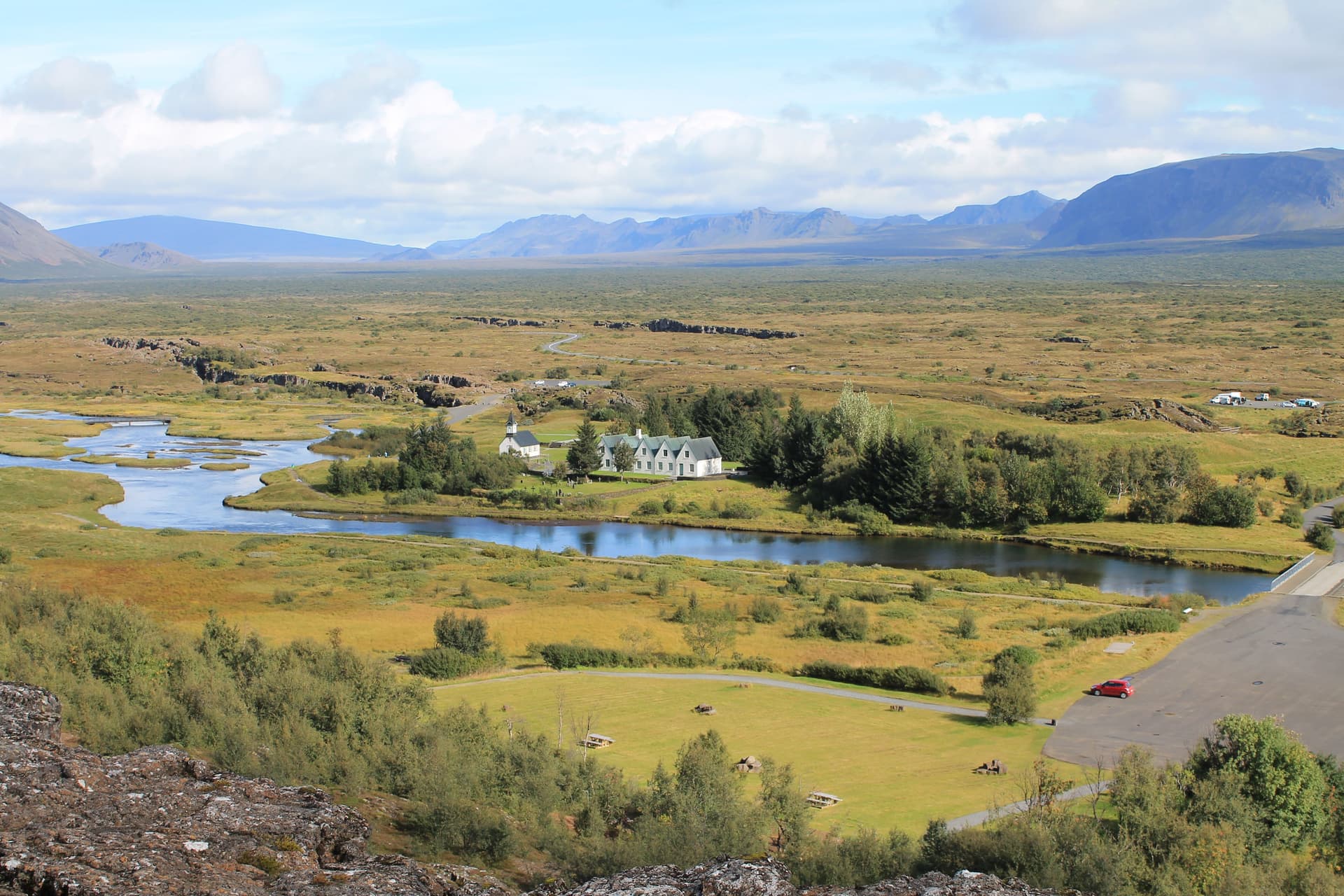
Choose your pace
The Ring Road itself is about 1,300 km, before scenic detours. Driving time grows quickly when you add waterfalls, hikes, food stops and weather delays.
7 days
Possible in favourable summer conditions but involves long drives. Choose a short shortlist, not all 50 attractions.
10 days
Cover the core Ring Road with two or three substantial stops per day and some room to adapt.
14–16+ days
Our recommendation for a generous trip with more hikes, Eastfjords, North Iceland and optional Snæfellsnes.
A complete day-by-day journey
This is a flexible summer or favourable-conditions route, not a promise that every side road is accessible. Each suggested night links to an existing GoIceTravel campsite listing; verify opening dates and vehicle space directly before arrival. Weather delays can change the plan.
 Day 1
Collect the vehicle early enough to inspect its heating, tyres, gas, waste-water system, roof equipment and doors. Pick up food, fill drinking-water containers and test your navigation before leaving town. A calm first night near Reykjavík is better than starting the Ring Road tired after a flight.
Suggested overnight area: Reykjavík Campsite (check seasonal opening)
Local tip: Ask the rental company to show you how to empty grey water and use the heater safely.
 Day 2
Spend the day at Þingvellir National Park, the Strokkur geothermal area and Gullfoss. These are walking and sightseeing stops, not overnight parking areas. Choose marked car parks and allow time for the viewpoints instead of racing through the entire route.
Suggested overnight area: Laugarvatn Campsite (check seasonal opening)
Local tip: Geothermal ground and hot water are dangerous; stay behind safety ropes and barriers.
 Day 3
Travel from the Golden Circle through Hveragerði and Selfoss towards Seljalandsfoss. This is a good day to restock before the longer southern stretches. If the wind is strong at Seljalandsfoss, do not assume conditions farther along the open coast will be better.
Suggested overnight area: Hamragarðar Campsite (check seasonal opening)
Local tip: The trail behind Seljalandsfoss can be closed due to ice or dangerous conditions.
 Day 4
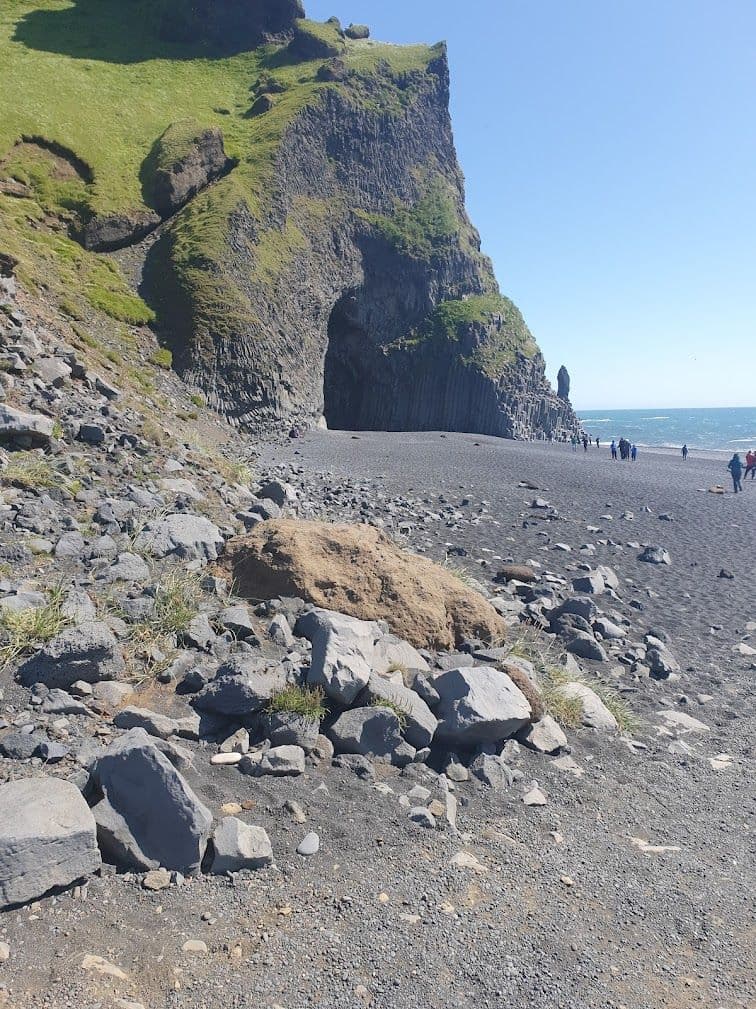
Explore Skógafoss and the quieter Kvernufoss walk, then continue towards the coastal viewpoints near Dyrhólaey and Vík. At Reynisfjara, large sneaker waves can arrive without warning. Never turn your back to the sea or approach the waterline.
Suggested overnight area: Vík Campsite (check seasonal opening)
Local tip: Dyrhólaey access is sometimes restricted during bird-nesting season or unsafe weather.
 Day 5
Continue towards Kirkjubæjarklaustur. Visit Fjaðrárgljúfur when the path is open and see the moss-covered Eldhraun lava field from the designated road-side viewpoints. Icelandic moss is fragile and can take years to recover from footsteps or vehicle tracks.
Suggested overnight area: Kirkjubæjarklaustur Campsite (check seasonal opening)
Local tip: Use an established campsite; do not pull onto lava, moss or roadside verges.
 Day 6
Make this a walking day rather than an ambitious driving day. Skaftafell offers several marked trails, including the well-known walk to Svartifoss. Select a route appropriate to daylight, clothing and the forecast, and never walk onto a glacier without suitable equipment and qualified guidance.
Suggested overnight area: Skaftafell Campsite (check seasonal opening)
Local tip: Check the national park's current trail status and campsite operation before travelling.
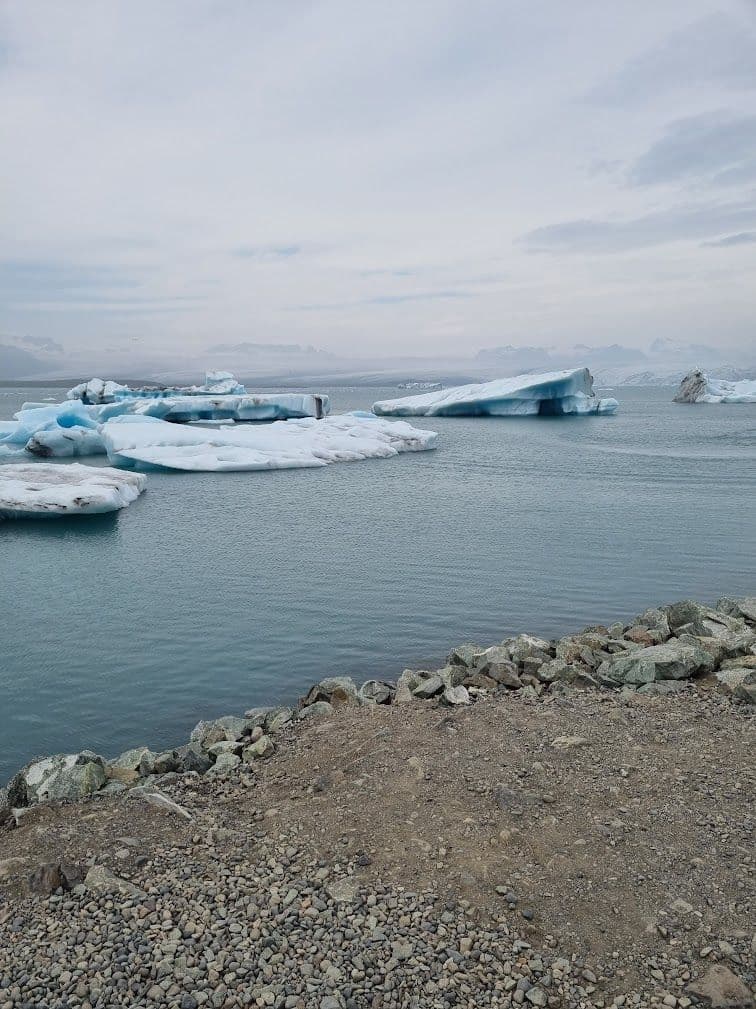
Day 7Allow plenty of time at Fjallsárlón, Jökulsárlón and Diamond Beach, then continue to Höfn. Watch the icebergs from safe viewpoints. The shores and ice are dynamic environments, and the nearby ocean has powerful waves. These landmarks are not overnight motorhome parking spots.
Suggested overnight area: Höfn Campsite (check seasonal opening)
Local tip: Never step onto floating ice or enter the glacial water.
 Day 8
Visit Stokksnes and the dramatic Vestrahorn scenery, then take the winding coast towards Djúpivogur. Some Stokksnes access is on private land with an entrance charge. Narrow roads and changing weather mean even short distances in the Eastfjords can take longer than expected.
Suggested overnight area: Djúpivogur Campsite (check seasonal opening)
Local tip: Drive at a pace that allows for passing places and never stop in the traffic lane for photographs.
 Day 9
Spend time in the villages of Fáskrúðsfjörður and Reyðarfjörður before reaching Egilsstaðir. Seyðisfjörður makes a lovely optional outing, but its mountain pass can be affected by cloud, wind, snow and ice. Keep it flexible and return to a legal overnight base.
Suggested overnight area: Egilsstaðir Campsite (check seasonal opening)
Local tip: Do not attempt the Seyðisfjörður pass if the current weather or road status is unsuitable.
 Day 10
Use a second night in East Iceland to visit Hallormsstaðaskógur and choose a longer walk such as Hengifoss. Stuðlagil is another worthwhile optional excursion, but viewpoints and parking approaches differ; plan the exact access road before departure. There is no need to squeeze all three into one day.
Suggested overnight area: Egilsstaðir Campsite (check seasonal opening)
Local tip: Check walking conditions and avoid narrow side tracks that are unsuitable for larger vehicles.
 Day 11
Head north-west to Lake Mývatn and explore Hverir, Dimmuborgir and the volcanic landscapes around Krafla. These are excellent places for short walks, but geothermal ground can be fragile and extremely hot. Snow may linger on access roads well outside the core winter months.
Suggested overnight area: Mývatn – Hlíð Campsite (check seasonal opening)
Local tip: Confirm local road access before turning onto a secondary road.
 Day 12
If the Dettifoss access roads are open and conditions are suitable, consider a Diamond Circle detour via the waterfall and Ásbyrgi canyon. Continue to Húsavík for harbour views and the option of whale watching. This is an optional longer driving stage; skip it when weather, energy or daylight is limited.
Suggested overnight area: Húsavík Campsite (check seasonal opening)
Local tip: Dettifoss access roads can close seasonally. An open Ring Road does not mean its side roads are open.
 Day 13
Follow the road past Goðafoss and arrive in Akureyri, the main service hub in North Iceland. Enjoy an unhurried afternoon, restock supplies and take a break from driving. If severe wind or winter weather is forecast for the next stage, stay an extra night rather than committing to a long drive west.
Suggested overnight area: Akureyri Campsite (check seasonal opening)
Local tip: Use this as your spare-weather day if you need to wait for safer driving conditions.
 Day 14
Return through West Iceland via Borgarnes. Depending on the time available, choose either the coastal Hvítserkur detour or Hraunfossar and Barnafoss — trying to visit all of them can make this a very long day. Return to Reykjavík with time to empty tanks, clean the camper and refuel before handover.
Suggested overnight area: Reykjavík Campsite (check seasonal opening)
Local tip: Snæfellsnes is best saved for one or two extra nights, rather than squeezing it into this final day.
Legal overnight stays
In Iceland, overnight camping in a campervan or motorhome normally belongs at a designated campsite. Outside one, the relevant landowner or rights holder must grant permission, and additional local or protected-area rules may apply. A roadside pull-out, attraction car park or scenic viewpoint is not automatically a legal overnight place.
Choose established campsites. Check the specific site accepts your size of vehicle and is open on your dates.
Plan water, toilets and waste disposal. Never empty grey or black water into nature.
Do not treat parking as camping permission. Observe all signs, national park rules and private property restrictions.
Do not drive off-road. Highland access and rental permissions must be checked separately.
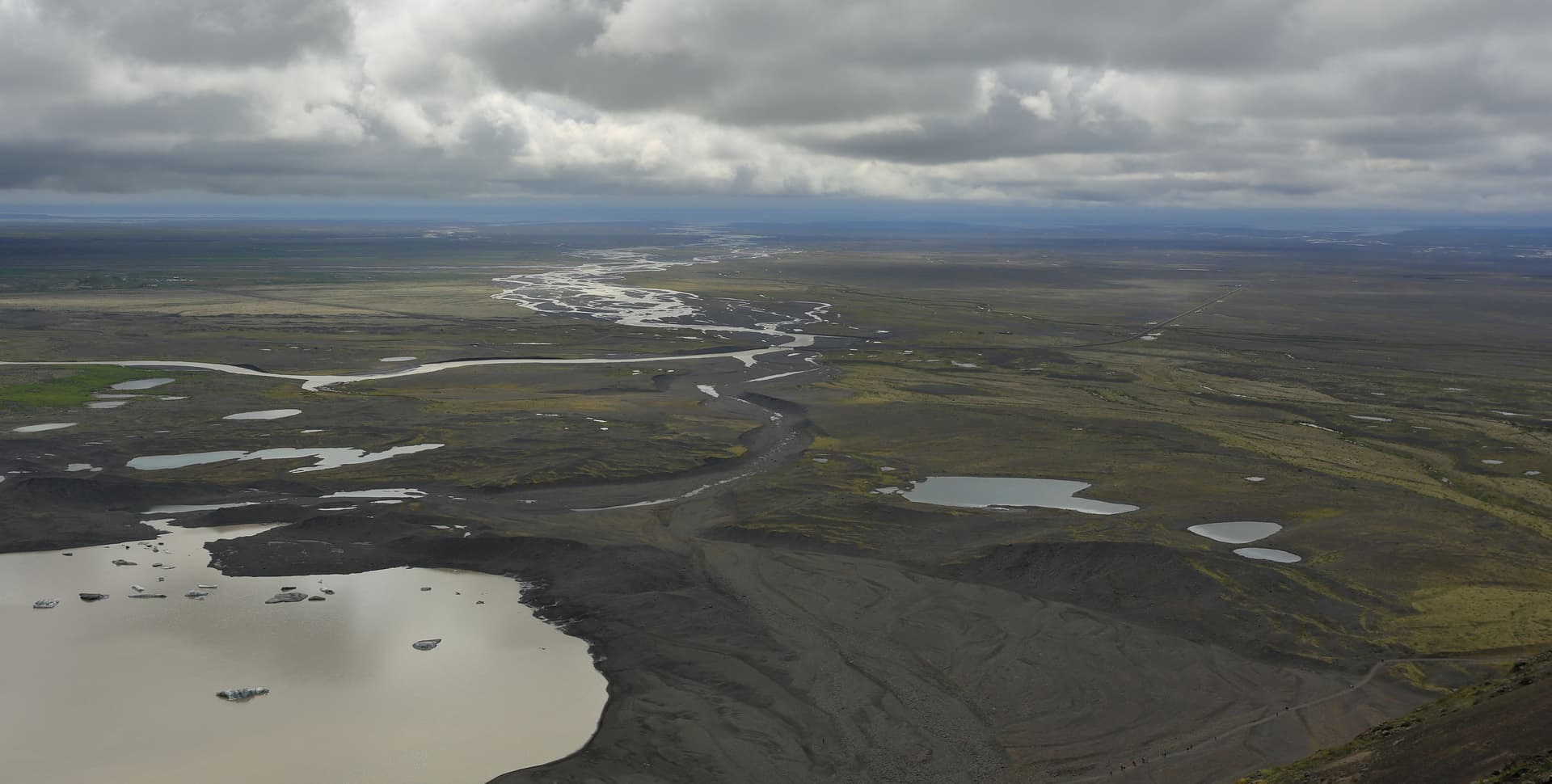
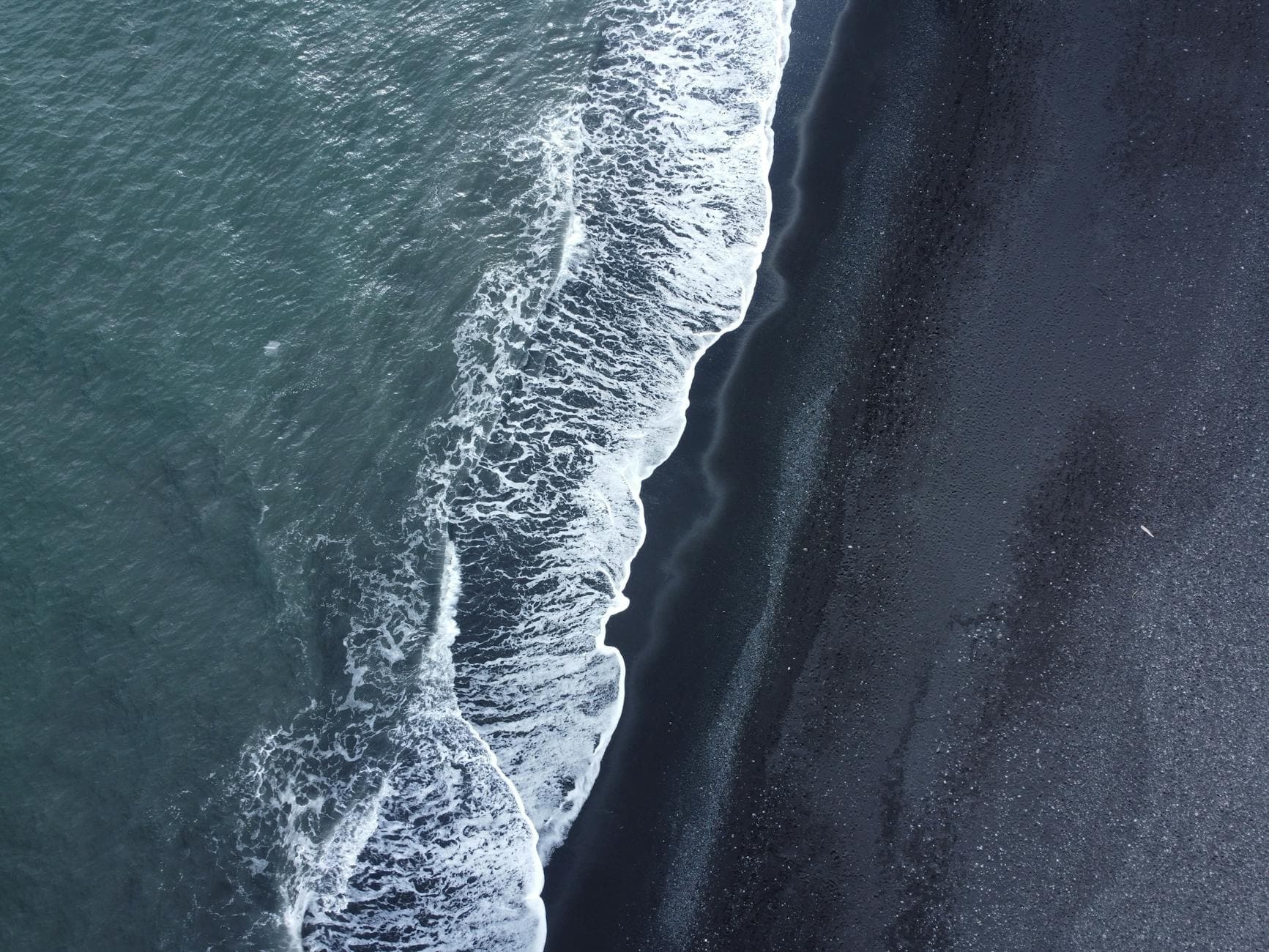
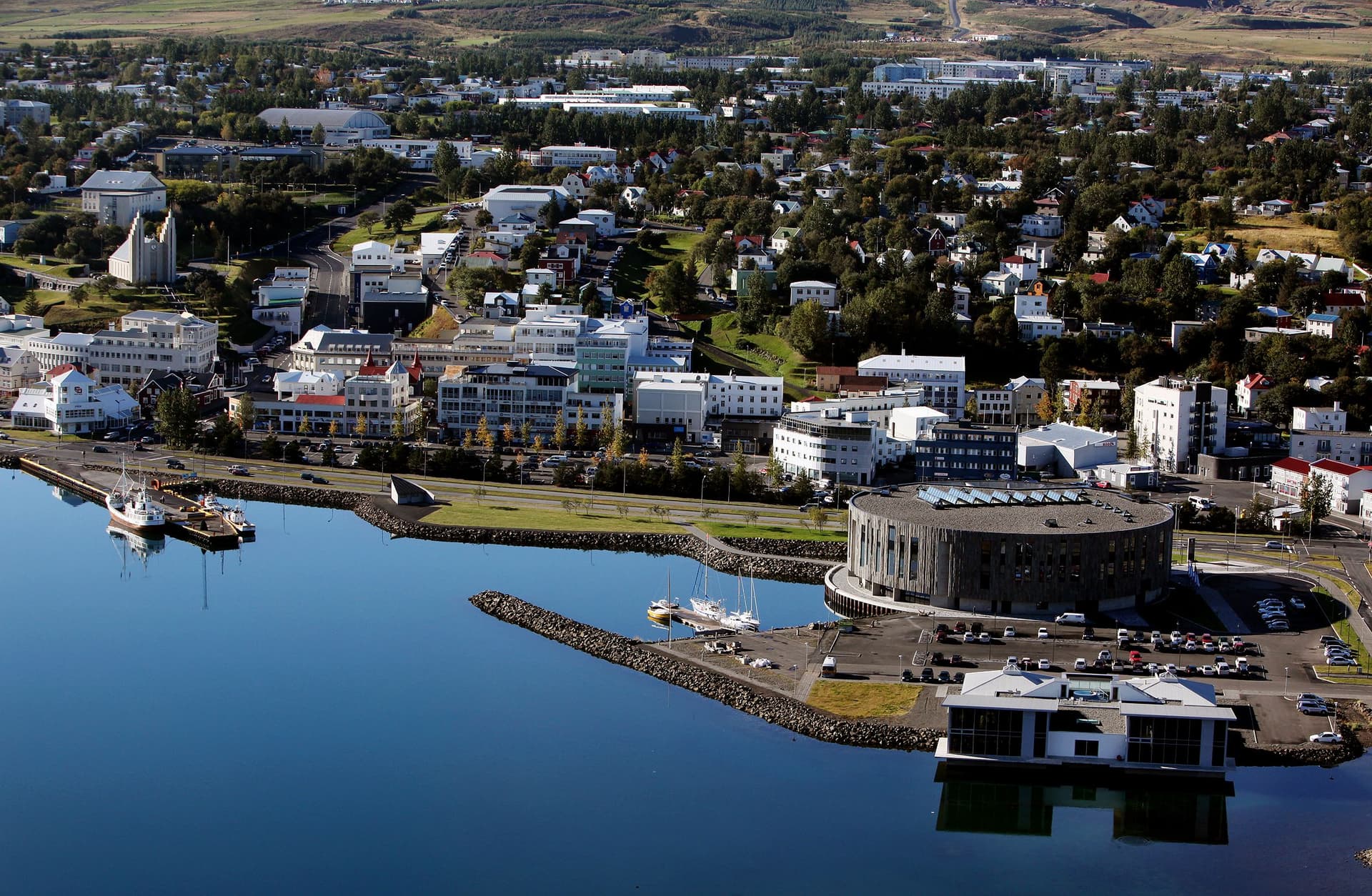
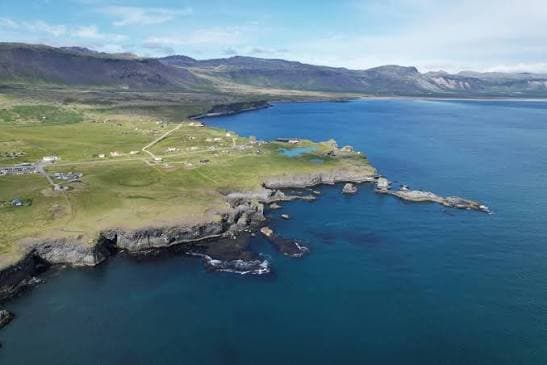
Your complete scenic route
Every stop links to an existing GoIceTravel destination page. Travel counterclockwise from Reykjavík or reverse the route when the forecast favours the other direction. Additional fjord and peninsula excursions are optional.
Weather at each stop: Small icons on the photo cards show a local point forecast for wind (m/s), temperature (°C), sun, rain or snow. Forecasts load as you browse. Check official road and wind warnings before driving — a low wind reading never guarantees safe conditions.
Official wind forecastPart 1 of 5
Start with supplies and a relaxed Golden Circle loop. Reykjavík, Þingvellir, Geysir and Gullfoss make a rewarding introduction to Iceland. Stop at designated parking areas and camp only where overnight stays are permitted.
 Stop 01
Pick up supplies, learn your vehicle and plan a legal first night.
Stop 02Walk between tectonic plates in the historic national park.
 Stop 03
Watch Strokkur erupt from the marked geothermal paths.
 Stop 04
Experience the great waterfall from designated viewpoints.
 Stop 05
Walk around a colourful volcanic crater.
 Stop 06
An easy service stop surrounded by geothermal activity.
 Stop 07
A proper hike to the hot river; allow time and check the trail.
These are existing GoIceTravel campsite profiles, not proof of current opening, availability, legality of an alternative parking location or suitability for your vehicle.
Part 2 of 5
Waterfalls, black beaches and glacier lagoons reward slower travel. Storms can hit exposed stretches under the southern mountains. Never stop on the Ring Road for a photograph; use marked parking areas.
 Stop 08
Stock up before the long South Coast stretch.
 Stop 09
Iconic waterfall; the path behind may close in icy weather.
 Stop 10
Hidden waterfall close to Seljalandsfoss.
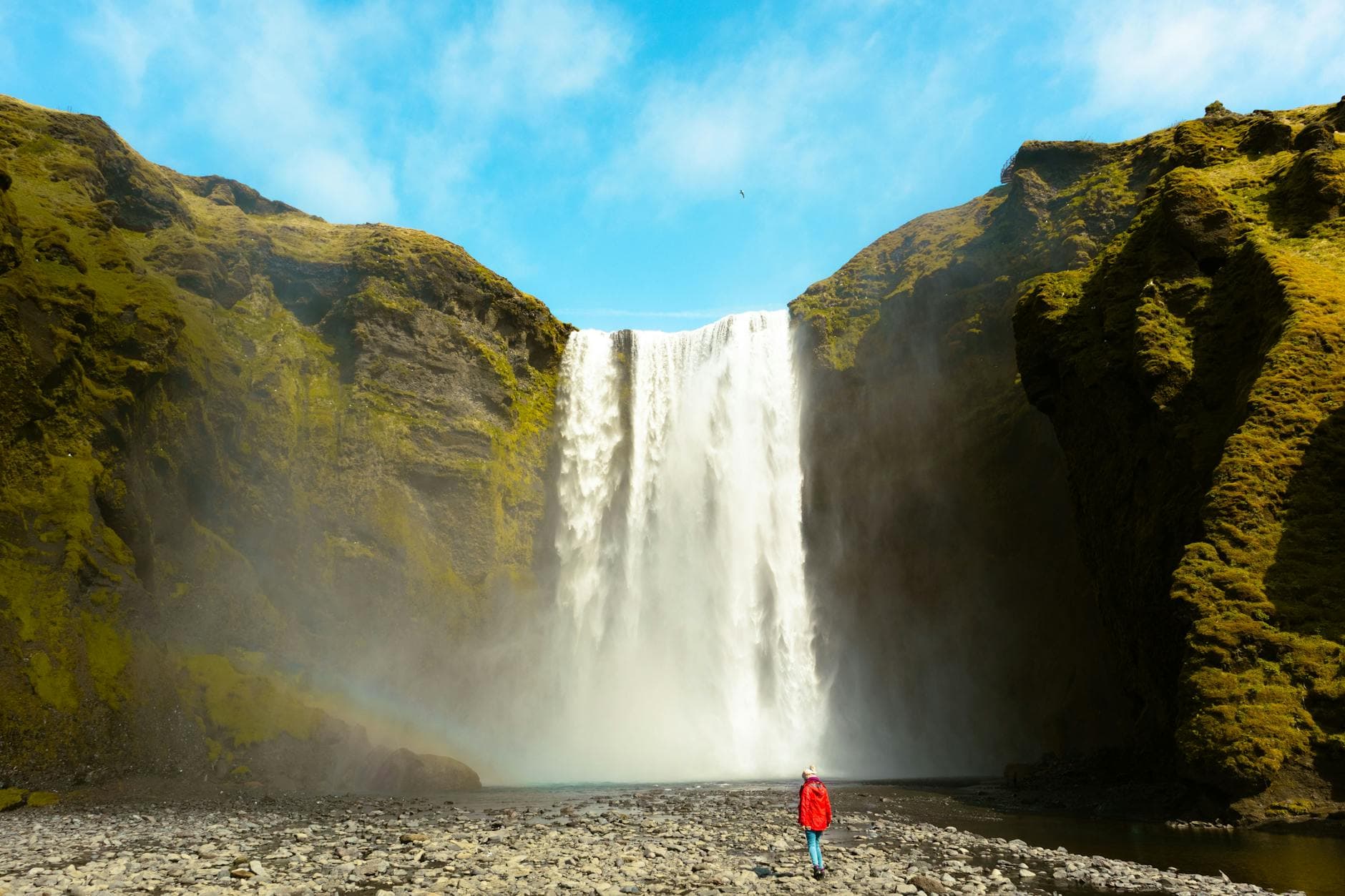 Stop 11
A towering waterfall right off Route 1.
 Stop 12
Short waterfall walk near Skógar.
 Stop 13
Coastal viewpoints; access can be restricted seasonally.
Stop 14Black sand and basalt; never approach the unpredictable surf.
Stop 15A natural food, fuel and overnight stop.
Stop 16Canyon viewpoint trail; respect closures.
 Stop 17
A practical base between Vík and the glaciers.
 Stop 18
See lava fields from appropriate marked stops; protect fragile moss.
Stop 19Glacier scenery and walking trails.
 Stop 20
Basalt-column waterfall reached on foot.
 Stop 21
A quieter glacier lagoon viewpoint.
Stop 22Floating icebergs and spectacular scenery.
 Stop 23
Ice on the black shore; respect surf and ice hazards.
These are existing GoIceTravel campsite profiles, not proof of current opening, availability, legality of an alternative parking location or suitability for your vehicle.
Part 3 of 5
Winding fjord roads make travel slower than the distance suggests. Check wind forecasts and mountain-pass conditions, especially for Seyðisfjörður and other optional detours.
 Stop 24
A comfortable town stop before the Eastfjords.
 Stop 25
Vestrahorn mountain scenery; private access fees may apply.
 Stop 26
A scenic fishing village and overnight base.
 Stop 27
Discover the area's French fishing heritage.
 Stop 28
Fjord views and services.
 Stop 29
Refuel, restock and choose a safe next stage.
 Stop 30
Colourful town via a weather-sensitive mountain pass.
 Stop 31
Forests and trails by Lagarfljót.
 Stop 32
A longer hike to a red-striped waterfall.
Stop 33Basalt canyon; approach depends on chosen viewpoint.
 Stop 34
Optional longer scenic detour, best planned in suitable conditions.
These are existing GoIceTravel campsite profiles, not proof of current opening, availability, legality of an alternative parking location or suitability for your vehicle.
Part 4 of 5
From geothermal landscapes to whale-watching towns, North Iceland deserves multiple nights. Snow, ice and closed side roads can persist outside summer, especially on higher routes.
 Stop 35
Immense waterfall; access roads may close for long periods.
 Stop 36
Horseshoe-shaped canyon and nature walks.
 Stop 37
Whale watching and harbour culture.
 Stop 38
Steaming geothermal ground; remain on marked paths.
 Stop 39
Extraordinary lava formations.
 Stop 40
Small geothermal cave; do not swim.
 Stop 41
Lakeside landscapes, birdlife and geothermal attractions.
 Stop 42
Volcanic landscape; check access in winter.
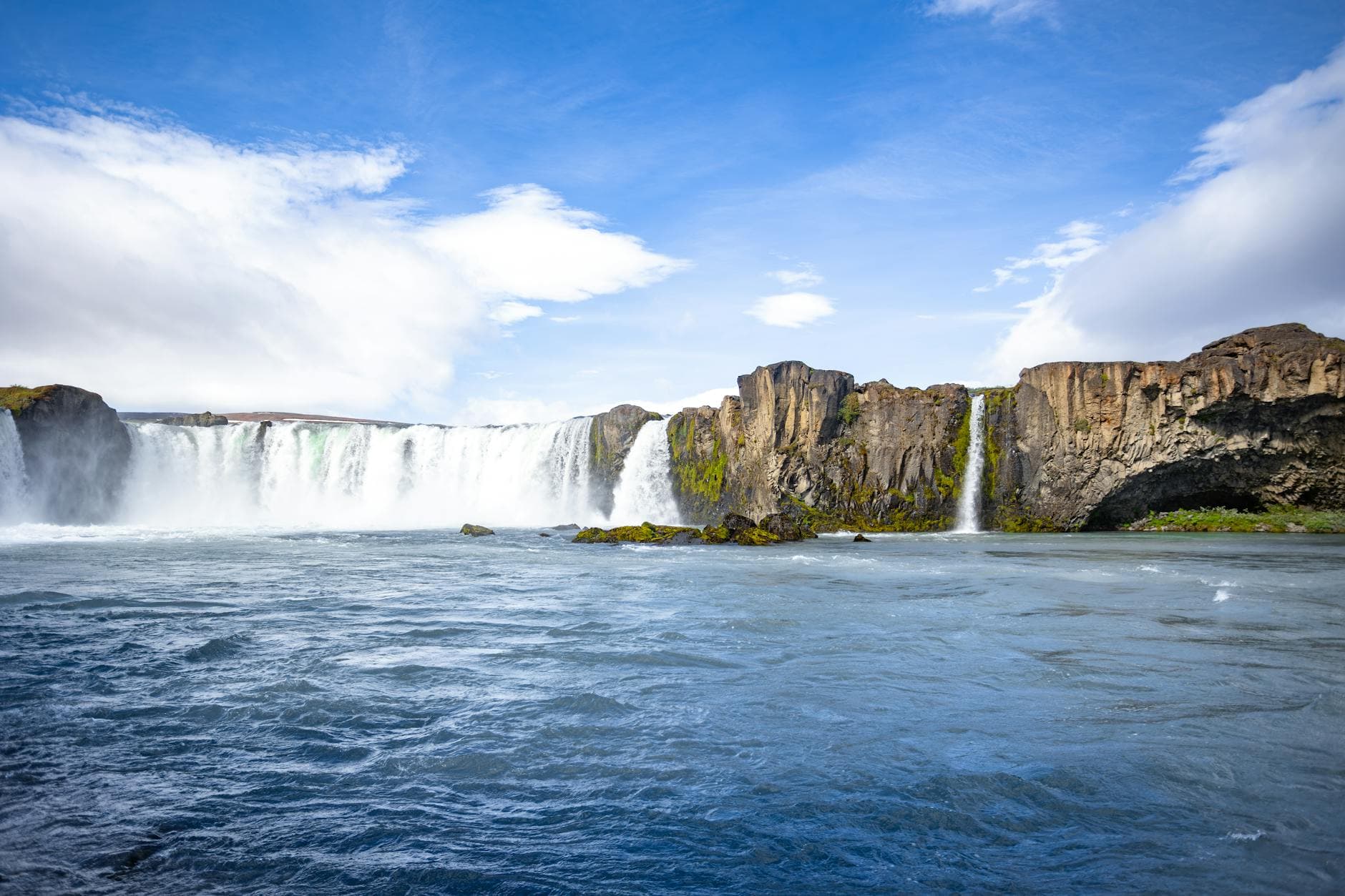 Stop 43
A beautiful waterfall close to Route 1.
Stop 44Northern services, cafés and a comfortable base.
These are existing GoIceTravel campsite profiles, not proof of current opening, availability, legality of an alternative parking location or suitability for your vehicle.
Part 5 of 5
Return west through the northwestern countryside. Add Snæfellsnes if you have extra time; it is a peninsula detour, not part of Route 1. Narrow coastal tracks demand realistic vehicle and weather decisions.
 Stop 45
Coastal rock formation reached by a side road.
 Stop 46
Services and West Iceland history.
 Stop 47
Springs spilling from the lava field.
 Stop 48
A powerful waterfall and local folklore.
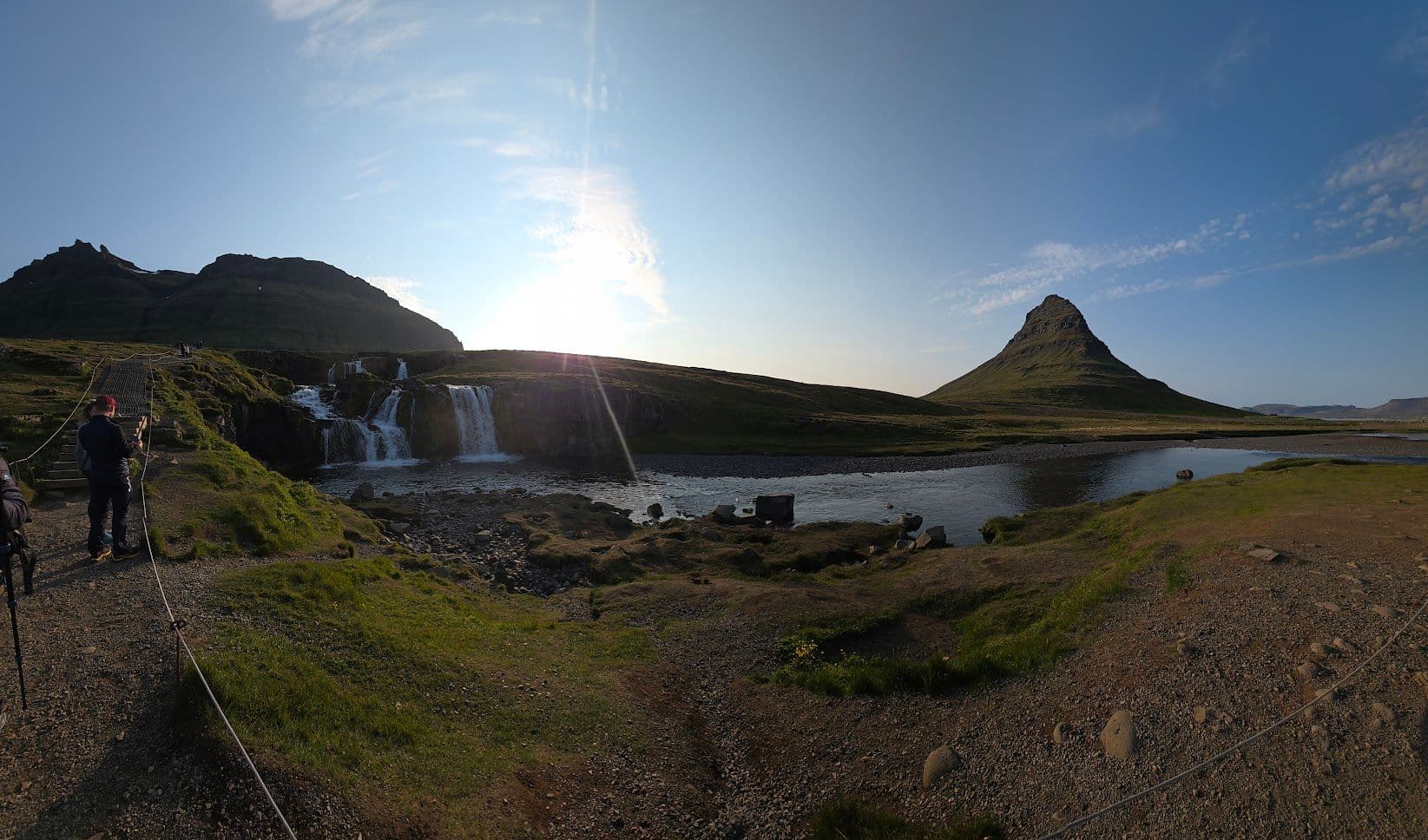
Stop 49The peninsula's famous mountain; stay on safe paths.
Stop 50Dramatic coastal cliffs and a harbour walk.
These are existing GoIceTravel campsite profiles, not proof of current opening, availability, legality of an alternative parking location or suitability for your vehicle.
Plan for the season, not just the map
Long days · main summer season
Generally the broadest choice of campsites and daylight, though storms, cold rain and strong wind are still possible.
Shoulder-season adventure
Fewer crowds but increased uncertainty about overnight facilities, frost and road conditions. Check opening dates individually.
Winter-specialist planning
Shorter daylight, snow and ice can interrupt the route. Avoid promising the full circuit to inexperienced winter drivers; use winter-equipped vehicles.
Highland routes are not part of a normal campervan Ring Road itinerary. F-road restrictions, seasonal openings and rental contract permissions must be checked separately.
Travel safer
Look at regional forecasts and warnings. Gusts may be much stronger in mountain passes than in our town-level forecasts.
Confirm the route is open and appropriate for your vehicle. Never assume a detour is suitable because it appears on a map.
Confirm opening dates, vehicle facilities and where you are allowed to park overnight.
Check gravel-road, F-road and river-crossing rules with your specific rental provider. Do not drive off-road.
Secure loose items, check the roof and take care when opening doors in strong wind.
Keep at least one flexible day and a fallback stop. Strong wind and winter closures may require a complete route change.
Carry offline maps and a charged phone. In an emergency in Iceland, call 112. Our advisory is never a substitute for official weather or road information.
Editorial guide for trip planning; information, roads and campsite rules can change. Updated October 2026. Photographs on this page are sourced from GoIceTravel's existing attraction collection and local site assets.