Svalvogaviti
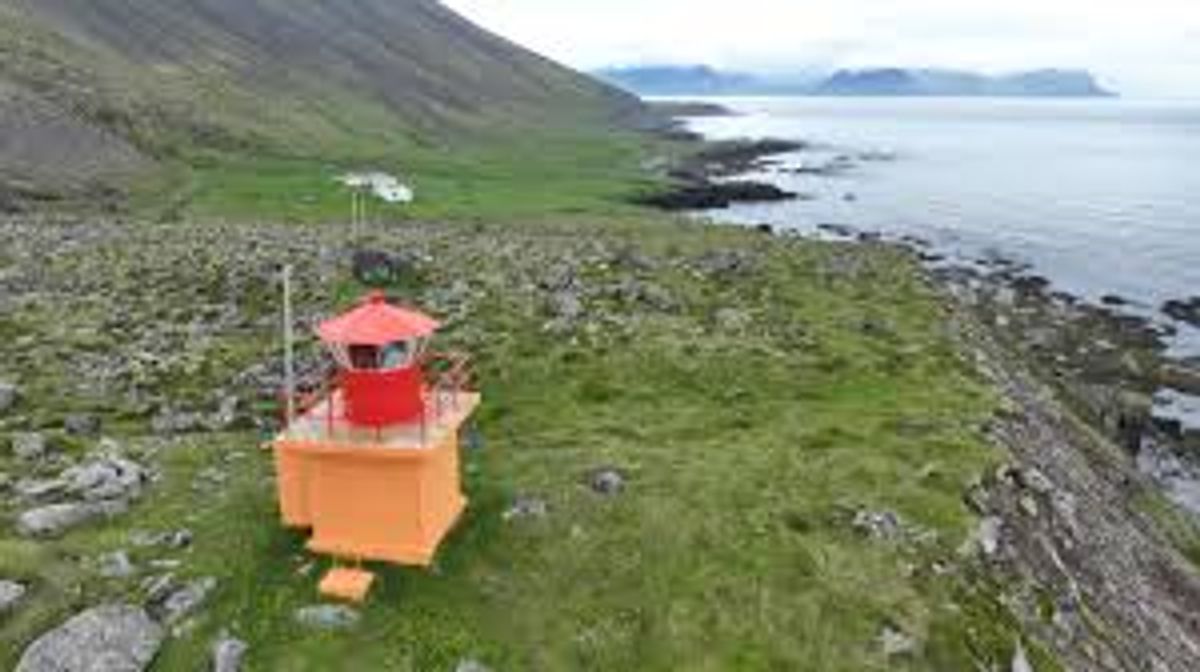
A remote lighthouse on the Svalvogar coast, surrounded by some of the Westfjords' most dramatic seaside scenery.
About
About Svalvogaviti
A remote lighthouse on the Svalvogar coast, surrounded by some of the Westfjords' most dramatic seaside scenery.
Reach a remote 1920 lighthouse on the spectacular Svalvogar coast between Dýrafjörður and Arnarfjörður.
Photos
Photo Gallery
Background
History & Background
Svalvogaviti was constructed as part of Iceland’s broader network of coastal lighthouses developed to improve maritime safety. The Westfjords, with their complex coastline and challenging weather conditions, required reliable navigation points for fishing vessels and transport ships. Over time, advances in technology have automated many of Iceland’s lighthouses, including Svalvogaviti. Despite these changes, the structure remains an important historical and functional landmark. Today, it stands as a reminder of Iceland’s strong connection to the sea and the efforts made to navigate and survive in one of the country’s most remote regions.
Svalvogaviti is a remote lighthouse located in the Westfjords, an area known for its dramatic landscapes and relative isolation. Positioned along a rugged coastline shaped by steep mountains and narrow fjords, the lighthouse stands as a quiet but essential feature in one of Iceland’s most untamed regions. The journey to Svalvogaviti is part of the experience. Access often involves traveling along rough gravel roads that wind along cliffs and fjords, reinforcing the sense of remoteness that defines the Westfjords. Unlike more accessible destinations, this lighthouse offers a feeling of discovery, where visitors are rewarded with expansive ocean views and a deep sense of solitude. The lighthouse itself is modest in scale but significant in purpose. It was built to guide vessels navigating the often unpredictable waters of the surrounding coastline. In an area where weather conditions can change rapidly and visibility may be limited, such navigation aids have historically played a crucial role in maritime safety. The surrounding environment is equally compelling. The coastline is shaped by erosion and geological forces, creating a landscape of cliffs, rocky shores, and open sea. Wildlife, particularly seabirds, is common in the area, adding to the sense of a living, dynamic ecosystem. Svalvogaviti represents both human adaptation and respect for nature. It is not a place of crowds or infrastructure, but of space, silence, and scale—offering visitors a chance to experience Iceland in its most raw and authentic form.
Folklore
Story & Folklore
Reaching Svalvogaviti feels like a journey to the edge of Iceland. The road leading there is rough and winding, following the dramatic coastline where mountains meet the sea. As you approach, the landscape becomes quieter, more exposed—shaped by wind, water, and time. The lighthouse itself stands alone, a simple structure against a vast backdrop. It doesn’t dominate the landscape, but it holds its place with quiet purpose. For years, it has guided boats through unpredictable waters, offering a point of reference in a region where visibility can change quickly. Standing near the lighthouse, the sense of isolation is clear. There are no crowds, no distractions—just the sound of waves and wind moving across the land. It’s a place that feels distant, not just physically but in atmosphere. Svalvogaviti is less about the structure itself and more about the journey to reach it. It represents the connection between people and the sea, where even the smallest light can make a difference.
💡 Did You Know?
Svalvogaviti is one of the more remote lighthouses in the Westfjords, standing along a rugged and less-traveled coastline where changing weather and sea conditions make navigation especially challenging.
Culture
Stories & Legends
Icelandic sagas and folklore from this area
Location
📍 Location
Discover
Explore Nearby
Places from our database within 1.0 km — all data from Sanity
Loading nearby places…
0 places found within 1.0 km
Plan full itinerary →Explore More