GoIceTravel
租车预订旅游创建行程My IcelandCart实时极光预报

Language

冰岛文化遗产

传说与民间故事

巨魔 · 精灵 · 高地流放者 · 维京历史 · 闹鬼之地

49+ geo-tagged folklore sitesTrolls · Elves · Ghost StoriesAll Regions

冰岛的活神话

In Iceland, myths are not ancient history — they are present tense. Roads have been rerouted to avoid disturbing elf rocks. Volcanic eruptions are still described using words given to them by medieval storytellers. Trolls frozen mid-step in lava or surf are pointed out to children as fact, not fantasy.

Every legend on this page has a location. Many of those locations are among Iceland's most visited natural sites. The story changes how you see them.

🧝

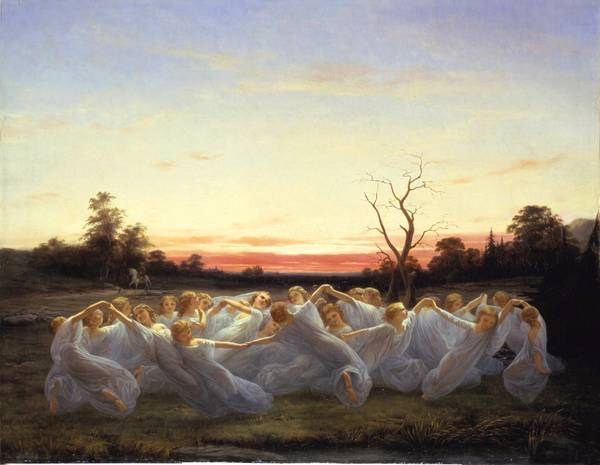
Elves and the Hidden People

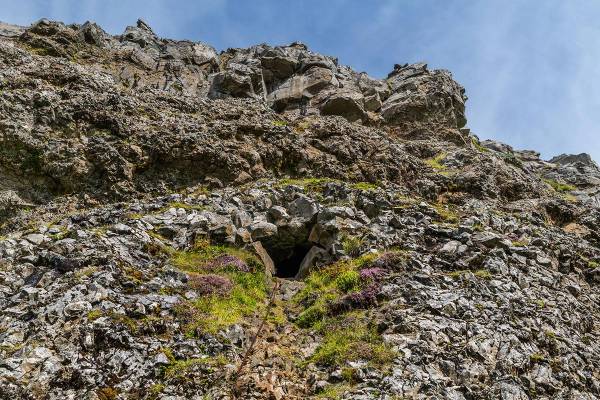
In Icelandic folklore the hidden people, known as Huldufólk, are mystical beings believed to live inside rocks, cliffs and lava fields. Many Icelanders treat these places with respect — some roads have even been rerouted to protect rocks believed to be elf homes.

Today, surveys suggest a significant number of Icelanders either believe in elves or are unwilling to rule out their existence.

Elves and the Hidden People (Huldufólk)
Reykjavík

Elves and the Hidden People (Huldufólk)

Reykjavík's hidden folk: Elves are said to reside in and around the capital.

Even in the heart of Reykjavík, the whispers of the Huldufólk persist. While many associate them with remote lava fields and rocky outcrops, stories abound of elves and hidden people living unseen amongst us, even within the bustling city. Some believe that certain areas, particularly older, less developed parts of the city, are still considered sacred ground by these beings.

There are tales of construction projects being halted or rerouted due to the presence of hidden folk dwellings. While often dismissed as superstition, these stories highlight a deep-seated respect for nature and the unknown that is woven into the fabric of Icelandic culture. Keep an open mind, and you might just feel the presence of the unseen in the capital.

elveshidden peoplehuldufólkfolkloreicelandmythologyelf rocks
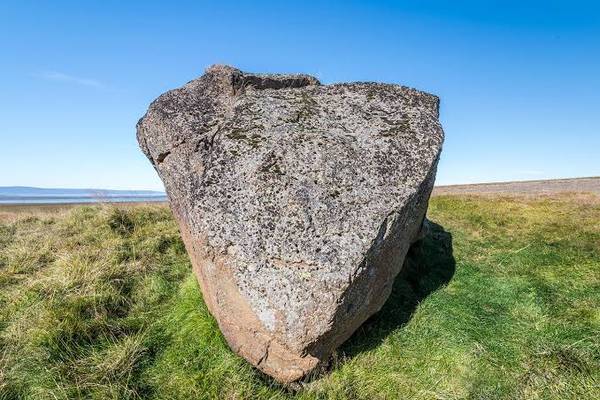
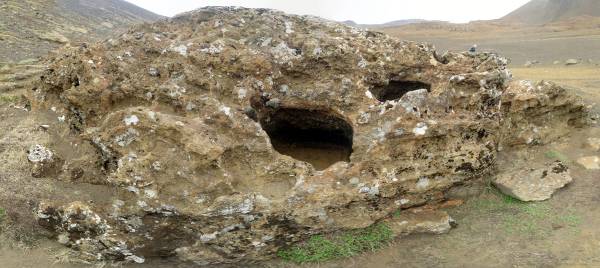
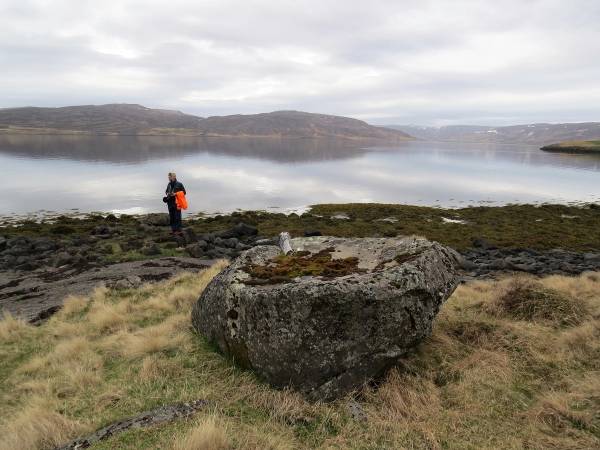
Elf Rocks – Álfasteinar

Elf Rocks – Álfasteinar

Álfasteinar: Rocks where elves dance and play under the midnight sun.

Legend whispers that these peculiar rock formations, Álfasteinar, are not just stones, but the playground of the Huldufólk, the hidden people. On clear nights, especially during the summer solstice, it's said you can hear faint music and laughter emanating from these rocks. Some believe they are enchanted dwellings or meeting places for the elves, where they gather to dance and revel under the ethereal glow of the midnight sun.

It's considered highly disrespectful to disturb these formations. Many stories tell of individuals who have suffered misfortune or strange accidents after attempting to move or damage these elf rocks, serving as a stark reminder of the respect due to the unseen inhabitants of Iceland.

elveself rockshidden peoplehafnarfjörðursnæfellsnessuperstitionsfolklore
🪨

Trolls of Iceland

Trolls lived in caves and mountains, only came out at night, and turned to stone in sunlight. Many of Iceland's most dramatic rock formations are said to be trolls frozen at dawn — the landscape itself is a graveyard of frozen monsters.

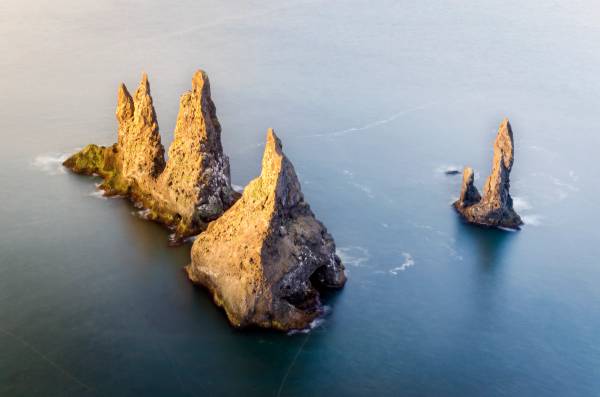
Reynisdrangar – Trolls Turned to Stone

Reynisdrangar – Trolls Turned to Stone

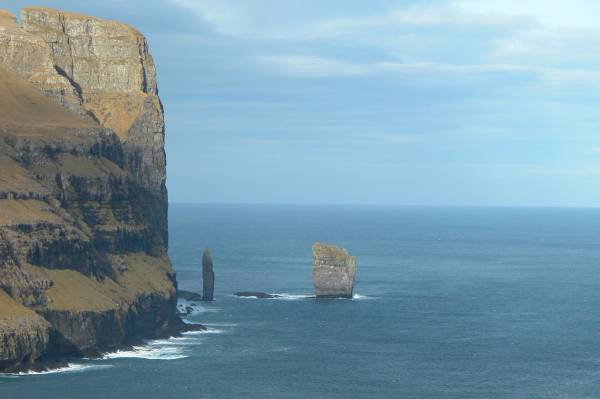
The Reynisdrangar sea stacks off the coast of Iceland are said to be petrified trolls caught by the rising sun.

Long ago, when the world was young and magic flowed as freely as the glacial meltwater, there lived a band of trolls on the southern shores of Iceland. These were no ordinary trolls; they were immense, their laughter like thunder, and their strength capable of moving mountains. One night, they decided to drag a ship ashore, intending to keep its treasures and its crew for themselves. They worked with great effort, their massive forms silhouetted against the moonlit waves, pulling with all their might.

However, as they neared the land, the first faint streaks of dawn began to paint the eastern sky. Trolls, as all know, are creatures of the night, and the rising sun is their undoing. The moment its first rays touched their stony hides, they were frozen in place, their struggle forever immortalized as the towering Reynisdrangar sea stacks, eternal sentinels against the unforgiving North Atlantic.

trollssea stacksreynisfjarablack sand beachsouth icelandvíkfolklore
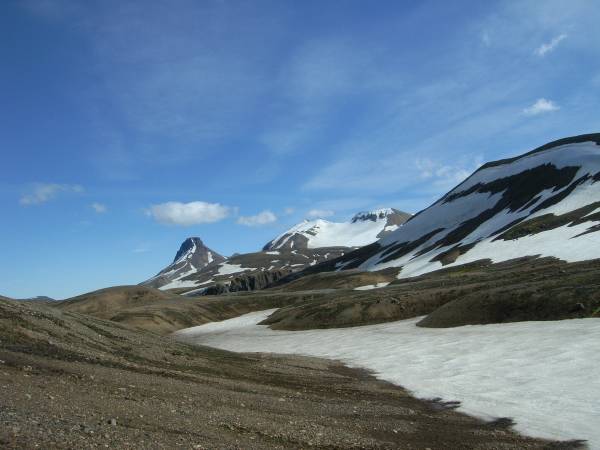
Kerlingarfjöll – The Petrified Troll Woman
Kerlingarfjöll

Kerlingarfjöll – The Petrified Troll Woman

Kerlingarfjöll: Where a troll woman's petrified form watches over the mountains.

The dramatic, colorful mountains of Kerlingarfjöll are said to be the petrified remains of a giant troll woman. Legend has it that she was caught by the rising sun while crossing the highlands, and was turned to stone, forever watching over the rugged landscape.

Her stony gaze is said to imbue the mountains with a unique, otherworldly aura. The vibrant hues of the rhyolite rock, ranging from reds and yellows to blues and greens, are sometimes interpreted as the remnants of her magical essence, a testament to her ancient power. Hikers in Kerlingarfjöll often feel a sense of awe and wonder, as if they are walking in the shadow of this ancient, slumbering giantess.

trollshighlandskerlingarfjölltroll womanfolkloregeothermal
Dimmuborgir – The Dark Fortress of North Iceland
Mývatn

Dimmuborgir – The Dark Fortress of North Iceland

Discover Dimmuborgir, a volcanic wonderland where legends of trolls and the devil still echo.

Dimmuborgir, meaning 'Dark Cities', is a dramatic expanse of volcanic rock formations near Lake Mývatn. This geological marvel, born from a massive lava flow and subsequent cooling, has captured the imagination for centuries. Local folklore claims that Dimmuborgir is a gateway to hell, and that the infamous Icelandic witch, Grýla, and her Yule Lads, reside here.

The towering pillars, natural arches, and hidden caves create an atmosphere of mystery and wonder. Walking through Dimmuborgir feels like stepping into another world, where the whispers of ancient tales seem to blend with the rustling of the wind. It's a place where the raw power of nature meets the enduring magic of Icelandic folklore.

trollsnorth-icelandlavayule-ladsfolkloremývatn
Dimmuborgir – City of Trolls
Dimmuborgir

Dimmuborgir – City of Trolls

Explore Dimmuborgir, where volcanic rock formations become a mystical city for trolls.

Step into Dimmuborgir, a labyrinth of bizarre lava formations near Lake Mývatn. Legend has it that this is the playground and dwelling of trolls, and even the devil himself once strode through these 'dark castles'. The otherworldly shapes, carved by ancient volcanic eruptions and subsequent erosion, spark the imagination, making it easy to believe that hidden creatures might reside within its shadowy recesses.

Many of these natural sculptures have been given names reflecting their supposed inhabitants or their appearance, such as 'The Church' or 'The Gate'. During the Christmas season, the area takes on an even more magical aura, as it's said to be the home of the Yule Lads, Iceland's thirteen mischievous trolls who visit children in the days leading up to Christmas.

trollsyule ladschristmaslavamývatnnorth icelandfolklore
👻

Ghost Stories of Iceland

Icelandic ghosts — known as draugar — are not the transparent, ethereal spirits of European tradition. They are physical, violent, and nearly unstoppable. Many legends describe them as stronger in death than in life.

Galdra-Loftur – The Sorcerer of Hólar
Hólar, Skagafjörður

Galdra-Loftur – The Sorcerer of Hólar

A dark Icelandic legend tells of Loftur, a student obsessed with forbidden magic and the legendary book Rauðskinna.

In Icelandic folklore, Galdra-Loftur is remembered as a student whose hunger for magical knowledge became his undoing. Stories place him at Hólar, a historic centre of learning and religion in northern Iceland.

According to the legend, Loftur sought a powerful grimoire known as Rauðskinna, supposedly buried with a bishop. In the most dramatic telling, he entered the church at night and attempted to summon the dead to surrender the book. The spirits rose, but the confrontation overwhelmed him. Different versions disagree about precisely what happened next.

This is a traditional supernatural tale, not a documented account of necromancy. Hólar itself is a real historic site, making the contrast between the peaceful setting and the unsettling legend especially memorable.

ghost-storiesicelandic-folklorefolklore
Djákninn á Myrká – The Deacon of Dark River
Mirká

Djákninn á Myrká – The Deacon of Dark River

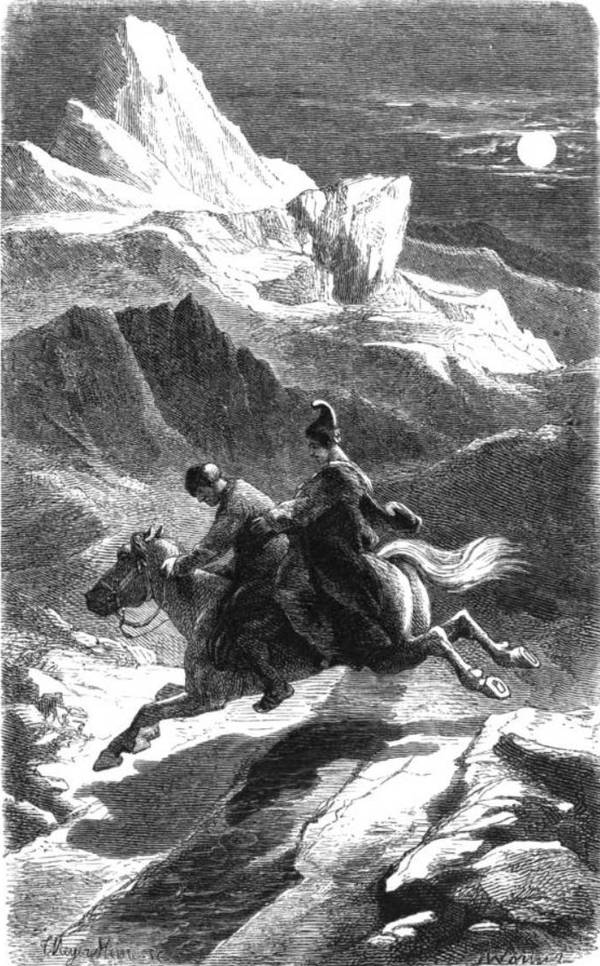
In the Icelandic legend, a deacon dies before meeting his beloved and returns from the grave to collect her on horseback.

The Deacon of Myrká is one of Iceland’s best-known ghost stories. In the traditional tale, a young deacon and a woman arrange to meet, but he dies before the promised visit. Unaware of his death, she waits for him.

The deacon nevertheless arrives on horseback and takes her away into the night. As they ride, she gradually realises that something is terribly wrong: her companion is no longer among the living. In familiar versions of the tale, the journey leads towards a grave, and she narrowly escapes being drawn into it.

This is a traditional Icelandic version of the wider 'dead bridegroom' folktale. Details differ between collected variants, so it should not be retold as a verified historical murder. Source: Rósa Þorsteinsdóttir, 'The Dead Bridegroom (ATU 365) in Iceland', Scottish Studies (2026), https://doi.org/10.2218/fqpmhs89

haunteddeaconmyrkághostdraugarsouth icelandchristmasfolklore
Skuggabaldur – The Shadow Creature

Skuggabaldur – The Shadow Creature

Skuggabaldur: A phantom dog guarding forgotten paths.

Skuggabaldur, the 'shadow hound,' is a creature of Icelandic folklore that haunts remote and desolate areas, often appearing as a large, dark dog with glowing eyes. It is said to be a guardian of sorts, appearing to travelers who stray from the path or venture into dangerous territory.

Its presence is often heralded by an unnerving silence, a sudden chill in the air, or an inexplicable sense of dread. While not always malevolent, Skuggabaldur is a formidable entity, and encountering it is a sign of impending misfortune or a warning to turn back.

Some tales suggest Skuggabaldur is the spirit of a wronged animal or a cursed being, forever bound to roam the wild places, a spectral sentinel watching over the untamed landscapes of Iceland.

hauntedshadowcreaturefolkloresupernaturalghosticeland
Tanga-Tómas – The Ghost of Stokkseyri
Stokkseyri, South Iceland

Tanga-Tómas – The Ghost of Stokkseyri

Tanga-Tómas is a ghost figure associated with the coastal village of Stokkseyri in Icelandic local storytelling.

The coastal village of Stokkseyri has long been associated with ghost stories. One local figure is Tanga-Tómas, a name linked to tales of a restless spirit in the area.

Retellings connect Tómas with the other familiar Icelandic ghost types Móri and Skotta. Specific details differ between popular accounts, and they should be understood as folklore rather than a factual record of a death or supernatural sighting.

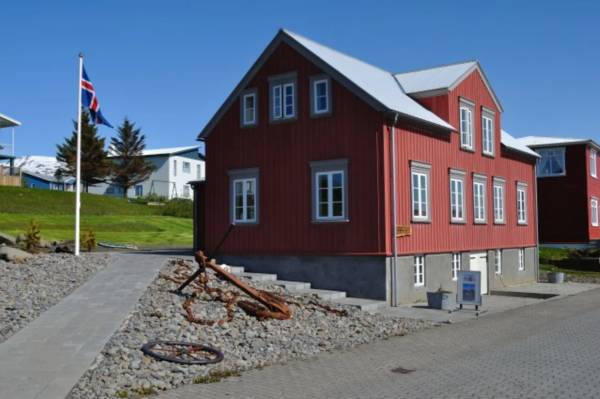
Visitors can explore the village and its windswept coast, but should not assume that a particular private house or shoreline location is publicly accessible.

Background reference: The Ghost Centre, Stokkseyri, https://hauntedplaces.io/en/place/is-stokkseyri-draugasetrid

icelandic-folkloreghost-storiessource-backed
Móri – The Vengeful Icelandic Ghost
Iceland (various traditions)

Móri – The Vengeful Icelandic Ghost

Móri is a recurring figure in Icelandic ghost lore: a restless male spirit believed to follow people and families.

In Icelandic folk belief, a móri is a male haunting spirit, sometimes attached to a person or family across generations. Unlike a single ghost with one fixed biography, móri appears in many regional tales.

The stories often describe disturbances that refuse to end: unexplained sounds, frightening apparitions, and misfortunes attributed to a spirit that will not leave its chosen household. Some versions connect the haunting to a wrong committed long ago; others emphasise the difficulty of escaping an inherited curse.

These accounts offer a window into Icelandic beliefs about death, obligation, and the supernatural. They are folklore rather than verified paranormal events, and there is no single reliable GPS point for the tradition.

ghost-storiesicelandic-folklorefolklore
The Ghosts of Fróðá – Wonders of Eyrbyggja Saga
Fróðá, Snæfellsnes

The Ghosts of Fróðá – Wonders of Eyrbyggja Saga

Eyrbyggja saga recounts a series of uncanny deaths and hauntings at the farm of Fróðá on Snæfellsnes.

One of the most striking supernatural episodes in the medieval Eyrbyggja saga unfolds at Fróðá, a farm on the Snæfellsnes peninsula. After a series of deaths, the inhabitants experience strange manifestations, including the return of people who should have remained buried.

The hauntings grow so disturbing that ordinary household life becomes impossible. In the saga, the living eventually take formal steps to expel the dead, combining a legal-style proceeding with religious rites. The episode is remarkable for the way it blends medieval Icelandic law, Christian practice, and older ideas about restless spirits.

Eyrbyggja saga is a literary source, not independent proof that these supernatural events occurred. The association with Fróðá belongs to the saga tradition; an exact modern haunting location should not be assumed.

ghost-storiesicelandic-folklorefolklore
Selkolla – The Seal-Headed Spirit of Strandir
Bjarnarfjarðarháls, Strandir

Selkolla – The Seal-Headed Spirit of Strandir

A medieval Icelandic tale tells of Selkolla, a supernatural woman sometimes seen with a seal's head, and her encounter with Bishop Guðmundur the Good.

On the shores of Strandir, an unsettling story grew around a child carried to baptism. According to the medieval legend, two attendants set the baby down beside a large stone and left it unattended. When they returned, the child had changed terribly; soon afterwards, a dangerous figure appeared in the district.

The being was called Selkolla, 'Seal-Head', because she could appear as a woman or with a seal's head. Stories describe her troubling local people until Bishop Guðmundur the Good confronted her. Versions differ, and their supernatural claims belong to medieval religious narrative and folklore, not established history.

A rock called Selkollusteinn on Bjarnarfjarðarháls preserves the geographical connection. This is a landscape associated with a story, not proof of an apparition.

Sources: Árni Magnússon Institute, 'Flagðið Selkolla', https://www.arnastofnun.is/is/greinar/flagdid-selkolla ; Museum of Icelandic Sorcery and Witchcraft, https://galdrasyning.is/soguslodir-a-strondum/

icelandic-folkloreghost-storiessource-backed
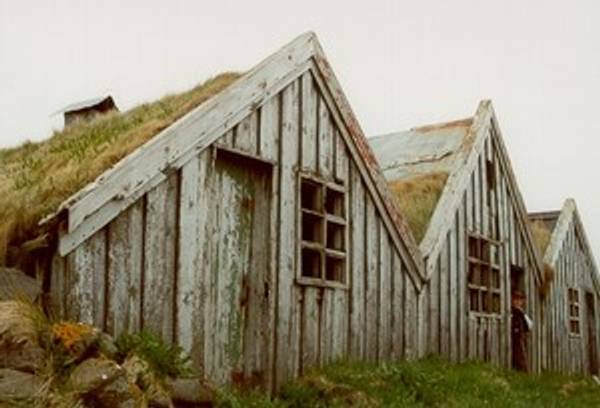
Hesteyri – A Haunted Village in Icelandic Fiction
Hesteyri, Westfjords

Hesteyri – A Haunted Village in Icelandic Fiction

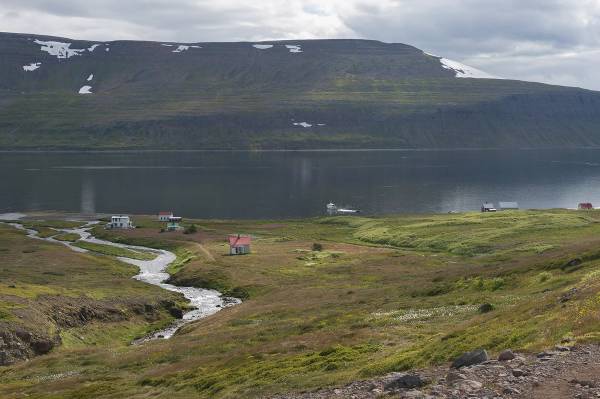
Hesteyri is the real Westfjords setting of Yrsa Sigurðardóttir’s supernatural thriller I Remember You, not a verified traditional haunting.

Hesteyri is a former settlement in Iceland’s remote Westfjords. Its abandoned buildings and isolation make it an evocative setting for ghost fiction.

Yrsa Sigurðardóttir’s novel Ég man þig (I Remember You) uses Hesteyri as the setting for a supernatural thriller. The haunting is part of the novel and should not be confused with a documented local folk legend.

The accompanying historical photograph shows Hesteyri, not evidence of ghosts. Source: Spectral Memories of Icelandic Culture, https://opinvisindi.is/server/api/core/bitstreams/be79362c-db26-49ea-8302-dee5062c9ebc/content

hesteyriicelandic-literatureghost-fiction
Mývatns-Skotta – A Northern Iceland Ghost Story
Mývatn, North Iceland

Mývatns-Skotta – A Northern Iceland Ghost Story

Mývatns-Skotta is a named female ghost in Icelandic folklore associated with the Mývatn area.

The Mývatn district is known for its dramatic volcanic landscape, but it also appears in Iceland's ghost-story tradition. Mývatns-Skotta is one of the named female revenants found in collected folklore.

The word Skotta describes a type of female ghost, often recognised by her headdress. Individual tales may describe a persistent supernatural follower, but the traditions should not be treated as confirmed events or modern sightings.

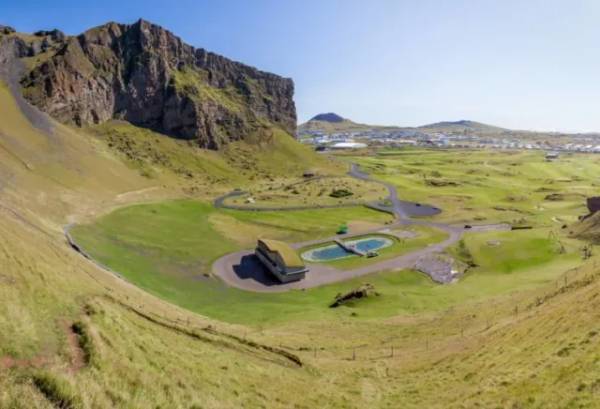
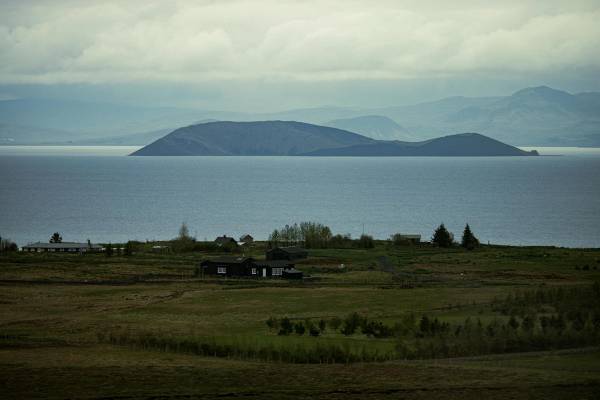
This entry introduces the folklore connected to the district, not a specific haunted building. The accompanying image shows the Mývatn landscape.

Source: Jón Árnason, Íslenzkar þjóðsögur og æfintýri, Draugasögur, 'Mývatns-Skotta', https://is.wikisource.org/wiki/Íslenzkar_þjóðsögur_og_æfintýri/Draugasögur/Mývatns-Skotta_(1)

icelandic-folkloreghost-storiessource-backed
Skotta – The Ghost in the Headdress
Iceland (various traditions)

Skotta – The Ghost in the Headdress

The skotta is a female ghost of Icelandic folklore, often identified by her distinctive headwear and persistent haunting.

A skotta is a female ghost in Icelandic folklore, named for the tail-like fold of her headdress. Skotta is not one specific apparition: individual tales include Hvítárvalla-Skotta and Mývatns-Skotta.

In Jón Árnason’s collected stories, these supernatural followers are associated with particular families and regions. Their alleged deeds belong to oral tradition, not verified historical events.

The accompanying image depicts Iceland’s Ghost Centre as a thematic illustration, not Skotta herself. Source: Jón Árnason, Íslenzkar þjóðsögur og æfintýri, Draugasögur, Hvítárvalla-Skotta and Mývatns-Skotta.

ghost-storiesicelandic-folklorefolklore
Hvítárvalla-Skotta – The Ghost of Borgarfjörður
Hvítárvellir, Borgarfjörður

Hvítárvalla-Skotta – The Ghost of Borgarfjörður

A named Skotta tradition associated with Hvítárvellir, recorded among Icelandic ghost stories collected by Jón Árnason.

Not every Icelandic ghost called Skotta is the same character. Hvítárvalla-Skotta belongs to a named local tradition associated with Hvítárvellir in Borgarfjörður.

The name Skotta refers to a female ghost, commonly distinguished by a trailing fold of traditional headwear. In folk narratives, such figures may follow people or families and be blamed for disturbances. The local tale belongs to Iceland's recorded storytelling tradition; supernatural claims are not historical evidence.

Hvítárvellir is a geographical association rather than a verified point of haunting. Visitors should respect private property.

Source: Jón Árnason, Íslenzkar þjóðsögur og æfintýri, Draugasögur, 'Hvítárvalla-Skotta', https://is.wikisource.org/wiki/Íslenzkar_þjóðsögur_og_æfintýri/Draugasögur/Hvítárvalla-Skotta

icelandic-folkloreghost-storiessource-backed
Draugarlág

Draugarlág

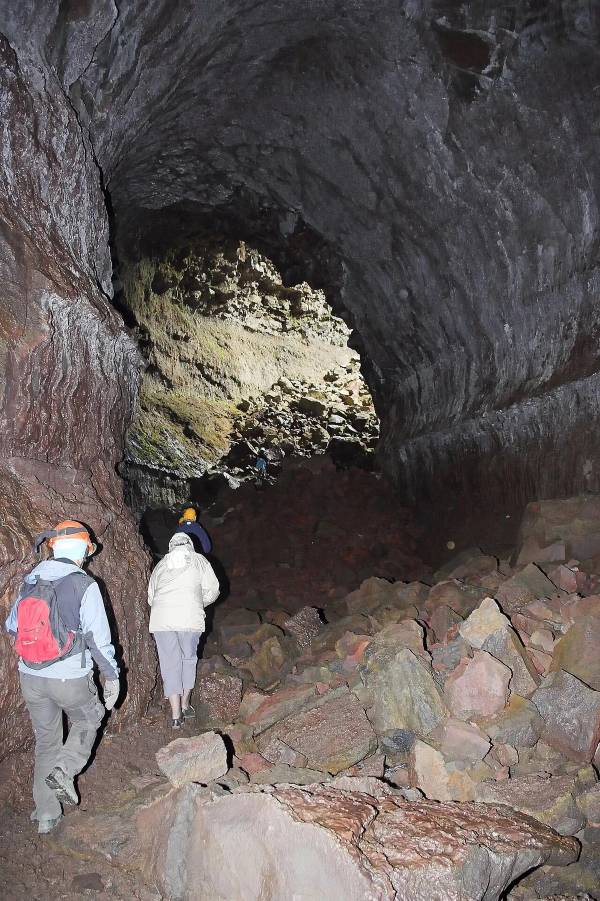
Draugarlág is a haunting Icelandic place-name associated with burial mounds, restless spirits, and the feared draugar of old folklore, where eerie lights, unexplained voices, and a sense of unseen presence were said to blur the boundary between the living and the dead, preserving ancient beliefs that certain lonely landscapes could become gathering places for the departed and dangerous reminders that the supernatural was never far from everyday life.

Draugarlág is one of those Icelandic place-names that seems to carry a warning within it. The name evokes a hollow or low-lying place associated with draugar — the restless dead of old Icelandic belief. Unlike harmless spirits, draugar were feared as physical and dangerous beings, said to linger near burial places, guard what had been buried with them, and trouble those who crossed into their domain.\n\nAccording to the kind of folklore attached to places like Draugarlág, the landscape itself could reveal when something unnatural was near. Travellers might glimpse pale lights moving across the ground after darkness had fallen, hear voices where no living person could be seen, or feel the sudden weight of an unseen presence in the stillness. Sounds could carry strangely through the hollow, making footsteps, whispers, or distant cries seem close enough to touch.\n\nIn older Icelandic tradition, the dead were not always believed to leave the world of the living peacefully. A person who had been violent, powerful, greedy, or deeply attached to earthly possessions might return as a draugr. Such beings were often associated with burial mounds and lonely places away from farms and settlements, where people would have been reluctant to linger after nightfall.\n\nA place such as Draugarlág therefore became more than a feature of the landscape. It became part of the mental map of the people who lived nearby — a place remembered through warnings and stories, where children might be told not to wander and where travellers would quicken their pace as daylight faded. Whether anyone truly encountered a draugr mattered less than the belief that such an encounter was possible.\n\nToday, Draugarlág can be viewed through a different lens, but the atmosphere behind the old stories remains easy to understand. In Iceland's remote valleys and dark winter landscapes, mist, moonlight, strange echoes, and shifting weather can transform familiar ground into something unsettling. The folklore of Draugarlág preserves that ancient sense that the boundary between the known world and the unknown could be very thin indeed.

Ghost Ships of Reykjavík Harbor
Reykjavík

Ghost Ships of Reykjavík Harbor

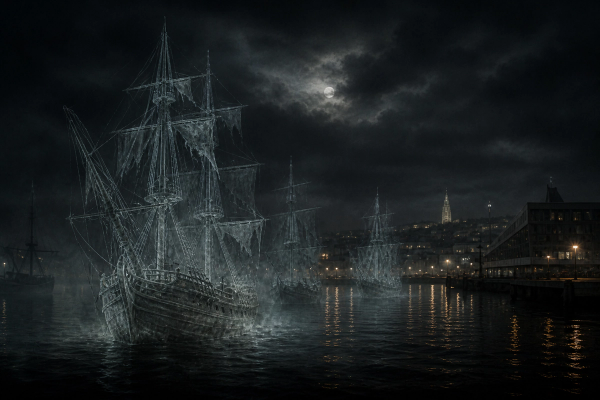
Ghost Ships of Reykjavík Harbor: Phantom vessels sail the capital's waters.

Reykjavík's harbor, a bustling hub of modern life, is also said to be haunted by spectral ships from bygone eras.

Sailors and those who live by the sea have reported seeing phantom vessels, often shrouded in mist, gliding silently through the waters. These ghost ships are believed to be the echoes of vessels lost to the harsh Atlantic or perhaps carrying the souls of those who perished at sea.

Their appearances are often fleeting, leaving behind only a chilling sense of mystery and a reminder of the deep, often tragic, connection between Iceland and the unforgiving ocean.

hauntedghost shipreykjavíkharbormaritimefolkloreseadrowned
🌋

Legends of the Icelandic Highlands

The Highlands were home to outlaws banished from society who lived in caves and survived by their wits. Their stories blurred the line between history and myth, with some gaining near-supernatural reputations for endurance and cunning.

Outlaws of the Highland Interior

Outlaws of the Highland Interior

Outlaws of the Highland Interior: Tales of fugitive lives lived in Iceland's rugged, remote wilderness.

Iceland's vast and unforgiving highlands have long served as a refuge and a challenge for those who lived outside the law. The "Outlaws of the Highland Interior" are figures of legend, men and women who sought solitude and survival in the desolate, mountainous terrain.

These outlaws, often driven by feuds, political exile, or desperate circumstances, carved out a life in the wilderness. Their stories are filled with tales of resourcefulness, enduring harsh conditions, and evading capture. The highlands, with their dramatic landscapes of lava fields, glaciers, and volcanic peaks, provided both concealment and danger.

The legends of these outlaws speak to a primal struggle for freedom and a deep connection to the untamed spirit of Iceland's interior, a place where only the most resilient could survive.

highlandsoutlawsfjalla-eyvindurhveravellirhistoryfolklore
Katla Volcano Legend

Katla Volcano Legend

Katla's fiery breath hides a legend of ancient gods and trolls.

The mighty Katla volcano, a fearsome force in Iceland's highlands, is steeped in legend. It is said that the volcano is home to the giant troll woman, Katla, who sleeps beneath its fiery peaks. Her slumber is so deep that the earth trembles and smoke billows forth when she stirs. Ancient tales whisper that the gods themselves placed her there to contain her destructive power, a constant reminder of the untamed forces that shape this land.

Some legends claim that Katla's rage is awakened by human folly or disrespect towards nature. When her wrath is truly unleashed, the volcano erupts with devastating force, spewing ash and lava, reshaping the very landscape. Travelers in the highlands are advised to tread with respect, lest they disturb the slumbering giant and invite her fury.

katlavolcanohighlandslegendsouth icelandglacial floodfolklore
Grettislaug – Where the Saga Hero Bathed

Grettislaug – Where the Saga Hero Bathed

Grettislaug: Grettir the Strong's legendary hot spring bath.

Grettislaug, nestled on the coast of the Skagafjörður region, is a place forever associated with the legendary saga hero, Grettir the Strong.

According to the Grettis Saga, Grettir, an outlaw and a formidable warrior, would often bathe in these natural hot springs to soothe his weary body and contemplate his fate. The warm, mineral-rich waters offered him solace amidst his harsh and often solitary life.

Today, visitors can still enjoy the same therapeutic waters, imagining the great Grettir soaking here centuries ago, a tangible link to Iceland's heroic past.

grettir sagagrettislaugnorth icelandhistorygeothermalhot poolssagas
🏚️

Haunted Places

Drangey Island – Ghosts of the Sagas

Drangey Island – Ghosts of the Sagas

Drangey Island: Where saga heroes and restless spirits linger.

Drangey, a formidable island fortress in Skagafjörður, is not only a place of saga heroes but also whispered to be haunted. Its sheer cliffs and remote location made it an ideal hideout for outlaws like Grettir the Strong, whose final, dramatic years are chronicled in the Grettis Saga. The harsh conditions and violent lives lived here have left an indelible mark, leading to tales of restless spirits.

Locals and visitors alike have reported eerie sensations and unexplained phenomena around Drangey. Some believe the ghosts of those who met their end on the island, whether through conflict or the unforgiving elements, still roam its windswept heights. The brooding atmosphere of Drangey, combined with its rich historical tapestry, creates a potent blend of saga and spectral lore.

haunteddrangeygrettirsagaghostoutlawnorth icelandmedieval
Gunnuhver – The Angry Ghost of Reykjanes

Gunnuhver – The Angry Ghost of Reykjanes

Gunnuhver: A geothermal pool haunted by a furious spirit.

On the Reykjanes Peninsula, the earth hisses and boils at Gunnuhver, a powerful geothermal area. This is no ordinary hot spring; legend has it that the restless spirit of a woman named Guðrún (Gunna) is trapped here. Driven to despair and madness, Gunna allegedly drowned herself in the springs after being tricked by her husband. Her tormented soul is said to lash out, causing the violent bubbling and steam that characterize the area.

Local folklore warns visitors to approach Gunnuhver with respect, as Gunna's spirit is said to be easily angered. Some tales even speak of her spirit being captured and bound to the area by a priest, who used a sacred ring to subdue her. Yet, the raw, untamed energy of Gunnuhver suggests that this powerful spirit is never truly at peace, a constant reminder of a tragic past intertwined with the volatile nature of the land.

ghostgeothermalreykjanesfolklorepriest-exorcism
Þingvellir – The Drowning Pool

Þingvellir – The Drowning Pool

Iceland's ancient parliament site hides a dark history. The Drekkingarhylur pool here was the execution site where women accused of witchcraft and infanticide were drowned for centuries.

Iceland's ancient parliament site hides a dark history. The Drekkingarhylur pool here was the execution site where women accused of witchcraft and infanticide were drowned for centuries. The pool is still visible near the river, and swimmers have reported an uneasy feeling in the water.

historyexecutionþingvellirdrowningwitchcraft
National Theatre of Iceland

National Theatre of Iceland

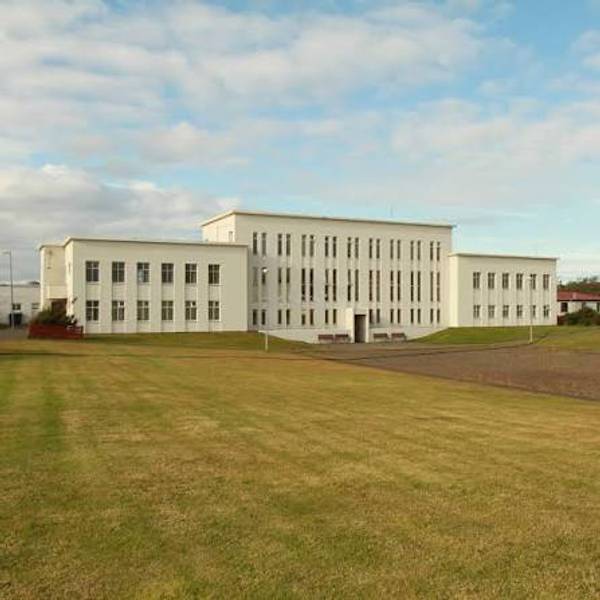
Staff and performers have reported unexplained sounds, flickering lights and ghostly presences in the backstage areas and upper floors of this early 20th century building.

Staff and performers have reported unexplained sounds, flickering lights and ghostly presences in the backstage areas and upper floors of this early 20th century building. The haunting is said to concentrate in the older dressing rooms and the fly tower above the stage.

ghostreykjavíktheatrehaunted
Laugar Junior College

Laugar Junior College

A boarding school with a long local reputation for hauntings, particularly in the oldest stone wing. Former students describe unexplained cold drafts, footsteps and doors that open and close on their own.

A boarding school with a long local reputation for hauntings, particularly in the oldest stone wing. Former students describe unexplained cold drafts, footsteps and doors that open and close on their own. The school has been operating for over a century, and the ghost stories have persisted through many generations of students.

ghostschoolnorth-icelandhaunted
Bessastaðir Presidential Estate

Bessastaðir Presidential Estate

One of Iceland's oldest building complexes, continuously occupied since the Viking Age. Seven centuries of history have left their mark — staff describe persistent unexplained activity in the older wings.

One of Iceland's oldest building complexes, continuously occupied since the Viking Age. Seven centuries of history have left their mark — staff describe persistent unexplained activity in the older wings. The estate has been the official residence of Iceland's president since 1944.

historicghostreykjanespresidentviking age
Skriðuklaustur Monastery

Skriðuklaustur Monastery

A 16th century Catholic monastery dissolved during Iceland's Reformation. Archaeological excavations found human remains beneath the foundations, and workers have reported unexplained presences.

A 16th century Catholic monastery dissolved during Iceland's Reformation. Archaeological excavations found human remains beneath the foundations, and workers in the restored building have reported unexplained presences. The site is now a cultural centre and museum.

monasteryghosteast-icelandreformationhistoric
Selkollusteinn – The Haunted Rock of Strandir
Bjarnarfjarðarháls, Strandir

Selkollusteinn – The Haunted Rock of Strandir

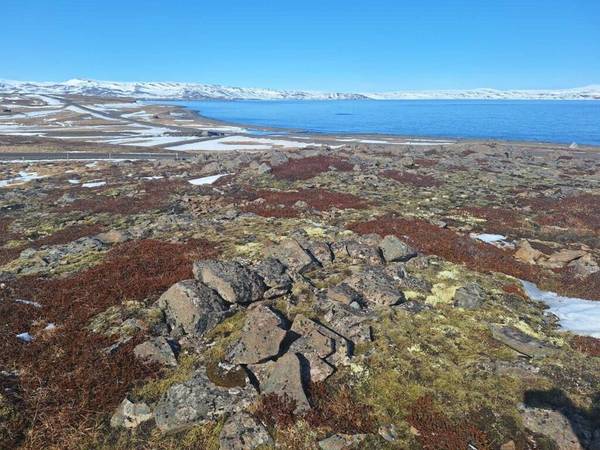
Selkollusteinn is a named rock linked to the medieval story of Selkolla, the seal-headed spirit of Strandir.

At Bjarnarfjarðarháls in the Westfjords stands Selkollusteinn, a rock tied to one of Iceland's oldest supernatural traditions. The story associates this landscape with the mysterious Selkolla, a female being sometimes depicted with the head of a seal.

In the tale, an unattended infant becomes the origin of a dangerous spirit. Bishop Guðmundur the Good eventually confronts the being. The narrative survives in medieval material and later Icelandic folklore, with differences between versions.

This is a folklore landmark, not an authenticated site of paranormal activity. Road access, weather and safe stopping places should be checked before visiting.

Sources: Museum of Icelandic Sorcery and Witchcraft, https://galdrasyning.is/soguslodir-a-strondum/ ; Árni Magnússon Institute, https://www.arnastofnun.is/is/greinar/flagdid-selkolla

icelandic-folkloreghost-storiessource-backed
Skálholt – Ghosts of Iceland's Ancient Cathedral
South Iceland, in the Golden Circle near the Hvítá River

Skálholt – Ghosts of Iceland's Ancient Cathedral

For nearly eight centuries, Skálholt stood at the heart of Icelandic religious life, witnessing fires, earthquakes, political struggles and the bloody execution of Bishop Jón Arason and his sons, and with centuries of bishops, clergy and the dead buried beneath and around the cathedral grounds, it is perhaps unsurprising that Icelandic folklore has wrapped the ancient site in tales of shadowy figures, unexplained footsteps and restless spirits that seem reluctant to leave one of the country's most sacred and historically powerful places.

For centuries, Skálholt was one of the most powerful places in Iceland. The country's first bishop established his seat here in 1056, and for generations the settlement grew into a centre of religion, education and political influence. Bishops, priests, scholars, servants and students lived within its grounds, while successive cathedrals rose, burned, collapsed and were rebuilt on the same sacred site. The modern cathedral is only the latest chapter in a history stretching back almost a thousand years.\n\nThat long history has also given Skálholt a darker reputation. Stories have been told of indistinct figures moving across the churchyard after nightfall, footsteps where no one can be seen and the unsettling sensation that someone is standing nearby in an otherwise empty space. Some versions describe figures dressed like clergy disappearing between the church and the old burial ground, as though former inhabitants of Skálholt are still following paths that vanished centuries ago.\n\nFew events cast a longer shadow over Skálholt than what happened on 7 November 1550. Jón Arason, the last Catholic bishop of Iceland, had been captured with his sons Ari and Björn during the violent struggle surrounding the Reformation. The three men were brought to Skálholt and executed by beheading. Their deaths became one of the most dramatic moments in Icelandic religious history and marked the effective end of organised Catholic resistance to the Reformation in the country. A memorial now stands near Skálholt recalling the execution.\n\nThe ground itself holds reminders that generations of the dead remain close. During archaeological work in 1954, researchers uncovered a stone sarcophagus believed to belong to Páll Jónsson, Bishop of Skálholt from 1195 to 1211. His ancient coffin can now be seen beneath the present cathedral. Standing in the underground vault, surrounded by stone and centuries of history, makes the boundary between Skálholt's past and present feel unusually thin.\n\nOver the centuries Skálholt has endured devastating fires, including the destruction of much of the settlement in 1630, and powerful earthquakes that eventually contributed to the bishopric being moved away from the site. Buildings disappeared, new ones were raised above their remains, and graves from different periods became part of the landscape. Beneath today's peaceful fields lies the footprint of a settlement that once contained far more buildings and people than a modern visitor might imagine.\n\nThere is no evidence that Skálholt is literally haunted, but that has never stopped ghost stories from taking root in Iceland. When darkness settles over the churchyard and the modern cathedral stands alone above the old foundations, it is easy to understand why tales of bishops, priests and other spectral figures have persisted. At Skálholt, the ghosts may belong to folklore — but the deaths, graves and turbulent history beneath the stories are very real.

hauntedskálholtbishophistorysouth icelandmedievalghost
Möðruvellir – The Haunted Farm

Möðruvellir – The Haunted Farm

Möðruvellir – The Haunted Farm: Where restless spirits linger.

Möðruvellir, a farm in Eyjafjörður, is whispered to be one of Iceland's most haunted locations. Tales abound of unsettling occurrences, from disembodied voices and apparitions to unexplained noises and chilling presences that plague the old farmstead.

Locals and visitors alike have reported strange encounters, attributing them to the restless souls of those who met tragic ends or were buried nearby. The farm's isolated setting and dark history contribute to its eerie reputation, making it a place where the veil between worlds feels thin.

hauntedrevenantdraugarnorth icelandghostfolkloresagas
Höfði House – Reykjavík's Haunted Mansion

Höfði House – Reykjavík's Haunted Mansion

Höfði House: Reykjavík's historic mansion with a chilling paranormal past.

Höfði House, a distinguished building in Reykjavík, is renowned not only for its historical significance as the site of the 1986 Reagan-Gorbachev summit but also for its eerie reputation as one of the city's most haunted locations.

Numerous tales circulate about spectral apparitions, unexplained noises, and a pervasive sense of unease within its walls. Visitors and staff have reported chilling encounters with unseen presences, contributing to its legend as a place where the past refuses to stay buried.

Whether you believe in ghosts or not, Höfði House stands as a testament to both Iceland's modern history and its enduring fascination with the supernatural.

ghostreykjavikmansionhistoricwhite-lady
Hólavallagarður Cemetery

Hólavallagarður Cemetery

Iceland's oldest cemetery (established 1838), where spirits are said to walk between mossy headstones at night. Many of Iceland's most prominent historical figures are buried here.

Iceland's oldest cemetery (established 1838), where spirits are said to walk between mossy headstones at night. Many of Iceland's most prominent historical figures are buried here.

cemeteryreykjavíkghosthistoric
Draugasetrid – Ghost Center

Draugasetrid – Ghost Center

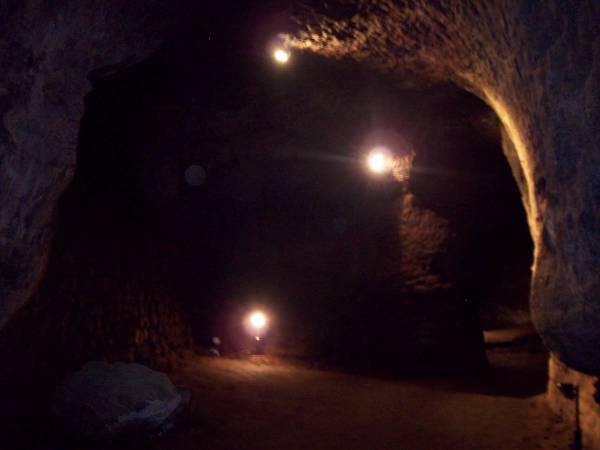
Iceland's dedicated ghost story museum and haunted house experience on the South Coast. Themed rooms recreate famous Icelandic ghost legends, including the Deacon of Myrká.

Iceland's dedicated ghost story museum and haunted house experience on the South Coast. Themed rooms recreate famous Icelandic ghost legends, including the Deacon of Myrká and other famous stories. An essential stop for anyone interested in Icelandic supernatural folklore.

museumghostsouth-coastattractionstokkseyri
Seljavallalaug – The Mysterious Pool

Seljavallalaug – The Mysterious Pool

An isolated geothermal pool in a narrow valley. Hikers have reported hearing voices with no visible source in the valley, particularly at dusk in autumn when the light fades early.

An isolated geothermal pool in a narrow valley. Hikers have reported hearing voices with no visible source in the valley, particularly at dusk in autumn when the light fades early. The pool is one of Iceland's oldest swimming pools, built in 1923, and remains accessible by a 30-minute hike.

geothermalpoolsouth-icelandfolkloremysterious
Hvítárnes Hut

Hvítárnes Hut

A remote highland hut accessible only in summer where travelers have reported strange sounds, moving objects and apparitions that appear and vanish during overnight stays.

A remote highland hut accessible only in summer where travelers have reported strange sounds, moving objects and apparitions that appear and vanish during overnight stays. The hut is isolated enough that there is no obvious mundane explanation for the phenomena reported.

ghosthighlandshutremote
Þórbergsstofa – Childhood Home of the Supernatural Writer

Þórbergsstofa – Childhood Home of the Supernatural Writer

The childhood home of writer Þórbergur Þórðarson, who documented encounters with elves, ghosts and supernatural beings. Guides tell stories of strange events that continue to occur at the farm.

The childhood home of writer Þórbergur Þórðarson, who documented encounters with elves, ghosts and supernatural beings throughout his life. Guides tell stories of strange events that continue to occur at the farm — unexplained lights, sounds out of season, and the persistent feeling that the writer's subjects are still nearby.

folklorewritersoutheast-icelandelvesghosts
Snæfellsnes Abandoned Farms – Haunted Ruins of the West
Snæfellsnes

Snæfellsnes Abandoned Farms – Haunted Ruins of the West

Snæfellsnes Abandoned Farms: Whispers of the past in desolate homesteads.

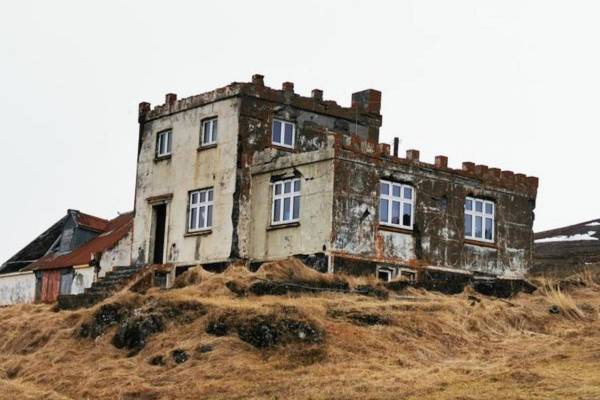
The Snæfellsnes peninsula, known for its dramatic landscapes and rich folklore, also holds the poignant remnants of abandoned farms. These desolate homesteads, scattered across the rugged terrain, are silent witnesses to the hardships and resilience of past generations.

Many of these abandoned farms are said to be haunted by the spirits of those who lived and died there. Local legends speak of unexplained noises, flickering lights in empty windows, and the lingering presence of former inhabitants, their stories woven into the very fabric of the ruins.

Exploring these forgotten places offers a glimpse into a bygone era, a connection to the lives that were shaped by the unforgiving environment of Iceland. The wind whistling through the broken walls carries whispers of the past, a reminder of the enduring human spirit and the spectral echoes that remain.

hauntedsnæfellsnesabandonedfarmsruinswest icelandghosthidden people
⚔️

Viking History

The Settlement of Iceland – Land of Fire and Freedom

The Settlement of Iceland – Land of Fire and Freedom

Iceland: Land of Fire and Freedom, forged by Vikings and volcanic might.

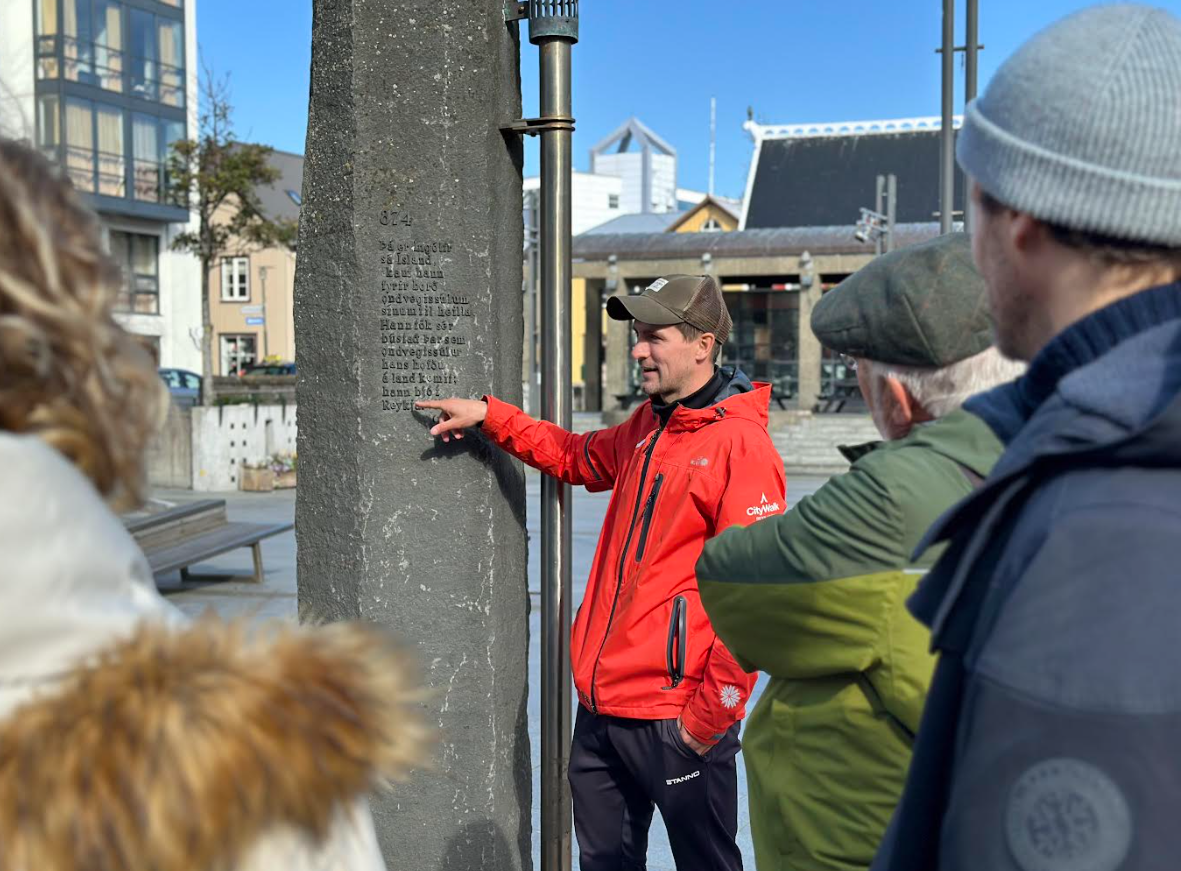
The settlement of Iceland, beginning around 874 AD, was a monumental undertaking by Norse explorers and settlers, fleeing political turmoil in Norway. Led by figures like Ingólfur Arnarson, they navigated treacherous seas to find a new home on a vast, uninhabited island.

This new land, Iceland, was a dramatic landscape of fire and ice. Volcanic activity shaped its terrain, while glaciers carved its fjords. The settlers established a unique society, developing the Althing, one of the world's oldest parliamentary institutions, and a rich literary tradition that would become the sagas.

Life was harsh, marked by the challenges of farming in a cold climate and the constant threat of the elements. Yet, the spirit of freedom and independence that drove the settlers allowed them to forge a resilient culture and a distinct national identity that endures to this day.

historysettlementingólfur arnarsonreykjavíknorsevikings870 AD
Hjörleifshöfði – The First Viking Murder

Hjörleifshöfði – The First Viking Murder

Hjörleifshöfði – The First Viking Murder

Stand at the foot of Hjörleifshöfði, a dramatic promontory steeped in one of Iceland's earliest and most tragic tales. This is the site where, according to the Landnámabók (Book of Settlements), Hjörleifur, brother of Ingólfur Arnarson (Iceland's first permanent settler), met a brutal end.

Hjörleifur, who had come to Iceland with his brother, tragically fell victim to his own Irish thralls. Driven by mistreatment, the thralls turned on him, marking this spot as the scene of the first recorded Viking murder in Iceland. The stark, imposing presence of Hjörleifshöfði serves as a somber reminder of the harsh realities and conflicts that accompanied the settlement of this new land.

vikingburial-moundsettlementsouth-icelandmurdersagalandnámabók
✨

Superstitions

Grýla, the Yule Lads & the Yule Cat

Grýla, the Yule Lads & the Yule Cat

Beware Grýla! The Yule Lads & their terrifying feline nemesis.

In the depths of Icelandic winter, a chilling tale unfolds concerning Grýla, the monstrous ogress who dwells in the mountains. She is the mother of the thirteen Yule Lads, mischievous and often terrifying beings who descend upon villages in the days leading up to Christmas. Each Lad has his own peculiar brand of mischief, from stealing candles to slamming doors.

But the true terror for many was Grýla's companion: the Yule Cat. This colossal feline was no cuddly creature. It was said to prowl the snowy landscapes, a hungry beast that would devour anyone who hadn't received new clothes by Christmas Eve. The threat of the Yule Cat was a powerful incentive for hard work and a stark reminder of the harsh realities of life in a bygone era.

yule ladsgrýlachristmasjólakötturinnfolkloretraditioniceland
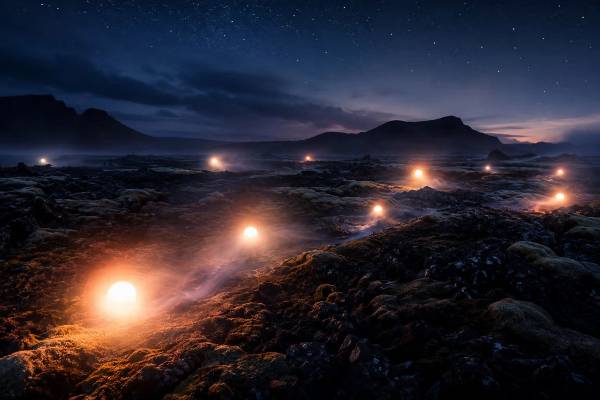
Lights in the Lava Fields
Reykjanes

Lights in the Lava Fields

Lights in the Lava Fields: Ethereal glows in Reykjanes' volcanic heart.

The Reykjanes Peninsula, a land of stark lava fields and active geothermal areas, is often a stage for eerie and unexplained phenomena. Among the most captivating are the mysterious lights reported to dance above the volcanic terrain.

These luminous displays, often described as flickering or pulsating, are part of local folklore and superstitions. While scientific explanations might point to atmospheric conditions or gas emissions, the legends speak of more mystical origins, perhaps the spirits of the land or otherworldly beings. Witnessing these lights is considered a profound and sometimes unsettling experience, deeply intertwined with the raw, untamed nature of Reykjanes.

lightslava fieldshidden peoplereykjanessuperstitionsfolklore

Iceland Folklore Atlas

49 geo-tagged folklore locations

Every elf rock, troll formation, haunted farm, lake monster sighting, and saga battleground — documented across all of Iceland's regions.

Snæfellsnes

4 sites

West Iceland

1 sites

Reykjavík

1 sites

Westfjords

5 sites

Highlands

1 sites

著名传说生物

Iceland's folklore is filled with mystical beings — some protective, some dangerous, all deeply connected to the landscape.

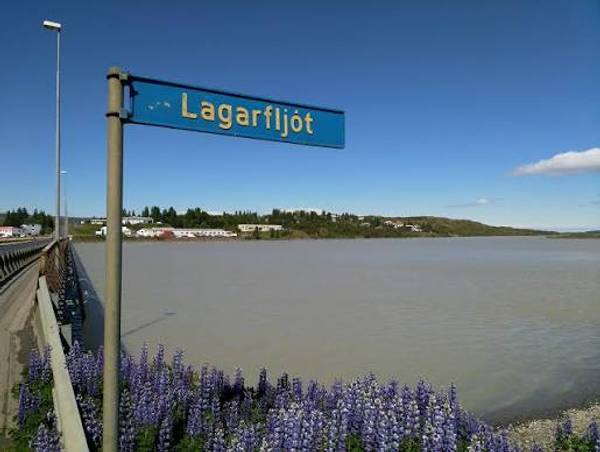
Lagarfljótsormurinn

Iceland's lake monster — a giant serpent said to live in Lake Lagarfljót for over a thousand years.

Nykur

The water horse — a shape-shifting creature that appears as a beautiful horse near lakes and rivers, then drags riders to their death.

Huldufólk

The Hidden People — elves who live inside rocks and lava fields. Roads have been rerouted to avoid disturbing their homes.

Trolls

Giants who turn to stone in sunlight. Many of Iceland's most famous rock formations are said to be trolls frozen at dawn.

Landvættir

Four guardian spirits — dragon, giant, bird, and bull — who protect Iceland from invasion. They appear on Iceland's coat of arms.

Draugar

Icelandic revenants — physical, violent undead who return from the grave with superhuman strength.

Margygur

Icelandic mermaids — ominous harbingers of storms and shipwrecks, not the romantic figures of fairy tales.

🗺️

互动传说地图

689+ folklore locations mapped across Iceland — elf rocks, troll formations, haunted farms, and saga sites plotted on one interactive map.

Troll rocks South Coast

Elf Capital Hafnarfjörður

Lake Monster Lagarfljót

Haunted Valley Fjaðrárgljúfur

🗺️ 探索传说地图

Icelandic Saga Sites

Over 900 real locations mentioned in the Íslendingasögur — the Viking Age sagas written in medieval Iceland. Every farm, fjord, and battlefield, with GPS coordinates and saga quotes.

Explore Saga Sites →

Iceland Ghost Stories & Haunted Places

Explore Iceland's most terrifying ghost stories, haunted farmhouses, shadow creatures, and supernatural encounters that have frightened Icelanders for centuries.

阅读鬼故事 →

探索传说背后的地区