
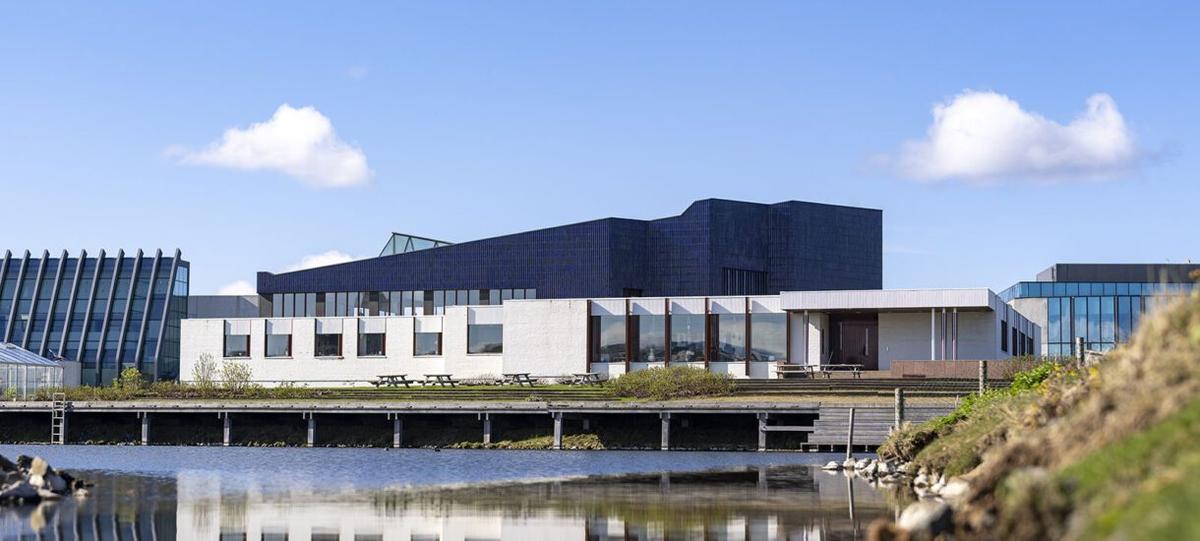
北欧之家——阿尔瓦·阿尔托在雷克雅未克的杰作
冰岛大学附近的北欧之家是由传奇芬兰建筑师阿尔瓦·阿尔托设计、1968年开放的北欧文化中心。是冰岛唯一的阿尔托建筑,也是他在斯堪的纳维亚设计的仅有两座之一。建筑呈现阿尔托标志性的有机形态、蓝色瓷砖地下室和著名的波浪形屋顶。中心举办北欧文化活动、展览并设有一家备受赞誉的北欧餐厅。
关于
关于北欧之家——阿尔瓦·阿尔托在雷克雅未克的杰作
冰岛大学附近的北欧之家是由传奇芬兰建筑师阿尔瓦·阿尔托设计、1968年开放的北欧文化中心。是冰岛唯一的阿尔托建筑,也是他在斯堪的纳维亚设计的仅有两座之一。建筑呈现阿尔托标志性的有机形态、蓝色瓷砖地下室和著名的波浪形屋顶。中心举办北欧文化活动、展览并设有一家备受赞誉的北欧餐厅。
It is the only Aalto building in Iceland and one of only two he designed in Scandinavia.
北欧之家——阿尔瓦·阿尔托在雷克雅未克的杰作附近的旅游
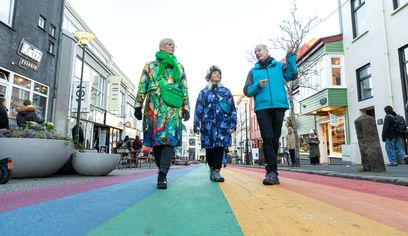
Private Reykjavik LGBTQ+ City Walk
Your Friend in Reykjavik · 3 hours
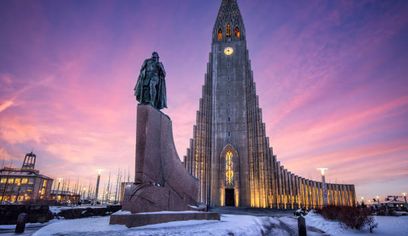
Private Reykjavik City Tour
Icelimo Luxurytravel · 4 hours
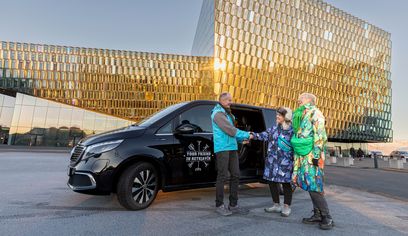
Private 3 hour Reykjavik Driving Tour
Your Friend in Reykjavik · 3 hours
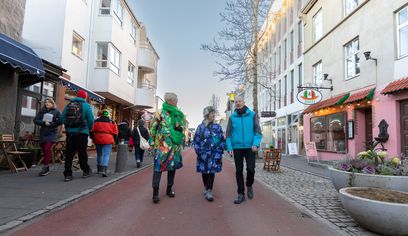
Private Reykjavik Shopping & Sightseeing Walking Tour
Your Friend in Reykjavik · 3 hours
照片
图库
背景
历史与背景
The Nordic House was established in 1968 following a 1957 agreement between Denmark, Finland, Iceland, Norway and Sweden to fund a joint cultural centre in Reykjavík. The Finnish architect Alvar Aalto was selected for the commission in 1962. Aalto died in 1976, but the building continues to operate as one of the main venues for Nordic cultural exchange in Iceland.
The Nordic House was established following an agreement between the Nordic countries to build a joint cultural centre in Reykjavík. The commission went to Alvar Aalto, whose design combined Nordic cultural values with the latest thinking in humanist modernist architecture. The building contains a main exhibition hall, lecture theatre, library, outdoor amphitheatre and the ground-floor restaurant. Cultural programming ranges from exhibitions of contemporary Scandinavian art and design to concerts, films, theatre performances and literary events. The restaurant Norræna is particularly celebrated — it specialises in Nordic cuisine using the best Icelandic ingredients (lamb, fish, skyr, Arctic herbs) in a Scandi-minimalist dining room. The building is classified as a protected cultural heritage site in Iceland.
民间故事
故事与民间故事
Architecture pilgrims come to Reykjavík to see Jón Sigurðsson's house and Hallgrímskirkja — but the most significant work of architecture in Iceland may be a building many visitors walk past without recognising: the Nordic House by Alvar Aalto, tucked beside the University of Iceland. Aalto was one of the great architects of the 20th century, the Finnish master who developed a humane Nordic Modernism that rejected the severity of the International Style in favour of organic forms, natural materials and the quality of light. The Reykjavík building, completed in 1968, is among his final works — and it shows the full maturity of his approach. The rippling blue roof, the interplay of light through the building's clerestories, the warm wood interiors and the characteristic blue tile of the basement café all feel both unmistakably Aalto and perfectly at home in the Icelandic landscape. The cultural programme — Nordic exhibitions, concerts, literary events — gives the building its living purpose.
你知道吗?
Alvar Aalto designed the Nordic House at the age of 64, still near the peak of his powers. He visited Reykjavík to study the light and landscape before finalising the design — the undulating roof is said to reference the Icelandic mountain silhouette.
文化
故事与传说
来自该地区的冰岛传奇和民间故事
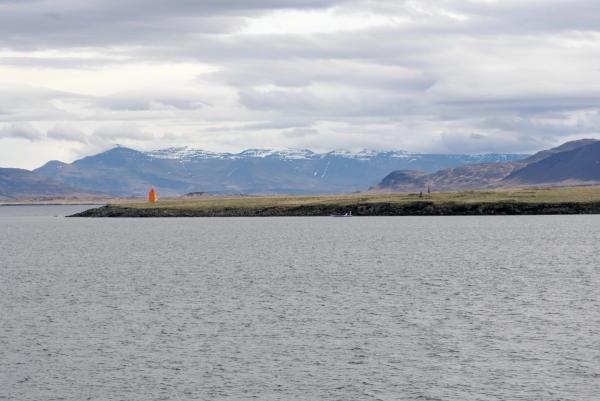
Engey
Engey is a historic location in Iceland mentioned in "Njáls saga", one of the ancient Íslendingasögur (Sagas of Icelanders). These medieval narratives preserve the history of Iceland's Viking Age settlement.
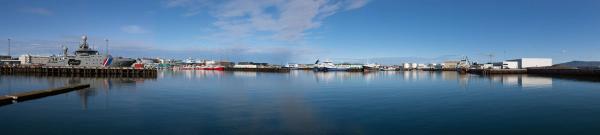
Reykjavík
Reykjavík is a historic location in Iceland mentioned in "Harðar saga og Hólmverja", one of the ancient Íslendingasögur (Sagas of Icelanders). These medieval narratives preserve the history of Iceland's Viking Age settlement.

Skuggabaldur – The Shadow Creature
Skuggabaldur: A phantom dog guarding forgotten paths.
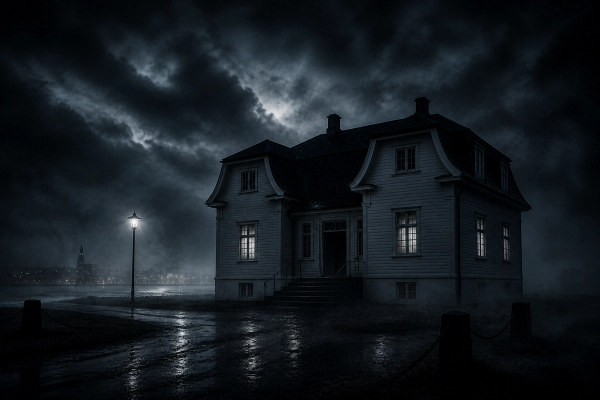
Höfði House – Reykjavík's Haunted Mansion
Höfði House: Reykjavík's historic mansion with a chilling paranormal past.
探索
附近的隐藏宝藏
The Blue Tile Basement
The lower level café with Aalto's signature blue tiles and curved bar is the most atmospheric room in the building — and relatively few visitors find their way down to it.
The Outdoor Amphitheatre
The outdoor seating terrace and amphitheatre on the south side of the building is used for summer concerts — one of the most atmospheric outdoor venues in Reykjavík.
帮助
常见问题
位置
位置
Discover
Explore Nearby
Places from our database within 5.0 km — all data from Sanity
Loading nearby places…
0 places found within 5.0 km
Plan full itinerary →探索更多