
关于
关于Kapelluhraun
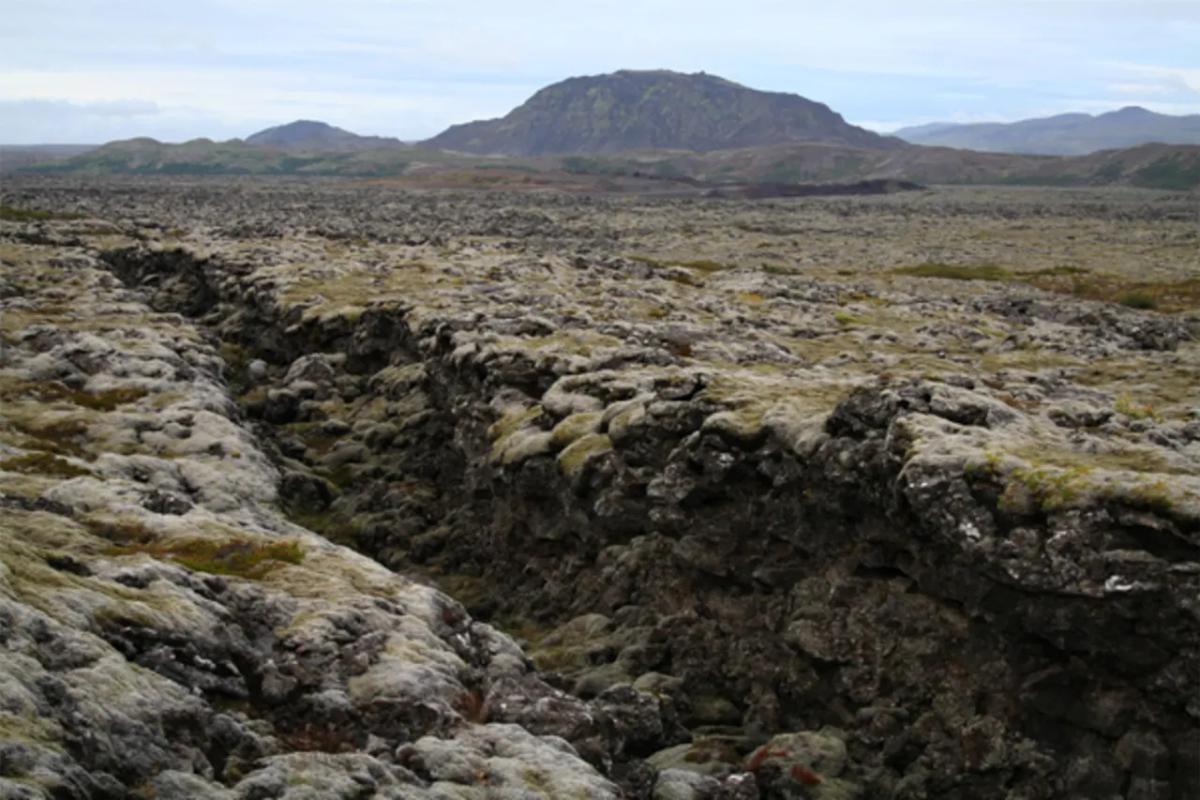
Kapelluhraun 是位于Hafnarfjörður与Straumur之间的一片崎岖而贫瘠的熔岩地带,被认为形成于历史早期。 在雷克雅内斯公路以南、Straumsvík铝厂对面的熔岩中,有一座用熔岩石堆砌而成的小型建筑,被称为“Kapella”。1950年考古发掘时,在此发现了一尊圣芭芭拉的小雕像,这表明这里可能曾是一个天主教祈祷场所。 近年来,这片熔岩地的大量材料被用于大雷克雅未克地区的建筑和道路建设。然而,包含教堂遗址的熔岩丘仍被保留下来,并已被列为受保护遗址。
Kapelluhraun附近的旅游
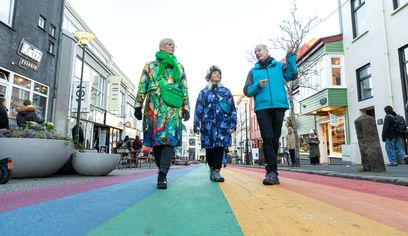
Private Reykjavik LGBTQ+ City Walk
Your Friend in Reykjavik · 3 hours
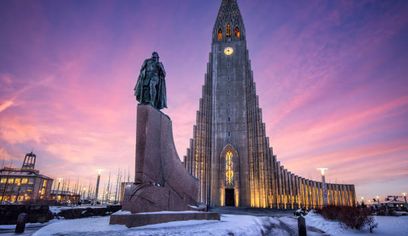
Private Reykjavik City Tour
Icelimo Luxurytravel · 4 hours
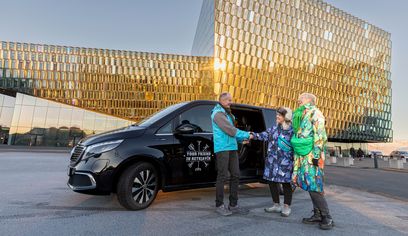
Private 3 hour Reykjavik Driving Tour
Your Friend in Reykjavik · 3 hours
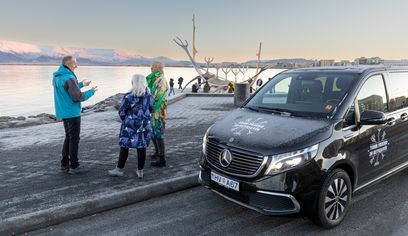
Private 4 hour Reykjavik Driving Tour
Your Friend in Reykjavik · 4 hours
照片
图库
背景
历史与背景
Kapelluhraun was formed by volcanic eruptions on the Reykjanes Peninsula, likely during the early historical period of Iceland. The lava spread across the landscape, creating the rough terrain visible today. The chapel within the lava field is believed to date back to medieval times and was likely used by travelers as a place of prayer. The discovery of a statue of Saint Barbara in 1950 supports its religious significance. In modern times, parts of the lava field have been quarried for construction materials. However, the area containing the chapel has been preserved and designated as a protected cultural site, ensuring its continued importance as both a geological and historical landmark.
Kapelluhraun is a notable lava field in the Hafnarfjörður area, within Iceland’s Capital Region. Formed by volcanic eruptions in the early historical period, the landscape reflects the powerful geological forces that continue to shape the Reykjanes Peninsula. The lava field is characterized by rough, uneven terrain with limited vegetation, though patches of moss have gradually taken hold over time. Like many Icelandic lava fields, Kapelluhraun developed as molten lava spread across the land and cooled into jagged formations, later fractured by tectonic movement. This combination of volcanic origin and slow ecological growth gives the area a distinctive appearance. What sets Kapelluhraun apart is its cultural layer. Within the lava field lies a small stone structure known as Kapella, believed to have been a roadside place of prayer. Archaeological work in 1950 uncovered a small statue of Saint Barbara, suggesting that the site may have served as a Catholic devotional location during earlier centuries. This connection between geology and human history makes the area particularly unique. In more recent times, parts of the lava field have been used as a source of material for construction in the greater Reykjavík area. Despite this, the lava mound containing the chapel has been preserved and is now protected, maintaining its historical and cultural significance. Kapelluhraun offers a clear example of how Iceland’s landscapes are shaped not only by natural forces, but also by the ways people have interacted with them over time.
民间故事
故事与民间故事
Kapelluhraun feels like a place shaped by both fire and memory. The lava stretches out in rough, uneven forms, telling the story of an eruption that took place long ago. It is a harsh landscape, with little vegetation, yet it holds something unexpected. Hidden within the lava is a small stone structure—the Kapella. Built from the same rock that surrounds it, it blends into the land, almost as if it grew there naturally. But its purpose was human. Travelers crossing this difficult terrain may have stopped here, seeking protection or guidance before continuing their journey. Centuries later, the discovery of a small religious figure confirmed that this place once held spiritual meaning. Even as the surrounding lava has been reshaped by modern development, the chapel remains untouched. Standing there today, the contrast is striking—a fragile piece of history preserved within a landscape formed by powerful natural forces.
文化
故事与传说
来自该地区的冰岛传奇和民间故事
位置
位置
探索更多