

关于
关于Hofsstaðir
Hofsstaðir is a major Viking Age archaeological site near Reykjavík, featuring the remains of one of Iceland’s largest longhouses.
Hofsstaðir附近的旅游
Private Walking tour Reykjavik - CityWalk
CityWalk Reykjavik · 2 hours 30 minutes
Private Reykjavík Sightseeing Tour 4hrs
Your Transfer ehf · 4 hours
Private Reykjavík Sightseeing Tour 6hrs
Your Transfer ehf · 6 hours
The Icelandic Christmas Advent Driving Tour
Your Friend in Reykjavik · 5 hours
驾车前往Hofsstaðir
打算自驾前往?比较适合该地区的车型,再按旅行日期查看真实租车报价。
在此查询实时空车
车型仅供参考,并非实时价格或库存。通过此处预订,GoIceTravel可能获得佣金,但不会增加你的费用。
照片
图库
背景
历史与背景
Hofsstaðir dates back to Iceland’s early settlement period and is one of the most important archaeological sites in the Capital Region. Excavations have revealed a large Viking longhouse and evidence of social and ritual activities. The site provides insight into the structure of early Icelandic society, including leadership, communal gatherings, and religious practices before the adoption of Christianity. Today, it is preserved as a cultural heritage site and remains an important location for understanding Iceland’s Viking past.
Hofsstaðir is a significant archaeological site located in Garðabær, within Iceland’s Capital Region. Dating back to the Settlement Age (around the 9th–10th centuries), it represents one of the largest and most important Viking Age farmsteads discovered in Iceland. Excavations at the site revealed the remains of a large longhouse, measuring over 30 meters in length, making it one of the largest structures of its kind in the country. The size and layout suggest that Hofsstaðir may have served not only as a residence but also as a social and possibly ceremonial center. Archaeological findings include animal bones—particularly cattle skulls—arranged in ways that indicate ritual activity. These discoveries have led researchers to believe that Hofsstaðir may have been used for communal feasts and religious practices before the spread of Christianity in Iceland. The site today is partially preserved and interpreted for visitors, with pathways and markers outlining the original structure. While the physical remains are subtle, the historical significance is substantial. Hofsstaðir offers a unique window into Iceland’s early society, where daily life, leadership, and belief systems were closely intertwined. It stands as a key example of how archaeology can bring the Viking Age to life.
民间故事
故事与民间故事
At Hofsstaðir, the ground beneath your feet holds traces of one of Iceland’s earliest communities. More than a thousand years ago, this was a place of gathering—where people came together not only to live, but to share food, stories, and traditions. The longhouse that once stood here was unusually large, suggesting it may have belonged to a powerful chieftain or served as a central meeting place. Fires would have burned along its length, filling the space with warmth, smoke, and the sounds of conversation. As night fell, the surrounding land would grow quiet, leaving only the glow of firelight and the presence of those inside. Today, the structure is gone, but its outline remains visible, marked in the landscape. Visitors often describe a strong sense of connection here—not dramatic or overwhelming, but steady and grounding. It’s a place where history feels close, just beneath the surface.
文化
故事与传说
来自该地区的冰岛传奇和民间故事

Reykjavík
Reykjavík is a historic location in Iceland mentioned in "Harðar saga og Hólmverja", one of the ancient Íslendingasögur (Sagas of Icelanders). These medieval narratives preserve the history of Iceland's Viking Age settlement.
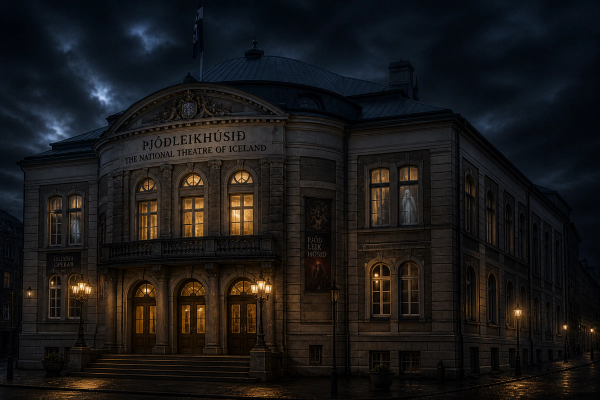
National Theatre of Iceland
Staff and performers have reported unexplained sounds, flickering lights and ghostly presences in the backstage areas and upper floors of this early 20th century building.
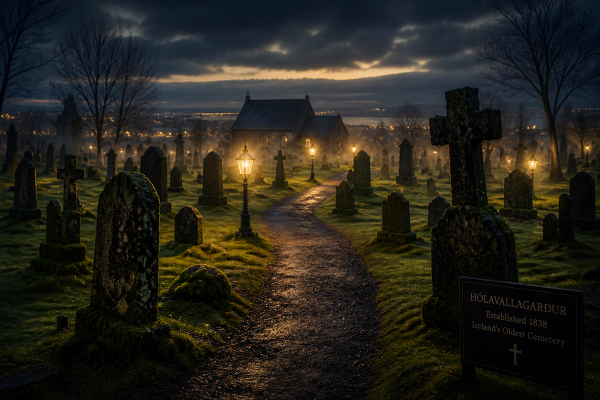
Hólavallagarður Cemetery
Iceland's oldest cemetery (established 1838), where spirits are said to walk between mossy headstones at night. Many of Iceland's most prominent historical figures are buried here.
位置
位置
探索更多