
关于
关于旅行者(Ferðalangur)
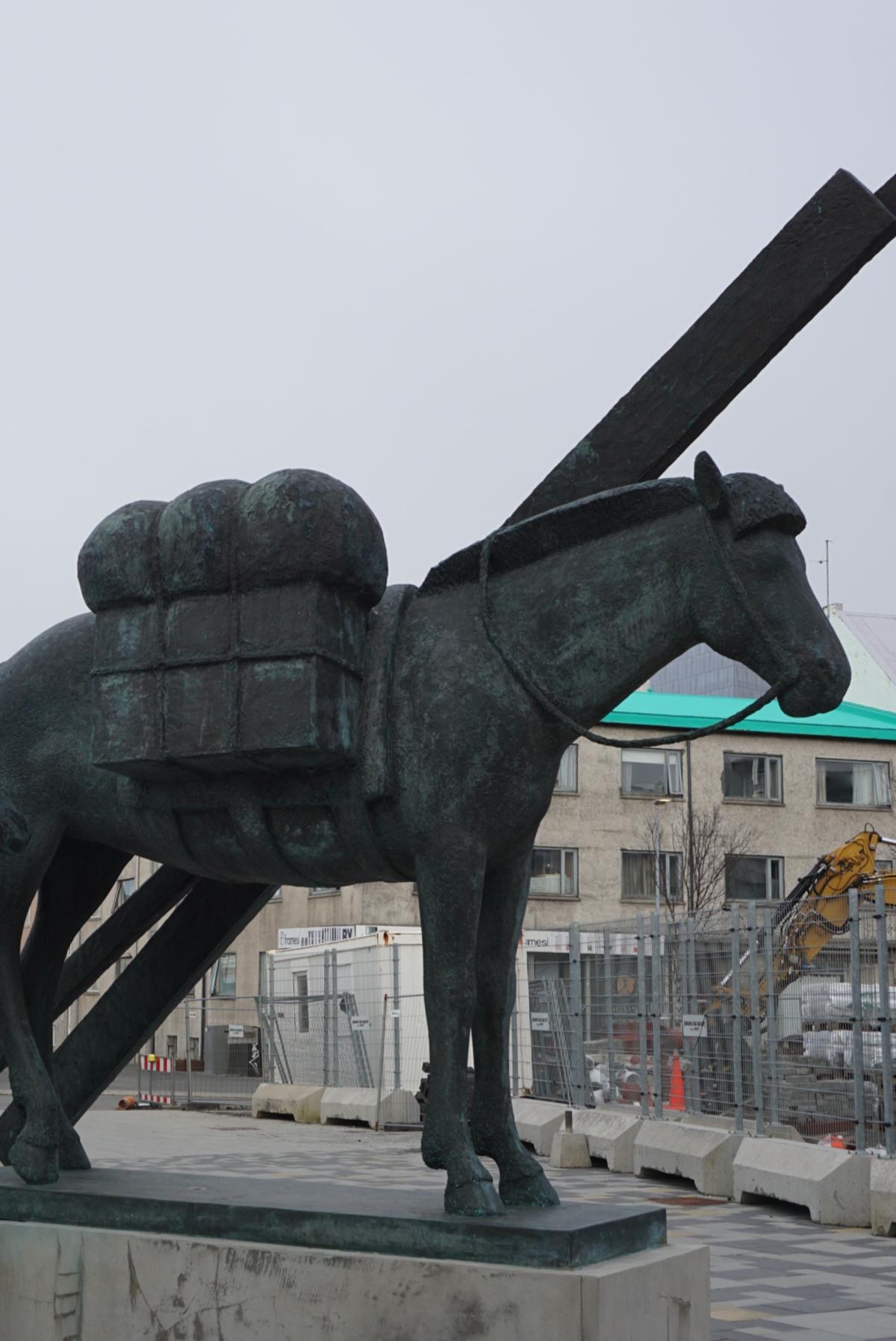
旅行者(驮马雕塑)
Unravel the sagas of Icelandic explorers and feel the enduring spirit of discovery that defines the nation.
旅行者(Ferðalangur)附近的旅游
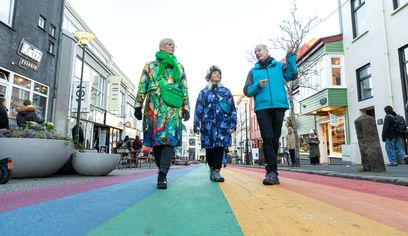
Private Reykjavik LGBTQ+ City Walk
Your Friend in Reykjavik · 3 hours
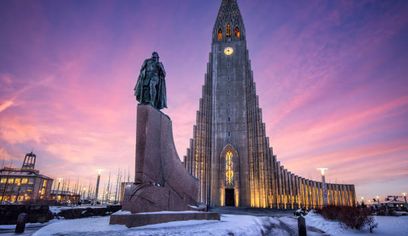
Private Reykjavik City Tour
Icelimo Luxurytravel · 4 hours
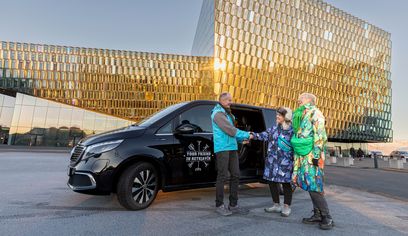
Private 3 hour Reykjavik Driving Tour
Your Friend in Reykjavik · 3 hours
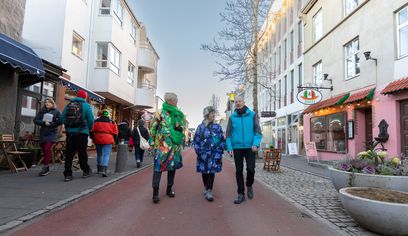
Private Reykjavik Shopping & Sightseeing Walking Tour
Your Friend in Reykjavik · 3 hours
照片
图库
背景
历史与背景
冰岛的故事与旅行和探索有着密不可分的联系,始于公元9世纪末北欧海盗的大胆航行。这些无畏的海员,受土地饥渴、政治冲突和纯粹好奇心的驱使,航行穿越危险的北大西洋,发现了并定居了这座偏远的岛屿。他们的最初旅程和随后的几波定居浪潮,为独特的社会奠定了基础,这个社会因其孤立以及严酷而美丽的环境所带来的持续挑战而形成。 几个世纪以来,冰岛人一直是旅行者,无论是通过连接他们与欧洲的贸易路线,还是通过他们崎岖景观中的内部探险。萨迦本身就是关于旅程、争斗和建立新世界的史诗故事。“旅人博物馆”的建立旨在概括这一深刻的历史叙事,认识到“旅行”这一行为——无论是跨越海洋还是穿越思想——是冰岛身份的核心。 这座博物馆成立于21世纪初,是这些古老和当代故事的现代守护者。它精心收集文物、文献和口述历史,创造了一个动态的空间,让过去与现在产生共鸣。这是一个让游客不仅能了解*发生了什么*,还能理解*为什么*旅行者的精神在冰岛人的心中如此强大。
“旅人博物馆”(Ferðalangur,意为“旅行者”)是对冰岛从诞生之初就定义其的持久探索精神的生动致敬。这座博物馆位于首都地区的心脏地带,邀请游客踏上一次沉浸式的旅程,穿越该国丰富的发现、定居和持续冒险的历史。从一千多年前首次发现这些海岸的无畏维京航海家,他们利用古老的星图和直觉的航海技术,到继续突破界限的现代科学家和艺术家,“旅人博物馆”展示了冰岛人漫游精神的诸多方面。 在馆内,您将遇到精心策划的展览,包括真实的考古发现、早期航海工具的详细复制品以及将萨迦故事带入生活的互动展示。多媒体装置将您带到与大西洋波涛搏斗的长船甲板上,或进入开拓者们绘制未知区域时的思维。了解第一批定居者面临的挑战、塑造早期冰岛社会的文化交流,以及孤立如何培养了独特的韧性和对更广阔世界永不满足的求知欲。博物馆还重点介绍了现代冰岛的探索,从登山探险到极端环境下的科学研究,展示了“旅人”精神在今天仍然像一千年前一样充满活力。不要错过顶楼的全景,它提供了一个对曾经被发现的土地的当代视角。
民间故事
故事与民间故事
凛冽的寒风呼啸着,年轻的埃纳尔紧紧抓住粗糙的木制船舷,长船有节奏的吱呀声是他唯一的摇篮曲。远离挪威熟悉的峡湾,广阔、灰色的北大西洋在他面前无边无际地延伸。他的父亲,一个饱经风霜、目光能超越地平线的人,指向远处的一抹模糊。“陆地,”他咕哝着,这个词在海浪的咆哮中像一个承诺般低语。埃纳尔记得那些萨迦,关于勇敢战士和狡猾航海家的故事,但这不同。这是*他们*的萨迦,随着每一次飞溅的盐水和每一次他冒险心脏的跳动而展开。他们是Ferðalangur,旅人,在未被驯服的天空下寻找一个新的家园。几代人之后,他们的旅程以及无数其他旅程,在这座博物馆的墙壁内回响。在这里,你不仅仅是看到历史;你感受到大海的寒意,发现的刺激,以及驱使他们走向已知世界边缘的不屈不挠的精神。
你知道吗?
Did you know the first known settlers of Iceland, the Vikings, navigated using sunstones and the stars, embarking on some of history's most audacious voyages?
文化
故事与传说
来自该地区的冰岛传奇和民间故事
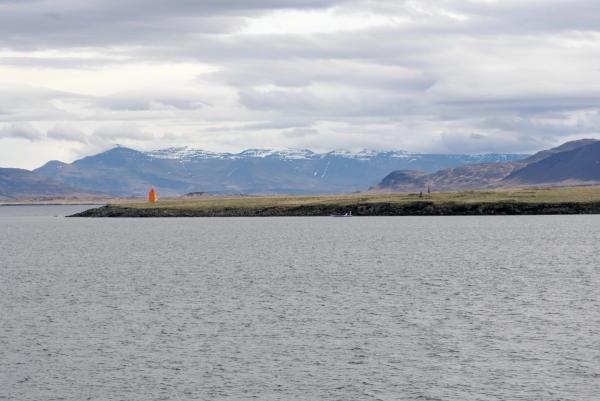
Engey
Engey is a historic location in Iceland mentioned in "Njáls saga", one of the ancient Íslendingasögur (Sagas of Icelanders). These medieval narratives preserve the history of Iceland's Viking Age settlement.
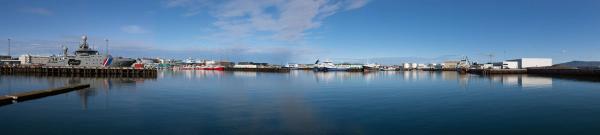
Reykjavík
Reykjavík is a historic location in Iceland mentioned in "Harðar saga og Hólmverja", one of the ancient Íslendingasögur (Sagas of Icelanders). These medieval narratives preserve the history of Iceland's Viking Age settlement.
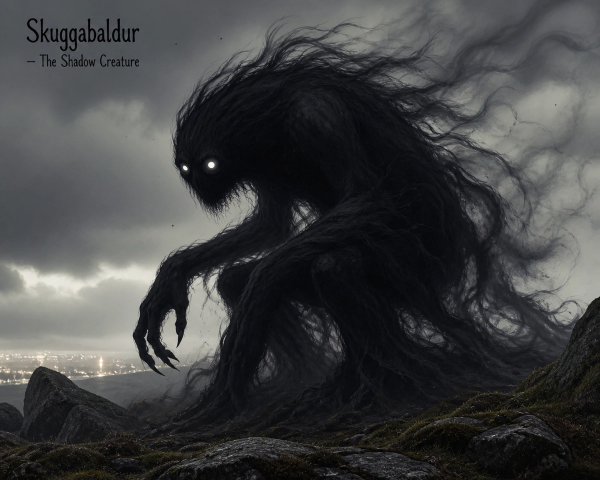
Skuggabaldur – The Shadow Creature
Skuggabaldur: A phantom dog guarding forgotten paths.
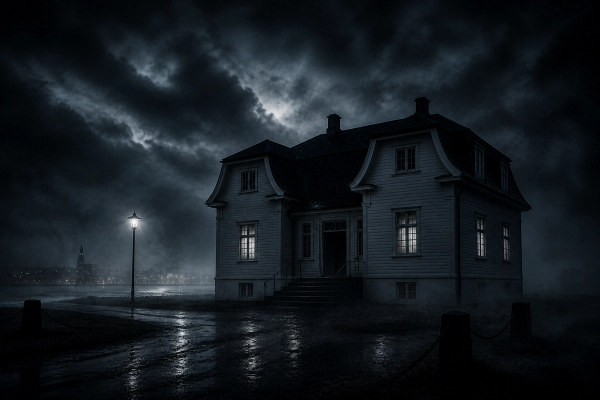
Höfði House – Reykjavík's Haunted Mansion
Höfði House: Reykjavík's historic mansion with a chilling paranormal past.
探索
附近的隐藏宝藏
Look at the Timber Beams
The unusually long wooden beams carried by the horses are not decorative. They represent imported construction timber that arrived through Reykjavík harbour and helped build many of the city’s earliest houses.
This detail connects the sculpture directly to Reykjavík’s transformation from a small coastal settlement into a growing capital.
Why the Sculpture Stands at Hlemmur
Hlemmur was historically one of Reykjavík’s busiest transport crossroads. Placing the sculpture here strengthens its connection to travel routes, movement, and the transport history of the city.
It helps visitors understand that this area has always been a gateway between neighbourhoods and generations of travellers.
Sigurjón Ólafsson’s Signature Style
Sigurjón Ólafsson often simplified human and animal forms to highlight movement and strength rather than realism. The horses’ solid shapes reflect endurance rather than motion.
Recognizing the artist’s style adds a deeper layer of meaning to the sculpture beyond its historical subject.
位置
位置
Discover
Explore Nearby
Places from our database within 5.0 km — all data from Sanity
Loading nearby places…
0 places found within 5.0 km
Plan full itinerary →探索更多